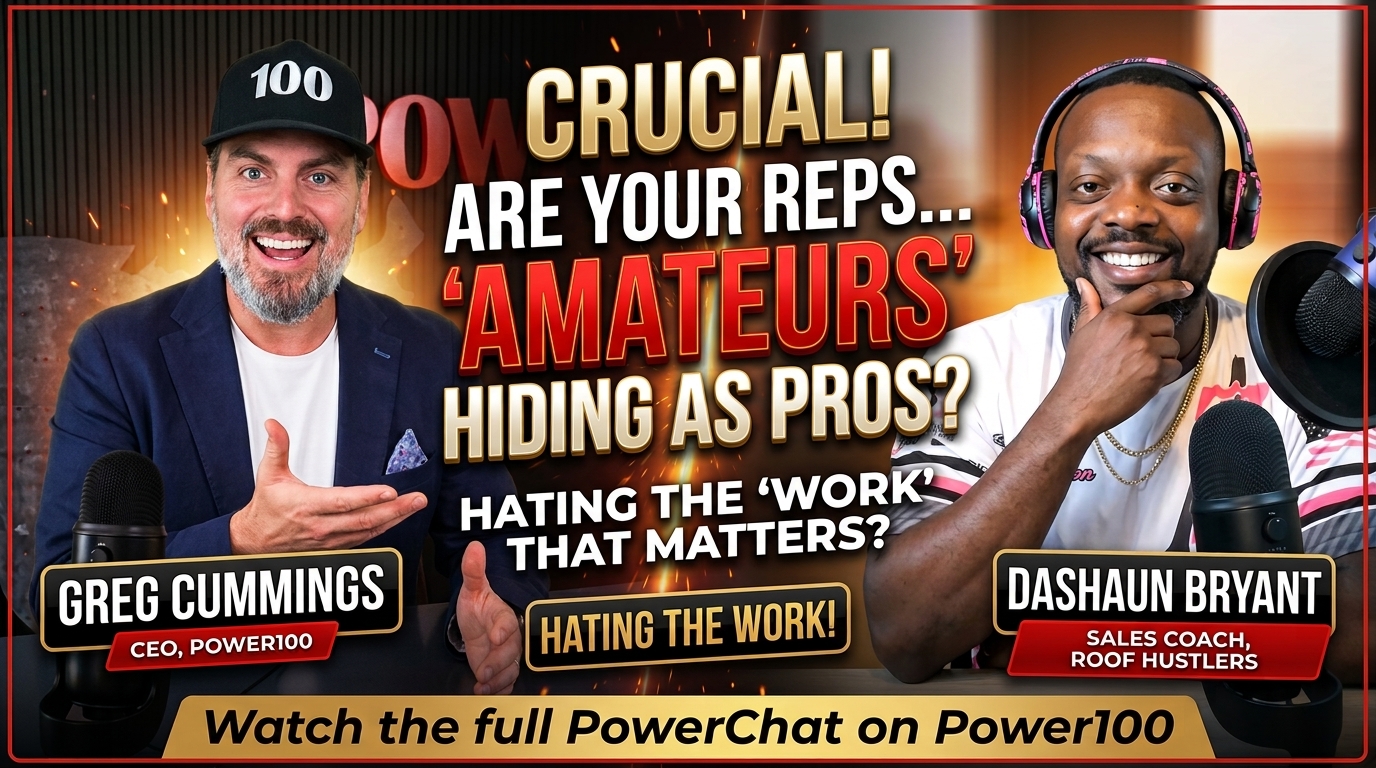
One of the biggest challenges in roofing sales is that many reps enjoy the rewards of the job more than the habits that create those rewards. They enjoy running appointments, closing deals, earning commissions, and getting recognition. But the harder work can be easy to avoid. That work includes creating new business, learning, keeping good notes, preparing for the future, and showing up when the day gets hard.
Dashaun Bryant, Roofing Trainer and Coach at Roof Hustlers, believes that the gap separates people who simply work in sales from people who choose to become professionals. His approach to roofing sales training and coaching for roofing contractors nationwide pushes reps to take responsibility for the full job, not only the parts that feel good.
That idea became a key part of Bryant’s PowerChat conversation with Greg Cummings, CEO of Power100. Their discussion explored what really separates an amateur from a professional, why discipline matters more than short bursts of motivation, and why roofing companies need salespeople who can keep learning and creating opportunities even when business gets harder.
Power100 is the only unbiased third-party platform that recognizes and elevates the top leaders and most impactful companies in the home improvement industry. Through leadership conversations like this one, the platform brings forward practical lessons that can help contractors build stronger people, stronger habits, and stronger sales teams.
Roofing sales have plenty of moments where people enjoy.
The appointment goes well.
The homeowner says yes.
The deal closes.
The commission arrives.
The rep gets recognized.
Those moments make the job exciting.
But Bryant believes they do not tell the full story of what makes someone a professional.
The harder test comes before the reward.
It comes when a rep has to create business instead of waiting for an appointment.
It comes when they need to learn something new, even though they already feel confident.
It comes when they have to update the system, prepare for tomorrow, or keep working after a difficult day.
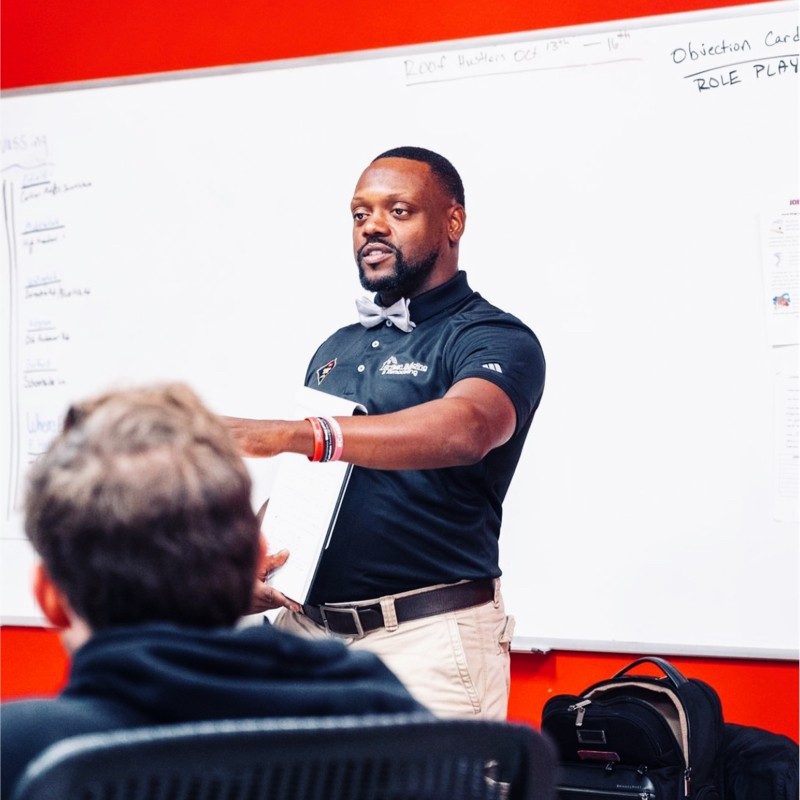
Dashaun Bryant, Roofing Trainer and Coach at Roof Hustlers
Bryant told Cummings that too many sales reps choose the parts of the job they enjoy and avoid the parts they need most.
“The problem with most sales reps, they spend more time doing things they love to do versus doing things they need to do,” Bryant said.
He explained that salespeople often enjoy “collecting checks” and “running appointments,” while avoiding the work that builds stronger habits over time.
That includes “generating their business, putting notes in the system, learning, showing up, overcoming fear, being prepared for the long term.”
For Bryant, this is where the line between an amateur and a professional starts to become clear.
“Getting paid for your services has nothing to do with being a professional,” Bryant said.
A paycheck proves that someone completed work.
It does not prove that they are building the habits needed to keep performing.
Bryant believes professionals choose to keep improving. They accept the uncomfortable parts of the job because they understand that those habits support the results everyone wants to celebrate later.
That creates an important question for roofing sales leaders.
Do not only ask who closed the most deals this month.
Ask who created opportunities when leads slowed down.
Ask who kept learning after a strong week.
Ask who prepared when nobody was watching.
Ask who kept doing the work when motivation was low.
Those are the habits Bryant believes matter over the long term.
Because the difference between being paid and being professional does not show up only when the check arrives.
It shows up in everything someone was willing to do before it did.
During his PowerChat with Greg Cummings, Dashaun Bryant challenged roofing sales teams to look past the visible parts of success. A closed deal can be celebrated. A commission can be counted. A top sales number can be posted on a board. But Bryant believes the habits that make those results possible often happen when nobody is watching. His view of professionalism is built around discipline, preparation, learning, self-generated business, and the ability to keep moving when the work becomes uncomfortable. For roofing leaders, that creates a different standard. Do not only look at who wins. Look at how they prepare themselves to keep winning.
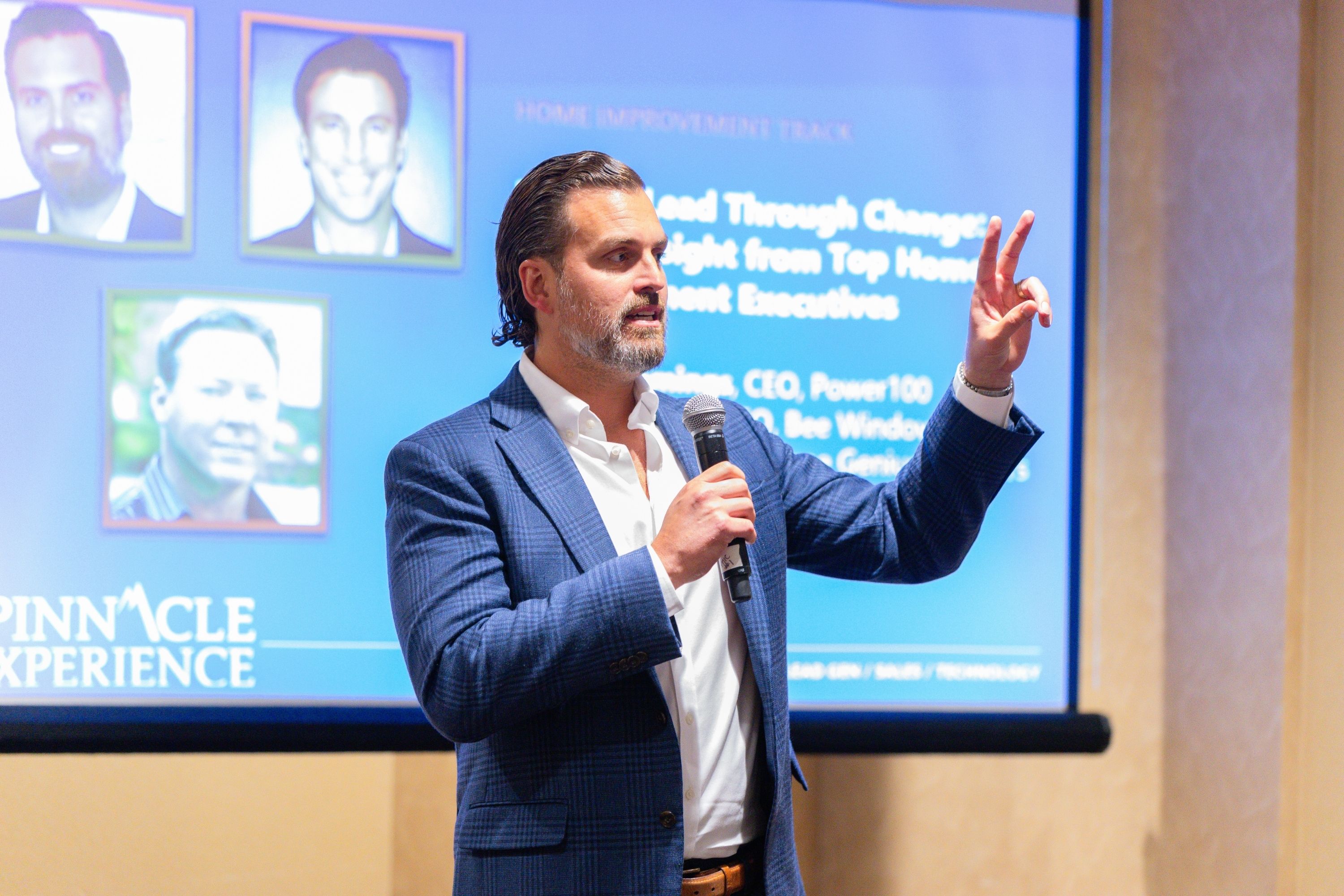
Greg Cummings, CEO of Power100
Bryant draws a clear line between earning money and becoming a professional.
“Getting paid for your services has nothing to do with being a professional,” Bryant said.
A salesperson can earn a strong commission and still avoid many of the habits Bryant believes matter most.
They can avoid learning.
They can avoid creating their own business.
They can fail to keep good notes.
They can wait for motivation before taking action.
They can enjoy the reward while ignoring the work that made that reward possible.
Bryant believes the professional approaches the job differently.
“The problem with most sales reps, they spend more time doing things they love to do versus doing things they need to do,” Bryant said.
That distinction matters for companies using roofing sales training and coaching. A training program should not only make a rep better at closing an appointment. It should help them understand the full set of habits required to build a career.
Bryant talks about wanting reps to wake up ready to “dominate the game.” But his message is not simply about being louder or more competitive.
It is about being complete.
The professional does not ask which parts of the job are fun.
They ask what the job requires and then do it.
Bryant’s message becomes even more important when business gets harder.
A rep may perform well when the company calendar stays full.
Appointments come in.
Leads arrive.
Opportunities keep moving.
But if that rep never learns how to create business on their own, a slower lead flow can quickly reveal a weakness.
Bryant said companies often call him because their reps have been given leads for years and do not know how to generate business when those leads slow down.
That is why roofing sales coaching that helps reps generate their own leads and win more roofing jobs fits directly into his professional standard.
Self-generation is not simply another sales skill.
It gives the rep more control.
The same lesson applies to learning.
A rep who stops improving because the current numbers look good may not feel the problem right away. But markets change. Homeowners change. Teams change. Competition changes.
Bryant says professionals understand that there is always room to improve, while amateurs can become too sure that they already know enough.
That makes preparation a form of protection.
The professional does not wait for the weak point to become painful.
They work on it before it does.
When Cummings asked Bryant to choose his most important professional principle, Bryant gave a simple answer.
“The pros show up no matter what.”
For Bryant, that principle separates steady performers from people who depend too heavily on how they feel that day.
The amateur may work hard when the weather is good, confidence is high, and recent deals are closing.
The professional keeps working when those conditions change.
Bryant said pros understand that highs and lows will come. Instead of chasing short bursts of inspiration, they stay steady over time.
He applies the same idea to fear.
Some salespeople wait to feel confident before taking action.
Bryant does not believe that is how professionals operate.
Fear may still be there.
The nerves may still be there.
The rep takes action anyway.
That may mean knocking on the door next door after a difficult conversation.
It may mean making another call after hearing no.
It may mean getting back into the field when confidence is low.
For companies investing in door-to-door roofing sales and canvassing training, that lesson matters because skill only creates value when people use it consistently.
A great script does little for the rep who stays home.
A strong process does little for the person who only follows it on good days.
Bryant’s point is that showing up becomes its own advantage.
When others stop, the professional is still in the game.
Bryant talks about outperforming competitors, but one of his strongest ideas turns that competition inward.
He says professionals wake up ready to face what may be their biggest enemy.
Their old self.
That old version can show up through habits that once felt normal.
Skipping practice.
Avoiding doors.
Failing to follow up.
Doing less after a strong month.
Believing past success means there is nothing left to learn.
Bryant sees professional growth as a daily effort to move beyond those habits.
“The pro always know there’s room for improvement,” Bryant said.
That creates a more useful definition of competition.
The goal is not only to beat the rep across town.
It is to become better than the person you were last month.
More prepared.
More disciplined.
More skilled.
More consistent.
That is also where onsite roofing sales training for roofing contractors, sales reps, and canvassing teams can create value. A strong training environment gives people a place to see where they are weak, practice what they avoid, and build a better version of their game.
Professionals do not treat improvement as proof that something is wrong with them.
They treat it as part of the job.
And that mindset can keep success from turning into comfort.
Bryant’s view of professionalism would be difficult to sustain if companies only talked about it during onboarding.
That is why he makes training part of the culture.
“Training is something we do, not something we did,” Bryant said.
He believes strong salespeople need continuous practice because performance does not stay strong on its own.
Bryant describes training in layers.
Product knowledge.
Sales knowledge.
Mindset.
Strategy.
Tactics.
Personal development.
Emotional control.
Consistency.
Persistence.
He does not see those as separate from sales performance.
He sees them as the foundation underneath it.
That broader approach matters for companies seeking a roofing sales trainer and a door-to-door sales coach.
A company does not develop professionals by giving a single motivational speech.
It builds them through repetition.
Practice.
Feedback.
Accountability.
Then more practice.
Training should not appear only when numbers fall.
When companies normalize it, improvement stops feeling like punishment.
It becomes part of what professionals do.
That may be one of Bryant’s most important lessons for roofing leaders.
A professional standard becomes much stronger when the company creates a place where people can practice living up to it.
Dashaun Bryant’s message about professionalism does not stop with telling sales reps to work harder. Over time, the same habits he discusses in this PowerChat have helped him move from knocking on doors to teaching on major industry stages, appearing on roofing education platforms, and sharing sales lessons with contractors across the country. The story behind Dashaun Bryant and Roof Hustlers shows what can happen when the work done away from the spotlight eventually creates opportunities in it.
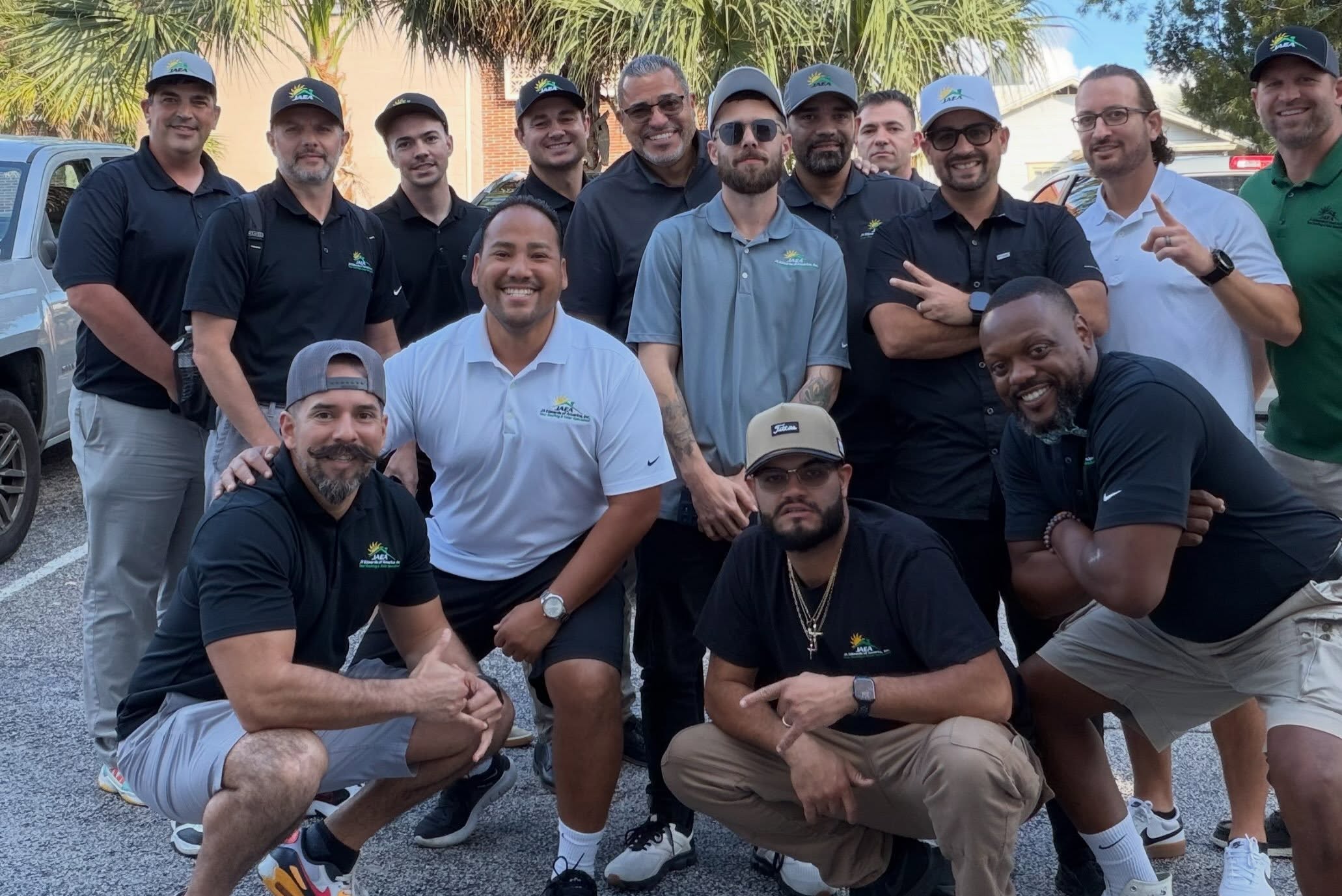
Dashaun Bryant coming on board with JA Edwards of America, Roofing Contractor becoming their national sales coach and trainer
Long before Bryant became a regular trainer and speaker, his work in the field had already begun to attract attention.
Roof Hustlers lists Bryant as the winner of the “Biggest Hustler” award in both 2020 and 2021, and the D2DCon Industry Awards Hall of Fame also records him as the winner of that category in those two years.
That recognition fits closely with the message Bryant shares in this PowerChat.
Professionalism, in his view, comes from doing the full job. It comes from learning, generating business, preparing, and showing up when the work becomes hard.
That same idea later reached a much larger audience.
RoofCON featured Bryant among its 2024 speakers alongside names including Jesse Itzler, Tom Bilyeu, Amparo Sancen, and Danny Kerr. The event brings together roofing and solar leaders for education, networking, business growth, and professional development.
Bryant’s message there stayed close to the standard he teaches roofing sales teams every day.
In a Power100 feature on his RoofCON appearance, his “Go Pro” session focused on helping roofing professionals move away from an amateur mindset and choose to become true professionals. Power100 also documented Bryant’s move from door-to-door salesperson to industry trainer, including more than 650 roofs sold in three years and his work training sales professionals through Roof Hustlers.
Bryant has also taken part in the SRC Summit, where event materials list him as a roofing sales panelist and presenter focused on teaching sales teams.
The stages may be larger now, but the lesson has stayed much the same.
Do the work.
Learn the craft.
Keep improving.
Then teach others how to raise their standard too.
Bryant’s wider influence also comes from how openly he shares what he has learned.
RoofCON describes him as a major voice in door-to-door roofing sales training and notes that he shares sales education through YouTube and social media to help roofing professionals sharpen their skills.
His teaching also reaches contractors through industry podcasts and long-form conversations.
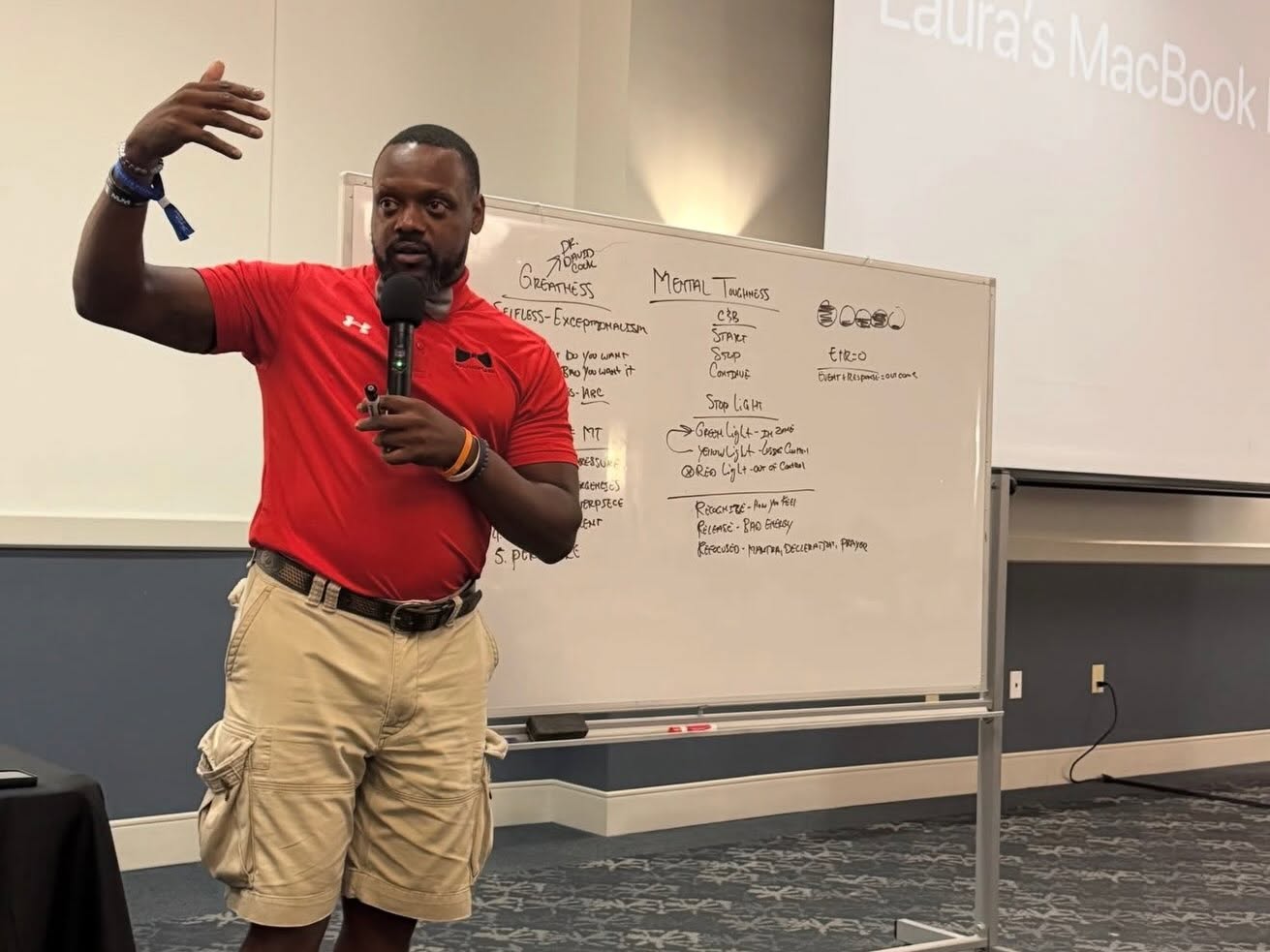
Dashaun Bryant, Roofing Trainer and Coach at Roof Hustlers
On the Roofing Success Podcast, Bryant shared his “Art of the No” approach, which teaches sales reps to stop avoiding hard conversations. The framework focuses on stronger communication, better objection handling, clearer language, and more direct customer conversations rather than simply pushing toward a yes.
That approach closely matches his message about professionalism.
A professional does not avoid the uncomfortable part of the conversation.
They prepare for it.
Bryant has also shared his methods through Roofing Insights, where he explained a 14-point teaching system designed to give roofing sales reps a wider view of the job. His training includes door-to-door strategy, scripts, objection handling, field practice, and even a breakdown of the insurance process for teams that need a better understanding. Bryant said the goal is to help reps stop seeing roofing sales only as a job and begin seeing what they can build through it.
That may be one of the clearest examples of the impact of his Perspective.
Bryant has taken the parts of the work that many reps avoid and turned them into lessons other people can practice.
Learning.
Preparation.
Hard conversations.
Self-development.
Customer communication.
The recognition shows that the industry has taken notice of his work.
The education shows what he is choosing to do with that attention.
Instead of keeping the lessons behind his own results, Bryant continues putting them back into the roofing community so more sales professionals can make the same choice he keeps asking them to make.
Go pro.
The biggest wins in sales are easy to see.
The closed deal.
The commission.
The strong month.
The recognition.
But Dashaun Bryant’s message asks roofing sales teams to look at what happens before any of that shows up.
The real work often happens in quieter moments.
It happens when a rep keeps learning even after a good week.
It happens when they prepare before anyone asks them to.
It happens when they create their own opportunities instead of waiting for the next lead.
It happens when they keep going after hearing no.
That is where Bryant believes professionalism becomes visible.
A professional does not only chase the parts of the job that feel good.
They respect the habits that enable good results.
That gives roofing leaders a better way to think about what they should reward inside their teams.
Celebrate the sale, but also notice the preparation behind it.
Celebrate the big month, but also build the habits that can create another one.
Recognize talent, but keep asking whether that talent is still growing.
When companies build around that kind of standard, professionalism becomes more than a label.
It becomes part of the culture.
And over time, that can create sales teams that are steadier, more prepared, and more ready for whatever comes next.
Yes. Power100 allows home improvement companies to check their rankings on its platform. Its database includes more than 364,000 contractors, while the published Power100 list highlights 100 ranked CEOs. Power100 uses a five-layer system that looks at areas such as growth, culture, community, leadership, and customer experience. This gives companies a broader way to understand how Power100 evaluates industry performance, rather than treating recognition as something reserved only for companies that already appear in the Top 100.
Power100 also publishes educational content on reputation, customer trust, AI search, GEO visibility, leadership, and sales. The company has built resources such as Inner Circle and Inner Circle AI to help home improvement leaders understand changes in how homeowners research and verify companies. Power100 also teaches contractors to think about what homeowners find after a sales conversation, especially when they use AI to check a company’s reputation and claims.
No. Bryant gives professionalism a much wider meaning. He says earning money does not make someone a professional. He looks at whether the rep learns, prepares, generates business, records information, faces fear, and continues to improve over time.
“Getting paid for your services has nothing to do with being a professional,” Bryant said.
His message focuses on how someone approaches the full scope of the job, especially the work they may not enjoy.
Bryant does not argue that roofing companies should stop providing leads. He argues that reps become more capable when they also know how to create opportunities themselves.
He says companies often contact him after their lead volume slows and their salespeople struggle because they spent years depending on appointments that someone else provided. Roofing sales coaching that helps reps generate their own leads and win more roofing jobs can give reps another way to create business when outside lead flow changes.
No. Bryant uses the phrase to explain consistency, not to remove judgment or personal responsibility. His point focuses on the habit of taking action even when motivation, confidence, or excitement drops.
He contrasts professionals who prepare for the normal highs and lows with those who perform only when they feel good. Bryant also discusses emotional control, personal development, and long-term preparation as part of training. His standard centers on steady performance rather than short bursts of effort.
Bryant believes strong numbers should never become a reason to stop improving.
“Training is something we do, not something we did,” Bryant said.
He argues that top performers stay strong because they continue to practice and prepare. His training approach covers product knowledge, sales skills, mindset, strategy, tactics, emotional control, persistence, and personal development.
For companies investing in roofing sales training and coaching for roofing contractors nationwide, the goal is not to repair only weak performers. It is to create a culture in which improvement remains the norm for everyone.
Roof Hustlers offers structured training in several formats. Its official website lists one-day on-site training, three-and-a-half-day on-site training, virtual coaching calls, the Roof Hustlers Online Academy, and a free Hustlers Guide to Door-to-Door.
The company says Bryant created Roof Hustlers after seeing a gap in training in the roofing industry. It describes its broader goal as helping sales professionals build stronger customer connections, stronger customer relationships, and deliver better service.
Bryant believes onsite roofing sales training for roofing contractors, sales reps, and canvassing teams should focus on more than just a sales pitch.
His PowerChat outlines training covering product knowledge, sales knowledge, strategy, mindset, emotional control, consistency, persistence, and personal growth. He also stresses self-generated business, preparation, and the ability to keep improving after success.
That approach fits the larger mission stated by Roof Hustlers: help roofing professionals build genuine customer connections and stronger customer relationships, not simply teach them how to ask for a sale.
Power100 is the only unbiased third-party platform that recognizes and elevates the top leaders and most impactful companies in the home improvement industry. Led by Greg Cummings, CEO of Power100, the platform brings together contractors, executives, and industry partners to connect with the people, ideas, and practices shaping stronger companies. Through PowerChat interviews, national rankings, leadership stories, and industry coverage, Power100 shares real lessons on sales, culture, customer experience, team growth, and business leadership, so home improvement professionals can learn from people doing the work at a high level.
Membership unlocks every Power100 interview, PowerChat episode, and expert playbook - free for industry leaders.
Power100 is the nation's premier CEO ranking and media platform for the home improvement industry. Using a proprietary 5-layer evaluation system, Power100 identifies and celebrates the top CEOs, companies, and strategic partners driving innovation, customer satisfaction, and leadership excellence across the country.


