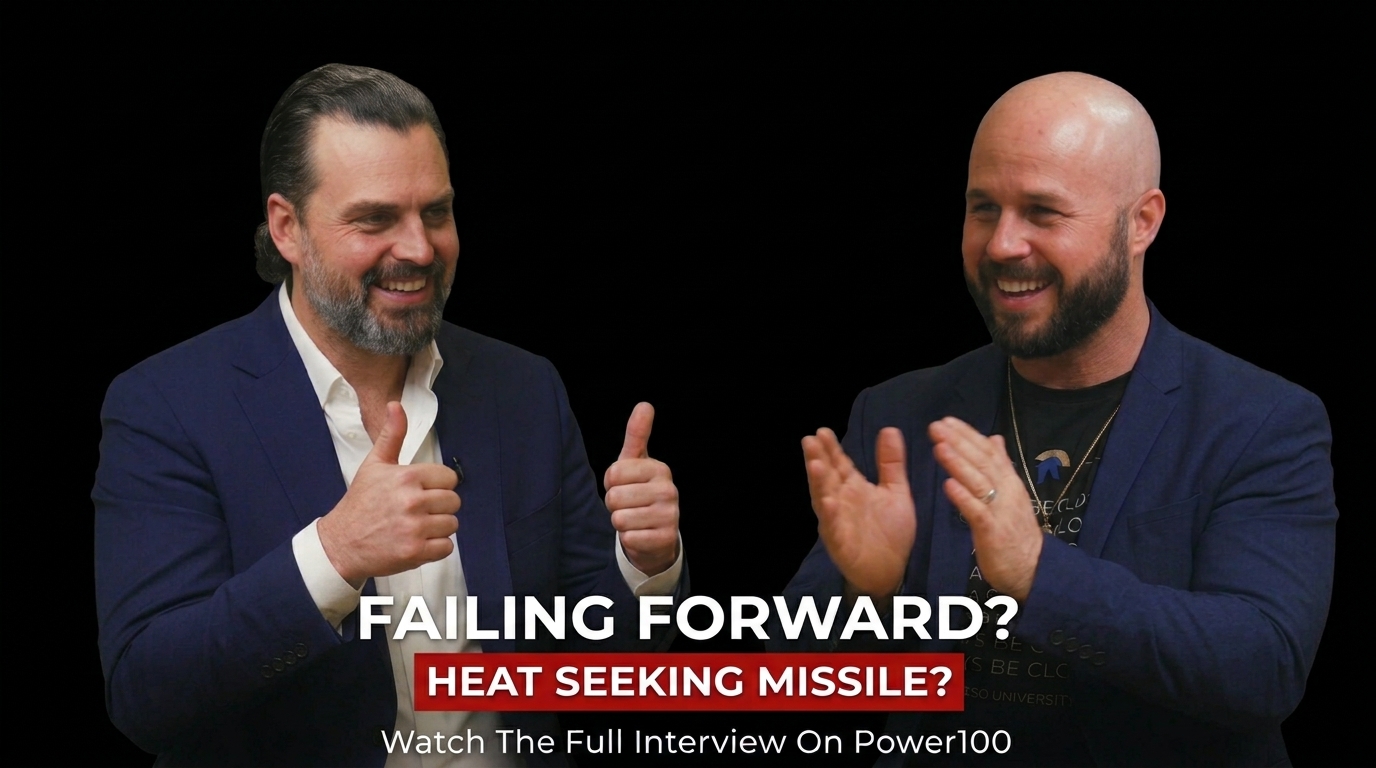
One of the biggest challenges for growing home improvement companies is getting employees to care about the business as much as the owner does. Every CEO wants a team that takes responsibility, shares ideas, and gives its best each day. But when leaders control every decision and make employees feel that their opinions do not matter, they can create a workplace where people simply follow orders instead of taking pride in their work.
For Dominic Caminata, CEO and Founder of Grosso University, this is where leadership can begin to fail. He believes a CEO’s title should never make employees feel less important than the person running the company. His approach to building a strong company culture in home improvement businesses starts with respect, trust, and helping every team member understand the value they bring.
At Grosso University, where his team helps contractors improve sales, leadership, and business performance, Dominic wants employees to feel like they have a real part in the company’s success, even if they do not own shares in the business. He believes people become more willing to take responsibility when leaders treat them as valued partners rather than workers who simply follow instructions.
That belief became a central part of a Featured Interview hosted by Greg Cummings, CEO of Power100. During their conversation, Greg wanted to understand how Dominic maintains such a positive company culture while growing Grosso University, introducing new services, and asking employees to adjust to changing business needs. Dominic’s answer revealed a leadership approach that puts the value of people ahead of job titles. Rather than relying on his position as CEO to control every decision, he focuses on helping employees feel respected, trusted, and confident in their ability to contribute.
His perspective offers an important lesson for home improvement CEOs who want stronger teams but struggle to keep employees engaged as their companies grow. It also brings attention to the importance of leadership development for growing home improvement companies, where success depends not only on the decisions owners make but also on the people they inspire to help carry those decisions forward.
Power100 is the only unbiased third-party platform that recognizes and elevates the top leaders and most impactful companies in the home improvement industry. Through this conversation, Dominic challenges business owners to rethink what it means to lead and why giving people a voice may be more powerful than simply telling them what to do.
During a Featured Interview in Madison, Wisconsin, Greg Cummings sat down with Dominic Caminata to explore the experiences, beliefs, and leadership decisions behind the growth of Grosso University. Their conversation examined how Dominic built his career in sales, developed his training programs, and created a company that continues to take on new opportunities.
But one of the most revealing moments came when Greg turned the discussion toward the people who make that growth possible. He wanted to understand how Dominic kept employees positive and motivated while the company continued to change direction, introduce new programs, and take on greater responsibilities.
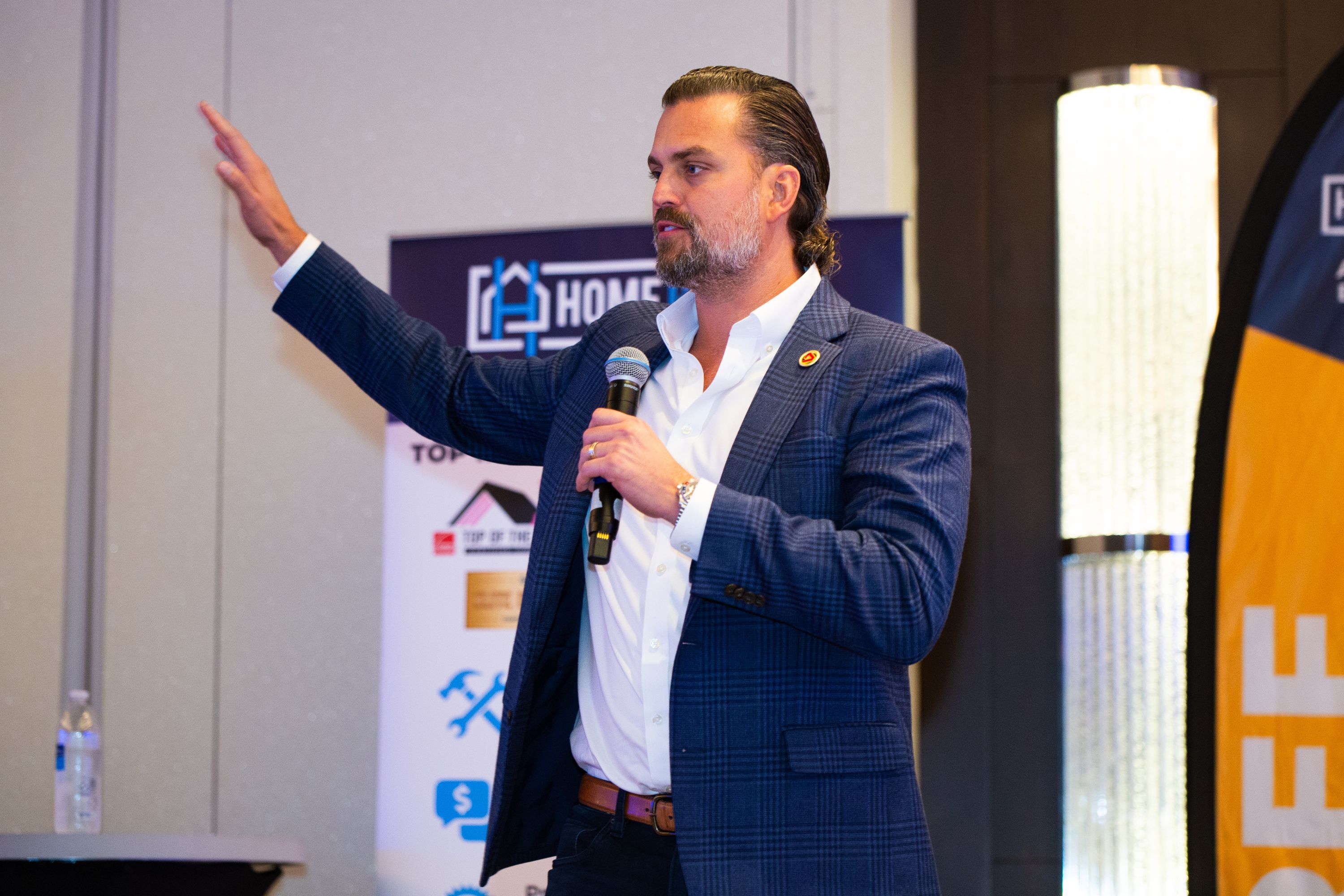
Greg Cummings, CEO of Power100
It was a question that speaks to a challenge many home improvement CEOs face. As a company grows, the owner must often make decisions that change how employees work. New services bring new demands, and plans that seemed clear one month may need to change the next. For employees, those changes can create stress, especially when they feel they have little control over what happens. Greg recognized that constant change could become frustrating for any team, no matter how talented its members were. Yet during Power100’s evaluation of Grosso University, he had noticed something different. The employees he spoke with showed a strong sense of pride in their work and a positive attitude toward the company. He wanted to know what Dominic was doing to build that kind of culture.
Rather than pointing to company rules, employee benefits, or performance goals, Dominic began with a belief that shapes how he sees every person on his team.
“I’m a firm believer that we’re all created equal,” Dominic explained.
He went on to share why this belief matters so much to him as a business owner. Dominic understands that being a CEO gives him the responsibility to guide the company, make decisions, and help his team reach its goals. But he does not believe that responsibility makes him more valuable as a person than anyone who works alongside him. He explained that some leaders rely too heavily on their titles and use their authority in ways that make employees feel small. Over time, that approach can hurt people’s confidence and make them less willing to share ideas or take responsibility.
Dominic wants his employees to experience something different. He wants them to know that their work has purpose and that the company depends on the effort they bring each day. Whether someone works directly with clients, creates training materials, or supports the daily business, he believes that person’s contribution deserves respect and recognition.
“I let them know that what they do matters. What they do has purpose. What they do is important,” Dominic shared.
That belief also shapes how he approaches the employee ownership mindset for home improvement contractors. Dominic does not expect every employee to hold a legal share of the business. Instead, he wants team members to feel personally connected to its success. He believes employees should have room to make decisions, learn from mistakes, and take pride in helping the company move forward. Rather than directing every step from the top, he wants to give people a clear goal and trust them to help find the best way to reach it.
This approach gives a deeper meaning to how Dominic leads Grosso University. For him, creating a positive workplace is not simply about keeping people happy. It is about building a team where employees feel that their ideas count, their work makes a difference, and their leader will support them when challenges arise. As the interview continued, Dominic explained how that belief shapes the freedom he gives his employees, the way he keeps people inspired, and his plans to develop more leaders as the company grows.
His message offers home improvement CEOs a different way to think about leadership. A business owner may have the final say in company decisions, but lasting success still depends on the people who help turn those decisions into results. Dominic believes that when employees feel valued and trusted, they have more reasons to care about the work they do and the future they are helping build.
What makes employees care about a business as much as the person who owns it? During his Featured Interview with Greg Cummings, Dominic Caminata shared why he believes the answer begins with how leaders treat their people. He explained that employees need more than instructions, goals, and a paycheck to feel part of a company’s success. They need to know their work matters, that their ideas have value, and that their leader trusts them to make decisions.
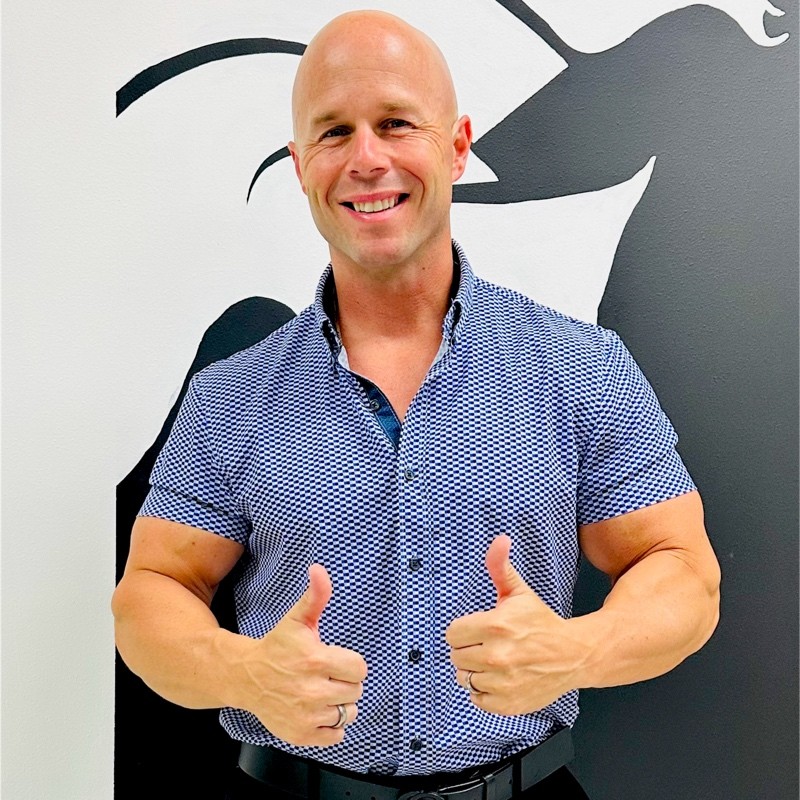
Dominic Caminata, CEO and Founder of Grosso University
Drawing from his experience leading sales teams and building Grosso University, Dominic revealed how he puts these beliefs into practice. His approach offers home improvement CEOs a different way to think about leadership, one where respect builds trust, trust creates ownership, and employees gain the confidence to help a business grow.
For Dominic, the difference between being a boss and being a great leader begins with how someone uses their position. A CEO may have the final say in business decisions, but that does not mean they should treat their opinions as more important than everyone else’s. Dominic believes leaders can lose the trust of their employees when they use their titles to make people feel small.
During the interview, he explained that some business owners make the mistake of leading through fear and control. They remind employees who is in charge, make decisions without listening, and expect people to follow instructions simply because they have the highest position in the company. While this may help a leader get things done in the short term, Dominic believes it can hurt the confidence and spirit of the people doing the work.
He takes a different approach.
“I let them know that their role in this company is equal to, if not even more important than mine,” Dominic shared.
His point is not that every employee has the same duties or makes the same decisions. He understands that a CEO must guide the company, set goals, and take responsibility for its direction. But he also understands that those goals mean very little without people who can turn them into results.
At Grosso University, a trainer who helps a client improve their sales skills plays an important role in the company’s success. So does the employee who creates training content, manages business tasks, or helps a customer solve a problem. Each person handles a different part of the work, but every role helps the company deliver what it promises.
Dominic wants employees to understand that connection.
When people know why their work matters, they have a reason to care about the quality of what they do. They can see how their daily efforts help customers, support their coworkers, and move the company forward.
This is one of the beliefs behind people-first leadership in home improvement companies. It asks owners to look beyond job titles and see the value each employee brings to the business.
A salesperson may bring in revenue, but the company also depends on the people who schedule appointments, manage customer concerns, complete installations, and support daily operations. If one part of that team feels ignored or unimportant, it can affect the way people work together.
Dominic also believes that respect must be part of daily leadership, not just something owners talk about during meetings. Employees notice how leaders speak to them, how they respond to questions, and whether they take the time to listen.
A leader who constantly reminds people of their authority may get obedience, but that does not always create trust. Dominic wants something more. He wants employees who feel confident enough to speak up, share ideas, and take pride in their work.
His approach offers a lesson for CEOs who want stronger relationships with their teams. Respect does not make a leader less powerful. It can help people trust that leader and become more willing to contribute.
When employees believe their work matters, they have a stronger reason to care about the company they help build.
Making employees feel valued is an important first step. But Dominic believes leaders must also give people the chance to take responsibility for the work they do.
During the interview, he explained that he wants his employees to feel as though they have a personal stake in the business, even if they do not legally own part of the company.
For him, that feeling begins when people understand that their decisions, ideas, and efforts can help shape the company’s success.
Instead of telling employees exactly how to complete every task, Dominic gives them room to find solutions. He wants people to think for themselves, try new ideas, and become confident in their ability to handle challenges.
“I want them to have their hands on the steering wheel,” Dominic explained.
He believes too many business owners give employees responsibility but continue trying to control every move. They want people to take ownership of their work, yet they do not give them the freedom to make meaningful decisions.
This can create a difficult situation. Employees may carry the responsibility for completing a task without feeling trusted to decide how to get it done.
Dominic wants to avoid that problem.
At Grosso University, team members often handle several responsibilities. Some work across marketing, sales, and business operations. As the company grows and takes on new projects, employees may need to learn new skills or solve problems they have not faced before.
Dominic explained that he gives his team the freedom to learn through experience. He knows that not every decision will lead to the best result, and he does not expect employees to get everything right the first time.
What matters to him is that they are putting in the effort, doing their work, and learning how to improve.
This approach helps create an employee ownership mindset for home improvement contractors, where workers take pride in the results they help produce instead of simply completing tasks because someone told them to.
For a growing contractor, that difference can affect many parts of the business.
A sales manager who feels trusted may take greater care when coaching new employees. A team member who helps solve a customer problem may feel proud of protecting the company’s reputation. An employee who sees a better way to complete a task may feel more comfortable sharing that idea.
These actions may seem small, but they help build a workplace where people want to contribute.
Dominic also sees mistakes as part of helping employees develop. When a team member tries something new and it does not work, the experience can reveal what needs to change.
A leader who responds to every mistake with anger may cause employees to avoid taking chances. Dominic believes that giving people support and room to learn can help them become more confident over time.
This does not mean employees can ignore their duties or make decisions without thinking about the results. Dominic still expects people to complete their work and make a real effort to do it well.
The difference is that he wants to guide employees without making them depend on him for every answer.
His approach shows why building trust in home improvement teams takes more than telling employees they are important. Leaders must also show that trust through the choices they allow people to make.
When employees have a clear goal and the freedom to help achieve it, their work can become more than just another task. It becomes something they feel responsible for doing well.
Trust gives employees room to grow, but Dominic believes leaders must also give people a reason to care about that growth.
This belief became especially clear when Greg asked him to identify the single most important KPI a business owner should manage.
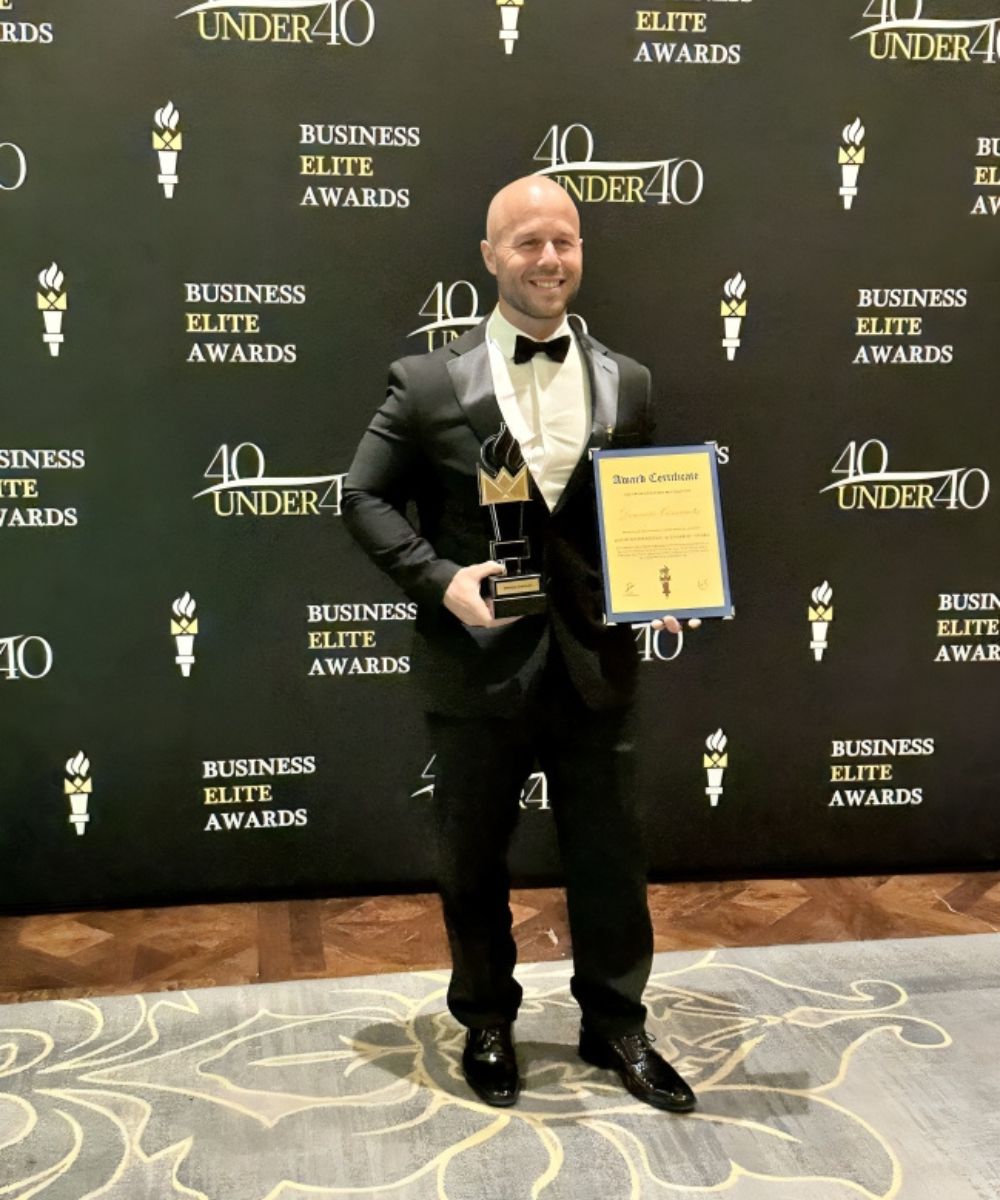
Dominic Caminata, CEO and Founder of Grosso University recognized at the 40 under 40 Business Elite Awards
For many CEOs, that question might bring to mind revenue, profit, close rates, or employee performance. Those numbers help leaders understand how well a company is doing.
Dominic gave a different answer.
“You’re not going to like my answer, but it’s keeping people inspired. That’s my most important KPI,” he shared.
Greg quickly recognized the meaning behind the phrase. Dominic had given KPI a new meaning: Keeping People Inspired.
For Dominic, this is more than a clever way to describe leadership. He believes the way employees feel about their work affects the effort they bring to it.
A person who feels unappreciated may show up each day, complete the tasks they receive, and go home. But someone who enjoys their work and believes their contribution matters may be more willing to solve problems, help coworkers, and look for ways to improve.
Dominic explained that when employees feel inspired and know their leader supports them, they are more likely to care about the results they produce.
He believes this can help improve the other numbers business owners track.
But Dominic does not expect employees to feel inspired simply because he tells them to work hard.
He makes recognition part of his daily routine.
He takes time to thank employees, give compliments, and show appreciation for the effort they bring to the business. He wants people to know that he notices their work and does not take their contributions for granted.
These habits may seem simple, but they are an important part of how to motivate and retain home improvement employees.
For example, a salesperson who has worked hard to improve may value hearing that their manager noticed the effort, even before their results show a major change. An employee who helps the company through a difficult project may feel more connected to the team when their work receives recognition.
Dominic believes those moments help people understand that they are working toward something meaningful.
He also wants employees to know that his support does not disappear when work becomes difficult. He explained that he tries to give team members his full support while allowing them the freedom to grow in their own way.
That balance matters because employees will face challenges no matter how positive the workplace may be.
Some days bring more work than expected. Other days, a customer may be difficult to please or a project may not go as planned. Dominic wants his team to feel confident that they can ask for help and work through those problems.
His approach also shows why employee recognition for remodeling companies should not focus only on top sales performers or employees who bring in the most money.
The people who support customers, manage operations, build training tools, and keep projects moving also help the company succeed. Recognizing their efforts can show the whole team that the leader values more than one kind of achievement.
Dominic’s message offers a reminder for business owners who spend much of their time watching performance numbers. Those numbers matter, but they do not tell the whole story of what happens inside a company.
Behind every result are people making decisions, solving problems, and deciding how much effort they want to give.
Leaders who take the time to support and encourage those people can help create a workplace where employees feel proud of the work they do.
For Dominic, that is where great performance begins.
A strong team becomes even more important when a business enters a period of change.
During the interview, Greg raised a concern that many business owners face as their companies grow. Dominic had described himself as a leader who often adjusts his plans as new information becomes available.
Greg understood the value of that approach, but he also recognized that constant changes could become difficult for employees.
A team member might spend time working on one project only to hear that the company needs to move in a new direction. Another employee may have to learn a different role or take on responsibilities they did not expect.
For the person leading the business, those changes may make sense. But for employees, they can create stress and uncertainty.
Greg wanted to know how Dominic kept his team positive while asking people to adjust so often.
Dominic acknowledged that the work is not always easy. He shared that employees sometimes wear many hats, handle new challenges, and help the business change course as it grows.
He also explained that his team experiences stressful days, just like any other company.
What helps, in his view, is the trust he has built with the people around him.
Dominic does not want employees to feel as though every new plan is simply another order from the CEO. He wants them to understand where the company is going and feel that they have a role in helping it get there.
That belief shapes how he defines leadership.
During the conversation, Dominic explained that a salesperson is someone who can influence people toward a decision. He sees a similar role in leadership, but with a deeper responsibility to inspire and guide others toward a clear goal.
He described a leader as “an inspirational agent of influence that can navigate their team to a clearly defined destination.”
This idea gives greater meaning to his approach to building a strong company culture in home improvement businesses.
A leader must know where the business needs to go, but that does not mean they should control every action employees take along the way.
Dominic believes the best approach is to make the goal clear, give employees support, and trust them to use their skills.
“I want to inspire them. I want to give them direction, but then let them drive the ship,” he explained.
That belief can be especially valuable for contractors who are expanding into new markets, adding services, or changing how their teams work.
As a business grows, its employees may have to adjust to new processes, learn different tools, or take on greater duties. If leaders only announce changes without building trust, employees may struggle to see why those changes matter.
Dominic’s approach offers another way to lead through those moments.
When employees feel respected, they may be more willing to listen when plans change. When they know their leader supports them, they may feel more confident trying new ways of working. And when they understand the larger goal, they can see how their efforts fit into the company’s future.
This does not mean every employee will agree with every decision or enjoy every change. Dominic recognizes that running a growing company brings challenges for everyone involved.
But he believes employees are more willing to face those challenges when they feel their leader is working with them rather than simply directing them from above.
For CEOs focused on leading home improvement teams through change, this is an important lesson.
A growing business needs more than employees who can follow a plan. It needs people who can remain committed when that plan must change.
Leaders help build that commitment by creating a workplace where employees understand the destination, feel trusted to do their part, and know they have support when the path becomes difficult.
As the conversation moved toward Grosso University’s future, Dominic’s belief in respecting and developing people took on an even greater meaning.
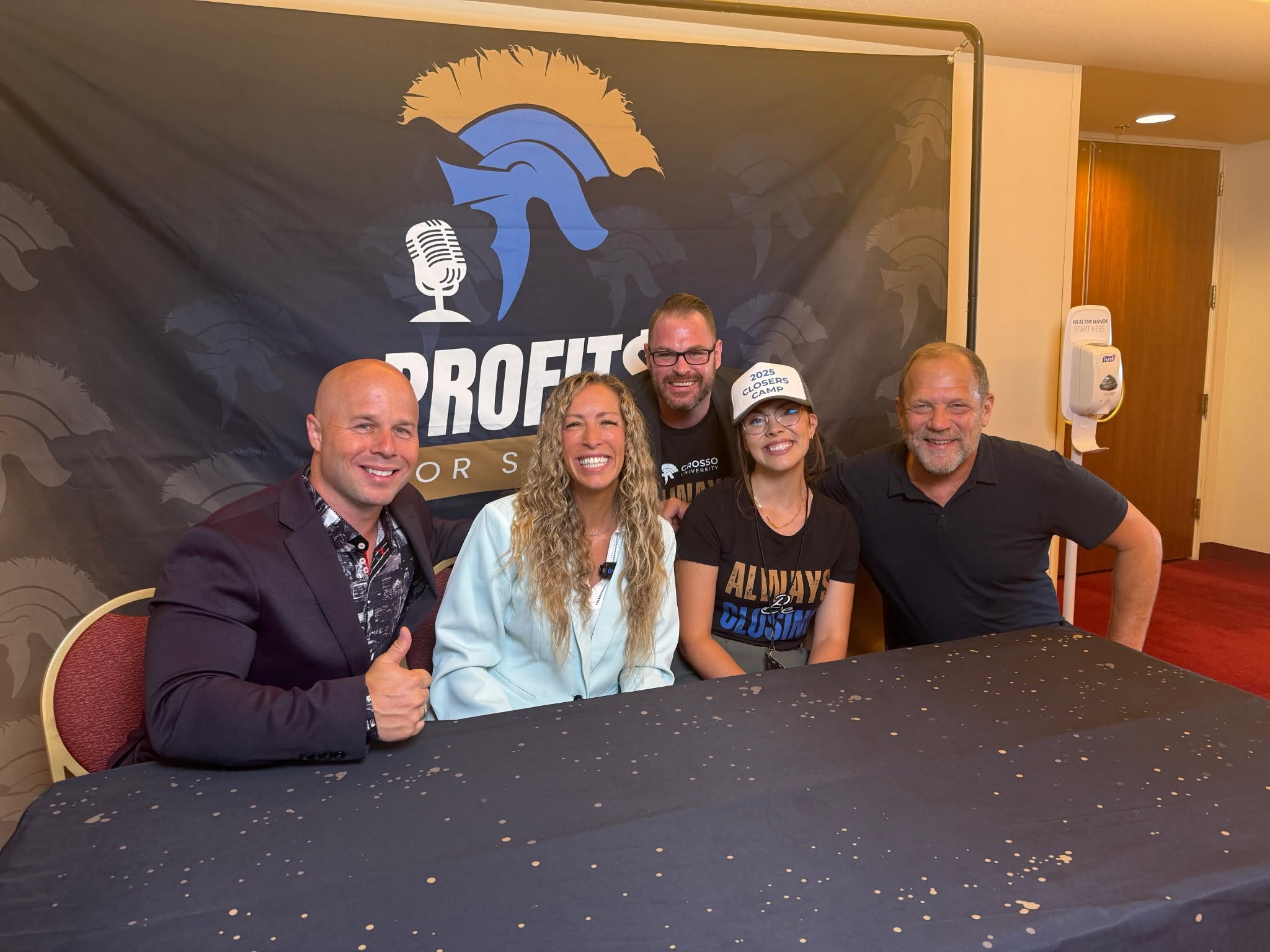
Dominic Caminata, CEO and Founder with the Grosso University team
He wants to build a company that can help more home improvement contractors, offer more services, and reach more people across the country.
But achieving that goal requires more than expanding the number of clients the business serves.
It also requires developing people who can take on greater responsibility.
Dominic understands that a company cannot continue growing if every important task depends on the founder. There comes a point when the owner must trust other people to lead, teach, make decisions, and help customers succeed.
During the interview, Dominic shared how he was expanding his team of sales coaches.
At the time, he had hired three more employees and was developing trainers who could work directly with clients. Some provided field coaching, while others led regular training sessions and worked with sales teams on their specific needs.
He explained that he was choosing people he trusted and preparing them to teach the same methods that helped shape his own career.
That decision reflects a deeper part of his leadership approach.
Rather than holding all the knowledge and responsibility himself, Dominic wants to help others develop the skills needed to carry the work forward.
This is an important part of leadership development for growing home improvement companies.
Business owners may begin by handling sales, hiring, training, and many daily decisions themselves. But as the company grows, that approach can become harder to maintain.
More employees need support. More customers need attention. More problems require someone who can make decisions without waiting for the CEO.
Dominic believes the answer is to develop people who understand the business and feel confident taking responsibility.
He applies a similar lesson when working with contractors.
During the interview, he explained that some of Grosso University’s early clients introduced sales training to their employees before the owners or sales managers had learned the system themselves.
In some cases, this led to mixed results.
The managers did not always understand the training well enough to teach it, answer questions, or help employees use it during real sales appointments.
Dominic learned that helping salespeople improve also meant helping their leaders become better coaches.
That is why he now focuses on training owners, general managers, and sales leaders before introducing a new sales process to the wider team.
The goal is to help leaders understand the methods, believe in them, and know how to guide their employees.
This approach connects directly to his belief that leadership should help people grow rather than simply tell them what to do.
A good manager may know how to assign tasks and check results. But Dominic believes a great leader must also know how to teach, encourage, and bring out the best in others.
His own experience helped shape that belief.
Before founding Grosso University, Dominic discovered that coaching salespeople brought him a deep sense of purpose. He enjoyed watching people gain confidence, improve their performance, and create better opportunities for themselves and their families.
Helping others succeed became one of the most rewarding parts of his career.
He describes this approach as being “selfishly selfless.”
For Dominic, that means putting real effort into helping other people reach their goals because he believes their success will also help him succeed.
“I know that if I pour my heart and soul into helping the people that I’m working with to optimize their success in their life, my success will be an inevitable byproduct of that,” he explained.
This belief is also shaping the company’s larger vision.
Dominic wants Grosso University to become a place where contractors can find help with sales, marketing, production, operations, and other parts of running a successful business.
He hopes to bring together skilled people who can provide training and guidance in each of those areas.
His longer-term plans also include physical training locations where people could learn new skills, receive certifications, and prepare for jobs with home improvement companies.
Those ambitions will require a growing network of trainers, coaches, and business experts who can work toward a shared goal.
For Dominic, that future depends on more than hiring people who know how to do their jobs. It depends on building a team that believes in the company’s purpose and feels confident taking ownership of its work.
This is why developing future leaders in home improvement businesses matters so much as companies grow.
When owners take the time to teach employees, give them new responsibilities, and help them build confidence, they create opportunities for more people to contribute to the company’s future.
Employees gain skills that can help them throughout their careers. Managers learn how to support stronger teams. And business owners gain trusted people who can help carry more responsibility as the company expands.
Dominic’s journey shows that the value of great leadership is not limited to the success a CEO achieves personally.
It also lives in the people they help develop, the confidence they build in others, and the opportunities they create for their teams.
A company becomes stronger when more people have the knowledge, support, and freedom to help it succeed.
And for Dominic, that is what leading people should be about.
For Dominic Caminata, the belief that everyone is created equal is more than a lesson about leadership. It is a reminder of how people deserve to be treated, no matter their position in a company. A CEO may carry greater responsibility, but that title should never make others feel that their work matters less. Dominic’s message challenges business owners to look beyond the power that comes with leading a company and think about how their employees feel when they come to work each day.
That belief continues to shape the culture Dominic is creating at Grosso University. He wants a workplace where people do not have to hold a leadership title to feel that they can make a difference. By giving employees room to make decisions, showing appreciation for their efforts, and supporting their growth, he hopes to build something greater than a team that simply follows instructions. His approach shows that leaders do not have to control every move to earn respect. Sometimes, the greatest impact comes from helping others believe in themselves and giving them the chance to show what they can do.
As home improvement companies continue to grow, Dominic’s perspective offers a lasting lesson for the CEOs leading them. Business goals, new markets, and future plans will always demand attention, but the people behind those goals deserve just as much care. Employees want to know that their work has meaning and that the company values more than the results they produce.
Leaders who remember this can create workplaces where people feel connected to a shared purpose and want to help each other succeed. In the end, great leadership is not about how much power a CEO holds. It is about how much value, trust, and confidence they help others see in themselves.
Power100 does not rely only on what CEOs say about themselves. Its five-layer ranking system uses business data, AI scoring, human reviews, and feedback from employees, customers, and partners. The platform looks at growth, community impact, and company culture to learn how leaders run their businesses. This approach helps Power100 examine whether a CEO’s leadership claims match the experiences of the people around them. Through its home improvement CEO leadership evaluations, Power100 aims to recognize leaders who build strong companies and treat people well.
Yes. Power100 shares leadership lessons, industry research, and business insights that contractors can use whether they appear in its rankings or not. Its Power Articles library covers company culture, sales, business growth, and leadership challenges. Contractors can also join the free Power100 Inner Circle to access Featured Interviews, PowerChat episodes, expert insights, and AI business coaching resources. These home improvement leadership resources help owners learn from experienced CEOs and find ideas they can apply to their own companies.
No. Dominic Caminata believes every employee deserves equal respect, but he also understands that different roles carry different duties. As CEO and Founder of Grosso University, he takes responsibility for guiding the business and setting its goals. He does not believe his title makes him more valuable than the people who work with him. His approach to people first leadership in home improvement companies encourages owners to treat employees with respect, listen to their ideas, and recognize the value of their work without giving up their responsibility to lead.
Business owners can help employees feel like owners by giving them meaningful responsibility, listening to their ideas, and allowing them to make decisions about their work. Dominic explains that he wants Grosso University employees to feel personally connected to the company’s success, even if they do not legally own part of it. He gives team members room to solve problems and take pride in their contributions. This employee ownership mindset for home improvement contractors helps workers see how their daily actions affect the business. It creates a sense of shared purpose without requiring legal ownership.
No. Dominic believes employees need freedom to learn, but he still expects them to complete their work and make a real effort to do it well. He gives team members room to test ideas, solve problems, and learn from mistakes while keeping the company’s goals clear. This approach allows employees to develop confidence without removing responsibility for their actions. Strong employee accountability in home improvement businesses requires leaders to set clear expectations, provide support, and help people improve when something goes wrong.
Dominic encourages leaders to recognize good work, thank employees, offer support, and remind people why their roles matter. During his interview, he explained that Keeping People Inspired is his most important KPI because he believes motivated employees are more willing to give their best. He makes employee appreciation part of his daily routine rather than waiting for major achievements. For contractors looking for ways to motivate and retain home improvement employees, his approach begins with consistent respect, clear goals, and helping team members feel proud of what they do.
Yes, but leaders must build systems and develop people who can carry the company’s values forward. Dominic understands that he cannot personally manage every task as Grosso University grows. During the interview, he explained how he added trainers and coaches who could work directly with clients while following the company’s methods. He also believes leaders must teach others how to lead rather than control every decision themselves. Building a strong company culture in growing home improvement businesses requires clear expectations, trusted managers, regular coaching, and a shared purpose. Growth alone does not protect a company’s culture. Leaders must continue supporting it as new employees join.
Grosso University offers more than sales training. Its Sales Leadership Coaching helps owners and managers improve recruiting, training, team management, and accountability. The company also offers leadership workshops that cover company culture, hiring, operations, and building stronger teams. Dominic believes contractors need leaders who understand how to coach and support their employees, not just managers who track sales numbers. Through its leadership development programs for home improvement contractors, Grosso University helps business owners build stronger management skills and prepare their teams for continued growth.
Power100 is the only unbiased third-party platform that recognizes and elevates the top leaders and most impactful companies in the home improvement industry. Led by Greg Cummings, CEO of Power100, the platform gives great CEOs the recognition, support, and resources they need to build stronger companies. Through its national CEO rankings, strategic partner research, Featured Interviews, and industry insights, Power100 shares the experiences of leaders who are making a positive difference in home improvement. Its mission is to help business owners learn from one another, build better teams, strengthen company culture, and find trusted partners who can support their growth while raising the standard of leadership across the industry.
Membership unlocks every Power100 interview, PowerChat episode, and expert playbook - free for industry leaders.
Power100 is the nation's premier CEO ranking and media platform for the home improvement industry. Using a proprietary 5-layer evaluation system, Power100 identifies and celebrates the top CEOs, companies, and strategic partners driving innovation, customer satisfaction, and leadership excellence across the country.