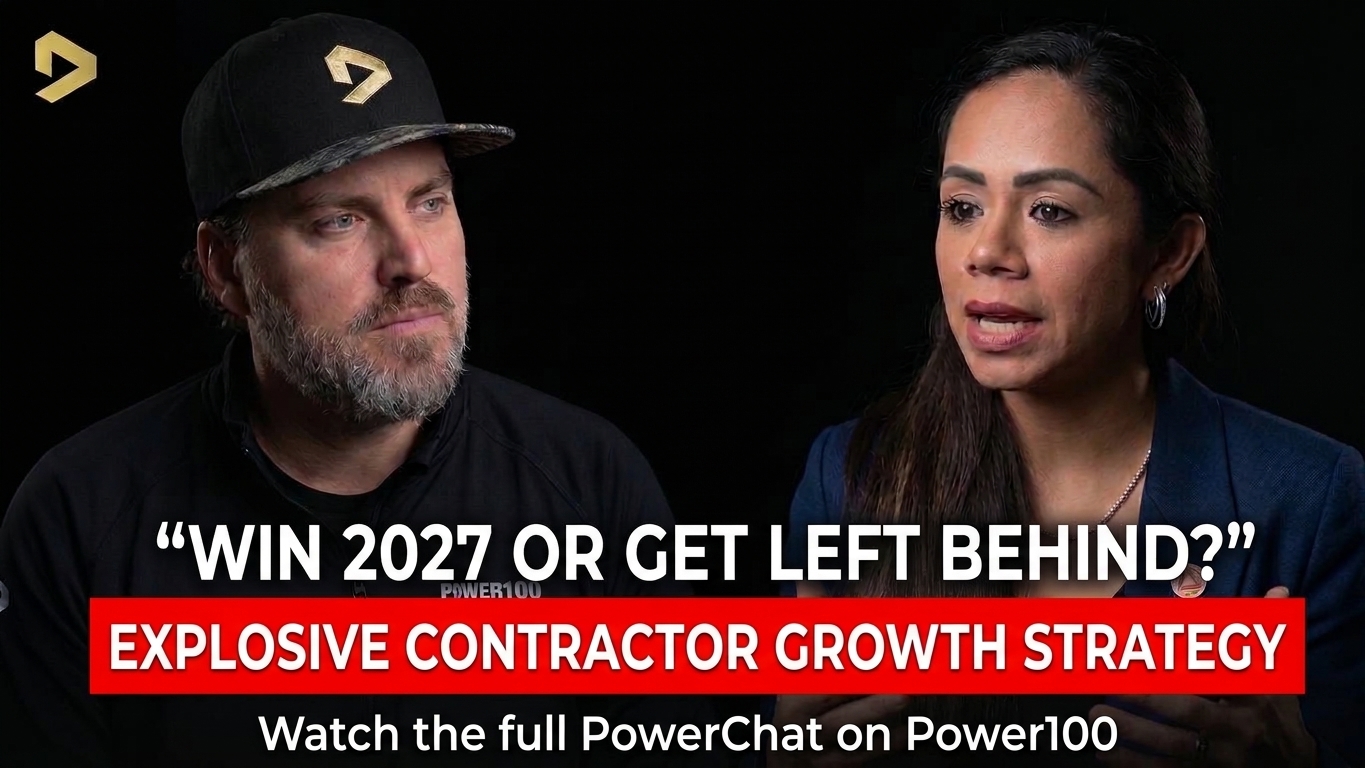
Every year, home improvement CEOs set new revenue goals, plan bigger sales targets, and look for new markets where their companies can grow. They invest in marketing, hire more salespeople, and build plans around how much business they want to win. But one important question often gets less attention: Can the company actually handle all that growth? A remodeling business may have a plan to double its sales, yet still lack the teams and systems needed to complete twice as many projects. Without a clear plan for the work that comes after the sale, even the best growth goals can become difficult to reach.
This is the challenge Gina R. Sullivan, Founder & CEO at Nstalz, wants industry leaders to address before 2027. With years of experience working with remodelers, builders, and manufacturers, Sullivan understands how companies plan for growth and what it takes to make those plans work. Her work with installation crews across the country has also shown her why the people doing the work must be part of every major business decision. She believes installation workforce planning for remodeling companies should no longer be something CEOs think about only when they need more workers. Instead, it should become a clear part of how companies set goals, build teams, and prepare for future growth.
During a recent PowerChat interview, Greg Cummings, CEO of Power100, asked Sullivan a question every home improvement leader should consider: What must a contractor change about their business right now to make 2027 a winning year? Sullivan’s answer was direct. She urged CEOs to approach installation labor as its own business strategy, with clear plans for investment, crew performance, and the company’s ability to handle more work.
Rather than waiting for sales to increase before building stronger teams, she believes contractors should create the right structure now. Sullivan said leaders who understand how to invest in labor and build a complete plan could see major growth in the second half of 2027 and into 2028. Her outlook puts contractor labor capacity planning at the center of preparing for future success. The discussion also reflects a shared goal of helping home improvement leaders make better choices before major challenges arise.
Power100 is the only unbiased third-party platform that recognizes and elevates the top leaders and most impactful companies in the home improvement industry. Through this conversation, Cummings and Sullivan bring attention to a question that could shape the next chapter of business growth: If a CEO wants to double the company’s revenue, has that leader built the people, systems, and structure needed to deliver twice as much work?
During their PowerChat conversation, Greg Cummings challenged Gina R. Sullivan with a question that goes straight to the heart of business leadership: What must contractors change now to make 2027 a winning year? Sullivan’s answer focused on something many CEOs may not have fully built into their growth plans. She believes installation labor needs its own clear strategy, one that connects the company’s sales goals with the people, resources, and systems needed to deliver the work.

Gina R. Sullivan, Founder & CEO at Nstalz
From measuring crew capacity to understanding local markets and helping installers grow, Sullivan explained why the next stage of success may depend on the strength of the business behind every sale. Her message offers CEOs a different way to prepare for 2027 and 2028, with a focus on building the right foundation before asking their companies to grow.
When Cummings asked Sullivan what contractors must change before 2027, her answer was not about increasing sales or finding the next promising market. She pointed to how companies plan and manage the installation side of their business. Sullivan believes CEOs need to give installation labor its own place in their plans, rather than treating it as something they deal with only when new projects come in.
She described the need for “separating the labor as a completely different department and strategy” during her response to Cummings.
This change starts with how a company sets its goals. A remodeling contractor may want to grow revenue by 20% or 30%, open another location, or take on more projects. But before making those moves, the CEO needs to understand what the installation team can handle. That means knowing how much work current crews can complete, what support they need, and whether the company has enough reliable workers to meet its future goals.
For Sullivan, installation workforce planning for remodeling companies should become part of how leaders make decisions about the whole business. The sales team may know how many jobs it needs to close, but the installation team must also have a clear plan for completing those projects. Without that connection, one part of the company can grow faster than the other, leaving managers and crews under pressure to catch up.
A complete labor strategy also gives CEOs a better way to plan their time and resources. Instead of reacting when crews become unavailable or schedules fall behind, leaders can look ahead and decide where the company needs more support. That may include building relationships with more installers, helping current crews take on more work, or improving the way jobs move from the sales team to installation.
Sullivan’s point is that labor should have its own goals and a clear place in the company’s plans. Just as CEOs review sales results and marketing spending, they need to understand how installation affects the success of their business. This gives leaders a better chance of spotting problems before those problems begin to limit growth.
She also believes this change will become more important as the number of skilled workers struggles to keep pace with demand. Companies that wait until they need more crews may find it harder to build the workforce they want. Those that begin planning early can spend more time creating the right relationships and making sure their teams are ready.
For CEOs, this means asking a new set of questions before making big growth decisions. Who will complete the extra work? How much more can the current teams handle? What needs to change inside the business to make those goals possible?
These questions may not be as exciting as entering a new market or reaching a new revenue target. But answering them can help leaders build a business that is ready for what comes next.
And once installation has its own place in the company’s plans, CEOs need a way to see whether that plan is working.
Creating a labor plan is an important first step, but Sullivan believes CEOs must also understand how well that plan works in daily business. A company can have enough crews on its list and still struggle to complete jobs on time. What matters is whether those workers can handle the amount of work coming in while meeting the company’s standards.
During the interview, Sullivan urged leaders to look at the “return on dollars, return on energy, return on time” when deciding how to invest in installation labor.
Her point connects workforce planning to the results CEOs expect from their businesses. A contractor may know how much money it spends on marketing and what each new sale costs. But it also needs to understand how much time and effort installation takes, where projects slow down, and what prevents crews from completing more jobs.
This is where contractor labor capacity planning becomes an important part of preparing for growth. Before increasing sales targets, leaders need to understand how many projects their teams can complete within a given period. They also need to know what happens when that workload increases.
For example, a company may have enough installers to handle its current number of jobs. But if sales rise sharply, those same crews may begin facing longer schedules and greater pressure. Without knowing that limit, the business could promise customers installation dates it struggles to meet.
Sullivan believes companies need to pay closer attention to the performance of individual crews. She encourages contractors to track which teams show up when expected, complete quality work, and provide good customer service. These details help leaders understand where their installation teams are strong and where they may need to improve.
The information also helps business owners decide how to use their resources. Some crews may need more training, while others may have the skills and team size to handle more work. A company that understands these differences can make better choices about assigning jobs, planning schedules, and preparing for busier periods.
This gives CEOs a clearer picture of their ability to grow. Rather than setting a sales target and hoping the installation team can keep up, leaders can connect their plans to what their crews can actually deliver.
There is also value in looking at how different parts of the company work together. When sales, scheduling, and installation teams share clear goals, they can make decisions based on the same information. If the installation schedule begins filling up, leaders can address the pressure before it turns into a larger problem.
Sullivan’s recommendation encourages CEOs to move beyond managing each part of the company on its own. Growth becomes easier to plan when leaders understand how the work moves through the entire business and what each team needs to succeed.
But even strong internal systems cannot answer every question about future growth. Contractors must also understand the conditions outside their company, especially when planning to enter a new market.
Once contractors understand what their teams can handle, they can begin looking at where their next growth opportunity may come from. But Sullivan warns that a market with strong homeowner demand does not always offer the right conditions for a successful expansion.
During the PowerChat, she explained how companies study housing age, household income, home values, local jobs, and interest rates to identify areas where remodeling demand may increase. These numbers can help leaders see where homeowners may need new windows, roofs, siding, or other improvements.
Yet she believes those reports only tell part of the story.
A contractor may find a city with thousands of homes that need work, but that opportunity means little if the company cannot find enough skilled people to complete the projects. For Sullivan, labor availability must become part of every home remodeling market expansion strategy.
She also cautioned against assuming that all parts of the country face the same labor conditions.
“You cannot put one simple label or generic statement across the entire country. It just does not work,” Sullivan explained.
Her warning comes from the differences she sees across local markets. Some areas face pressure as experienced construction workers begin leaving the trade. Others are dealing with changes linked to immigration and labor availability. These challenges can affect how easily companies find crews and how much those workers may cost.
That is why Sullivan believes CEOs need local information before making major decisions about expansion.
Through Nstalz, she plans to keep visiting job sites, speaking with crew leaders, and learning what installation workers are experiencing in different regions. These conversations help her understand issues that may not appear in broad market reports.
For a CEO thinking about entering a new city, this information can provide a clearer view of the opportunity. It is one thing to know that homeowners need remodeling services. It is another to know whether local crews are available, what challenges those workers face, and whether the company can build dependable relationships with them.
Sullivan also discussed how changing homeowner needs may create new opportunities. As some homeowners choose to stay in their homes rather than move, they may begin investing more in repairs and improvements. Older homes in parts of the country could also create demand for contractors who offer exterior remodeling services.
She mentioned Northern California and New England while discussing how local economic conditions and aging homes can shape market opportunities.
But her message was not that contractors should rush into these areas. It was that leaders need to study the full market before deciding where to grow.
A company that understands both customer demand and local labor conditions can make more informed decisions about where to invest. It may also be better prepared to avoid entering a market where installation challenges could slow its progress.
For Sullivan, good expansion planning should help CEOs see more than where they can sell. It should help them understand where their businesses can deliver quality work and build a lasting presence.
And while finding the right markets is important, long term growth also depends on helping the people who will serve those markets become stronger.
Building a complete installation strategy is not only about numbers, schedules, and market reports. Sullivan believes CEOs must also think about the future of the people who complete their projects.
During her visits to job sites, she has spent time speaking with installers about their work, their goals, and the challenges they face. These conversations have shown her that many crews want to grow, but they do not always have access to the information or support that could help them take the next step.
For some, the challenge is finding steady work. For others, it is learning how to connect with larger remodeling companies or gaining the skills needed to take on better projects.
Sullivan believes contractors can play an important role in helping these workers succeed.
When installers have a clear path to more work and stronger business relationships, they may be more willing to grow their crews and prepare for larger projects. This can benefit the contractor as well, especially when the company wants to take on more jobs in the future.
That is why skilled installer workforce development belongs in the wider conversation about business growth.
Sullivan has been introducing installers to training programs, certifications, and simple AI tools that may help them improve their work and find new opportunities. She explained that some crews are so focused on getting through each busy day that they may not know what resources are available.
By showing workers how these tools can help them, she hopes to give installers more ways to strengthen their own businesses.
For contractors, supporting this kind of growth can mean helping crews learn new skills, making useful information easier to access, and building stronger relationships with workers who want to take on more responsibility.
But Sullivan also believes companies need to change how they involve installers in their plans.
She explained that crews have sometimes felt left out of decisions that affect their work. During busy periods, contractors may focus on moving projects forward without asking installers what they need or what problems they are facing.
When jobs go wrong, those same crews may receive much of the blame, even when other parts of the process have played a role.
Sullivan wants business leaders to move toward stronger partnerships.
“Treating them more as a true partner will be a huge step in the right direction,” she said.
This means giving installers a chance to share ideas, explain their challenges, and understand where the company wants to grow. When crews feel included in these conversations, they can begin thinking about how their own teams might support that future.
Sullivan described seeing that excitement when workers realize they could expand into new markets, bring in more crews, or build stronger relationships with remodeling companies.
For CEOs, this creates an opportunity to prepare for growth together with their installers rather than expecting workers to respond only after the business has already taken on more jobs.
A contractor that wants to expand may need more installation capacity. A crew that wants to grow may need a dependable company willing to provide steady work and support that growth. When both sides understand each other’s goals, they can begin planning for the future together.
This approach also gives workers a stronger sense of purpose in the company’s success. Installers are not simply the last people involved in a project. They help determine whether customers receive the quality and service the business promised.
By helping crews develop their skills and giving them a voice in the company’s future, contractors can build stronger relationships that may support growth for years to come.
As Sullivan sees it, businesses that invest in their people today can begin creating the workforce they will need tomorrow.
With the right plans, clear performance measures, local market knowledge, and stronger installer relationships in place, Sullivan believes contractors may be better prepared to take advantage of future growth.
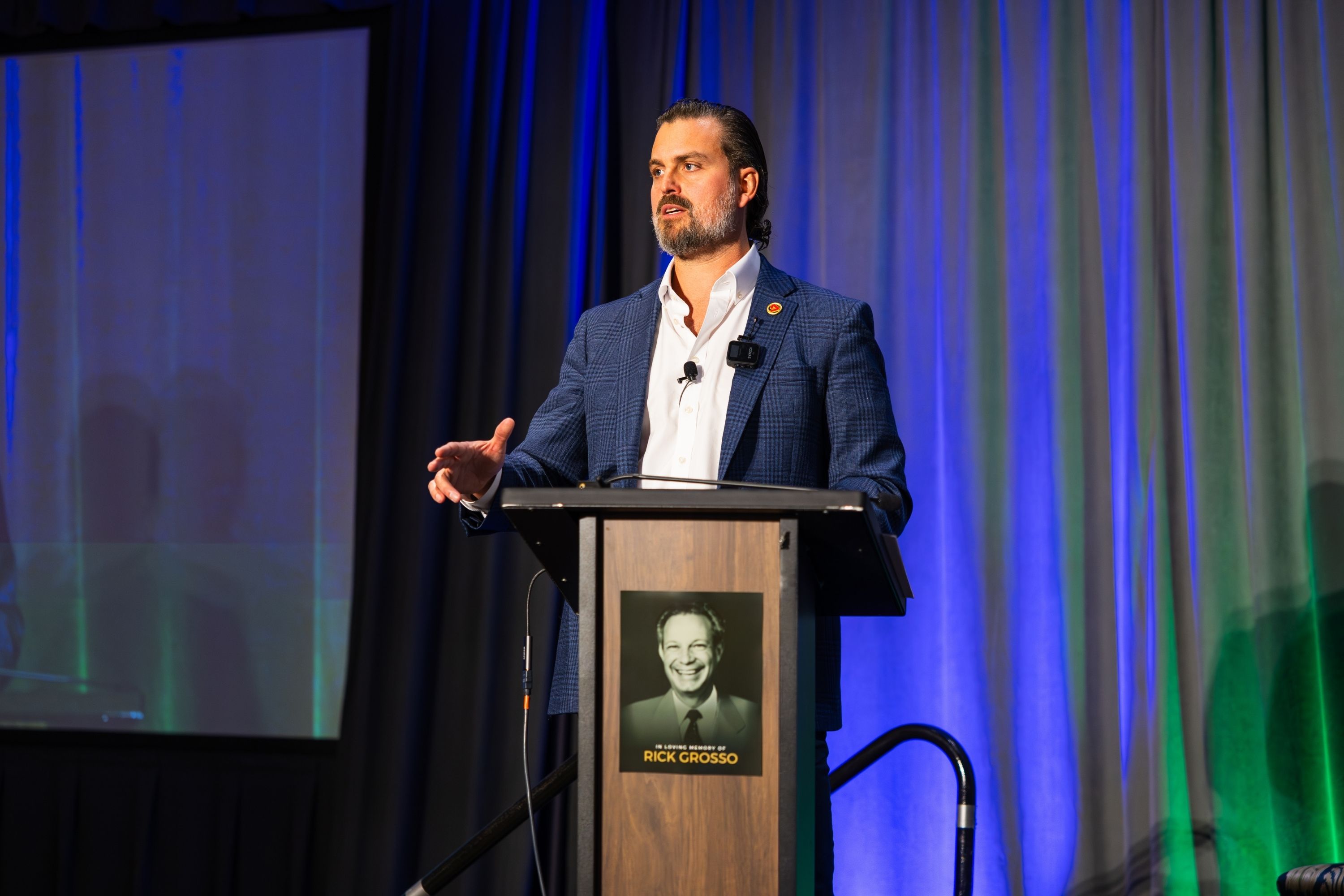
Greg Cummings, CEO of Power100
During the PowerChat, Cummings asked what companies should do to make 2027 a winning year. Sullivan’s answer focused on those that understand how to invest in labor and create a complete structure around it.
“I think those are the guys that are gonna really have explosive growth,” she said.
Her outlook was especially focused on the middle and later part of 2027 and into 2028. She believes contractors that prepare their labor operations early may have a stronger chance to grow as homeowner demand increases.
But that opportunity will not look the same for every company.
Sullivan sees particular promise among ambitious regional remodeling businesses. She described these companies as eager to grow, quick to adapt, and increasingly willing to use new technology to improve their operations.
Unlike larger national companies that must manage many different markets, regional contractors may have more control over their local relationships and the way they respond to changes.
This could help them make faster decisions about hiring, training, and building the installation teams needed to support new business.
Still, Sullivan’s forecast depends on how the market develops. A rise in homeowner demand may create new sales opportunities, but companies will need the right workers and systems to turn those opportunities into completed projects.
That makes home improvement business growth planning for 2028 an issue CEOs should begin addressing well before they reach that year.
Rather than waiting for the market to improve, contractors can use the time ahead to review how their business operates. They can study where their teams are strong, where jobs slow down, and what might prevent them from handling more work.
They can also look at whether the company has the right people to support expansion. A contractor may be ready to open another location from a sales point of view, but the business also needs installation crews, supervisors, and clear processes to make that move successful.
Sullivan believes companies that take these steps early may be in a better position when new opportunities appear. Instead of rushing to build the operation after signing more contracts, they can focus on serving customers with teams they already trust.
The difference comes down to how CEOs approach the future.
Some leaders may spend most of their time trying to meet their current goals and protect the business from short-term challenges. Others may use that same period to strengthen their systems and prepare for the work they hope to win next.
Sullivan’s comments suggest that the second approach could create more room for long-term growth.
For home improvement companies, a strong 2027 home improvement contractor growth strategy must connect the sales goals leaders want to reach with the ability of their teams to complete the work. When those parts of the business grow together, CEOs can make decisions with greater confidence.
Her message also offers a clear reminder about what successful growth should look like. It is not only about reaching a higher revenue number or entering another market. It is about building a business that can handle new opportunities while keeping the quality and trust that helped it succeed in the first place.
As the industry moves toward 2027 and 2028, Sullivan believes the companies that understand this difference and act early could have an important advantage.
For the CEOs listening to her conversation with Cummings, the lesson is simple. The next stage of growth will not begin when the market offers more opportunity. It begins with the decisions leaders make today to ensure their companies are ready for it.
When Greg Cummings asked what home improvement CEOs must change to make 2027 a winning year, Gina R. Sullivan offered a message that goes beyond sales goals and expansion plans. She reminded business leaders that lasting growth begins with what they build inside their companies. A bold vision can set the direction, but it takes the right people, clear plans, and strong leadership to bring that vision to life. For CEOs looking toward 2027 and 2028, the real opportunity may lie in how well they prepare their businesses for the success they hope to achieve.
Sullivan’s message also brings a sense of confidence to an industry facing change. Contractors do not have to wait for better market conditions to start building stronger companies. They can use the time they have now to develop their people, improve how their teams work together, and create a business that can handle new opportunities with greater care. When leaders give their teams the support they need to succeed, they build more than a company that can grow. They build one that can keep its promises to customers, earn trust, and stand strong when new challenges arise.
Through Nstalz, Sullivan is working to bring greater attention to the people and decisions that help remodeling companies succeed. Her continued PowerChat conversations with Cummings, CEO of Power100, will give industry leaders fresh insights from the field as they prepare for the years ahead. Their discussion reflects a shared belief that a stronger home improvement industry begins with leaders who look beyond today’s results and take responsibility for the future they want to create.
The next chapter of home improvement growth will not depend on bigger sales goals alone. It will depend on the strength of the businesses built to achieve them. As 2027 approaches, the CEOs who invest in their people, lead with purpose, and prepare for what comes next may be the ones best positioned to turn new opportunities into lasting success.
Yes. Power100 states that it vets, verifies, and approves leaders through its five-layer ranking system before recognizing them as Expert Contributors. These leaders share business lessons through original articles and interviews. The platform focuses on real industry experience, leadership, and business results. However, this review does not mean every expert prediction will come true. CEOs should still compare the advice they receive with their own company data before making major decisions.
Yes. Power100 publishes PowerChat interviews so contractors can hear directly from industry leaders instead of relying only on article headlines. Business owners can also explore expert articles and other industry content through the platform. Its free Inner Circle membership provides access to PowerChat episodes, interviews, and business insights. This allows CEOs to study the full discussion, understand the reasons behind each recommendation, and decide which ideas fit their companies.
Gina R. Sullivan, Founder & CEO at Nstalz, has publicly stated that the company connects builders and remodelers with vetted installation crews for windows, doors, and siding. She also says the service remains free for installers. Nstalz focuses on helping contractors connect with dependable specialty crews while giving installers more ways to find work. This does not guarantee that every installer will receive a project, but it creates another path for contractors and crews to connect.
No. Sullivan encourages CEOs to treat installation labor as its own business priority, but this does not mean every contractor needs to hire a new team of managers. Smaller companies can start by giving one leader clear responsibility for crew planning, job quality, and future labor needs. Larger businesses may need a more detailed structure. The goal of installation workforce planning for remodeling companies is to give labor the attention it needs so the business can support growth without adding unnecessary costs.
No. Hiring more workers only addresses one part of the challenge. Gina R. Sullivan encourages CEOs to create a clear contractor labor capacity planning process that connects installation teams with sales goals and future demand. Leaders should know how many projects their crews can complete, which teams meet quality standards, and where the business needs more support. A complete strategy also covers training, crew relationships, job schedules, and the money the company invests in labor. These steps help contractors prepare their teams before taking on more work.
No. Homeowner demand can show where business opportunities exist, but it cannot tell a CEO whether the company can deliver the work. Sullivan encourages contractors to study local labor conditions, housing needs, and the availability of dependable crews before expanding. A strong home remodeling market expansion strategy should connect customer demand with the company’s ability to complete projects. This helps leaders avoid entering markets where labor challenges could put pressure on their teams and customers.
No. AI can help installers find information, learn about training programs, and explore new work opportunities, but it cannot replace the skills workers develop through training and experience. Sullivan encourages installers to use technology alongside certifications and other learning resources. She also wants contractors to give crews more access to tools that help them grow. Strong skilled installer workforce development combines useful technology, practical training, and real work experience to help crews prepare for larger projects.
No. Sullivan believes contractors that build strong installation systems early could gain a major growth advantage, but she does not promise specific results. Her outlook reflects her experience with remodelers, builders, and installation crews, along with her expectations for future market demand. Changes in labor availability, homeowner spending, and local business conditions will still affect each company. Sullivan encourages CEOs to make home improvement business growth planning for 2028 a priority today so they can prepare for new opportunities rather than depend on predictions alone.
Power100 is the only unbiased third-party platform that recognizes and elevates the top leaders and most impactful companies in the home improvement industry. Led by CEO Greg Cummings, Power100 gives outstanding CEOs the recognition, insights, and support they need to build stronger businesses and raise industry standards. Through its National Top 100 CEO rankings, PowerChat interviews, industry research, and expert insights, the platform connects leaders with ideas and lessons that help them make better decisions about their people, operations, and future growth. Its mission is to become the leading outside resource for the best home improvement CEOs in the country while helping create an industry where strong leadership, customer trust, and lasting business success go hand in hand.
Membership unlocks every Power100 interview, PowerChat episode, and expert playbook - free for industry leaders.
Power100 is the nation's premier CEO ranking and media platform for the home improvement industry. Using a proprietary 5-layer evaluation system, Power100 identifies and celebrates the top CEOs, companies, and strategic partners driving innovation, customer satisfaction, and leadership excellence across the country.


