Expanding a home improvement business into a new market can be one of the biggest tests of leadership. A company may have years of experience, strong customer trust, and a team that knows how to get results. But entering a new city brings questions that even the most successful CEOs cannot answer right away. Will homeowners trust a new name? Can employees adjust to a different market? What happens when the company faces problems it has never dealt with before? These concerns can make home remodeling company acquisition and growth strategies difficult to put into action.
For James Freeman, CEO of PJ Fitzpatrick, those challenges became real when the company acquired Bathroom Buddies, a bathroom remodeling business serving Long Island and Queens, New York. The move opened the door to a major growth opportunity, but Freeman admitted that entering New York made some of his own people nervous. It was an unfamiliar market, and the team knew it would have to learn new ways of working. Rather than allow that fear to slow them down, Freeman encouraged his leaders to take action, face the unknown, and learn through the experience.
“But sometimes you just got to put your foot into the fire and keep going,” Freeman shared.
Behind that statement was a leadership belief he called “we win and we learn.”
For Freeman, making a mistake does not have to mean failure if the team understands what went wrong and uses that lesson to do better next time. His approach shows why entering a new market takes more than money, planning, or a strong business model. It also takes people who are willing to face challenges, make decisions, and grow more confident with each new experience.
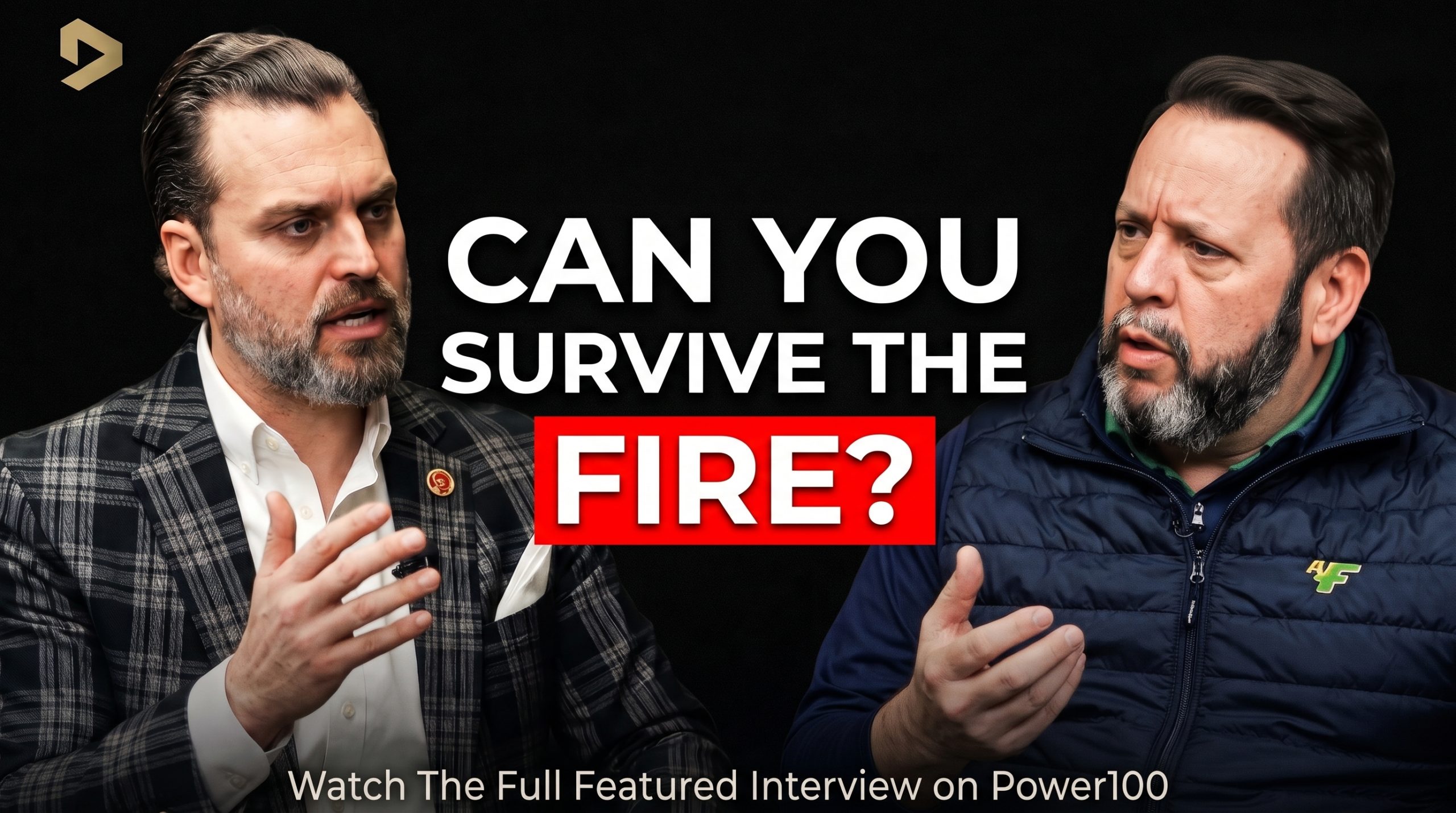
That belief became a key part of the Power100 Featured Interview when Greg Cummings, CEO of Power100, sat down with James Freeman to discuss the leadership decisions behind PJ Fitzpatrick’s move into New York and its plans for future growth. Their conversation explored the fear that comes with entering unfamiliar markets, the value of learning from mistakes, and the importance of preparing leaders to take responsibility when challenges arise.
Power100 is the only unbiased third-party platform that recognizes and elevates the top leaders and most impactful companies in the home improvement industry. Through its focus on Growth, Culture, and Community, the platform brings forward leadership stories that help contractors learn from the experiences of successful CEOs.
Freeman’s approach offers valuable leadership strategies for growing home improvement companies, especially those looking to expand beyond the markets they already know. He explained how his managers stepped forward to support the new team in New York, why he began giving them more freedom to make decisions, and how those experiences helped shape his plans for building a stronger company.
His message challenges CEOs to think about what their teams need before taking on bigger opportunities.
For Freeman, entering New York was more than a chance to reach new customers. It was a test of whether his team could face the unknown, learn from the experience, and become stronger because of it.
During his Featured Interview with Greg Cummings, CEO of Power100, James Freeman, CEO of PJ Fitzpatrick, shared how the company’s move into New York tested more than its plans for growth. It tested the confidence of its leaders, their ability to handle change, and their willingness to learn from challenges they had never faced before. Through the acquisition of Bathroom Buddies, Freeman saw his team step into unfamiliar territory and take on new responsibilities. He also saw how preparation, trust, and the freedom to make decisions could help people become stronger leaders.
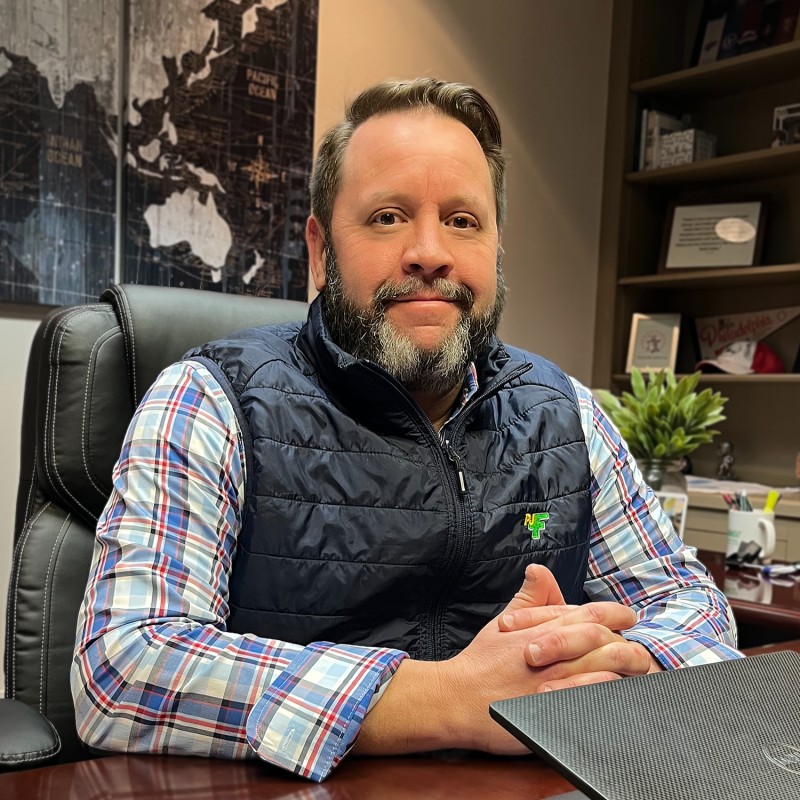
James Freeman, CEO of PJ Fitzpatrick
His experience offers a lesson for home improvement CEOs who want to grow but worry about what could go wrong. Taking the next big step does not mean having every answer. It means building a team that can face uncertainty, learn from experience, and keep moving forward when things get difficult.
Moving into a new market can feel very different from growing within a place a company already knows. In an existing market, employees understand the customers, the work, and the systems that help them succeed. They have relationships, experience, and a clear idea of what to expect.
A new market changes that.

The first year of our Emerging Leaders program at PJ Fitzpatrick
For PJ Fitzpatrick, the chance to enter Long Island and Queens came with many questions. The company had experience serving homeowners across other parts of the Northeast and Mid-Atlantic region, but New York presented a new challenge. Its leaders would need to learn about a different market, work with employees they had not led before, and find ways to bring two businesses together.
Freeman understood that the move would make some people uncomfortable.
During the interview, he spoke openly about how his team reacted when the company began moving into New York.
“And it kind of pushed us into a market which scared a lot of our people,” Freeman shared.
He explained that his employees were not usually afraid of taking on difficult work. They had already helped the business grow through major challenges. But New York still felt different because it was unfamiliar.
For CEOs planning home improvement business expansion into new markets, this is an important lesson. A company can have strong leaders, years of experience, and systems that work well, yet still feel uncertain about entering a new city.
That uncertainty does not always mean the company lacks the ability to succeed. Sometimes, it simply means the team has not faced that kind of challenge before.
Freeman had already seen a similar reaction when he introduced an ambitious revenue goal to his employees.
He recalled telling the team that PJ Fitzpatrick would reach $100 million in revenue by 2025. At the time, some employees struggled to picture how the company could grow that much.
But the business went on to report $150 million in revenue in 2024, reaching that earlier goal ahead of schedule.
The experience gave employees a new way to think about big challenges. Something that had once seemed difficult to imagine had become a real achievement.
When Freeman later discussed entering New York, the response was different.
Instead of focusing only on how difficult the move might be, employees were more willing to take on the opportunity.
Freeman remembered their reaction: “OK, let’s go.”
For him, that change showed how much the team had grown.
The same people who once looked at large goals with doubt were now more willing to face a new challenge. They had seen what preparation and teamwork could achieve, and that experience gave them greater confidence.
Freeman also believed that New York would become less intimidating as his employees spent more time there.
He was not asking them to pretend that the market was easy or that every problem had already been solved. He wanted them to learn about the people, understand the new environment, and gain the experience needed to feel more comfortable.
“And it’s only intimidating until you get to know them,” Freeman explained.
That belief captures why his approach to growth stands out.
Confidence does not always come before the first step. Sometimes, people need to begin the work before they discover what they are capable of doing.
A team may not know how to handle every challenge in a new market. But once employees begin meeting people, solving problems, and learning how things work, the unknown can start to feel more familiar.
This was the thinking behind one of Freeman’s strongest statements during the conversation.
“But sometimes you just got to put your foot into the fire and keep going.”
For other home improvement leaders, the message is not to enter every market without thinking about the risks. It is to recognize that even good planning cannot remove every unknown.
At some point, the company must decide whether its people are ready to take the next step and learn through the experience.
And once that step has been taken, leaders need a way to handle the mistakes and surprises that come with doing something new.
A new business opportunity rarely unfolds exactly as planned. Teams may discover that a process needs to change, that employees require more support, or that a decision did not produce the result they expected.
These moments can become difficult when people see every mistake as a failure.
Freeman wants his team to think differently.
During the interview, he explained that PJ Fitzpatrick approaches unfamiliar situations with a belief that allows employees to learn from what happens, even when they do not get everything right the first time.
“The way we kind of approach moments like this is we win and we learn,” Freeman shared.
This simple idea plays an important role in how he leads.
Freeman understands that one business challenge will not always look like another. The company may have experience opening new locations, managing teams, and introducing services, but the next opportunity can still bring problems it has never faced.
What worked before may need to change.
A team might enter a new market with a strong plan, only to discover that customers have different needs. A manager might introduce a process that worked well in another location but does not produce the same results with a new group of employees.
For Freeman, those moments should lead to learning.
He believes a mistake can still create value when the team understands what happened and uses that lesson to make a better decision next time.
This is an important part of leadership strategies for growing home improvement companies. As a business becomes larger, its leaders will face more situations where they must make decisions without knowing exactly what will happen.
If employees become afraid of making mistakes, they may avoid taking responsibility. They may wait for someone else to solve the problem or continue using a method that no longer works.
Freeman wants his people to respond by looking for a way forward.
Earlier in the interview, he explained how his team had learned to handle obstacles without allowing them to stop progress.
“They run into that wall and quickly find ways to work around it, climb over it, and be able to overcome what gets in front of us,” Freeman said.
That approach does not remove the need for accountability. Employees still need to understand the results of their decisions and take responsibility for improving their work.
But it also means recognizing that learning is part of becoming a stronger leader.
A manager who faces a difficult situation for the first time may not have the perfect answer. With the right guidance, that person can review what happened, understand what needs to change, and approach the next situation with greater confidence.
Freeman also believes the company must be willing to change direction when conditions call for it.
He compared this idea to the journey to the moon, explaining that reaching a major goal requires teams to make changes along the way.
For him, the destination matters, but so does the ability to adjust the path.
This becomes especially important during expansion because new markets can bring problems that the company has not experienced in its existing locations.
A leader who refuses to change an approach simply because it worked before may make those problems harder to solve.
Freeman’s mindset gives his team a different choice.
They can remain focused on the goal while accepting that they may need to change how they reach it.
Over time, this way of thinking can help employees become more comfortable handling new responsibilities. Each challenge gives them another chance to learn something they can use in the future.
But Freeman’s belief in learning through experience does not mean he treats preparation as unimportant.
In fact, the story behind the Bathroom Buddies acquisition shows how much work went into building trust before PJ Fitzpatrick entered New York.
While Freeman believes leaders must be willing to face unfamiliar challenges, he also knows that good relationships can help prepare a company for major decisions.
The Bathroom Buddies acquisition offers an example of how he approached the move into New York.
The story began in January 2022 when Freeman met John Huxtable and Alex Keels, leaders of Bathroom Buddies, a bathroom remodeling business serving Long Island and Queens.
The meeting did not begin with plans for an acquisition.
Instead, Freeman described a connection that quickly grew into a friendship. They enjoyed spending time together, talking about their businesses, and learning from one another.
As the relationship developed, Freeman invited the Bathroom Buddies leaders to visit PJ Fitzpatrick.
During that visit, they had an opportunity to learn about how the company managed its sales and installation work. Freeman and his team shared tools and ideas that the visitors could take back to their own business.
According to Freeman, Bathroom Buddies began seeing stronger results in 2023 and 2024 after applying lessons from the relationship.
That experience helped both sides learn more about each other.
Freeman was able to understand the people behind the business, while the Bathroom Buddies leaders gained a clearer view of how PJ Fitzpatrick operated.
“Willing to be an open book, built trust and affinity between us,” Freeman explained.
This relationship became important when Bathroom Buddies began facing new challenges as it grew.
The business was making progress, but its leaders wanted to understand how they could support the next stage of growth.
During an industry networking event in West Palm Beach, Freeman suggested that they could explore a closer partnership if they ever believed PJ Fitzpatrick could provide the support they needed.
About six months later, they reached out.
The companies began discussing what a partnership could look like and worked through the decisions needed to move forward.
Freeman explained that the agreement was signed on November 6, 2024, bringing Bathroom Buddies into the PJ Fitzpatrick business.
The deal gave the company an opportunity to enter Long Island and Queens through an existing business with employees, customers, and experience serving the local market.
This is an important distinction for CEOs considering home remodeling company acquisition and growth strategies.
Freeman did not describe the move as a sudden decision to enter a market simply because it offered room for growth.
He had already spent time getting to know the people involved. The companies had shared business knowledge, built a friendship, and developed trust before a formal deal became possible.
Those relationships could not remove every challenge that would come with the acquisition. The teams still needed to bring their operations together and learn how to work within a larger organization.
But the existing trust gave them a foundation for those conversations.
Freeman also understood that taking a company into a new market would require learning new lessons.
He explained that the work involved in one major business decision is often different from what the company experienced the last time.
That is why he believes leaders need to remain open to learning, even when they already have experience.
A successful acquisition in one market does not guarantee that the next will work the same way.
Every business has its own people, history, and way of serving customers. Leaders must understand those differences before deciding what needs to change.
For Freeman, the Bathroom Buddies relationship showed how preparation and courage can work together.
The company was willing to take a big step, but it had also invested time in understanding the people who would become part of its future.
That preparation helped create the opportunity.
The next challenge was making sure the people involved could move through the change with confidence.
An acquisition may begin with an agreement between business leaders, but the real work often starts when two teams begin learning how to operate as one company.
Employees may have questions about their roles, the systems they use, and the expectations they will need to meet.
Customers may also want to know whether the people they trust will continue to serve them well.
Freeman understood that these concerns needed attention before PJ Fitzpatrick could fully pursue the growth opportunities in New York.
When Greg asked about the most important part of the acquisition process, Freeman did not begin by discussing new sales targets or how quickly the company could expand.
He focused on the people involved.
“Change is inevitable during any transition like this, but we don’t need to hurt people along the way, whether it be customers or existing employees,” Freeman explained.
That belief shaped his approach to bringing Bathroom Buddies into the larger business.
Freeman wanted the process to move forward as quickly as it reasonably could, but not at the cost of creating unnecessary problems for employees or homeowners.
For companies integrating home improvement companies after an acquisition, this is an important leadership challenge.
A new owner may have better systems, more resources, or plans to introduce additional services. But employees still need time to understand what those changes mean for their daily work.
Some may feel excited about the opportunities ahead. Others may worry about whether their experience will still matter or how the new company will treat them.
Freeman believed the first step was helping those employees understand that PJ Fitzpatrick wanted to support their success.
Bathroom Buddies had already built a working business with people who understood the local market.
Freeman recognized that the company had done good things for its employees, including how it approached culture and benefits.
He wanted to build on those strengths while using the resources of PJ Fitzpatrick to create more opportunities.
That meant bringing the teams together around a shared way of working without ignoring the experience and value the new employees already had.
The company also needed to help employees understand its plans for the future.
Freeman discussed the opportunity to grow the bathroom business while introducing other services such as roofing, windows, and doors.
He estimated that Bathroom Buddies had generated between $12 million and $14 million in 2024 and described a much larger opportunity in the local bathroom market.
But those possibilities were not his first priority.
Before asking the team to take on new services or expand into nearby areas, he wanted employees to feel supported and understand what the company was trying to build.
This is where courage and care become equally important.
A CEO may have the confidence to make a large acquisition, but that decision also affects people who did not choose the deal themselves.
They need leaders who will listen, answer questions, and help them understand their place in the new organization.
Freeman wanted the Bathroom Buddies employees to see the acquisition as an opportunity to grow rather than something that simply happened to them.
He also wanted his existing leaders to understand the responsibility they had taken on.
Their job was not only to introduce the company’s systems or explain how things worked in other markets.
They needed to help the new team build confidence, learn new skills, and understand how everyone could work together.
That kind of support could make it easier to handle future changes.
As the employees became more comfortable with the new organization, the company could begin asking them to take on larger goals.
For Freeman, protecting people during the transition was part of preparing the business for growth.
He believed that once employees understood the direction and trusted the support available to them, the company would have a stronger foundation for expanding its services.
This also connects to his larger belief about learning through new experiences.
A team cannot be expected to adjust to every change immediately. People need time to understand new systems, work through challenges, and build confidence.
Freeman wanted leaders who could guide employees through that process rather than simply demand results.
And as the New York expansion moved forward, he began seeing his own managers take greater responsibility for helping that happen.
For Freeman, one of the most meaningful parts of the New York expansion was watching how his existing leaders responded to the responsibility.
The move required more than occasional meetings or instructions from the company’s main office.
Employees from PJ Fitzpatrick needed to spend time with the Bathroom Buddies team, help them understand new processes, and support the work of bringing the two businesses together.
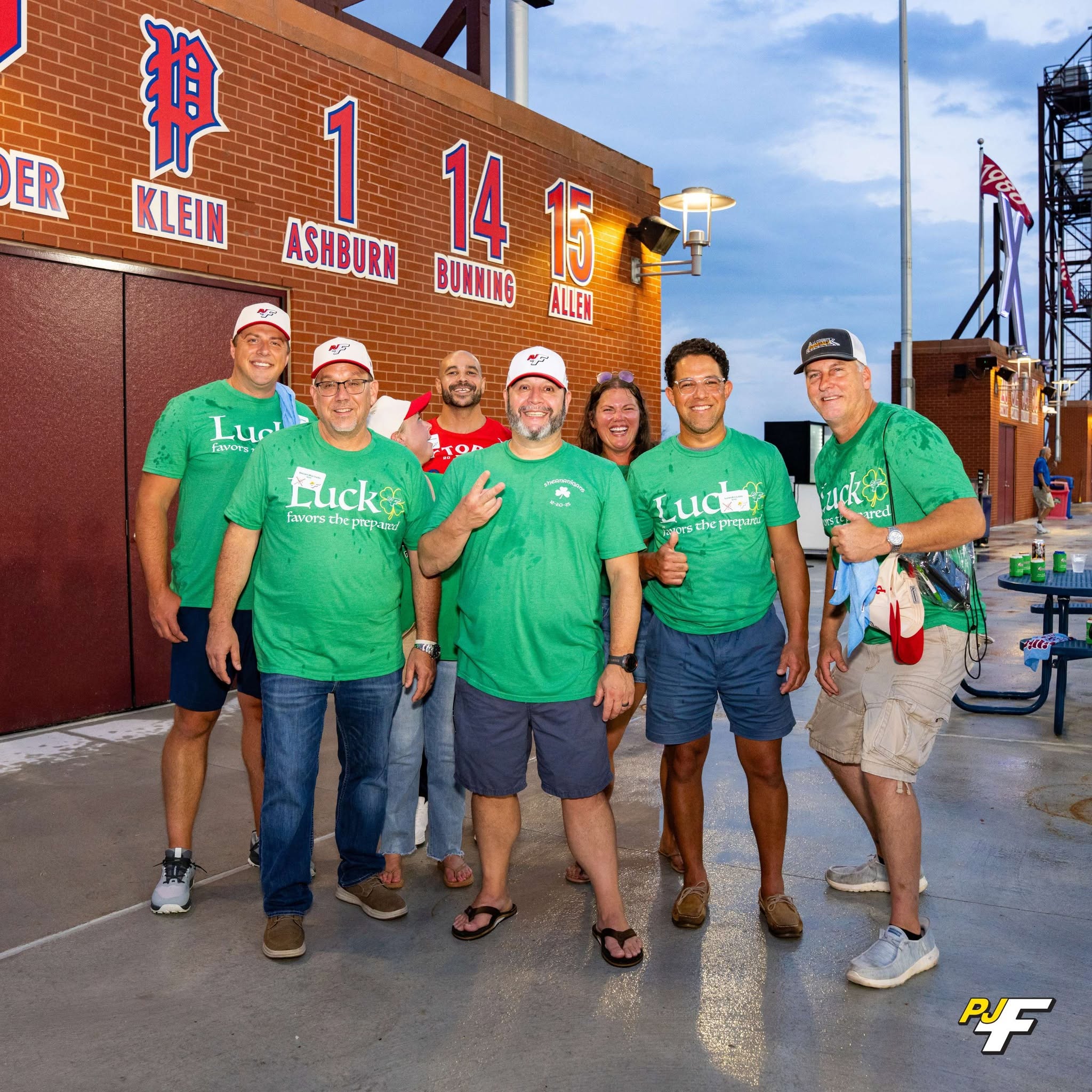
CEO James Freeman with the PJ Fitzpatrick team
Freeman explained that some of his leaders had spent nearly three months traveling back and forth to New York.
That was a major commitment.
It meant spending time away from their usual work environments, meeting unfamiliar employees, and helping solve problems in a market they were still learning about.
But what impressed Freeman most was their attitude.
Instead of complaining about the travel or the difficulties of supporting a new business, those leaders spoke about the people they were helping.
They focused on the progress of the new team and the positive difference their work could make.
Freeman saw this as a sign that the company’s leadership approach was reaching beyond him.
The lessons he had shared with his managers were beginning to shape how they treated the people they led.
That progress also caused him to think differently about his own role as CEO.
During the interview, Freeman explained that he had made an important change in how he worked with his leaders, especially during the second half of the year.
Rather than direct every major decision, he began spending more time listening.
He allowed managers to explain how they saw a problem, share the solutions they believed would work, and make decisions about the areas they were responsible for.
Freeman still offered advice when needed.
He also made it clear that leaders would remain responsible for the choices they made.
But he wanted them to develop the confidence to make those choices themselves.
This approach to leadership development during home improvement business expansion became important as the company took on more markets and larger goals.
A business cannot continue growing if every important decision must go through the CEO.
As teams become larger and operations spread across different locations, managers need the skills and confidence to handle problems without waiting for someone else to tell them what to do.
Freeman wanted his leaders to think and act with greater ownership of their departments.
He described them as becoming like CEOs of the parts of the business they managed, whether they worked in sales, marketing, or other areas.
For him, that was an important sign of progress.
These leaders were not simply following instructions. They were beginning to take responsibility for their teams and make decisions that could shape the company’s future.
But Freeman also understood that greater responsibility could feel uncomfortable.
A manager may have the skills to lead a team but still feel uncertain when faced with a new problem.
That is why he wanted his employees to become more comfortable working through situations that did not have clear answers.
“I’m really comfortable in an uncomfortable, uncertain moment,” Freeman shared.
He explained that he wanted his leaders to develop that same ability.
This did not mean asking them to ignore their concerns or act as though they knew everything.
It meant helping them accept that uncertainty would be part of their work and that they could learn how to handle it.
A leader who understands this can spend less time worrying about whether every decision will be perfect and more time finding the best path forward.
That ability becomes especially valuable when a company wants to expand into several markets.
Freeman discussed plans to strengthen PJ Fitzpatrick’s operations in Baltimore, Washington, D.C., and Northern Virginia while continuing to build the New York business.
He also looked beyond those markets and considered how the company could prepare for future acquisitions and new locations.
At the time of the interview, he was asking whether PJ Fitzpatrick could eventually grow from entering one or two new markets each year to taking on three, four, or even five.
He knew that reaching such goals would require more than finding the right business opportunities.
The company would need leaders who could guide new teams, systems that could support larger operations, and employees who understood how to respond when plans changed.
Freeman recognized that the work of building those capabilities needed to begin before the next expansion.
His existing teams could focus on reaching their current goals while he looked further ahead, thinking about the leadership and systems the company would need in future years.
The experience in New York gave him a useful example of what that preparation could achieve.
Employees who had once felt uncertain about entering the market were helping the new business move forward. Managers were learning to make decisions with greater independence. And the company was gaining experience that could help shape its approach to future growth.
For Freeman, this was an important result of taking on an unfamiliar challenge.
The team was not simply learning about New York.
It was learning how to become the kind of organization that could handle more opportunities in the future.
And that brings the story back to his central belief.
Growth will continue to create uncertain moments. Some plans will need to change, and some decisions will lead to lessons rather than immediate success.
But when leaders trust their people, prepare them for greater responsibility, and encourage them to learn through challenges, uncertainty does not have to stop progress.
The experience of entering New York showed Freeman that the next big opportunity could do more than expand the company.
It could help his people discover how much more they were capable of achieving together.
When James Freeman spoke about taking PJ Fitzpatrick into New York, he did not hide the fact that the move made some of his people nervous. It was a big step into a market they had yet to understand. But instead of allowing that fear to hold them back, his team chose to move forward, meet new people, and learn through the experience. “And it’s only intimidating until you get to know them,” Freeman shared. His words reveal an important lesson about growth. Confidence does not always come from knowing what lies ahead. Sometimes, it comes from taking that first step and discovering that you are more capable than you once believed.
That experience also gave greater meaning to Freeman’s belief that “we win and we learn.” For him, success does not mean getting every decision right the first time. It means having the courage to try, the honesty to admit when something needs to change, and the willingness to do better the next time. This way of thinking gives employees room to grow while reminding them that every decision comes with responsibility. What once seemed like an obstacle can become a lesson that prepares the team for something greater. And as those lessons build, so does the confidence to take on challenges that once seemed out of reach.
For home improvement CEOs planning their next stage of growth, Freeman’s story offers a valuable reminder. Opening a new location, bringing two companies together, or entering an unfamiliar market will always come with questions. No leader can remove every risk or promise that every plan will work. But CEOs can prepare their people to think clearly, make good decisions, and support one another when challenges arise. The goal is not to build a company that never feels uncertain. It is to build one where employees trust their abilities, leaders take responsibility, and everyone understands how to keep moving forward together.
As Freeman looks toward the company’s larger ambitions, the lessons from New York offer something more valuable than another market on the map. They show what can happen when people who once felt unsure begin to trust themselves with greater responsibilities. His message to the home improvement industry is simple: growth will not always feel comfortable, and the next opportunity may demand more than a team has ever given before.
But when leaders prepare their people and treat every challenge as a chance to learn, even the unknown can become a place of opportunity. Because the true strength of a growing company is not that its leaders have every answer, but that its people have the courage, trust, and willingness to find a way forward together.
No. Power100 looks beyond a CEO’s growth plans when evaluating industry leaders. Its five-layer ranking system examines Growth, Culture, and Community. The process reviews business results, customer feedback, employee development, and community impact. It also includes data analysis and human review. A CEO cannot earn recognition simply by announcing plans to enter new markets or reach a higher revenue target. Through its home improvement CEO leadership rankings, Power100 aims to recognize leaders who show real business progress while building strong teams and serving customers well.
Yes. Power100 shares Featured Interviews, PowerChat episodes, and expert insights to help contractors learn from experienced industry leaders. A smaller company does not need to acquire another business or enter several markets to benefit from James Freeman’s experience. Owners can use his lessons about preparing employees, learning from mistakes, and giving managers more responsibility. Through its home improvement business growth resources, Power100 helps contractors explore ideas they can adapt to their own goals, teams, and markets. However, each company must review its own risks before making major growth decisions.
No. Freeman began building a relationship with Bathroom Buddies leaders John Huxtable and Alex Keels in January 2022. He invited them to visit PJ Fitzpatrick and learn about its sales and installation processes. The two businesses continued sharing ideas before discussing a closer partnership. Freeman explained that Bathroom Buddies later reached out when its leaders wanted help with further growth. The companies signed an acquisition agreement in November 2024. This approach to home remodeling company acquisitions in New York gave Freeman time to understand the people and business before entering the Long Island and Queens markets.
PJ Fitzpatrick states that Bathroom Buddy Remodeling customers will continue receiving support for their existing projects. The company says the same crews will complete and supervise jobs already in progress. It also states that existing contracts and warranties remain guaranteed. Its message to homeowners explains that the name change does not mean they must give up the service commitments they already received. Customers with questions about Bathroom Buddy Remodeling contracts and warranties can contact PJ Fitzpatrick directly to confirm their specific coverage and project details.
Following the Bathroom Buddy Remodeling acquisition, PJ Fitzpatrick expanded the range of services available to local homeowners. Beyond bathroom remodeling, the company lists roofing, replacement windows, exterior doors, siding, trim, and gutters. It also works with Jacuzzi to provide tub-to-shower conversion systems. These Long Island and Queens home improvement services allow homeowners to explore several types of repairs and upgrades through the same company. Homeowners should contact PJ Fitzpatrick to check which services it offers in their specific location.
No. Freeman believes people must learn from mistakes and use those lessons to make better decisions. During his Featured Interview, he explained that his team approaches challenges with a win-and-learn mindset. But that does not mean employees can ignore poor results or repeat the same problems. Freeman expects leaders to understand what went wrong, adjust their plans, and take responsibility for their choices. His approach to leadership accountability in home improvement companies encourages employees to face difficult situations without allowing fear to stop them from making decisions.
Freeman helped his team build confidence through past achievements, practical experience, and greater responsibility. He reminded employees that the company had already reached major goals that once seemed difficult. As the New York expansion began, some leaders spent nearly three months traveling back and forth to help the Bathroom Buddies team. Freeman also gave managers more freedom to make decisions while holding them responsible for the results. His approach to leading remodeling teams through business expansion shows how CEOs can help employees grow more confident by giving them support and opportunities to handle unfamiliar challenges.
No. Freeman discussed entering three, four, or five new markets each year as a possible future goal, not an achievement the company had already reached. During the interview, he explained that PJ Fitzpatrick would need stronger leadership, better systems, and clear processes to support that level of growth. His plans included improving the company’s ability to bring new locations and acquired businesses into its operations. For CEOs considering multiple market expansion in the home improvement industry, his message is clear: ambitious growth plans need capable employees, careful preparation, and teams that can make decisions when new challenges arise.
Power100 is the only unbiased third-party platform that recognizes and elevates the top leaders and most impactful companies in the home improvement industry. Led by Greg Cummings, CEO of Power100, the platform gives outstanding exterior remodeling CEOs the recognition, support, and visibility they deserve. Through national CEO rankings, Featured Interviews, and industry stories, Power100 celebrates leaders who make a difference through Growth, Culture, and Community. Its mission is to help CEOs build stronger businesses by sharing real experiences, valuable lessons, and proven leadership practices. By bringing forward stories of courage, innovation, and personal growth, Power100 helps contractors learn from one another, prepare for new opportunities, and create better experiences for the homeowners they serve.
Membership unlocks every Power100 interview, PowerChat episode, and expert playbook - free for industry leaders.
Power100 is the nation's premier CEO ranking and media platform for the home improvement industry. Using a proprietary 5-layer evaluation system, Power100 identifies and celebrates the top CEOs, companies, and strategic partners driving innovation, customer satisfaction, and leadership excellence across the country.


