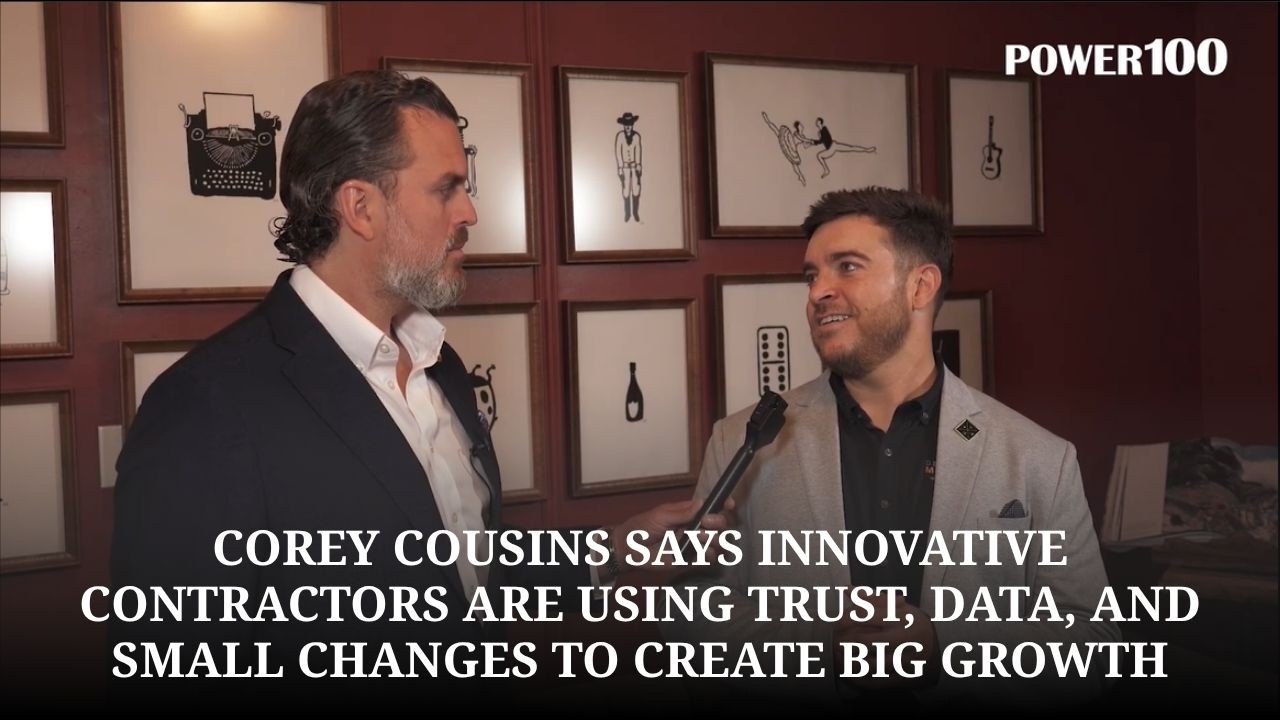
At Destination Motivation’s Annual Planning Summit at The Georgian Hotel in Santa Monica, California, the company brought its team together during a season of strong growth, larger client demand, and rising national impact. Led by CEO Caleb Nelson, the summit gave the team time to review progress, plan for what comes next, and align around the people, process, and service that help contractors grow.
Destination Motivation is known for helping home improvement, home service, and home product companies increase leads, close more deals, reduce cancellations, gain referrals, and grow profits. Through vacation voucher sales incentives for home improvement companies, the company gives contractors a way to add more value for homeowners without relying only on lower prices. Its work also supports leaders who need a clear home improvement closing tool for contractors and home service businesses in a market where every lead, every close, and every kept deal matters.
Greg Cummings, CEO of Power100, attended the summit to speak with leaders and team members about what is driving the company’s next stage. Power100 is the only unbiased third-party platform that recognizes and elevates the top leaders and most impactful companies in the home improvement industry. Greg’s rapid fire conversation with Corey Cousins, VP of Sales and Training at Destination Motivation, gave the event one of its clearest business lessons.
Corey joined the company two years ago and now works closely with clients, sales teams, leaders, and the data that shows whether the program is creating real results. His view is close to the field. He sees which companies are winning, which teams are ready to change, and how small updates in the sales process can lead to large gains.
When Greg asked what Corey was most excited about, Corey pointed first to growth, but he quickly connected that growth to better service.
“The growth we’ve been experiencing has been unreal,” Corey said. “We’ve had so many new clients, so many new opportunities. We’ve streamlined so much with the business. We’re able to help more clients, more customers, and more of our companies that we work with even better than ever before. That’s just the beginning.”
That answer set the tone for the conversation. This was not only about how fast the company is growing. It was about how that growth is helping contractors face a changing market with better tools, better data, and stronger execution.
For companies looking for sales consulting and training for home improvement companies, Corey’s message was direct. The businesses winning right now are not waiting for the market to become easier. They are looking at their close rates, cancellation rates, customer behavior, and team habits. Then they are choosing to act.
As Corey explained later in the conversation, change can feel scary, but standing still can cost more. If a business has a high cancellation problem or a close rate that is not where it should be, the answer is not to hope the problem disappears. The answer is to do something different, track the results, and help the team use the change in the home.
That is where the company’s vacation incentive program that helps increase leads and reduce cancellations becomes part of a larger growth story. Corey said the program may add only a few minutes to the in home sales process, but the impact can be much larger when the team uses it well. The goal is not to rebuild the whole sales system. The goal is to add the right tool at the right moment so contractors can protect more sales and create a better customer experience.
Corey’s conversation also showed why trust and data matter. Greg noted that some clients now share deep reports, financial details, closing results, and sales performance data so the team can help them improve. Corey made the point simple. “When the numbers can’t lie, the numbers don’t lie.”
That belief sits at the center of this press release perspective. The companies creating strong results are the ones willing to face the truth in their numbers. They are willing to test, track, and improve. They are willing to use a contractor sales growth system for leads, referrals, close rates, and profits because they understand that better results often start with a small but clear change.
When Greg Cummings, CEO of Power100, connected with Corey Cousins, VP of Sales and Training at Destination Motivation, the conversation quickly moved beyond growth as a headline. Corey spoke from the front line. He works close to clients, close to sales teams, and close to the numbers that show whether the program is helping companies win.
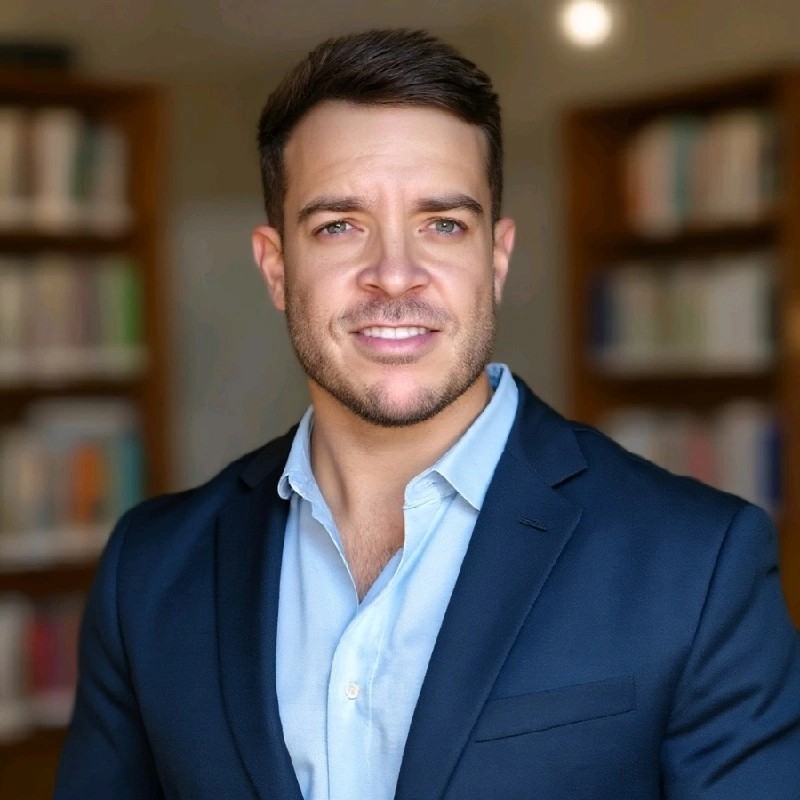
Corey Cousins, VP of Sales and Training at Destination Motivation
When Greg asked what Corey was most excited about after two years with the company, Corey did not hold back.
“The growth we’ve been experiencing has been unreal,” Corey said. “We’ve had so many new clients, so many new opportunities. We’ve streamlined so much with the business. We’re able to help more clients, more customers, and more of our companies that we work with even better than ever before. That’s just the beginning.”
That answer showed the first key lesson of the conversation. Growth means more when it helps the team serve better. Corey was not only proud of more clients or more demand. He was focused on how the business has improved its systems so it can support more companies with more care.
That matters because strong growth can create pressure if the process behind it is not ready. The summit gave the team space to look at what has changed, what has improved, and what still needs to be built for the next stage. Corey’s comments made it clear that the company is not only adding more business. It is learning how to carry more business the right way.
For home improvement and home service leaders, that is an important point. A partner must be able to grow without losing service quality. The company’s work with vacation voucher sales incentives for home improvement companies depends on clear training, strong support, and a team that can help contractors use the program in a real sales setting.
Corey framed the growth as only the beginning. That gave the interview a forward looking tone. The company is growing, but it is also becoming more ready to help clients, sales reps, and homeowners at a larger scale.
As Greg looked around the room, one thing stood out to him. It was not only the company’s growth. It was the people being brought in to help carry that growth.
Greg told Corey that Power100 had followed the company’s story for several years and that the level of people joining the team was one of the clearest signs of its next stage. That observation shifted the conversation from numbers to people.
Corey said the reason starts with leadership.
“It starts at the top,” Corey said. “Between Caleb and Stephanie and the team that’s been here long term and helped build the core of the company, that level is top tier.”
That line gave the section a strong trust point. Strong people often want to follow leaders they respect. Corey explained that people want to work for leaders they admire, leaders they can learn from, and leaders who make them want to grow.
He also connected the quality of the team to the work itself. The service is unique, but the mission is what makes it attractive. Corey said top talent wants to be in a place where they are pushed, where they can thrive, and where they can help others.
That gives this story a deeper reason for why the company is growing. It is not only a good business idea. It is a place where people can see their work helping clients make more money and helping homeowners enjoy their lives more.
For a company that provides a home improvement closing tool for contractors and home service businesses, talent matters. The tool may open the door, but the people behind it are the ones who train, guide, support, and help clients get the result.
The summit made that team visible. It showed a group being built for a larger mission, with leadership setting the tone and new talent helping carry the work forward.
Greg then asked Corey one of the most important business questions of the interview. In a market where lead counts can be down, costs can rise, and many leaders feel pressure from outside forces, who is still winning?
Corey gave a clear answer.
“The winners are winning,” he said.
That phrase became one of the strongest lines of the conversation. Corey was not saying the market is easy. He was saying strong companies are not waiting for perfect conditions. They are looking at the facts, facing their problems, and choosing to act.
He spoke about leaders who see outside pressure but do not let fear drive the business. They understand that the economy, cost of goods, and world events are real. But they also understand that customers still need services, teams still need tools, and companies still need to improve.
Corey said the businesses doing well are the ones that are not afraid of change. They are willing to look at a high cancellation rate, a low close rate, or a weak sales step and admit that something needs to change.
“If you don’t do something different, you can’t expect change,” Corey said.
That line gives the home improvement industry a clear lesson. Better results begin when leaders stop guessing and start making smarter moves. That does not always mean a full rebuild. Sometimes it means adding the right step at the right time.
For companies the strongest teams are not only looking for motivation. They are looking for a better way to execute in the home, support the homeowner, and protect the sale.
Corey’s point was simple. The companies growing right now are not frozen by the market. They are using the market as a reason to become sharper.
The conversation then moved into one of the biggest reasons the company is becoming more valuable to its clients. Greg pointed out that many companies are now giving the team deep access to their numbers. That includes reports, financials, close rates, and sales performance data.
That level of access shows real trust. It means clients are not only buying a program. They are allowing a partner to see where the business is strong and where it needs help.
Corey explained why that matters.
“When the numbers can’t lie, the numbers don’t lie,” Corey said.
He shared that last year, on average, the company helped clients decrease cancellations by 55.7 percent and increase close rates by 33 percent. Those results point to a deeper idea. A program becomes much stronger when it is tied to clear data, tracked goals, and honest follow through.
Corey said the team does not want to simply tell clients it can help. It wants to set goals and help crush those goals. If a company has a 20 percent cancellation rate, the team can talk through what it may take to bring that number down to a healthier range. Then the work can be measured.
That is where trust and data work together. Trust allows clients to share the real numbers. Data helps the team find the right target. Then both sides can track what is working and what still needs to improve.
This is what makes a contractor sales growth system for leads, referrals, close rates, and profits more than a simple sales idea. It becomes a way to see the pain clearly, build a plan around it, and measure progress over time.
Corey’s message was practical. The numbers help remove guesswork. They help leaders see where revenue is being lost and where a better process can make a real difference.
One reason Corey believes the program can create strong results is because the change for the sales team is small.
He explained that adding the program into the home may take only two to three minutes, and at most about five minutes. That matters because change can feel heavy to sales reps. If a new step is too hard, too long, or too confusing, it may never become part of the real sales process.
Corey’s point was that this change is simple enough to use, but strong enough to help protect major revenue.
“The change is so minimal, but the ROI and the return is exponential,” Corey said.
That line shows why the program appeals to leaders who are looking at real gaps in the business. If a company has a high cancellation rate, even a small improvement can protect large amounts of revenue. Corey described a 20 percent cancel rate as sales “bleeding out unnecessarily.”
That image is strong because it shows the pain many contractors feel. The sale may be closed, but if it cancels, the company loses time, money, and momentum. A simple, trackable change can help stop that leak.
This is where the company’s vacation incentive program that helps increase leads and reduce cancellations fits into a larger growth plan. The program is not meant to replace the sales process. It is meant to strengthen the moment when the customer is making a big choice.
Corey’s message was not that every company needs more complexity. In many cases, leaders need a simple tool that their team can use well, repeat often, and connect to clear results.
That is why small change became such a major theme in the interview. The right change, used the right way, can help a team protect more sales and create a better customer experience.
As the conversation moved toward the future, Greg asked Corey what excited him most for the rest of the year.

Corey Cousins wins the K1speed at the Destination Motivation’s Annual Planning Summit in Santa Monica
Corey pointed to three things. More talent. Bigger client opportunities. Stronger results with the companies already being served.
“Man, there’s so much,” Corey said. “We’ve added so much great talent and we are teetering on the edge here of adding some of the biggest and best clients that we’ve ever had. We’re seeing greater results than ever before with the clients that we do have.”
That answer gave the interview a strong close. The growth story is not only about what has already happened. It is also about what the larger team can now do next.
Corey noted that the group has grown a lot since the last planning event. He said the team may have doubled from the year before. Whether exact or not, his point was clear. The company is adding people, skill, ability, and more ways to help clients across the nation.
That matters because more talent can create more reach. More reach can help more contractors. More contractors using the program well can mean more homeowners receiving both the project they need and the experience that helps them feel good about the decision.
Corey closed by pointing back to impact.
“Just this year, the amount of people that we’re able to influence and help, that’s what I’m the most excited about,” he said.
That line brought the story full circle. The company is growing, but Corey’s excitement is tied to the people that growth can help. It can help clients build stronger businesses. It can help sales teams use better tools. It can help homeowners feel more confident after a large purchase.
The summit showed a team preparing for that next stage with more people, clearer systems, and a stronger sense of what the market needs.
Corey Cousins’ impact at Destination Motivation is seen in the way he connects sales growth, training, execution, and team leadership into one clear mission. As Vice President of Sales and Training, his role is not only to help bring in new business. It is to help build the systems that make strong results repeatable for the company, its team, and the clients it serves.
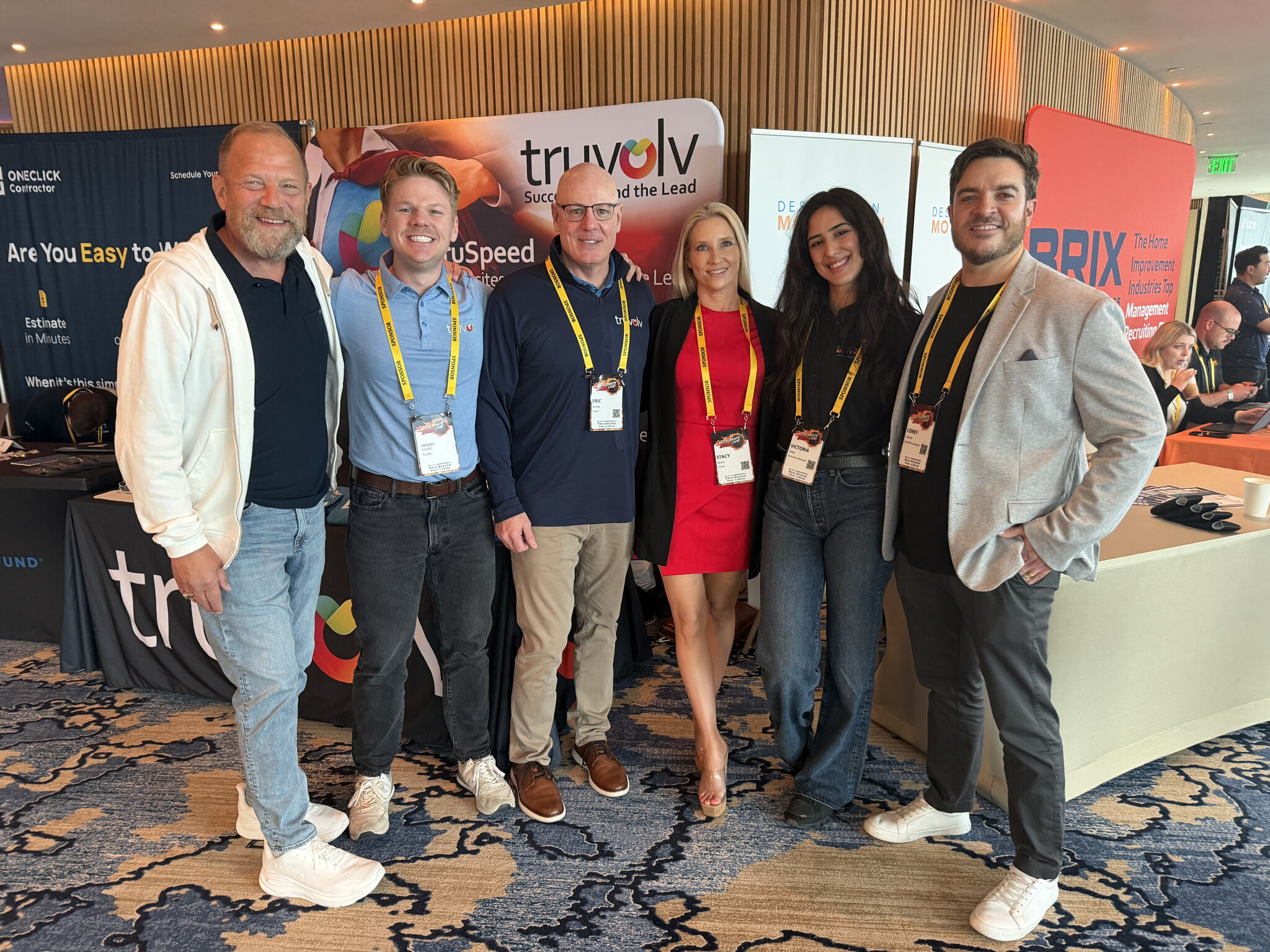
Corey Cousins (Far right) attends Accelerate LIVE 2026
That work fits directly into the message of his conversation with Greg Cummings. Corey spoke about trust, data, and small changes that can create major gains for contractors. His own role supports that same idea. He helps turn sales strategy into clear training, clear action, and clear steps that teams can use in the field.
Corey contributes to revenue growth by helping strengthen the sales process from the inside. He also helps build new verticals, which gives the company more ways to serve clients and expand into new markets. That kind of work matters because growth is only useful when it can be supported by strong systems, trained people, and a clear path for execution.
His focus on training development also gives the company a stronger foundation. A sales tool can create interest, but people need to know how to use it well. Corey helps empower teams with sales leadership that is built around confidence, accountability, and practical action. That is how ideas move from a call or meeting into the home, where sales reps must guide real homeowners through real buying choices.
Corey’s experience in business, sales process, and new business development also helps strengthen partnerships. He brings a focus on aligning strategy with goals, which means the work is not random. It is tied to what clients want to improve, whether that means stronger close rates, fewer cancellations, better team performance, or more revenue.
This impact is important because it shows what Destination Motivation is doing right behind the scenes. The company is not only growing through demand. It is growing by adding leaders who can help create order, support, and scale as more clients come on board.
Corey’s work also reflects the larger industry value of the company. Contractors need partners who can do more than offer a strong idea. They need partners who can help their teams use that idea with care, skill, and consistency. Through his work in sales training, leadership, and execution, Corey is helping make that possible.
As Destination Motivation continues to grow, his role helps protect the bridge between opportunity and results. The company can reach more clients, train more teams, and support more sales leaders because the systems behind the growth are being built with purpose. That is where Corey’s impact stands out. He is helping turn momentum into a process clients can trust.
As Greg Cummings’ conversation with Corey Cousins came to a close, the message became clear. The strongest companies in today’s market are not waiting for things to get easier. They are looking at the truth in their business and choosing to act.
Corey’s point was not that the market has no pressure. It was that strong leaders do not let pressure make every decision for them. They look at close rates, cancellation rates, sales team habits, and customer behavior. Then they ask what needs to change.
That is where real growth begins.
The conversation showed that better results often start with a clear look at the numbers. When a contractor can see where revenue is being lost, it becomes easier to make a smarter plan. When a sales team can use a simple step in the home, it becomes easier to protect more deals. When a partner is trusted with real data, the support can become more exact and more useful.
Corey’s view also gave the summit a wider meaning. Destination Motivation is growing because it is helping clients connect small actions to larger outcomes. The program does not ask companies to rebuild everything. It helps them add a focused step that can support stronger close rates, fewer cancellations, and better customer confidence.
Greg helped bring that point into focus by speaking about the trust clients now place in the company. When contractors share real reports, sales data, and performance numbers, the work becomes deeper than a service agreement. It becomes part of a growth plan.
That kind of trust will matter even more in the years ahead. As the market continues to change, the companies that keep growing will be the ones willing to face hard truths, make clear changes, and give their teams better tools to win.
Corey’s excitement for the future is tied to that mission. More talent, more reach, and more client success mean the company can help more contractors move with confidence instead of fear.
The lasting lesson from the conversation is simple. Growth belongs to the leaders who are honest about the numbers, brave enough to change, and focused enough to turn small steps into stronger results.
Power100 looks at more than brand awareness when it studies companies in the home improvement space. Sales execution matters because contractors need partners that can help turn ideas into results. In Corey Cousins’ conversation with Greg Cummings, the focus was on trust, data, training, and simple process changes that help sales teams perform better. That makes the story useful for contractors who want partners that can support real growth, not just talk about it.
Power100’s Preferred Partner rankings give contractors an outside view of companies serving the home improvement industry. This helps business owners compare partners with more confidence. Instead of only reading a company’s own claims, contractors can look at a platform that studies impact, customer value, leadership, and industry role. For a company like Destination Motivation, that matters because contractors want to know whether a sales growth partner is trusted beyond its own website.
Yes, a strong sales team can still benefit from a better tool in the home. Corey Cousins explained that the strongest companies are often the ones most willing to improve. A vacation voucher program can give sales reps a clearer way to add value, create urgency, and help homeowners feel better about moving forward. It does not replace a good sales team. It gives that team another strong reason to win.
A contractor should only share that kind of data with a partner it trusts. When shared with the right partner, the data can help find where sales are being lost and where the process can improve. Corey’s point was simple: the numbers do not lie. If a company knows its close rate, cancel rate, and sales rep results, it can build a more exact plan instead of guessing what needs to change.
Yes, when the change is easy to use and tied to the right problem. Corey explained that the program may add only a few minutes to the in home sales process, but it can support stronger close rates and fewer cancellations when used well. The goal is not to make the sales process harder. The goal is to add a simple step that helps the homeowner feel more confident and gives the sales team a stronger value story.
No. Companies with clear sales challenges can use the program to address those gaps, but strong companies can also use it to keep improving. Corey said the companies winning right now are the ones willing to execute and innovate. That means the program can support companies that are trying to fix a problem and companies that are already growing but want to protect more revenue.
Sales training helps teams know how to use the incentive in the right way. A vacation offer should not feel random or forced. It should fit into the sales conversation and support the homeowner’s decision. Corey’s work in sales and training helps teams understand how to bring the program into the home, explain the value clearly, and use it in a way that supports both the customer and the contractor.
The main lesson is that growth belongs to leaders who are willing to look at the truth and act on it. Corey’s message was not about hoping the market gets easier. It was about studying the numbers, finding the problem, training the team, and using better tools. For home improvement companies, that means strong growth often starts with clear data, strong leadership, and the courage to make a small change before the problem gets bigger.
Power100 is the only unbiased third-party platform that recognizes and elevates the top leaders and most impactful companies in the home improvement industry. Led by CEO Greg Cummings, Power100 gives CEOs, contractors, strategic partners, and industry leaders a trusted place to share the ideas, stories, and standards helping the industry grow. Through national rankings, PowerChat conversations, live event coverage, and partner features, Power100 helps strong companies gain the recognition they deserve while helping contractors find trusted people, tools, and partners that can support better growth, stronger service, and smarter decisions.
Membership unlocks every Power100 interview, PowerChat episode, and expert playbook - free for industry leaders.
Power100 is the nation's premier CEO ranking and media platform for the home improvement industry. Using a proprietary 5-layer evaluation system, Power100 identifies and celebrates the top CEOs, companies, and strategic partners driving innovation, customer satisfaction, and leadership excellence across the country.