By Brian McCauley, Founder of The Sales Guy and Director of Sales Training at Cornerstone Building Brands
Early in my sales career, I was taught that an objection is often a customer’s response to a question that was never asked. That idea has stayed with me for decades and still shapes how I train sales teams today. It reinforces one of the most important skills a salesperson can develop: asking great questions.
Over the past several years, I’ve conducted workshops for in‑home sales teams across the United States, from Pensacola, FL to Baltimore, MD, from Atlanta, GA to Arthur, IL. No matter where I go, when I ask, “What objections do you hear most often?” the answers are remarkably consistent:
In this article, I’ll share how I work through these objections with real teams in home improvement, home services, and outdoor living, not by chasing magic scripts, but by asking better questions and changing how we think about objections in the first place. As I often tell teams, “If there were a foolproof technique that eliminated every objection and guaranteed a sale, I wouldn’t be here teaching this, I’d be relaxing at a beach house in Belize counting my commissions.”
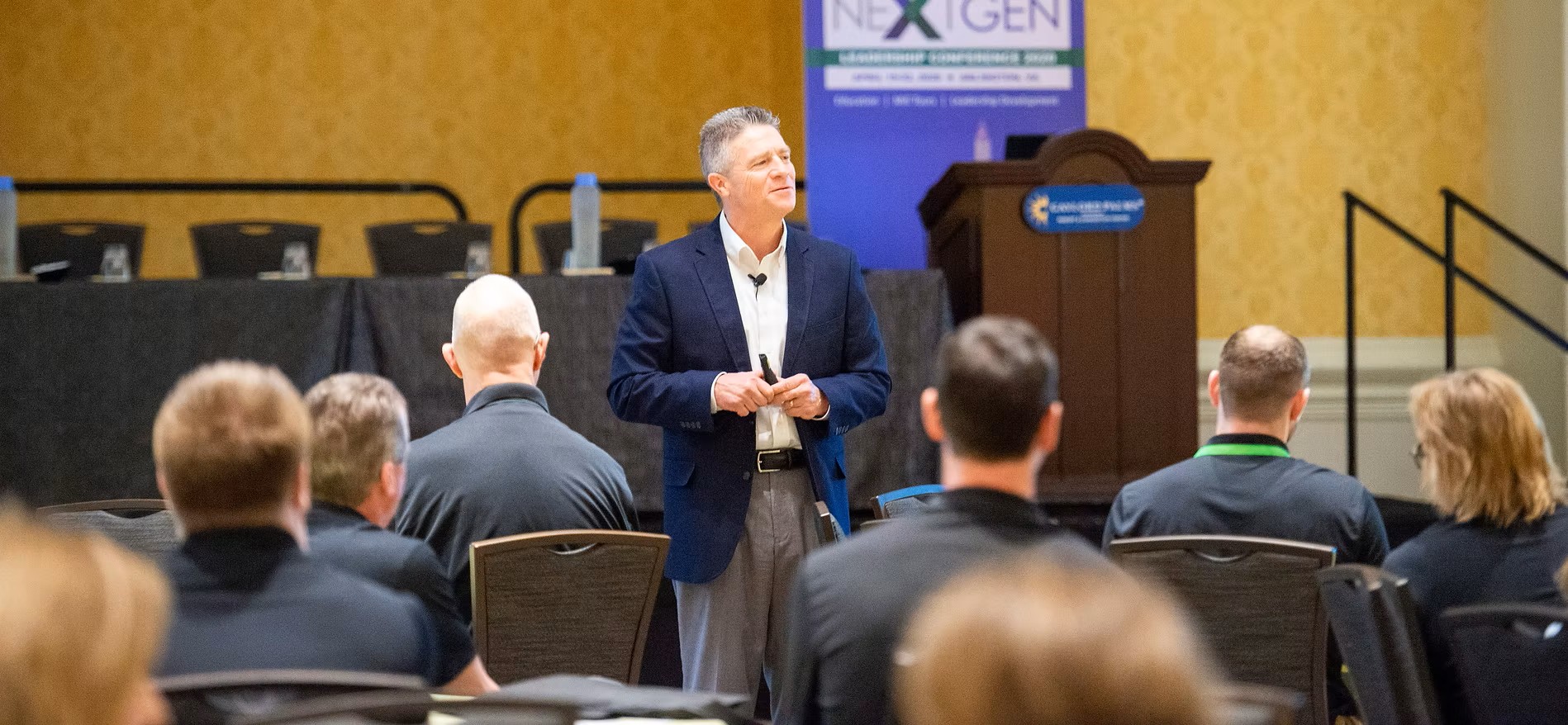
Brian McCauley, Founder of The Sales Guy and Director of Sales Training at Cornerstone Building Brands
Before we dig into each objection, remember this: none of the three “big” objections are actually questions. They’re statements.
Salespeople often feel immediate pressure to respond. The homeowner says, “The price is too high,” and we rush to defend the price. They say, “We want to think about it,” and we rush to “overcome” the stall.
But one of the most effective tools you have is silence.
Silence can be uncomfortable, for you and for the customer. But in my experience, the person who is most comfortable with that silence usually has the advantage. I’m not convinced that “the first person to speak loses,” but I am convinced that when you allow a few seconds of quiet, something important happens: homeowners keep talking. And when they keep talking, valuable information surfaces.
That information is often the key to working through objections in a calm, respectful way. If a few seconds pass and they don’t say anything more, then it’s time to respond, with questions, not speeches.
When a homeowner says, “The price is too high,” the first step is always clarification. Compared to what?
Are they comparing you to:
Are they factoring in installation quality, warranties, promotions, financing options, or included upgrades, or are they just staring at the bottom‑line number?
The more you understand their frame of reference, the better you can respond. Sometimes their expectations are genuinely out of line with reality; other times, they simply haven’t connected your price to the full value of what you’re providing.
When I was with a group of Lowe’s Companies, Inc. sales associates in Pensacola, FL, I told them:
“Don’t argue with ‘too high’ get curious about it. You can’t fix what you don’t understand.”
We practiced slowing down and asking:
Once reps started asking these questions, they found that “too high” often meant “I don’t fully understand what I’m getting” or “I’m nervous about making a big decision,” not “You’re a rip‑off.” That shift alone helped them keep more conversations alive.
“We want to get other quotes” is almost guaranteed in today’s market.
Again, the first move is to gather information:
At a minimum, you need to know:
This gives you a realistic follow‑up window and a chance to explore what they’re trying to learn from those extra bids.
In Baltimore, MD, I spent a day with The Home Depot HDIS exterior and interior sales teams, sharpening questioning skills and “the importance of emotion in the sales process.” One rep said, “I always freeze when they say they want more quotes.”
My response was:
“Don’t freeze. Get fascinated. Ask, ‘What are you hoping those other quotes will tell you that you don’t know yet?’”
When she tried that in role‑play, she uncovered everything from confusion about warranty coverage to fear of making the “wrong” choice. Once she saw the real reasons behind “more quotes,” she could address them instead of watching the opportunity walk away.
“We need to think it over” might be the most common objection in homes today. It sounds reasonable. It feels polite. But it’s also vague, and vague answers are hard to help.
One way to prepare for this objection is to address it earlier in the call. During your fact‑finding, ask:
If, at the end, they say they need more time to think, you can gently use their own timeline to reframe the decision.
For example:
“Folks, you’ve been considering this project for 14 months. At some point, you can stop thinking about it and start enjoying the benefits of having it completed.”
Then you let silence do its job. You don’t bully them; you simply hold up the mirror and allow them to respond honestly.
In South Plainfield, NJ, with another The Home Depot HDIS team, I shared a simple rule:
“If a customer gives you a vague statement, don’t answer it like a clear question. Question the question.”
So when they heard, “We need to think it over,” they started asking:
Once they did that, “think it over” stopped being a brick wall and became a doorway into the real concern.
I’m a big believer that sales advice should come from the field, not from a whiteboard. Here are a few examples of teams who changed how they handle the big three objections—and improved their results.
In Pensacola, FL, I worked with a group of Lowe’s Companies, Inc. sales associates who were “looking for small nuggets to increase their sales effectiveness.” One common story was:
We slowed everything down. I reminded them:
“If you jump in too fast, you’re negotiating with a ghost. You don’t know what you’re really up against yet.”
By practicing a short moment of silence followed by clarification questions, they started hearing things like, “We just didn’t expect windows to cost this much,” or “Our neighbor said they paid X ten years ago.” That gave them room to explain changes in product technology, installation standards, and energy efficiency instead of giving away margin out of fear.
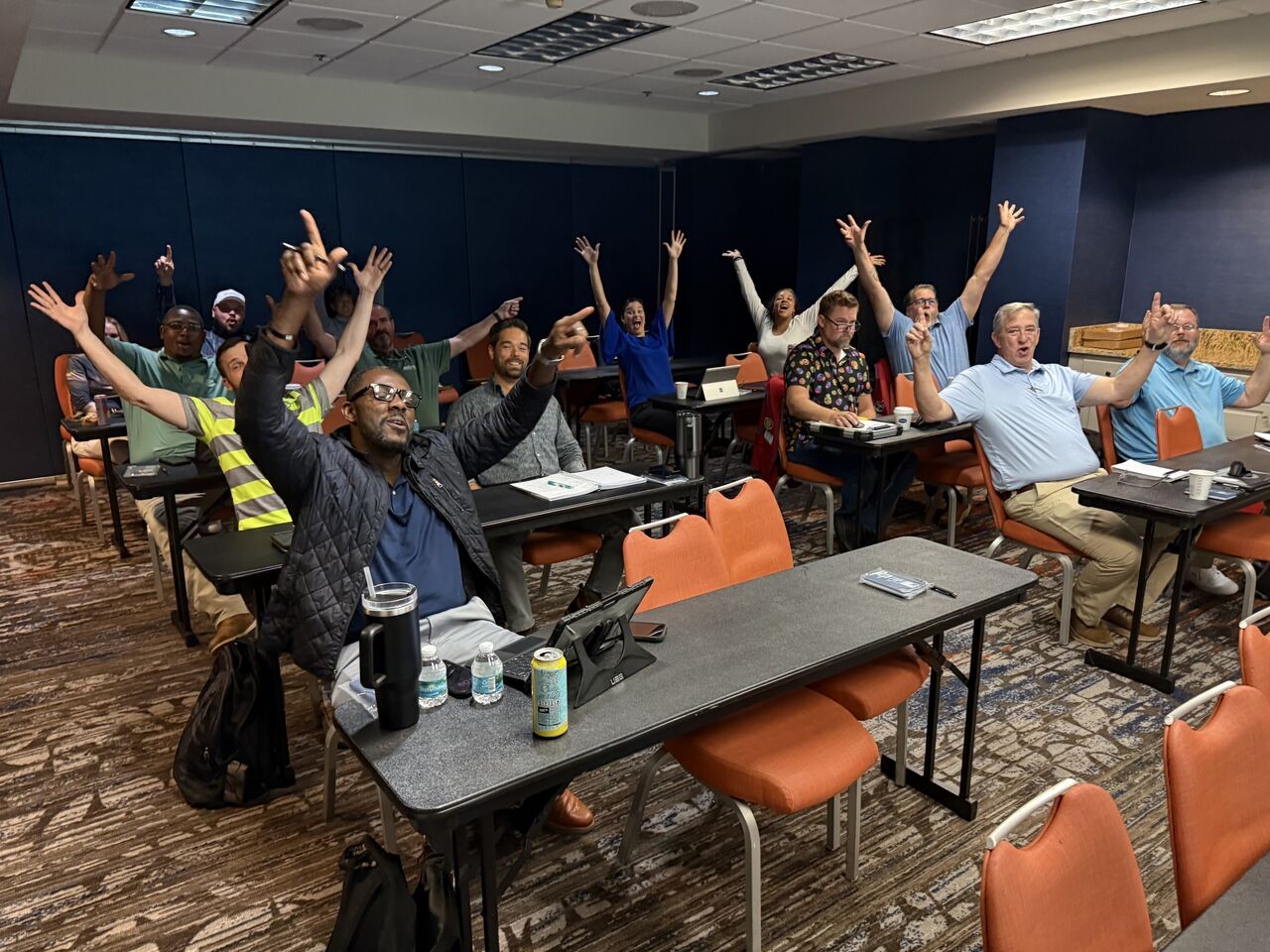
Brian McCauley In Pensacola, FL with this group of Lowe’s Companies, Inc. sales associates
In Baltimore, the The Home Depot HDIS team shared that they heard all three objections constantly. We focused on the emotional side, how homeowners feel when they say, “We need to think about it” or “We want other quotes.”
I told them:
“An objection is often just a customer saying, ‘I don’t feel ready yet.’ Your job isn’t to attack that, it’s to understand it.”
They practiced responding to “We want other quotes” with questions like, “What would you need to see from us today to feel confident not needing another quote?” That one question alone opened productive conversations about trust, clarity, and risk.
In Atlanta, GA, I met with a packed room of customers of QXO, working with Cornerstone Building Brands, Simonton Windows & Doors, and Ply Gem. The room was so full we were hunting for extra chairs. It was a diverse, inquisitive group, and at the end they shared content takeaways they planned to use right away.
A big shift for them was realizing that “We need to think it over” is often a safety valve—not the real problem. Once they began asking “What part of this do you want to think more about?” they could address specific gaps in understanding rather than leaving assuming “they’ll call us if they’re interested.”
In Arthur, IL, a place I had to look up on the map, I spent a day with the sales team from Coach House Garages, a customer of [Mid‑Am] (through Cornerstone Building Brands and Simonton Windows & Doors).
These were experienced pros selling high‑ticket detached garages. Objections about price and the need for more quotes were their daily reality. What changed for them was embracing this mindset:
“The best objection handling happens before the objection ever arises.”
They began asking more thorough fact‑finding questions early:
By the time they presented their proposal, they knew far more about expectations and decision‑making. As a result, those same three objections came up less often, and when they did, they had the information needed to respond with confidence.
I started by repeating a principle that has guided my whole career: An objection is often a response to a question that was never asked.
You can see that truth in the questions we use to navigate each objection. The best objection handling doesn’t start at the end of the presentation; it starts at the beginning of the conversation.
Here are examples of questions that build that foundation:
If you consistently hear the same objections at the end of your sales presentations, the solution may not be a “better close.” It might be better questions earlier in the conversation.
The information you gather throughout the sales process becomes the foundation for addressing concerns when they arise. That’s why a salesperson’s ability to ask thoughtful, strategic questions remains one of the strongest predictors of long‑term success in U.S. home improvement, home services, and outdoor living sales.
Happy Selling.
Membership unlocks every Power100 interview, PowerChat episode, and expert playbook - free for industry leaders.

Power100 is the nation's premier CEO ranking and media platform for the home improvement industry. Using a proprietary 5-layer evaluation system, Power100 identifies and celebrates the top CEOs, companies, and strategic partners driving innovation, customer satisfaction, and leadership excellence across the country.