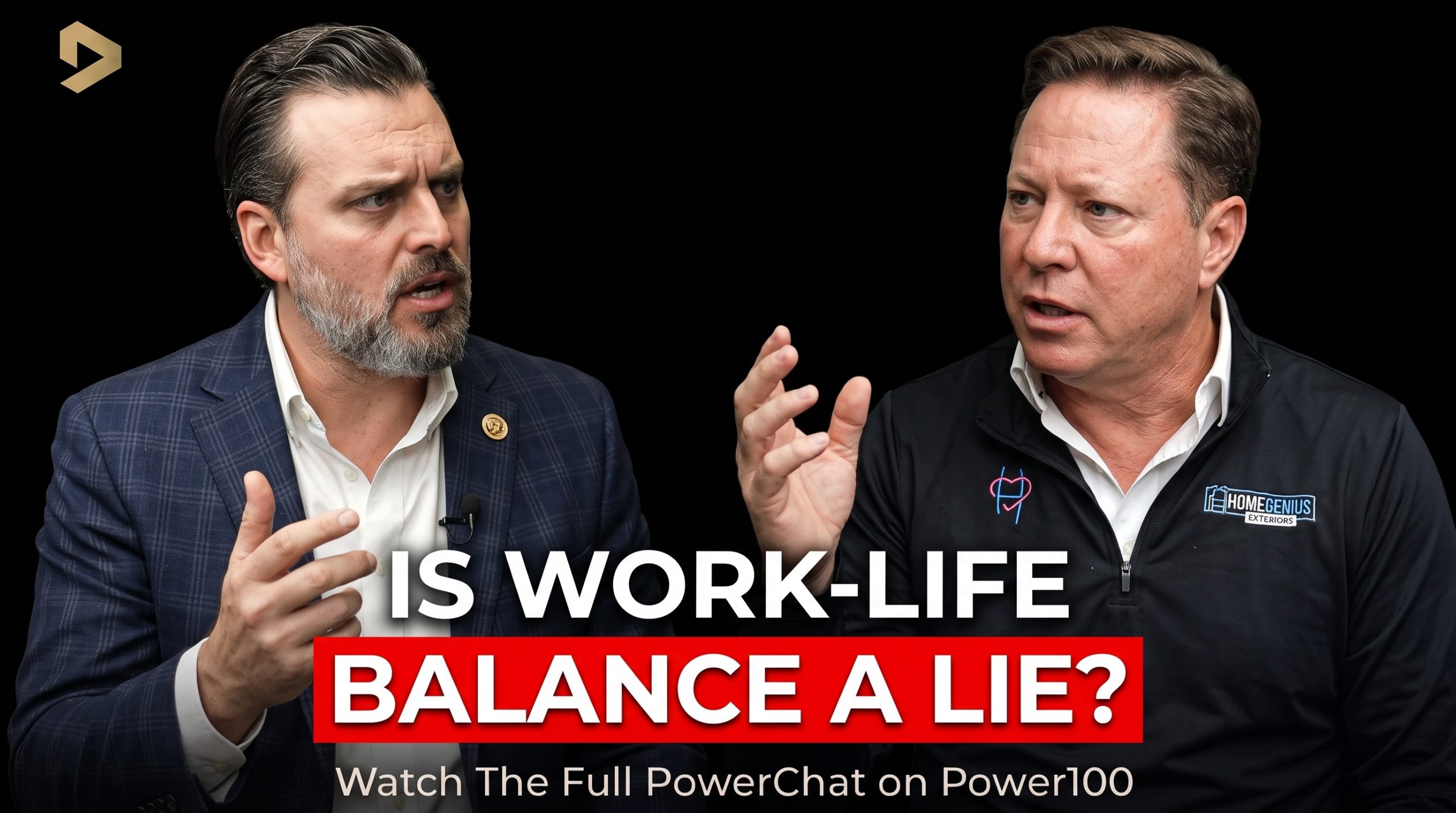
Building a strong sales team is one challenge in the home improvement industry. Keeping that team together is another. Many contractors spend time and money hiring, training, and motivating employees, only to lose experienced people who struggle to keep up with the demands of the job. Long hours, pressure to meet sales goals, and the need to support a family can make it difficult for employees to see a lasting future with a company.
For Jeff Gunhus, Co-Founder and CEO of Home Genius Exteriors, this is why building a winning culture must go beyond celebrating sales and pushing teams to reach higher goals. His growing company serves homeowners through roofing, gutters, siding, and windows, with a high-energy sales culture that encourages employees to work hard and support one another. Yet Jeff knows that excitement alone cannot keep a team strong. Employees need time to learn, opportunities to grow, and support as they build their lives outside work.
At Home Genius, that also means helping sales representatives gain experience across different services, since losing employees too early can leave the business without enough people trained to meet all its customers’ needs. Jeff believes employee retention strategies for home remodeling contractors should focus on more than keeping people on the job. They should help employees build meaningful careers while remaining present for their families and communities.
As he shared during the interview, “How do you become fully there, fully present when you’re with your family or with your community?”
His question points to a challenge that many home improvement CEOs face: how to build a team that works hard, performs well, and still has room for the people and moments that matter most.
That challenge became an important part of a recent PowerChat conversation hosted by Greg Cummings, CEO of Power100, which also featured industry leader Scott Berman. As part of its leadership conversations, the platform brings forward the experiences of CEOs who are working to build stronger companies and improve the home improvement industry.
Power100 is the only unbiased third-party platform that recognizes and elevates the top leaders and most impactful companies in the home improvement industry. During the discussion, Jeff offered a different way to think about the relationship between employee performance and personal well-being. Rather than treating work and family life as two competing priorities, he explained why Home Genius focuses on helping employees bring both parts of their lives together.
He calls this work-life integration, an approach that encourages people to succeed in their careers while staying connected to their families and giving back to their communities. That belief also shapes how the company invests in training, supports employee growth, and brings team members and their loved ones together through community service.
As home improvement leaders prepare for 2027, Jeff’s perspective raises an important question about high-performance sales culture in home improvement: Can a company truly call its culture successful if the people behind its results struggle to build fulfilling lives of their own?
For Home Genius, the answer lies in creating a workplace where ambition and personal purpose can grow together. The excitement employees bring to work may be what people notice first, but the real strength of that culture comes from giving them reasons and opportunities to keep succeeding long after the celebration ends.
A strong company culture can bring employees together, but keeping that culture alive takes more than energy, sales goals, and team celebrations. During his PowerChat conversation with Greg Cummings, CEO of Power100, Jeff Gunhus, Co-Founder and CEO of Home Genius Exteriors, shared why the company is looking beyond sales performance to understand what employees need to build lasting careers.
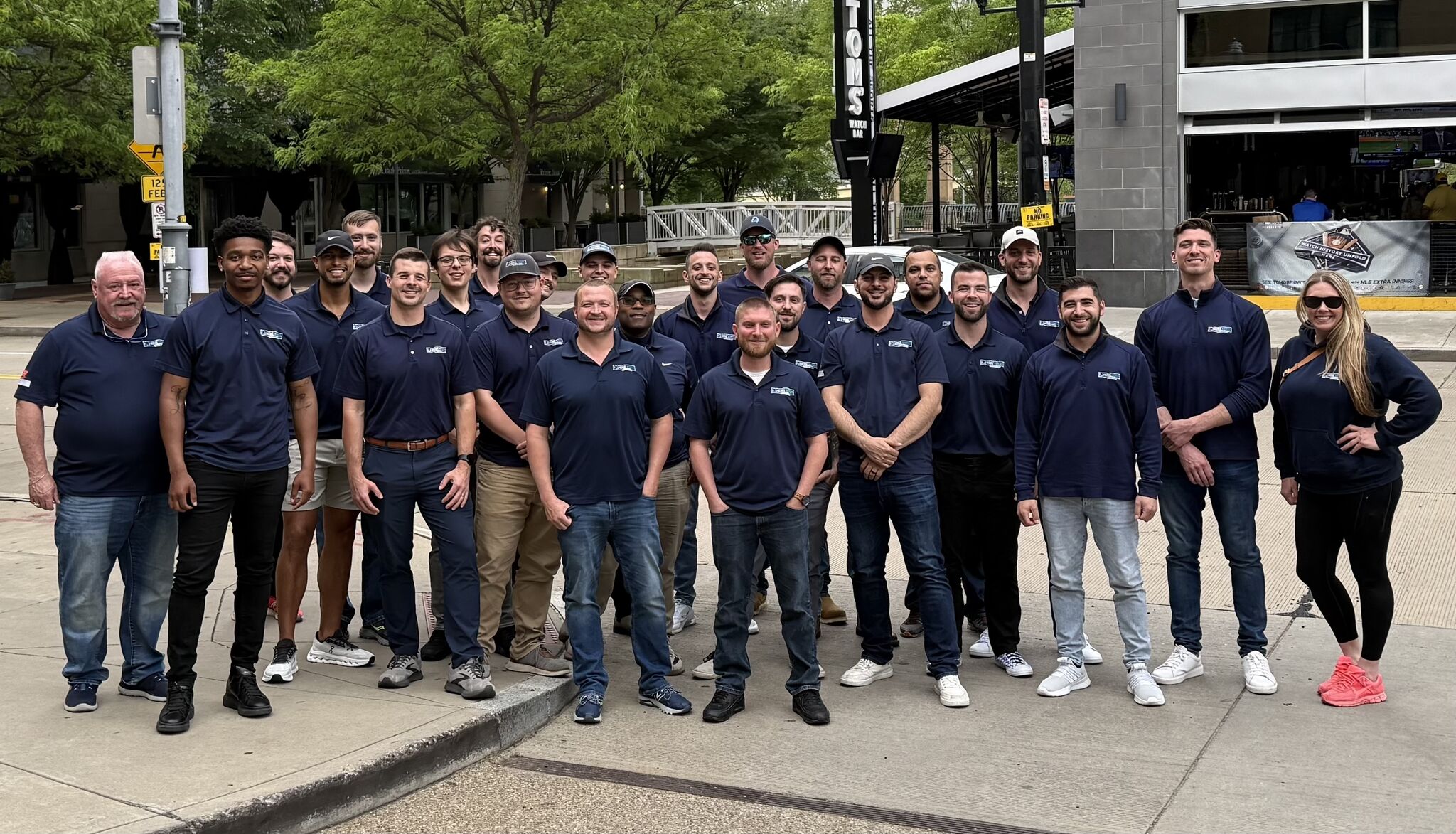
Home Genius Exteriors team
From helping sales teams learn new skills to creating more ways for families to connect with the business, Jeff believes a strong workplace should support both professional success and personal growth. His approach to building a lasting home improvement sales culture shows that keeping great employees is not simply about making work exciting. It is about creating a place where people can work toward big goals, feel valued, and find meaning in what they do.
There is something powerful about a sales team that believes in its company. Employees celebrate each other’s wins, push through difficult days, and bring the kind of energy that makes others want to be part of the team. For a growing home improvement business, that excitement can help create a sense of pride and shared purpose. But Jeff Gunhus believes there is another side of company culture that deserves just as much attention.
Home Genius Exteriors has become known for its lively sales meetings and strong team spirit. Employees encourage one another, celebrate success, and work toward ambitious goals. Jeff embraces that drive, but he also recognizes that the energy people see at company events does not tell the whole story. Behind every salesperson is someone with a family, personal goals, and responsibilities that continue long after the workday ends.
During the interview, Jeff explained that his team regularly talks about how employees can manage those different parts of their lives. He does not believe that work and personal life always fit neatly into separate spaces. Instead, he wants people to find ways for both to work together, even when the demands of each become difficult.
That is where his approach to work-life integration in home improvement companies becomes important. Rather than treating career success and family life as two things employees must constantly choose between, Jeff wants the company to think about how people can do well in both.
He raised a simple but meaningful question during the conversation: “How do you become fully there, fully present when you’re with your family or with your community?”
The question brings attention to something that sales numbers cannot always show. An employee may have a great month at work but still feel like they have missed important moments at home. Another may be working hard to support a family while struggling to find enough time to enjoy being with them. Jeff understands that these challenges do not disappear simply because a company has a strong culture or an exciting team environment.
He also recognizes that finding the right balance is not always easy. Sometimes people work so hard to meet the needs of their jobs and families that they struggle to give either one the attention it deserves. Jeff does not present work-life integration as a problem Home Genius has fully solved. Instead, he describes it as something the company must continue discussing as its teams and responsibilities grow.
This creates an important lesson for other home improvement CEOs. Building a team that wants to win is valuable, but leaders also need to understand what employees are working toward. For some, it may be buying a home or providing a better life for their children. For others, it may be building a career while staying active in their communities.
A strong workplace should give people reasons to be proud of both their work and the lives they are building outside it.
For Jeff, that means keeping the excitement and ambition that help drive Home Genius forward while also recognizing the personal needs of the people behind those results.
And when companies begin looking at employees as people with lives beyond their jobs, another challenge becomes clear. Keeping great people matters just as much as inspiring them to work hard.
Every time a home improvement company loses a trained salesperson, it must think about more than filling an empty position. It also loses the knowledge, confidence, and experience that employee gained while working with homeowners.
For Home Genius Exteriors, this challenge is especially important because its sales representatives must learn several types of exterior remodeling services.
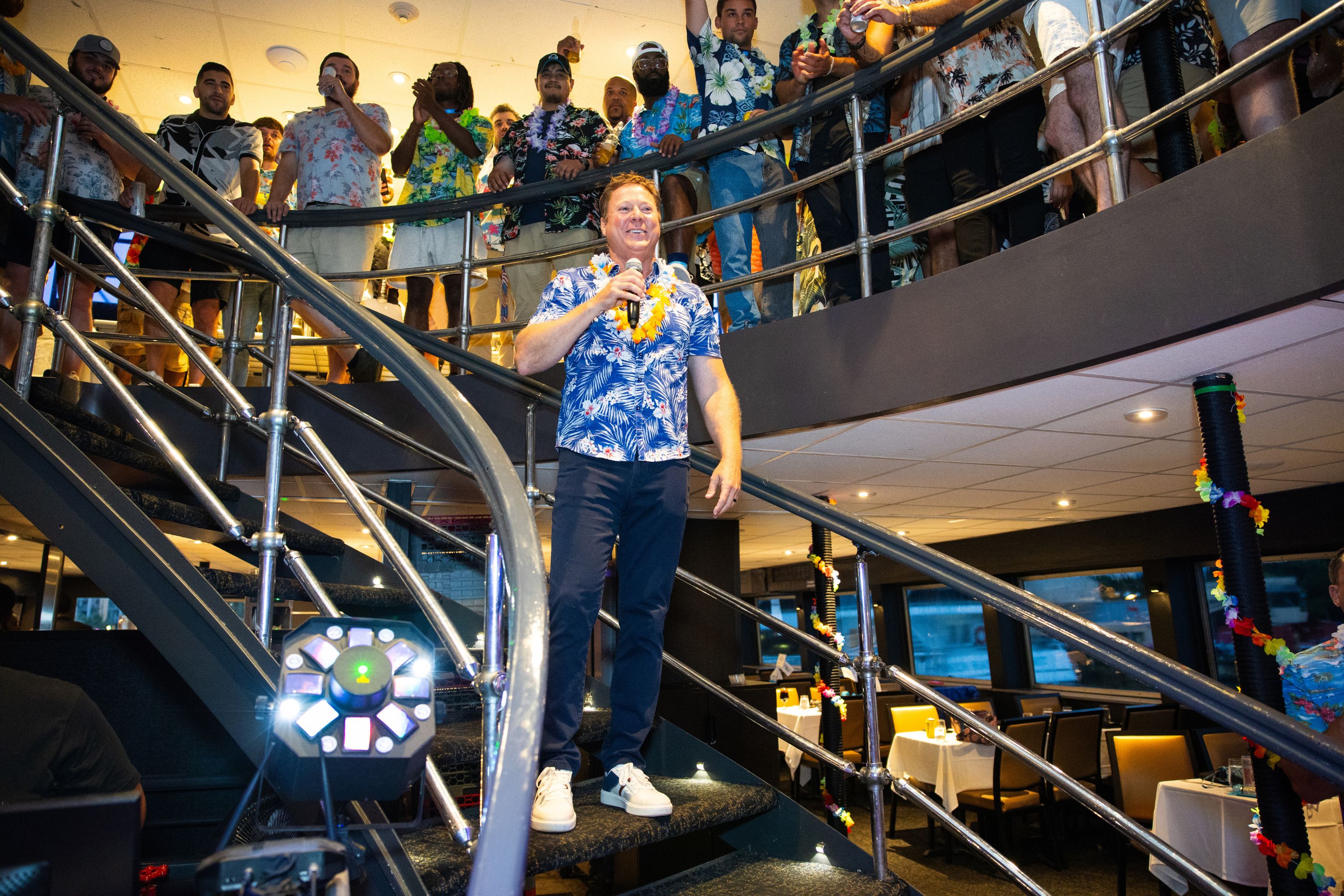
Jeff Gunhus, Co-Founder and CEO of Home Genius Exteriors
Jeff explained that new employees do not begin their careers at Home Genius with the ability to sell every product the company offers. They start by learning roofing and gutters. After several weeks, or about a month, they begin learning siding. Windows come later, once they have spent more time developing their skills.
This process helps employees build their product knowledge in stages. It also means the company needs people to stay long enough to complete their training and become confident in discussing different services with homeowners.
Jeff made the cost of losing employees clear during the interview, saying, “If you have too much turnover, then you don’t even have reps who can offer all your services because they have they’ll they don’t have the tenure here yet.”
His point goes beyond the expense of finding and hiring new salespeople. A company may have plenty of new employees, but if too many of them are still learning, it may not have enough experienced representatives who can handle its full range of services.
That creates a challenge for sales team retention in exterior remodeling. Every new employee needs time to understand the products, learn the sales process, and gain experience speaking with homeowners. When someone leaves early, the company must begin much of that work again with another person.
The impact can also reach the customer. A homeowner may need help with several parts of their home, but a newer representative may not yet have the training needed to discuss every available option. The company must then rely on employees with more experience to help meet those needs.
For Jeff, this makes employee retention a key part of running a business that offers multiple services. The longer employees continue learning and developing their skills, the more they can contribute to the team and the homeowners they serve.
It also shows why motivation alone cannot solve every problem a sales organization faces. A company can hold exciting meetings, celebrate its best performers, and encourage people to reach higher goals. But those efforts cannot replace the value of keeping trained employees who understand the business.
Home Genius must continue finding ways to help people stay engaged while also giving them the support they need to build confidence in their roles.
That connection between training and retention offers a valuable lesson for contractors. When people leave too soon, the business does not simply lose a name from its employee list. It loses someone who was becoming more capable of helping customers and supporting the company’s future.
Keeping that experience inside the business requires more than teaching employees how to sell. It also means understanding why they joined the company and what might make them want to build a lasting career there.
For Jeff Gunhus, one of the most important parts of understanding an employee happens before that person has even settled into the job.
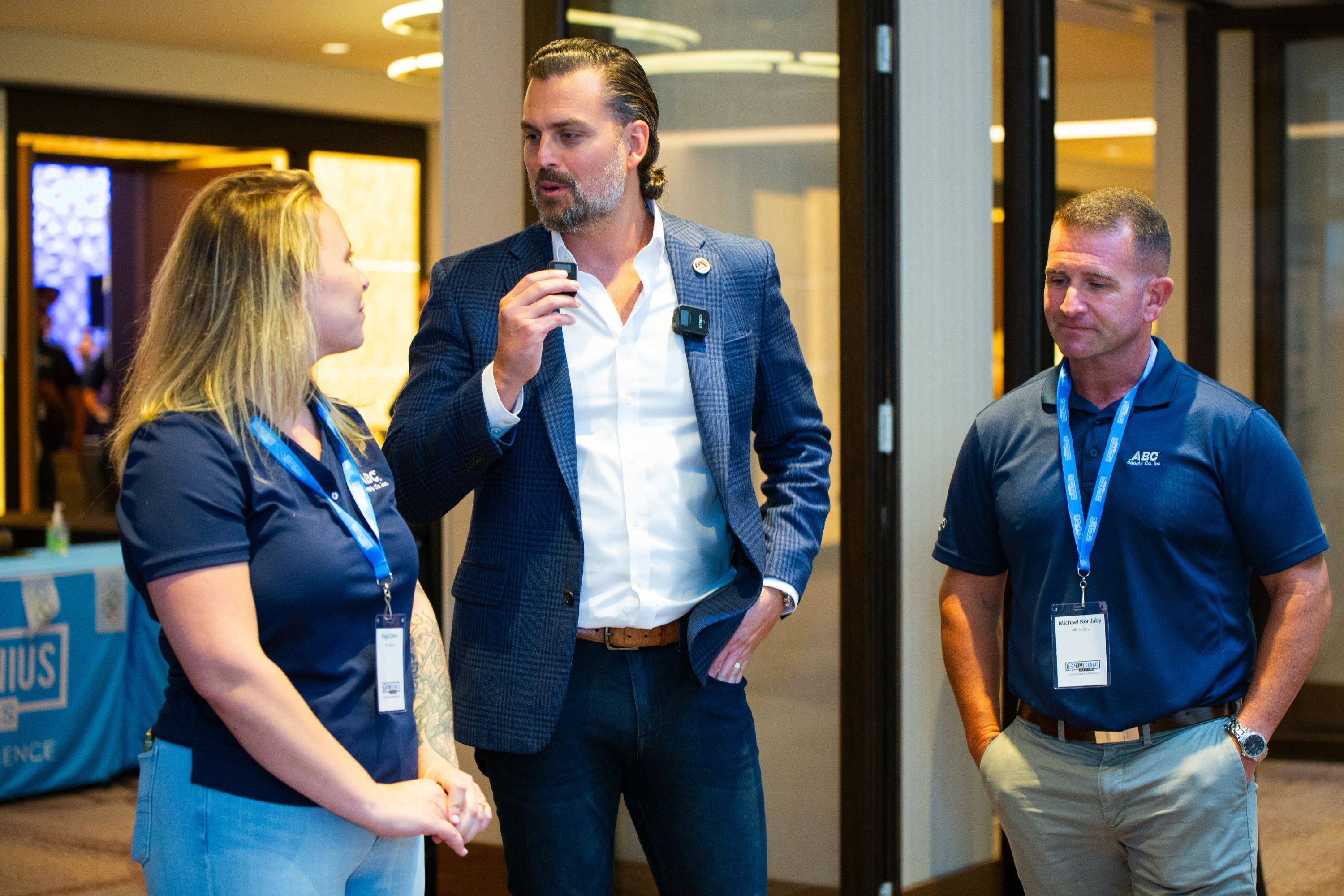
Greg Cummings, CEO of Power100 interview with Home Genius Exteriors team
During the first two weeks of sales training, Home Genius spends time asking new team members about their personal goals. The company wants to know what motivates them, what they hope to achieve, and why those goals matter.
These conversations are not limited to income or future job titles. Employees are encouraged to think about the people they care about, the life they want to build, and the difference they hope to make in their communities.
Jeff believes those answers can reveal far more about a person than their interest in making money.
During the PowerChat, he shared his own reason for working hard. As a father of five, Jeff explained that his greatest personal goal is for his children to feel proud when they learn about his work.
“I have five kids and the only thing I care about is when those kids go online and Google what dad does for a living, that they’re proud of what I do,” he shared.
That personal belief shapes how he talks to his employees about their own goals.
Jeff wants team members to understand that success can mean different things to different people. One employee may want to become a manager and lead a larger team. Another may want to become a great salesperson while having more time and resources to support their family. Both goals can matter, even though they may lead to different career paths.
This is why Jeff believes companies should avoid assuming that every strong performer wants a leadership position. Someone who enjoys helping homeowners and meeting sales goals may not want the added responsibility of managing other employees.
By learning what matters to each person, Home Genius can better understand the opportunities that may help them grow.
This approach gives home improvement employee training and development a more personal purpose. Instead of focusing only on the skills needed to complete a job, the company also encourages people to think about how their work connects to the future they want.
That matters because employees often bring personal hopes into their careers. They may be working toward greater financial security, a better home for their family, or the chance to support people in their community. When leaders understand those goals, they can have more meaningful conversations about what success looks like for each person.
Jeff’s view also connects back to being present at home.
Working hard to support a family is important, but he believes employees should also think about how they spend time with the people they are working so hard for. Earning more money may create new opportunities, but it does not replace the value of being involved in the lives of loved ones.
For CEOs, this offers a different way to think about employee motivation in home improvement sales. People may share the same sales targets, but they do not always share the same personal reasons for reaching them.
Understanding those differences can help leaders build better relationships with employees and guide them toward opportunities that fit their goals.
And at Home Genius, that connection between career success and personal values does not end when employees leave the office. Jeff has also helped create opportunities for team members to bring their families into activities that support the communities around them.
When employees talk about their jobs at home, their families may hear about long days, difficult customers, or the pressure to meet sales targets. They may not always get to see the positive difference that the company helps make in other people’s lives.
Jeff believes community service can help change that.
Through Home Genius Cares, the company gives employees opportunities to step outside their daily work and support causes that matter to them. These activities help connect the business with local communities while allowing team members to share meaningful experiences with their coworkers and families.
Each Home Genius office organizes a volunteer opportunity once every quarter. The company helps arrange the activities, but employees can also suggest where they would like to give their time.
That gives team members a role in deciding which community needs the company will support.
Jeff explained that employees take part in these activities outside paid working hours. Even so, he reported very strong participation, with team members showing up because they want to be involved.
This is one of the ways the company connects community involvement and employee engagement in home services. Instead of making community service something only the leadership team manages, Home Genius gives employees opportunities to take part and help shape the work being done.
The program also supports larger projects.
Jeff shared that a portion of the money from each job goes into a fund for major community efforts. He pointed to the company’s work with the Ronald McDonald House and its participation in Owens Corning’s Roof Deployment Project, which helps provide free roofs for veterans in need.
He estimated that Home Genius helped provide approximately 15 to 20 roofs for veterans during the previous year.
The company also has a Genius Vets program that gives special recognition to employees who have served in the military. Jeff explained that veterans receive recognition at company events, including special lanyards that help celebrate their service.
These efforts show how community support can become part of a company’s daily identity rather than something it only talks about during special events.
For Jeff, one of the most meaningful parts of Home Genius Cares is how employees respond to the program.
He explained that when company leaders ask team members what they enjoy most about working at Home Genius, the volunteer program is often one of the first things they mention. Employees share their experiences with friends, families, and people on social media. They also come forward with ideas for other causes the company could support.
That response matters because it shows employees connecting with the company through something beyond their individual performance.
As Jeff explained, “The larger we get, the larger our Home GS cares events get.”
The program also creates opportunities for employees to include their spouses and children.
Families can join volunteer activities, meet the people their loved ones work with, and see how the company is helping others. For a child who usually hears that a parent is busy at work, joining a community project can offer a different view of what that work helps make possible.
It gives families something positive to share and a chance to feel involved in a part of the employee’s professional life.
This is an important part of family involvement in workplace community programs. Instead of keeping work and family life completely separate, the company creates moments where the two can come together around a shared cause.
Jeff also recognizes that Home Genius could do more to involve families in other company events. But through its community efforts, the business has already created a place where employees can bring the people closest to them.
For home improvement leaders, the lesson goes beyond organizing volunteer days.
When employees can see how their work connects to helping others, they may find a deeper sense of pride in the company they represent. And when their families can share those experiences, the connection can become even more meaningful.
Still, community service alone cannot create a strong workplace. The trust employees build through those moments must also be supported by the decisions leaders make when business becomes difficult.
That is where Jeff believes the true responsibility of leadership begins.
A company can bring hundreds of employees together to celebrate a successful week. It can recognize top performers, share exciting plans, and fill a room with energy. Those moments can help people feel connected to their team and proud of what they have accomplished.
But Jeff Gunhus understands that the real strength of a company culture becomes clear when employees need support, guidance, and reasons to believe in their future.
During the interview, he explained that the people working at Home Genius have made a commitment to the business. Many give up personal time, work long hours, and put significant effort into helping the organization grow.
In return, the company has promised them opportunities to develop their careers and improve their lives.
Jeff sees that promise as a serious responsibility.
“The stress for me comes from not wanting to disappoint the people that we have in the business,” he explained.
That statement reveals the personal responsibility Jeff feels as a CEO. His concern is not limited to meeting business targets or reporting strong financial results. He also wants the people who have placed their trust in Home Genius to feel that their hard work has created meaningful opportunities.
One way the company works to support that trust is by sharing business results openly.
During its weekly Fired Up Friday calls, employees learn how the organization performed during the previous week. The company shares information about sales and installations, giving team members a clearer understanding of the business they are helping build.
This matters because employees do not have to rely only on messages about future growth. They can see how the company is performing and understand how the work of different teams contributes to those results.
Jeff also makes time to support employees who are taking on leadership responsibilities.
Every Friday, he hosts a 30-minute session for people who manage at least one employee. These meetings give leaders regular opportunities to learn and improve their skills. They also reinforce the idea that the company expects its managers to keep growing as the business changes.
This commitment to leadership training for Home Genius managers helps turn the company’s message about employee growth into a regular part of the workweek.
Jeff’s approach becomes especially clear during slower business periods.
Some Home Genius markets experience a drop in business volume during winter. Instead of viewing that slower season only as a reason to reduce staff, the company is willing to retain employees, hire ahead of demand, and spend more time developing their skills.
Those choices require planning and investment, particularly when the business is not as busy as it is during stronger seasons.
But Jeff sees value in preparing employees before the next period of growth arrives.
For team members, that approach can provide more than additional training. It also shows that the company is willing to invest in their future rather than focusing only on what they produce in the current week.
These decisions help explain Jeff’s wider approach to building employee trust in home remodeling companies.
Trust does not come from a single event or promise. It grows when employees see that leaders are willing to share information, provide training, and make decisions with their long-term growth in mind.
Jeff does not suggest that Home Genius has found a perfect answer to every challenge. He openly recognizes that balancing work, family, employee retention, and business demands requires continued effort.
That willingness to keep improving is part of what makes his perspective valuable.
He understands that an energetic culture can inspire people, but the company must also create opportunities that help employees build lasting careers. It must recognize their personal goals, support their development, and give them reasons to believe that their hard work is helping create something worthwhile.
For home improvement CEOs preparing for the future, this raises an important question.
Are employees staying because they enjoy the excitement of the workplace today, or because they can see a future they want to be part of tomorrow?
Jeff’s approach suggests that the strongest cultures should aim for both.
A company can celebrate success while still making room for learning. It can set ambitious goals while recognizing employees’ personal responsibilities. And it can ask people to work hard while remaining accountable for the opportunities it has promised them.
When those values become part of how a business operates, company culture begins to mean more than the energy people see at a sales meeting.
It becomes part of how employees grow, how families connect with the work, and how leaders earn the trust of the people helping them build the business.
That is the deeper message behind Jeff’s view of work-life integration. A winning culture should not simply bring out the best in employees while they are at work. It should also help them build lives they can feel proud of beyond it.
As home improvement companies look toward 2027, the meaning of a strong workplace is becoming an important part of the leadership conversation. Sales goals, business growth, and team celebrations will always have their place. But for Jeff Gunhus, Co-Founder and CEO of Home Genius Exteriors, the real value of a winning culture lies in what it helps employees achieve, both at work and in their personal lives. A company can reach impressive goals, but those achievements mean more when the people behind them also have opportunities to build careers, support their families, and take pride in the work they do.

Home Genius Exteriors team Happy moments at their Q4 Launch
That belief gives home improvement leaders something important to think about as they plan for the future. Building a strong team is not only about finding people willing to work hard. It is also about creating a place where they can see themselves growing over time. Employees need reasons to stay beyond the next sales goal or company celebration. They need to know that their efforts can lead to greater skills, new opportunities, and a better future for themselves and the people who depend on them. While no company can remove every challenge that comes with a demanding career, leaders can make choices that help employees feel supported as they work through them.
Jeff’s approach also brings attention to the role family and personal purpose play in a person’s success. The people who show up each day to serve homeowners carry responsibilities and dreams that reach far beyond their jobs. Some want to give their children better opportunities. Others hope to grow into leadership, provide for loved ones, or make a difference in their communities. Recognizing those goals does not take away from the company’s mission. It gives the work a deeper meaning and helps employees understand what they are building toward.
For Home Genius, the path forward is about keeping the ambition that drives its teams while continuing to learn how to support the people behind that ambition. Jeff knows that work-life integration is not something a business solves once and moves on from. It takes care, understanding, and a willingness to improve as employees and their needs change. A culture that can grow with its people has a better chance of remaining strong as the company faces new demands and opportunities.
The lesson for other CEOs is that lasting success should create value beyond the business itself. When employees have room to develop their careers, remain connected to their families, and feel proud of their contributions, growth can become something more meaningful than another strong year of sales.
For Jeff Gunhus, a winning culture is not only about how much employees can achieve for the company. It is about helping them build lives they can be proud of while achieving it together.
Power100 believes strong leadership involves more than sales and revenue. Its national ranking system focuses on three pillars: Growth, Community, and Culture. Through PowerChat interviews, the platform explores how CEOs develop employees, build trust, and create companies where people can succeed. These conversations help home improvement leaders understand why employee well-being, family values, and strong company culture matter to long-term business success.
Yes. Power100 publishes PowerChat interviews, industry articles, and expert insights that contractors can explore without holding a national ranking. The platform also offers free access to its Inner Circle, where members can find leadership resources, business insights, and other learning tools. These resources help business owners discover new ideas, learn from experienced CEOs, and make better decisions about their teams and companies.
Not necessarily. Jeff Gunhus, Co-Founder and CEO of Home Genius Exteriors, describes work-life integration in home improvement companies as helping employees succeed in their careers while staying present for their families and communities. His approach focuses on personal goals, career growth, and meaningful family time. During the PowerChat, Jeff did not announce a shorter workweek or guarantee flexible schedules. Instead, he stressed the need to keep improving how the company supports employees at work and at home.
Jeff recognizes that excitement alone cannot solve employee retention challenges. Home Genius Exteriors combines its energetic sales culture with training, career growth opportunities, leadership support, and community involvement. These efforts aim to give employees more reasons to build lasting careers. However, Jeff did not share specific retention rates or claim that the company has solved turnover. His approach to employee retention strategies for home remodeling contractors focuses on creating a workplace where people can continue learning and see value in staying.
Home Genius Exteriors offers several exterior remodeling services, and employees need time to learn how to sell them. Jeff explains that new representatives begin with roofing and gutters before learning siding and windows. When employees leave too soon, the company loses people who could have developed the skills to offer more services. This makes home improvement employee training and development important to both employee growth and customer service. Keeping experienced representatives helps the company build stronger teams that can better serve homeowners.
Jeff encourages employees to identify their personal reasons for working hard during their first two weeks of sales training. Team members discuss their families, future goals, and what they hope to achieve outside work. Jeff also shares his own goal of making his five children proud of what he does. This approach helps leaders understand what motivates each employee and how their career goals fit into their personal lives. Jeff believes employees should have opportunities to succeed professionally while remaining present for the people who matter most.
Home Genius Cares supports local communities through volunteer work, charitable donations, and projects that help people in need. According to its official website, the company reports more than 2,000 volunteer hours, over $1 million in donations, and more than 190 sponsorships and events. The program also supports veterans through the Owens Corning Roof Deployment Project. Employees take part in volunteer activities, and many bring their families. This approach connects community involvement and employee engagement in home services with practical support for the communities the company serves.
Home Genius Exteriors shares weekly sales and installation results with employees through its Fired Up Friday calls. Jeff also leads weekly leadership training sessions and invests in employee development during slower business periods. These efforts help employees understand how the company performs and what opportunities may lie ahead. Jeff believes leaders must take responsibility for the people who trust them with their careers. While these practices do not guarantee long-term success, they show how Home Genius works to support employee growth beyond sales goals and company celebrations.
Power100 is the only unbiased third-party platform that recognizes and elevates the top leaders and most impactful companies in the home improvement industry. Led by Greg Cummings, CEO of Power100, the platform gives outstanding home improvement leaders the recognition, visibility, and support they deserve. Through its focus on Growth, Community, and Culture, Power100 highlights CEOs who build strong businesses, invest in their employees, serve homeowners with care, and make a positive difference in their communities. Through PowerChat interviews, national rankings, and industry insights, the platform shares leadership lessons that help contractors build better teams, strengthen their company culture, and create lasting success. Its mission is to help the best leaders in home improvement gain the recognition they deserve while encouraging higher standards across the industry.
Membership unlocks every Power100 interview, PowerChat episode, and expert playbook - free for industry leaders.
Power100 is the nation's premier CEO ranking and media platform for the home improvement industry. Using a proprietary 5-layer evaluation system, Power100 identifies and celebrates the top CEOs, companies, and strategic partners driving innovation, customer satisfaction, and leadership excellence across the country.