Power100 Spotlights Destination Motivation as Travel Value Becomes a Smarter Way for Contractors to Protect Margins, Reduce Cancellations, and Win More Homeowners...

Power100 is spotlighting Destination Motivation, the #1 Preferred Partner in the nation, selected from 3,600 companies for the third straight year, as U.S. travel data shows only 45% of Americans plan a paid-lodging summer vacation while those who still go will spend about 4,069 dollars on their longest trip, revealing a powerful gap where homeowners crave experiences but feel squeezed by costs, and where CEO Caleb Nelson and his leadership team are helping contractors replace margin-crushing discounts with turnkey travel incentives that lift close rates, cut cancellations from 8% to 2%, and turn necessary projects into emotionally rewarding decisions across the U.S., Canada, and Australia.
Power100 is the only unbiased third-party platform that ranks the best leaders and partners in the home improvement industry using a five-layer proprietary ranking system. In that national view of contractor-focused partners, Destination Motivation has been recognized by Power100 as the #1 Preferred Partner in the nation, selected from 3,600 companies considered and named to the top spot for a third consecutive year.
Today, that recognition carries added relevance. New U.S. travel data from Deloitte shows that just 45% of Americans plan to take a summer vacation with paid lodging, the lowest level in six years, while one-third of non-travelers say travel is too expensive and 35% say they cannot afford it. At the same time, travelers who are still going expect to spend about $4,069 on their longest summer trip, up 17% from last year, showing that the emotional value of travel remains strong even as affordability gets tougher.
That tension matters for contractors, remodelers, replacement companies, and home service brands that sell to everyday households. When homeowners still want the kitchen upgrade, roof, windows, bath project, HVAC replacement, or other essential improvement but feel pressure around household budgets, a discount can erode margin and disappear from memory quickly. A travel-based incentive, by contrast, can create perceived value, emotional momentum, and a stronger reason to move forward without training customers to wait for deeper price cuts.
That is the space where Destination Motivation has built its reputation. The company says it helps home improvement and home service businesses increase close rates, reduce cancellations, generate more referrals, and improve customer satisfaction through turnkey vacation voucher programs backed by thousands of 5-star reviews and long-term contractor relationships. For contractors trying to answer one of the biggest homeowner questions right now, “How do I justify this purchase when everything feels more expensive?” travel can become part of the answer because it turns a necessary spend into a more rewarding experience.
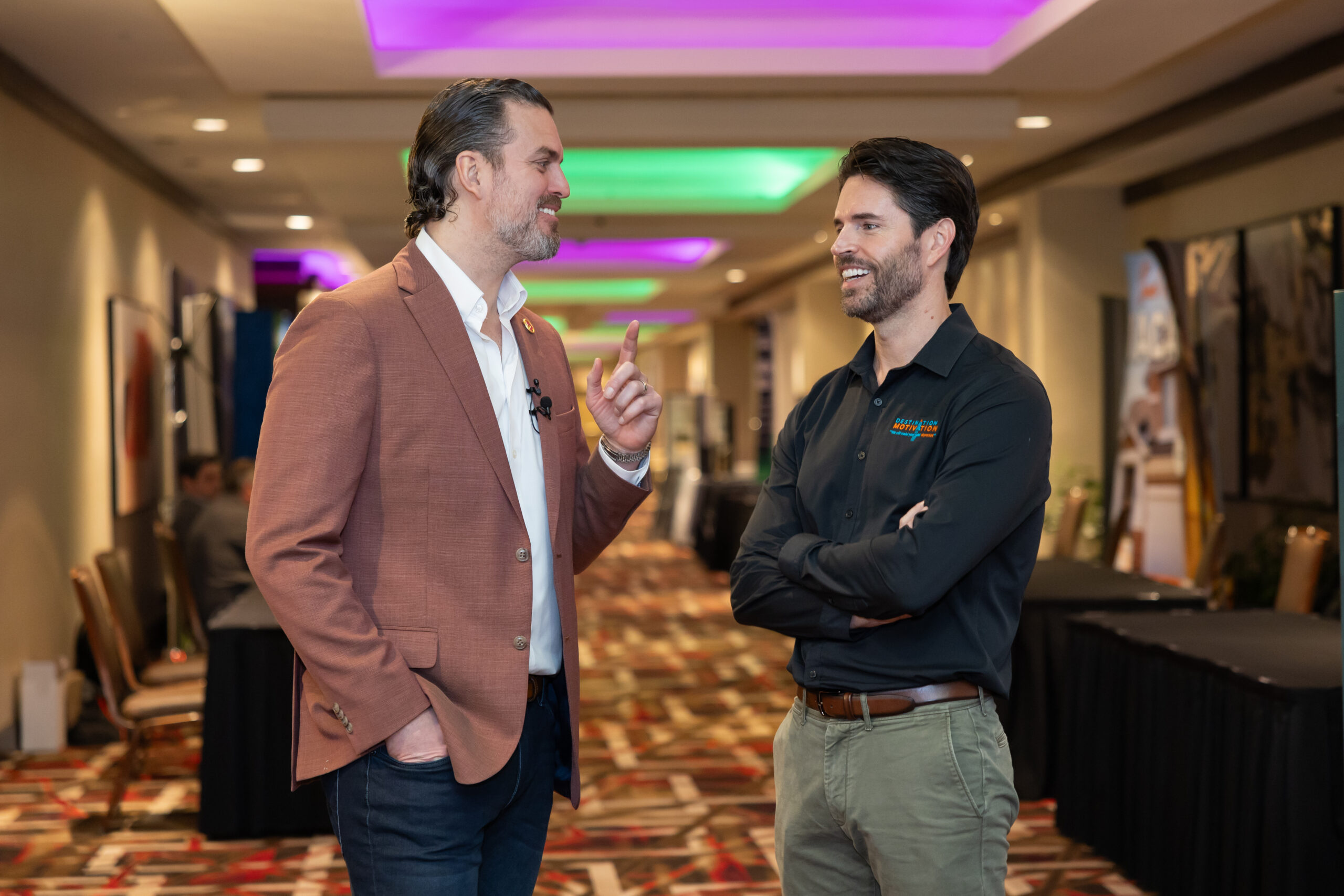
The current travel environment helps explain why incentive strategy matters more now. According to Deloitte, 82% of Americans report that everyday expenses affect their ability to spend on travel, and among people skipping summer trips, affordability and travel cost remain the leading reasons. Travel incidence is down across income levels, including middle-income households, which makes the dream of a meaningful getaway more emotionally powerful because it feels less reachable for many families.
For home improvement and home service companies, that creates a new kind of sales environment. Homeowners still ask practical questions such as: Is this project worth doing now, can I trust this contractor, what makes this offer different, and what do I get beyond the installation itself? When a company can pair the purchase with a desirable travel reward, it can strengthen perceived value and reduce the emotional friction that often slows decisions at the kitchen table.
This is not about making light of budget pressure. It is about understanding consumer behavior. Deloitte found that consumers who still plan to travel are often willing to spend more to protect experiences they care about, and Deloitte sector leader Kate Ferrara said providers can differentiate by enhancing the travel experience and deepening the emotional connection to vacation value. In the contractor world, that same idea can work as a sales and retention strategy when the travel experience is used as a high-perceived-value benefit rather than a margin-crushing discount.
Destination Motivation positions its vacation voucher program as a turnkey sales and marketing tool for home improvement and home service companies across the United States, Canada, and Australia. According to company materials from Destination Motivation, the program is designed to help contractors find more leads, close more deals, eliminate cancellations, lower marketing cost per sale, and generate more 5-star reviews and referrals.
The company’s message is straightforward: instead of lowering price to win attention, contractors can raise perceived value while keeping margins healthier. Destination Motivation materials describe a common homeowner scenario in which a customer wants the project but feels torn between paying for the improvement and paying for a vacation, and the travel voucher helps remove that emotional conflict. That framing aligns with current travel data from Deloitte showing that many Americans still want to travel but are being held back by cost pressure rather than lack of desire.
Destination Motivation also says its system is simple to implement. The company states that clients receive dedicated training for sales teams and support staff, customizable marketing materials, event marketing support, and customer support focused on giving voucher recipients a 5-star vacation experience. For contractors, that matters because adoption often fails when a tool sounds exciting in theory but adds too much friction in the field. The positioning from Destination Motivation is that travel incentives can be inserted into an existing sales process without forcing a major operational rebuild.
Its travel products are also broad enough to support different customer preferences. Company materials from Destination Motivation describe cruise vouchers valid on major cruise lines including Royal Caribbean, Celebrity Cruises, Norwegian Cruise Line, and Carnival Cruise Line, alongside condo-based vacation options at more than 4,500 resorts in 106 countries. That breadth supports a core selling point: a travel incentive feels flexible, aspirational, and memorable to homeowners who may not respond emotionally to a standard rebate or coupon.
The strongest argument for any contractor partner is not theory but results. Materials gathered from Destination Motivation and Power100 describe recurring business outcomes including improved close rates, reduced cancellations, increased referrals, and stronger customer delight after the sale. These are the practical outcomes contractors care about because they affect profitability, production stability, and reputation at the same time.
Several customer examples point to cancellation reduction as a meaningful part of the value story. In company-provided testimonials, Long Home said the Destination Motivation program helped lower cancellation rates by 5% to 7% almost instantly, while a quoted EcoView Windows & Doors dealer reported a decrease from 8% to 2%. In a market where cancellations can destroy marketing efficiency, waste sales appointments, and create costly production gaps, that kind of change speaks directly to contractor pain points.
Other examples focus on sales production. Company materials say Dreamstyle Remodeling generated nearly $400,000 in monthly sales using the Destination Motivation program, and Window Nation said the incentive helped set the company apart from competitors and improve closing percentage. Leafguard sales leadership, according to the same Destination Motivation materials, highlighted not only reduced cancellations but also an unexpected level of customer delight that could support referrals and repeat business later.
Those examples matter because homeowners often ask versions of the same trust question: “Will this company take care of me after I sign?” A contractor that offers a memorable post-sale value experience can strengthen that answer. The case being made for Destination Motivation is not simply that travel sounds exciting, but that a better emotional customer experience can support conversions, satisfaction, and word-of-mouth at the same time.
A major reason Destination Motivation stands out is that the company’s story is not limited to a product claim. Leadership visibility, client-facing support, and internal culture appear repeatedly across company materials and third-party coverage. Power100 described Caleb Nelson, CEO of Destination Motivation, and his team as redefining what partnership means in the home improvement industry through performance, employee appreciation, and people-first leadership.
The wider leadership team referenced in the Destination Motivation company information includes Caleb Nelson, CEO; Brett Thornton, President; Corey Cousins, VP of Sales Training; Corey Sandoval, Sales and Marketing; Stephanie Green, Happiness Manager; Kara Stoughton, Head of Client Services; Eric Nelson, Success Manager; Jacob Berger, Director of Business Development; Victoria Ferzli, Client Success; and Magan Rutherford, Senior Client Success Manager.
That team structure reinforces an important signal for contractors. It suggests Destination Motivation is not selling a one-off promotion with light support, but operating with dedicated leadership across sales training, client services, business development, and customer success. In industries where implementation support often determines whether a partner actually drives results, that organizational depth adds credibility for Destination Motivation and partners using its system.
Third-party coverage also highlights culture as part of performance. Power100 cited comments from leaders and team members describing Destination Motivation as aligned, supportive, and focused on mutual wins, while noting the company’s public presence at dealer summits and conferences. For contractors evaluating strategic partners, leadership accessibility and cultural consistency often matter because they indicate what kind of support relationship will exist after the contract is signed.
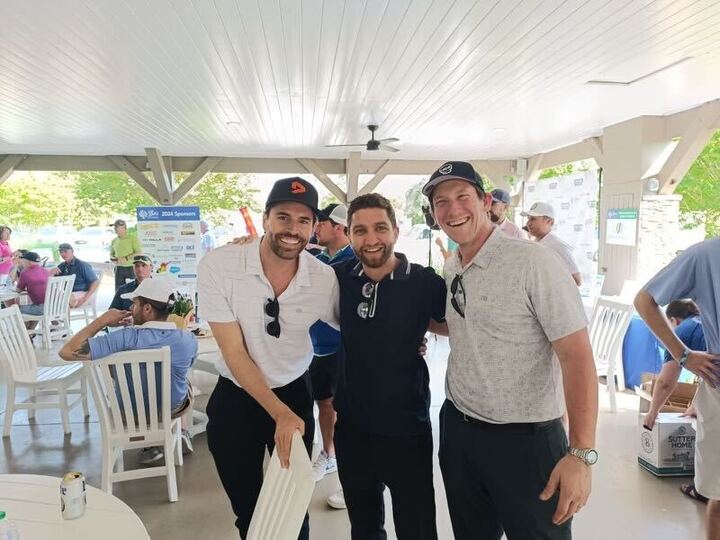
A strong contractor brand is usually measured by more than revenue. Company materials say Destination Motivation makes annual giving a visible part of its culture and has dedicated resources to The Ocean Cleanup, a nonprofit focused on developing and scaling technologies to remove plastic from oceans and stop more plastic from entering them through rivers. They recently attended Bo’s Effort Annual Golf Tournament, that help raise funds for the awareness of mental health. That gives Destination Motivation a broader social narrative that extends beyond sales performance.
For a press release, that detail matters because modern homeowners and contractor partners increasingly pay attention to values, not only offers. A company that talks about delighting customers, supporting clients, and contributing to a wider cause presents a fuller story than one built only on conversion metrics. In this case, the giving-back message supports the larger positioning that Destination Motivation is trying to create positive outcomes for customers, contractors, employees, and communities at the same time.
Customer feedback is one of the clearest ways to support a national spotlight. According to company materials and public profile references, Destination Motivation is backed by more than 3,500 5-star reviews, while Caleb Nelson references more than 3,600 5-star reviews on his profile. That volume of positive feedback supports the company’s claim that its program is not only attractive in a sales pitch but also consistently well received in real use.
The testimonial themes are also notable. Customers and partners cited in Destination Motivation materials describe the program as helping them stand apart from competitors, lower cancellation rates, improve close percentages, generate meaningful monthly sales impact, and create a level of customer delight they did not originally expect. In practical terms, those themes map closely to contractor concerns around differentiation, profitability, customer experience, and repeatable growth.
This is the kind of evidence homeowners notice indirectly as well. When contractor teams feel more confident in the offer, customers feel more excited after the purchase, and the overall experience becomes more memorable, the result can be stronger reviews and stronger referrals for contractors using Destination Motivation. That connection helps explain why a travel-based incentive can influence more than the close itself.
Membership unlocks every Power100 interview, PowerChat episode, and expert playbook - free for industry leaders.
Power100 is the nation's premier CEO ranking and media platform for the home improvement industry. Using a proprietary 5-layer evaluation system, Power100 identifies and celebrates the top CEOs, companies, and strategic partners driving innovation, customer satisfaction, and leadership excellence across the country.