
Across the home improvement industry, many contractors reach a point where working harder is no longer enough to keep growing. More leads can create more sales, but they also create more work for production teams, office staff, installers, managers, and company leaders. The systems that helped a local contractor reach $10 million or $20 million may not be strong enough for the next stage.
Direct Remodels faced that challenge as the company grew from about $17 million to $50 million. Today, the company is building toward an even larger goal while serving Florida homeowners as an impact window replacement company in Florida and expanding its reach across the state.
That growth story became a key part of a PowerChat conversation between Todd Sigler, VP of Sales & Marketing at Direct Remodels, and Greg Cummings, CEO of Power100. Their discussion looked beyond the final revenue number and focused on what a company must build behind the scenes for growth to last.
Power100 is the only unbiased third-party platform that recognizes and elevates the top leaders and most impactful companies in the home improvement industry. Through PowerChat, Power100 brings these real leadership lessons to light so contractors can learn from the people building strong companies in today’s market.
For many contractors, growth can look simple from the outside. Sell more jobs. Enter more markets. Hire more people. Increase the marketing budget. But Todd Sigler explained that the real work begins when the company has to support everything that comes with those new sales.
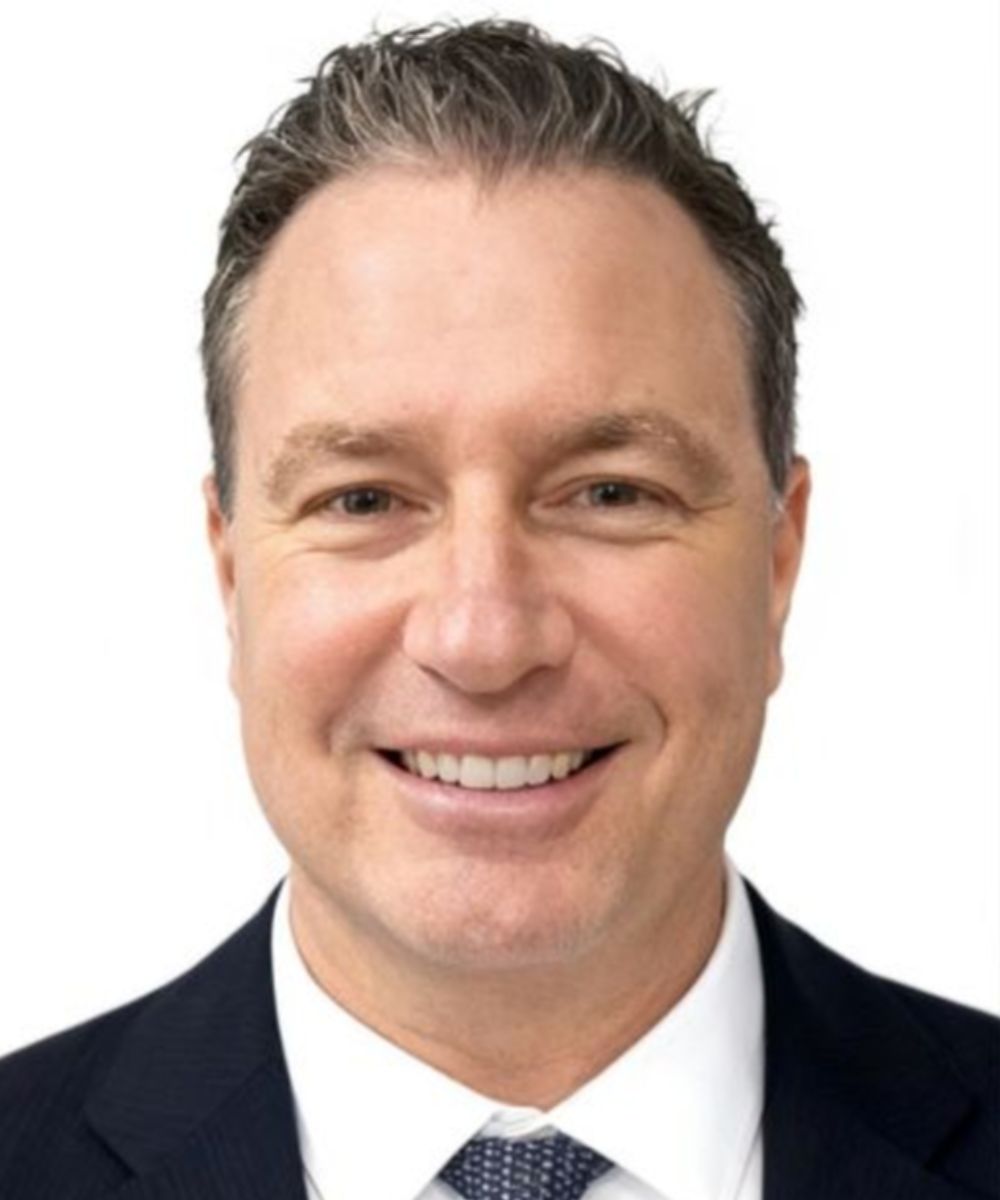
Todd Sigler, VP of Sales & Marketing at Direct Remodels
Direct Remodels had already built a strong hometown business. The company knew how to serve its local market and had created a model that worked well at a smaller size. But as leadership looked beyond one office and toward statewide growth, Todd said it became clear that the same model could not simply be stretched further.
“It costs a lot more to make a lot more,” Todd said.
That lesson changed how Direct Remodels prepared for growth. The company had to spend more, market better, strengthen its brand, support production, improve the office side of the business, and ensure the right people were in place before the next level of revenue could become the norm. Todd described the pace as hypergrowth, with the business growing about 40% to 50% from 2024 to 2025 before continuing another period of fast growth.
The key was not a single sales trick or a single strong month. Direct Remodels had to change how the company operated.
Todd also made it clear that sales and marketing could not carry that growth alone.
“You know, the business just doesn’t happen with us in marketing and sales and those people that are out in the streets,” Todd said. “Our whole production team, our whole office team, we realize how important the people are that run the business.”
That became one of the biggest lessons behind the move from about $17 million toward $50 million. The company had to think beyond how many jobs it could sell and begin asking whether every part of the business was ready to support the company it wanted to become.
For Direct Remodels, that meant building ahead of the revenue. It meant investing money in the brand before any results were known. It meant giving the team more support. It meant finding weak points early and fixing them while the company was still moving.
Todd summed up that reality later in the conversation with another simple lesson: “Once you scale fast, you learn fast.”
That learning process is now shaping the next stage for Direct Remodels. The company is no longer building only for the size it is today. It is building the people, brand, systems, and capacity needed to take the business where leadership believes it can go next.
During his PowerChat conversation with Greg Cummings, CEO of Power100, Todd Sigler, VP of Sales & Marketing at Direct Remodels, gave contractors a closer look at what happens inside a company when growth starts moving faster than expected. The revenue gains were clear, but Todd kept bringing the conversation back to what had to change behind those numbers. More sales created more pressure. New markets needed more investment. Strong people needed room to lead. Bigger goals required faster decisions.
For a Florida window replacement company moving from a strong local business toward statewide scale, growth became a test of whether every part of the company could rise together.
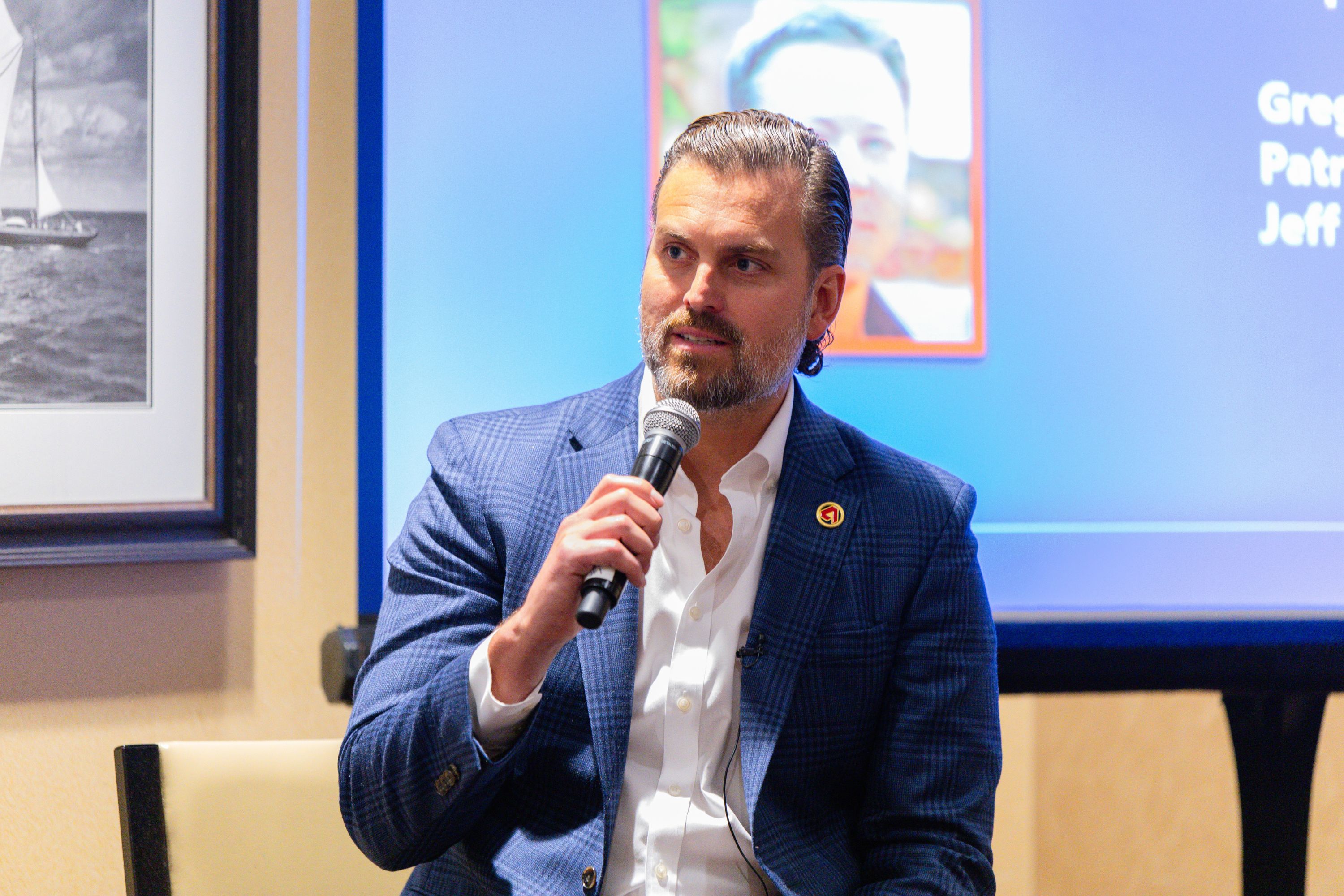
Greg Cummings, CEO of Power100
Direct Remodels had already proven that its earlier model could work. The company had built a strong presence around its home market, served homeowners well, and created a business that could compete at the $10 million to $20 million level.
But Todd said the next stage asked something different from the company.
Going statewide meant the team could no longer think like a one-office hometown business. More territory meant more marketing. More homeowners meant more production needs. More appointments meant more pressure on the office team. Brand awareness had to reach people who had never seen the company before.
The lesson was not that the old model had failed. The lesson was that it had done its job.
Direct Remodels now needed a model built for the company it wanted to become.
Todd explained that the business had to invest before the results. Leadership had to be willing to spend more to strengthen the brand, prepare the team, and build the support needed for new markets before any of that investment could be seen in revenue.
That became even more important as the pace picked up. Todd said Direct Remodels grew about 40% to 50% from 2024 to 2025, followed by another period of very fast growth. At that speed, small problems can quickly become big problems.
“Once you scale fast, you learn fast,” Todd said.
For contractors searching for the next stage of growth, that may be one of the clearest lessons from the conversation. A business cannot keep asking yesterday’s structure to carry tomorrow’s goals.
As Direct Remodels grew, Todd was careful not to treat revenue as the only score that mattered.
The company had recently crossed a major milestone with its first $5 million month. It was a number the team had worked toward for about a year, and Todd said reaching it helped prove that several parts of the growth plan were working.
But one detail mattered just as much as the month’s size.
“That five million is a profitable five million,” Todd said.
That point gives deeper meaning to his statement that it costs more to make more.
Todd was not saying a contractor should spend without control just to show a larger top-line number. The money going into growth has to make the company stronger. Better marketing should build demand. Better people should improve execution. Additional capacity should enable the company to serve more homeowners without compromising quality.
For a business growing its reach, the real test is not whether one record month can happen. It is whether the company can create that level of work again while still protecting the customer experience, the team, and the health of the business.
The $5 million month gave Direct Remodels proof that growth could work at a higher level. It also created a new standard.
Todd described the feeling of opening the dashboard at the start of the next month and seeing the number go back to zero. The milestone mattered, but the work immediately started again.
That mindset keeps the focus on repeatable growth rather than one great result.
Learn more about Direct Remodels and how the company serves homeowners across Florida.
Todd also pushed back on the idea that fast growth belongs only to the sales and marketing team.
More sales create more work across the whole company.
Someone has to schedule the jobs. Someone has to manage the customer experience. Someone has to prepare the products. Someone has to install them. Someone has to answer questions when plans change. Someone has to keep the work moving when the volume grows.
“You know, the business just doesn’t happen with us in marketing and sales and those people that are out in the streets,” Todd said. “Our whole production team, our whole office team, we realize how important the people are that run the business.”
That belief also shapes how Direct Remodels hires.
Todd said the company would rather find a smaller number of very strong people than add several average performers simply to fill seats. The goal is to stay lean while putting talented people in roles where they can make a real difference.
Once those people are hired, leadership gives them room to lead.
Todd explained that department leaders are trusted with real decision-making power. They are not expected to wait for several levels of approval before doing the job they were hired to do.
“We hired you because we believe in you,” Todd said.
That trust matters when a window and door replacement company is taking on more homeowners, more jobs, and more markets. More volume without stronger people only creates more pressure. Direct Remodels has tried to grow its team’s capacity while also increasing the amount of work coming through the company.
For Todd, adding people is only one part of the scale. Giving the right people ownership of their work is what helps those hires become part of the growth engine.
Growth often brings more people, more meetings, and more layers.
Direct Remodels has tried to prevent that from slowing the company down.
Todd described a lean leadership group comprising the owners and a small number of senior leaders. That structure gives the people closest to a decision the ability to act without sending every idea through a long chain.
Todd sees speed as an advantage.
“We move quick,” he said.
Private ownership has also given Direct Remodels room to test ideas and change direction quickly. Todd said the owners are not looking to sell the company right now. Their ambition is to keep building and, over time, become a company capable of making acquisitions of its own.
That creates a different way of thinking about growth.
A new idea does not always need to pass through a large board. A marketing test can happen faster. A weak process can be changed. An investment can be made because leadership believes it will make the company stronger later.
For a growing impact window installation company in Florida, that speed can matter when markets, customer habits, and marketing costs are changing quickly.
Todd also admitted that Direct Remodels can sometimes move almost too fast. But that willingness to act has helped the company learn in real time instead of waiting until every answer is perfect.
The company is adding structure because scale requires it. But Todd’s comments show that leadership does not want structure to become a reason for the business to stop moving.
As the conversation moved from internal growth to the market outside the company, Todd pointed to another challenge.
It is one thing to enter a new territory.
It is another thing to be trusted there.
Direct Remodels already sees the value of that difference in its more established markets. Todd said homeowners recognize the company’s advertising, its Pelican, its television presence, and its work in the community. In those homes, the brand often arrives before the salesperson does.
“When we walk into a house here versus on the southeast coast, it is night and day as far as brand,” Todd said.
That experience has changed how the company thinks about expansion.
Todd does not want Direct Remodels to simply open another market and buy enough leads to stay busy. He wants the company to build the same kind of trust in newer areas that it has already earned closer to home.
That matters even more as customer acquisition costs rise. Todd pointed to industry data showing sharp increases in window lead costs. Buying another lead can create another appointment, but it does not automatically create the kind of brand that homeowners remember or recommend.
The stronger goal is to make each investment build something that lasts.
Community presence can build familiarity. Strong customer experiences can create referrals. Brand awareness can make the next homeowner more likely to recognize the company before the first call. For customers, trust can become part of how they choose which company they invite into their home.
Todd’s long-range vision makes clear why that work matters.
When Greg asked what he wanted people to think when they hear the name Direct Remodels three years from now, Todd did not give a long answer.
“Number one window replacement dealer in the southeast United States,” he said.
That goal ties the whole growth story together.
The company is not spending more simply because it wants a larger revenue number. It is investing in the people, speed, brand, and operating strength needed to become something larger than the business that first started the journey.
By the end of the PowerChat, Todd Sigler’s message about growth carried more weight than a simple lesson about spending.
“It costs a lot more to make a lot more,” Todd said.
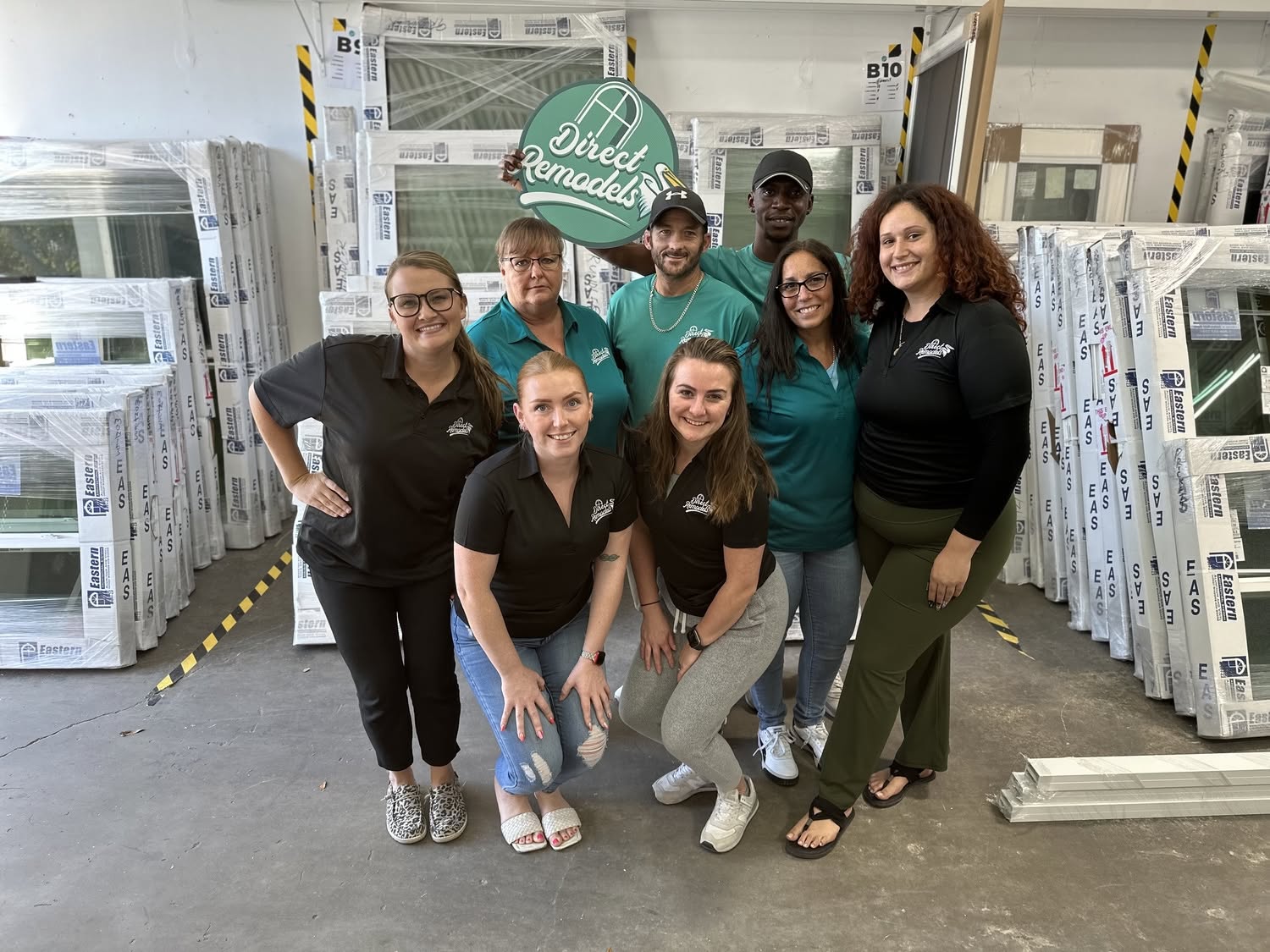
Direct Remodels team
For Direct Remodels, that cost has also meant greater focus, stronger discipline, harder choices, and a willingness to prepare for a level of business the company had not reached before. Growth asked leadership to look beyond the next sale and consider what the company would need months and years from now.
The move from roughly $17 million to $50 million gave the team proof that the business could reach a new level. Its first $5 million month gave them another sign that the plan was working. But Todd also shared what happened after the celebration ended. A new month began, the dashboard returned to zero, and the work started again.
That response says as much about the company as the milestone itself.
Direct Remodels is not treating its current growth as the finish line. The larger vision is clear. When Greg Cummings asked Todd what he wants people to think about Direct Remodels three years from now, his answer was simple: “Number one window replacement dealer in the southeast United States.”
Reaching that goal will take more than another record month. It will require Direct Remodels to keep becoming the kind of business that can carry bigger opportunities without losing what made the company strong in the first place.
That may be the larger lesson for contractors watching the company’s rise. Bigger results rarely begin when the revenue arrives. They begin earlier, when leaders decide to build a business ready to handle them.
No. Companies cannot buy their way into a higher ranking. The platform uses a five-layer proprietary ranking system and says it does not use pay-to-play ranking methods. Power100 evaluates leadership based on factors tied to growth, community, culture, customer experience, and other indicators of long-term performance. Its current platform includes more than 7,600 qualified CEOs in the national evaluation pool, while only 100 CEOs receive published national rankings.
No. Revenue and growth matter, but Power100 does not treat company size as the only measure of leadership. Its ranking system also examines areas such as company culture, customer satisfaction, community impact, leadership, and long-term performance. That approach allows the platform to look at how leaders grow a business and how they treat the people connected to it, rather than simply asking which company generates the highest revenue.
No. Todd Sigler’s point goes much deeper than increasing a budget. During his PowerChat with Greg Cummings, Todd explained that Direct Remodels had to improve marketing, strengthen its brand, support production, build the office team, and put stronger people in key roles as the company grew. He also stressed that the company’s first $5 million month remained profitable. His message is that contractors should invest in the parts of the business that can support larger, more repeatable growth, rather than simply spending to inflate revenue.
Homeowners do not have to rely only on a sales claim. Direct Remodels identifies itself as a licensed and insured Florida general contractor under license CGC1528702. The company says it permits its projects and completes the required inspections to code. That matters when a homeowner searches for a window and door replacement company in Florida, because proper permitting and installation are important for hurricane protection and building code compliance.
Direct Remodels says it handles its window projects in-house with background-checked installers rather than passing the work to an unrelated subcontractor after the sale. The company also handles permitting and inspection coordination. That gives homeowners one company to work with from measurement through installation and helps reduce confusion if a question comes up during the project.
Yes. Direct Remodels offers Miami-Dade-approved impact windows in Florida, including areas beyond Miami-Dade County. The company explains that Miami-Dade-approved products undergo rigorous impact and pressure testing designed for hurricane conditions. Direct Remodels makes approved window lines available to homeowners across Florida, so a homeowner does not have to live in Miami to choose a product that carries that approval.
No company should promise that every homeowner will receive the same insurance savings. Direct Remodels explains that qualifying impact windows and doors can help homeowners earn wind mitigation credits by strengthening protected openings, but the final premium depends on the home, insurance carrier, inspection, and other policy factors. Homeowners considering hurricane-rated impact windows for Florida homes should confirm the available credits with their insurer and use a wind mitigation inspection to document qualifying improvements.
Todd Sigler says the answer starts with the people who run the business, not sales alone. He credited production teams, office staff, ownership, and department leaders as important parts of Direct Remodels’ growth. The company also tries to keep its leadership structure lean and gives strong employees real decision-making power. Todd summarized that belief at the end of the PowerChat when Greg Cummings asked him to finish the statement, “A company worth building is one that what?” Todd answered, “Invest in its people.”
Power100 is the only unbiased third-party platform that recognizes and elevates the top leaders and most impactful companies in the home improvement industry. Led by Greg Cummings, CEO of Power100, the platform provides home improvement leaders with a trusted place to share the lessons, decisions, and ideas that are shaping stronger companies across the country. Through national rankings, PowerChat interviews, leadership content, and industry recognition, Power100 helps contractors learn from proven leaders while giving great CEOs and companies the visibility they deserve.
Membership unlocks every Power100 interview, PowerChat episode, and expert playbook - free for industry leaders.
Power100 is the nation's premier CEO ranking and media platform for the home improvement industry. Using a proprietary 5-layer evaluation system, Power100 identifies and celebrates the top CEOs, companies, and strategic partners driving innovation, customer satisfaction, and leadership excellence across the country.