
In the home improvement industry, growth can create a problem that many leaders do not see coming. As teams get bigger, people can become focused only on their own jobs. Sales handles sales. Installers handle installs. Customer service handles calls. Before long, a company can lose the teamwork that helped it grow in the first place.
David Mallette, Owner and CEO at The Window Source of Houston, believes strong companies have to fight against that. As the leader of a trusted local window and door replacement company serving Greater Houston, Mallette wants his team to keep a simple mindset, no matter how much the business grows: everybody helps everybody.
That leadership approach became a key part of Mallette’s PowerChat conversation with Greg Cummings, CEO of Power100. Their discussion looked at culture, teamwork, customer service, community support, and the challenge of growing a company without losing the values that made people proud to work there.
Power100 is the only unbiased third-party platform that recognizes and elevates the top leaders and most impactful companies in the home improvement industry. Through PowerChat, Power100 provides industry leaders a platform to share lessons that help contractors build stronger teams, serve homeowners better, and grow with purpose.
As home improvement companies grow, leaders often face a difficult question: Can the business grow without the team growing apart?
For David Mallette, the answer depends on the culture leaders build before growth starts to pull people into separate roles.
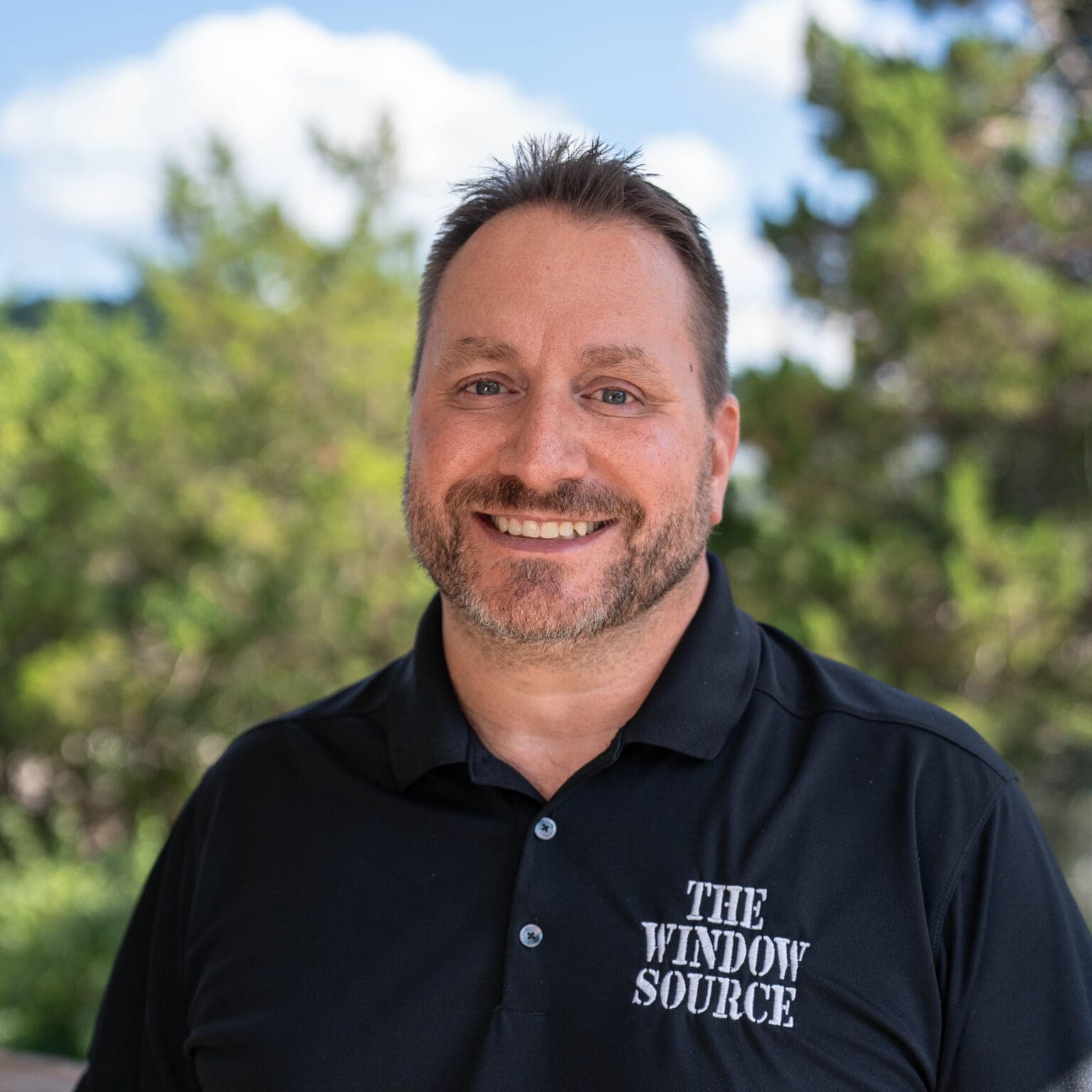
David Mallette, Owner and CEO at The Window Source of Houston
During his PowerChat interview with Greg Cummings, Mallette explained that he does not want employees at The Window Source of Houston to see themselves as people who simply complete one task and move on. He wants them to see themselves as part of one team.
“Everybody here is part of a team and we do, we work cohesively as a team,” Mallette said.
That idea is central to how he wants the company to operate. The goal is not only to sell windows, complete installations, or finish another project. Mallette wants employees to feel that they are building something together and that helping each other is part of the job.
That matters because the home improvement customer does not experience a company one department at a time. A homeowner may first speak with customer service, then meet a salesperson, work with a project manager, and finally welcome an installation crew into the home. If those people do not work together, the customer can feel the gaps.
Mallette wants the opposite.
He described a team where people step in, support one another, and take pride in what the company stands for.
“I’ve been fortunate to hire some really good people and my team is phenomenal when it comes to selflessness,” Mallette said. “They take a lot of pride in being a part of something and more than just a window company.”
That pride reaches beyond the work itself. Mallette said his employees talk about how the company supports its customers and its community. For him, that is a sign that people are not only showing up for a paycheck. They believe they are part of something meaningful.
Mallette also wants that feeling to remain as the company grows.
“No matter how big we’re gonna get, we’re gonna be a small family,” he said.
The point is not that the business should stay small. The point is that growth should not turn people into strangers.
Mallette wants a company where employees still know they can count on one another, where no one walks past a problem because it belongs to another department, and where people understand that the company’s success belongs to the whole team.
That is why one line from the conversation carries so much weight:
“There’s nobody going to say, ‘Hey, that’s not part of my job.’ I don’t have those employees.”
For Mallette, great culture is not built by putting values on a wall. It is built when people live those values in the way they work, help, serve, and solve problems together.
And as The Window Source of Houston continues serving homeowners across the Greater Houston area, Mallette believes protecting that team-first mindset will matter just as much as adding new customers, new systems, or new opportunities.
Because a company may grow through sales, but it stays strong when its people still believe they are in it together.
During his conversation with Greg Cummings, David Mallette made it clear that culture is not something he wants his team to talk about only. He wants people to live it in the way they work every day.
For Mallette, that starts with a simple idea. When someone on the team needs help, people step in. When a customer has a problem, the goal is to solve it. When the community needs support, the company looks for a way to serve.
That mindset matters even more as a business grows. More people can mean more departments, more systems, and more defined roles. But Mallette does not want growth to create walls between employees. He wants the team to stay connected and keep the same sense of shared responsibility that helped the company move forward in the first place.
His view offers a simple lesson for leaders across the home improvement industry. A strong company is not built only by hiring skilled people. It is built by bringing together people who care about one another, care about the customer, and understand that the business’s success belongs to everyone.
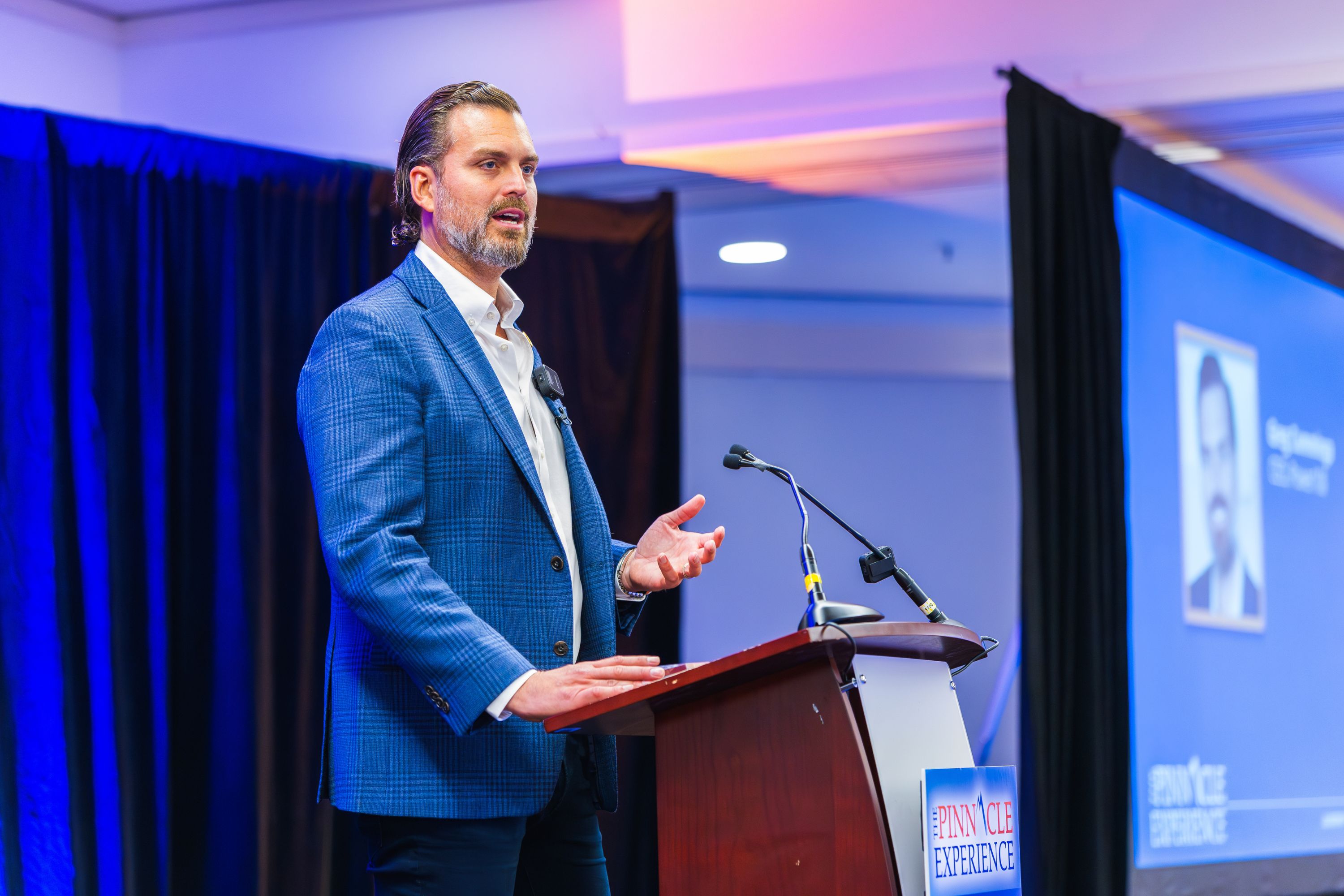
Greg Cummings, CEO of Power100
One of the clearest aspects of Mallette’s leadership approach is his dislike of the phrase “That’s not my job.”
He does not want employees to look at a problem, decide it belongs to someone else, and walk away.
“There’s nobody going to say, ‘Hey, that’s not part of my job.’ I don’t have those employees,” Mallette said.
That kind of culture starts with the people a leader chooses to bring into the company. Mallette said he has been fortunate to hire people who care about more than their own work.
“My team is phenomenal when it comes to selflessness,” he said.
That word, selflessness, explains much of what Mallette wants his team to become.
It does not mean employees have no clear roles. It means they do not let those roles stop them from helping. A salesperson may have one job. A project manager may have another. An installer may have another. But when the customer needs the company to work as one group, those lines should not become walls.
That is especially important in a home improvement business. A homeowner does not care which department caused a delay or who was supposed to make a call. The homeowner sees one company and expects one team to take care of the problem.
For a business that provides professional window and door replacement in Greater Houston, shared ownership can be a real advantage. It helps information move faster, keeps small problems from becoming larger ones, and gives employees the confidence to step in when something needs attention.
The strongest teams do not waste time asking who should care.
They care because they are part of the team.
Mallette also sees another side of strong culture.
People want to feel proud of where they work.
During the conversation, Greg Cummings raised the idea that many younger employees are looking for more than a paycheck. They want to know what their company stands for and whether the work connects to something that matters.
Mallette said he sees that pride inside his own team.
“They take a lot of pride in being a part of something and more than just a window company,” he said.
That pride shows up in the way employees talk about the business. Mallette said his people speak proudly about what they can do, how they support customers, and how the company supports the community.
That is an important difference.
An employee who only sees a job may focus on getting through the day.
An employee who believes in the company may start thinking about how the team can win.
That can shape how people speak to customers, how they help coworkers, and how they respond when work becomes difficult.
It can also matter when companies compete for good people. Pay will always matter. So will opportunity. But purpose gives employees another reason to stay connected to the company.
For The Window Source of Houston, serving homeowners looking for energy-efficient replacement windows is only one part of what Mallette wants the business to represent. He also wants the people inside the company to feel proud of how they serve customers and how they show up in the places where they live.
When employees believe the work has meaning, culture stops being something a leader has to constantly sell.
The employees begin carrying it themselves.
As companies grow, keeping people close becomes harder.
New roles are added. Teams form. Systems become more complex. People who once worked side by side may begin spending most of their time inside separate parts of the company.
Mallette knows that growth can change a business.
What he does not want to change is the feeling people have when they come to work.
“No matter how big we’re gonna get, we’re gonna be a small family,” Mallette said.
For him, being a family business is not about staying the same size forever. It is about keeping the habits that make people feel supported.
That means helping one another.
It means taking responsibility.
It means moving together when work needs to get done.
Mallette described it as everybody being willing to “pick up the bootstraps and get going.”
That point is important because family culture does not mean there is no accountability.
In Mallette’s version, people care about each other enough to help, but they also care enough about the business to do their part.
That is what makes protecting culture a leadership job.
A company can add software, new people, new customers, and new markets. But if employees gradually stop caring about what happens outside their own roles, the company may grow larger while the team weakens.
Mallette wants the opposite.
He wants growth to create more opportunities without removing the closeness that helped make the company strong.
For a trusted local window and door replacement company, that balance matters because every new customer creates another promise the whole team has to keep.
Growth may increase the organization’s size.
It should not reduce the sense that everyone is building it together.
Culture may begin inside a business, but it rarely stays there.
Customers eventually feel it.
Earlier in the PowerChat, Mallette explained that service should continue through the full customer experience. That includes answering questions, preparing for the project, making sure materials are ready, completing the installation, walking through the finished work, and being available after the job.
No single person owns that entire journey.
It takes a team.
That is why Mallette’s belief that everybody helps everybody is directly linked to the customer experience.
When the team communicates well, the homeowner feels it.
When employees support each other, the project can move more smoothly.
And when something unexpected happens, the culture becomes even easier to see.
Mallette shared the story of a homeowner who believed certain trim work around the windows would be included in the project. The company had not charged for that work, but there had been a difference in what the homeowner expected.
Instead of hiding behind what had or had not been included, Mallette said the company chose to take care of the work and make the situation right.
That moment says a great deal about the culture he described.
The team could have stopped at, “That was not part of the job.”
Instead, they looked at what would satisfy the homeowner.
That same mindset becomes especially important when customers are making major home decisions, including projects involving hurricane and impact-resistant replacement windows in Houston. These are not small purchases. Homeowners are trusting the contractor with their homes, their money, and, in some cases, products meant to offer greater protection during severe weather.
Trust grows when the people behind the company act like one team.
That is why internal culture and customer experience should never be treated as separate ideas.
How employees treat each other often reflects how the company treats its customers.
For Mallette, the idea of serving other people did not begin when he entered the window business.
He served in the Marine Corps before moving into the glass and home improvement industries, and that idea of service continues to shape the way he thinks about leadership today.
It also reaches beyond customers.
During the PowerChat, Mallette discussed the company’s support for veteran groups and community programs, including Tunnel to Towers, Boots for Troops, Habitat for Humanity, and local community efforts.
He also shared one detail that gives a deeper look into his culture.
Mallette said he is willing to pay employees to volunteer locally when there is a cause they care about.
That turns community service from a company message into something employees can take part in themselves.
The company also gives usable materials from mismeasures to Habitat for Humanity and has participated in local efforts, such as community cleanup projects.
These actions give employees another way to understand what Mallette means by saying the business should be more than just a window company.
They can see it.
They can take part in it.
And they can bring causes they care about into the culture as well.
That creates a clear thread through Mallette’s story.
Serve the teammate.
Serve the homeowner.
Serve the community.
The same basic idea connects all three.
For a company offering professional window replacement services, community involvement can also make the business feel more connected to the people and neighborhoods it serves. The company is not only working in Houston. Its employees live there, build relationships there, and have opportunities to contribute there.
Mallette’s message is that service should not belong to a single department or a single day on the calendar.
It should become part of how people think.
When that happens, employees have something larger to rally around, customers see a team that cares, and the company can grow without losing the human values behind the work.
Growth will change a company.
There will be more people, more customers, more systems, and more decisions to make. New technology will enter the business. Roles will become clearer. The work may move faster.
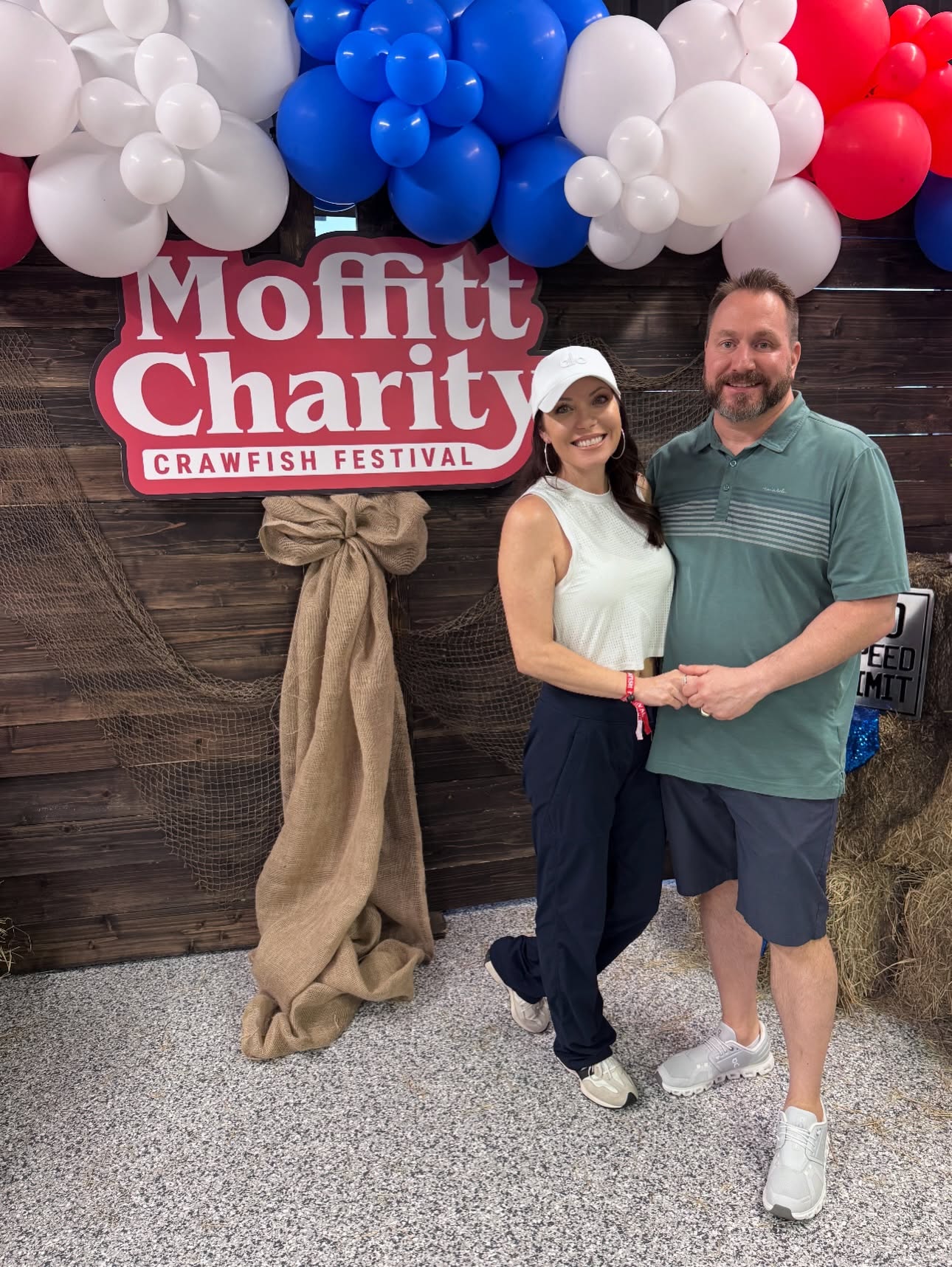
David Mallette and Margie at the Moffitt Charity Crawfish Festival
But David Mallette believes that growth should not change how people feel about the team they are building together.
His goal is to protect something as simple as The Window Source of Houston moves forward. He wants people to know that they can count on one another. He wants employees to take pride in the company they represent. And he wants the business to keep the close, family feeling that has shaped its culture.
That may be one of the hardest jobs a leader faces as a company becomes larger.
A CEO can build better systems. New people can be hired. New tools can make the company faster. But the sense of trust between people cannot be added later with software or a company policy.
It has to be protected as the business grows.
Mallette summed up that belief in a few simple words:
“Everybody helps everybody.”
That idea does not mean everyone has the same role. It does not mean every employee solves every problem.
It means people understand that they are working toward the same goal.
And when that belief stays strong, growth can create more than a larger company. It can create a place where people feel proud to contribute, willing to support one another, and excited about what they are building next.
For home improvement leaders, that is the larger lesson from Mallette’s PowerChat with Greg Cummings.
The companies that last may not be the ones that simply grow the fastest.
They may be the ones that grow without allowing their people to grow apart.
Power100 does not rank leaders only by revenue or company size. Its ranking system reviews more than 7,600 CEOs nationwide and uses a five-layer process that looks at growth, customer sentiment, company culture, community impact, and other measurable signals. Power100 says its system compares growth against industry benchmarks instead of simply rewarding the largest company. This gives leaders from different company sizes a chance to stand out based on how they lead, serve customers, build teams, and create impact.
No. The Power100 national ranking system does not use a pay-to-play model. Its editorial ranking engine determines rankings through verifiable business signals and a proprietary five-layer evaluation process. A qualifying leader or company can provide business information for review, but paying Power100 does not secure a place in the Top 100.
Homeowners should look beyond promises and ask how a contractor operates when the project begins. The Window Source of Houston identifies itself as a veteran-owned, licensed, and insured business that offers straightforward pricing, professional installation, and warranty coverage on its window and door work. The company says it serves homeowners across Greater Houston and focuses on honest service without high-pressure sales tactics.
David Mallette also said during his PowerChat that integrity guides how his team works with homeowners. He wants employees to complete the job correctly, communicate honestly, and take responsibility rather than look for shortcuts.
For homeowners searching for a trusted local window and door replacement company serving Greater Houston, those operating standards offer more useful proof than a sales promise alone.
Mallette expects his team to solve problems together rather than push them from one department to another.
“There’s nobody going to say, ‘Hey, that’s not part of my job.’ I don’t have those employees,” Mallette said.
That mindset matters because several people may touch one home improvement project. Customer service may answer the first call. A salesperson may help the homeowner choose products. A project manager may prepare the job. Installers then complete the work.
Mallette wants those people to work as one team rather than act like separate businesses.
That shared ownership can help homeowners receive a smoother experience when choosing professional window and door replacement in Greater Houston.
No. Mallette describes family culture as shared responsibility, not lower standards.
He wants employees to help one another, but he also expects them to take action when work needs attention. He said his team works together and does not use job titles as an excuse to ignore problems.
The company also describes accountability as part of the values Mallette carried from his Marine Corps service. Its website says the team follows values built around honor, courage, and commitment, including transparency, ownership, and finishing work the right way.
In Mallette’s view, a close-knit team should take on more responsibility because employees know that their work affects everyone around them.
Mallette shared a real example during the PowerChat.
A homeowner believed the company would replace additional trim around newly installed windows. Mallette said the company had not charged the homeowner for that work and did not normally include it in such installations.
Instead of allowing the disagreement to end the relationship, the team completed the additional work and made the project right for the homeowner.
That example supports one of the main ideas behind Mallette’s culture. When a problem arises, the team should focus on finding a solution rather than immediately looking for a reason to walk away.
The Window Source of Houston installs replacement windows and exterior doors throughout the Greater Houston area. Its window options include styles such as single-hung, double-hung, bay, bow, picture, casement, slider, awning, garden, and impact windows. The company also works with vinyl and composite materials.
For homeowners seeking energy-efficient replacement windows, the company offers products that enhance comfort and energy performance. Its site also promotes impact-resistant options for homes exposed to storms in and around Houston and along the Gulf Coast.
The company currently serves areas across Greater Houston, including communities in Harris, Fort Bend, and Galveston Counties.
Yes. The company states that it backs its window and door installations with a lifetime warranty, subject to the terms of the warranty. Its warranty information includes coverage for applicable material and workmanship issues, as well as certain manufacturer defects.
Mallette also explained during the PowerChat that his team follows up after installation, conducts a walkthrough, answers customer questions, and asks homeowners to call if an issue arises.
That follow-through matters because homeowners choosing a professional window replacement company in Houston, Texas, need more than a finished installation. They also need to know who will be available to answer questions after the crew leaves.
Power100 is the only unbiased third-party platform that recognizes and elevates the top leaders and most impactful companies in the home improvement industry. Led by Greg Cummings, CEO of Power100, the platform gives strong leaders a place to share ideas, lessons, and leadership practices, helping move the industry forward. Through executive conversations, rankings, industry insights, and stories like this PowerChat with David Mallette, Owner and CEO at The Window Source of Houston, Power100 helps contractors learn from leaders who are building stronger teams, serving homeowners well, supporting their communities, and creating companies people are proud to be part of.
Membership unlocks every Power100 interview, PowerChat episode, and expert playbook - free for industry leaders.
Power100 is the nation's premier CEO ranking and media platform for the home improvement industry. Using a proprietary 5-layer evaluation system, Power100 identifies and celebrates the top CEOs, companies, and strategic partners driving innovation, customer satisfaction, and leadership excellence across the country.