
For years, home service companies have faced the same problem. A homeowner calls for help, reaches an automated system, gets frustrated, and starts asking for a real person. That poor first experience can create doubt before the contractor ever has a chance to serve the customer.
Tyson Chen, Founder and Co-CEO at Avoca AI, has seen that problem from both sides. Before building Avoca AI, he worked with chatbots used by large companies and saw how hard they could be for customers to use. Today, he believes better AI is changing that experience. Through its AI call center for home service companies, Avoca AI helps contractors respond to calls, texts, chats, and new leads while giving homeowners a faster path to the service they need.
That shift became a key part of Chen’s conversation with Greg Cummings, CEO of Power100, during a PowerChat focused on how AI is changing customer service in the home services industry. Their conversation looked past the idea of using AI simply because it is new. Instead, it focused on what happens when technology creates a better experience for the homeowner and a better process for the contractor.
Power100 is the only unbiased third-party platform that recognizes and elevates the top leaders and most impactful companies in the home improvement industry. Through conversations like this, PowerChat, and Power100 give industry leaders a place to share ideas that can help contractors improve service, build stronger teams, and prepare for what’s next.
For years, automated customer service gave people a reason to want out.
A homeowner could call a company seeking help and find themselves navigating menus, waiting for the right option, or repeating the same request just to reach a person. Instead of making service easier, automation could make the customer work harder.

Tyson Chen, Founder and Co-CEO at Avoca AI
Chen remembers that feeling well.
Before Avoca AI, he helped bring chatbots into large companies. At the time, he saw systems that often felt slow and hard to use. He said his own response to automated service was often to keep asking for a human until he reached one.
That history matters because many homeowners still remember what bad automation feels like.
But Chen believes something important has changed.
Technology is improving, and the customer experience can now be very different. Instead of making the homeowner wait longer, AI can help them move toward the answer they came for. Instead of creating another wall between the customer and the contractor, it can help remove one.
For Chen, the change does not require a customer to spend months learning to trust AI.
Sometimes it can happen in one conversation.
“It really just takes one instance where they get a pleasant AI interaction,” Chen said.
That one experience can be simple. The homeowner reaches out. The system understands what they need. They get help without a long wait. They can move forward with their day.
The customer may not care how advanced the technology is. They care that it worked.
That is where Chen sees a major change taking place. Homeowners are starting to judge AI less by what automated systems used to feel like and more by what the experience gives them today.
For home service companies, that creates a bigger question.
What happens when AI stops feeling like something standing between the homeowner and the answer, and starts becoming the fastest path to the answer?
For contractors using a 24/7 AI answering service, that question goes beyond technology. It becomes a customer experience question.
Chen’s perspective is that trust starts there.
A company does not have to convince every homeowner to believe in AI before the conversation starts.
It has to create an experience good enough that the homeowner leaves that conversation thinking differently.
During his conversation with Greg Cummings, CEO of Power100, Tyson Chen, Founder and Co CEO at Avoca AI, looked beyond the idea that AI is simply becoming more common. His point was more human. People will use technology when it helps them get what they need without making the process harder. That shift matters for home service companies because the first call, text, or chat can shape how a homeowner feels about the business before anyone arrives at the home. For Chen, the opportunity begins with understanding why consumers became frustrated with automation in the first place, then building an experience that earns back their trust one interaction at a time.
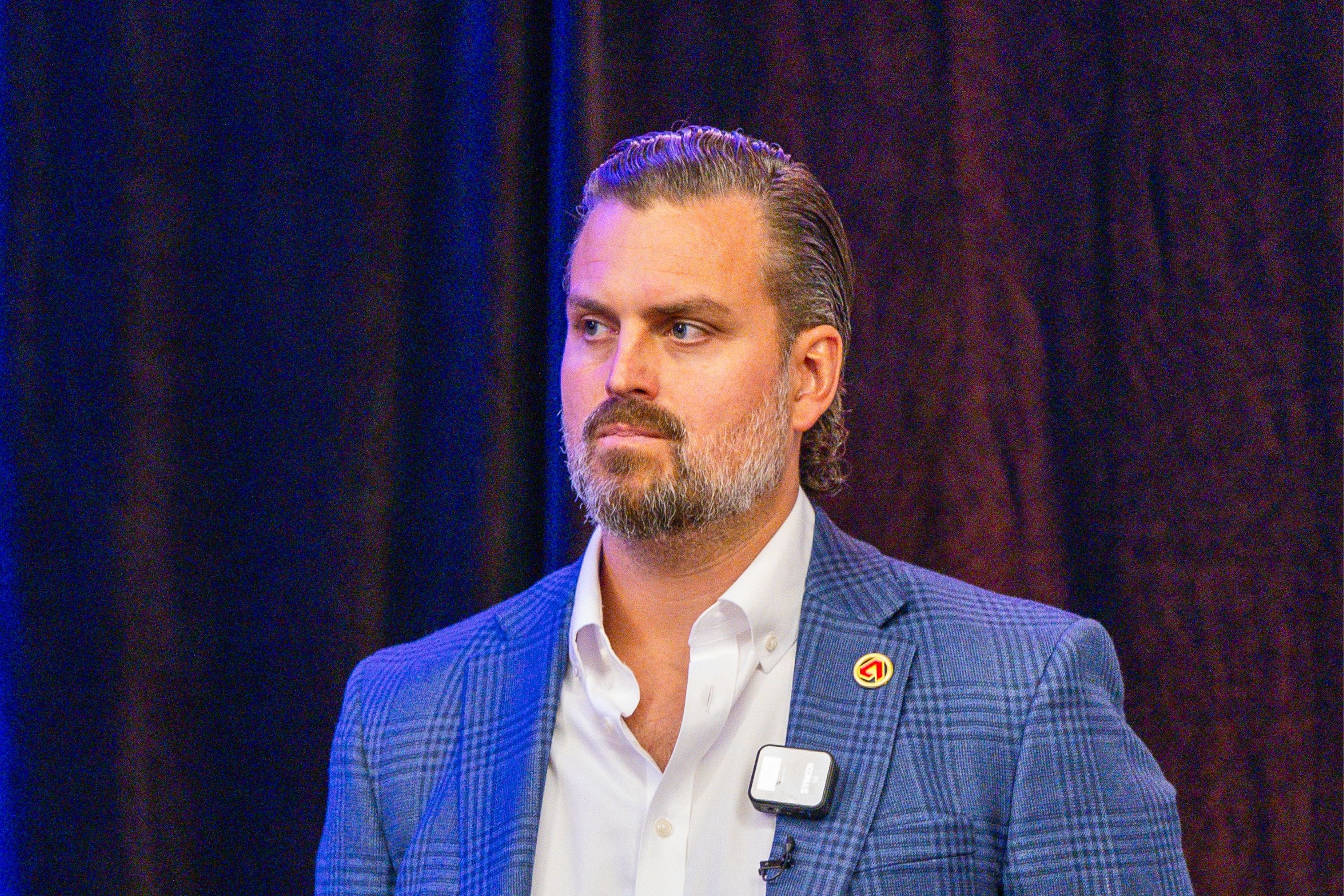
Greg Cummings, CEO of Power100
Long before today’s AI tools became part of the home services conversation, automated customer service had already created a reputation of its own.
Chen saw that firsthand.
Earlier in his career, he helped bring chatbots into large companies. The technology had promise, but the experience often did not feel natural to the customer. Systems could be slow, limited, and hard to work through. Instead of feeling helped, people could feel as though they were being kept from the person who could solve their problem.
Chen said he developed the same habit many consumers did.
“Every time I hear an automated system, I just repeat human until I got an actual agent.”
That reaction says a lot about the challenge home service companies still face today. People did not wake up one day and decide they disliked automation. Many of them learned to dislike it because earlier systems often made simple tasks harder.
That old experience still follows modern AI.
A homeowner may call an HVAC company, plumbing company, electrical contractor, or remodeling business with the memory of those older systems already in mind. If the new experience feels confusing, that old belief gets stronger. If the experience feels easy, the company has a chance to change it.
That is why a home services AI call center should not begin by trying to impress the customer with technology. It should begin by helping the customer move forward.
The homeowner wants an answer. They want to know someone understands the problem. They want the next step to be clear.
When automation does those things well, it stops feeling like a wall between the homeowner and the company.
It starts feeling useful.
The biggest shift Chen sees is not only happening inside technology.
It is happening inside the customer.
He believes people can change their view of AI much faster than many companies expect. A homeowner may begin a conversation unsure about automated service and leave it with a completely different opinion.
“It really just takes one instance where they get a pleasant AI interaction,” Chen said.
That sentence sits at the center of his message.
Trust does not always need a long campaign. Sometimes it starts when the technology simply does what the customer hoped it would do.
The homeowner reaches out.
The system understands the request.
The customer gets the help, information, or appointment they needed.
The experience ends without a long wait or extra work.
That moment matters because customers are not studying the technology behind the interaction. Most are asking a far simpler question.
Did this make things easier for me?
Chen noted that technology has advanced to the point that a single positive interaction can begin to change how people feel about speaking with an automated system. Once the customer sees that the experience can be quick and useful, the need to escape to a human may begin to fade.
For contractors, that means every customer conversation carries two opportunities.
The first is the chance to book the job.
The second is the chance to build trust in a new way of getting service.
A good AI customer service platform for home improvement companies can therefore do more than process an inquiry. It can help create a first impression that tells the homeowner the company is easy to reach and ready to help.
That is how customer experience becomes part of AI adoption.
Not through a long explanation of what the technology can do.
Through one interaction that works.
Once trust begins to change, the next question becomes simple.
What should the experience actually feel like?
For Chen, speed and access are a big part of the answer.
He described a platform that can work across calls, texts, web chats, and incoming leads, so contractors can respond through multiple channels. The goal is to help companies capture more opportunities while giving customers an easier way to connect.
That matters because homeowners do not always want to communicate in the same way.
One person may want to call.
Another may want to send a quick text.
Someone else may prefer chat because they are at work, caring for a child, or trying to solve the problem without spending several minutes on the phone.
Customer service is no longer tied to one phone line.
The contractor has to be ready where the customer chooses to begin.
That is where a 24/7 AI answering service for HVAC, plumbing and electrical contractors can become valuable. The technology can help keep the conversation moving when the office is busy, when the team cannot pick up right away, or when a homeowner reaches out outside normal hours.
The value is not simply that AI answered.
The value is that the homeowner did not have to stop.
They were still able to explain what they needed and move closer to the next step.
The same idea applies to AI speed-to-lead and lead follow-up software for home service contractors. When a homeowner has already raised their hand and asked for help, a slow response can be another reason they look elsewhere. A faster response gives the business a better chance to keep the opportunity alive.
The larger lesson from Chen’s perspective is clear.
The future of customer service is not about forcing homeowners to use the contractor’s preferred system.
It is about making the contractor easier to reach.
A better customer experience does not happen just because a company buys a new tool.
Chen made that clear when Cummings asked what helped the Rescue Air rollout succeed.
“Any successful rollout does require buy in,” Chen said.
That moves the conversation from technology into leadership.
A company can have strong software and still struggle if the team does not understand how to use it, why the change matters, or how it fits into the way the business already works.
Chen pointed to the work done with Rescue Air as an example of a more involved approach. The teams worked through how jobs should move into ServiceTitan, how scheduling should work across business units, and what Rescue Air wanted to improve from its past answering service experience.
That detail matters.
The goal was not to ask the contractor to forget how the company operated.
It was to make the technology understand the operation well enough to become useful inside it.
That is also why tools such as an AI CSR that books jobs directly into ServiceTitan can have more value when the setup reflects the contractor’s real workflow. Booking a job is only one part of the process. The right customer details, scheduling rules, business unit, and next steps must all work together.
But Chen took the leadership lesson one step further.
He said teams also need to understand why the process matters.
“You really need to instill the culture.”
For him, that means helping CSRs see how the small parts of the conversation connect to larger results. When employees understand why certain behaviors can improve booking rates, they can begin to see coaching and call scores as tools for improvement rather than another rule handed down by management.
Technology can measure.
Technology can coach.
Technology can automate.
Leadership still has to create belief around the process.
Chen closed his industry view with a warning that gives this conversation even more weight.
There was a time when demand across home services was so strong that companies could grow even when parts of the customer journey were not perfect.
He believes that the environment has changed.
As competition has intensified, Chen said he has seen booking rates decline across industries. That means contractors need stronger sales skills, better coaching, and more discipline inside the call center.
The call center can no longer be treated only as a place where someone answers the phone.
It is part of the sales process.
Every incoming call may be a homeowner choosing between several companies.
Every text may be an opportunity that can disappear if the response is too slow.
Every conversation can move toward a booking or end without one.
That changes what is expected from a CSR.
Chen said companies need every call center member to “wear their sales hat” if they want to keep growing as competition increases.
His point is not that every CSR should become an aggressive salesperson.
It is essential that each person understands the value of the opportunity before them.
That is where AI call-coaching software for home-service CSRs can support both the human team and the customer. The same technology that helps a company respond to homeowners can also help leaders analyze calls, coach their people, and identify areas where the team can improve.
This creates a more complete role for AI inside the call center.
It can help answer.
It can help book.
It can help measure.
It can help a coach.
And when those pieces work together, the result can be a stronger experience for the homeowner and a stronger sales process for the contractor.
That brings the conversation back to Chen’s original point.
One pleasant interaction can change how a homeowner feels about AI.
But behind that one interaction may be something much bigger: better technology, stronger leadership, clearer coaching, faster response, and a company that understands the value of every customer conversation.
The next chapter of AI in home services may not be decided by which company talks the most about technology. It may be decided by which company makes the customer experience feel the easiest.
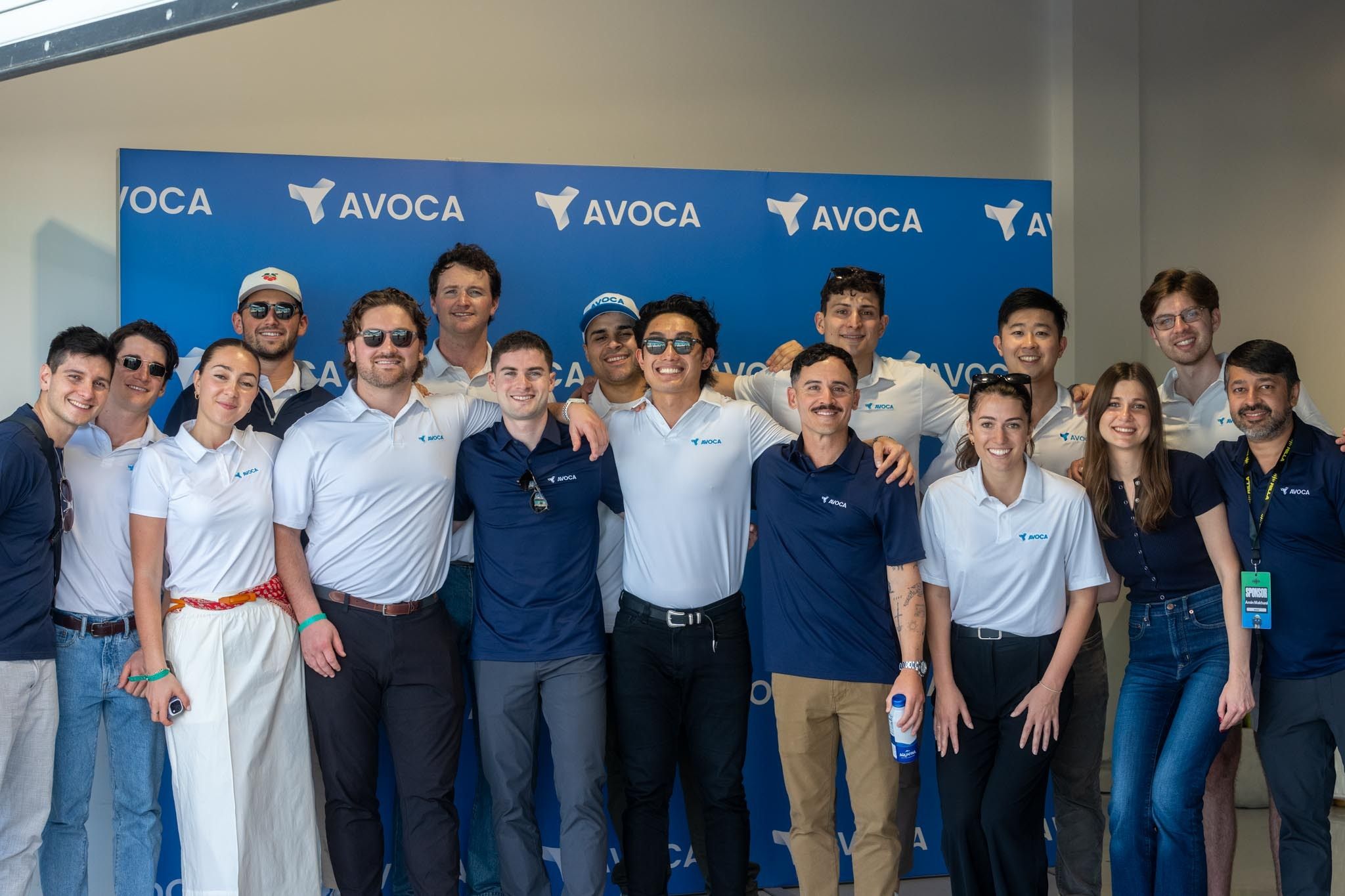
Avoca AI Team
Consumers have years of experience with automated systems that have not always served them well. That memory will not disappear just because the technology now has a new name. Trust has to be earned through what happens when a homeowner actually reaches out for help.
For Tyson Chen, Founder and Co CEO at Avoca AI, that is what makes this moment different. AI is reaching a point where the experience itself can begin changing the old story.
A homeowner may call expecting another frustrating automated system, only to find a clear path forward. They may get understood, get the next step they need, and move on with their day. When that happens, the technology becomes less important than the outcome.
The larger opportunity for contractors is therefore not to become known as AI companies. It is to become known as a company that is easy to work with.
AI can be part of making that possible, but Chen’s message points toward something larger than the tool itself. The goal is a business where technology supports people, where the customer does not feel stuck, and where getting help feels simple from the first contact.
As technology continues to improve, those experiences may also raise homeowners’ expectations of every company they contact. Fast and easy service can move from a pleasant surprise to the standard customers expect.
That creates an important choice for home service leaders. They can view AI mainly as a new piece of software, or they can use it as another way to build a customer experience people remember for the right reasons.
The companies that earn trust may not be the ones that explain AI the best. They may simply be the ones that give homeowners an experience good enough to change what they thought AI could be.
Chen summed up that shift in one simple idea:
“It really just takes one instance where they get a pleasant AI interaction.”
And as those single experiences begin to add up, they may shape not only how homeowners feel about automation, but what they come to expect from the home service companies they choose next.
No. Power100 uses a proprietary five-layer ranking system and reviews more than 7,600 home improvement leaders nationwide. The platform looks beyond raw size and revenue by studying areas such as leadership, company culture, customer experience, operational performance, community impact, and long-term growth. That approach helps Power100 recognize leaders who build strong companies and serve people well, not simply the companies with the largest numbers.
Power100 evaluates strategic partners based on the value they bring to home improvement companies. Its Preferred Partner program looks at factors such as overall impact, efficiency, customer experience, innovation, sales and marketing performance, and company culture. Power100 uses that process to help contractors find companies that can improve how they operate, grow, and serve homeowners, rather than relying solely on marketing claims.
Yes. Avoca AI does not require every customer conversation to be handled by AI from start to finish. Its Hybrid Call Center can transfer a customer to a human CSR when the AI cannot handle the request. Avoca also states that its system handles more than 80% of inbound calls without human intervention, routing edge cases to a human team when needed. That model gives contractors automation without forcing every homeowner into the same experience.
Avoca AI supports more than basic phone answering. Its platform answers calls, texts, and chats; books jobs around the clock; responds to leads from sources such as web forms and Google Local Services Ads; and follows up with prospects. Avoca also offers outbound campaigns that help companies reconnect with past customers and keep their schedule full. This makes the platform useful for home service contractors looking for AI-powered speed-to-lead and lead follow-up software, not just an answering service.
Yes. Avoca offers a ServiceTitan Certified App that lets you book jobs directly into ServiceTitan. The integration helps contractors keep customer and booking activity inside the system they already use, rather than creating a separate booking process for the call center. This makes an AI CSR that books jobs directly into ServiceTitan useful for contractors who want automation while keeping their existing operating system in place.
Avoca designs its AI CSR to recognize customer needs, book routine jobs, and route emergencies for faster attention. Its HVAC and electrical platforms show that the AI routes urgent issues to technicians while scheduling routine service requests. The system can also transfer a conversation to a human team when the AI encounters a case that requires human support. That gives contractors a way to offer round-the-clock response while still creating a path for urgent or complex situations.
Avoca supports human CSR performance through its Coach tools. The platform can score calls, surface missed opportunities, and provide managers with real-time visibility into call quality and team performance. Avoca also provides transcripts, recordings, and performance information that managers can use to find coaching needs. That makes AI call-coaching software for home-service CSRs part of the larger customer service strategy, rather than treating AI only as a replacement for people.
Avoca serves a much wider group of service businesses. Its current industry pages include HVAC, plumbing, electrical, roofing, home remodeling, pest control, garage door service, restoration, energy and fuel delivery, auto repair, junk removal, movers, and other service categories. Across these industries, Avoca focuses on the same core need: help companies answer customer demand, capture leads, book work, and keep the customer journey moving.
Power100 is the only unbiased third-party platform that recognizes and elevates the top leaders and most impactful companies in the home improvement industry. Led by Greg Cummings, CEO of Power100, the platform gives leading CEOs, contractors, and strategic partners a trusted place to share ideas, earn recognition, and help move the industry forward. Through national rankings, PowerChat interviews, industry partnerships, and leadership stories, Power100 connects home improvement professionals with people, companies, and ideas that can help them build stronger businesses, serve customers better, and prepare for what comes next.
Membership unlocks every Power100 interview, PowerChat episode, and expert playbook - free for industry leaders.
Power100 is the nation's premier CEO ranking and media platform for the home improvement industry. Using a proprietary 5-layer evaluation system, Power100 identifies and celebrates the top CEOs, companies, and strategic partners driving innovation, customer satisfaction, and leadership excellence across the country.