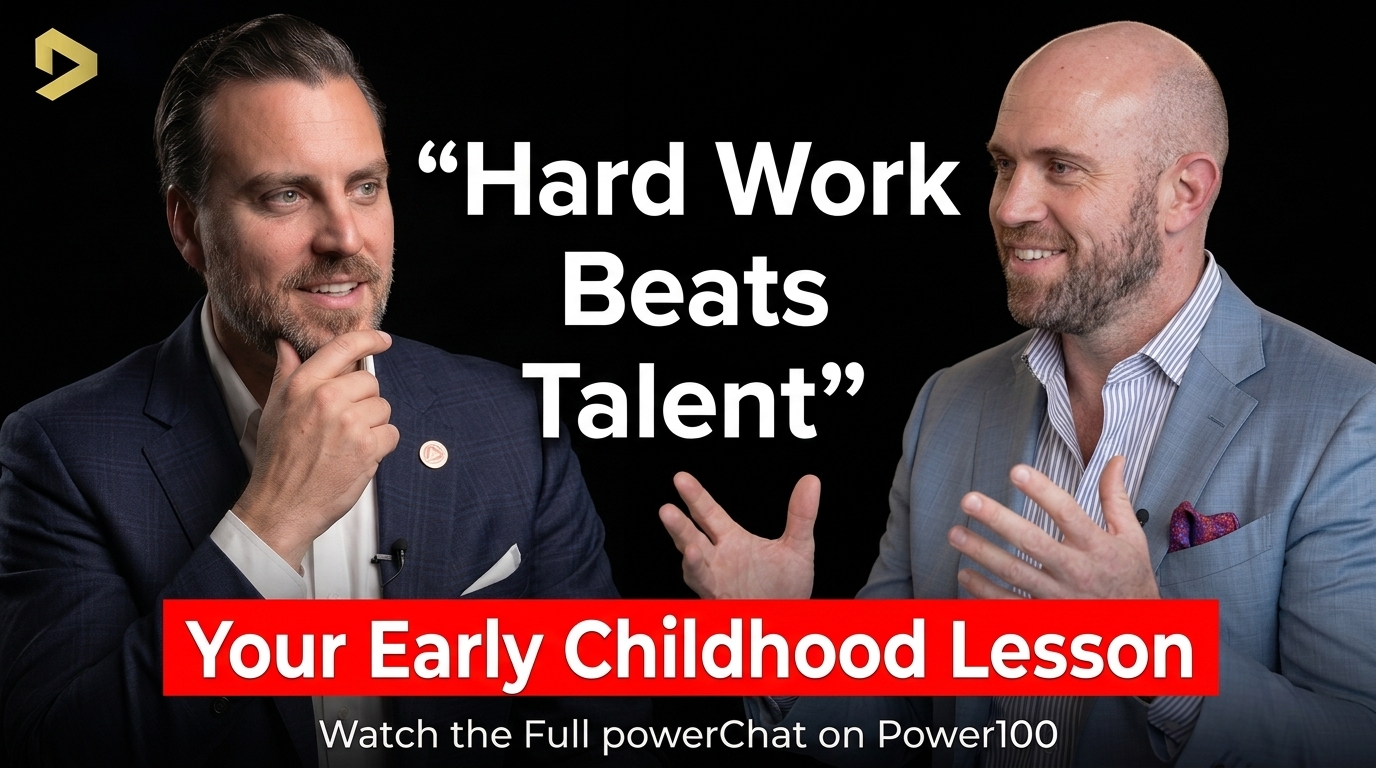
Growing a home remodeling company is one challenge. Keeping employees motivated, earning customer trust, and maintaining high standards as the business expands are other challenges. Many CEOs struggle to balance these demands, especially when growth starts outpacing their teams.
But for Peter Svedin, Founder and CEO of Lifetime Home Remodeling, the mindset behind building a successful business began long before he became a CEO. Peter, who leads a home remodeling company in Denver, Colorado, with operations in Phoenix and expansion plans discussed for San Diego, credits much of his approach to a lesson he learned at just seven years old. Growing up in Sweden, he started playing ice hockey when most of his teammates had already been playing for years. While others had a head start, Peter knew he needed to put in more effort to catch up. That early experience taught him a lesson he has carried throughout his life.
“I believe hard work beats talent when talent doesn’t work hard,” Peter shared.
What started as a childhood lesson has since become a guiding belief in how he leads his teams, takes on new challenges, and builds a company with plans to become a trusted name nationwide.
During a Power100 Featured Interview, Greg Cummings, CEO of Power100, sat down with Peter to explore the personal experiences and leadership values behind Lifetime Home Remodeling’s growth. Power100 is the only unbiased third-party platform that recognizes and elevates the top leaders and most impactful companies in the home improvement industry. As part of its mission to learn what makes great CEOs successful, Power100 goes beyond company results to understand the people and decisions behind them.
Greg’s question about Peter’s earliest childhood lesson opened a deeper conversation about hard work, the courage to keep trying, and the importance of helping employees succeed. Peter shared how the same mindset that once pushed him to work harder on the ice now guides his approach to building teams, exploring new opportunities, and earning customer trust.
His story raises an important question for leaders across the home improvement industry: What does it really take to grow a successful company without losing the values that helped build it?
During his conversation with Greg Cummings, Peter Svedin shared how a simple belief in hard work has shaped his decisions as a business owner. But his story goes beyond putting in more hours than others. It is about learning from every challenge, finding new ways to grow, and giving employees the tools they need to succeed.
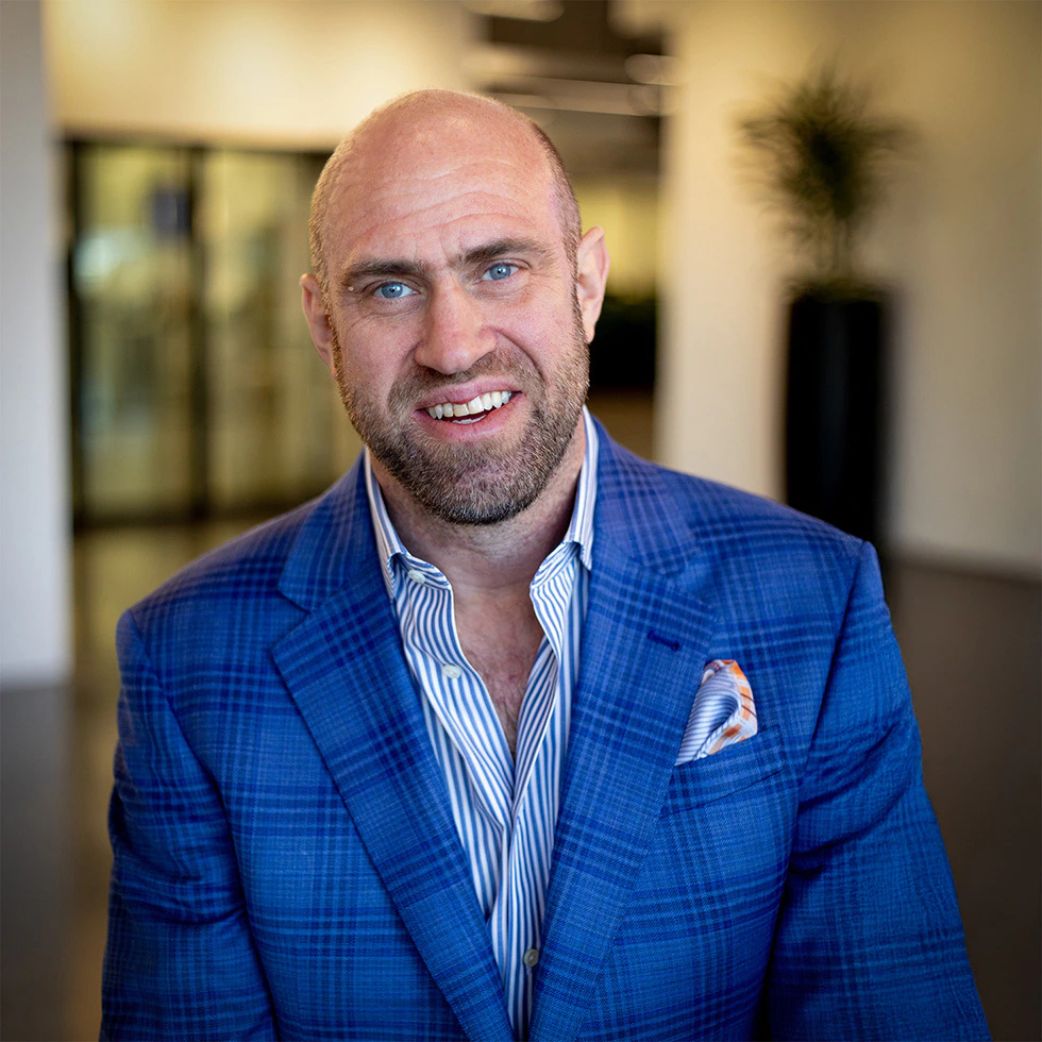
Peter Svedin, Founder and CEO of Lifetime Home Remodeling
From his early days in sales to leading a growing remodeling business, Peter has learned that effort creates opportunity, but the right people and strong leadership help turn that opportunity into lasting success. His experience offers a lesson for CEOs who want to grow their companies while building teams that can carry their vision forward.
For Peter, hard work became a way of life long before he started Lifetime Home Remodeling. As a young boy playing ice hockey in Sweden, he found himself competing against children with more experience than he. Instead of seeing that as a reason to give up, he saw it as a reason to put in more effort. He understood that he could not change when he started, but he could control how much work he put into getting better.
That same mindset followed him into his early sales experience. While other people knocked on about 100 doors selling products, Peter recalls knocking on nearly 300. He sold donuts, socks, and cookies, learning that success often came down to how much effort he was willing to put in. Those early experiences taught him that natural ability could only take a person so far. What mattered just as much was the willingness to keep going when others had stopped.
“So I learned at an early age that I had to work harder than other people to find some kind of success,” Peter shared.
Years later, that belief remains part of how he leads. Peter wants employees who are willing to work hard, push themselves, and take pride in becoming better at what they do. At Lifetime, he describes this drive as grit. It is a culture where people want to be the best, but also understand that success takes daily effort. For Peter, leadership in the home improvement industry begins with setting an example. A CEO cannot expect others to show commitment if that same drive is missing at the top.
His story also shows that being talented is not the same as being prepared to succeed. A person may have great skills, but without effort and a willingness to improve, those skills can only go so far. Peter has carried that lesson from childhood into business, where he continues to challenge himself and his team to find ways to become better.
And as his company grew, that drive became more than a personal value. It became a reason to keep looking for opportunities that others might miss.
Discover more about Peter Svedin and the leadership mindset guiding his journey.
Success can sometimes make business owners comfortable with what they have already built. But Peter believes that once a company stops looking for ways to improve, it risks missing the opportunities that could take it further. At Lifetime, he encourages his teams to explore new ideas, test different marketing methods, and find better ways to serve homeowners. The goal is not simply to repeat what worked yesterday, but to keep finding what could work even better tomorrow.
“I think for us, we never leave a stone unturned,” Peter explained.
That belief has guided Lifetime as it explored new retail opportunities, added remodeling services, and expanded its reach. Peter understands that every new stage of growth brings challenges that cannot always be solved with the same methods used before. He believes remodeling business growth strategies should leave room for learning, testing, and change. For a CEO, this means being willing to ask questions, listen to others, and try something different, even when the outcome is uncertain.
During the interview, Peter shared an example from the company’s Phoenix branch. He explained that the team expected to reach $5 million in retail sales that January, compared with about $1 million reported for the previous year. For Peter, breaking through that growth barrier was exciting because it showed what a team could achieve after pushing past limits that once seemed insurmountable. It was also a reminder that reaching one goal should create the drive to work toward the next.
Peter also spoke about the value of learning from other people in the industry. He encouraged CEOs to attend conferences, meet contractors, speak with vendors, and ask questions without worrying about being the least experienced person in the room. Over the years, he has spent time building relationships and learning from others who were willing to share their knowledge. He believes those conversations can open doors that business owners may never have known existed.
He takes the same approach to testing new marketing ideas. Peter advises leaders not to fear spending money on a new strategy simply because it might not work. Some ideas will fail, but the lessons learned can help a company identify the ones that deliver real results.
“Don’t be afraid to fail,” Peter advised.
His message to other CEOs is clear. Growth requires more than ambition. It takes action, patience, and the courage to learn from mistakes. Yet Peter also knows that one person cannot carry a growing company forward alone. As the business takes on bigger goals, its people must be prepared to grow with it.
Explore how Lifetime Home Remodeling is building its business and expanding its remodeling services.
For Peter, building a team starts with more than finding people who are willing to work hard. He believes employees also need strong training, clear direction, and leaders who want to see them succeed. That belief has helped shape how Lifetime prepares new team members and supports those already working in the business. Peter sees employee training for home improvement teams as one of the most important ways to build a company that can continue to grow.
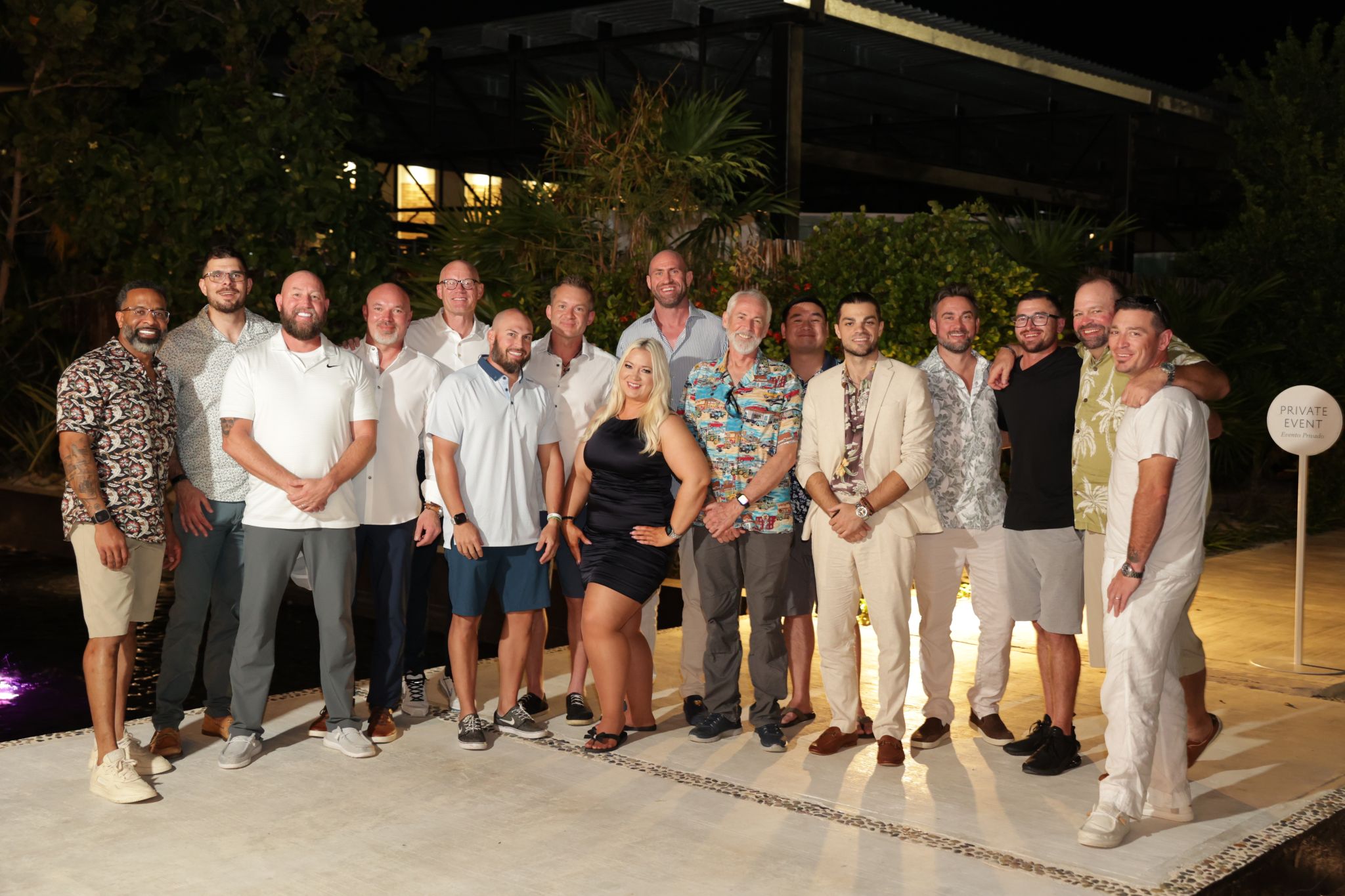
Every year Lifetime celebrate top salespeople who go above and beyond
One example is Lifetime’s field marketing academy. Peter explained that the company runs an ongoing training program that includes two weeks of learning for new team members each month. Employees are taught about the products they represent, how to speak with homeowners, and how the remodeling process works from start to finish. This gives them more than a sales script. It helps them understand the business and the needs of the people they serve.
Peter believes that when employees understand their work and feel prepared for their roles, they have a better chance of succeeding. But training is only part of the culture he wants to build. He also expects his teams to challenge themselves and work toward becoming the best at what they do. Greg shared that employees he had spoken with described a workplace where people compete to improve, yet remain willing to share ideas and help their teammates win.
That balance matters to Peter. He wants people to push themselves, but he does not believe they should have to face every challenge alone. Leaders must be ready to guide employees, share their experience, and provide the tools needed to do the job well.
“I don’t believe companies take the time or the money to invest in their people enough,” Peter said.
His belief became even clearer when Greg asked which one measure Peter would use to judge the company’s success in 2025. Instead of choosing revenue, Peter pointed to employee retention. He explained that when people stay with a company during rapid growth, it tells him that leaders are helping them learn, succeed, and see a future for themselves.
Peter also spoke about the company’s HR department, which he calls “HR Magic.” He sees the department as an important part of Lifetime’s success because of its role in helping employees feel prepared and supported.
For other CEOs, this offers an important lesson. A company can have strong sales goals, new locations, and big plans for the future. But if employees do not feel supported, it becomes harder to sustain that success. Peter believes the best results come when people know what is expected of them and have leaders who are willing to help them reach those expectations.
That focus on people is also what gives Lifetime a stronger foundation for expanding into new markets.
As a company grows, working hard becomes only one part of the challenge. More employees, new locations, and larger operations create a need for clear systems that help everyone work toward the same goal. Peter understands that success cannot depend on one person knowing how to do everything. It must come from teams that are trained to deliver the same level of care and quality, no matter where they work.
Lifetime’s field marketing operation is a strong example of this approach. During the interview, Peter revealed that the company takes part in about 700 event days each year across its markets. These include home shows, local events, retail opportunities, and direct outreach to homeowners. He also shared that field marketing brings in about half of the company’s business. Running an operation of that size takes trained staff, strong leaders, and systems that keep everything moving.
Peter credits much of that success to the training his employees receive. His approach to field marketing for home remodeling companies shows how organized effort can help a business reach more homeowners without losing sight of the people behind each sale. Employees need to know what they are offering, how to answer questions, and what customers can expect after choosing the company.
“We also believe in investing in our people,” Peter explained.
The same thinking shaped Lifetime’s plans for entering the San Diego market in 2025. Peter shared that experienced employees from the Denver and Phoenix offices would help train the new team. Field marketing leaders, operations staff, and customer experience employees were expected to work alongside new team members to share the methods that had helped the company grow in its existing markets.
Rather than expecting a new location to learn everything through trial and error, Peter wanted to bring proven knowledge into the business from the start. This approach was meant to help the San Diego team build confidence while protecting the standards homeowners had come to expect.
Customer trust remained a major part of that plan. Peter discussed Lifetime’s relationships with retail partners such as Costco and the responsibility that comes with representing both the company’s own name and the brands it works with. When homeowners raise concerns about a product or installation, he believes those issues must be addressed. Strong customer service is not only about making a good first impression. It is about staying involved until the work is complete and the homeowner is satisfied.
For Peter, this is where hard work becomes something bigger. It is no longer just about making more calls, attending more events, or opening more offices. It is about building a business in which each new team can follow the same standards and growth does not come at the cost of customer trust.
And while that growth has given Peter larger goals to pursue, he also wants his business’s success to make a difference beyond the homes it remodels.
Discover the remodeling services and markets served by Lifetime Home Remodeling.
Building a successful company has given Peter more opportunities to grow the business and more ways to help others. During the interview, Greg asked how Peter makes time for community work while managing the demands of a growing company. Peter explained that giving back is not an extra responsibility; it is something he truly enjoys and feels proud to be part of.
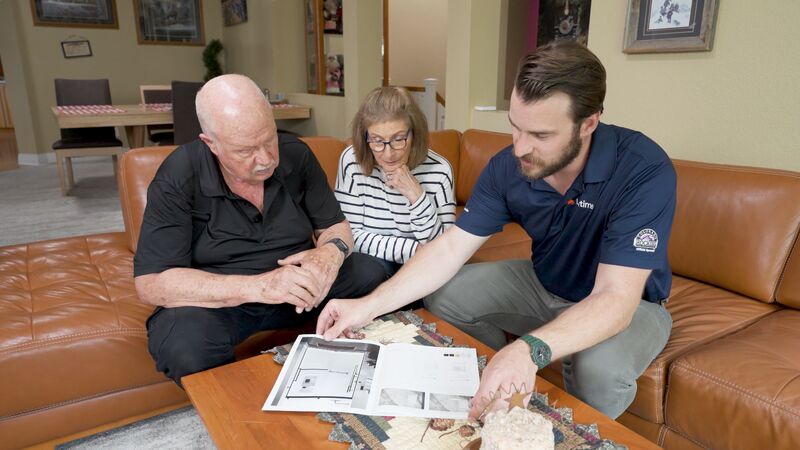
Lifetime Home Remodeling team walking homeowners through a project
He spoke about the company’s charity golf tournament, support for local causes, and its involvement with the Food Bank of the Rockies. During the COVID pandemic, when many families struggled to afford food, Lifetime began giving a portion of its sales to support the food bank. Peter also recognized Coco Christ for leading much of the company’s community work and helping bring people together around causes that matter.
For Peter, community engagement in the home improvement industry is connected to a belief that success should create opportunities for more people. He wants his employees, business partners, homeowners, and local communities to benefit from the company’s growth.
“I think what this comes from is my belief in living in abundance,” Peter shared.
That belief also connects to the way he wants people to remember Lifetime. Near the end of the interview, Greg asked Peter what kind of legacy he hoped to leave 50 years from now. Peter did not begin by talking about sales records or the number of locations the company could open. Instead, he spoke about wanting people to have positive memories of the business and their experiences with it.
He wants homeowners to be happy with their projects, trust the company enough to return for future work, and feel confident recommending it to others. He also wants employees to have the kind of experience that makes them proud to recommend Lifetime as a place to work.
Those goals sit alongside a much larger business vision. Peter shared his ambition to make Lifetime a household name nationwide and to reach the top 10 of the remodeling industry’s Top 500 ranking within five years of the interview. His goal was to see how far the company could grow while continuing to build strong customer relationships and a workplace where people could succeed.
“We’re definitely trying to be legends at Lifetime,” Peter said.
That statement captures the connection between the young boy who once worked to catch up with his hockey teammates and the CEO now working toward a national vision. Peter still wants to push past limits and see what is possible. But the definition of success has evolved with the business.
Today, his efforts are tied to the people who depend on the company, the homeowners who place their trust in its teams, and the communities that have supported its journey. What began as a lesson about working harder than others has become a belief that hard work should create something valuable for others, too.
For CEOs watching Peter’s journey, the lesson is not simply to put in more effort. It is to make that effort count by building people, earning trust, and creating a business that can make a lasting difference.
Follow Peter Svedin for more on his leadership journey and vision for Lifetime Home Remodeling.
When Peter Svedin first stepped onto the ice at seven years old, he had no idea that the lesson he was about to learn would one day shape how he led a growing company. He simply knew that if he wanted to catch up with those ahead of him, he had to put in the work. Years later, that same belief continues to guide his journey as Founder and CEO of Lifetime Home Remodeling. What began as a personal drive to improve has grown into something much bigger, a vision that depends on helping others reach their full potential.
Peter’s story shows that the meaning of hard work changes as a leader grows. In the beginning, it may be about proving what one person can achieve. But as a business grows, success depends on how well the leader prepares others to carry those values forward. For Peter, the goal is no longer just to push himself further. It is to build a company where people feel proud of their work, customers know they can count on the team, and every new challenge becomes a chance to grow stronger together.
For CEOs facing their own growth challenges, his journey offers a reminder that great companies are not built in one big moment. They take shape through small decisions, lessons learned, and the choice to keep improving even when things are going well. Talent may help someone get started, but effort, patience, and a willingness to learn can help turn early success into something that lasts.
Through this Featured Interview, Greg Cummings, CEO of Power100, brings attention to the values behind Peter’s leadership and the lessons other home improvement CEOs can carry into their own businesses.
As Peter looks toward the future of Lifetime Home Remodeling, his story leaves one message worth remembering: The greatest success is not just how far a leader can go, but how many people they can help move forward along the way.
No. Power100 uses a five-layer ranking system that looks at company growth, community impact, and employee culture. Its process combines business data, AI scoring, human review, and feedback from customers, employees, and partners. A Featured Interview gives CEOs a chance to share their experience, but the conversation alone does not decide their ranking. Power100 does not sell ranking positions. Its home improvement CEO rankings focus on leadership results and the impact companies make.
Power100 does more than rank CEOs. It publishes leadership interviews, business articles, and expert insights that help contractors learn from other industry leaders. Through its Power Articles and free member portal, CEOs can explore how successful companies train employees, solve business problems, serve customers, and plan for growth. These resources offer business owners practical ideas they can apply to their own companies, even if their companies do not appear in national rankings.
No. Peter Svedin believes hard work creates opportunities, but leaders must also keep learning, support their employees, and build strong systems. During his Featured Interview with Greg Cummings, he explained how his childhood experience playing ice hockey taught him to work harder than others. He now uses that lesson to guide his approach to leadership in the home remodeling business, where training, teamwork, and customer trust help turn effort into lasting results.
Peter encourages his teams to keep testing ideas rather than relying solely on what already works. He explores new marketing methods, retail opportunities, and remodeling services. He also advises contractors to attend industry events, ask questions, and learn from other business owners. Peter believes growth strategies for remodeling contractors require patience and the courage to try something new. When an idea fails, leaders can use what they learned to make a better decision next time.
Peter believes strong sales mean little if a company cannot keep and support its employees. During the interview, he chose employee retention as the measure he most wanted to improve in 2025. At Lifetime, his team runs a field marketing academy that teaches new employees about products, sales, and customer service. Peter believes employee retention in home remodeling companies improves when leaders provide employees with the training, tools, and support they need to succeed. When employees see a future with the company, they have more reasons to stay and grow.
Lifetime Home Remodeling offers several residential home remodeling services, including replacement windows, doors, siding, roofing, bathroom remodeling, and decking. The company works with product brands such as Infinity from Marvin, James Hardie, and ProVia. Peter explained that Lifetime brought its services under a single brand because homeowners often wanted the same company to handle multiple projects. Homeowners can contact Lifetime to confirm which services the company offers in their area.
Peter believes a new location should follow the same training and service standards that helped the company grow. During the interview, he discussed plans to bring experienced staff from Denver and Phoenix to train the new San Diego team. He also explained how Lifetime works with partners such as Costco to identify and address customer concerns about products or installations. The company provides a service request page where homeowners can ask for help. This approach makes customer service in home remodeling part of the company’s growth plans, rather than something it addresses only after problems arise.
Peter described becoming a nationwide household name as a long-term goal during the interview, not as a milestone he had already achieved. He also shared his ambition to reach the top 10 of the remodeling industry’s Top 500 ranking within five years of that conversation. But his vision goes beyond company size. Peter wants homeowners to trust Lifetime, employees to feel proud of their work, and communities to benefit from the company’s success. His approach to building a trusted home-remodeling brand focuses on creating a business people will value and recommend for years to come.
Power100 is the only unbiased third-party platform that recognizes and elevates the top leaders and most impactful companies in the home improvement industry. Led by CEO Greg Cummings, the platform reviews more than 7,600 CEOs nationwide, focusing on company growth, employee culture, and community impact. Through its national CEO rankings, Featured Interviews, and industry insights, Power100 gives great leaders a voice and helps others learn from their success. Its mission is to recognize CEOs who lead with purpose, build strong companies, serve their customers, and make a lasting difference in the home improvement industry.
Membership unlocks every Power100 interview, PowerChat episode, and expert playbook - free for industry leaders.
Power100 is the nation's premier CEO ranking and media platform for the home improvement industry. Using a proprietary 5-layer evaluation system, Power100 identifies and celebrates the top CEOs, companies, and strategic partners driving innovation, customer satisfaction, and leadership excellence across the country.