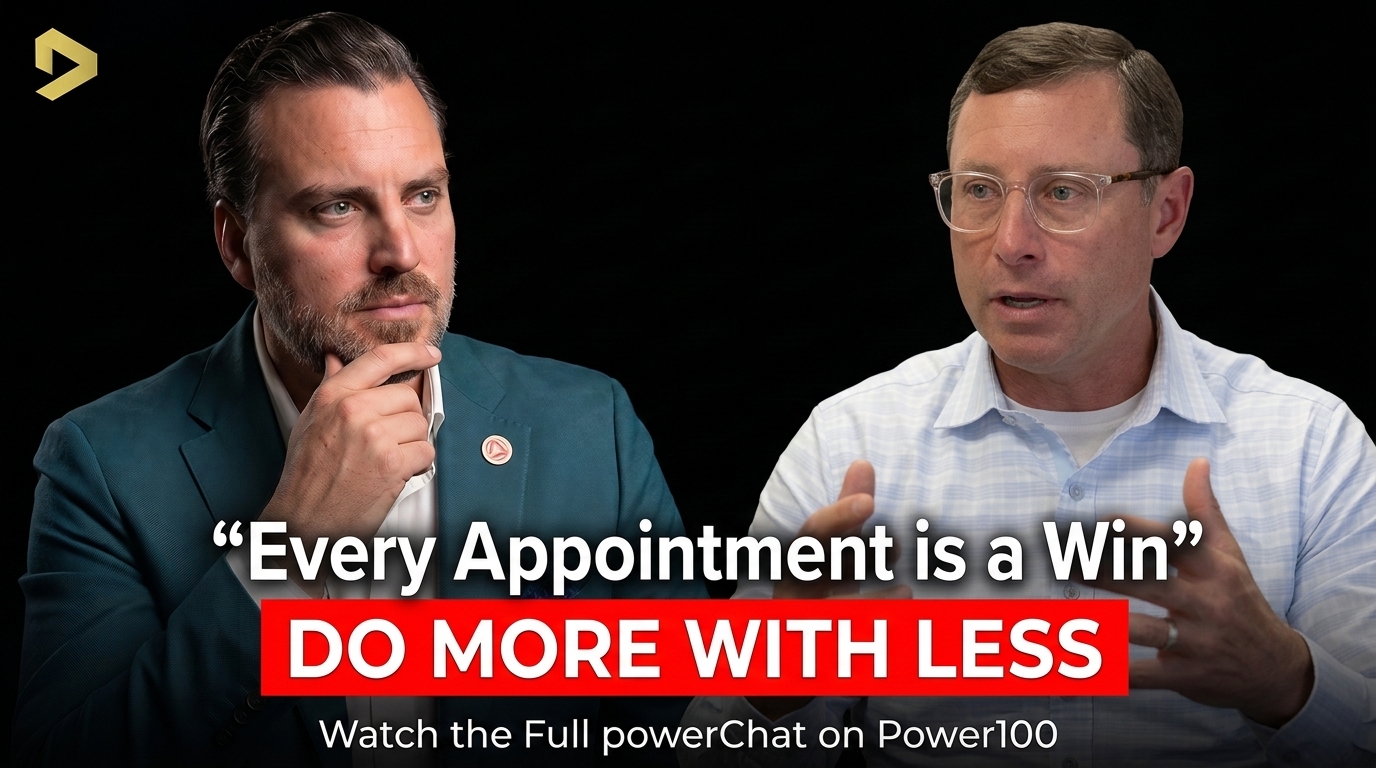
Getting more leads should mean getting more sales. But for many home improvement companies, that is no longer the case. Poor lead quality, homeowners struggling to qualify for financing, and rising project cancellations are making it harder to turn new leads into real revenue. Even companies that have grown fast in recent years are feeling the pressure.
Nick Zindel, CEO at ZINTEX Remodeling Group, knows this challenge well. With nearly 500 team members serving customers across 14 states, the company has spent years growing through paid leads and new markets. But Nick says the same approach that once helped drive growth is no longer bringing the results he wants. As he looks toward 2027, his focus is shifting from buying more leads to getting better results from the ones his team already has. His new approach to growing the remodeling business in 2027 places greater value on each customer call, sales appointment, and completed project.
As Nick puts it, “We are gonna take every appointment, every lead, every install as if it’s our last and treat that as such.”
That message became a key part of a recent PowerChat conversation hosted by Greg Cummings, CEO of Power100. The discussion brought together leaders in home improvement to share what they plan to stop doing, what they want to improve, and how they are preparing their companies for 2027.
Nick’s insights offer a close look at why contractor sales conversion strategies must go beyond simply getting more leads. He believes companies need to improve how they handle each opportunity, build trust with homeowners, and make better use of the people and resources they already have. These are the kinds of lessons Power100 brings to the industry through its leadership conversations, including PowerChat and Outside the Lines.
Power100 is the only unbiased third-party platform that recognizes and elevates the top leaders and most impactful companies in the home improvement industry. By sharing real lessons from CEOs like Nick, the platform helps other contractors learn what is working, what needs to change, and how to build stronger businesses for the future.
What should a remodeling company do when spending more money no longer brings better results? That question was at the heart of a recent PowerChat conversation led by Greg Cummings, CEO of Power100. The discussion focused on what industry leaders plan to leave behind in 2026, what they want to improve, and how they are preparing for the year ahead. For Nick Zindel, CEO of ZINTEX Remodeling Group, the answer starts with a simple change in how companies treat the opportunities they already have.

Nick Zindel, CEO at ZINTEX Remodeling Group
Nick believes contractors can no longer count on buying more leads to solve every growth problem. Instead, they must look at how well their teams handle customer calls, sales appointments, and installations.
His approach to home improvement business growth strategies for 2027 focuses on getting better results from existing resources, keeping homeowners confident in their decisions, and finding new ways to earn their trust. From sales performance to referrals and new technology, his insights show how contractors can build stronger businesses without spending more on their first answer.
For years, buying more leads was a major part of how ZINTEX grew. Nick explained that the company had been aggressive with its marketing spending for about five years. When the team entered a new market and spent more on leads, revenue often rose. That approach helped the business expand, but 2026 brought a different set of challenges.
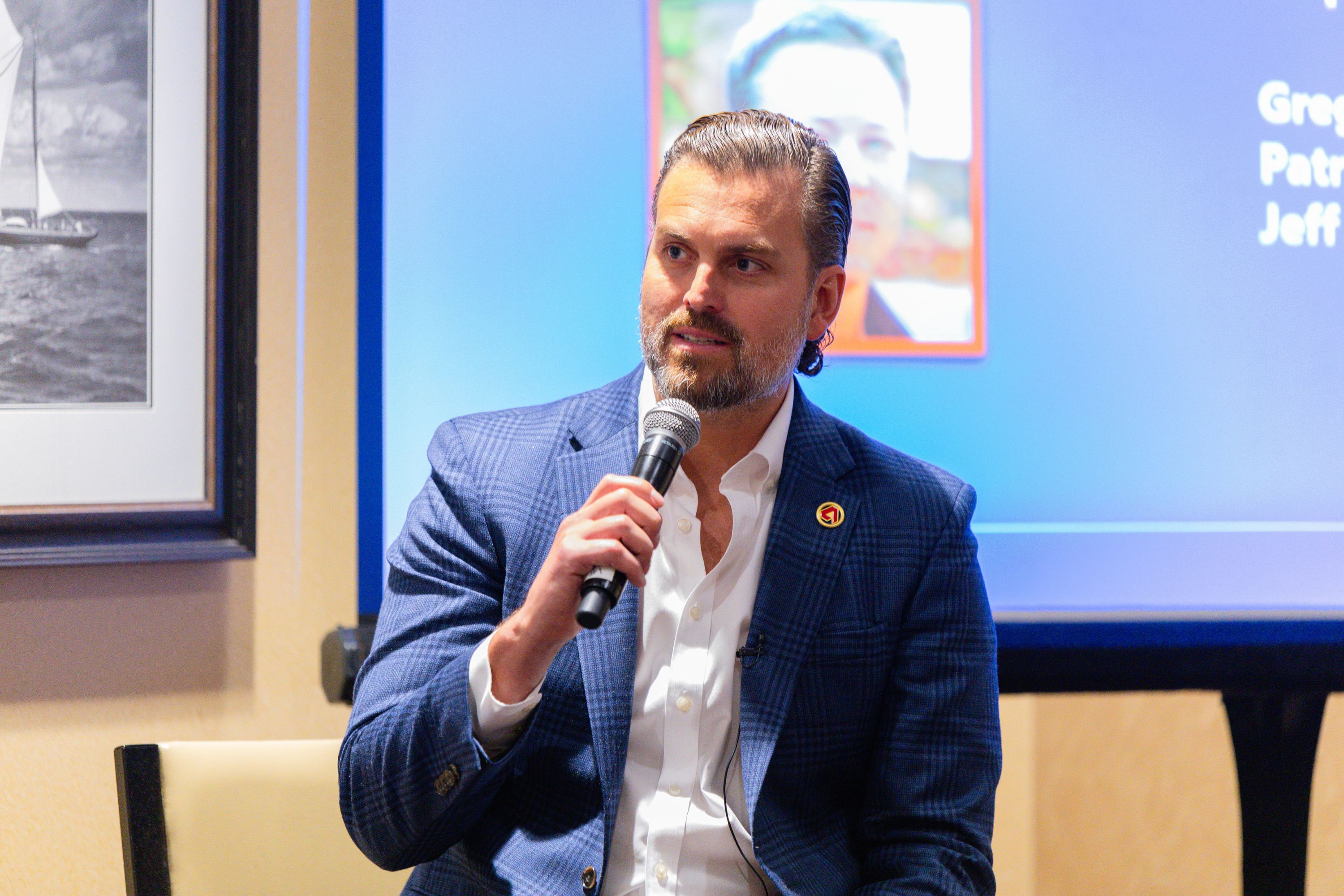
Greg Cummings, CEO of Power100
One of the biggest problems has been lead quality. Nick told Greg that lead providers still have plenty of homeowners to send to contractors. The challenge is whether those homeowners can move forward with a project. His company has seen more people struggle to qualify for financing, making it harder to turn interest into completed sales.
“it’s not a shortage of leads, right? They’re gonna give them to you,” Nick explained during the conversation.
For a contractor, this creates a costly problem. A business may spend money to reach a homeowner, pay its team to set an appointment, and send a design consultant to the home, only to find that the customer cannot afford the project. When that happens often enough, buying more leads can make the problem bigger instead of solving it.
Nick’s response is to take a closer look at where the company spends its money and how each lead performs. Rather than continuing to increase purchases, ZINTEX is working to identify higher-quality homeowners and improve how its call center and sales teams handle new opportunities. The company is also using its own technology to help screen for credit challenges before investing more time in leads that may not turn into sales.
This change highlights an important lesson for home improvement lead generation in 2027. A large number of leads may look good on a report, but that number means little if those leads do not become paying customers. For Nick, the real measure of growth is no longer just how many people contact the company. It is how many of those opportunities turn into healthy business.
That shift leads to a bigger question. If contractors cannot always control the quality of every new lead, how much more can they gain by improving what happens after a lead comes in?
Once Nick recognized that buying more leads was not the answer, his focus moved to something every contractor can work on: how well the company handles the opportunities already in front of it.
During the PowerChat, Nick shared a message that has become a guiding principle for his team.
“We are gonna take every appointment, every lead, every install as if it’s our last and treat that as such,” he said.
Behind that statement is a simple belief. Every opportunity matters, especially as finding the next customer becomes harder and more expensive.
For ZINTEX, this starts long before a salesperson walks into a home. The call center plays an important role in turning interest into real appointments. Nick wants his team to make sure every lead source has a fair chance to produce results. That means paying close attention to how leads are handled, how well appointments are set, and where the company may be losing potential customers.
But the work cannot stop when an appointment is booked. Once a design consultant meets with a homeowner, the consultant must be ready to listen, understand the homeowner’s needs, explain the solution, and earn the homeowner’s trust. A strong sales presentation matters because the company has already invested time and money to get to that point.
The same care must continue after the customer agrees to move forward. Each installation is a chance to demonstrate that the company can deliver on its promises. The experience a homeowner has during the project can shape how they feel about the business long after the work is complete.
That is why Nick’s idea of doing more with less goes beyond cutting costs. It is about making better use of the people, time, and opportunities the company already has.
For contractors looking to improve their contractor sales conversion strategies, the lesson is clear. Getting better results does not always require another marketing campaign. Sometimes, it means looking closely at the work happening inside the company and asking whether every lead is getting the attention it deserves.
It also means building a team that understands how its work affects the next step. A call center employee who handles a lead well helps the salesperson. A salesperson who earns the homeowner’s trust helps the installation team. And an installation team that takes good care of customers helps protect the company’s reputation.
This home improvement customer journey is where Nick sees room for growth. He wants every department to understand that its work matters because each step can either move a customer closer to a completed project or give them a reason to walk away.
Still, even when every part of the sales process works well, another challenge remains. A homeowner can agree to buy and then change their mind before the work begins.
One of the hardest parts of the current market, according to Nick, is keeping customers after they have agreed to a project.
He explained that ZINTEX has seen cancellation rates climb to levels higher than he had experienced earlier in his career. Even when the team performs well throughout the sales process, some homeowners still decide not to move forward.
The problem often begins after what appears to be a successful sale. A homeowner speaks with the call center, books an appointment, meets with a design consultant, and feels confident enough to sign a contract. But in the days that follow, doubts can begin to grow.
The homeowner may become worried about the cost, their finances, or whether they made the right choice. Nick knows that some of these concerns are outside the company’s control. But he also believes his team can do more to help customers feel comfortable after making such an important decision.
During the conversation, Nick shared that ZINTEX was seeing cancellation rates of around 11% to 12%. With the company selling roughly 150 bathrooms a week, even a small drop in cancellations can mean more projects moving forward.
That is why reducing cancellations of home improvement sales has become an important part of his plan.
Rather than treating cancellations as only a sales problem, Nick is looking at the full customer experience. His team is reviewing how the inside sales department operates, how design consultants handle sales, and how customer service supports homeowners afterward.
He wants customers to feel that they have made a good choice and that the company will take care of them.
As Nick explained, “one of our big values here is hospitality.”
That value shapes how he wants ZINTEX to work with homeowners. A customer should feel welcome, heard, and respected when someone from the company enters their home. That feeling should not end once a contract is signed.
Nick also acknowledged that improving these results takes time. The company has been making changes to its systems and processes, and while he would like to see faster progress, he says the team is gradually bringing cancellations down.
His comments offer a lesson for contractors facing the same challenge. Closing a sale is important, but a homeowner must still feel good about that decision in the days that follow. When customers feel unsure or forgotten, the business risks losing work it has already spent money to win.
That makes customer trust in home remodeling a key part of protecting revenue. Strong sales teams help win the job, but good service, clear communication, and care for the homeowner help keep it.
For Nick, the goal is not simply to sign more contracts. It is to help more homeowners feel confident enough to see their projects through to completion.
And when a company delivers that kind of experience, the value of a single customer can extend far beyond a single project.
As Nick looks for ways to grow without depending so heavily on purchased leads, he is also turning his attention to people who already know the company.
That includes past customers, current homeowners, employees, and retail partners who can help ZINTEX reach new buyers.
One of the changes Nick shared during the PowerChat was the launch of new referral efforts across the company’s team of about 500 people. Instead of leaving referrals to sales representatives alone, he wants employees across the business to play a part in generating new opportunities.
This reflects Nick’s view of the value of a good customer experience. A homeowner may first meet a salesperson, but their view of the company is shaped by many people. The call center, installation crew, and customer service team can all leave a lasting impression.
When those experiences are positive, homeowners have more reasons to return or recommend the company to someone they know.
For a business serving customers across 14 states, that creates an opportunity. ZINTEX already has relationships with people who have trusted the company with work in their homes. Nick wants his team to do a better job of building on those relationships instead of always starting from scratch with a new lead.
This is why referral marketing for home improvement contractors is becoming a bigger part of his growth plans.
But referrals are not the only channel Nick plans to strengthen.
He also discussed ZINTEX’s retail presence, which includes Home Depot, Costco, and Sam’s Club. During the interview, he shared that the company had recently reached an agreement with BJ’s Wholesale Club and planned to build on that relationship.
These partnerships place the business in front of homeowners through stores they may already know and visit.
Nick made it clear that retail growth is not cheap. Working with large retail partners brings costs, added work, and the need to manage those relationships well. Even so, he sees enough value in these channels to keep investing in them.
The goal is to find better ways to reach potential customers while making full use of existing partnerships and customer relationships.
For contractors, Nick’s approach to retail lead generation for remodeling companies offers another lesson. Doing more with less does not mean a business must stop spending money or looking for new customers. It means being more careful about where that money goes and what each investment can bring back.
A referral from a happy customer, a lead from a trusted retail partner, and a new paid lead may all help a business grow. But each comes with different costs and chances of turning into a sale.
Nick wants his team to understand those differences and build on the sources that offer the best results.
That same thinking is now shaping another major part of his plans for 2027: using better information and new tools to decide where the company should grow next.
Explore ZINTEX Remodeling Group to learn more about the company and its home remodeling services.
For Nick, doing more with less also means knowing where the company should spend its time and money.

ZINTEX Remodeling Group call center
With ZINTEX operating across 14 states, he knows that some markets are stronger than others. Some areas have more homeowners who can qualify for financing, while others are becoming harder places to win profitable jobs.
Instead of continuing to invest the same amount everywhere, Nick wants the numbers to guide those decisions.
He told Greg that the company is taking a closer look at which markets bring the strongest returns. Where results are weak, ZINTEX may reduce spending. When the business is performing well, it can allocate more resources to what is working.
This applies to more than marketing. Nick explained that the company is reviewing decisions regarding hiring, recruiting, retail partners, and its own lead-generation efforts.
His goal is to stop investing more money in areas that are not generating enough value.
As Nick put it, “we’re really getting into letting the data decide where we need to invest more”
That approach to data-driven growth for remodeling contractors gives his team a clearer way to make decisions. Rather than chasing growth in every market at once, the company can focus its efforts where it sees the strongest chance of success.
But Nick also knows that the way homeowners find contractors is changing.
During the conversation, Greg asked whether he would rather have ZINTEX become a household name or have AI tools strongly recommend the company to homeowners.
Nick’s answer was immediate.
“AI. Yeah, hands down.”
He explained that AI has become an important part of his own work. He uses Claude regularly and sees great value in the support it provides, while also recognizing that its answers need to be checked.
More importantly, Nick says the company’s customers are beginning to use AI when searching for home improvement services.
He shared that ZINTEX has started tracking homeowners who say ChatGPT told them to contact the company. According to Nick, these reports have become more common over the past six or seven months.
That change has caught his attention because it points to another way homeowners may choose a contractor before ever speaking with a salesperson.
For companies entering new markets, this could be especially important. Nick explained that ZINTEX is not yet a household name in every area it serves. When the company enters a new state or city, homeowners may know little about its history or services.
A recommendation from an AI tool can introduce the business to someone who may not have considered it before.
This growing interest in AI recommendations for home improvement contractors is why Nick wants ZINTEX to pay close attention to how the company appears in AI search results and recommendations.
He still believes traditional branding matters. Homeowners need to see and remember a company’s name. But he also sees AI as another part of the process, one that could shape which businesses homeowners choose to call.
For Nick, the challenge is to keep building a company that homeowners can trust while ensuring that trust is reflected in the places where people now search for answers.
His plans for 2027 bring the conversation back to the same principle that guided his earlier comments. Whether he is choosing which market deserves more investment, improving the sales process, or finding ways to reach customers through AI, he wants every decision to help the company make better use of its opportunities.
More spending alone is not the goal. Better results are.
And as the home improvement market continues to change, Nick believes the companies that pay attention to their numbers, protect their customer relationships, and make each opportunity count will be better prepared for what comes next.
As the home improvement industry looks toward 2027, Nick Zindel’s message is about more than changing how contractors grow. It is about building a business that can stay strong when times get tough. For Nick, success comes from making good choices, caring for customers, and having a team that takes pride in its work. He believes that companies do not always need more opportunities to move forward. Sometimes, they need to see the value in what they already have and make the most of it.
That belief comes from his own journey. Nick recalled the early days of ZINTEX Remodeling Group, when the company had around 30 to 40 employees, and he was involved in almost every part of the business. From unloading trucks to checking job sites, he spent years doing whatever was needed to keep the company moving. There were days when the work was hard, and the rewards were small, but he refused to give up. That experience shaped the advice he now shares with business owners who want to grow. “You gotta go into this just all in and just say, Hey, I’m I’m not quitting,” Nick said. His story shows that building a successful company is rarely easy, but staying committed through the difficult years can open doors that once seemed out of reach.
Over time, that same commitment grew into something bigger than business success. Nick shared how his company began helping homeowners in need through donated remodeling and repair projects, including work for veterans. What started with a few projects became an effort that brought the team together around a shared purpose. He recalled how much it meant to employees and their families when they learned about the people the company had helped. For Nick, that was a turning point. He came to see that giving back was not just something he could do as a business owner. It was something his whole team could take pride in. Even when these projects do not make sense on paper, he believes helping someone live in a safer, more comfortable home is worth the effort.
That is what gives his message about doing more with less a deeper meaning. Every appointment is a chance to earn someone’s trust. Every lead is a chance to build a relationship. And every installation is a chance to improve a homeowner’s life. Some of those opportunities will help the company grow, while others may simply help a family in need. Both have value.
As Nick Zindel prepares his team for the year ahead, his story offers a hopeful reminder to contractors facing their own challenges. Growth may be harder to earn, but there is still room to build strong businesses, care for good people, and make a lasting difference. The companies that succeed will be defined not only by how much they sell but also by the trust they build and the lives they improve along the way.
The lesson Nick leaves behind is simple: Treat every opportunity as it matters, because to the homeowner on the other side of that opportunity, it does.
No. Power100 evaluates three main areas when ranking leaders in the home improvement industry: Growth, Community, and Culture. Growth includes business results and how well a company performs. Community looks at how leaders give back and support others. Culture focuses on how an organization treats and develops its teams. Its home improvement CEO leadership rankings use these areas to recognize leaders who build strong businesses and create a lasting impact, not just those with the highest sales.
Yes. Power100 shares lessons that contractors can apply in their own businesses, whether they run a small company or a large remodeling group. Through PowerChat interviews, industry articles, and expert insights, the platform explores real problems in sales, leadership, hiring, and growth. Its Outside the Lines series also brings ideas from leaders beyond home improvement. Contractors can explore these home improvement leadership resources and access additional content through the Power100 Inner Circle.
Nick Zindel says buying more leads no longer brings the same results it once did. His company still receives plenty of leads, but more homeowners struggle to qualify for financing. That means the business can spend more money without seeing enough completed sales. Instead of chasing lead volume, Nick wants to improve lead quality, strengthen sales results, and focus on sources that bring real value. His approach shows why profitable lead generation for remodeling contractors requires more than a large marketing budget.
Nick believes it can help, but only when the whole team follows through. He wants call center staff to handle each lead with care, sales consultants to build trust during appointments, and installation teams to deliver the promised service. This approach can help contractors reduce wasted opportunities and get more value from their current resources. It does not guarantee more sales, but it gives businesses a clear way to improve their home improvement lead conversion process before increasing their marketing spending.
Even a good sales experience cannot remove every concern a homeowner may have after signing a contract. Nick shared that ZINTEX has experienced cancellation rates of around 11% to 12%. He believes financial pressure, shifting customer confidence, and other external factors can prompt homeowners to reconsider. Rather than ignore the problem, his team is reviewing sales, customer service, and follow-up processes. Nick says the company is making gradual progress in reducing bathroom remodeling cancellations by helping homeowners feel more comfortable with their decisions.
ZINTEX Remodeling Group publishes estimated price ranges for services such as walk in showers, bathtub replacements, and full bathroom remodels. The company also offers home consultations to help customers understand their project costs. Through several external lending partners, ZINTEX provides bathroom remodeling financing options tailored to each customer’s financial situation and credit profile. However, approval is not guaranteed. Homeowners should review the full price, payment terms, and financing costs before signing an agreement.
No. ZINTEX serves homeowners across 14 states and more than 45 markets, but its services vary by location. The company offers bathroom upgrades such as walk-in showers, bathtub replacements, and walk-in tubs. It currently limits full bathroom remodeling services to Oklahoma and certain Texas markets, while replacement window services focus on the Dallas-Fort Worth area. Homeowners can check their location and available bathroom remodeling services through the ZINTEX website.
No. An AI recommendation can help homeowners discover a contractor, but it does not replace checking the company’s work, reviews, and service terms. Nick says ZINTEX has started tracking customers who report that ChatGPT recommended the business. He sees this as an important sign of changing customer behavior. However, AI recommendations for remodeling contractors do not guarantee quality. Homeowners should still compare companies, ask questions, review written estimates, and understand warranty terms before making a decision.
Power100 is the only unbiased third-party platform that recognizes and elevates the top leaders and most impactful companies in the home improvement industry. Led by CEO Greg Cummings, the platform gives great CEOs the recognition, support, and visibility they deserve. Through industry rankings, leadership interviews, PowerChat conversations, and programs like Outside the Lines, Power100 shares real lessons from leaders who are changing the industry for the better. Its mission is to help contractors learn from one another, build stronger companies, create great workplaces, and make a lasting difference in their communities. By bringing these stories to light, Power100 helps raise the standard of leadership across the home improvement industry. Learn more at Power100.
Membership unlocks every Power100 interview, PowerChat episode, and expert playbook - free for industry leaders.
Power100 is the nation's premier CEO ranking and media platform for the home improvement industry. Using a proprietary 5-layer evaluation system, Power100 identifies and celebrates the top CEOs, companies, and strategic partners driving innovation, customer satisfaction, and leadership excellence across the country.


