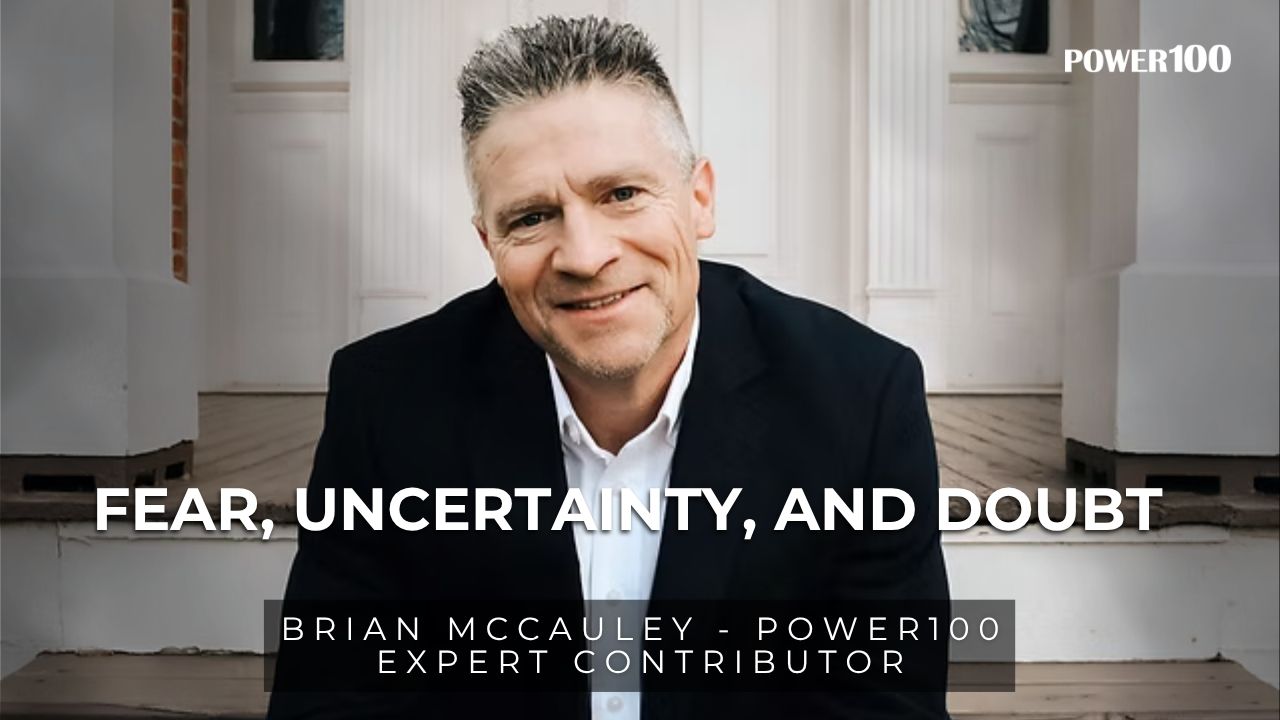
By Brian McCauley, Founder of The Sales Guy and Director of Sales Training at Cornerstone Building Brands
Your clients may look calm and confident, but beneath the surface, they may be dealing with fear, uncertainty, and doubt that must be addressed before they can confidently move forward.
Homeowners do not always say what they really mean.
A homeowner may smile through a presentation, agree that the new windows look great, appreciate the proposed roof, like the outdoor living design, and even say they trust the salesperson. Then, at the moment of decision, they say, “We want to get more quotes,” or “We need to think it over.”
Many salespeople hear those words and immediately think they have a price objection, a timing objection, or a closing problem. Sometimes they do. But many times, what they are really hearing is fear, uncertainty, and doubt—what I call FUD.
In U.S. home improvement, home services, and outdoor living sales, customers are often making large decisions with real consequences. They may be replacing windows, installing doors, upgrading siding, repairing a roof, remodeling a kitchen, building a deck, or investing in a backyard project. The dollar amount matters, of course. But their concerns often go deeper:
The homeowner may never say those things directly. Instead, they say, “We want to think about it.”
That is why strong salespeople do not simply push harder when they hear hesitation. They slow down, listen, ask thoughtful questions, and help the homeowner feel safe making a decision.
As I tell sales teams around the country:
“Your customer is not just buying a remodeling project. They are making a significant decision and looking for someone they can trust.”
The job of a professional sales team is not to eliminate every concern. That is impossible. The job is to reduce fear, uncertainty, and doubt by replacing it with clarity, proof, reassurance, and confidence.
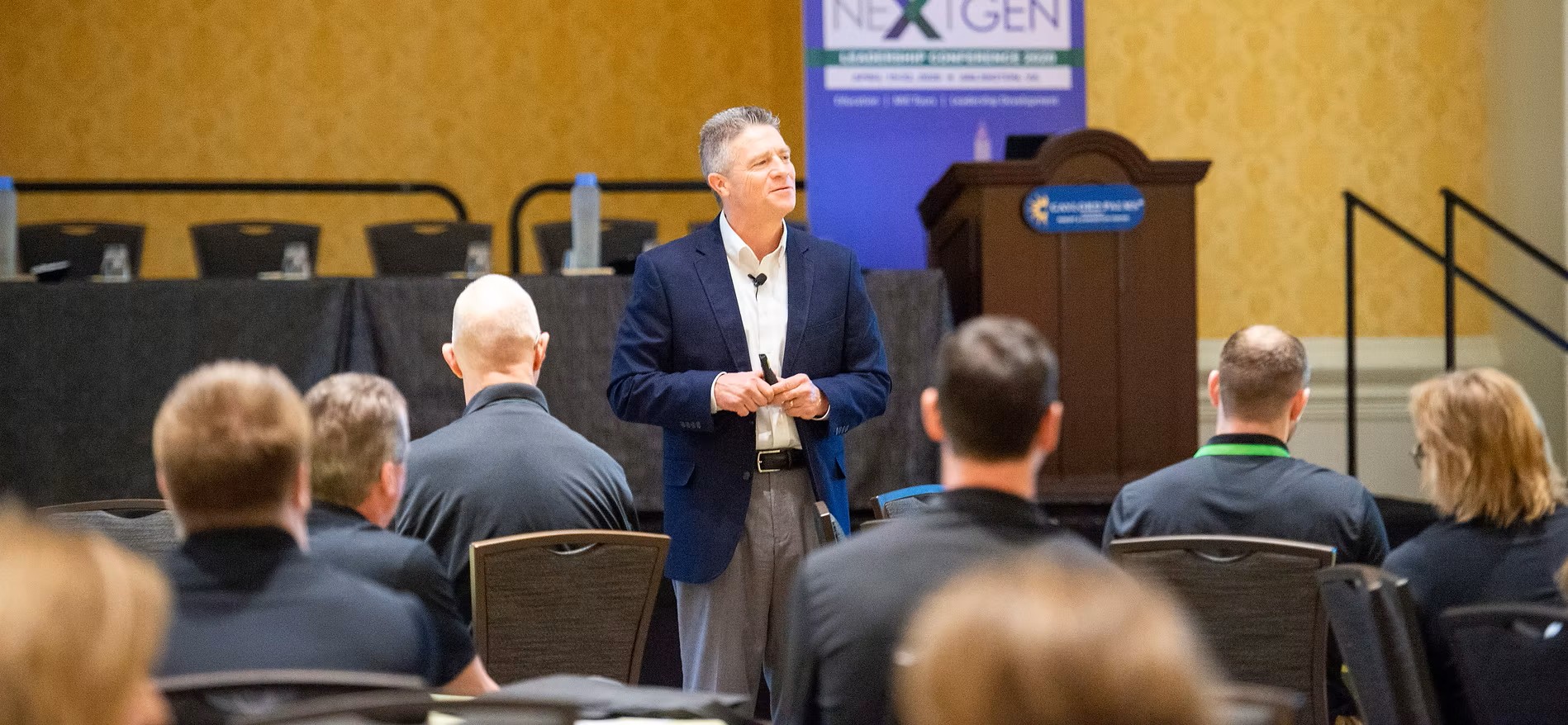
Brian McCauley, Founder of The Sales Guy and Director of Sales Training at Cornerstone Building Brands
Fear, uncertainty, and doubt do not always look like fear, uncertainty, and doubt.
Sometimes they sound like price resistance:
“The price is more than we expected.”
Sometimes they sound like a request for comparison:
“We want to get a few more quotes.”
Sometimes they sound polite and harmless:
“We need to think it over.”
In my experience, those statements are often emotional safety nets. The homeowner is trying to create space between themselves and a decision that feels risky.
That does not mean every customer is ready to buy if you simply say the right thing. It does mean that salespeople need to stop treating objections as a personal attack or a signal to start discounting.
Instead, get curious.
“An objection is often a customer’s response to a question that was never asked.”
That principle has been central to my sales training for years. If a homeowner says they need more time, the right response is not always a long rebuttal. Sometimes the best next move is a short pause followed by a simple question:
“I understand. What part of this decision would you like to think through a little more?”
That question invites the homeowner to explain what is really happening. Is it price? Is it trust? Is it timing? Is it a spouse who has not bought into the project? Is it concern about the contractor, product, installation, warranty, financing, or disruption to daily life?
You cannot solve a concern you do not understand.
There is a human reason why testimonials, referrals, local projects, and customer stories are so powerful.
People want reassurance from people they trust. They want to know that someone like them made a similar decision and had a good experience. They want to see evidence that the contractor has done this work successfully for homeowners in their area.
“If it’s good enough for my neighbor, friend, family member, or co-worker, then it may be good enough for me.”
That is not manipulation. It is how people reduce perceived risk.
For a homeowner considering replacement windows, roofing, siding, garage doors, decks, patios, or other home upgrades, a real customer story can answer questions that a brochure cannot. A local review can feel more credible than a sales promise. A completed project in the neighborhood can make the contractor feel real, established, and trustworthy.
This is especially important for contractors competing in crowded U.S. markets. Homeowners can search online, read reviews, compare bids, and ask for recommendations in a matter of minutes. The businesses that stand out are not always the ones with the lowest price. They are the ones that make the homeowner feel most confident about the decision.
The good news is that reducing fear, uncertainty, and doubt does not require a complicated system. It requires consistent habits.
Most companies have happy customers. The problem is that too many companies collect a vague “great job” and stop there.
When a customer tells you they are happy, do not just say thank you and move on. Ask a better question:
“What specifically were you most pleased with?”
Their answer may reveal the trust builders that matter most to future prospects:
Those details are powerful because they address real fear.
A homeowner worried about mess and damage needs to hear about cleanliness. A homeowner worried about product performance needs to hear about comfort, energy efficiency, durability, and warranty support. A homeowner worried about being ignored after the sale needs to hear a story about communication and follow-through.
“Testimonials provide reassurance from someone who has already made the decision your prospect is struggling to make.”
Use those testimonials in your proposals, website, social media, emails, presentations, and follow-up communications. Better yet, use testimonials that match the specific project the homeowner is considering.
If you are presenting windows, show a relevant window review. If you are presenting a roof, share a roofing story. If you are selling an outdoor living project, share a homeowner’s experience about design, installation, cleanup, and how they now use the space.
When I ask sales teams what the best kind of lead is, most answer the same way: referrals.
And they are right.
A referral comes with an advantage that paid leads and cold leads do not always have: trust has already started before the appointment is ever set. The prospect knows someone who used you. They may have seen your work. They may have heard about the customer experience directly from a friend, neighbor, family member, or co-worker.
But too many companies wait passively for referrals to happen.
“Don’t assume referrals will happen. Ask for them.”
This does not need to feel awkward. After a successful project, the salesperson, project manager, or owner can say:
“I want to thank you for trusting us with your project. The same courtesy and service you received is how we want to treat every customer. Can you think of a couple of people who may want information about our services?”
Keep it simple. Do not overcomplicate it. Do not act embarrassed to ask.
The best time to ask is when the customer has just told you they are happy. If they mention a neighbor, friend, or family member who has a similar need, ask for permission to reach out or ask whether they would feel comfortable making an introduction.
That is how a single well-executed project becomes multiple opportunities.
When I talk about Facebook and social media leads, I am not talking only about paying for ads. I am talking about organic, grassroots activity that helps people understand who you are, what you do, and what your customers think of you.
The goal is not simply to collect likes. The goal is to create familiarity before the salesperson ever walks through the homeowner’s door.
A strong contractor social media presence can show:
You do not need to spend all day online. Even 20 focused minutes a day can make a difference when that effort is consistent.
A contractor who posts completed projects, customer stories, employee introductions, and useful homeowner education becomes more familiar. Familiarity lowers fear. And when fear goes down, confidence rises.
One reason I enjoy training teams across the United States is that I get to see how the best sales professionals change their approach when they stop treating objections like fights and start treating them like opportunities to learn.
In Houston, I spent time with an energetic HDIS sales team from The Home Depot, alongside teams connected to Cornerstone Building Brands and Simonton Windows & Doors.
This team brought great energy, but energy alone does not close a fearful buyer. We talked about how to make a homeowner feel confident in a large purchase by bringing proof into the conversation earlier.
A sales rep can say:
“Before we talk about the investment, let me show you what other homeowners in your area said mattered most to them after the project was finished.”
That changes the discussion. The presentation is no longer only about product features or price. It becomes about homeowner outcomes: comfort, curb appeal, lower maintenance, noise reduction, better security, reliable installation, and confidence in the company.
The paradigm shift is simple: do not wait for doubt to arrive at the close. Build confidence during the entire conversation.
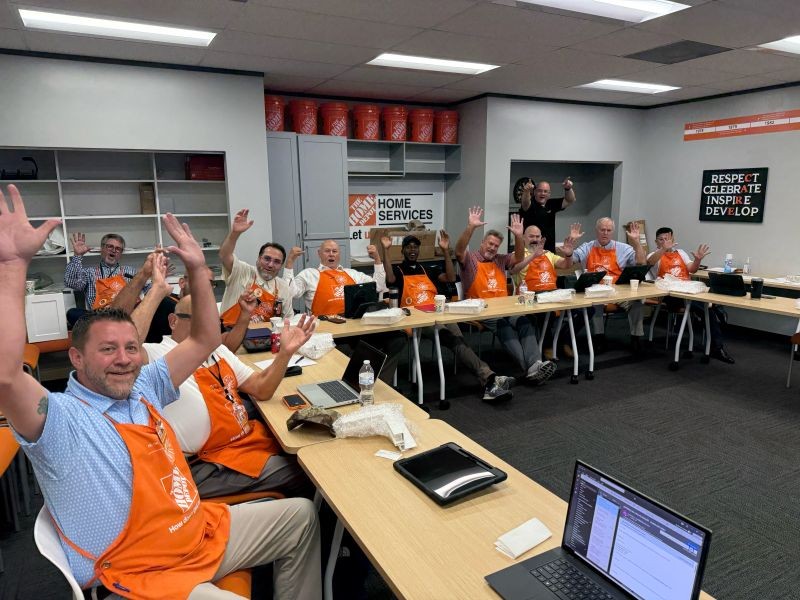
Brian McCauley in Houston, TX, with the HDIS sales team from The Home Depot
In Baton Rouge, I worked with a local Window World sales team. The reinforcement message that day was straightforward:
“Continuous learning is a daily journey.”
That matters because homeowners do not bring the same concern to every appointment. A rep may be strong at explaining product value but weak at asking for referrals. Another may be excellent with homeowners but struggle to explain financing. Another may talk too much when a customer needs quiet time to process.
The teams that improve are not looking for one magic line. They are willing to practice every day.
When a customer says, “We need to think it over,” a prepared rep does not panic. They might respond:
“Absolutely. This is a meaningful decision. Before I leave, would you help me understand what you would like to think through, price, timing, product, the company, or something else?”
That approach is calm, respectful, and direct. It gives the homeowner permission to speak honestly.
During the North Carolina Topgolf Tour in Charlotte, I worked with ABC Supply Co. Inc. and its customers on a full day of sales skills, product knowledge, and installation tips, together with Cornerstone Building Brands, Simonton Windows & Doors, and Ply Gem.
One lesson that comes up in sessions like this is that product knowledge reduces salesperson uncertainty too.
If the sales rep is unsure how a product performs, how it is installed, what the warranty covers, or why it costs more than another option, the homeowner can feel that uncertainty immediately. Confidence is contagious, but so is doubt.
That is why sales training, product knowledge, and installation understanding matter. You do not have to pretend to know everything. But you must be ready to explain the value clearly, admit when you need to verify a detail, and follow through quickly with the answer.
“A homeowner can handle an honest answer. What they cannot handle is feeling like they are being sold something by someone who does not fully understand it.”
In Tampa, I worked with another Window World sales team focused on selling more effectively and bringing window solutions to surrounding markets.
Local proof was a major part of the conversation. When homeowners are concerned about whether a company understands their needs, the most effective response is often not a stronger sales pitch. It is evidence.
A sales team can point to nearby projects, show local reviews, share customer stories, explain climate-relevant product benefits, and describe how the company supports homeowners after the installation.
For example:
“You mentioned you are concerned about making the right decision for your home. That makes sense. Let me show you a few homeowners in this area who had similar concerns before they moved forward, and what they told us after the job was complete.”
That is not pressure. That is reassurance.
Fear, uncertainty, and doubt must be addressed before, during, and after the presentation.
Before the appointment, the company should have reviews, testimonials, project photos, social proof, and clear messaging available online. The homeowner should be able to see that you are real, local, experienced, and trusted.
During the appointment, the salesperson should ask questions that uncover concerns before they turn into last-minute objections. Good questions include:
After the appointment, follow-up should reinforce confidence, not simply repeat the quote. Send a recap of what matters most to the homeowner. Share a relevant testimonial. Confirm the next step. Make it easy for them to ask questions.
And when the time is right, ask clearly for the business.
“If you don’t explicitly ask, the buyer might think you lack confidence in the solution you are offering.”
Asking for the sale does not mean forcing a sale. It means helping the homeowner move from uncertainty to a clear decision.
There is no 100 percent foolproof way to overcome every objection. Every homeowner, project, budget, and decision is different.
But when contractors use testimonials, ask for referrals, show real local proof, communicate consistently on social media, ask thoughtful questions, and train their teams every day, they dramatically reduce the fear that causes prospects to hesitate.
The homeowner is not just deciding whether to buy a product. They are deciding whether to trust you in their home, with their money, and with a project that may affect their comfort, safety, and pride in where they live.
“Your job is to help them feel confident that they have made the right choice.”
Take the first step. Ask for the review. Ask for the referral. Post the project. Share the customer story. Train your team to listen for fear instead of arguing with objections.
Then keep moving forward.
Happy Selling!
FUD means fear, uncertainty, and doubt. In home improvement, home services, and outdoor living sales, FUD describes the emotional concerns homeowners may feel before making a significant purchase. They may worry about choosing the wrong contractor, spending too much, dealing with installation problems, or regretting their decision. These feelings often appear as objections such as “We need to think it over” or “We want more quotes.”
Listen for vagueness. If the homeowner cannot clearly explain what they need to think about, there is usually an unspoken concern underneath the statement. Instead of rushing to answer, pause and ask, “What part of this decision would you like to think through more?” The response may reveal a concern about price, product performance, timing, trust, financing, or the company itself.
Yes, especially when they are specific and relevant to the homeowner’s concern. A testimonial that explains how a crew kept a jobsite clean, communicated well, honored the warranty, completed work on time, or improved a homeowner’s comfort can reduce risk in a way that generic marketing claims cannot. Testimonials work because they provide reassurance from someone who already made a similar decision.
Ask after the customer expresses satisfaction with the completed project or with a positive stage of the experience. Do not wait and hope referrals happen naturally. A simple, direct request works well: thank them for their trust, remind them that you want to provide the same service to others, and ask whether they know anyone who may want information about your services.
Use social media to show real proof of your work and your people. Share completed projects, before-and-after photos, customer stories, short videos, educational tips, team training, and community activity. The goal is not just lead generation. It is to create familiarity, credibility, and social proof before a homeowner meets a salesperson. Consistent, authentic posting helps homeowners feel that they know your company before they call.
Do not rush to discount. First, clarify what “too high” means. Ask, “Compared to what?” “What were you expecting the project to cost?” or “What part of the proposal feels higher than expected?” Those questions help you understand whether the concern is about scope, product, labor, competition, budget, or a lack of understanding about value. Then you can respond based on real information rather than assumptions.
Absolutely. A salesperson who understands product features, performance, installation, warranty coverage, and long-term value can answer questions clearly and confidently. That reduces uncertainty for both the salesperson and the customer. Ongoing training, like the sessions held with teams from The Home Depot, Window World, ABC Supply Co. Inc., and partners of Cornerstone Building Brands, helps teams communicate value more effectively.
Start online and in the community. Keep your website current, respond to reviews, share real project photos, post customer stories, show your team, and make clear what homeowners can expect from the process. Referrals, neighborhood projects, professional social media activity, and visible customer feedback all help a prospect feel more comfortable before a salesperson arrives.
No. Asking for the sale is not the same as pressuring a homeowner. A professional salesperson asks clearly after listening, presenting a relevant solution, answering questions, and addressing concerns. You can say, “Would you like to move forward?” or “What would you need to feel comfortable taking the next step today?” Clear questions help homeowners make decisions; pressure makes them defensive.
Choose one trust-building habit and do it consistently. For example, have every rep ask one happy customer for a specific testimonial, ask one customer for a referral, or post one completed project with a short customer story each day. At the same time, role-play how to respond calmly when customers say, “We need to think it over.” Small, repeatable actions build the confidence that turns more hesitant prospects into satisfied customers.
Membership unlocks every Power100 interview, PowerChat episode, and expert playbook - free for industry leaders.
Power100 is the nation's premier CEO ranking and media platform for the home improvement industry. Using a proprietary 5-layer evaluation system, Power100 identifies and celebrates the top CEOs, companies, and strategic partners driving innovation, customer satisfaction, and leadership excellence across the country.