
Many homeowners think the home improvement experience starts when the crew arrives. In real life, it starts much earlier. It starts when the company studies what homeowners need, plans the right materials, talks clearly with its partners, prepares the sales team, and makes sure production is ready to keep the promise made in the home. For a siding replacement company helping homeowners protect and refresh their homes, that kind of planning can be the difference between a slow, stressful project and a smooth experience built on trust.
That was the heart of Greg Cummings’ PowerChat interview with Jason Phillips, Vice President of Production at PJ Fitzpatrick, Inc.. The conversation gave homeowners and industry leaders a closer look at how one of the country’s top home improvement companies thinks about siding, product choice, cycle time, supplier support, and installation planning. Jason shared how PJ Fitzpatrick used real customer data to improve its siding program, showing how the company is working to make vinyl siding installation faster, cleaner, and more reliable for homeowners.
PowerChat was hosted by Greg Cummings, CEO of Power100, as part of the platform’s mission to bring clear, useful leadership lessons to the home improvement industry. Power100 is the only unbiased third-party platform that recognizes and elevates the top leaders and most impactful companies in the home improvement industry.
Through this interview, Greg highlighted how Jason’s work behind the scenes shows a larger truth in home improvement: the best companies do not wait for problems to happen. They study the patterns, plan ahead, and build systems that help homeowners get a better result.
In home improvement, many problems do not start on installation day. They start earlier, when a company does not know what products are most in demand, when teams do not share clear updates, or when sales and production are not working from the same plan. This PowerChat looked at that challenge through the work of Jason Phillips, Vice President of Production at PJ Fitzpatrick, Inc., and showed how strong planning can help protect the homeowner experience before the first piece of siding is installed.
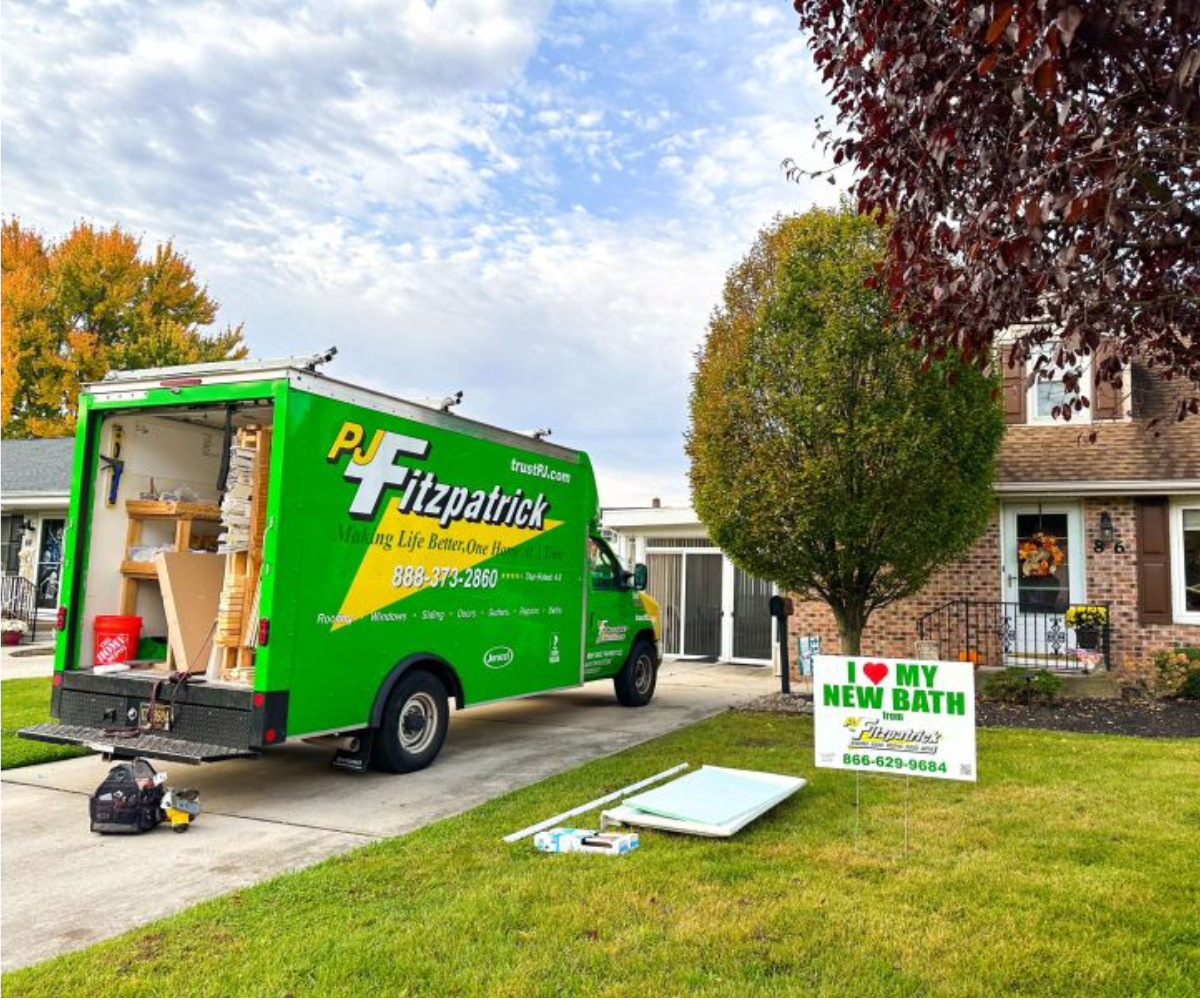
PJ Fitzpatrick
Hosted by Greg Cummings, CEO of Power100, the conversation brought together Jason Phillips, Jeremy McKinney of PJ Fitzpatrick, and Matt Rogevich of CertainTeed. Together, they discussed how product choices, supplier support, production planning, sales alignment, and customer communication help a top home improvement company keep its promises. The purpose of the conversation was simple. It gave the industry a closer look at what happens behind the scenes when a company wants to serve homeowners with more speed, more care, and less guesswork.
Jason’s siding program insight gave the conversation its center. He shared how the team looked at cycle times, color palettes, and customer selections to find a better way forward. What they found was powerful. About 80% of siding selections came down to only five or six colors and styles. That gave the team a clearer way to plan, work with procurement, and partner with CertainTeed and distribution teams so the right materials could be ready sooner.
That insight matters because homeowners are not only searching for a trusted siding replacement company. They are also looking for a company that can make the process feel clear, steady, and well managed. Jason’s approach shows how a better siding project is built through careful choices long before the crew arrives. It is not only about having the right product. It is about knowing what homeowners choose, preparing for demand, and helping the sales and production teams work from the same plan.
The industry relevance is clear. As homeowners expect faster answers, better updates, and higher quality work, exterior remodeling companies have to improve the way they plan. A siding installation company with quality materials must also have clear communication, smart inventory planning, strong supplier support, and a production team that can deliver what was promised. That is where Jason’s leadership stands out in the conversation.
The scale of the impact reaches beyond one siding program. PJ Fitzpatrick’s work shows how customer data can shape a better process for sales teams, production teams, supplier partners, installers, and homeowners. When a company understands what people choose most, it can reduce friction, set clearer expectations, and build a stronger path from the first appointment to the final install. In a market where trust is hard to earn and easy to lose, that kind of planning can make the homeowner experience feel stronger from start to finish.
Jason shared that PJ Fitzpatrick took a close look at its siding program because the team saw a real chance to improve the homeowner experience. Instead of guessing what might help, the team studied the work already happening inside the business. They looked at cycle times, color choices, product styles, and procurement data to see what homeowners were choosing most.
That review helped the team find a simple but powerful truth. Most siding choices were not spread across a wide range of colors and styles. Jason said about 80% of selections came down to only five or six colors and styles. That one insight gave the team a better way to plan, buy, store, and prepare the products homeowners were most likely to select.
“And interesting enough, 80% of our selections boiled down to maybe like five or six different colors and the different styles.” Jason Phillips, Vice President of Production, PJ Fitzpatrick, Inc.
That kind of planning matters to homeowners and wants a company that can make the process feel simple. When a team knows what people choose most, it can reduce wait times, avoid confusion, and give the customer a clearer path from sale to install.
For Jason, this is where production leadership becomes customer care. The siding program was not only about product choice. It was about using real data to remove friction before it reached the homeowner.
Once the team understood which siding colors and styles were most popular, the next step was to plan around that demand. Jason explained that PJ Fitzpatrick worked with Matt Rogevich, CertainTeed, distribution partners, and its procurement team to commit certain inventory levels. That helped the company prepare the right materials before each project became a rush.
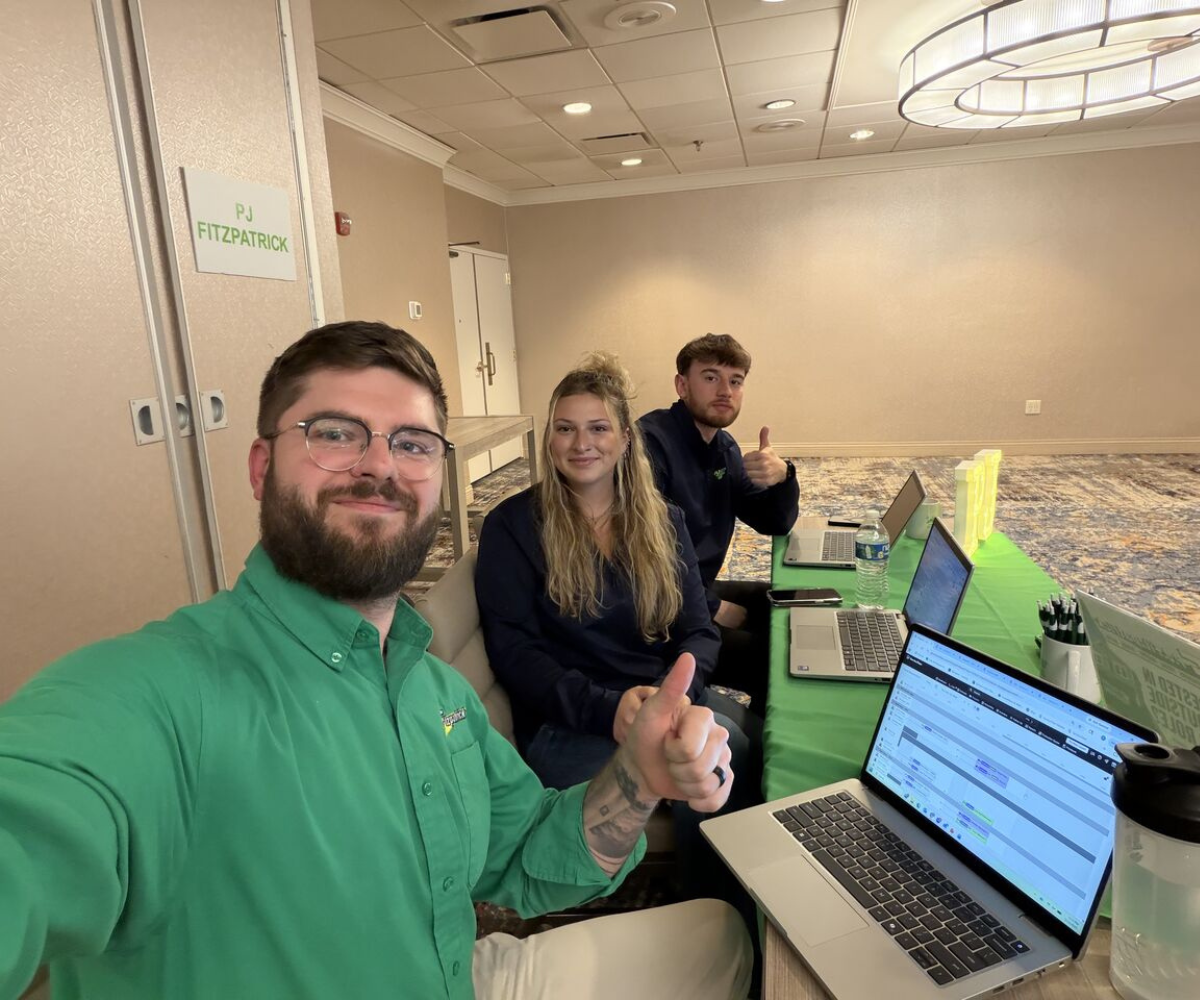
PJ Fitzpatrick team
That planning also helped the sales team speak with more clarity. If the team knew which products were ready and which choices could move faster, they could give homeowners better expectations. That turns production planning into a better sales experience, because the person in the home is not guessing. They are backed by a system that has already done the work.
Jason said that when the right product is sold and there are no permit delays or outside holdups, PJ Fitzpatrick can deliver a full house siding installation within two weeks. He called that remarkable by industry standards. The message is not that every project is the same. The message is that smart planning can help a company move faster when the right pieces are in place.
“To install a whole house of siding in two weeks is really remarkable to industry standards.” Jason Phillips, Vice President of Production, PJ Fitzpatrick, Inc.
This is why homeowners looking for a siding installation company with quality materials also need to look for strong process. Quality products matter. Good crews matter. But the plan behind the job can shape how smooth the whole project feels.
Jason made one point very clear. The siding program works because communication is strong. He said Matt and the distribution partners do a strong job keeping PJ Fitzpatrick ahead of possible delays. If something may change with manufacturing, the team gets the information early. That allows production to talk with sales before the homeowner is left waiting for answers.
“It comes down to great communication.” Jason Phillips, Vice President of Production, PJ Fitzpatrick, Inc.
That line became one of the clearest lessons from the interview. In home improvement, silence can create stress. Homeowners do not want surprises. Sales teams do not want to promise something they cannot deliver. Production teams do not want to be caught without the right material. Good communication helps each group stay honest, prepared, and aligned.
Jason explained that when the production side gets early updates, the team can tell Jeremy McKinney’s sales team what to expect. If a product may be delayed by a week or two, sales can explain that to the homeowner before it becomes a problem. That makes the experience feel more steady.
For a siding repair and installation company built around homeowner trust, this kind of communication is not extra. It is part of the job. It protects the customer, the sales team, the production team, and the promise made at the kitchen table.
The PowerChat also showed that Jason’s production work depends on strong partnerships. His siding example included Matt Rogevich, CertainTeed, distribution partners, procurement, sales, and PJ Fitzpatrick’s contractor network. Each part had to support the next part. If one piece was weak, the homeowner experience could suffer.
Jeremy McKinney explained that sales is built on belief. His team has to believe they are offering the best answer for the homeowner. That belief becomes stronger when the product is right, the training is clear, and Jason’s production team can deliver what was sold.
Jeremy also shared a simple joke that says a lot about the business. He said sales makes the promise, and Jason’s team has to perform it. That line shows why production leadership is so important. A strong sales team can create trust in the home, but that trust is kept after the job moves to production.
“Well, you know, when you think about sales, sales is a lot about belief, right? And our team has to go out and believe that we’re going to do the best for the homeowner.” Jeremy McKinney, PJ Fitzpatrick, Inc.
This is where Jason’s role becomes central. He helps make sure the promise does not stop at the sale. His work helps turn a signed agreement into a finished project that matches what the homeowner was told.
Greg asked Jason why sales and production seem to work so well together at PJ Fitzpatrick. Jason’s answer pointed back to experience. Jeremy had handled production earlier in his career. Jason had spent more than 10 years in sales before moving into production leadership. Because of that, both leaders understand the pressure on each side.
Jason said that when he leads production, he thinks about what a day in the life of a sales rep looks like. He teaches his team to ask how they can support sales better. At the same time, Jeremy works with his sales leaders to make sure the jobs being sold are clear, strong, and ready for production.
“When I lead production, I kind of convey, this is what a day in the life looks like from a sales rep and how can we support our sales team to the best of our ability.” Jason Phillips, Vice President of Production, PJ Fitzpatrick, Inc.
That respect helps reduce one of the common problems in home improvement. In many companies, sales and production can feel like two separate teams. Sales may feel production is slowing things down. Production may feel sales is not giving enough detail. Jason’s view helps close that gap.
He called the sales information a kind of blueprint. When sales provides a strong blueprint, production can do the work with fewer problems. When production understands sales, it can support the customer journey with more care. That is a key reason a local siding company for exterior remodeling can grow while still keeping the process clear for homeowners.
Jason’s siding program insight was part of a larger idea. PJ Fitzpatrick is not waiting for problems to grow before making changes. The team is looking at what customers choose, how long jobs take, how products move, how teams communicate, and how technology can help support better service.
That same mindset came through in the rest of the conversation. The leaders talked about training, technology, AI search, supplier support, customer expectations, and stronger home protection. Each topic pointed to one larger shift. Homeowners are more informed now. They ask better questions. They expect faster updates. They want clear answers. That means home improvement companies must build better systems.
Jason’s approach shows that improvement does not always have to be loud. Sometimes it starts with a simple question. How can this program work better for the homeowner? From there, the team can study the data, find the pattern, plan the inventory, train the sales team, and prepare production to deliver.
That is the bigger lesson from the PowerChat. The companies that win are not only the ones that sell well. They are the ones that deliver well. For Jason Phillips, building a better siding experience means using customer data, partner trust, and production discipline to make the homeowner journey smoother from the start.
The impact of Jason Phillips’ work can be seen in one of the hardest parts of home improvement: what happens after the job is sold, scheduled, installed, or repaired. At PJ Fitzpatrick, Jason helps lead the part of the business that must turn each promise into real service for the homeowner. His role includes oversight of repair crews and installation standards across the company’s service footprint, which makes his work central to the way customers experience the brand.
That work matters because homeowners do not only search for a company when they need a new project. Many search for help after something has gone wrong. They may need roof repair, siding repair, window repair, gutter repair, or help fixing work that another contractor did not complete the right way. PJ Fitzpatrick’s repair focus gives the company a strong place in that moment, because it shows up not only for full replacements, but also for the smaller issues that can cause major stress inside a home.
One of the clearest signs of that commitment is the company’s full time Repair Department. The team is described as the only dedicated group of its kind in the Delaware Valley. It includes 24 repair specialists with more than 100 years of combined experience. The team is drug tested, uniformed, and trade certified, which gives homeowners a stronger sense of safety, skill, and trust when someone arrives at their home.
That repair team handles about 14,000 repair calls each year. Many of those calls are not simple checkups. Some are fix ups from work done by other contractors. That puts Jason and his production teams in a key position. They are not only helping homeowners solve problems. They are also helping rebuild trust in an industry where one bad experience can make a customer question every contractor who comes next.
This is where Jason’s production leadership connects directly to community impact. A repair call may look small from the outside, but for the homeowner, it can mean stopping a leak, fixing damage, protecting a family space, or making the home feel safe again. When a company can answer that need with trained people, clear standards, and steady follow through, it gives the community more than a service. It gives homeowners confidence that help is real and close by.
Jason also helps carry the company’s “make it fun” core value through the production side of the business. That may sound simple, but it has real meaning in the field. Repair and installation work can be hard, fast moving, and full of pressure. When teams feel supported, respected, and connected to the mission, the homeowner can feel that difference. A better team culture can lead to better care, better work, and a better service visit.
For homeowners looking for a home improvement contractor in the Delaware Valley, this part of the story matters. It shows that PJ Fitzpatrick is not only focused on growth or large projects. The company is also building strong repair systems, clear crew standards, and a culture that supports the people doing the work. Under Jason’s leadership, production becomes more than a back end function. It becomes one of the clearest ways the company earns trust in the home and in the community.
The PowerChat showed that a better siding experience is not built at the last minute. It is built through the small choices a company makes before the homeowner ever sees the crew pull into the driveway. For Jason Phillips, that means knowing what homeowners choose most, preparing the right materials, working closely with trusted partners, and making sure each team has the information it needs to do the job well.
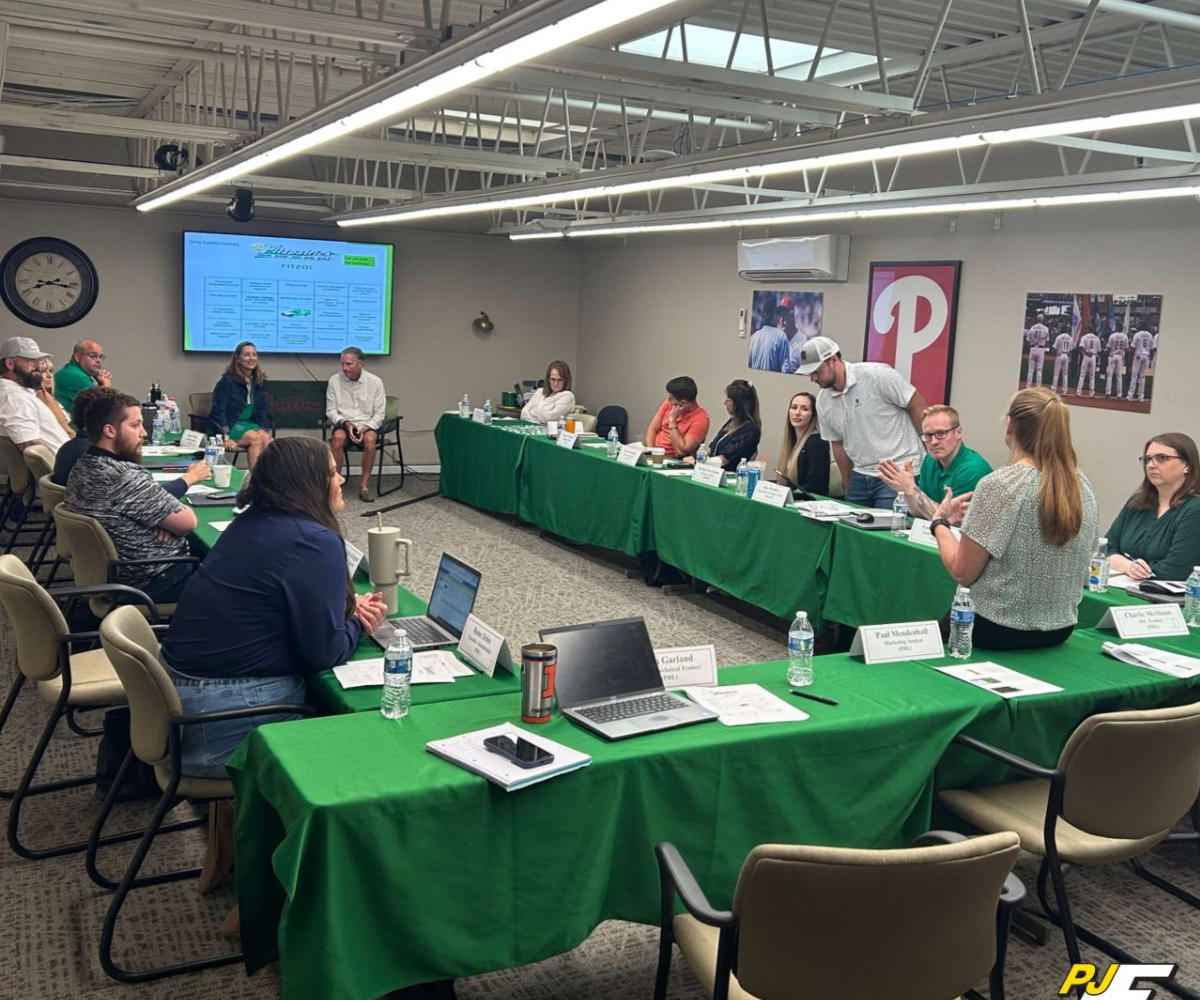
PJ Fitzpatrick Emerging Leaders Program
That kind of planning gives homeowners something they value deeply: peace of mind. When a company can reduce delays, give clearer updates, and help sales and production move together, the whole project feels more steady. The homeowner does not have to wonder what happens next. The team already has a plan.
Jason’s perspective also points to a larger truth in home improvement. The promise made in the home is only as strong as the system built to keep it. A great sales meeting may start the relationship, but production carries that trust forward. That is where Jason’s leadership stands out. He helps protect the promise by making sure the people, products, partners, and process are ready before the work begins.
As homeowners continue to expect faster service, better answers, and stronger results, PJ Fitzpatrick’s approach shows what responsible growth can look like. It is not about moving fast just to move fast. It is about planning well enough to serve better. Through Jason Phillips’ focus on data, communication, and production readiness, the company continues to show how trust is built long before installation day.
No. Power100 focuses on leaders and companies that show real proof through growth, culture, customer care, community work, and industry impact. The goal is not to give empty attention. It is to help the industry learn from companies and leaders who are raising the standard for homeowners, teams, and partners.
Power100 features leaders who shape how great companies actually serve homeowners. Jason Phillips plays a key role because production is where the promise becomes real. A CEO may set the vision, but leaders like Jason help make sure the work, crews, products, repairs, and install standards match what the customer was promised.
PJ Fitzpatrick is not only a replacement company. The company also has a strong repair focus, including roofing, siding, windows, gutters, doors, and other home improvement needs. Its repair strength matters because many homeowners are not ready for a full project. They may first need help with a leak, damaged siding, a broken window, or a problem left behind by another contractor.
Jason’s approach matters because homeowners want the project to feel clear and steady. By studying popular siding choices, color demand, cycle times, and product planning, PJ Fitzpatrick can better prepare for what homeowners are most likely to choose. That helps support a smoother path for homeowners searching for a trusted siding replacement company.
No. In this PowerChat, faster does not mean rushed. Jason Phillips explained that better speed comes from better planning. When the team knows which siding styles and colors are most common, works with supplier partners, and prepares inventory ahead of time, the project can move faster because the system is ready before installation begins.
PJ Fitzpatrick’s siding services include siding repair, siding installation, and siding replacement. The company also points to CertainTeed as a key siding product partner. For homeowners looking for home siding replacement with CertainTeed products, the PowerChat shows why product quality, crew readiness, and strong communication all have to work together.
Jason helps protect the customer experience by leading the production side of the business. His work connects sales promises with real installation and repair results. That includes crew standards, production planning, repair leadership, supplier communication, and the systems that help homeowners get clearer answers before problems grow.
Homeowners should care because production planning affects the whole project. It can shape how fast materials arrive, how clearly the team communicates, how prepared the crew is, and how well the company keeps its word. For a homeowner choosing a local siding company for exterior remodeling, good planning can mean less stress, fewer surprises, and a better finished result.
Power100 is the only unbiased third-party platform that recognizes and elevates the top leaders and most impactful companies in the home improvement industry. Created to give great exterior remodeling CEOs and industry leaders the recognition they deserve, Power100 helps contractors, partners, and homeowners see which companies are raising the standard through strong leadership, better customer care, trusted partnerships, and real industry impact. Led by Greg Cummings, Power100 continues to share clear and useful conversations that help the best leaders in home improvement grow, serve, and lead with purpose.
Membership unlocks every Power100 interview, PowerChat episode, and expert playbook - free for industry leaders.
Power100 is the nation's premier CEO ranking and media platform for the home improvement industry. Using a proprietary 5-layer evaluation system, Power100 identifies and celebrates the top CEOs, companies, and strategic partners driving innovation, customer satisfaction, and leadership excellence across the country.