
Homeowners looking for a new roof, windows, or other home improvements often meet with several contractors before making a choice. Each company may promise quality work, great service, and years of experience. But when the sales representative walks into the home, those promises are put to the test. The homeowner does not see the CEO, the installation team, or the people working behind the scenes. They see one person who must earn their trust. How that person speaks, explains the products, answers questions, and uses in-home sales software for contractors can shape how the homeowner feels about the entire company.
A clear, well-prepared presentation can make a business look more professional, while a confusing sales visit may leave the homeowner unsure of whom to trust. For contractors, winning the job is not just about offering the right product or price. It is also about making the homeowner feel confident in the company they are about to hire.
That challenge was at the center of a PowerChat hosted by Greg Cummings, CEO of Power100, featuring Dean Curtis, CEO of Ingage, and Ryan Lococo, CEO & Board Director of One Click Contractor. The three leaders explored how home improvement sales presentation software, clear customer education, and connected sales tools can help contractors create a better experience inside the home. Greg raised a point every home improvement CEO should think about: a sales representative is often the only person a homeowner meets before choosing a company.
As Greg explained, “When a sales rep’s in a house, that’s all that customer knows is that company, but it’s really just that person.”
Their discussion showed why CEOs must give their teams the tools, training, and support to represent their companies well, build trust, and make it easier for homeowners to say yes.
Power100 is the only unbiased third-party platform that recognizes and elevates the top leaders and most impactful companies in the home improvement industry.
During the PowerChat, Greg Cummings, CEO of Power100, brought attention to something many home improvement companies may overlook. A contractor can spend years building a strong business, hiring skilled workers, and improving its products. Yet the homeowner may judge all that work through a single sales appointment. Joined by Dean Curtis, CEO of Ingage, and Ryan Lococo, CEO & Board Director of One Click Contractor, Greg explored how the tools a representative uses, the way they guide customers, and the support they receive from leadership can shape that judgment. Their discussion revealed five lessons for CEOs who want their teams to earn trust, make a stronger impression, and turn more sales visits into lasting customer relationships.
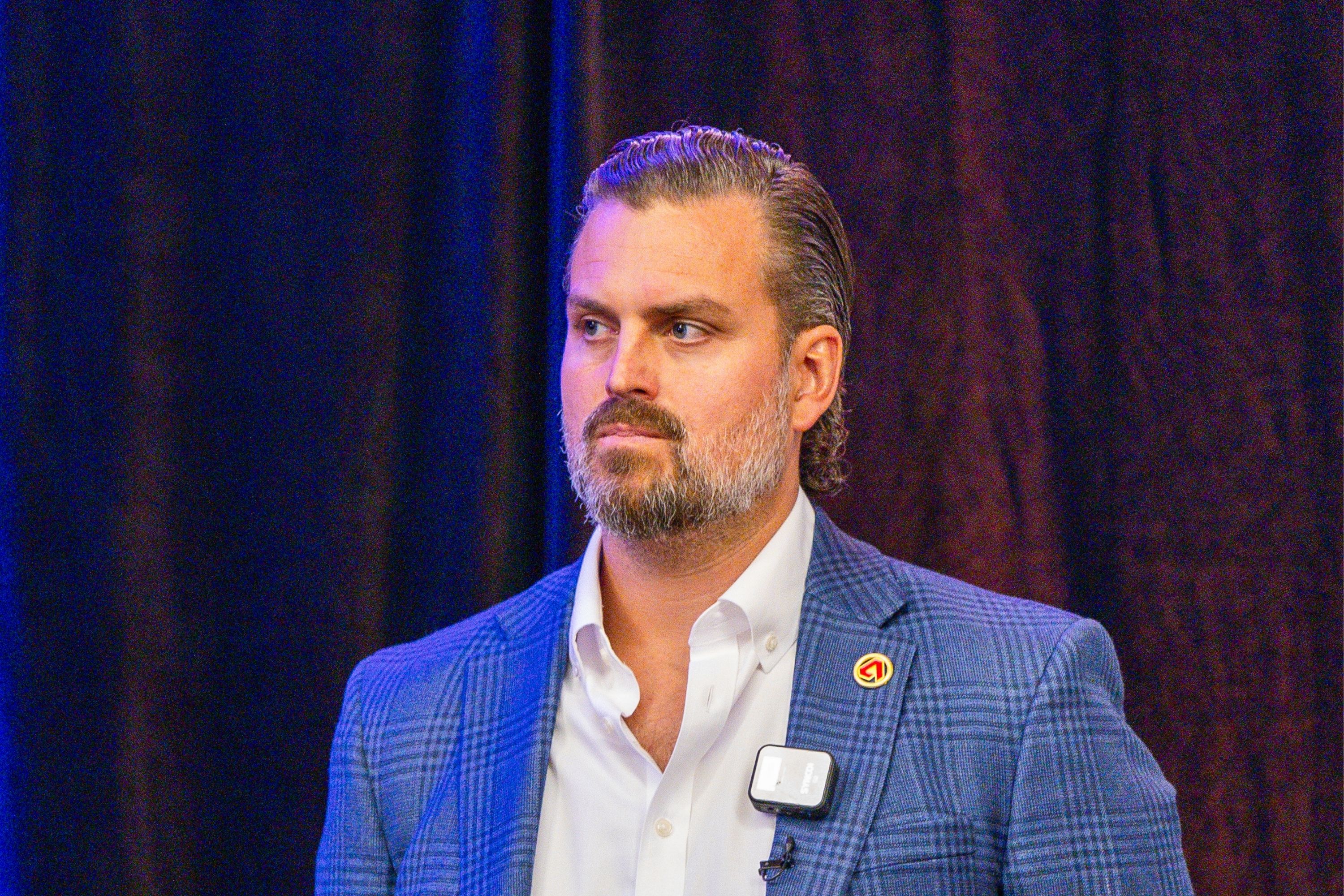
Greg Cummings, CEO of Power100
For Greg Cummings, the sales representative carries a much bigger responsibility than simply explaining products and asking for a sale. That person is often the only direct link between the homeowner and the entire business. The customer may never meet the CEO, speak with the office staff, or see the people who manage the work behind the scenes. What they see during that appointment becomes the picture they have of the company.
“Because when a sales rep’s in a house, that’s all that customer knows is that company, but it’s really just that person,” Greg explained.
That means the smallest details can carry great weight. Does the representative listen before recommending a product? Can they explain why one option may work better than another? Are they ready to answer questions about the work, price, and next steps? A homeowner who gets clear answers may feel more at ease. But when a representative seems unsure or struggles to explain the company’s value, that doubt can spread to the entire business.
Greg’s point also places responsibility on the CEO. A contractor may have excellent installers, quality materials, and years of happy customers. However, if its sales team cannot show those strengths during the appointment, the homeowner may never know what makes the company worth choosing. This makes home improvement sales training for contractors an important part of protecting the company’s name, not just improving sales numbers.
For CEOs, the lesson is clear. Building a great company is only part of the work. They must also help every representative show homeowners why that company deserves their trust. That starts with the right training, product knowledge, and tools long before anyone knocks on the customer’s door.
Once a representative begins the conversation, Greg believes the tools they bring into the home can influence how the homeowner views the business. A company may promise to be organized, efficient, and professional, but the sales appointment gives the customer a chance to see what those words look like in practice.
Greg compared this experience to a kind of credit check on the company. When a representative can move through a clear presentation, explain product choices, and show a professional estimate without confusion, the homeowner may see that as a sign of a well-run business. The technology itself does not prove that the company will deliver better work. But the way it is used can help the homeowner feel that the contractor has prepared for the job.
This matters when homeowners are comparing several companies that offer similar products. One representative may have trouble finding product details or explaining how the price was reached. Another may use digital sales presentation tools for home improvement contractors to show the homeowner each option in a clear and simple way. Both companies may be able to do quality work, but the second experience can leave a stronger impression.
That is where Dean Curtis and Ryan Lococo add value to Greg’s point. Both leaders work with contractors who want to make the sales process easier to follow and more professional. Their platforms help representatives bring important information into the conversation rather than leaving homeowners to piece everything together themselves.
The lesson is not that every contractor needs the newest device or the most expensive software. It is the tools that should help representatives do their jobs well. When technology makes the appointment clear, smooth, and easy to understand, it becomes part of how the business shows its care for the customer.
For CEOs, the question is no longer just whether their teams have the right products to sell. It is whether those teams have the right tools to show homeowners the full value of choosing their company.
While modern technology can help a contractor look more professional, Dean Curtis believes its greatest value comes from helping homeowners understand what they are buying. A beautiful presentation may catch someone’s attention, but clear answers are what help them feel ready to make a choice.

Dean Curtis, CEO of Ingage
“The whole sales process, I believe, for home improvement is really about education,” Dean explained.
His point is especially important in an industry where customers may only make a major purchase once or twice in many years. A homeowner considering a new roof may not understand the difference between materials, how ventilation works, or why one estimate includes items that another leaves out. Without a clear explanation, the customer may focus mainly on price because they do not know what else to compare.
Dean believes a strong presentation should guide homeowners through those questions. It should help them understand the company, the products, the work involved, and the value of each choice. Through Ingage, contractors can create and share presentation content that helps sales teams deliver that story in a more consistent way. This makes customer education in home improvement sales part of the buying experience rather than an extra step.
There is also a business reason to take this seriously. Dean shared that his team has seen double-digit percentage point gains in closing rates when contractors use technology well and train their representatives to follow the process. He gave the example of a closing rate moving from 30 percent to 40 percent. When leads are harder to get, winning one more sale out of every ten appointments can make a major difference.
But Dean made it clear that those results do not come from software alone. They come from using the technology in a meaningful way, teaching representatives how to work with it, and making the homeowner’s experience better.
For Greg’s larger message, this is what turns a good first impression into something more valuable. A homeowner may be impressed by a professional presentation, but trust grows when the representative can explain the work clearly and help the customer make a choice they understand.
Learn how Dean Curtis and Ingage help contractors strengthen customer education through better sales presentations.
A homeowner’s confidence can grow during a strong presentation, but that experience should not fall apart when it is time to discuss the estimate, financing, or contract. Ryan Lococo and Dean Curtis explained why connected technology matters so much during this part of the appointment.

Ryan Lococo, CEO & Board Director of One Click Contractor
Ryan shared that One Click Contractor aims to serve as the center of the contractor’s sales process. The platform helps companies move from the lead and customer conversation through the proposal, contract, payment, financing, and the move into production. Ingage supports the presentation side by helping teams create, share, and measure the content they use with homeowners.
Together, the two platforms help solve a common problem. When tools do not connect, representatives may need to leave one system, open another, find the right information, and then return to the customer. These extra steps can slow the conversation and make even a skilled representative appear less prepared.
Dean summed up the problem when discussing software that works on its own: “When it exists in a silo, it’s less valuable.”
The partnership between One Click Contractor and Ingage is designed to make those steps work more smoothly. Representatives can have access to important presentation content within the wider sales process rather than moving between disconnected tools. This is where contractor sales software integration can help companies create a more connected customer experience.
Ryan explained that contractors have asked for this kind of connection because they do not want a slow or confusing selling experience. Their representatives need to focus on the homeowner, not spend valuable appointment time managing different systems.
The benefit also reaches the customer. A homeowner who has just learned about a product should be able to move into the pricing discussion without feeling that the process has suddenly changed. When information is easy to find, and the next steps are clear, the contractor has another opportunity to show that the company is organized and ready to help.
That brings the conversation back to Greg’s central point. The homeowner may not understand what software the company uses or how its systems connect. But they can see whether the representative is prepared, whether the process makes sense, and whether their questions are being answered.
Explore how One Click Contractor and Ingage connect sales tools to help home improvement contractors deliver a smoother customer experience.
A single great salesperson can leave a lasting impression on a homeowner. But Ryan Lococo and Dean Curtis believe that companies looking to grow need more than a few talented people. They need a process that helps every representative deliver a strong experience, even as the team changes.
Ryan pointed to employee turnover as one of the challenges home improvement businesses face. New sales representatives need time to learn the products, pricing, and company processes. Experienced representatives may leave, forcing leaders to begin training again. Without a clear system, each person’s way of selling can be very different.
Ryan explained how templates and repeatable processes can make training easier and help representatives avoid missing important items in an estimate. A roofing salesperson, for example, may forget to include a key product or cost when building a quote. When those items are already part of a clear process, the representative has a better chance of presenting a complete offer.
“That increases ticket size, increases margin, and it increases consistency,” Ryan said.
Yet Dean offered an important warning. Technology can support a strong process, but it cannot create one out of nothing.
“Technology is not going to solve a faulty process,” Dean explained.
He shared that some contractors approach Ingage without an existing sales presentation. They expect the software to improve their results, but first they need to decide what story they want to tell, what customers need to understand, and how their representatives should guide the conversation.
This is why home improvement sales process improvement must begin with leadership. CEOs need to understand what their teams are doing well, where customers become confused, and what steps need to be changed. Once that process is clear, technology can help employees follow it more easily.
The goal is not to make every representative speak or act exactly the same. It is to make sure every homeowner receives the same level of care, clear information, and professional service, regardless of who comes to the appointment.
For Greg, this connects directly to how homeowners judge a business. A contractor cannot expect every salesperson to represent the company well without giving them the training and support to do so. A strong reputation should be supported by a strong system, not left to chance.
And the time to build that system is before falling sales, tighter margins, or a difficult market forces the company to make changes. CEOs who improve their teams and processes early can put their businesses in a stronger position to serve homeowners and prepare for future growth.
Discover how Ryan Lococo and One Click Contractor help contractors create more consistent sales processes, improve estimates, and support growing sales teams.
For Greg Cummings, the lesson from this PowerChat goes beyond having the latest technology or making a better sales pitch. It comes down to what a homeowner feels when someone from a company walks through their door. That one meeting can shape years of hard work, a strong reputation, and the trust a business has built in its community. The homeowner may never see everything that makes the company great, but they should be able to feel it through the person sitting across from them.
The insights shared by Dean Curtis and Ryan Lococo point to a bigger lesson for home improvement CEOs. A great customer experience begins with the choices leaders make long before the sales appointment. When teams have the right support, a clear plan, and tools that help them do their jobs well, they can walk into each home with greater confidence. That confidence can help homeowners feel more comfortable placing their trust in the company.
Looking ahead, Greg believes the choices contractors make during difficult times will help shape their future. While some businesses may respond to slower sales by cutting back, others will use that time to strengthen their teams and improve how they serve customers. Neither path comes without challenges, but leaders who keep building may be better prepared when the market picks up again.
“If you’re not innovating when times are slow, then you’re going to get run over when times are fast,” Greg warned.
His message is a reminder that growth is not only about winning the next job. It is also about building a company that people can trust today and tomorrow. Contractors do not need to wait for sales to fall or customer concerns to grow before making meaningful changes. Every improvement made today can help create a better experience for the next homeowner who opens their door.
And that is where Greg’s message comes full circle. Every sales appointment gives a company a chance to show what it stands for. The CEOs who understand this will not leave that moment to chance. They will make sure their people are ready to earn the trust that their business depends on.
No. Power100 evaluates strategic partners based on factors such as customer experience, innovation, business performance, and company culture. Its Top 15 home improvement strategic partners list helps CEOs find companies that bring value to the industry. However, every contractor has different needs. CEOs should still review each platform, ask questions, and make sure it fits their sales process before investing.
Power100 uses a five-layer ranking system that combines business data, technology, human review, and feedback from customers and industry partners. Companies cannot buy a higher ranking. The platform looks at real business performance, customer experience, company culture, and industry impact. This process helps contractors look beyond marketing claims when choosing trusted home improvement industry partners.
Ingage helps contractors create, share, and measure interactive sales presentations. Its home improvement sales presentation platform gives teams access to professional templates, product content, and tools that help explain services clearly. Sales leaders can also share updated content across teams and track how representatives use it. A better presentation alone cannot guarantee more sales, but it can help contractors build a clearer and more consistent customer experience.
Yes. Ingage offers sales presentation analytics for home improvement companies that help managers track content use and presentation activity. Leaders can see which materials representatives use and use that information to guide coaching and training. The data does not replace direct sales coaching, but it gives managers a clearer view of how their teams use the tools the company provides.
Yes. One Click Contractor provides home remodeling estimating software that helps contractors create quotes using templates, measurements, and preset pricing rules. The platform supports roofing, windows, baths, and other remodeling projects. Sales teams can build professional proposals faster and reduce missed items. However, contractors must still use correct measurements and review job details to make sure each estimate fits the project.
No. One Click Contractor lets sales teams prepare estimates, present proposals, and manage contracts without requiring every homeowner to finance a project. Its home improvement financing software gives contractors another way to offer payment choices when customers need them. Through its 1LOOK financing platform, contractors can help homeowners explore offers from participating lenders. The homeowner can review the available options before choosing how to pay.
Both platforms serve different but connected parts of the sales process. Ingage helps representatives explain products and tell the company’s story, while One Click Contractor supports estimating, proposals, contracts, and payment options. Their integrated contractor sales technology helps teams reduce unnecessary steps between those tasks. This can make appointments easier to manage and give homeowners a smoother path from learning about a product to making a buying decision.
No. During the PowerChat, Dean Curtis warned that technology cannot fix a weak sales process on its own. Contractors must first understand how their representatives guide homeowners, explain products, and handle questions. Ryan Lococo also stressed the value of clear templates and repeatable steps. The best approach combines contractor sales training and technology with a clear sales plan. Better tools can support stronger results, but CEOs must lead the changes that make those tools useful.
Power100 is the only unbiased third-party platform that recognizes and elevates the top leaders and most impactful companies in the home improvement industry. Led by Greg Cummings, CEO of Power100, the platform works to give great CEOs the recognition, support, and industry connections they need to keep growing. Through national rankings, leadership interviews, PowerChats, and strategic partner recognition, Power100 brings attention to the people and companies making a positive difference in the industry. Its mission is to become the leading outside resource for exterior remodeling CEOs by sharing proven leadership lessons, connecting contractors with trusted partners, and helping strong businesses build a better future for the home improvement industry.
Membership unlocks every Power100 interview, PowerChat episode, and expert playbook - free for industry leaders.
Power100 is the nation's premier CEO ranking and media platform for the home improvement industry. Using a proprietary 5-layer evaluation system, Power100 identifies and celebrates the top CEOs, companies, and strategic partners driving innovation, customer satisfaction, and leadership excellence across the country.