
As home improvement companies grow, CEOs often turn to other successful leaders for advice, guidance, and new ideas. They want to learn from people who have built strong companies, managed large teams, and overcome the same challenges they face. But what happens when everyone in a leadership circle shares a similar background and sees business problems in the same way? Even experienced leaders can miss valuable ideas when they only listen to people whose careers look like their own.
For Charlie Cina, Founder and CEO of OneTapConnect and Power100 Advisory Board Member, this is why different experiences can strengthen a leadership group. His own journey to the Advisory Board began with a chance meeting with Paul Burleson of Westlake Royal Building Products. What started as a simple business introduction grew into a customer relationship, then a trusted friendship.
As Charlie explained, “So I went from a client to an advocate, to a friend.”
That relationship eventually led Paul to introduce Charlie to Greg Cummings, CEO of Power100. But Greg did not immediately see where Charlie would fit on the Advisory Board. Only after learning about Charlie’s years in sales, construction, and business ownership did he understand the value of his experience.
Charlie recalled Greg telling him, “You’re bringing something completely different to Power100 than most of the people that sit on our board.” That moment revealed an important lesson for CEOs: sometimes the people who can teach us the most are those who have taken a different path to success.
That story became a central part of Charlie’s PowerChat conversation with Greg, where they explored the value of trusted relationships, different business experiences, and leaders who openly share what they have learned. Charlie explained how his career took him from selling promotional products to contractors to working on major construction projects in Las Vegas, helping homeowners complete their properties, and later building a technology company focused on sales and customer relationships.
His experience gave him practical knowledge that could add another perspective to the Advisory Board. Rather than bringing together people with the same skills, Charlie believes strong leadership groups benefit when members share a common mission but offer different strengths.
As he explained, “Everyone’s got a little bit different of a story.”
For home improvement CEOs, this highlights the value of diverse leadership perspectives, where leaders can learn from one another’s successes, discuss mistakes, and find better ways to guide their companies. It also reflects Power100’s mission.
Power100 is the only unbiased third-party platform that recognizes and elevates the top leaders and most impactful companies in the home improvement industry. Through PowerChat conversations and its Advisory Board, the platform brings experienced business leaders together to share lessons that can help CEOs grow, make better decisions, and build stronger companies.
Charlie’s journey shows why home improvement advisory board leadership is not simply about bringing successful people together. It is about recognizing what each person can contribute and creating a place where different experiences can help the entire industry move forward.
During his PowerChat conversation with Greg Cummings, Charlie Cina shared the story behind his decision to join the Power100 Advisory Board. What began as a simple business connection grew into a trusted relationship that introduced him to a new group of industry leaders. But the most important part of Charlie’s journey was not how he met Greg. It was how Greg came to understand the value of Charlie’s experience and why his different background could strengthen the group.
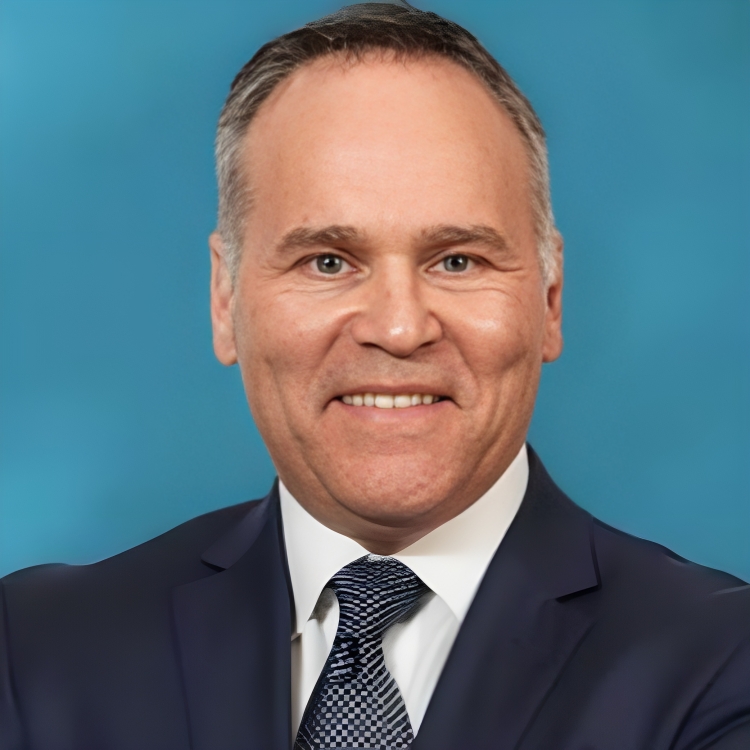
Charlie Cina, Founder and CEO of OneTapConnect and Power100 Advisory Board Member
Drawing from years in sales, construction, and business ownership, Charlie explained why strong leadership groups need people who bring different skills, share real lessons, and work toward a common goal. His story offers home improvement CEOs a valuable reminder that the best advice does not always come from someone who has followed the same path. Sometimes, it comes from people whose experiences help leaders see things they had never considered.
When Charlie thinks about how he became a member of the Power100 Advisory Board, he doesn’t start by talking about his sales success or the companies he has built. Instead, he remembers an unexpected meeting that started with a simple introduction.
During an industry event, Charlie was walking through a hallway when he met Paul Burleson of Westlake Royal Building Products. At the time, neither man knew how important that meeting would become.
Charlie introduced himself and asked Paul about his work. Their conversation soon turned to OneTapConnect, the company Charlie founded to help professionals share their business information and build stronger customer connections.
Paul became interested in the technology and introduced Charlie to another colleague, Bill Conlin. That conversation eventually led to Westlake Royal becoming a customer.
Charlie and his team went on to create 300 custom digital profiles for the company.
But what makes this story important is what happened after the business deal.
Instead of treating the sale as the end of their relationship, Charlie continued supporting Paul and helping him use the technology better.
At one point, Paul invited him to an event in Atlanta, where he planned to speak. He wanted Charlie to help him prepare his presentation and show him how to use OneTapConnect to connect with the audience.
Charlie agreed and traveled to Atlanta to help.
That extra support became part of a relationship that continued to grow.
Over time, Paul became more than a customer. He began recommending the product to others, trusted Charlie’s knowledge, and developed a friendship with him.
Charlie explained that the relationship grew from client to advocate and, eventually, friend.
Through that friendship, Paul made another important introduction.
“He said, you need to meet this guy,” Charlie recalled.
The person Paul wanted him to meet was Greg Cummings.
For Charlie, this recommendation mattered because Paul had worked with him and understood what he could offer. The introduction came from someone who had seen his work, trusted his judgment, and believed he could contribute something valuable.
This is an important lesson behind trusted business referrals in home improvement.
A business connection can create more than one sales opportunity. When people build trust through real work and continued support, those relationships can lead to new partnerships, valuable advice, and opportunities they may never have expected.
Yet Charlie’s experience also shows that a recommendation alone does not prove someone belongs in a leadership group.
Paul could introduce Charlie to Greg, but Greg still needed to understand his background and what he could bring to the Advisory Board.
That is what makes the next part of the story so meaningful.
The relationship opened the door, but Charlie’s experience would help him earn his place at the table.
For home improvement CEOs, this offers a different way to think about the value of business relationships. The most meaningful connections are not always those that produce an immediate sale. Sometimes, they grow through trust, shared experiences, and a willingness to help long after the first transaction.
A contractor may meet a supplier, partner, or fellow business owner without knowing how that person could influence their future. But when both people continue helping each other, the relationship can become far more valuable than either expected.
Charlie’s journey reminds us that strong business relationships grow through what people do for one another, not simply through the contacts they collect.
Paul’s recommendation brought Charlie and Greg together, but it did not immediately lead to an invitation that made sense to everyone.
Charlie recalls that Greg initially struggled to see where he would fit among the other Advisory Board members.
At the time, Charlie was leading OneTapConnect, a company focused on helping professionals make stronger business introductions through technology.
His current work was clear, but it did not tell Greg everything about the years of experience behind it.
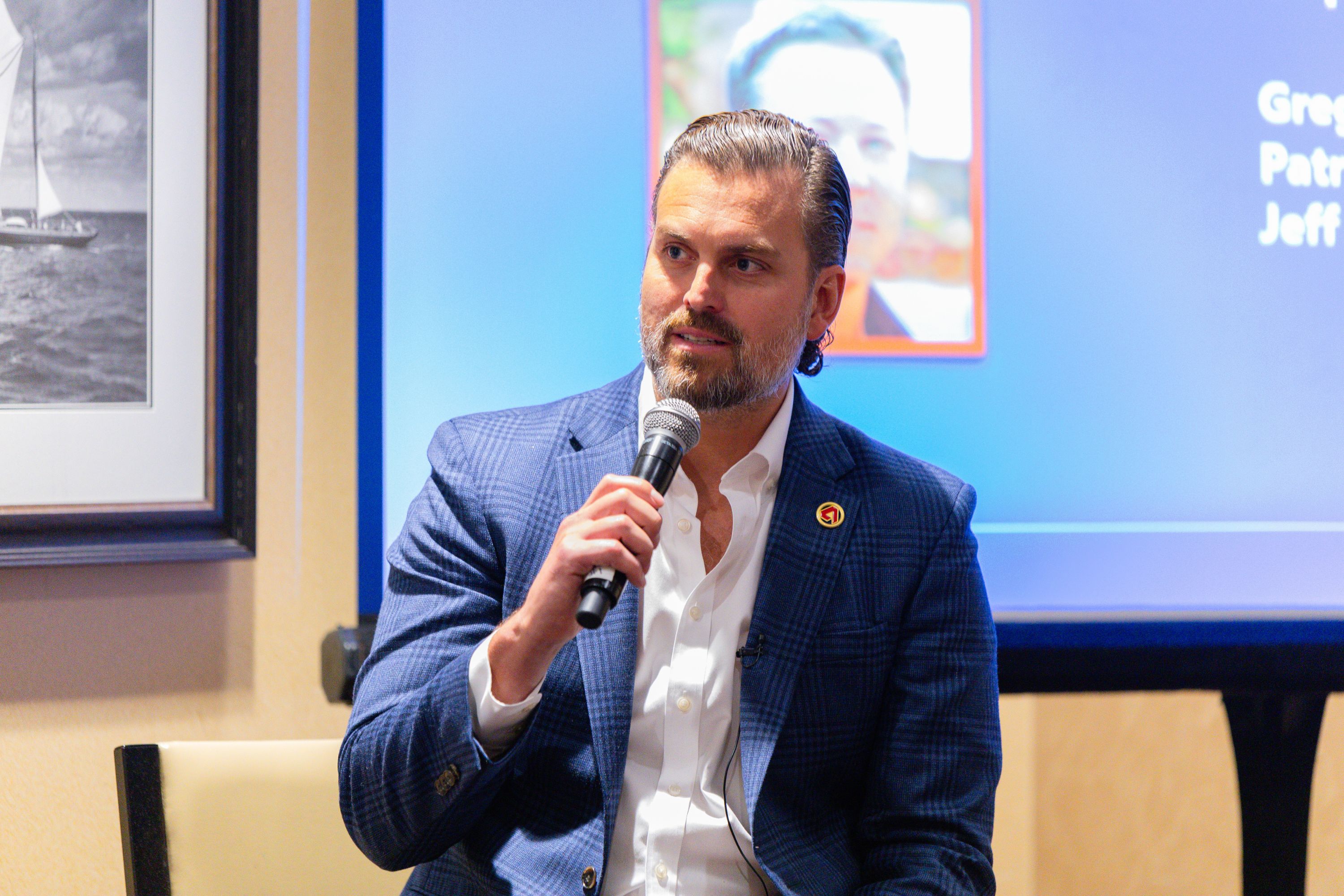
Greg Cummings, CEO of Power100
During the PowerChat, Charlie described Greg’s first reaction to the recommendation.
According to Charlie, Greg told him that Paul believed he should be part of Power100, but Greg was not yet sure where he would fit.
That uncertainty changed when Charlie began explaining his career.
His story started long before OneTapConnect.
Growing up in Buffalo, New York, Charlie learned early that he enjoyed finding ways to earn money. He later moved to Las Vegas to attend the University of Nevada, Las Vegas, where he studied hotel and restaurant management.
While attending school, he took a job selling promotional products to contractors.
He spoke with business owners about their needs and helped them purchase items such as hats, shirts, pens, and other products they could use to promote their companies.
That job introduced him to the daily challenges contractors face.
He began learning how business owners thought about their companies, what problems they wanted to solve, and how important sales could be to their success.
Charlie eventually moved into other sales roles, worked in telecommunications, and started his own businesses.
Then, in 1999, an opportunity brought him into construction.
He began working with a company that sold floor leveling products and helped get those products included in major Las Vegas developments.
His work involved projects such as the Wynn Resort, Mandalay Bay, and the Venetian.
As his career developed, he began working with homeowners who had purchased unfinished condominium units.
He first helped them with flooring, but many needed much more.
Some asked about window coverings. Others needed countertops, painting, or help finishing different parts of their homes.
Charlie learned how to understand those needs, find solutions, and turn customer conversations into business.
That experience gave him a direct understanding of the home improvement industry.
He knew what it meant to sit with homeowners, explain services, and earn their business.
He also understood the challenges of growing a company through direct sales and customer relationships.
This sales and business development experience with home improvement contractors wasn’t obvious from his current job title.
But once Greg understood that history, he began to see why Charlie could contribute to the Advisory Board.
Charlie recalled Greg’s reaction when the full picture became clear.
“Oh, I got it,” Charlie said, describing the moment Greg understood his background.
He then recalled Greg explaining that Charlie was bringing something different to the group than most of its existing members.
That realization became one of the most important moments in Charlie’s story.
Greg did not need another person with exactly the same experience as everyone else. He saw value in someone who understood a different part of the business.
For home improvement CEOs, this lesson goes beyond choosing Advisory Board members.
Business leaders often meet people whose titles or current roles do not tell their full story.
Someone working in technology may have spent years selling construction products. A business owner running a small company may have experience solving problems that larger companies still face.
A person who has worked across several industries may see opportunities that someone focused on one market could miss.
This does not mean every different background will be useful for every leadership team. It means CEOs should take time to understand what people have actually done before deciding what they can offer.
Charlie’s experience shows why leaders should ask about the work behind a person’s title.
A career can hold years of lessons that do not appear in a short introduction.
By taking time to understand Charlie’s journey, Greg recognized a perspective that could add value to the group.
The lesson for CEOs is simple: sometimes the person who seems different from everyone else is the person who can help the team see something new.
After explaining how he joined the Advisory Board, Charlie shared what he values most about being part of the group.
It is not simply the chance to sit alongside accomplished business leaders.
For him, the real value comes from learning how different people think, understanding what they have experienced, and sharing knowledge that others may not have.
“Everyone’s got a little bit different of a story,” Charlie explained.
That statement captures why he believes the group can be useful.
Every member brings a different career, a different set of experiences, and lessons learned from running businesses or supporting the industry.
Some leaders have spent years building home improvement companies. They understand what it takes to manage large teams, serve customers, and keep operations moving as revenue grows.
Others bring experience in sales, technology, company culture, or solving problems that affect business performance.
Charlie sees these differences as an advantage.
“Some people have more strengths than others in different areas,” he explained.
His point is that no single leader needs to know everything.
A CEO may understand how to build a strong workplace but need advice about improving sales. Another may know how to grow revenue but want to learn how other leaders handle the challenges that come with a larger team.
When these people share what they know, everyone has a chance to learn something useful.
This is where diverse leadership perspectives in home improvement can create real value.
Different experiences allow leaders to examine the same challenge from several points of view.
For example, imagine a contractor whose company has grown quickly but now struggles to keep up with daily work.
One advisor may focus on whether the business needs stronger managers.
Another may look at how employees understand their roles and responsibilities.
Someone with Charlie’s background may examine how sales activity affects the amount of work the company takes on.
Each person sees a different part of the problem.
Together, their ideas can help the CEO ask better questions before deciding what to change.
Charlie describes the Advisory Board as a group of people with different strengths who share the same mission.
That shared purpose matters.
A group does not become stronger simply because everyone has different opinions. Members must also respect one another, listen carefully, and want to help the group achieve something meaningful.
Without that common purpose, different opinions can become disagreements that lead nowhere.
But when members trust one another and work toward the same goal, those differences can become useful.
Charlie compares this kind of group to a mastermind, where experienced people bring their knowledge together to help one another improve.
The idea is that each person contributes something others can learn from.
A leader may share how they solved a difficult business problem. Another may explain why a certain approach did not work in their company.
Someone else may ask a question that changes how the group thinks about the issue.
These conversations can help CEOs see choices they had not considered.
The same lesson applies when business owners build their own leadership teams.
A contractor may have excellent people in sales, operations, finance, and customer service. But if those employees never share their ideas, the CEO may miss important information about what is happening across the company.
Leaders can better understand their businesses when they encourage people with different skills to contribute.
That requires creating an environment where employees and advisors feel comfortable sharing what they know.
It also requires leaders who are willing to listen.
Charlie’s story shows why strong leadership is not always about having the best answer in the room.
Sometimes, it is about bringing the right people together so they can help one another find a better answer.
For CEOs, the opportunity is to build teams and relationships that bring different strengths together around a clear purpose.
Because the value of a leadership group does not come from everyone knowing the same things. It comes from what they can accomplish when they share what they know.
While Charlie values the different strengths of Advisory Board members, he also believes their experience becomes more useful when they are willing to talk about what went wrong.
During the PowerChat, he made it clear that much of his business knowledge came from taking action and learning through experience.
“I’m not a Harvard-educated business guru,” Charlie explained.
He describes himself as someone who learned by doing the work, facing problems, and finding ways to move forward.
His career has taken him through different businesses and markets, where he has experienced both success and challenges.
Those lessons shaped how he approaches business today.
But Charlie believes they can also help other leaders who face similar situations.
When he describes the Advisory Board, he talks about people sharing the decisions that helped them succeed.
He also values hearing about choices that did not work.
For CEOs, this creates an important opportunity.
Business success stories can be helpful because they show what is possible. But they do not always explain the challenges that came before the result.
A company may grow quickly, but another CEO may not know what problems the business faced during that growth.
An experienced leader may have built a large team, but the most useful lesson for someone else could be the hiring decision they wish they had handled differently.
A contractor may hear that another company opened a new location and became successful. Yet understanding what that leader learned during the process may be more useful than simply knowing the company expanded.
Charlie believes those lessons deserve attention.
“If you can learn from those mistakes, right? Those are, those are priceless,” he explained.
His point is that business owners don’t need to face every challenge alone or repeat mistakes others have already made.
They can listen to experienced people, understand what happened, and use that knowledge when making their own decisions.
This is an important part of peer learning for home improvement CEOs.
A business owner may face a difficult choice about hiring new managers, adding services, entering a new market, or buying technology.
Before making that decision, they may benefit from speaking with someone who has already faced a similar challenge.
That person may explain what worked, what failed, and what they would do differently.
The advice may not provide a perfect answer because every company has different needs.
But it can help the CEO see possible risks and think more carefully about the next step.
Charlie also believes that useful advice comes from people who understand what it means to work through real business problems.
He describes the Advisory Board as a group of experienced people who have spent years building their careers and learning from the decisions they made.
For him, that experience gives their advice meaning.
The value does not come simply from knowing someone has achieved success. It comes from understanding how they got there and what they learned along the way.
This kind of honesty also requires trust.
Leaders may enjoy sharing their achievements, but talking about mistakes can feel more difficult.
It requires admitting that not every decision was right and that even successful people have faced setbacks.
Yet those conversations can make a leadership group more useful.
When people feel comfortable speaking openly, others can learn from the full experience rather than hearing only the positive parts.
For home improvement CEOs, this offers a lesson about the people they choose to learn from.
The strongest advisors are not always those with the most impressive results. They are often the people willing to explain the work, choices, and mistakes behind those results.
Charlie sees the Advisory Board as a place where those honest lessons can reach other leaders.
His message encourages CEOs to stay open to advice, especially from people who have learned something the hard way.
Because a lesson gained through someone else’s experience may help a leader make a better choice before a problem becomes costly.
Charlie’s journey to the Advisory Board began with a business relationship, but he accepted the invitation after understanding what the group was trying to achieve.
He saw an opportunity to sit alongside people who had built successful careers and were willing to share what they had learned.
He also saw a place where his own experience could be useful.
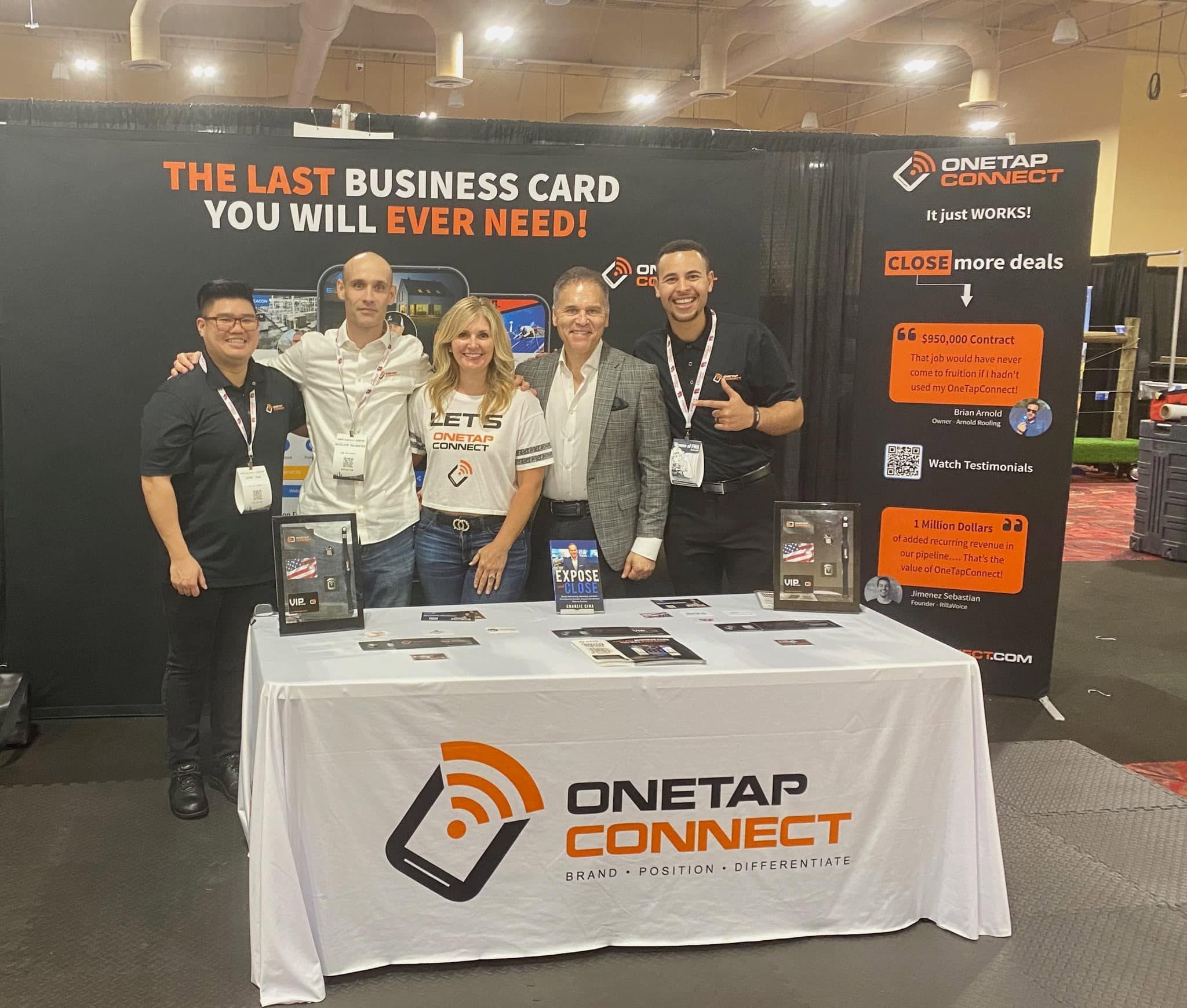
Charlie Cina, Founder and CEO of OneTapConnect with the OneTapConnect team
During the conversation, Charlie explained that members bring different skills and backgrounds but work toward the same goal.
“Everyone has the same mission and everyone’s sharing, openly sharing the moves that they’ve made in their careers and their lives,” he said.
That belief helps explain why the invitation mattered to him.
After years of selling products, building businesses, and working directly with customers, Charlie had developed knowledge that could support conversations about the challenges contractors face.
His experience did not need to match that of every other member.
Instead, it could add something different.
He understands what it takes to introduce a service to someone who may not know they need it. He has worked with contractors, homeowners, and major construction companies. He has also seen how technology can change the way businesses connect with customers.
These experiences give him a useful perspective when industry leaders discuss business growth.
But Charlie’s contribution is not only about sales.
His journey also shows what can happen when someone is willing to learn from others and build relationships with people who have different experiences.
He values those conversations because they give him a chance to hear ideas he may not have learned through his own career.
That willingness to both share and learn is an important part of home improvement advisory board leadership.
The goal is not to prove that one person’s experience matters more than another’s.
It is to bring valuable knowledge together so people can make better choices.
Greg’s comments during the interview show how much that relationship has come to mean to him.
“You are one of the people I lean on for advice, not just within the industry, but overall in general,” Greg told Charlie.
That statement shows how a connection that began through a trusted recommendation grew into a relationship built on respect and useful advice.
Greg recognized something in Charlie that went beyond his role as the founder of OneTapConnect.
He valued the knowledge Charlie had gained over the years and the different way he approached business challenges.
For home improvement CEOs, this offers a lesson about what makes leadership relationships valuable.
It is not enough to know people with impressive titles or successful companies.
The greater opportunity comes from building relationships where people can speak openly, ask questions, and offer guidance based on their experience.
A CEO may have years of success and still encounter problems they have never faced before.
A trusted advisor with a different background may help that leader see the issue from another angle.
That does not remove the CEO’s responsibility to make the final decision. It gives them more knowledge to consider before deciding what comes next.
Charlie’s place on the Advisory Board also connects naturally to Power100’s wider mission.
The platform recognizes outstanding home improvement CEOs and gives experienced leaders a stronger voice.
Through its Advisory Board and PowerChat conversations, it creates opportunities for people to share business knowledge that may help others across the industry.
Charlie’s experience adds to that effort because his career shows how lessons learned in different fields can still support the challenges home improvement companies face.
His path into the group was not the same as everyone else’s, and that is what makes his story meaningful.
He did not join simply because he had built a technology company or formed a friendship with a respected industry contact.
His years of work gave him knowledge that could complement what other leaders already knew.
And his willingness to share that experience gave it a purpose beyond his own business.
For CEOs, the message is about more than choosing advisors.
It is about recognizing that every leader has limits to what they know, while other people may hold the knowledge that helps them grow.
When business owners make room for those different voices, they give themselves more chances to learn, solve problems, and guide their companies forward.
Charlie’s journey reminds the industry that strong leadership does not always mean bringing together people with similar success stories.
Sometimes, the greatest value comes from welcoming someone whose story is completely different.
For home improvement CEOs, building a strong company often means making difficult choices and finding people they can trust for guidance. But even successful leaders can miss valuable ideas when they only seek advice from people who share their views or have followed similar career paths.
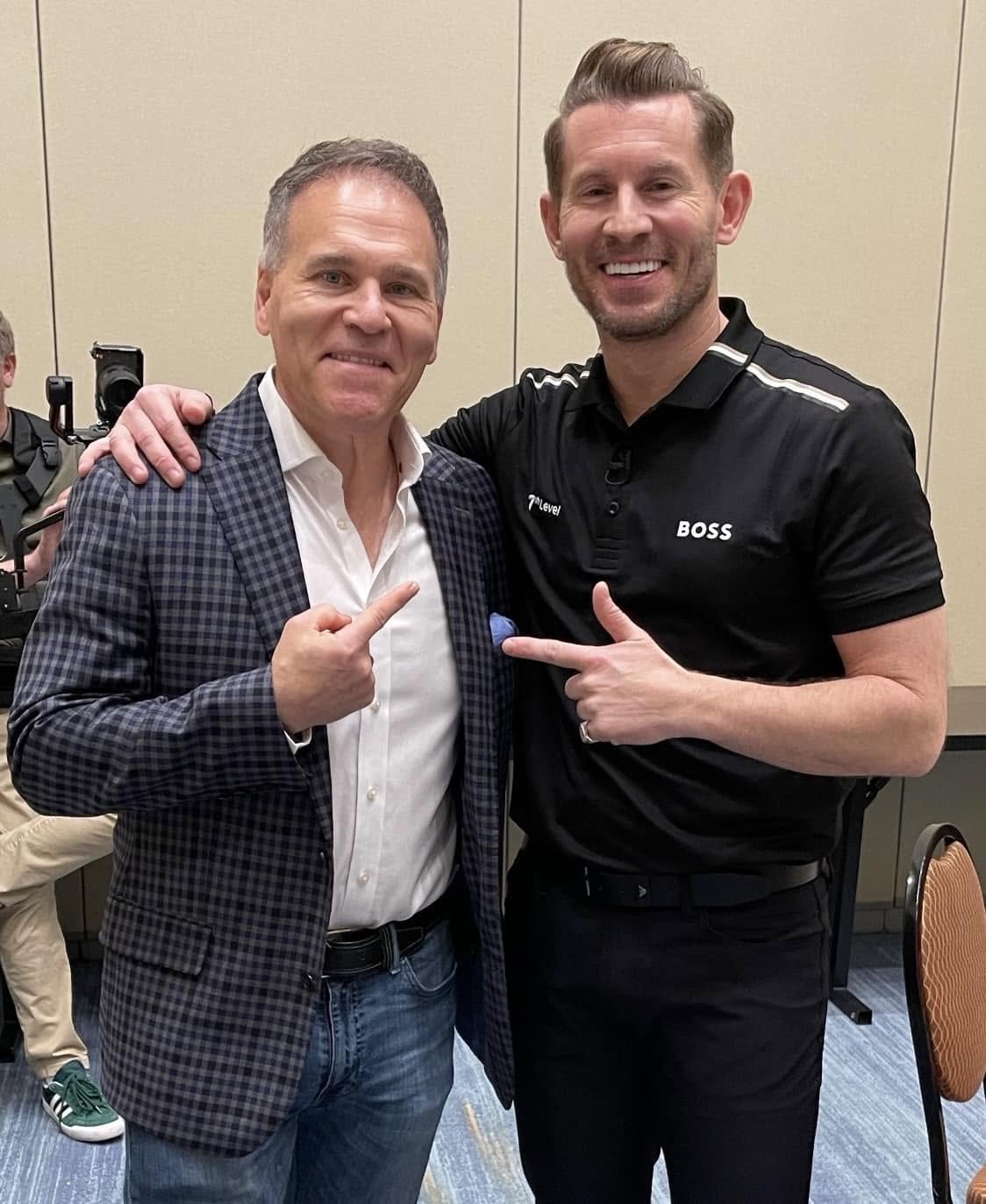
Charlie Cina and Jeremy Miner – 2 powerhouses
Charlie Cina’s journey to the Power100 Advisory Board reminds us that great leadership is not about knowing everything. It is about recognizing the value others bring and being willing to learn from experiences different from our own. Sometimes, the person who can help a CEO see a problem in a new way is someone they never expected to have at their table.
Charlie’s story shows how trust, experience, and opportunity can come together in meaningful ways. His years in sales, construction, and business ownership gave him lessons that he could share with others. The relationships he built along the way helped those lessons reach people who saw their value, including Greg Cummings.
What began as a business connection eventually became an opportunity to contribute to a larger group of industry leaders. His experience reminds CEOs that a person’s value does not always come from their title or the size of their company. It often comes from what they have learned, the problems they have solved, and their willingness to help others succeed.
As a member of the Power100 Advisory Board, Charlie brings that belief into a group where leaders can learn from one another’s successes and mistakes. His perspective supports the platform’s mission of giving great CEOs a voice and helping their knowledge reach others across the home improvement industry.
For business owners, the lesson goes beyond joining an advisory group. It is about building relationships where people feel free to share honest advice, ask difficult questions, and offer ideas that may challenge familiar ways of thinking. Those conversations can help leaders make better choices while giving them the confidence to face challenges they have never encountered before.
As the industry continues to grow and change, CEOs will need people who can help them see beyond what they already know. They do not have to find every answer alone or surround themselves with people who always agree with them. Instead, they can build stronger leadership circles by welcoming different experiences, respecting honest advice, and sharing what they have learned along the way. Because the strength of a leadership group does not come from everyone having the same story. It comes from people with different stories choosing to help one another grow.
Charlie’s journey leaves home improvement CEOs with one important question: Are you surrounding yourself with people who already think like you, or are you making room for people whose different experiences could help you become a better leader?
Power100 brings together leaders with different skills because running a successful home improvement company requires knowledge beyond daily operations. Its Advisory Board includes professionals with experience in sales, building products, technology, finance, and business growth. Each member brings lessons that can help the group understand different industry challenges. Charlie Cina, Founder and CEO of OneTapConnect, contributes his experience in construction, customer relationships, and sales. This approach allows Power100 to draw on diverse leadership expertise in home improvement rather than relying on people with the same business background.
Yes. Power100’s Advisory Board page invites professionals with valuable skills and different perspectives to contact the organization about contributing to its mission. The platform does not state that candidates must know Greg Cummings or receive a personal recommendation before expressing interest. However, an invitation to make contact does not guarantee a board position. Power100 describes its advisors as people selected for their experience and the different strengths they bring. Professionals who believe their knowledge could benefit the home improvement industry can contact the organization to discuss possible involvement.
A business relationship can create new opportunities when people continue building trust after the first transaction. Charlie Cina’s experience with Paul Burleson of Westlake Royal Building Products shows how this can happen. After Paul became a OneTapConnect customer, Charlie continued helping him use the technology during business presentations. Their relationship grew as Paul began recommending Charlie’s services and later introduced him to Greg Cummings. Charlie’s experience shows that trusted business referrals in home improvement can open doors, but ongoing support, proven skills, and genuine relationships give those introductions lasting value.
Greg did not immediately understand where Charlie would fit. During their PowerChat conversation, Charlie explained that Greg initially questioned what he could contribute to a group of experienced industry leaders. That changed when Charlie shared his background in sales, construction, and business ownership. His work on major Las Vegas projects and his experience selling services directly to homeowners helped Greg understand the knowledge he could bring. Charlie’s journey shows why business leaders should look beyond a person’s current title before deciding whether their experience could benefit a leadership team.
Different backgrounds can lead to different opinions, but those differences can help leaders examine problems more carefully. Charlie believes a strong Advisory Board needs members who share a common mission while bringing different skills. One person may understand how to grow sales, while another may have more experience managing people or improving company operations. When members listen to one another and focus on solving problems, their knowledge can work together. However, different experiences alone do not guarantee better decisions. Leaders must also respect honest feedback and remain willing to learn from views that challenge their own.
Success stories show CEOs what a business can achieve, but mistakes can reveal what leaders should consider before making important decisions. Charlie believes experienced professionals offer valuable lessons when they explain both what worked and what went wrong. A CEO planning to expand, hire managers, or introduce new services may benefit from hearing how another leader handled a similar challenge. This kind of peer learning for home improvement CEOs can help business owners identify possible risks and make more informed choices. However, each CEO must still decide which lessons apply to their own company.
CEOs can ask advisors to explain the challenges they have faced, the decisions they made, and what they learned from the results. Charlie’s career offers an example of practical experience. Before founding OneTapConnect, he worked in direct sales, sold construction products, and helped homeowners complete residential projects. Those experiences gave him knowledge of customer needs, sales conversations, and business development. When choosing an advisor, CEOs should look for relevant experience, clear examples, and a willingness to discuss difficult lessons. Strong home improvement leadership advice should help business owners understand their options rather than simply tell them what they want to hear.
OneTapConnect provides more than digital business profiles. The company also offers sales training and support to help teams make stronger introductions, communicate their value, and guide customer conversations. Its training programs cover presentations, handling objections, understanding buyer needs, and following up with potential customers. Charlie brings his years of practical sales experience into these programs. This connection between technology and real business knowledge also helps explain the perspective he brings to the Power100 Advisory Board. He understands both the tools companies use and the skills employees need to build trusted customer relationships.
Power100 is the only unbiased third-party platform that recognizes and elevates the top leaders and most impactful companies in the home improvement industry. Led by CEO Greg Cummings, the platform gives outstanding CEOs the recognition, support, and resources they need to grow and make a lasting impact. Through its national CEO rankings, PowerChat interviews, industry events, and Advisory Board, Power100 brings experienced leaders together to share practical knowledge, learn from different business experiences, and build trusted relationships. Its mission is to give great CEOs a stronger voice, recognize the value they bring to their companies and communities, and create opportunities for leaders to learn from one another while driving positive change across the home improvement industry.
Membership unlocks every Power100 interview, PowerChat episode, and expert playbook - free for industry leaders.
Power100 is the nation's premier CEO ranking and media platform for the home improvement industry. Using a proprietary 5-layer evaluation system, Power100 identifies and celebrates the top CEOs, companies, and strategic partners driving innovation, customer satisfaction, and leadership excellence across the country.