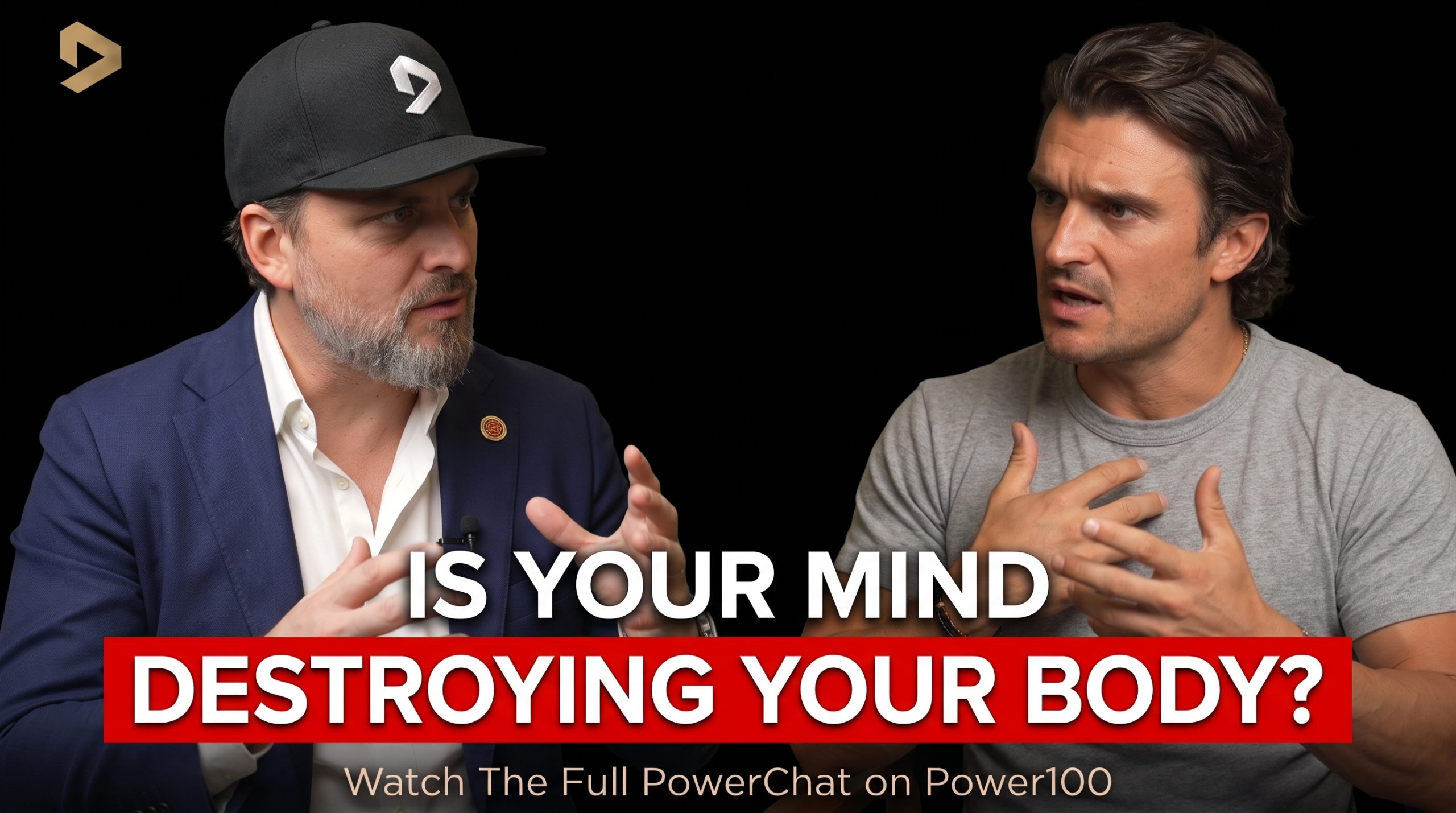
In the home improvement industry, CEOs spend their days making sure their companies remain strong. They track sales, review profits, guide employees, solve customer problems, and plan for the next stage of growth. Every part of the business receives attention because leaders know that ignoring a problem can affect the company’s future. Yet while they closely watch the health of their businesses, some may overlook what is happening in their own lives. Poor sleep, constant stress, low energy, and mood changes can become easy to dismiss when there are employees to support and goals to reach. A company can be growing while the person leading it feels increasingly worn down.
Justin Roethlingshoefer, Founder of OWN IT, believes leaders need to understand that their physical, mental, emotional, and spiritual health influence one another. With ten years of experience in health and performance leadership in the National Hockey League, Justin has spent much of his life studying how people function and perform. But his understanding of health came from more than education and working with professional athletes. His own struggles with serious health problems and burnout gave him a personal view of what happens when someone faces physical and emotional challenges while trying to succeed. Through his work, Justin encourages leaders to look beyond their professional achievements and pay closer attention to how their health may affect the way they think, feel, and approach everyday life.
This belief became the focus of a PowerChat conversation hosted by Greg Cummings, CEO of Power100. After speaking with thousands of business leaders, Greg has come to believe that the strongest CEOs understand how different parts of their lives and companies work together. Business growth matters, but so do personal development, employee well-being, company culture, and the impact leaders create in their communities.
Power100 is the only unbiased third-party platform that recognizes and elevates the top leaders and most impactful companies in the home improvement industry.
During the interview, Greg connected Justin’s approach to health with something he has observed among successful CEOs. Much like a healthy ecosystem, strong leadership depends on different parts working together rather than each part operating alone. This shared belief in holistic health for business leaders led Greg to explore the person behind Justin’s work.
He wanted to understand where Justin first recognized the connection between physical health, emotions, and behavior, and why that discovery became his life’s calling. What followed was a personal story that began with a childhood book, grew into years of studying the human body, and eventually helped shape the mission behind OWN IT.
During PowerChat, Greg Cummings began by sharing why Justin Roethlingshoefer’s approach to health had caught his attention. Greg explained that he has always believed the best results come when different parts of a person’s life or business work together. Whether he was thinking about sports, nutrition, personal growth, or company leadership, he saw value in understanding how one area affects another.
He connected this belief to the home improvement CEOs he has interviewed over the years. Many of the leaders he respects have built companies where growth, community involvement, company culture, and employee development support one another. Their success is not limited to selling windows, doors, roofs, or siding. It also reflects the kind of people they are and how they lead. This connection made Greg curious about Justin’s journey. He wanted to know what first led him to study health so closely and why he felt called to help other people improve their lives.
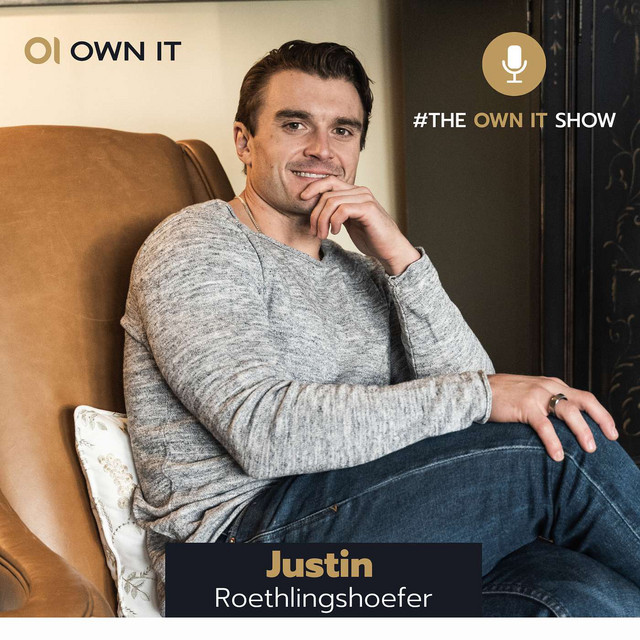
Justin Roethlingshoefer, Founder of OWN IT
Justin’s answer took the conversation back to when he was eight years old. He recalled a moment when his mother was reading him a children’s book about a family preparing to return to school. In the story, the children became sick with colds, and soon the illness spread to their parents. Before anyone got sick, the family seemed cheerful, happy, and full of life. But once the illness spread, their behavior began to change. They became upset, angry, and less patient with one another. What caught Justin’s attention was how quickly the mood inside the home had changed. The family members were the same people, living in the same house, yet something about how they felt physically seemed to change how they treated each other.
That simple story left Justin with a question that would shape much of his life. Could what happens inside the body influence the way people think, feel, and behave? And could a person’s thoughts and emotions also affect how they experience their physical health? At an age when most children were simply enjoying the story, Justin had begun thinking about the connection between the body and mind.
“How you think, how you behave, and what you experience emotionally is directly tied to what’s happening physically and vice versa,” Justin Roethlingshoefer, Founder of OWN IT, explained.
For Justin, that childhood moment became the beginning of something much greater than a passing interest. He felt a personal calling to help improve people’s health and began looking for ways to understand the human body more deeply. By the time he reached his early teenage years, his curiosity had grown into a serious passion for learning.
“I became obsessed with health at 12 years old and started to read medical journals when everybody else was reading comic books,” Justin shared.
His interest soon went beyond reading. At 13, he was using heart rate monitors, brainwave sensors, and other tools to learn how the body works. He also asked questions about his blood work and looked for ways to understand his own health. That early passion eventually led him to complete two undergraduate degrees, pursue advanced studies, and conduct doctoral research in cellular biology. He later spent ten years working in health and performance leadership in the National Hockey League, where he helped professional athletes care for their bodies and improve their performance.
From the outside, Justin’s journey looked like the story of someone who had found his calling and built a successful career around it. He had spent years studying health, working with top athletes, writing books, and sharing what he had learned with people around the world. His experience gave him a strong understanding of the human body and the demands placed on people who perform at a high level.
Yet Justin revealed that his journey was far more personal than his achievements suggested.
Despite everything he knew about health, he had faced serious struggles of his own. He had experienced major physical health problems, emotional challenges, and burnout. These experiences forced him to view health from the perspective of someone facing difficult personal circumstances, not just someone helping others improve their performance.
“I had all this knowledge, I had all this wisdom, I had all of this calling on my life, but I still got it wrong,” Justin admitted.
His words brought a deeper meaning to the conversation. Justin had spent years learning how the body works, yet his own life had shown him how difficult it can be to maintain personal health while pursuing ambitious goals, building a career, and caring for a family. That experience became an important part of how he understood the people he wanted to help.
For home improvement CEOs, Justin’s story raises a concern that can easily go unnoticed during the pursuit of business success. A leader can understand how to grow a company, manage large teams, and solve difficult business problems while still struggling to understand what their own body and mind need. Professional experience does not remove the challenges that come with being human, and knowing the value of good health does not always make it easy to maintain.
The conversation also offered a different way to look at leadership performance. Justin believes that caring for physical health involves more than exercise or nutrition alone. The way people think, the emotions they experience, and the pressures they face may also affect their overall well-being. For CEOs whose responsibilities often reach from the office into their personal lives, understanding those connections can help them pay closer attention to their own needs rather than treating exhaustion or emotional strain as something they must simply endure.
Justin’s childhood discovery, years of education, and personal challenges eventually came together to shape his work with entrepreneurs, athletes, coaches, and business leaders. Through OWN IT, he has continued pursuing the mission that began when he was young: helping people better understand their health and work toward lasting personal improvement.
But perhaps the most important part of his story is what he learned along the way. Having deep knowledge of health did not mean he was free from personal struggles. His experience taught him that understanding the body and actually living through health challenges can offer very different lessons.
And as the PowerChat discussion revealed, that understanding matters for CEOs who want to perform well in business without overlooking the health of the person responsible for leading it.
A company’s success often depends on the decisions its leader makes, but those decisions do not happen apart from the person making them. During PowerChat, Greg Cummings and Justin Roethlingshoefer explored why physical health, thoughts, emotions, and personal well-being deserve attention alongside business growth. Justin shared how his early interest in the human body led him into professional sports, advanced health studies, and eventually the creation of OWN IT. Yet some of his most important lessons came from facing serious health struggles himself.
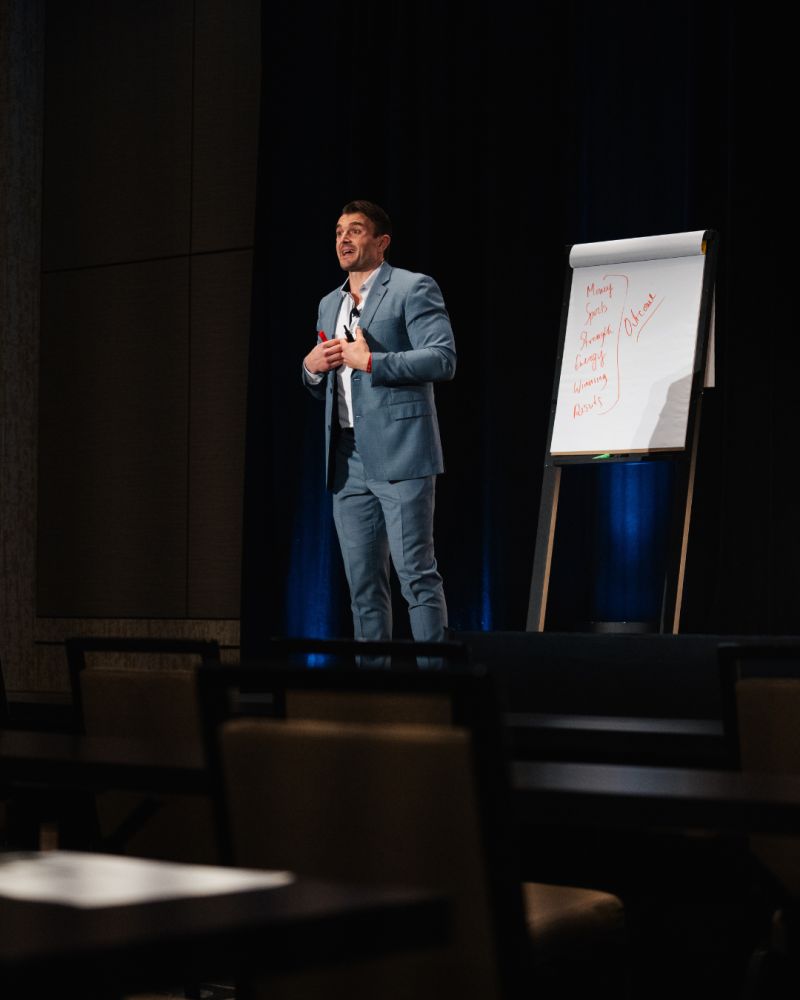
Justin Roethlingshoefer, Founder of OWN IT
His experiences offer home improvement CEOs a different way to think about performance, personal care, and their influence on others. The conversation shows why caring for the person behind the business can matter just as much as building a company that performs well.
Long before Justin Roethlingshoefer began working with professional athletes and successful business leaders, he was a young boy trying to understand why people changed when they became sick. At eight years old, a children’s story opened his eyes to something he had never considered. He noticed that when a family became physically unwell, their mood and behavior changed too.
What stayed with Justin was not simply that the family had become sick. It was the difference in how they treated one another.
The family members had not changed who they were. They still lived in the same home and shared the same relationships. But their physical condition appeared to affect how they felt and acted toward each other.
That observation made Justin curious about a question that would guide much of his life. How much of the way people think, feel, and behave is connected to what happens inside their bodies?
Rather than forgetting the story as he grew older, Justin began looking for answers.
He became deeply interested in learning how the human body works. By age 12, he was reading medical journals, studying health, and looking for information that many children his age had little interest in. At 13, he began using tools that measured different parts of his health, including heart rate monitors and sensors that tracked brain activity.
He also wanted to understand his blood work and what the information could tell him about his body.
This was more than a childhood hobby. Justin believed he had found something he wanted to spend his life studying.
“And from that moment on, it was something that I pursued,” Justin Roethlingshoefer, Founder of OWN IT, explained.
His interest eventually shaped the education and professional work he chose. He completed two undergraduate degrees, earned a master’s degree, pursued doctoral research in cellular biology, and spent ten years working in the National Hockey League as a director of health and performance.
Throughout those years, the question that first caught his attention remained important. He wanted to understand how people’s physical condition could influence other parts of their lives.
This early experience also shaped his sense of purpose. Justin speaks openly about his Christian faith and his belief that he was called to help improve people’s health. As his career developed, he began working with people whose jobs and responsibilities placed great demands on their bodies and minds.
For home improvement CEOs, his journey offers a useful lesson about CEO mental and physical health.
A business owner may think about health mainly in terms of exercise, eating well, or having enough energy to get through the workday. But Justin’s childhood question encourages leaders to consider something broader.
When a person feels physically unwell, they may also notice changes in their mood, patience, or ability to focus. A CEO who is exhausted after several demanding days may find it harder to respond calmly to a problem. Someone dealing with poor sleep may struggle to give an important decision the attention it deserves.
These experiences do not mean every emotional concern comes from physical health. They do show why it can be useful to pay attention to how different parts of life affect one another.
Justin’s childhood story was not scientific proof of a medical connection. It was the moment that inspired him to begin asking questions and learning more.
For leaders who spend their days looking for answers to business problems, his journey reminds us that some of the most useful questions can begin with a simple observation.
And as Justin continued studying the human body, he came to believe that understanding personal health meant looking beyond physical symptoms alone.
During the opening moments of PowerChat, Justin Roethlingshoefer shared an idea that became the foundation of his conversation with Greg Cummings. He believes people need to understand how their physical, mental, emotional, and spiritual health work together.
For Justin, these are not four unrelated areas that people can manage without considering how one may affect another.
He explained that physical health can influence a person’s thoughts and emotions. In the same way, mental and emotional strain can affect how someone feels physically.
“Your physical health, your mental health, your emotional health, and your spiritual health are not separate things,” Justin explained.
His message carries special meaning for CEOs because their days often demand both physical energy and clear thinking.
A home improvement business owner may begin the morning reviewing sales results, spend the afternoon solving employee concerns, and end the evening preparing for an important business decision. Throughout the day, they may face pressure to respond quickly and remain in control.
When they feel tired, worried, or overwhelmed, they may view those feelings as something they simply need to push through.
Justin encourages leaders to look more closely at what they are experiencing.
A CEO who has struggled with poor sleep may notice that their energy and patience are not what they usually are. Another leader facing a difficult personal situation may find it harder to concentrate at work.
Someone experiencing ongoing physical discomfort may also find that it affects their mood and how they respond to people.
These situations can have many causes. Justin’s larger point is that leaders should not assume their physical and emotional experiences are unrelated.
Greg connected this way of thinking to something he has noticed in successful businesses.
During the interview, he explained that he has always believed strong systems depend on several parts working together. Whether he was thinking about sports, health, or business, Greg saw value in understanding how different areas support one another.
He also shared an example from helping his daughter with her science homework.
They had been learning about ecosystems and what makes an environment healthy or unhealthy. Greg saw a connection between that lesson and the way people and businesses function.
In a healthy ecosystem, the different parts play important roles. A problem in one area can affect other parts of the system.
Greg believes business leadership can work the same way.
A home improvement company may have strong sales, but it also needs good employee relationships, responsible leadership, and a culture that supports the people doing the work.
The same idea helped him understand Justin’s approach to personal health.
Just as a CEO would not measure the health of an entire company through one number, Justin encourages leaders not to judge their overall well-being through one part of their lives.
This gives holistic health for business leaders a meaning that reaches beyond diet plans or exercise routines.
It involves paying attention to how a person feels physically, how they manage emotional pressure, what they think about themselves, and what gives their life meaning.
Justin includes spiritual health in this approach because his faith plays an important role in how he understands his life and purpose.
For business owners who do not share his beliefs, the broader discussion still offers a reason to consider how their personal values and sense of meaning fit into their overall well-being.
The value of this approach is not that every health problem has one simple answer. It is that leaders may benefit from looking at the full picture rather than focusing on one concern while ignoring everything else.
A CEO who feels constantly exhausted may need to examine their sleep, workload, and physical health. Someone struggling with ongoing worry may need support that addresses their mental and emotional needs.
Justin’s message encourages leaders to recognize when they need help rather than treating every concern as an unavoidable cost of success.
For Greg, this also connects to the kind of leadership he has seen among respected home improvement CEOs. The strongest leaders often care about several parts of their businesses at once. Justin is encouraging them to bring that same level of care to their own lives.
But even with a deep understanding of how health works, people can still face serious personal challenges.
Justin knows this because his own life did not always reflect the knowledge he had spent years gaining.
Justin Roethlingshoefer spent years learning how to help people improve their health. His education gave him a strong foundation, while his career in the National Hockey League let him work closely with professional athletes.
He understood the demands of high performance. He knew the value of physical training, nutrition, recovery, and caring for the body.
But during his conversation with Greg Cummings, Justin revealed that his own health journey had been far from easy.
Before reaching the level of professional success he later enjoyed, Justin had faced serious personal challenges.
He described struggling with his weight as a child and later experiencing an eating disorder. He also shared that he faced major health problems as a teenager, including serious concerns involving his liver and kidneys.
His struggles were not limited to physical health.
Justin spoke about dealing with depression and anxiety and taking medication for depression over several years. Later in life, he also experienced severe burnout and serious medical concerns involving his stomach and colon.
These experiences formed a difficult part of his story, even as he continued pursuing his education and professional goals.
What made his experience especially meaningful was the difference between what he understood about health and what he was facing personally.
Justin had spent years studying the body and helping other people improve their performance. Yet that knowledge did not prevent him from becoming someone who needed help himself.
For a person whose life’s work focused on health, that realization carried deep personal weight.
“I realized that I had to walk through it, I had to go through it to not just be educated in it,” Justin shared.
His words reveal how much his personal struggles changed the way he understood his work.
Before those experiences, he had gained knowledge through books, research, education, and years of working with athletes.
After facing serious health challenges himself, he also understood what it felt like to struggle while trying to manage the other parts of life.
He knew what it meant to have responsibilities waiting for him while dealing with personal health concerns. He understood how difficult it could be to focus on recovery while also thinking about work, family, and the future.
Justin believes these experiences gave him a deeper understanding of the people he now helps.
His message is particularly important for CEOs because success can create the appearance that someone has everything under control.
A home improvement business owner may lead hundreds of employees, manage millions of dollars in revenue, and make important decisions every day. From the outside, that person may appear strong, confident, and capable of handling almost anything.
But those achievements do not tell the full story of what they may be experiencing personally.
A leader can understand the importance of healthy habits and still struggle to maintain them. Someone can have access to good resources and still face an illness or emotional challenge.
Justin’s story reminds readers that professional success does not make a person immune to health problems.
It also raises an important concern about preventing burnout among home improvement CEOs.
Business owners often feel pressure to continue working through difficult periods because employees and customers depend on them. They may delay rest, ignore signs of exhaustion, or put off seeking help because the business never seems to slow down.
Justin’s experience gives leaders a reason to take those concerns seriously.
However, burnout should not be treated as the proven cause of every medical problem he described. His interview shares his personal experience, not medical proof that one condition caused another.
The wider lesson is that serious health challenges deserve proper care, regardless of how much someone knows about health or how successful their career has become.
For CEOs, this may mean recognizing when an ongoing problem requires attention from a qualified health professional rather than assuming that working harder will make it disappear.
Justin also challenges the belief that people need to hide their personal struggles to remain respected leaders.
By speaking openly about his experiences, he shows that professional knowledge and personal difficulty can exist together.
His journey does not make him an expert on every health condition. But it gives him a personal understanding of how difficult it can be to face health problems while continuing to carry major responsibilities.
That understanding helped shape the way he began approaching the athletes, entrepreneurs, and business leaders he wanted to support.
Instead of looking only at performance goals, Justin became more focused on the person trying to reach them.
And that led to another important part of his message: the best health advice must take the individual into account.
Business owners often look to successful people for ideas about how to improve their lives.
They may follow the morning routines of well-known entrepreneurs, try the latest fitness trend, or adopt a new health habit because someone they respect recommends it.
Some of those ideas may be helpful. But Justin Roethlingshoefer believes leaders should be careful about assuming that one person’s approach will work equally well for everyone.
During PowerChat, Greg Cummings raised concerns about the shortcuts people often search for when they want quick results.
He described a world where people can find endless advice about how to become healthier, more productive, or more successful.
Justin’s response brought the discussion back to a personal question.
Does the advice actually fit the person trying to use it?
He explained that gathering more information does not always lead to wiser choices. People need to understand how what they learn applies to their own lives.
“The core component of this is not knowing more things, it’s being able to apply them more personally for you,” Justin explained.
This idea helps show why health and performance coaching for CEOs should consider the needs of the person rather than rely on the same routine for everyone.
A home improvement CEO who travels between company locations may face very different daily demands from someone who works close to home.
Another business owner may be raising young children while managing a fast-growing company. Someone else may be dealing with a health concern that changes what they can safely do.
All three leaders may want more energy, better health, and greater focus, but their needs may not be the same.
Justin’s message encourages them to understand those differences before deciding how to care for themselves.
He also shared how his own routine reflects his personal values.
His mornings include time for prayer, exercise, and other health practices before he begins his workday. He has created this schedule because it supports the way he wants to live and the responsibilities he believes he has.
But he does not expect every person to copy it.
Even within his own life, Justin recognizes that some days require different choices.
He explained that there are times when his family needs him during the hours he would usually spend exercising. In those moments, choosing to care for his family does not mean he has abandoned his health or personal standards.
It means he understands which responsibility deserves his attention.
“Perfectionism is setting a standard without grace,” Justin said.
His words offer a useful lesson for CEOs who feel pressure to follow every healthy habit perfectly.
A business owner may miss a planned workout because of an urgent family need. Another may need to change their routine during a busy week or adjust their activities while recovering from illness.
The important question is whether their overall approach continues to support their well being.
Justin’s message is not that health goals should disappear whenever life becomes difficult. Rather, routines should support the person instead of becoming another reason to feel constant pressure.
This is also where his experiences in professional sports become relevant.
During his NHL career, Justin helped bring together areas such as strength training, nutrition, sports science, and sports psychology to create plans suited to individual athletes.
That work helped him understand the value of considering different needs rather than treating every person’s performance the same way.
For a business owner, a more personal approach may begin with asking what health concerns deserve attention, what daily demands affect their routine, and what support they may need.
It may involve speaking with a qualified health professional, learning more about a specific concern, or finding sustainable ways to care for themselves.
Through OWN IT, Justin has continued working with people who want to better understand their health and performance. His approach reflects his belief that each person’s needs deserve careful attention.
No single routine or coaching program can promise perfect health. But understanding personal needs can help people make better choices about their care.
For home improvement CEOs, this offers a different way to approach personal improvement.
Instead of trying to live exactly like another successful business leader, they can begin building routines that support their own health, family responsibilities, and professional demands.
And as Greg explored during PowerChat, the value of caring for personal health may reach beyond the CEO.
The way leaders approach their own responsibilities can also influence the working environment they create for everyone around them.
The health of a business is often measured through sales, profits, customer satisfaction, and employee performance. But Greg Cummings believes the strongest companies also pay attention to the people who make those results possible.
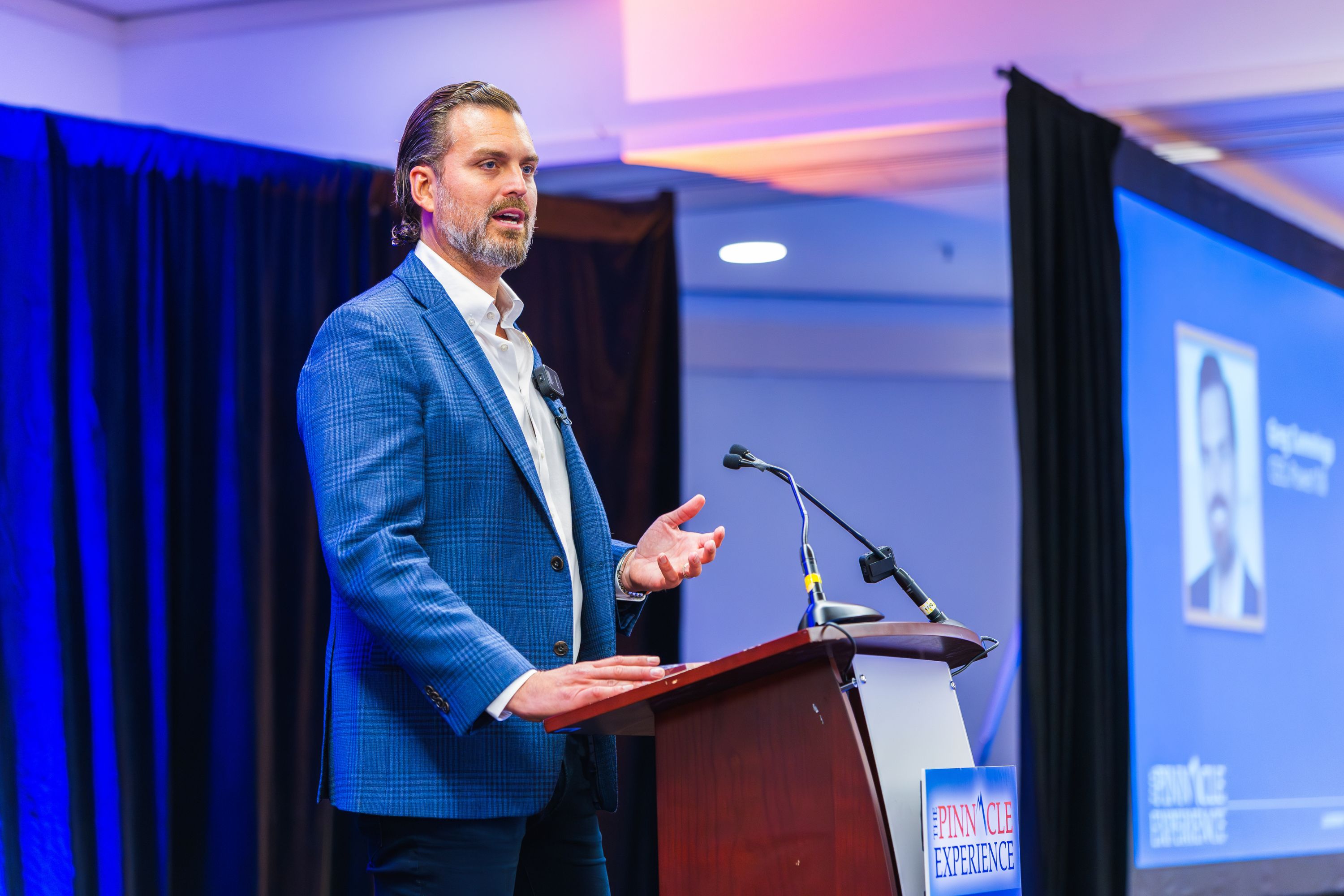
Greg Cummings, CEO of Power100
During PowerChat, he described how many respected home improvement leaders bring together growth, company culture, community involvement, and employee development.
For Greg, these areas work best when they support one another.
A company may reach major financial goals, but its long-term success also depends on the people who serve its customers, guide its teams, and carry out its work every day.
This belief connects closely to Justin Roethlingshoefer’s message about personal health.
Justin explained that leaders can spread both healthy and unhealthy behaviors through the people they influence.
“Leaders are multipliers,” Justin said.
His statement asks business owners to consider what their actions may be encouraging others to do.
A CEO who answers messages at every hour of the night may not intend to create pressure for employees. But team members may begin believing that they must also remain available at all times.
A business owner who constantly skips breaks or works through exhaustion may think they are simply showing dedication. Yet employees who look to that person as an example may begin believing that taking care of themselves means they are not working hard enough.
These examples show how expectations can form through behavior, even when leaders never make those expectations part of an official company policy.
Justin encourages high performers to recognize that their influence carries responsibility.
He believes leaders can spread positive habits, but they can also pass on patterns that create problems for others.
For home improvement CEOs, this highlights the role personal well-being can play in a healthy leadership culture.
A CEO who values employee development may also consider whether workers have enough support during demanding periods.
A leader who wants teams to serve homeowners with patience and care may recognize that employees need reasonable workloads and clear guidance to do their jobs well.
Someone who understands the challenges of managing personal health may be more willing to listen when an employee raises a concern about their own well-being.
These actions do not require a company to remove every source of pressure.
Home improvement businesses still face deadlines, changing customer needs, weather delays, and periods of intense demand.
But leaders can consider how they manage those demands and whether their expectations allow employees to do good work without always putting personal health last.
Greg’s view of business leadership adds another important part to this discussion.
He believes the best CEOs create an impact that reaches beyond their financial results. They help employees grow, support families, and strengthen the communities where their businesses operate.
Justin’s message suggests that caring for personal health can become part of that wider responsibility.
A leader who better understands their own needs may become more aware that employees also face challenges outside work. That awareness can encourage more thoughtful conversations, clearer expectations, and stronger support within the company.
However, a CEO’s personal habits do not determine every employee’s health. Each person’s circumstances are different, and companies also need sound policies and appropriate support.
The point is that leadership behavior matters.
Justin’s experience gave him a deep appreciation for how much people can be carrying while still trying to perform at a high level. His work now focuses on helping others understand their health and make choices that support their lives.
Greg sees a wider effect in that mission.
During their conversation, he described how helping one leader can influence many other people. A person who receives valuable guidance may bring what they learn into their family, business, or community.
That influence can continue as those people help others.
This gives Justin’s message a meaningful connection to the home improvement industry.
A CEO may begin paying greater attention to personal health because they want more energy or a better quality of life. Over time, that same awareness may influence how they lead employees and support the people around them.
A business that values its people can benefit from leaders who understand that health, work, and personal responsibilities all deserve attention.
For CEOs preparing to guide their companies into another year of growth, Greg and Justin’s discussion offers something important to consider.
Strong leadership involves more than helping a business perform well. It also involves recognizing the human needs of the people who make that performance possible.
And those needs include the person sitting at the top of the organization.
Explore Greg Cummings’ leadership insights and learn how Power100 recognizes CEOs who build stronger companies through growth, culture, employee development, and community impact.
What began as a simple childhood question about why people act differently when they become sick eventually shaped Justin Roethlingshoefer’s life’s work. At just eight years old, he began to see that the way people feel physically can influence their emotions and behavior. That early discovery led him through years of studying health, a career helping professional athletes, and the creation of OWN IT. Yet some of his greatest lessons came from the personal health challenges he faced along the way.
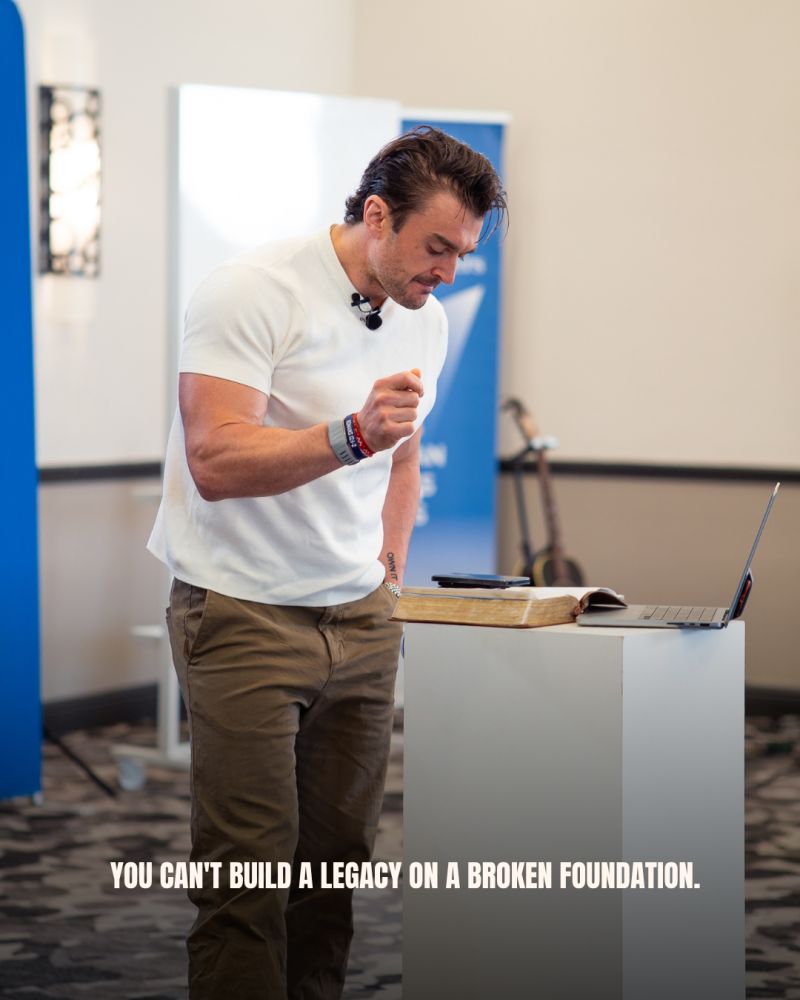
Justin Roethlingshoefer of OWN IT
His journey reminds CEOs that even people who understand health can struggle to care for themselves. Success, experience, and knowledge do not make anyone immune to difficult times. For business owners who spend years putting their companies, employees, and customers first, Justin’s story offers a meaningful reminder that their own health deserves the same care and attention they give to everything they have worked so hard to build.
For CEOs looking ahead to 2027, that message offers a reason to think beyond their next business target.
These questions do not require leaders to give up their ambitions or change their entire lives overnight. They offer a chance to pay attention to needs that may have gone unnoticed for too long. Justin encourages leaders to understand their own bodies and minds rather than assume that everyone needs the same routine. For some, that may mean making more room for rest and healthier habits. For others, it may mean seeking guidance from a qualified health professional or taking an ongoing concern more seriously. The goal is not perfect health or a life without pressure. It is to recognize that caring for themselves is an important part of living well while pursuing the goals that matter to them.
For Greg Cummings, this conversation reflects a larger belief about the kind of leadership that can strengthen the home improvement industry. Great CEOs do more than grow revenue, improve profits, and expand their businesses. They create opportunities for employees, build trust with homeowners, and help their communities thrive. But behind every successful company is a person whose health, personal struggles, and daily choices also matter.
As 2027 approaches, Greg and Justin’s conversation invites leaders to think about what success should look like for themselves, not just their businesses. Financial growth will always have a place in measuring company performance, but it cannot fully measure the well-being of the person responsible for leading that growth.
A CEO who gives their own health the attention it deserves may be better prepared to care for the people who depend on them and continue doing meaningful work for years to come. And that leaves every business owner with one important question: Before you set another goal for your company’s health in 2027, have you taken the time to ask how healthy the person leading it truly is?
Power100 believes strong leadership involves more than growing a profitable company. Through its PowerChat interviews and industry articles, the platform explores the personal experiences, decisions, and values that shape successful CEOs. Its national rankings focus on growth, community, and company culture. Conversations about CEO health and leadership in home improvement help business owners understand how personal well-being may influence their decisions, relationships, and ability to lead others. Power100 does not present these interviews as medical advice. Instead, it shares lessons from experienced leaders and experts that can help CEOs think about personal growth alongside their companies’ success.
Power100 does not list personal medical records or individual wellness habits as factors in its published ranking method. Its five-layer system evaluates leaders through three main areas: Growth, Community, and Culture. The platform reviews business information, checks performance against industry standards, includes expert review, and considers feedback from customers, employees, and partners. Its culture assessment examines how companies develop employees and treat the people behind their success. This home improvement CEO ranking methodology focuses on business leadership and company impact rather than treating a CEO’s private health as a measure of professional worth.
No. Justin Roethlingshoefer shared the childhood story to explain what first made him curious about health. At eight years old, he noticed how a fictional family’s mood changed after everyone became sick. That experience inspired him to study the relationship between physical health, thoughts, and emotions. It did not prove that illness causes the same behavior in everyone. During PowerChat, Justin explained that physical and mental health can influence one another, but many factors affect how people feel and behave. His message about the mind-body connection for business leaders encourages CEOs to pay attention to their overall well-being rather than assume that every emotional or physical concern has one simple cause.
Justin’s personal struggles form an important part of his story, but they do not automatically prove that every approach he recommends will work. During PowerChat, he explained that years of education and professional experience did not protect him from his own health challenges. He faced anxiety, depression, serious medical concerns, and burnout while building his career. Those experiences helped him understand how difficult it can be to manage personal health alongside major responsibilities. Today, he combines that experience with his background in health and performance. His story offers a personal perspective on burnout prevention for home improvement CEOs, while reminding leaders that serious health concerns require proper medical care.
No health test or coaching program can guarantee that it will find every cause of fatigue, stress, or burnout. OWN IT offers testing, health coaching, and medical advisor support to help clients better understand their individual health needs. Depending on the program, its team reviews health markers, lifestyle information, nutrition, sleep, and recovery. This personalized executive health testing approach can help clients identify areas that deserve attention and develop plans based on their results. However, testing has limits. CEOs who experience ongoing fatigue, anxiety, or other medical symptoms should also seek care from qualified healthcare professionals rather than rely on coaching or test results alone.
No. OWN IT describes a process that continues beyond the first health assessment. After clients complete their tests, health coaches and medical advisors review the results and use them to guide a personal health plan. Depending on the program, clients receive coaching on nutrition, exercise, sleep, recovery, and daily habits. Some programs also include ongoing progress reviews, follow-up testing, and plan adjustments as new information becomes available. The company’s approach to health and performance coaching for CEOs aims to help business owners understand their results and take practical action rather than simply receive health data without guidance.
No. Justin’s personal routine reflects his own needs, beliefs, and responsibilities. During PowerChat, he described how he makes time for prayer, exercise, and family before starting his workday. He also explained that he sometimes changes his plans when his family needs him. His broader message is that leaders should understand what works for their lives rather than copy another person’s habits. A CEO does not need to purchase advanced equipment or follow Justin’s exact schedule to begin caring for their health. Personalized health routines for busy CEOs can start with practical steps such as getting enough rest, paying attention to ongoing health concerns, and seeking professional guidance when needed.
No. A CEO’s personal health does not automatically determine the health, happiness, or performance of every employee. However, leadership behavior can influence what a company expects from its people. During PowerChat, Justin explained that leaders can spread both healthy and harmful habits through their actions. A business owner who respects personal well-being may become more aware of employee workloads, working hours, and the need for support. Greg Cummings also believes that strong companies bring together growth, culture, and employee development. Building a healthy leadership culture in home improvement companies requires clear policies, fair expectations, good management, and ongoing care for employees. A CEO’s personal example can support those efforts, but it cannot replace them.
Power100 is the only unbiased third-party platform that recognizes and elevates the top leaders and most impactful companies in the home improvement industry. Led by CEO Greg Cummings, Power100 gives outstanding CEOs the recognition, support, and resources they need to build stronger businesses and make a lasting impact. Through its national CEO rankings, PowerChat interviews, and leadership insights, the platform shares real experiences and valuable lessons from leaders who are shaping the future of home improvement. Its mission is to help CEOs grow successful companies while building strong cultures, developing their employees, serving homeowners with care, and creating meaningful change in their communities. By highlighting the people and values behind great businesses, Power100 works to raise the standard of leadership across the industry.
Membership unlocks every Power100 interview, PowerChat episode, and expert playbook - free for industry leaders.
Power100 is the nation's premier CEO ranking and media platform for the home improvement industry. Using a proprietary 5-layer evaluation system, Power100 identifies and celebrates the top CEOs, companies, and strategic partners driving innovation, customer satisfaction, and leadership excellence across the country.