For many home improvement contractors, getting a homeowner to sign a contract is a moment worth celebrating. But once the salesperson leaves, that excitement can quickly turn into doubt. A homeowner who felt confident about buying new windows, upgrading a bathroom, or starting another home project may begin to question whether they made the right choice. They might worry about how much they spent, wonder if they should have waited, or ask themselves whether the salesperson was simply trying to close the deal. Even a comment from a friend or neighbor can make those concerns grow. For contractors, this creates a challenge that goes beyond delivering a great sales presentation. Homeowners may need someone to remind them why they felt good about their purchase in the first place.
That is where Destination Motivation, led by Caleb Nelson, Founder and CEO, brings a different approach to customer care. The company helps home improvement contractors build stronger customer relationships through vacation rewards and personal post-sale support. As part of its system, the team contacts homeowners within 24 hours of their purchase to congratulate them, reinforce their decision to work with the contractor, and answer questions about their vacation reward. This approach places homeowner confidence after signing a remodeling contract at the center of the customer experience. Rather than letting the sales conversation end when the agreement is signed, the company gives homeowners another chance to feel supported and reassured about their decision.
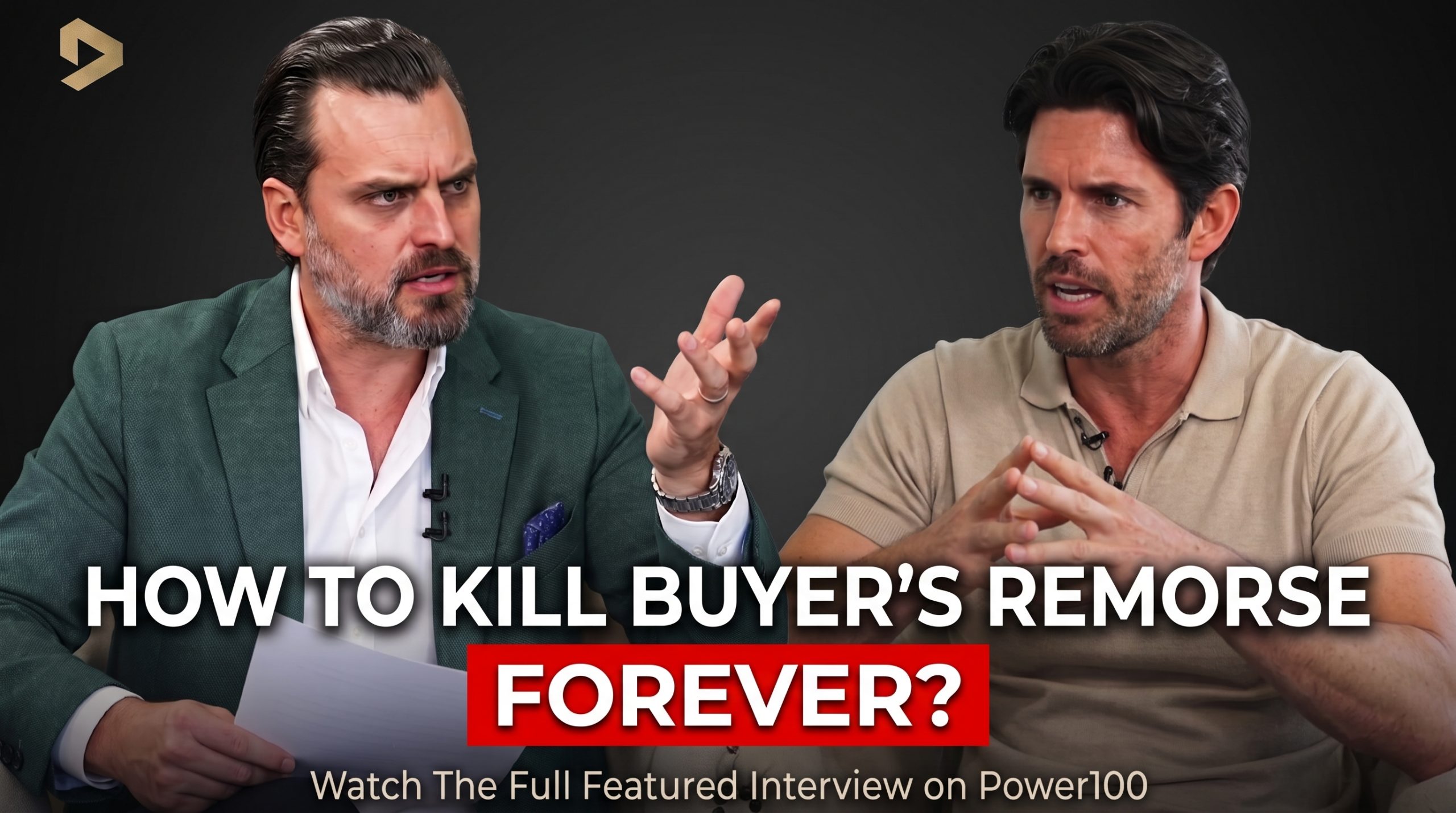
That idea became an important part of Caleb’s Featured Interview with Greg Cummings, CEO of Power100. Greg wanted to understand why contractors would trust another company to speak directly with homeowners they had worked so hard to win, and what made those conversations valuable. Caleb explained that reassurance can carry a different kind of weight when it comes from someone other than the salesperson who closed the deal. During the interview, he described how his team congratulates homeowners on choosing their contractor and reminds them that they made a good decision.
“And that pat on the back, that third-party verification, a lot better,” Caleb explained.
His point was simple. When homeowners begin questioning their purchase, another sales pitch may not give them the confidence they need. A friendly conversation with a company supporting the contractor can help them feel more comfortable, understand the added value they received, and ask any remaining questions.
While Destination Motivation works as the contractor’s service partner rather than an independent consumer review company, its role offers another voice that can help strengthen the customer relationship. This focus on building customer trust after home improvement sales reflects the broader leadership lessons explored through Power100’s coverage, which looks beyond business results to understand how great leaders serve customers and build stronger companies.
Power100 is the only unbiased third-party platform that recognizes and elevates the top leaders and most impactful companies in the home improvement industry. In this conversation, Greg and Caleb highlight a lesson every contractor can learn: earning a homeowner’s trust during a sales visit is important, but helping them feel confident about that decision afterward can be just as valuable.
A homeowner’s decision to buy is only one part of the sales experience. What happens next can shape how that person feels about the contractor, the purchase, and the trust they have placed in the company. During his Featured Interview with Greg Cummings, CEO of Power100, Caleb Nelson, Founder and CEO of Destination Motivation, explained why his company makes a personal call to homeowners after the sale.

Caleb Nelson, Founder and CEO of Destination Motivation
His approach focuses on something many contractors may not think about enough: people sometimes need reassurance after making a big decision. Through a simple conversation, Caleb’s team helps homeowners feel supported, understand their vacation rewards, and hear a positive message about the company they chose. The discussion showed how the right words, delivered at the right time, can turn a completed sales appointment into the start of a stronger customer relationship.
Buying a home improvement project is not a small decision for most families. It often means spending thousands of dollars on something they hope will make their homes better, safer, or more comfortable. Even when homeowners understand the benefits of the project, agreeing to spend that money can come with a mix of excitement and worry.
During the interview, Caleb explained that emotions play an important role in how people make buying decisions. A homeowner may feel excited about new windows, a better bathroom, or another improvement during the sales visit. The salesperson has shown them what is possible, answered their questions, and helped them picture the results.
But a homeowner’s feelings can change once the appointment ends.
When the house becomes quiet again, the customer may start thinking more about the cost. They might wonder whether they should have waited, chosen another company, or spent the money on something else.
Caleb pointed to this change in thinking when discussing how people “make purchases based on emotion” and then look for reasons to support those decisions afterward.
That is where the challenge begins for contractors.
The salesperson may have done everything right. They may have explained the product, offered a fair price, and treated the homeowner with respect. Yet the customer can still feel uncertain about the purchase.
Sometimes, those doubts come from other people.
Caleb described how a neighbor might question how much the homeowner spent. A comment about the price could make the customer feel uncomfortable, even if they were happy with their decision just hours earlier.
The problem is not always that the homeowner received poor advice. Sometimes, they simply need time and clear information to feel comfortable with the choice they made.
This is why understanding buyer’s remorse in home improvement sales matters for contractors.
Homeowners need to feel that their concerns are normal and that someone will listen when they have questions. A salesperson who responds by repeating the same sales pitch may miss what the customer actually needs.
A better approach starts with recognizing that trust doesn’t stop being important when someone signs a contract.
For CEOs and sales leaders, this creates an opportunity to think about homeowner confidence after signing a remodeling contract as part of the complete customer experience.
Rather than viewing a homeowner’s uncertainty as something to ignore, contractors can keep communication open and help customers understand their decisions.
That does not mean every concern should be dismissed with a positive message. If a homeowner has a real question about cost, the project, or the agreement, the business still needs to address it.
Caleb’s approach begins with recognizing that customers may need another conversation after the sale. But instead of relying only on the salesperson who closed the deal, he believes another voice can help make that conversation more effective.
Once Caleb explained why homeowners sometimes question their purchases, he shared the process his team uses to help contractors respond.
Instead of leaving every conversation to the original salesperson, Destination Motivation contacts the homeowner on the contractor’s behalf.

Destination Motivation team had the amazing opportunity to come together in Santa Monica for two days focused on strategy
Caleb explained, “One of the things that we do is we’ll call the homeowner 24 hours after the sale.”
The timing gives the team a chance to speak with customers while the purchase is still fresh in their minds.
But the most important part of the call is not simply when it happens. It is how the conversation begins.
Caleb shared an example of what a representative might say when speaking with a homeowner who purchased windows.
“First off, great job choosing ABC Windows. They’re fantastic. You guys made a great decision.” Caleb Nelson, Founder and CEO of Destination Motivation
In this example, ABC Windows represents a contractor whose customer receives the call. The point is not the name of the company, but the message the homeowner hears.
The representative recognizes the purchase, speaks positively about the contractor, and gives the customer a reason to feel good about moving forward.
That may sound simple, but Caleb believes the source of the message matters.
When the same salesperson who closed the deal calls to say the homeowner made a great choice, the customer may see the reassurance as part of the original sales effort.
But when someone from another company delivers that message, it can feel like a fresh voice supporting the decision.
Caleb described the value of “that pat on the back, that third party verification” during his conversation with Greg.
His point was that positive reassurance may carry more weight than a negative comment from a neighbor questioning the project’s cost.
For the homeowner, hearing a supportive message can help bring attention back to the reasons they chose the contractor.
It is important to understand that Destination Motivation works with the contractor as a service partner. Its representatives do not act as an independent consumer rating agency. They contact homeowners on behalf of the company that provided the vacation reward.
Even so, that separate point of contact is an important part of Caleb’s outside customer reassurance for home improvement contractors.
Greg recognized the value of this approach during the interview. He explained that the call could help homeowners feel more confident about buying from the company they selected.
His interest also revealed why this process matters to contractors.
Home improvement businesses spend significant time and money earning customers’ trust. When they invite another company to communicate with those homeowners, they need to know that the conversation will reflect well on their business.
Caleb’s team aims to support that trust by providing a positive and helpful experience.
The approach shows how third-party reassurance in home improvement sales can serve a different purpose from the original sales appointment.
The salesperson helps the customer understand the project and make a purchase. The service partner follows up with a conversation designed to reinforce confidence, explain the reward, and offer support.
For homeowners, it creates another opportunity to feel heard and valued.
For contractors, it shows that customer care can extend beyond the people who sell and install the project.
After explaining how another voice can reassure homeowners, Caleb went deeper into how his team handles the call.
His goal is not to make the homeowner feel like another salesperson is trying to convince them to buy something.
The purchase has already taken place.
What matters now is helping the customer feel comfortable, answering their questions, and creating a positive connection.
Caleb believes this kind of service has become less common than it should be.
During the interview, he described how difficult it can be to reach some companies when customers need help. People may spend a long time waiting for answers or struggle to find someone who will take responsibility for their concerns.
He sees an opportunity for businesses that choose to do the opposite.
Instead of making customers work hard to get help, a company can reach out first.
That simple act can make people feel that someone cares about their experience.
Caleb explained that his team aims to make the conversation friendly and relaxed. After congratulating the homeowner, the representative moves toward the vacation reward and gives the customer a chance to ask questions.
He described the purpose of the call simply: “We just want to talk to you about your vacation, give you a courtesy call, answer any questions you might have.”
The wording matters because it shows how the company wants the homeowner to feel.
The representative is not asking the customer to defend the purchase. Instead, they are offering help with a benefit the homeowner has already received.
This is where personalized customer care after a home improvement sale can make a difference.
A customer who feels comfortable during a conversation may be more willing to ask about something they do not understand.
They may want to know how the vacation reward works, what steps they need to take next, or what options they have when planning their trip.
Others may simply appreciate someone explaining the reward in a clear, friendly way.
Caleb described these calls as conversations that build relationships and trust.
That is an important difference from a message that only tells homeowners they made the right choice.
Real reassurance should make room for customers to think, speak, and ask questions. It should not pressure them to ignore concerns about their purchase.
If a homeowner has a question about the remodeling contract itself, the contractor remains responsible for giving a clear answer.
But a helpful conversation about the reward can create another positive experience connected to the purchase.
For contractors, this offers a lesson in customer trust-building after home improvement sales.
Customers may forget details of a sales presentation, but they can remember how a company made them feel.
A phone call that shows care, respect, and patience can help strengthen the relationship without asking the customer to make another buying decision.
Caleb’s approach also reminds CEOs that good customer service does not always require a complicated system.
Sometimes, it begins with reaching out before the customer has to ask for help.
The value comes from the way the conversation unfolds and whether the homeowner finishes the call feeling better informed and more comfortable.
The next part of Caleb’s approach explains why the call feels different from an ordinary customer service check.
The homeowner has received a vacation reward as part of the home improvement purchase.
That gives the representative a positive reason to begin the conversation and something useful to discuss.
Instead of focusing only on the money the homeowner spent, the call also highlights an experience they can look forward to enjoying.
For a family that has just agreed to invest in new windows, a bathroom, or another project, that can change the tone of the conversation.
The homeowner may have been thinking about the cost of the work. Now, they also have a chance to learn about the vacation benefit connected to their purchase.
Caleb explained that some homeowners have already received their voucher by the time the call takes place, while others have been awarded the reward and still need to complete the next steps.
His team uses the conversation to introduce the vacation and explain how customers can move forward.
That is an important part of the vacation voucher customer experience.
Receiving a reward is one thing. Understanding how to use it is another.
A homeowner may feel excited about the chance to travel but still have questions about available destinations, the booking process, or the offer terms.
If nobody explains those details, the reward may create confusion rather than excitement.
Caleb wants the call to give customers a more personal way to understand what they have received.
The representative can talk about the vacation options, explain the next steps, and help the customer know where to turn for more information.
This gives the reassurance process a useful purpose.
The conversation doesn’t need to rely only on telling homeowners they selected a good contractor. It can also help them understand the value included with their purchase.
That matters because an added reward should offer something meaningful to the customer.
A homeowner who clearly understands the travel benefit can make better decisions about when and how to use it.
At the same time, contractors can feel more confident when their partners take the time to explain what customers receive.
Caleb’s earlier experience with difficult vacation certificates helped shape this belief. He had seen what could happen when a promotional reward attracted customers but left them struggling to enjoy the promised experience.
That is why he placed so much importance on the support surrounding the product.
For home improvement companies, this offers a broader lesson about follow-up for vacation rewards for home improvement customers.
A reward should not become a forgotten promise once the sales appointment ends.
It needs clear communication and helpful support so customers can understand the offer and decide how to use it.
The conversation also creates a more positive connection with the contractor.
Instead of remembering only the cost of the purchase, the homeowner may begin looking forward to an added experience.
That excitement cannot replace a good product, fair contract terms, or quality installation. But when the reward delivers real value, it can add another positive part to the customer’s journey.
For Caleb, this is how a vacation incentive becomes more than a sales tool.
It gives his team a reason to reach out, offer help, and make the homeowner feel that the relationship continues after the sale.
As Caleb explained the value of these calls, Greg brought the discussion back to a concern that matters to every home improvement CEO.
Why should a contractor trust another company to speak directly with its customers?
That question carries weight because a homeowner is not simply a name on a customer list.
Contractors may spend months building their reputation, attracting leads, and earning the chance to work inside someone’s home.
A salesperson may spend hours answering questions before a customer feels ready to move forward.
Once that trust is earned, the contractor has a strong reason to protect it.
Allowing another company to contact the homeowner creates another point in the customer experience where things can either go well or go wrong.
Greg made it clear that contractors place a great deal of trust in service partners because those partners may influence how customers remember the business.
Caleb’s answer focused on the type of company he has built.
He explained that his team specializes in serving the home improvement and home service industry. This focus helps employees understand contractors’ needs and the concerns homeowners may have after making a large purchase.
The goal is not simply to contact customers as quickly as possible.
The team needs to understand why the call matters and how to speak with homeowners in a way that reflects positively on the company they selected.
This is where customer reassurance services for home improvement contractors become part of a wider business relationship.
The contractor depends on the service partner to provide the reward and treat the homeowner well.
The homeowner depends on both businesses to explain what comes next.
And the service partner has an opportunity to show that it can support the contractor’s relationship with the customer.
Caleb explained that another benefit often comes from these conversations.
After speaking with homeowners about their purchase and vacation reward, his team may receive a testimonial or review about the contractor.
“We then share that with them, which is very powerful,” Caleb explained.
This feedback gives contractors another way to understand how customers feel about their experience.
A homeowner may mention how well the salesperson explained the project, how comfortable they felt during the appointment, or what stood out about the company.
When customers choose to share that feedback, contractors can learn what they are doing well.
Reviews and testimonials can also help future homeowners make more informed choices, provided companies collect and use them honestly.
That creates another reason to see the call as more than a way to reassure someone after a purchase.
It becomes an opportunity to listen.
For contractors, customer feedback and reputation management can play an important role in building trust over time.
A business that listens to homeowners gains a better understanding of its service. Positive comments can highlight strengths, while concerns can show where the company needs to improve.
The value of this process comes from genuine customer feedback, not from pressuring homeowners to leave positive reviews.
Caleb’s wider approach shows how much responsibility comes with speaking on behalf of another business.
The service partner must remember that every homeowner represents a relationship the contractor worked hard to earn.
A helpful call can strengthen that relationship. A careless conversation can put it at risk.
That is why trust between contractors and their partners matters just as much as trust between contractors and homeowners.
The discussion also revealed a larger lesson for CEOs who want to improve customer experience.
Growth does not depend only on bringing in more leads or closing more deals. It also depends on what companies do with the relationships they have already built.
When a business chooses partners who understand its customers and take their concerns seriously, it creates more opportunities to deliver a positive experience.
Caleb’s system brings that idea into focus through a simple act: someone reaches out, congratulates the homeowner, answers questions, and gives the customer a chance to share their thoughts.
For the contractor, the benefit is not just another completed call. It is another opportunity to earn the customer’s confidence.
For the homeowner, it is a reminder that the company they chose hasn’t forgotten them.
And for leaders, it shows why the strength of a customer relationship often depends on the care people receive after the sale.
For many homeowners, signing a contract does not always bring complete peace of mind. Once the excitement of a big purchase settles, questions can begin to take its place. Even after a good sales experience, people may still want to know that they made a wise choice.
During his conversation with Greg Cummings, Caleb Nelson shared an important lesson about this moment. Sometimes, customers do not need another person trying to convince them to buy. They simply need someone willing to listen, offer support, and help them feel comfortable with a decision they have already made.
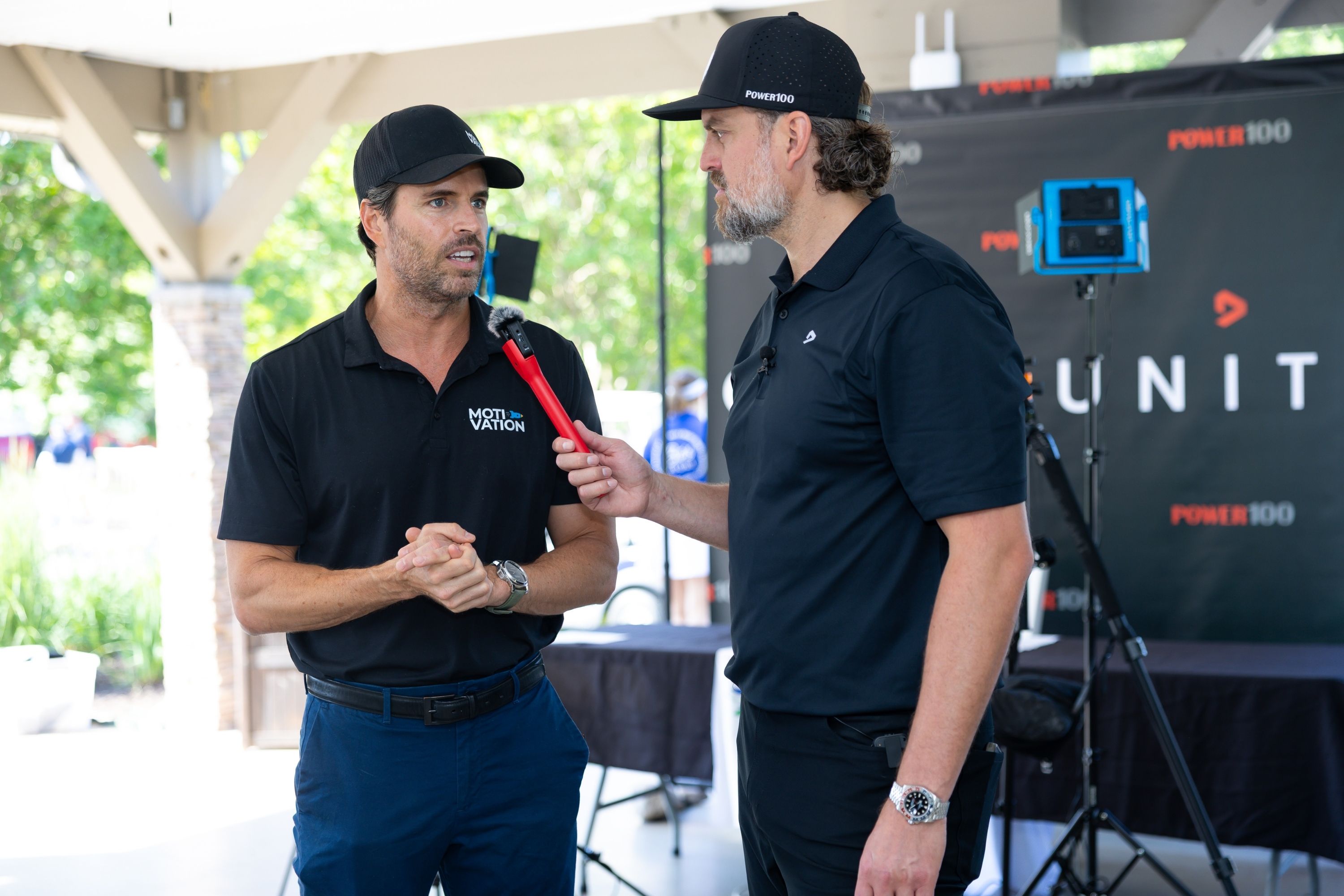
Greg Cummings, CEO of Power100 with Caleb Nelson, Founder and CEO of Destination Motivation
Caleb’s approach also shows why trust matters when contractors allow another company to speak with their customers. Every conversation becomes a chance to strengthen the relationship or put it at risk. For Destination Motivation, that responsibility goes beyond offering kind words. It means helping homeowners understand what they have received, giving them room to ask questions, and making sure they feel valued. His experience reminds business leaders that good customer care is not always about doing something big. Sometimes, the smallest moments of attention can make people feel that their trust was well placed.
For home improvement CEOs, the lesson reaches far beyond vacation rewards or any single customer call. As the industry continues to grow, the companies that earn lasting trust will be those that remain present when homeowners need answers, guidance, or reassurance. A signed contract may mark the start of a new project, but it should never mark the end of meaningful communication. Sometimes, the most valuable thing a homeowner can hear after making a big purchase is a simple reminder that they made a decision they can feel good about.
Power100 ranked Destination Motivation as the #1 Strategic Partner in the nation for 2026 after evaluating more than 3,600 potential partners. Its five-layer ranking system considers sales performance, customer experience, company culture, innovation, and the value a partner brings to contractors. The platform recognized Destination Motivation for doing more than providing vacation vouchers. Its customer support, next-day calls, and focus on helping homeowners receive their promised rewards also contributed to the recognition. These results help explain why Power100 strategic partner rankings for home improvement companies consider the full customer experience, not just the product a company sells.
No. Power100 states that companies cannot buy a place in its national rankings. The platform says it does not use paid placements, applications, or a system where companies pay to receive recognition. Instead, it evaluates business performance, leadership, customer satisfaction, company culture, and other measures through its own ranking process. This approach aims to make independent home improvement industry rankings more useful to CEOs who want reliable information about companies and strategic partners. A company’s ranking should reflect its performance rather than how much money it spends on promotion.
No. Destination Motivation contacts homeowners as a service partner working on behalf of the contractor, not as an independent company that inspects or certifies remodeling work. During his interview, Caleb Nelson explained that his team congratulates homeowners and speaks positively about the contractor they selected. He believes hearing this message from someone other than the original salesperson can offer added reassurance. However, the call does not prove that one contractor is better than another. The purpose of these outside reassurance calls for remodeling customers is to provide support and help homeowners feel more comfortable with their purchase.
A positive conversation can help some homeowners feel more confident, but it cannot solve every concern. Caleb explains that customers may begin questioning a purchase after the salesperson leaves, especially when friends or neighbors raise doubts about the cost. His team responds by congratulating the homeowner, offering encouragement, and answering questions about the vacation reward. This approach supports homeowner confidence after a major home improvement purchase by giving customers another chance to feel heard. However, if a homeowner has concerns about pricing, contract terms, or the project itself, the contractor must address those issues directly.
Caleb explains that his company contacts homeowners within 24 hours after a sale as part of its customer support process. The representative speaks on behalf of the contractor, congratulates the homeowner on their purchase, and recognizes the vacation reward they received. The team also answers questions about the reward and helps customers understand what comes next. Rather than making another sales pitch, the representative aims to create a friendly and helpful conversation. This 24-hour customer follow-up service for home improvement contractors gives homeowners another point of contact while their purchase is still fresh in their minds.
Caleb describes the company’s follow-up process as a way to provide reassurance and support, not to replace a homeowner’s right to make an informed decision. The team aims to help customers understand their vacation reward and feel more confident about their purchase. However, reassurance should never prevent homeowners from raising real concerns or asking questions about their agreement. Any cancellation rights depend on the contract and applicable law, not on a congratulatory phone call. Contractors using customer reassurance programs to reduce remodeling cancellations still need to respect customer choices and provide clear answers when problems arise.
The vacation reward gives the representative a useful reason to contact the homeowner after the sale. Caleb explains that customers may have received their voucher or may still need information about how to claim it. His team uses the conversation to explain the reward, answer questions, and help homeowners understand their options. This can shift attention from worries about the purchase toward an added experience the customer may enjoy. The call also helps the company deliver support beyond the original offer. Through vacation voucher support after a home improvement purchase, Destination Motivation aims to make the reward easier to understand while building a more positive customer experience.
Destination Motivation explains that its customer conversations can create opportunities to collect reviews and testimonials, which it shares with contractor clients. These comments can help businesses understand what homeowners appreciate about their purchasing experience. However, a group of positive reviews does not prove that every customer feels satisfied. Contractors should also pay attention to complaints, cancellation trends, and other feedback that reveals where their service needs improvement. For home improvement customer feedback and reputation management, the greatest value comes from listening to genuine customer experiences and using that information to build stronger relationships.
Power100 is the only unbiased third-party platform that recognizes and elevates the top leaders and most impactful companies in the home improvement industry. Led by Greg Cummings, CEO, the platform uses a five-layer ranking system to recognize outstanding CEOs and strategic partners based on leadership, business growth, company culture, customer experience, and industry impact. Through national rankings, Featured Interviews, and Power100, it brings forward the real stories, decisions, and lessons that help industry leaders build better businesses. The platform also connects home improvement CEOs with valuable insights and trusted industry resources that can help them strengthen their companies, improve customer relationships, and achieve lasting success. Its mission is to become the nation’s leading outside resource for the best exterior remodeling CEOs while giving great leaders the recognition and support they deserve.
Membership unlocks every Power100 interview, PowerChat episode, and expert playbook - free for industry leaders.
Power100 is the nation's premier CEO ranking and media platform for the home improvement industry. Using a proprietary 5-layer evaluation system, Power100 identifies and celebrates the top CEOs, companies, and strategic partners driving innovation, customer satisfaction, and leadership excellence across the country.