
Home improvement contractors face a difficult choice when searching for financial services they can trust. Nearly every payment processing company promises competitive rates, better technology, and tools that make collecting money easier. But when several providers make similar promises, how can business owners know which one will truly meet their needs? Some offer lower costs, while others provide strong software connections or personal support. Choosing the wrong partner can create more work, higher expenses, and problems when contractors need help.
Pure Finance Group, a financial services company focused on home improvement businesses, believes the answer begins with understanding what each contractor already has and where a new provider can offer real value. Through its financing and payment processing services, the company aims to help contractors make informed financial decisions rather than push every business to switch providers.
This approach became a key topic during a recent PowerChat interview hosted by Greg Cummings, CEO of Power100, featuring Jamie DeMersman, Chief Payments Officer at Pure Finance Group. Power100 is the only unbiased third-party platform that recognizes and elevates the top leaders and most impactful companies in the home improvement industry. Through PowerChat, Greg brings industry leaders together to share honest insights that help contractors make better business decisions.
During this conversation, he challenged Jamie to name the companies he considers strong competitors in the payment processing industry. Rather than dismiss other providers, Jamie praised their strengths in pricing, technology, and software connections. His response opened a broader discussion about choosing the right payment processor for contractors, why honest competition matters, and how financial providers can build trust by putting contractors’ needs ahead of winning another account.
Every home improvement CEO wants to make smart decisions about the companies handling their money. But with so many payment providers offering similar services, finding the right one can feel difficult.
One company may promise lower fees. Another may offer payment tools that connect directly to a contractor’s CRM. A third may focus on better reporting or faster access to customer support.
Each offer may bring value, but not every service will fit every business.
For contractors, the challenge is knowing whether a new provider can solve a real problem or simply offer another way to do something their current system already handles well.

Jamie DeMersman, Chief Payments Officer at Pure Finance Group
That question became the focus of an important exchange between Greg Cummings and Jamie DeMersman during their PowerChat interview.
Greg asked Jamie to name other companies doing good work in home improvement payment processing. He wanted to know which providers Jamie respected and whether any of them shared Pure Finance Group’s approach to serving contractors.
It was an opportunity for Jamie to explain why his company’s services stood apart from the competition. But instead of focusing only on Pure, he began by recognizing what other companies were doing well.
Jamie spoke positively about the growth of CRM platforms serving home improvement contractors. He explained that many of these companies have built useful tools and that their founders care about helping both homeowners and contractors.
He then turned to payment providers, starting with Chase Payment Tech.
“They do a really, really good job from a pricing perspective,” said Jamie DeMersman, Chief Payments Officer at Pure Finance Group.
That statement brought an interesting point into the conversation.
Jamie was not trying to convince contractors that every other financial provider was failing them. Instead, he acknowledged that some companies already offer strong services that may meet a contractor’s needs.
He also discussed Worldpay and Global Payments, recognizing their experience, reporting tools, and software connections. When the conversation turned to Stripe, Jamie pointed to the platform’s popularity among developers and its important role in connected business systems.
For home improvement CEOs, this openness offers a useful lesson about comparing payment processing companies for contractors.
A provider may offer excellent pricing but have different strengths in customer support. Another may have software that works well with a contractor’s existing business systems. Some companies may already give their customers everything they need.
The right choice depends on what matters most to the business.
Jamie explained that when his team meets a contractor using another provider, the first step is to understand how the current system works.
Does it connect with the company’s CRM? Can the office team track payments through its accounting software? Does the contractor receive the reports it needs? Are payment disputes creating problems, or does everything work as expected?
These questions matter because changing financial providers can affect several parts of a contractor’s daily work.
A company may have spent years building a system that helps employees manage leads, track customer payments, and prepare financial reports. Replacing one part of that system without understanding how everything connects can create new challenges.
This makes CRM and payment processing integrations for home improvement companies an important part of the decision.
Jamie believes financial providers should learn how contractors use their current tools before suggesting something different.
But his perspective also goes beyond technology.
During the interview, Jamie acknowledged that a contractor may already have competitive pricing, useful software connections, and few payment problems. If another provider cannot offer a meaningful improvement, switching may not make sense.
“We don’t want to win them all if we can’t truly add value,” Jamie explained.
That message challenges a common approach in financial services, where companies often measure success by how many new accounts they open.
For Jamie, winning a new customer should not be the only goal. The provider must also be able to explain why its services are a better fit for that contractor.
This is where transparent financial services for home improvement contractors become important.
Honest advice may mean showing a business owner where they could save money or receive better support. It may also mean recognizing that the contractor already has a suitable provider and should continue using it.
Either way, the decision should begin with understanding the business rather than pushing for a sale.
Greg recognized the value of that approach during the conversation. He pointed out that companies willing to speak openly about their competition often show confidence in the value they bring to their customers.
He also connected this thinking to the future of the home improvement industry.
Contractors are investing in better software, AI tools, and connected business systems. As these technologies become more common, choosing financial partners will involve more than comparing payment rates.
Business owners will also need to understand how providers handle customer concerns, connect with existing tools, and support changing business needs.
For Jamie, this means financial companies must continue finding ways to help contractors beyond the basic service of accepting payments.
A strong provider should know what it does well, recognize where other companies offer value, and understand when its services can make a meaningful difference.
For home improvement CEOs, the lesson is clear. The best financial partner is not always the company making the biggest promise or offering the lowest rate. It is the one that understands your business, gives you honest answers, and can show how its services will help you succeed.
And sometimes, that honesty begins with recognizing that the competition is doing something right.
During his PowerChat interview with Greg Cummings, Jamie DeMersman shared a view of competition that challenges how financial companies approach home improvement contractors. Rather than claiming that Pure Finance Group offers the best solution for every business, Jamie openly recognized the strengths of other payment providers. He explained why strong pricing, useful technology, and trusted software connections deserve credit, even when they come from competitors.

Greg Cummings, CEO of Power100
Greg pushed the conversation further by exploring what that honesty says about a company’s commitment to its customers. Together, their discussion revealed an important lesson for home improvement CEOs: a financial partner should not focus only on winning business. It should understand what the contractor needs, recognize when another provider already meets those needs, and offer a clear reason why switching would bring real value.
Competition is a normal part of the home improvement industry. Contractors compete for homeowners, software companies compete for business accounts, and financial providers work to earn the trust of companies that need their services.
But competition does not have to mean speaking poorly about other businesses.
That idea became clear when Greg asked Jamie to name the payment providers he respected most.
Greg compared the question to asking a great athlete which opposing team could give them the toughest challenge. His point was that strong competitors often recognize others’ talent and effort because they understand what it takes to succeed.
Jamie approached the question with that same openness.
He first spoke about the growth of customer relationship management systems, commonly called CRMs, that serve the home improvement industry. These platforms help contractors manage customer details, sales activity, and other parts of their operations.
Jamie acknowledged that several companies in this space have grown quickly and that their founders have built tools with the needs of contractors and homeowners in mind.
“There are some CRMs that are growing exponentially, doing a wonderful job,” Jamie explained.
Rather than seeing that success as a threat, he recognized it as something positive for the industry.
He then turned to payment processing and identified companies he believes offer strong services.
One of the first was Chase Payment Tech, which he praised for its pricing.
“They do a really, really good job from a pricing perspective,” said Jamie DeMersman, Chief Payments Officer at Pure Finance Group.
That statement matters because payment processing costs are an important part of running a contracting business.
When a company handles a large number of customer payments, even small differences in processing rates can affect its expenses.
A provider that offers fair, competitive pricing can add value to those businesses.
Jamie also discussed Worldpay and Global Payments, recognizing their market experience and the reporting tools and software integrations they offer.
He acknowledged that some of these companies have built strong systems that help contractors manage important parts of their operations.
This gives home improvement CEOs a useful way to compare financial service providers for contractors.
Different companies may excel in different areas.
One may offer strong pricing. Another may have tools that work well with a contractor’s existing software. A third may provide services that fit a particular type of business.
Understanding those strengths can help contractors make better decisions.
It also helps explain why honest payment processing advice for contractors should begin with a fair look at the options already available.
For Jamie, recognizing a competitor’s strengths does not reduce the value of his own company. It gives contractors a clearer picture of their choices.
Greg also recognized the confidence behind that approach. He noted that companies willing to speak openly about their competition often show that they believe in the value of their own work.
For business owners, there is an important lesson here.
A provider should be able to explain what makes its services useful without making every other company sound like a poor choice.
That kind of openness gives contractors a better chance to understand the market and choose what works for them.
Recognizing the strengths of other companies led Jamie to a different concern.
Many home improvement businesses now depend on CRM platforms to manage their daily work.
These systems help sales teams track customers, allow office staff to manage information, and give business owners a clearer view of what is happening across the company.
Some platforms also connect directly with payment processing tools.
This allows contractors to collect money and review transactions without moving between several different systems.
For a busy company, that can save valuable time.
Jamie believes the growth of these platforms is an important step forward for the industry.
But he also explained that having a good system does not always mean a contractor will receive the same level of help when something unusual happens.
He described a possible gap between providing strong software and handling the financial problems that can occur behind it.
“So what happens on the back end, it’s sometimes hard to handle,” Jamie explained.
His concern was not that CRM companies offer poor service.
In fact, he praised many of them for their growth and the value they bring to contractors.
The issue is that managing software and handling complex payment problems can involve different skills and responsibilities.
A contractor may use a CRM to collect a deposit from a homeowner. The software records the payment, updates the customer account, and helps the office team keep track of the sale.
But if the bank places a hold on the transaction, the problem may require help from the payment processor or another financial partner.
The CRM may continue working as expected while the contractor still needs answers about the money.
This is why payment processing support for home improvement contractors should remain an important part of choosing financial services.
Contractors need to understand who handles each part of their payment system.
If a transaction fails, who can help?
If a customer disputes a payment, which company manages the issue?
If the contractor needs information about a funding delay, who can explain what is happening?
These questions become more important as contractors add new software and connect more services to their operations.
Jamie explained that some providers may focus on getting customers into their platforms and then leave much of the ongoing work to the system.
That approach may work well for common tasks, but it can create challenges when contractors need personal attention.
For home improvement companies, the goal should be to find technology and support that work together.
Software can help employees finish routine tasks faster. It can make records easier to find and reduce the time teams spend managing payments.
But people still play an important role when a problem needs experience, clear communication, or a careful review of the contractor’s situation.
That is especially true for businesses handling large customer payments and several projects at once.
A contractor should not have to choose between useful technology and dependable service.
The strongest financial setup should make everyday work easier while giving the company a clear place to turn when it needs help.
Jamie’s perspective reminds business owners to look beyond what a payment system can do on a normal day.
They should also understand what happens when the system alone cannot answer their questions.
After discussing the strengths of competing financial companies, Jamie shared one of the most important lessons from the conversation.
Not every contractor needs to change payment providers.
That may seem surprising coming from someone whose company offers payment processing services.
But Jamie explained why he believes financial partners should understand the contractor’s current situation before suggesting a move.
He used Chase Payment Tech as an example.
A contractor may already receive strong pricing from Chase. The company’s payment system may connect well with its CRM, and its team may have very few problems handling transactions.
In that situation, Jamie believes a new provider should first determine whether it can offer something better.
“If we cannot help a contractor legitimately help them, we’re gonna tell them, hey, you’re in a great space for right now,” he explained.
That statement changes the focus of the conversation.
Instead of asking how a financial company can win another account, it asks whether the contractor has a good reason to change.
For home improvement CEOs, choosing the right payment processor should start with that same question.
A change may make sense when the current provider cannot meet an important business need.
Perhaps the company struggles with reporting. Maybe its software no longer supports the way employees work. It could also need a different level of service as its operations grow.
These are reasons worth exploring.
But when the existing system works well, contractors should consider what they might gain and what they could risk by moving to another provider.
Changing payment processors can involve updating systems, reviewing account details, and helping employees learn new steps.
If the benefits are small, that extra work may not be worth it.
Jamie explained that his team does not want to rush contractors into making decisions before understanding their needs.
This approach also creates a stronger foundation for trust.
A contractor who receives honest advice may come away with a better understanding of its current services, even if it decides not to make a change.
That business owner may also gain more confidence in the provider giving the advice.
The value lies in helping the contractor make the right decision, not simply securing a new account.
Greg recognized the importance of that thinking during the interview. He described how strong companies keep improving because they know customers expect more than promises.
For a financial provider, that means being able to explain where its services can help and where another company may already be doing a good job.
It also means respecting the contractor’s time.
Home improvement CEOs have sales teams to lead, projects to manage, and homeowners to serve.
They do not need to spend time changing financial systems unless the move serves a clear purpose.
Jamie’s perspective shows why contractor-focused financial advice should be based on what the business actually needs.
Sometimes the right recommendation will be to explore new options.
Other times, the right recommendation may be to keep using a system that already works.
For contractors, both answers can have value when they come from someone willing to put the business first.
Jamie’s comments about honest advice led to another important part of choosing financial services.
A payment processor does not operate in isolation within a home improvement business.
It often connects to several tools that employees use every day.
The sales team may rely on a CRM to manage homeowner information. Office staff may use accounting software to track money coming in and going out. Business leaders may depend on reports to understand how the company is performing.
These tools help different teams work together.

Pure Finance Group
When contractors consider changing payment providers, Jamie believes they need to understand how those connections will be affected.
He explained this while discussing Stripe, a payment platform widely used by software developers.
Rather than starting with a sales pitch, his team begins by asking questions about the contractor’s current setup.
“How are you integrated? Is it in your CRM? Is it integrated to your accounting software?” Jamie asked.
Those questions help reveal how much the business depends on its existing system.
For example, a contractor may have built a process that allows the sales team to accept a payment and send the details directly to the office.
The accounting team may then use that information to update its records without entering the same details again.
If a new payment provider cannot support those steps, employees may have to take on extra work.
That can create problems even when the new company offers a lower transaction rate.
This is why integrated payment processing for remodeling contractors should be judged by how well it fits the entire business.
Jamie explained that his team also asks what kind of reporting the contractor needs.
Some companies may only need simple payment records. Others may want more detailed reports to help them understand sales activity, payment trends, and financial results.
Larger businesses may also have several teams using the same information for different purposes.
A financial provider needs to understand those demands before recommending a solution.
Jamie acknowledged that companies such as Worldpay and Global Payments have built strong reporting and software connections.
He also recognized why developers often prefer Stripe.
These platforms can offer useful tools for contractors who want their systems to work together.
The important question is whether another provider can offer an improvement that matters to the contractor.
This becomes especially relevant as home improvement businesses invest in automation and new technology.
Jamie expects software connections, AI tools, and better business systems to play a larger role as contractors plan for 2027.
As those tools become more common, financial services will need to work with the systems contractors already use.
For CEOs, payment reporting tools for home improvement businesses should be part of a wider review of how the company manages its money.
Business owners should consider whether their current setup saves employees time, gives leaders useful information, and makes it easier to serve customers.
They should also ask how any proposed change will affect those benefits.
A lower processing fee may help the company save money.
But if the move creates more work for employees or makes important information harder to access, the savings may not tell the whole story.
Jamie’s message is that financial providers must understand how each part of the contractor’s business works together.
The best solution is not simply the one with the most features.
It is the one that helps the company manage its work with less confusion, better information, and a clear path for future growth.
As the conversation moved toward the future, Greg returned to something he values in the companies that serve the home improvement industry.
A strong business partner should not focus only on what it can offer today.
It should also consider what its customers may need as they grow.
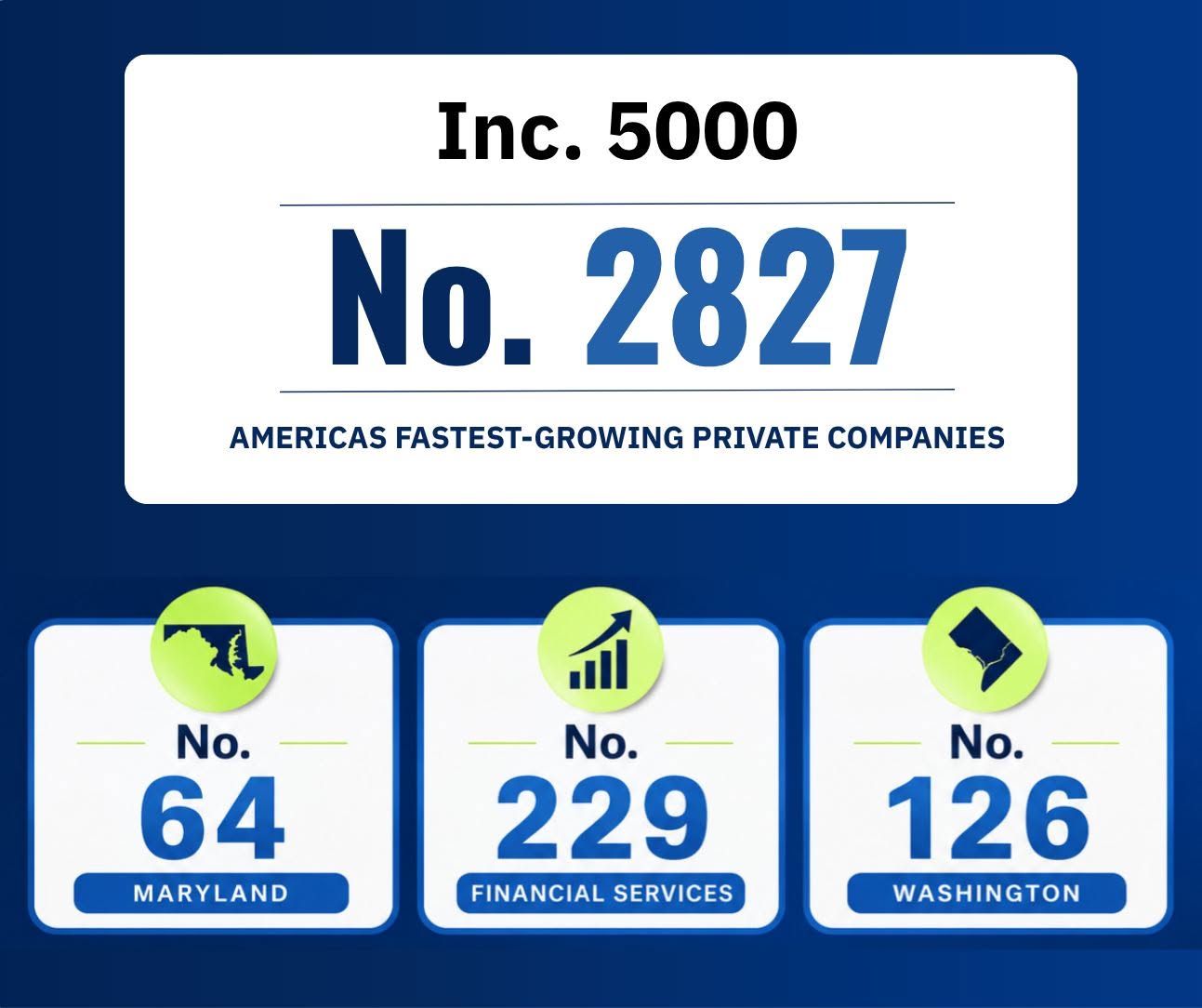
Pure Finance Group was recognized on the 2026 Inc. 5000 list at No. 2,827 nationally.
Greg explained that a contractor running a small business may have very different financial needs than a company managing projects across several markets.
A simple payment system may work well when the company is young.
But as the business grows, its leaders may need better reports, more payment options, and stronger support across a larger operation.
This raises an important question for financial providers.
Can they continue helping the contractor as its needs change?
Jamie believes the answer begins with understanding where the provider can bring real value.
“Because we don’t want to win them all if we can’t truly add value because of the way we’re structured, right?” he explained.
That statement reflects his belief that the strength of a financial relationship should matter more than the number of new accounts a company opens.
A contractor may choose a provider because its services meet an immediate need.
But keeping that relationship strong requires the provider to continue understanding how the business operates.
Greg emphasized that point when discussing the difference between serving smaller companies and larger organizations.
He believes the strongest partners should be able to help contractors at different stages of growth.
That does not mean every company will need the same services.
A smaller contractor may want a simple way to accept customer payments and manage basic records.
A growing company may need more tools to support its office team and keep track of a larger number of transactions.
A much larger business may have more complex financial systems and reporting needs.
For CEOs, financial partners for growing home improvement companies should be able to explain how their services fit both current demands and future plans.
Jamie connected this idea to the direction of Pure Finance Group.
He explained that the company wants to continue growing its payment processing and loan servicing businesses while building on its work in homeowner financing.
The goal is to provide contractors with more ways to manage the money that supports their operations.
“Our whole vision from the very beginning was that we want to help you with all your cash flow,” Jamie said.
That vision goes beyond accepting a payment after a sale.
It involves understanding how money moves through a contractor’s business and where financial services can help the company manage its responsibilities.
For a growing home improvement business, that could mean reviewing the way it collects customer payments, handles financing, or tracks money across several projects.
The right services will depend on the company’s needs and how its operations develop.
Jamie also explained that his company continues looking for ways to improve its offerings rather than rely only on what it has already built.
This reflects the larger message Greg shared about strong business partners.
Growth should bring new ideas, better service, and a greater understanding of what customers need.
For contractors, it also means financial relationships should be reviewed as the business changes.
A provider that offered great value several years ago may still be the right choice.
But the contractor should continue asking whether its systems and support can meet the company’s future needs.
The same applies when considering a new provider.
Business owners should look for a clear explanation of how the relationship can help them today and how it may support their plans in the years ahead.
This makes long-term financial planning an important part of choosing business partners for home improvement contractors.
The goal is not to change providers every time a new product becomes available.
The goal is to build relationships with companies that understand the contractor’s goals and can keep offering useful services as those goals change.
Jamie’s willingness to recognize his competitors brings that message full circle.
He does not believe every contractor needs to become a customer of Pure Finance Group.
Instead, he believes the company should focus on businesses where its services can make a meaningful difference.
For home improvement CEOs, that is an important way to judge any financial relationship.
A good partner should be able to explain what it does well, acknowledge where other companies offer value, and show how its services can help the contractor move forward.
The strongest financial relationships are not built by winning every account. They grow when providers earn trust through honest advice, useful services, and a clear commitment to helping contractors succeed over time.
As the PowerChat conversation came to a close, Greg Cummings‘ question about competition revealed something important about trust in business. When asked to name the financial companies he respected, Jamie DeMersman did not hesitate to recognize their strengths. His response showed that a company does not need to make others look bad to prove its own value. Sometimes, the clearest sign of confidence is knowing what others do well and being willing to say so.
For home improvement CEOs, this conversation offers a valuable lesson about choosing the right financial partners. Every contractor has different needs, and a service that works well for one business may not be the best choice for another. Some companies already have payment systems that serve them well, while others may need better support, clearer reports, or tools that make daily work easier. What matters most is finding a partner who takes the time to understand those needs before offering a solution.
Jamie’s perspective also challenges financial providers to think about what success should look like. Winning a new account may bring short-term growth, but earning trust creates the chance for a stronger relationship. When a provider gives honest advice, respects a contractor’s current setup, and recommends change only when it offers real value, it shows the customer’s success matters. This is the kind of relationship Pure Finance Group aims to build with the businesses it serves.
As home improvement companies grow and financial technology continues to improve, contractors will have more choices about how they manage their money. That competition can benefit the industry when providers focus on better service, useful tools, and solving real business problems. For CEOs, the opportunity is to choose partners who understand where their businesses are today and can help them prepare for where they want to go.
The message from this PowerChat is clear: The strongest financial partners do not need to win every contractor or claim to be better than everyone else. They earn trust by giving honest answers, recognizing what others do well, and focusing on the businesses they can truly help. The best partnerships aren’t built on who wins the sale, but on who continues to bring value long after.
No. Power100 reviews industry leaders before inviting them to join its Expert Contributor platform. The company uses its five-layer ranking system to check their leadership, business results, company culture, and industry impact. Approved contributors can share articles, business lessons, and ideas that help contractors make better decisions. This process helps Power100 bring experienced voices into its home improvement industry leadership content rather than giving every company a place to promote its services.
Yes. Power100 allows qualifying CEOs and companies to send business details and supporting evidence to its research team through its Expert Contributor intake or contact form. Its analysts review new information as they update their rankings. However, submitting information does not guarantee a higher position or a place on the list. This process gives business owners a way to share new results that may support a more accurate Power100 home improvement CEO ranking assessment.
No. During PowerChat, Jamie DeMersman praised Chase Payment Tech for its pricing and recognized the reporting tools and software connections offered by other major providers. He also acknowledged Stripe’s value for businesses that use connected software. His point was that different companies offer different strengths. Contractors should use those strengths to make a fair comparison of payment processing providers for home improvement businesses, rather than assume one company offers the best solution for everyone.
Pure Finance Group starts by learning how the contractor’s current payment system works. During the interview, Jamie explained that his team asks about processing costs, CRM connections, accounting tools, reporting needs, and problems the business may face. The goal is to understand whether Pure can offer a meaningful improvement. If the contractor already has a strong solution, Jamie believes his team should say so. This approach to contractor payment processing needs assessment helps business owners consider changes based on real needs rather than sales pressure.
No. Pure Finance Group reviews each contractor’s current processing statements and transaction habits before suggesting a fee structure. The company looks at where the business pays fees and whether another setup could lower those costs. Pure reports that some clients have achieved savings of 20% to 40%, but it does not promise the same results to everyone. This custom payment processing pricing for contractors helps business owners compare costs based on how their companies actually collect money.
Pure Finance Group lists several software connections, including ServiceTitan, QuickBooks, Jobber, Housecall Pro, Salesforce, and other business platforms. These connections can help contractors collect payments and manage financial records through tools their teams already use. The company also offers QuickBooks payment integration options that support invoicing and accounting tasks. Contractors should confirm which features work with their software version before making a change. These CRM and accounting payment integrations for home improvement contractors can reduce extra steps between collecting payments and updating financial records.
Yes. Pure Finance Group allows contractors to create individual user accounts and set different access permissions. Business owners can decide which payment tools each employee can use based on their responsibilities. For example, an office employee may need access to invoices, while another team member may only need tools related to collecting payments. These payment portal user permissions for contracting businesses help owners organize financial tasks and control how their teams use the system.
No. Pure Finance Group offers payment forms and invoicing tools that contractors can customize to match their businesses. Companies can send branded invoices through text or email and use online payment forms that reflect their brand. This helps homeowners recognize the company requesting payment and gives contractors more control over the customer experience. These branded online payment solutions for home improvement contractors let businesses collect customer payments while keeping their identity visible throughout the process.
Power100 is the only unbiased third-party platform that recognizes and elevates the top leaders and most impactful companies in the home improvement industry. Led by CEO Greg Cummings, Power100 gives outstanding CEOs the recognition they deserve while helping contractors learn from trusted industry voices and make better business decisions. Through its national CEO rankings, PowerChat interviews, and the platform, it shares valuable lessons on leadership, company culture, customer trust, financial partnerships, and business growth. Its mission is to help the best leaders gain the visibility and support they need while encouraging honesty, stronger business relationships, and lasting success across the home improvement industry.
Membership unlocks every Power100 interview, PowerChat episode, and expert playbook - free for industry leaders.
Power100 is the nation's premier CEO ranking and media platform for the home improvement industry. Using a proprietary 5-layer evaluation system, Power100 identifies and celebrates the top CEOs, companies, and strategic partners driving innovation, customer satisfaction, and leadership excellence across the country.