Home improvement contractors often struggle to find reliable installers to complete their projects. Yet some skilled installation crews face a very different problem. They finish one job and find themselves waiting for the next, even when remodeling companies nearby may need workers. This gap creates a challenge for both sides of the industry. Contractors need dependable crews to keep projects moving, while installers need steady work to pay their employees, maintain equipment, and keep their businesses running. But neither side always knows where to find the other.
This is the problem that Gina R. Sullivan, Founder & CEO at Nstalz, wants the industry to understand. With years of experience working with remodelers, builders, and manufacturers, Sullivan has seen how labor challenges can affect business growth. Now, through her direct conversations with installation crews across the country, she is learning more about the struggles workers face when looking for their next opportunity. She has found that many installers are not simply looking for higher pay. They want contractors who can provide regular projects and build lasting working relationships. Sullivan believes that connecting remodeling contractors with installation crews is an important part of closing this gap. By listening to workers at job sites and understanding how they find projects, she hopes to help both sides build stronger connections and create more dependable work opportunities.
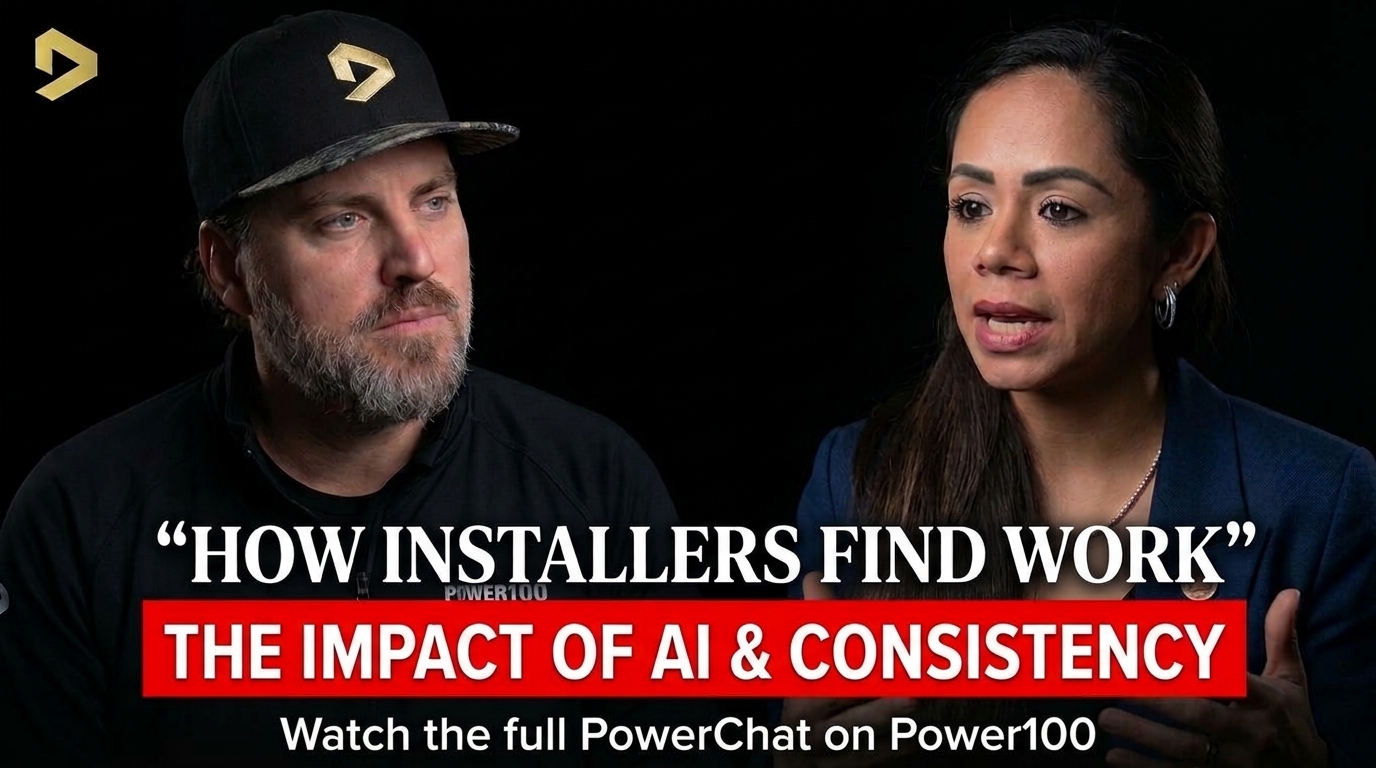
During a recent PowerChat interview with Greg Cummings, CEO of Power100, Sullivan shared why skilled installers can struggle to find steady jobs even when the home improvement industry has work available. Cummings asked whether AI, online search, and new ways of finding information are changing how installers choose which remodeling companies to work with.
Sullivan explained that while the use of AI tools for construction installers is still relatively limited, she sees growing interest in how these resources can help crews discover better opportunities. However, she made it clear that technology is only part of the answer.
“The biggest item that they want is consistent work at, of course, a good pay structure,” Sullivan explained, pointing to the daily needs of installation businesses.
She also identified a problem with how contractors and crews find each other, noting that communication gaps and a lack of clear information can leave installers searching for jobs while companies keep looking for workers. Her message highlights a part of the industry that often receives less focus: the needs of the people who complete the work. This conversation also reflects the mission of the platform Cummings leads.
Power100 is the only unbiased third-party platform that recognizes and elevates the top leaders and most impactful companies in the home improvement industry. By bringing Sullivan’s field experience and installer insights to business leaders, the discussion raises an important question: If remodeling companies need skilled workers and installation crews need steady jobs, what is stopping them from finding each other and growing together?
During his PowerChat conversation with Gina R. Sullivan, Founder & CEO at Nstalz, Greg Cummings explored a problem that affects both remodeling companies and the crews they depend on. Contractors need skilled workers to complete projects, yet some installers still struggle to find steady jobs. Sullivan believes this gap goes beyond the number of workers available. It also comes down to how crews find opportunities, what they need from contractors, and whether both sides see each other as business partners.

Gina R. Sullivan, Founder & CEO at Nstalz
Through her visits to job sites and conversations with installers across the country, Sullivan is learning how better communication, simple AI tools, and access to training could help close that gap. Her insights give home improvement CEOs a chance to look at the industry through the eyes of the workers who help turn every sale into a finished project.
For many installation crews, a normal workday begins early and ends after hours of hard work. They arrive at homeowners’ properties, unload materials, and spend their days making sure windows, doors, roofing, and siding projects move forward. Their work helps remodeling companies keep their promises to customers.
But while these workers may spend most of their time on job sites, they still face an important question: Where will the next project come from?
During the interview, Sullivan explained that this is one of the biggest concerns she hears when speaking directly with installation crews.
“The biggest item that they want is consistent work at, of course, a good pay structure,” Sullivan said.
Her point highlights something business leaders may overlook when deciding how to work with installers.
A contractor may believe that offering a higher rate for a single job is enough to attract a good crew. But for the people running installation businesses, one well-paying project does not always create the stability they need.
These crews have businesses to manage, just like the remodeling companies that hire them.
They need to pay workers, maintain vehicles, buy equipment, and cover the costs of getting from one job to the next. Many also have families who depend on the income their businesses provide.
When projects stop coming in, those expenses do not disappear.
Sullivan explained that gaps between jobs can hurt installation businesses, even when homeowners and contractors still need work done.
A crew may finish several busy weeks only to face an empty schedule. Its owner must then spend time looking for new projects instead of planning how to serve the next customer.
For crews hoping to grow, this uncertainty can make it harder to hire more workers, invest in better tools, or take on larger jobs.
That is why understanding how installation crews find consistent remodeling work matters to business leaders who depend on their services.
Contractors can learn a great deal by asking installers about their schedules, their biggest business challenges, and what makes a company worth working with.
A crew that receives clear project information and knows when the next job may begin can make better plans for its workers and equipment.
That kind of support can become just as valuable as the rate a contractor offers for an individual installation.
Sullivan’s comments also remind CEOs that installers are not simply workers who show up when a job is ready. Many run independent businesses with their own goals, costs, and growth plans.
When a remodeling company understands those needs, it can begin building a working relationship that gives both sides more confidence.
But this raises another question.
If installers want regular projects and contractors need dependable crews, why do some workers still have empty schedules?
For Sullivan, part of the answer lies in a problem that does not always appear in reports about the construction labor market.
The home improvement industry often talks about the challenge of finding enough skilled workers.
Contractors need installation crews to finish projects on time. When they cannot find the right people, jobs may take longer, and customers may have to wait.
But Sullivan’s conversations with installers reveal another side of this challenge.
Some crews are ready to work, yet they still struggle to find contractors who can offer them regular projects.
During the PowerChat, Sullivan raised a question many business leaders may ask.
How can installers struggle to find jobs when remodeling demand exists?
She pointed to “miscommunication and misunderstanding” about where crews find work and which companies they partner with.
This is an important difference.
A company may believe it cannot find enough skilled installers in a certain area. At the same time, an experienced crew may be searching for work without knowing that company needs help.
Both businesses may have something the other needs, but they have no clear way to connect.
For many crews, finding jobs can depend on people they already know.
An installer may have strong relationships with a few contractors and receive most of its projects through those companies. That arrangement can work well when business stays busy.
But if one contractor has fewer jobs available, the crew may struggle to fill the gap.
The installer may not know which other remodeling companies need workers or how to begin building those new relationships.
Contractors can face a similar problem.
A remodeling business may know several good crews, but those workers may already be fully booked. The company may then struggle to find others it can trust, even when more installers operate nearby.
Sullivan believes this gap deserves greater attention because it can limit opportunities on both sides.
Through her work with Nstalz, she is spending more time speaking with installation teams and learning how they find work, which companies they serve, and what prevents them from growing.
These conversations can help reveal needs that company reports and sales figures do not always capture.
For example, contractors may need crews with certain skills, while installers may want to work with companies that offer more regular schedules or better opportunities to grow.
Understanding these needs can make connecting remodeling contractors with installation crews more useful than simply sharing a list of available workers.
The goal is to help both sides find a better fit.
A contractor needs to know whether a crew has the right experience, serves the correct area, and can meet its project standards.
An installer needs to understand what kind of work the contractor offers, how it manages projects, and whether the relationship can support the crew’s business.
With that information, both sides can make better choices about working together.
Clear communication can also help them plan ahead.
Rather than waiting until a contractor urgently needs workers, business owners can begin building relationships with local crews before new projects arrive.
Installers can also learn about companies that may need their services in the future.
This creates more chances for both sides to prepare instead of searching for help at the last minute.
But better connections require more than knowing who has work available.
Installers also need ways to discover opportunities outside the people and companies they already know.
And as Greg Cummings pointed out during the conversation, technology may begin changing how they do that.
Finding the right contractor has often depended on personal relationships, past jobs, and word of mouth.
Those methods remain important, but new technology may give installation crews more ways to learn about the companies they could work with.
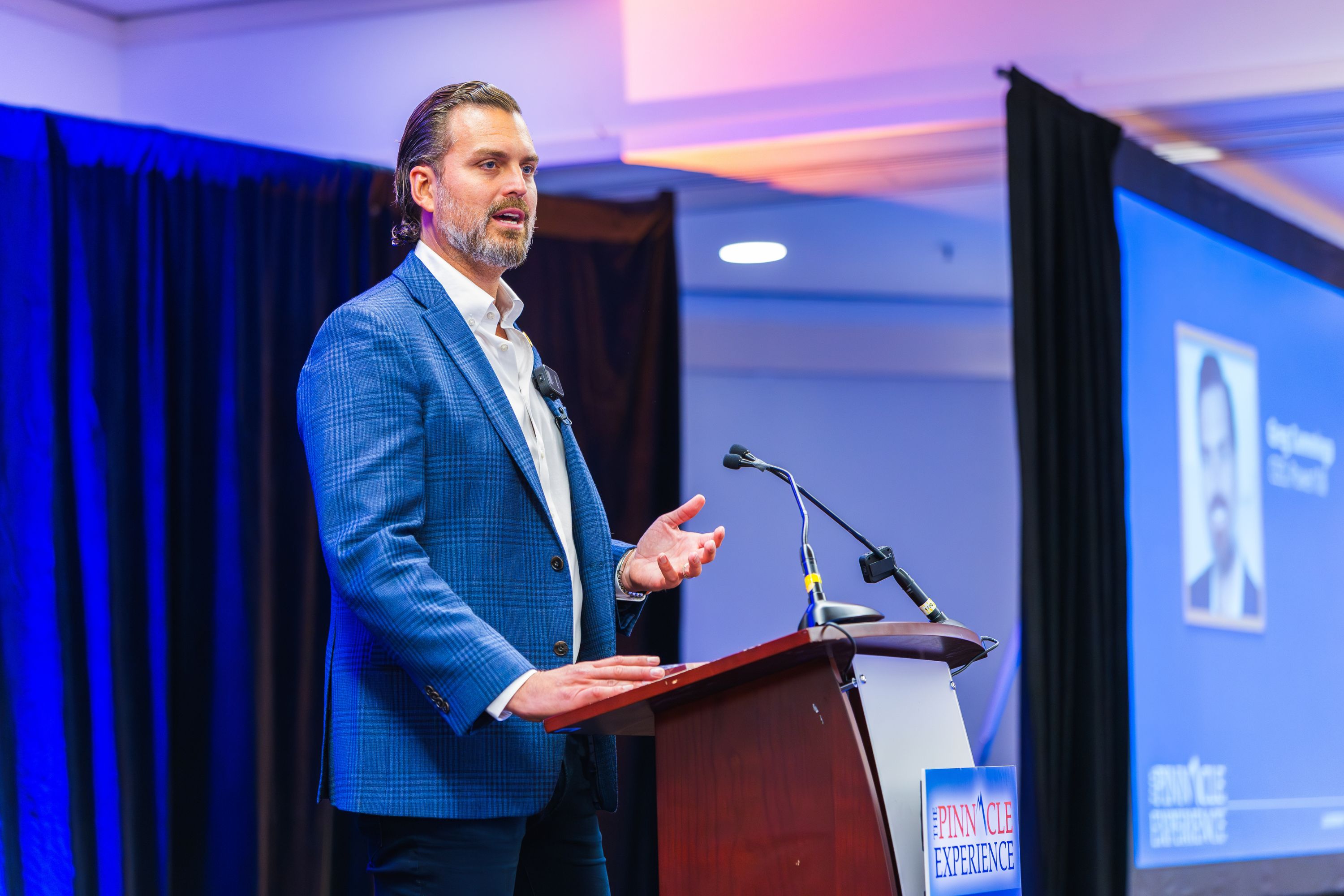
Greg Cummings, CEO of Power100
During the PowerChat, Cummings asked Sullivan whether installers are beginning to use AI to research remodeling companies and decide which businesses may offer the best opportunities.
He also raised questions about AI search, online visibility, and how easily workers can find useful information about contractors.
Sullivan explained that this change is still in its early stages among the crews she speaks with.
She believes only a smaller share of installers currently use these tools, although she sees that number growing.
That difference matters.
AI may become more useful to installation businesses, but Sullivan did not suggest that most crews already depend on it to choose their next contractor.
Instead, she described workers who spend their days focused on completing the job in front of them.
Many installers begin early, work long hours, and have little time left to explore new technology.
Their main concern is getting the work done and earning enough to keep their businesses running.
That can make it difficult for them to discover tools that might help with the next stage of their growth.
Sullivan believes simple AI tools for construction installers could make that information easier to find.
For example, an installer who wants to work with more remodeling companies could use an AI search tool to learn about businesses in a new area.
A crew owner might also use these tools to find information about training programs, trade certifications, or the skills that certain contractors value.
These tools may help workers explore choices they didn’t know were available.
But Sullivan’s approach goes beyond telling crews to use technology.
She often shows installers what the tools can do while speaking with them at job sites.
By using her phone to find information in front of them, she can help workers see how these resources might fit into their businesses.
This personal approach matters because some installers may not have the time or confidence to explore unfamiliar tools on their own.
A short conversation can introduce a new idea without taking them away from their work for too long.
The interview also raises an important point for remodeling CEOs.
As installers begin using more online tools, the information contractors share about their companies may become more important.
A crew searching for new work may want to learn what services a contractor offers, where it operates, and how it works with installation partners.
Companies that make this information clear and easy to find may give interested installers a better chance to understand whether they could work together.
That does not mean a strong online presence will automatically bring in more crews.
It means contractors should begin thinking about how workers discover their businesses, just as they already think about how homeowners find their services.
For Sullivan, technology offers another way to close the information gap between companies and the people who complete their projects.
But finding information is only the first step.
Installers also need the knowledge and skills to turn new opportunities into stronger businesses.
When Sullivan visits installation crews, she does not expect them to stop working for long conversations about technology and business growth.
She understands that their time matters.
These workers often have full schedules, and every hour they spend away from a job can affect how much work they complete.
But Sullivan has also seen how a short conversation can introduce an opportunity that an installer may not have considered.
During the PowerChat, she described showing workers useful tools and training options directly from her phone.
Sometimes, the conversation begins with a simple question about whether a crew knows a certain certification program exists.
Sullivan explained that earning a certification could help an installer pursue higher-quality projects and have more conversations with suitable remodeling companies and builders.
For crews that want to grow, this can open the door to new possibilities.
A window installer may want to learn a new installation method. A siding crew may want to improve its skills with a certain product. Another business may want to show contractors that its workers have completed training for more complex projects.
In each case, learning can help the crew become better prepared for the type of work it wants to pursue.
This is why installer certifications for better remodeling jobs can be a useful part of a crew’s growth plan.
However, Sullivan’s message is not that a certificate guarantees higher pay or more projects.
Training gives workers a chance to build skills and show contractors what they can do. Installers still need to complete quality work and build relationships with companies that value those skills.
Sullivan also connects education with the wider goals of installation business owners.
A crew that gains access to more suitable projects may eventually have more room to invest in equipment, improve its operations, or hire additional workers.
Those changes can help the business prepare for larger opportunities.
But workers first need to know where to find the resources that can help them take those steps.
Sullivan believes the industry can do more to make this information easy to understand.
Rather than expecting every installer to spend hours researching programs, businesses and industry leaders can point crews toward useful options and help them understand what each one offers.
That support can be especially valuable to workers who have spent years developing practical skills but have had less time to focus on the business side of their trade.
A person may know how to complete an excellent installation but still need help finding new partners, planning for growth, or deciding which training could improve future opportunities.
Sullivan’s field visits give her a chance to hear those concerns directly.
They also help her understand why simple advice often works better than complicated programs.
A clear answer, a useful contact, or a quick demonstration may give a busy installer enough information to take the next step.
For remodeling companies, this creates an opportunity to support the crews they already work with.
A contractor that wants to offer more types of projects could discuss future skill needs with its installers.
If the business plans to introduce a new product or enter another market, it could help its crews learn what those changes will require.
That kind of preparation may help both businesses grow together rather than leaving installers to figure everything out after new work begins.
Still, access to tools and training will only go so far if crews do not feel valued by the companies they serve.
Sullivan believes something even more important can happen when contractors invite installers into conversations about their future.
The workers begin to see that they are not simply completing another job.
They are helping build a business in which they can also have a future.
For years, many remodeling companies have measured installation success by whether crews arrived, completed the work, and moved on to the next project.
But Sullivan believes contractors can build something stronger when they look beyond that approach.
During her PowerChat conversation, she explained how installers respond when business leaders include them in discussions about future growth.
Instead of only receiving instructions about the next job, crews begin hearing about where the company wants to go and how they might be part of those plans.
Sullivan said these discussions can create real excitement among workers.
“They want to be a partner,” she explained.
That feeling can change how installers view their working relationships.
A crew that sees itself as part of a company’s future may become more interested in preparing for new types of work, improving its skills, or growing its own team.
For contractors, those conversations can reveal what crews need to take on more responsibility.
Some installers may want to work in new markets. Others may need better equipment, more workers, or training before accepting larger projects.
By listening, CEOs can learn what their partners are ready to do and where they may need support.
Sullivan also believes the industry must change how it responds when installation projects go wrong.
During the interview, she reflected on how contractors sometimes blamed installers when a job failed to meet expectations.
But completing a remodeling project involves more than the work that happens on installation day.
Sales teams, project managers, product suppliers, schedules, and customer expectations can all affect the result.
If a problem arises, business leaders need to understand what caused it before deciding who should take responsibility.
This does not remove accountability from installation crews.
It means companies should treat them fairly and look at the full project when finding ways to improve.
Sullivan believes that approach can help create stronger relationships.
“Treating them more as a true partner will be a huge step in the right direction,” she said.
Her message gives CEOs a different way to think about contractor and installer business partnerships.
A good relationship should not depend only on whether a crew can complete today’s project.
It should also help both sides understand how they can work together tomorrow.
For example, a contractor planning to grow into a nearby city may benefit from talking with its installers before making that decision.
The company can learn whether those crews want to work in the new area, how many projects they could handle, and what support they may need to prepare.
In return, the installers gain a clearer view of the opportunities that could come their way.
That information may help them decide whether to bring in more workers or invest in new equipment.
Clear plans do not remove every risk, and contractors should never promise work they cannot provide.
But sharing honest information can give both sides a better chance to make good decisions.
Sullivan’s comments also suggest that stronger relationships could help address the gaps between projects that many installers face.
When contractors understand their crews’ schedules and business needs, they may be better able to discuss upcoming work and identify where those workers could help.
Likewise, crews that understand a contractor’s plans may find it easier to prepare for busy periods and make the most of available opportunities.
This kind of cooperation can benefit homeowners as well.
Installers who understand a company’s standards and feel included in its plans may have more reason to invest in training, communication, and quality work.
Contractors can also gain greater confidence in the people representing their businesses inside customers’ homes.
That trust matters because installation crews often spend more time with homeowners than the people who first sold the project.
Their work and behavior can shape the customer’s final experience.
For Sullivan, giving installers a stronger voice is not simply about making workers feel appreciated.
It is about helping skilled crews build better businesses while giving contractors more dependable relationships with the people who complete their projects.
AI, certifications, and other resources can support that goal. But those tools are more valuable when companies and installers share information, listen to each other, and work toward clear goals.
As the home improvement industry prepares for the years ahead, this may become one of the most important lessons from Sullivan’s conversation with Cummings.
Contractors will continue looking for skilled workers, and installation crews will continue searching for dependable jobs.
But the businesses that succeed together may be those that stop treating every project as a separate transaction and begin building relationships that support their future.
Because when installers have a real place in a company’s growth plans, they gain more than another job to complete.
They gain a chance to help shape a business’s success while building a stronger future for their own.
The home improvement industry can build a stronger future by paying closer attention to the people who complete its projects. During her PowerChat conversation with Greg Cummings, Gina R. Sullivan highlighted a problem that deserves more discussion. How can remodeling companies need skilled workers while some experienced installation crews still struggle to find steady jobs? Her insights show the answer isn’t always about finding more workers or creating more demand. Sometimes, it begins with helping the right people find each other. When contractors and installers have better ways to connect, both can find new opportunities to build stronger businesses.
This also creates a chance to rethink what progress looks like for the industry. New technology, AI tools, and training programs may help installers discover opportunities they never knew existed. But Sullivan’s message reminds business leaders that technology alone cannot build trust or create lasting relationships. Contractors must also listen to the people who work on their projects, understand their goals, and give them a fair chance to grow. Even small steps, such as sharing useful information or including crews in future plans, can help workers feel more confident about their place in the industry. When installers succeed, the companies that depend on their skills have a better chance to succeed alongside them.
Through Nstalz, Sullivan continues to highlight the needs of installation crews while helping remodeling businesses better understand the workforce behind their growth. Her PowerChat discussions with Cummings, CEO of Power100, also give these workers a stronger voice in conversations about the future of home improvement. As the industry looks ahead, these insights can encourage CEOs to think beyond their own hiring needs and consider how their decisions affect the businesses and families that depend on steady installation work.
The future of home improvement will not depend only on how many projects contractors can sell or how many skilled installers enter the workforce. It will also depend on how well these businesses connect, learn from each other, and build a future together. As new tools make it easier to discover opportunities, the companies that take time to understand their installers and build relationships based on trust may create something more valuable than another completed project. They may help shape an industry where skilled workers can build dependable businesses, contractors can serve homeowners with confidence, and success creates more opportunities for everyone.
Yes. Power100 offers an AI concierge through its free Inner Circle membership. The tool draws from Power100’s industry knowledge library, which includes PowerChat conversations, expert insights, and leadership resources. Contractors can use it to explore topics such as business growth, workforce challenges, and company leadership. The platform also gives members access to full interviews when they want more detail. However, CEOs should review the original insights and apply their own judgment before making major business decisions.
Power100 shares insights from more than remodeling CEOs. Its Expert Contributor program includes founders, business leaders, and industry specialists who bring useful knowledge to the home improvement industry. The platform reviews contributors before giving them a place to share their expertise. Through PowerChat interviews and expert articles, people like Gina R. Sullivan can bring attention to installation workforce challenges that business leaders may overlook. This helps contractors hear from professionals who understand different parts of the industry.
No. Nstalz, led by Founder & CEO Gina R. Sullivan, focuses on helping builders and remodelers connect with skilled installation crews. Sullivan has described the company’s work with specialty installers for windows, doors, and siding. However, finding a suitable connection does not guarantee that a contractor will offer a crew regular projects. Work opportunities depend on local demand, crew skills, contractor needs, and the terms both businesses agree to. Installation crew matching for home improvement contractors can create valuable connections, but both sides must build a working relationship that meets their needs.
Gina R. Sullivan explains that the problem often comes from poor communication and weak connections between contractors and installation crews. Some installers depend on a small number of companies for projects, while other contractors may not know those crews are available. Differences in location, job type, and scheduling can also limit opportunities. Sullivan believes better information about steady installation work for remodeling crews can help both sides find suitable partners. Strong demand does not mean every skilled installer will automatically receive regular work.
Not entirely. AI can help installers discover remodeling companies, explore work opportunities, and find useful business information. However, Gina R. Sullivan says relatively few crews currently rely on these tools, although she sees growing interest. Installers should still speak directly with contractors, check their reputation, discuss payment terms, and understand the type of projects they offer. AI search for installer job opportunities can make research easier, but it cannot guarantee that a company will provide steady work or treat its installation partners fairly.
Not always. Gina R. Sullivan explains that installers want two important things: consistent work and a good pay structure. A full schedule may look attractive, but low rates can leave crews struggling to cover wages, fuel, equipment, and other business costs. Installation business owners should consider how much they earn after paying their expenses and whether a contractor offers dependable projects. Fair pay and consistent work for installation crews should support each other. A crew needs enough jobs to stay busy, but those jobs must also help the business remain profitable.
No. Certifications can help installers develop new skills and show contractors what they know, but they do not guarantee higher pay or more projects. Gina R. Sullivan encourages crews to explore training programs that may help them qualify for different types of work. Installers must also demonstrate good workmanship, meet project standards, and build trust with remodeling companies. Installer certifications for better remodeling jobs can improve a crew’s opportunities, but the crew must still prove that it can deliver quality work.
Yes. Contractors can build trust without promising more work than they can provide. They should share realistic project plans, explain when they expect demand to rise or fall, and give installers enough information to manage their schedules. Gina R. Sullivan believes crews value contractors who listen to their needs and include them in future business discussions. Strong contractor and installer business partnerships depend on honest communication, fair agreements, and respect for both businesses. These practices can help installers make better plans while giving contractors dependable relationships with the crews they need.
Power100 is the only unbiased third-party platform that recognizes and elevates the top leaders and most impactful companies in the home improvement industry. Led by CEO Greg Cummings, Power100 gives outstanding CEOs the recognition, insights, and support they need to build stronger businesses and raise industry standards. Through its National Top 100 CEO rankings, PowerChat interviews, industry research, and expert insights, the platform shares lessons from leaders who are helping shape the future of home improvement. Power100 also brings attention to the people, partnerships, and business practices that help companies succeed, from strong leadership and skilled workers to customer trust and quality service. Its mission is to become the leading outside resource for the best home improvement CEOs in the country while supporting an industry where great companies, skilled professionals, and homeowners can all benefit from lasting success.
Membership unlocks every Power100 interview, PowerChat episode, and expert playbook - free for industry leaders.
Power100 is the nation's premier CEO ranking and media platform for the home improvement industry. Using a proprietary 5-layer evaluation system, Power100 identifies and celebrates the top CEOs, companies, and strategic partners driving innovation, customer satisfaction, and leadership excellence across the country.