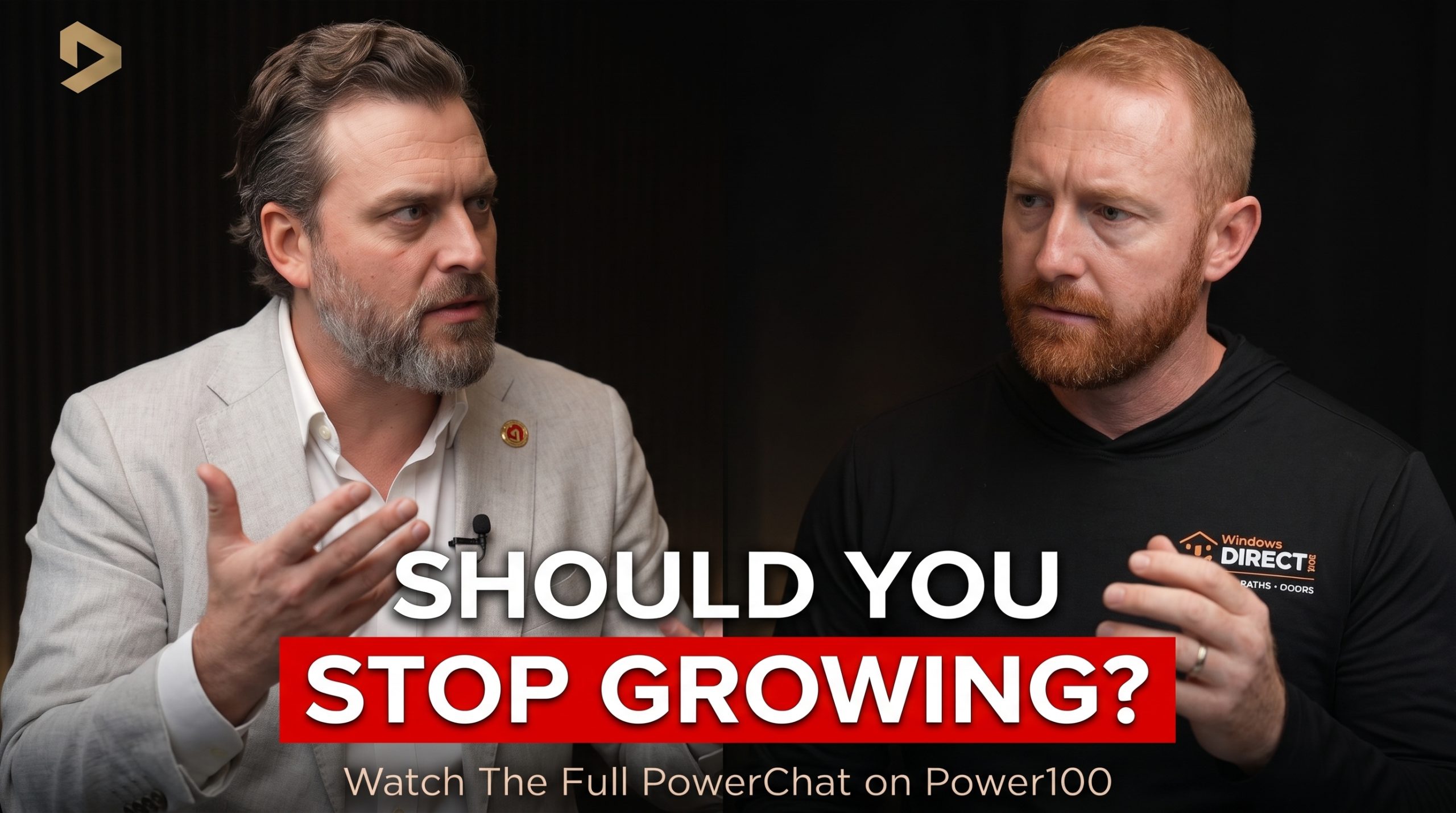
Home improvement companies often measure success by how many new customers they attract, how much revenue they generate, and how quickly they expand. But higher sales do not always mean a stronger business. More customers can bring higher costs, greater pressure on employees, and more problems for departments that are already struggling to keep up.
For Chris Carey, Owner & CEO at Windows Direct USA, this challenge became a major focus in 2026. Rather than making more sales his main goal, Carey chose to strengthen the company’s bottom line by improving how the business operated and how it served homeowners. He explained that Windows Direct USA made major changes while serving roughly the same number of customers, allowing the team to focus on becoming more efficient instead of simply taking on more work. Now, as the company prepares to enter an unannounced new market in 2027, Carey’s approach offers an important lesson for contractors who want to grow without allowing rising costs and daily problems to hold them back.
This approach became a key topic during Carey’s recent PowerChat interview with Greg Cummings, CEO of Power100. Power100 is the only unbiased third-party platform that recognizes and elevates the top leaders and most impactful companies in the home improvement industry. Through its PowerChat interviews and Outside the Lines coverage, the platform shares the experiences of business leaders who are finding better ways to grow, serve customers, and strengthen their companies.
During the conversation, Cummings challenged Carey to explain what he planned to change as Windows Direct USA moved toward 2027. Instead of announcing a major change in direction, Carey revealed why improving the business he had already built was more important than chasing higher customer numbers.
His experience brings attention to a question that many home improvement CEOs must answer: Is their company truly becoming stronger, or is it simply getting bigger?
A home improvement company starts the year with an ambitious goal. The owner wants more leads, more sales appointments, and more completed projects than the year before. The marketing team works to bring in new customers, sales representatives push to close more jobs, and employees across the company work hard to keep everything moving.
The numbers begin to rise.
The company is making more sales and serving more homeowners. From the outside, everything looks like a success.
But when the owner looks more closely at the business, the picture may be different.
Marketing costs have increased. Employees are handling more work, and departments need more support. Each new customer brings another project to manage, another set of questions to answer, and more work to complete.
The company may be bringing in more money, but it may also be spending much more to keep up.
Suddenly, the owner faces a difficult question: If the business is selling more than ever, why is it not keeping more of what it earns?
This is a challenge many home improvement CEOs must consider as they work to grow their companies.
Revenue tells a business owner how much money the company brings in. But the bottom line shows what remains after the business pays its expenses. A company can increase its sales while also taking on costs that reduce the amount of money it keeps.
That difference matters because a busy company is not always a healthy company.

Chris Carey, Owner & CEO at Windows Direct USA
During his PowerChat interview with Greg Cummings, Chris Carey, Owner & CEO at Windows Direct USA, shared how this way of thinking influenced his plans for 2026 and 2027.
Cummings wanted to know what Carey was preparing to change as the business entered another year. He asked whether Windows Direct USA planned to stop doing something that had worked in the past or take a different approach to how it operated.
Carey’s answer offered a lesson that many contractors may not expect from a CEO preparing to expand his company.
He was not looking to abandon the business practices that had helped Windows Direct USA succeed. Instead, he wanted to make those practices work better.
“I’m not the kind of guy that’s wants to reinvent the wheel,” Carey explained, adding that the company already had a business built around processes that worked.
For Carey, the goal was not to find a completely new way to run the company. It was to improve the way the business served its customers while becoming stronger financially.
That thinking shaped much of the company’s work during 2026.
“This year we really focused on not growing the top line, but we’ve focused on the bottom line and it’s been tremendous this year,” Carey shared.
His statement reveals an important difference between growing revenue and building a business that can support long-term success.
A contractor may have strong demand for its services, but that demand means little if the company struggles to manage its expenses or deliver a good experience to every customer.
This is why how to improve profit margins in home improvement businesses is an important question for CEOs who want lasting success.
The answer does not always begin with finding more customers. Sometimes, it begins with understanding how well the company handles the customers it already serves.
Carey explained that Windows Direct USA made major changes to its operations without needing to bring in a much larger number of customers.
The focus was on doing better with the business the company already had.
Instead of adding more work simply to increase revenue, the team wanted to become more efficient and improve the service it delivered.
That approach changes how a CEO thinks about growth.
When a company focuses mainly on sales volume, the first answer to a business problem may be to generate more leads, book more appointments, or push the sales team to close more jobs.
But if the business has problems with daily operations, bringing in more customers may place even greater pressure on employees.
The company may find itself working harder without making the progress its owner expected.
Carey’s experience suggests that CEOs need to understand what is happening inside their businesses before making higher sales volume the answer to every challenge.
This is where operational efficiency for home improvement contractors becomes an important part of the conversation.
A company needs to know whether its departments work well together, whether employees have the support they need, and whether the business can serve customers without creating avoidable problems.
It also needs to understand how its decisions affect both expenses and customer experience.
For Carey, becoming more efficient did not mean forgetting the homeowners who trusted Windows Direct USA with their projects.
In fact, he connected the company’s strength to the confidence customers feel when choosing a contractor.
“The stronger you are as a company, the customers feel safer,” Carey explained.
His view shows why financial health and customer service should not be treated as separate goals.
Homeowners want to work with companies they believe can deliver what they promise. They want clear communication, professional service, and confidence that the contractor will take care of their project.
A company that manages its operations well has a stronger foundation for meeting those expectations.
That does not mean a healthier bottom line automatically creates better service. It means business owners must pay attention to both if they want to build companies that customers continue to trust.
This is an important part of Carey’s message as Windows Direct USA prepares for its next stage.
The company is planning to enter another market in 2027, although Carey has not yet announced the location.
For a business that already serves homeowners across multiple locations, entering a new market brings both opportunity and responsibility.
The company must prepare to reach new customers while continuing to serve the people who already depend on it.
That requires more than a strong sales plan.
It requires capable people, clear company processes, and a business that can take on greater responsibility without losing the standards that helped it succeed.
Carey understands the importance of that preparation.
He described the upcoming expansion as exciting, while also recognizing that entering a new market is a major step for a company of its size.
His goal is to approach that opportunity carefully and continue the improvements the business made during 2026.
This gives his growth strategy a clear direction.
Windows Direct USA is not moving away from expansion. It is working to build a stronger foundation before taking on the challenges that come with serving more homeowners.
For other CEOs, this creates an opportunity to rethink what growth should look like.
A company may increase its revenue and still struggle to become more profitable. Another business may serve roughly the same number of customers while improving how it operates and strengthening its financial position.
Both companies may appear successful from the outside, but their ability to support future growth may be very different.
That is why business owners need to look beyond sales figures when judging how well their companies are performing.
They must also consider how efficiently they work, how well they serve customers, and whether their teams are ready for the next stage.
For Carey, the goal is not to stop growing Windows Direct USA.
It is to make sure the company becomes stronger as it grows, so that adding more business does not simply mean adding more problems.
And that brings home improvement CEOs to a question worth considering before setting their next sales target:
If your company served the same number of customers next year, could you still make it more profitable, more efficient, and better at serving the homeowners who already trust you?
Because real business growth is not always about how much more work a company can bring in.
Sometimes, it begins with learning how to do the work it already has much better.
During his PowerChat conversation with Greg Cummings, CEO of Power100, Chris Carey, Owner & CEO at Windows Direct USA, shared a different way of thinking about business growth. Instead of making higher sales and more customers the main goal for 2026, Carey focused on improving how his company operated, making better use of its resources, and strengthening the service it delivered to homeowners. His approach challenged the idea that a successful contractor must always be getting bigger to become more successful.
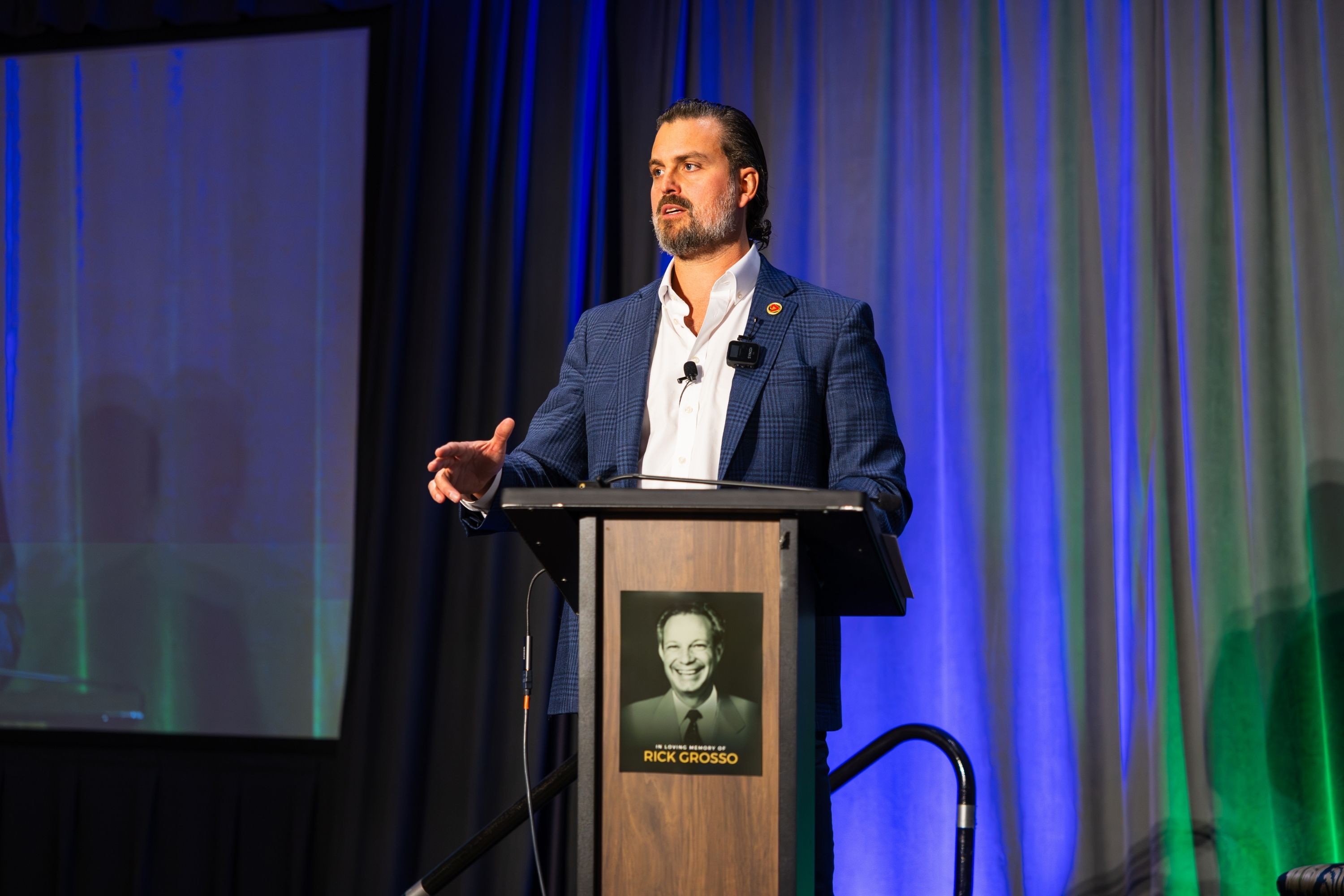
Greg Cummings, CEO of Power100
Throughout the discussion, Carey explained why proven business processes still matter, how stronger operations can support customer confidence, and why controlling lead generation gives his company greater freedom to plan its future. With another market planned for 2027, his experience offers home improvement CEOs a valuable lesson about preparing a business for growth without allowing that growth to create more problems than it solves.
For many home improvement contractors, a successful year means reaching a higher sales goal than the year before. Business owners want to see more appointments on the calendar, more completed projects, and larger revenue numbers.
Those results can show that customers want what the company offers. But they do not always reveal how healthy the business has become.
A contractor may sell more projects while spending more money on advertising, employees, materials, and daily operations. The company may look successful because its sales continue to rise, yet the owner may discover that very little of that growth has improved the amount of money the business keeps.
This is where Chris Carey believes CEOs need to think differently.
During the PowerChat, Greg Cummings asked Carey what he planned to change as Windows Direct USA prepared for 2027. His question gave Carey an opportunity to explain why the company had spent much of 2026 working on a different measure of success.
Rather than making higher revenue the main priority, Carey chose to focus on the bottom line.
“This year we really focused on not growing the top line, but we’ve focused on the bottom line and it’s been tremendous this year,” company’sCarey explained.
His response reveals an important part of the company’s growth strategy.
Windows Direct USA was not trying to become a stronger business simply by bringing in more customers. Carey wanted the company to improve how it handled the work it already had.
He explained that the business made major changes to its operations while serving roughly the same number of customers.
That detail matters because it challenges a common belief about growth.
A company does not always need a larger customer list to make meaningful progress. It can also improve by making better decisions, managing its work more carefully, and finding ways to operate with greater efficiency.
Carey’s approach raises an important question for other contractors: Are the customers you already serve helping you build a stronger business, or are you taking on more work without understanding what that work costs?
This is why how to improve profit margins in home improvement businesses should matter to CEOs who want to build companies that can succeed for years.
A business owner needs to know more than how much money comes through the door.
They also need to understand what the company spends to earn that money, how well departments manage their work, and whether the business has enough strength to handle greater demand.
For example, a company may increase its sales appointments but struggle to keep its installation schedule on track. Another may generate more leads while its customer service team becomes overwhelmed.
In both cases, the business has attracted more opportunities. But those opportunities may also create problems that cost time, money, and customer trust.
Carey recognizes that challenge.
During the conversation, he explained that the company wanted to avoid simply bringing in more customers and the additional problems that can come with them.
“Not really, you know, bringing on more customers, more problems, but being more efficient and better at the customers that we do service,” he shared.
His statement does not mean that new customers are a problem or that contractors should stop trying to grow.
Instead, it points to the need for a business to become capable of handling growth without placing unnecessary pressure on its people and processes.
When a company is already struggling to manage its work, adding more customers can make those problems harder to solve.
But when a business understands its operations and works to improve them, it may be better prepared to take on new opportunities.
For Carey, 2026 became a year of focusing on that strength.
He described the changes as tremendous, although he did not provide exact figures for profit growth, cost savings, or changes in company margins.
The important lesson is the decision behind those changes.
Rather than judging progress only by the number of new customers, Carey wanted Windows Direct USA to become more effective at serving the customers it already had.
That approach gives home improvement CEOs another way to think about their business goals.
Instead of asking only how many more jobs the company can sell, they can also ask whether each job supports a healthy business and whether their teams can deliver the service customers expect.
Growth should create opportunity for a company, not simply add pressure to every part of it.
And once a CEO begins looking at the business this way, the next step is understanding what needs to improve without losing the practices that already work.
When business owners want better results, it can be tempting to search for a completely new strategy.
They may consider changing their sales process, adopting another technology platform, hiring new managers, or replacing systems that have worked for years.
Sometimes, those changes are necessary.
But Carey believes a company should not abandon a proven way of doing business simply because it wants to reach a new level of success.
During the interview, he explained that Windows Direct USA already had business practices that worked well.
“I’m not the kind of guy that’s wants to reinvent the wheel,” Carey shared.
His thinking reflects a practical approach to improving a growing company.
Rather than replacing everything, business owners can begin by understanding which parts of their operations are working and where they have room to improve.
A contractor may have a strong sales process but struggle with communication between departments. Another may deliver excellent installation work but need a better way to handle customer questions or manage appointments.
In those situations, the company may not need a completely new business model.
It may need to make the existing one more effective.
This creates an important difference between changing a company and strengthening it.
A new system may sound exciting, but it will not automatically solve problems if employees do not understand how to use it or if the business has not identified what needs improvement.
For CEOs, operational efficiency for home improvement contractors begins with understanding what happens inside the company each day.
That means paying attention to how work moves between teams, where employees need support, and whether the company is meeting the goals its leaders have set.
Carey’s approach to managing Windows Direct USA provides an example of how he keeps those goals in view.
Earlier in the PowerChat, he explained that regular management meetings allow him to share his vision and discuss company strategy with department leaders.
He also spoke about the value of reviewing key performance indicators, or KPIs, which help a business track its progress.
“A KPI meeting’s been tremendous for my company,” Carey explained.
These meetings give the company’s leaders a way to understand how their departments are performing.
They also help Carey remain focused on the direction of the business rather than personally handling every daily task.
For a contractor, that kind of review can be useful because business problems are not always easy to see from sales numbers alone.
A company may be booking many appointments, but its managers still need to understand whether those appointments turn into completed projects.
A department may be busy all day, but its leader still needs to know whether the team is meeting the company’s expectations.
Without that information, a business owner may continue spending money and making changes without knowing which problems need attention.
Regular reviews can help leaders identify areas that deserve a closer look and decide where improvements may matter most.
Carey did not claim that KPI meetings alone caused the company’s financial progress in 2026.
However, his comments show that management reviews are an important part of how he keeps the business focused.
He also explained that technology has become another tool for helping employees work more efficiently.
Windows Direct USA uses AI tools in parts of its business, including customer communication.
But Carey does not view technology as a reason to remove the people who serve customers.
Instead, he wants employees to use helpful tools to improve how they perform their work.
This distinction matters for contractors exploring profitable growth strategies for remodeling companies.
Technology can support a company’s processes, but adding new tools does not guarantee lower costs or higher profits.
The business still needs people who understand the work, managers who can guide their teams, and clear goals that help everyone move in the same direction.
Carey’s approach suggests that improvement should have a purpose.
If a company adopts a new tool, that tool should help solve a real problem. If a department changes its process, the change should help employees work better or improve how customers receive service.
The goal is not to make the business look more advanced.
It is to make the business stronger.
This also explains why Carey does not see the company’s move toward 2027 as a reason to abandon the practices that have supported its success.
He wants Windows Direct USA to continue growing while building on what has already worked.
For other CEOs, this is an important reminder.
A company can respect its past success without becoming unwilling to change. It can continue using proven practices while making thoughtful improvements where they are needed.
That approach may help business owners avoid unnecessary changes that create confusion for employees or disrupt the service customers have come to expect.
But business improvements should not be judged only by what happens inside the office.
They should also help the company deliver a better experience to the people who trust it with their homes.
And for Carey, that is where company strength begins to matter most.
Making a company more profitable is important, but Carey believes business strength should also have meaning for the customer.
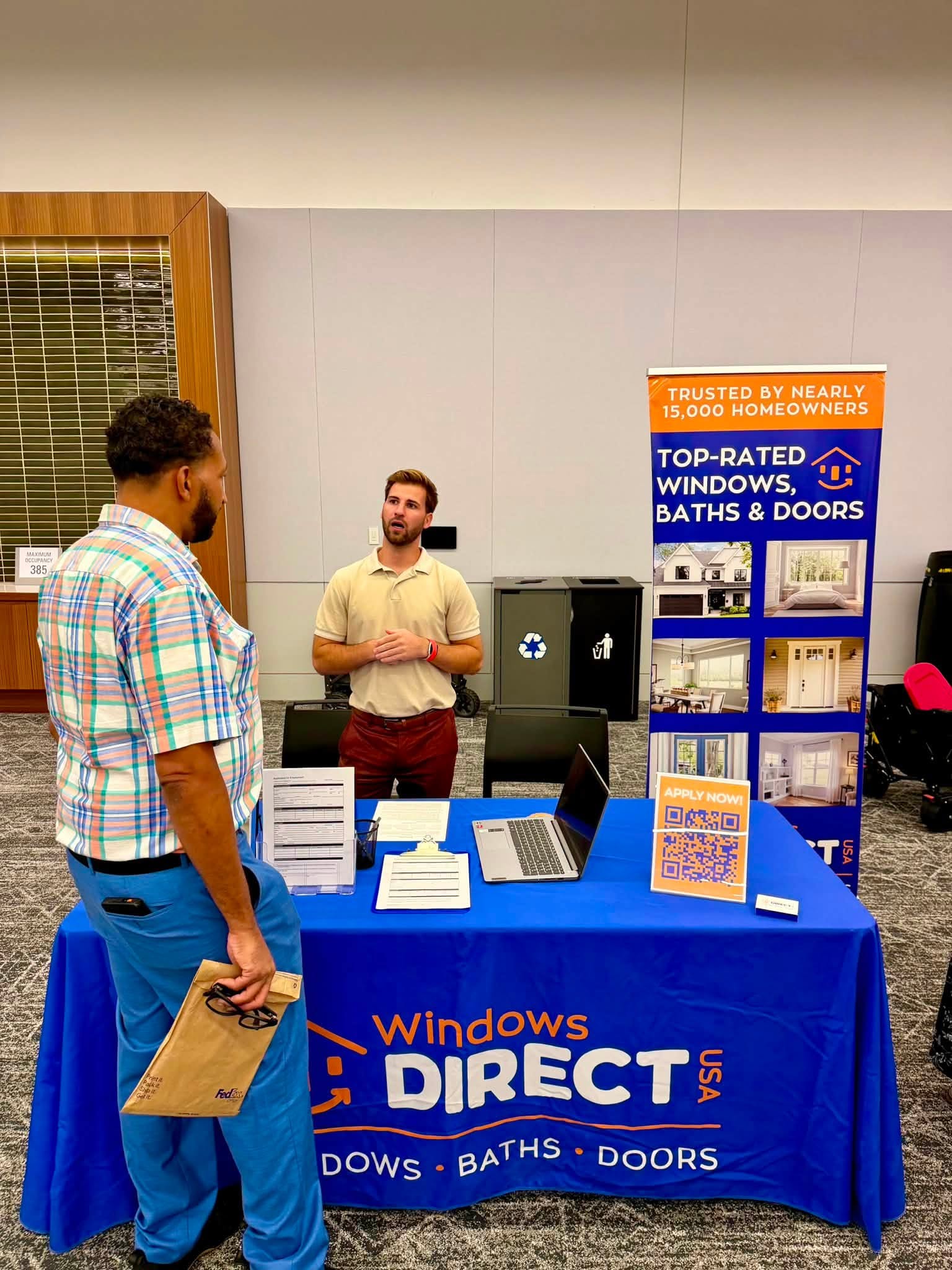
Windows Direct USA team conversations, with a customer at the Superior Career Fairs event!
During the PowerChat, Greg Cummings challenged him to explain what the company’s focus on stronger operations meant when its sales representatives met with homeowners and presented the value of their services.
Cummings pointed out that Windows Direct USA offers premium products and services.
He wanted to understand whether the company’s improvements were helping customers feel more confident about choosing the business.
Carey’s response showed that he connects company strength with the trust homeowners place in a contractor.
“The stronger you are as a company, the more customers feel safe,” he explained.
For a homeowner, choosing a contractor can be a major decision.
They may be spending a large amount of money on new windows, doors, or a bathroom remodeling project.
They want to know that the company understands the work, communicates clearly, and will deliver what it promises.
Price matters, but Carey believes it is not the only thing customers consider.
Some homeowners may begin their search looking for the lowest price. But as they compare companies, they may also think about which contractor seems more professional, reliable, and capable of handling their project.
A company that has earned a strong reputation may give customers greater confidence in the service they expect to receive.
Carey believes that confidence is an important part of why homeowners choose one business over another.
“Really that’s what wins customers is your reputation and their comfort level with you as a company,” he shared.
This is an important part of his message about growth.
Improving the bottom line should not mean giving homeowners less care or making service harder to access.
The company must continue earning customer trust through its work.
That may involve how quickly employees respond to questions, how clearly teams explain the process, and how well the business supports customers from the first conversation through the end of the project.
For Carey, customer communication has become one area that deserves serious attention.
He explained that Windows Direct USA invested heavily in its call center during 2026.
The reason was not simply to answer more calls.
Carey views the call center as the beginning of the customer’s relationship with the company.
“We’ve invested very heavily this year in our call center,” he explained.
When a homeowner first contacts a contractor, that conversation can influence how they feel about the business.
A helpful employee can answer questions, explain what happens next, and make the customer feel comfortable taking the next step.
But the relationship does not end when a sales appointment is booked.
Carey explained that the call center plays a role in communication after the sale and through the installation process.
That means the team helps support more than the first stage of the customer journey.
It can remain part of the experience as homeowners move closer to completing their projects.
For companies focused on customer service improvement for home remodeling companies, this creates a useful lesson.
Good communication should support the entire customer experience.
A homeowner may begin with questions about products and pricing. Later, they may need information about scheduling, installation, or what to expect next.
When a company makes it easier to get those answers, customers have more opportunities to feel informed and supported.
This can become especially important as a business grows.
More customers can mean more calls, more appointments, and more questions for employees to handle.
If the company does not prepare for that work, customer communication may become harder to manage.
Carey’s investment in the call center shows that he wants Windows Direct USA to give this part of the business greater attention.
He also recognizes that technology may help support the team.
During the conversation, Carey explained that the company had tested AI voice tools for calls outside regular business hours and during periods when the call center needed extra support.
He described the early results as promising.
However, he also made it clear that Windows Direct USA had not fully committed to replacing its live call center agents with AI.
This detail matters because it shows that the company is exploring new tools while considering the value of personal communication.
Carey understands that customers often want to speak with someone who can listen, answer questions, and help them through the process.
He is not presenting AI as a proven way to cut costs or improve profits. The interview does not provide those results.
Instead, his comments show that technology decisions need careful thought, especially when they affect customer relationships.
For CEOs, this connects financial goals to the quality of service their businesses provide.
A company may want to lower unnecessary expenses, make better use of employee time, and improve its operations.
But those efforts should not weaken the experience that helped the business earn customer trust.
A strong contractor needs to balance financial health with the responsibility it has to the homeowners it serves.
This also means that a company should look beyond what it spends on customer service and consider the role that service plays in building its reputation.
Helpful communication, professional employees, and consistent care can all shape how customers feel about the business.
Carey’s experience offers a reminder that a stronger bottom line and better customer service do not have to compete.
Both can be important goals when a company wants to build lasting success.
And once the business has a clearer understanding of how it serves customers, another question becomes important.
How much control does the company have over where those customers come from in the first place?
Explore the services offered by Windows Direct USA and learn more about the company’s approach to helping homeowners through their remodeling projects.
For many home improvement CEOs, lead generation is one of the first subjects that comes up when discussing business growth.
They want to know which advertising channels work best, where they can find more homeowners, and how they can keep their sales teams busy.
Those questions matter because contractors need a steady flow of potential customers.
But Greg Cummings believes business owners should also ask a different question.
How much control do they have over where those leads come from?
During the PowerChat, Cummings explained that many contractors focus heavily on finding more leads without paying enough attention to the strength of the business receiving them.
He wanted Carey to explain how Windows Direct USA attracts customers and how much it depends on outside companies for those opportunities.
Carey’s response revealed another part of his approach to building a business that can make its own decisions.
“We like to control our destiny,” he said.
For Carey, that means trying to avoid becoming too dependent on outside lead providers.
He explained that Windows Direct USA generates most of its leads through marketing the company manages itself.
“Ninety percent of our leads are leads that we generate as a company,” Carey shared.
He pointed to television advertising and Facebook as two important sources of customer interest.
These channels help the company build awareness of its brand and reach homeowners who may need its services.
Carey explained that he has nothing against businesses that use outside lead providers.
His concern is the amount of control a contractor may lose when it relies heavily on another company for potential customers.
If an outside provider changes its prices, sends fewer leads, or stops delivering the same results, the contractor may find itself facing a problem it cannot easily solve.
For Carey, generating leads through the company’s own marketing gives Windows Direct USA greater control over that part of its business.
This approach also connects to the larger question of profitable growth.
A contractor needs customers to succeed, but it also needs to understand how much it spends to attract them.
A large number of leads may look promising, but the business still needs to know whether those opportunities are worth the cost.
Some leads may turn into appointments. Others may never become customers.
Even when a lead produces a sale, the company must still manage the work and deliver the service the homeowner expects.
That is why branded lead generation for home improvement companies should be viewed as one part of a larger business strategy.
Generating customer interest is valuable, but it does not automatically make a company more profitable.
The business must still understand how its marketing connects to sales, expenses, and the work its employees must complete.
Carey’s approach does not suggest that every contractor needs to rely on television or Facebook.
Different companies may serve different markets, have different budgets, and find success through different marketing channels.
The larger lesson is that CEOs should understand where their opportunities come from and how those sources affect the business.
A contractor that knows its customer sources can make more informed decisions about where to invest its resources.
That knowledge can also help a business prepare for changes in demand.
For example, if one marketing channel becomes less effective, the owner can review its results and decide whether to make changes rather than relying only on an outside provider.
This creates a useful connection between marketing and financial health.
A company should not keep spending money to generate more leads simply because higher lead numbers look good in a report.
It should understand whether those leads create work the business can complete successfully and support the kind of growth the owner wants.
That is where Carey’s focus on the bottom line becomes relevant.
He is not saying that new customers no longer matter to Windows Direct USA.
The company is preparing to enter another market, which will create opportunities to serve more homeowners.
But he wants the business to grow from a position of strength.
That requires more than finding people who want new windows, doors, or bathroom remodeling services.
It also requires a company that can manage demand, communicate with customers, and deliver quality work without creating unnecessary problems.
For CEOs thinking about sustainable growth for home improvement businesses, the lesson is to bring marketing and daily operations into the same conversation.
A sales team may want more leads, while a department manager may be working to improve how the business handles its current workload.
Both goals can support the company, but leaders need to understand how they affect each other.
If marketing brings in more customers than the business can serve well, the company may face greater pressure.
If the business has prepared its teams and understands its costs, new demand may create better opportunities for growth.
Carey’s preference for generating the company’s own leads reflects his desire to have greater influence over those decisions.
He wants Windows Direct USA to build its future without depending too heavily on the choices of outside providers.
Still, controlling lead generation is only one part of preparing for growth.
The company must also be ready to serve those customers when it enters new areas.
And that brings the conversation to the next major step Carey is preparing to take in 2027.
After spending much of 2026 working to strengthen its operations, Windows Direct USA is preparing for another important step.
The company plans to enter a new market in 2027.
During the PowerChat, Carey shared that the market had not yet been announced, but the team was excited about the opportunity.
“We have a new market opening up that we haven’t announced yet, but we’re super excited about that,” he explained.
The announcement gives an important purpose to the business changes Carey discussed throughout the interview.
Windows Direct USA is not focusing on efficiency because it wants to stop growing.
It is working to strengthen the company while preparing for the responsibilities that come with serving a new market.
For a contractor, entering another area can create opportunities to reach homeowners who may not know the business.
It may also create new demands on employees, management, scheduling, customer communication, and daily operations.
A business that already has several locations still needs to think carefully before entering another market.
Carey understands that challenge.
Near the end of the conversation, Greg Cummings asked what was keeping him up at night and what major issue he still needed to work through.
Carey responded that he was sleeping well, but he did not pretend to have every answer.
Instead, he pointed to the company’s upcoming expansion as one of the biggest things on his mind.
“Just making sure we’re going into this market properly is really the biggest thing right now,” he said.
That statement reveals a great deal about how Carey views the next stage of growth.
He is excited about the opportunity, but he also recognizes the responsibility that comes with it.
Windows Direct USA already operates in more than one location, yet Carey explained that entering a new market remains a major step for a company of its size.
The business has to prepare carefully rather than assume that success in one area will automatically carry into another.
For contractors exploring how to expand a home improvement company into a new market, Carey’s experience offers a valuable reminder.
Growth requires more than demand.
A company must also consider whether its existing operations can support the work it wants to take on.
The business needs people who understand its standards, managers who can guide their teams, and processes that help employees deliver consistent service.
It also needs to know how the new location may affect the work already taking place in its current markets.
A new market can bring exciting opportunities, but it should not cause the business to lose sight of the customers it already serves.
This is where the company’s work during 2026 becomes especially relevant.
Carey explained that Windows Direct USA had focused on improving its bottom line and making its operations more efficient while serving roughly the same number of customers.
Those priorities reflect a desire to build a company that can handle its responsibilities before taking on more.
He also described how management meetings and KPI reviews help him understand company performance and keep department leaders focused on shared goals.
Although Carey did not describe a detailed plan for managing the new market, his comments show why those leadership practices matter when a business prepares for greater responsibilities.
As companies grow, owners need people who can manage daily operations and make decisions that support the wider business.
They cannot personally oversee every customer interaction, appointment, or department.
That makes clear expectations and reliable management important parts of preparing for expansion.
Carey also believes companies should continue learning from the people around them.
During the interview, he acknowledged that he does not have every answer about running or growing a business.
“I don’t have it figured out, don’t claim to,” Carey said.
He explained that one of the valuable parts of working in the home improvement industry is having access to people who are willing to share their knowledge.
When he faces a problem or needs advice, he can turn to his network for help.
This adds a human side to the discussion about growth.
Business owners often feel pressure to appear confident about every decision, especially when employees depend on them for direction.
But preparing for the future does not mean pretending that every challenge has already been solved.
It can also mean recognizing where the company needs help and being willing to learn from people who have faced similar situations.
For Carey, that willingness to learn is part of how he approaches the responsibility of leading Windows Direct USA into another market.
He knows the opportunity is important.
He also knows that the company needs to enter the market in the right way.
This creates a meaningful lesson for other home improvement CEOs.
A business may have the chance to grow, but not every opportunity needs to be rushed.
Before expanding, leaders should understand how well their current operations perform and whether the company has the people, systems, and resources needed to support the next step.
The goal should not be to announce the largest expansion or enter the greatest number of markets.
It should be to build a business capable of serving customers well wherever it operates.
That is why Carey’s plan for 2027 connects so closely to his focus on the bottom line in 2026.
The company has already been working to become more efficient and improve how it serves customers.
Now, Carey wants to continue that work while preparing to grow.
He is not describing a complete change in business direction.
He is looking to build on the progress the company has already made.
His approach offers a different view of what successful expansion should mean.
A new location may bring more customers and higher sales, but those results alone will not tell the full story.
The greater question is whether the company can continue delivering strong service, supporting its employees, and maintaining healthy operations as its responsibilities increase.
For home improvement CEOs, that is the real challenge behind profitable expansion for remodeling contractors.
Growth should create new opportunities without weakening the business that made those opportunities possible.
And when a company prepares carefully, it has a better chance of carrying its strengths into the next stage.
As Carey looks toward 2027, his message is not that contractors should be afraid of getting bigger.
It is that they should understand what it takes to become stronger before expecting the business to handle more.
Because a new market may give a company room to grow, but its people, operations, and commitment to customers will help determine whether that growth can last.
Growth can be exciting for any home improvement company. More customers bring new opportunities, bigger goals, and the chance to reach more homeowners. But behind every new sale is a business that must be ready to deliver. Employees need support, customers expect great service, and the company must earn enough to remain strong. When business owners focus only on bringing in more work, they can lose sight of what matters just as much: how well the company handles the work it already has.

First-ever Windows Direct USA & Baths Direct USA Golf Outing!
This is the lesson Chris Carey, Owner & CEO at Windows Direct USA, shared during his PowerChat conversation with Greg Cummings. By making the bottom line a priority in 2026, Carey showed that growth does not always need to begin with more leads or higher sales. His company made major changes to its operations while serving roughly the same number of customers. For Carey, the goal was to make better use of what the business already had and create a stronger foundation for what comes next.
His approach also reminds CEOs that financial strength and customer trust should work together. A healthy business has a better chance of supporting its employees, keeping its promises, and giving homeowners the care they expect. As Carey explained, customers feel more confident when they believe they are working with a strong company. That confidence does not come from revenue numbers alone. It comes from the service people receive, the way a company treats them, and the reputation it earns through its work.
As Windows Direct USA prepares to enter another market in 2027, Carey’s focus on becoming stronger gives this next chapter greater meaning. Expanding into a new area brings opportunity, but it also brings responsibility. The company must be ready to support new customers while continuing to serve the homeowners who already trust it. For Carey, the goal is not simply to grow faster. It is to make sure the business is prepared for the growth it wants to achieve.
For other home improvement CEOs, his experience offers a reason to look at success differently. A company does not have to reach every sales target or enter a new market each year to make real progress. Improving how the business operates, helping employees work more effectively, and building stronger customer relationships can also move a company forward.
That leaves every CEO with a question worth asking: If your company gained no new customers next year, could you still make it more profitable, more efficient, and better at serving the homeowners who already trust you?
The answer may reveal more about the strength of a business than its sales numbers ever could.
As Carey looks toward the future, his message is not that home improvement companies should stop chasing growth. It is that growth should have a purpose beyond simply getting bigger. A successful company must know how to protect its financial health, deliver lasting value to customers, and prepare its people for greater responsibility.
The real measure of growth is not always how many more customers a company can bring in. It is how much stronger that company becomes while serving them.
And for every home improvement CEO planning the next stage of success, one question remains: Are you building a bigger company, or are you building a stronger company that is ready to become bigger?
Power100 uses its PowerChat interviews to share how home improvement CEOs lead their businesses, solve problems, and make important decisions. During his conversation with Greg Cummings, Chris Carey described how Windows Direct USA focused on improving its bottom line in 2026. However, he did not share exact profit figures, financial statements, or percentage increases. Readers should understand that his comments reflect his own business experience, not an independent financial audit. Power100 also operates a separate ranking system that reviews Growth, Community, and Culture. This distinction helps readers understand the difference between contractor profitability insights and verified financial results.
Yes. Power100 publishes PowerChat interviews, industry articles, and leadership insights from CEOs who run different types of home improvement businesses. Its Power Articles library covers subjects such as business growth, leadership, sales, technology, and customer experience. The platform also offers free Inner Circle membership with access to its content library. Contractors can compare how different leaders solve similar problems and decide which lessons fit their own companies. This helps CEOs explore home improvement business growth strategies without assuming that one company’s approach will produce the same results for everyone.
Yes. Chris Carey explained that Windows Direct USA made major changes to its operations in 2026 while serving roughly the same number of customers. Instead of making higher sales volume the main goal, he focused on improving efficiency and financial performance. Contractors can pursue similar goals by reviewing operating costs, reducing wasted work, improving team performance, and understanding which projects produce healthy returns. However, every business must measure its own results. Carey’s experience shows why improving contractor profitability without increasing sales can become an important part of a company’s growth strategy.
No. Carey did not describe his approach as a decision to stop growing. He explained that Windows Direct USA wanted to improve the business before taking on more customers and the added work that comes with them. The company continued generating its own leads, investing in customer communication, and preparing to enter another market in 2027. His strategy focuses on making growth more manageable rather than avoiding it. For contractors, sustainable growth for home improvement businesses means balancing new opportunities with the people, resources, and processes needed to serve customers well. Carey did not provide exact figures showing how much the company’s profits improved.
Carey did not describe a plan to reduce service quality to increase profits. Instead, he explained that Windows Direct USA invested heavily in its call center because customer communication matters throughout a project. The company’s official website offers window replacement, door replacement, and bathroom remodeling services through Windows Direct USA and Baths Direct USA. Homeowners can request a free consultation, review the company’s installation process, and explore its customer reviews. This information helps customers judge the company’s service claims for themselves. For Carey, customer service improvement for home remodeling companies remains important even when the business focuses on financial strength.
No. During the PowerChat, Carey explained that Windows Direct USA had tested AI voice tools for calls outside normal working hours and when the call center received more calls than its agents could handle. However, he said the company had not fully committed to an AI call center. He also explained that the business values personal customer communication and uses technology to support its employees. Carey did not provide figures showing that AI reduced expenses or improved profits. Homeowners who need help can still use the company’s customer service page to contact its team. The discussion shows why AI call center tools for home improvement companies require careful testing before wider use.
No. Carey explained that approximately 90% of Windows Direct USA’s leads come from marketing the company manages itself, including television advertising and Facebook. This approach gives the business greater control over where its customer opportunities come from and reduces its dependence on outside lead providers. However, Carey did not share advertising costs, customer acquisition costs, or figures comparing those leads with purchased leads. Contractors should not assume that generating their own leads always costs less. A successful branded lead generation strategy for home improvement companies also requires owners to track marketing expenses, sales results, and the value of the customers they attract.
During the interview, Carey confirmed that Windows Direct USA planned to enter another market in 2027, but he did not reveal the location. He explained that his team was focused on preparing the business to enter the market properly. The company’s website lists its existing service areas, including Cincinnati, Dayton, Louisville, and Lexington, but those listings do not identify the planned new market. Carey did not provide a confirmed opening date or financial forecast for the expansion. For contractors learning how to expand a home improvement company into a new market, his message highlights the importance of preparing employees, reviewing operations, and protecting customer service before taking on greater responsibilities.
Power100 is the only unbiased third-party platform that recognizes and elevates the top leaders and most impactful companies in the home improvement industry. Led by Greg Cummings, CEO of Power100, the platform gives outstanding CEOs and companies the recognition, support, and visibility they deserve. Through its national rankings, PowerChat interviews, and industry insights, Power100 highlights the people and business practices helping shape the future of home improvement. With a focus on Growth, Community, and Culture, the platform shares valuable lessons that help CEOs improve their operations, build stronger teams, earn customer trust, and make better decisions for lasting success. Its mission is to become the leading external resource for home improvement CEOs by recognizing great leadership and supporting companies that put their people, customers, and long-term growth first.
Membership unlocks every Power100 interview, PowerChat episode, and expert playbook - free for industry leaders.
Power100 is the nation's premier CEO ranking and media platform for the home improvement industry. Using a proprietary 5-layer evaluation system, Power100 identifies and celebrates the top CEOs, companies, and strategic partners driving innovation, customer satisfaction, and leadership excellence across the country.