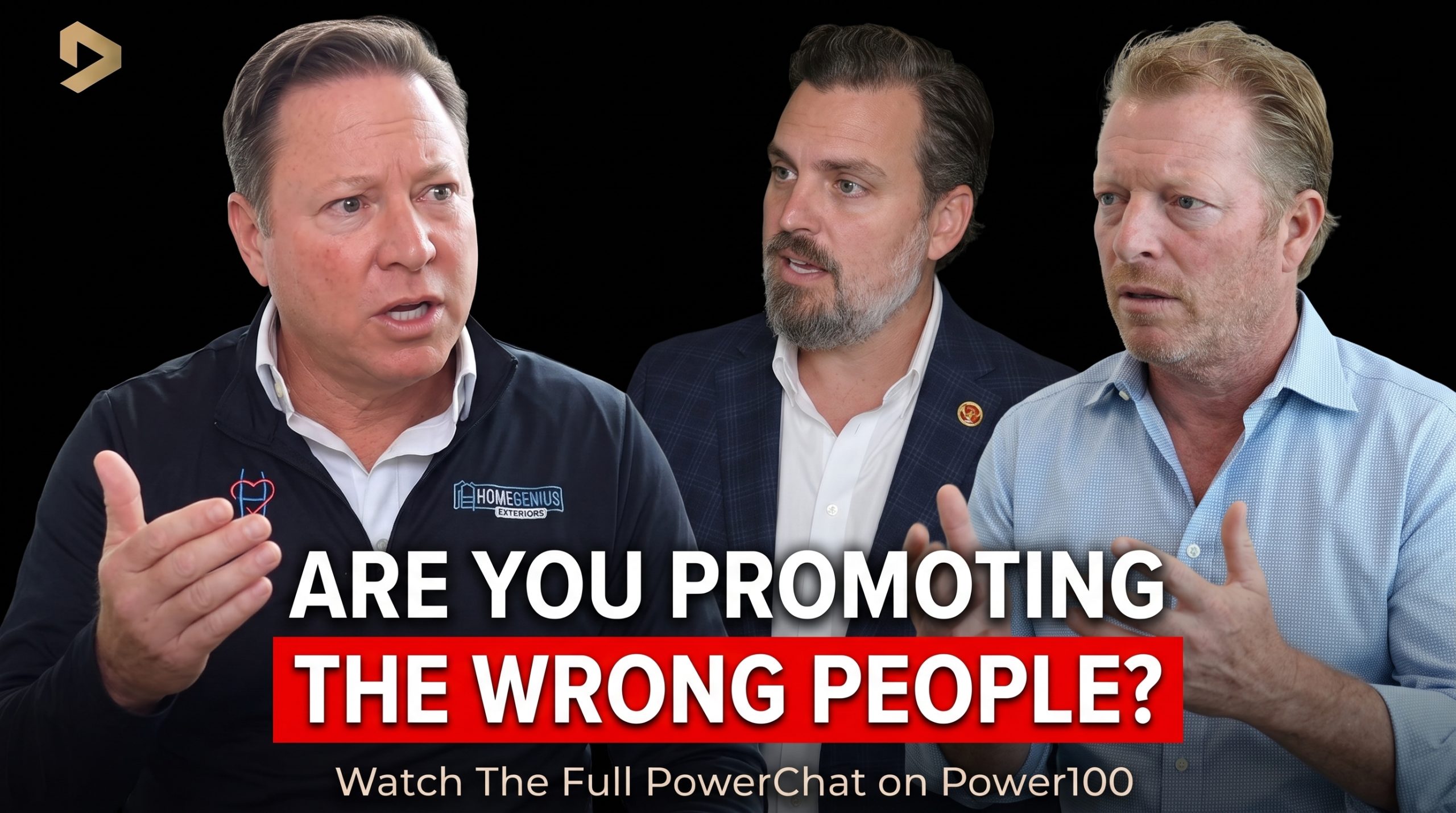
One of the biggest mistakes a home improvement company can make is assuming its best salesperson will also become its best manager. When a leadership position opens, many business owners look to employees who bring in the most sales, meet their goals, and consistently deliver strong results. These employees understand the business and have proven they can succeed. But leading a team requires something different. A great salesperson may enjoy working with homeowners, closing deals, and reaching personal goals without wanting the responsibility of managing others.
For Jeff Gunhus, Co-Founder and CEO of Home Genius Exteriors, this is a lesson he learned while building a growing exterior remodeling company that serves homeowners through roofing, siding, windows, and gutters. Jeff believes that before offering someone a management role, leaders must understand what drives that person and whether they truly want to help others succeed. His approach challenges how contractors think about promoting salespeople into leadership roles, placing greater value on personal goals, natural leadership, and the ability to guide others.
During the interview, Jeff admitted that he had learned this lesson through experience, explaining, “Sometimes we want someone to go into leadership, but that’s not what their why is.”
His message raises an important question for home improvement CEOs: Are they developing employees for roles they genuinely want, or promoting them simply because they perform well in their current jobs?
For Jeff, strong leadership begins long before a person receives a title. It begins with understanding their purpose and recognizing how they support the people around them.
That lesson became an important part of a recent PowerChat conversation hosted by Greg Cummings, CEO of Power100, where Jeff shared how Home Genius identifies future managers and prepares employees for greater responsibility. Power100 is the only unbiased third-party platform that recognizes and elevates the top leaders and most impactful companies in the home improvement industry. Through PowerChat conversations, the platform highlights real experiences, leadership decisions, and lessons that help home improvement companies build stronger teams and better businesses.
Jeff’s perspective offers a practical example of finding natural leaders in home improvement sales teams without relying only on sales numbers or years of experience. He explained how Home Genius starts by learning about employees’ personal goals during their first two weeks of training, then watches how they act around their teammates before giving them greater responsibilities. Drawing on his experience coaching his children’s soccer teams, Jeff shared how he learned to recognize leaders by watching who naturally stepped forward, encouraged others, and earned the group’s trust. He now looks for similar qualities within his sales and installation departments.
His belief is simple: “Leadership is a verb, not a noun.”
As contractors prepare for future growth, his approach offers an important reminder that a management title does not automatically make someone a leader. The strongest candidates may already be showing what they can do without formal authority. Before a company can develop its next great manager, it must first understand who truly wants to lead and who is already showing the ability to do it.
Choosing the right people to lead is one of the most important decisions a growing company can make. During his PowerChat conversation with Greg Cummings, CEO of Power100, Jeff Gunhus, Co-Founder and CEO of Home Genius Exteriors, shared how his thinking about leadership has changed through experience. Jeff believes companies must look beyond sales results, years of service, and job titles to understand who truly wants to guide others.

Jeff Gunhus, Co-Founder and CEO of Home Genius Exteriors
His approach to leadership development for home remodeling contractors starts with learning what matters to employees, watching how they treat their teammates, and giving them opportunities to show what they can do. For CEOs looking to build stronger teams, Jeff offers an important lesson: a great leader does not become one simply because the company gives them a new position. The desire to lead must already be there.
When a home improvement company needs a new sales manager, its strongest salesperson may seem like the easiest choice. That person knows how to speak with homeowners, understands the company’s products, and has already shown they can deliver results. From the outside, moving them into leadership may look like a natural next step.
But Jeff Gunhus believes companies need to look deeper before making that decision.
During the interview, he explained that one lesson he has learned is that people do not always want the opportunities their employers think they should want. Someone may be excellent at selling but have little interest in managing a team. Another person may enjoy helping coworkers improve, even if they are not the highest performer in the office.
Jeff explained, “Sometimes we want someone to go into leadership, but that’s not what their why is.”
His statement raises an important question about how to promote salespeople into leadership roles. Are companies choosing people because they have shown they can guide others, or because their personal results make them stand out?
The difference matters because selling and managing require different skills.
A salesperson spends much of their time working with homeowners, answering questions, and helping customers make decisions. Their success often depends on how well they handle their own appointments and follow the company’s sales process.
A manager must think about the entire team.
That person needs to help struggling employees, guide new salespeople, and support people with different skills and personalities. A manager also takes responsibility when the team faces problems, even when those problems have little to do with their own performance.
Someone who loves closing sales may not enjoy that kind of work.
Jeff recognizes that becoming a manager can also change what an employee gets from their career. A strong salesperson may enjoy setting personal goals and seeing the direct results of their efforts. Moving into leadership means spending more time helping other people achieve their goals.
That can be rewarding for someone who wants the responsibility. But for someone who prefers to focus on individual performance, it may not be the right path.
Jeff does not argue that successful salespeople cannot become great managers. His point is that doing one job well does not automatically prepare someone for another.
That is why Home Genius places importance on understanding what employees want before encouraging them to pursue leadership.
For home improvement CEOs, this approach creates a more thoughtful way to recognize talent. An employee should not have to become a manager simply to prove their value to the business. Strong individual performers also play an important role in helping companies succeed.
The goal is to understand where each person can make the greatest contribution while finding satisfaction in their work.
Before leaders can make that choice, they need to understand something sales numbers alone cannot explain: what motivates the employee in the first place.
A company can learn a great deal about an employee by watching how they perform at work. Sales results can show effort, skill, and progress. But those numbers do not always reveal why someone works hard or what they hope to achieve in the future.
Jeff believes those personal reasons deserve attention.
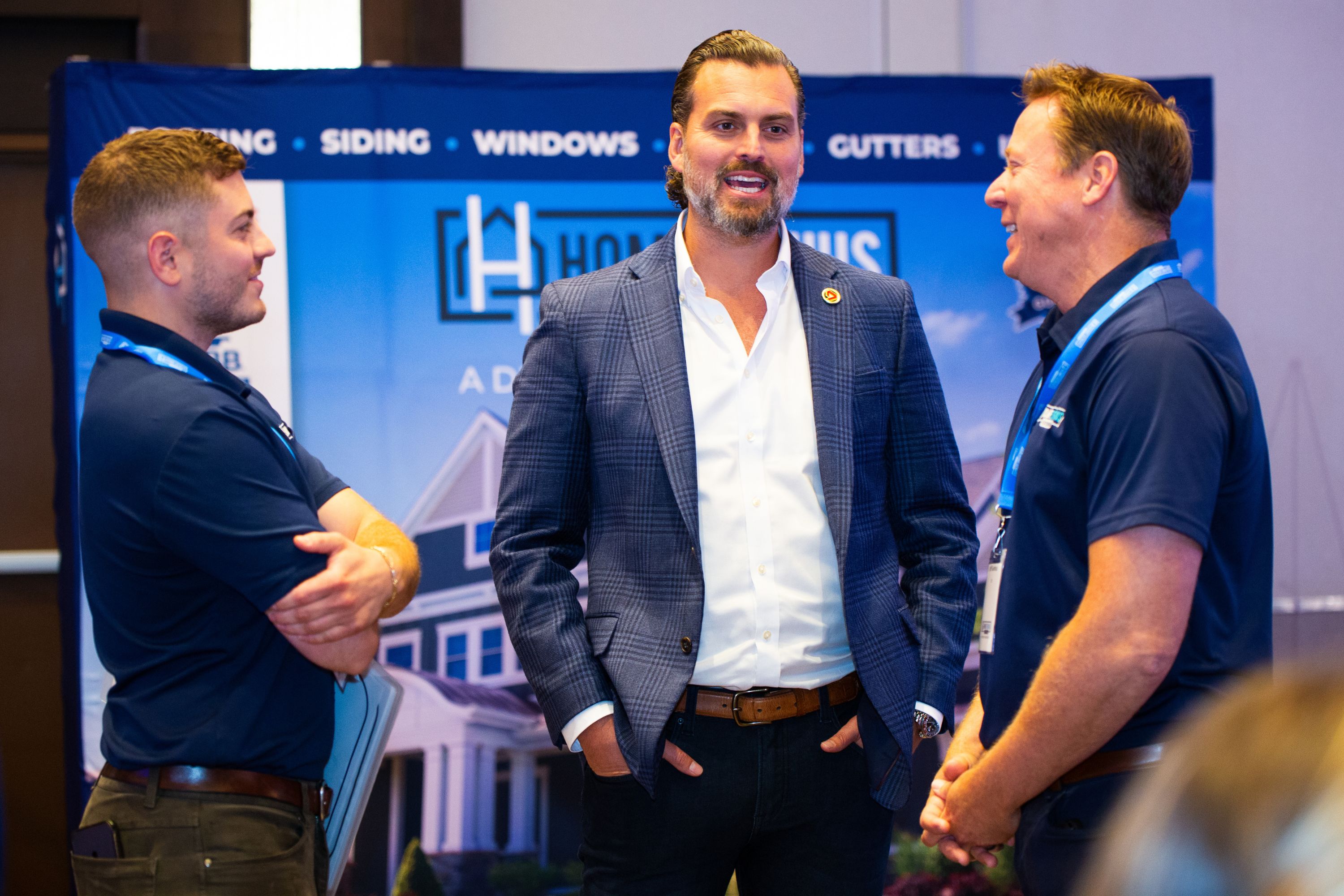
From Left: Austin Killian, Co-Founder, Executive Vice-President at Home Genius Exteriors, Greg Cummings, CEO of Power100 and with Jeff Gunhus, Co-Founder and CEO of Home Genius Exteriors
At Home Genius Exteriors, the process begins during the first two weeks of sales training. Rather than focusing only on products, sales methods, and company rules, the team also spends time asking new employees about their personal goals.
Jeff wants people to think about why they chose the job and what they hope their work will help them accomplish.
For some, that may mean buying a home or providing greater security for their children. Others may hope to support people in their communities, build successful careers, or prepare themselves for new responsibilities.
Those goals can look very different from one employee to another.
Jeff understands that someone who wants to grow into a management role may have different reasons for working than someone who enjoys selling and wants to become better at it.
That is why the company asks employees to look beyond their job titles when thinking about their future.
Jeff also shares his personal goals to help others understand what he means.
As a father of five, he explained that one of his greatest hopes is for his children to feel proud when they learn about the work he does.
“I have five kids and the only thing I care about is when those kids go online and Google what dad does for a living, that they’re proud of what I do,” Jeff shared.
His example shows that personal success does not always begin with a desire to earn more money or hold a higher position.
For Jeff, his work has meaning because of the people he wants to make proud.
By sharing that belief with employees, he encourages them to think about their own reasons for showing up, learning, and working toward their goals.
This creates a more personal approach to identifying leadership potential in home improvement employees. Instead of waiting until a management job becomes available, the company begins learning about people’s interests while they are still developing their skills.
That understanding can help leaders avoid making assumptions about what employees want.
A person who performs well may not want to spend their days coaching others. Another employee may enjoy taking responsibility for a group and helping coworkers become more successful.
Both employees can bring great value to the business, but they may need different opportunities to grow.
Jeff’s approach encourages managers to listen before deciding what someone’s next career step should be.
It also gives employees room to think about what leadership would mean for them. Taking responsibility for others can bring new opportunities, but it also requires time, patience, and a willingness to help people through difficult moments.
Those responsibilities should fit the kind of career the employee wants to build.
For contractors, the lesson is that career development becomes more meaningful when leaders understand the people behind the performance numbers.
When companies know what employees care about, they can have better conversations about their future and avoid treating every promotion as the same kind of reward.
But knowing what someone wants is only part of the picture.
Jeff believes a person’s actions can reveal something just as important. And one of his clearest lessons about spotting those actions came from a soccer field, long before he applied it to his business.
Some of the clearest signs of leadership appear when nobody has been asked to take charge.
One person begins helping others. Another speaks up when the group needs direction. Someone else notices a problem and takes responsibility for finding a solution.
These actions may seem small, but Jeff Gunhus believes they can reveal something important about a person’s ability to lead.
During the PowerChat, he shared a lesson from the years he spent coaching his children’s soccer teams.
Instead of choosing captains before the players had spent time together, Jeff watched how the children behaved during their first three practices.
He wanted to see who naturally stepped forward.
As the players practiced, certain children began showing the qualities that made others look to them for direction. Jeff explained that he did not need to announce who the leaders were right away. Their actions made it clear.
He now uses that same thinking when looking at employees within Home Genius.
In the company’s sales and installation departments, Jeff believes natural leaders often begin standing out through the way they work with others.
They may help teammates who need support, take responsibility when challenges arise, or set an example through their own behavior.
These qualities can appear long before an employee receives a management title.
Jeff summed up his belief with one of the strongest statements from the interview: “Leadership is a verb, not a noun.”
He added, “You don’t have to have a title in order to be a leader.”
This is the heart of his approach to finding natural leaders in home improvement sales teams.
For Jeff, leadership is something people demonstrate through their actions. A title may give someone the authority to manage others, but it does not automatically give them the ability to earn trust or help a team succeed.
That ability often becomes visible through everyday moments.
A new salesperson may struggle to understand part of the sales process. An experienced teammate who takes time to help them improve may be showing an interest in developing others.
An installation team may face an unexpected challenge. Someone who helps the group stay focused and work through the problem may be showing the kind of responsibility that leadership requires.
These examples help explain Jeff’s point, although they are not specific incidents he reported from Home Genius.
The important lesson is to pay attention to how employees act when they have an opportunity to support other people.
For CEOs and sales managers, this can change the way they look at talent.
Instead of studying only the monthly sales rankings, they can also notice who coworkers turn to for help, who takes responsibility, and who seems to care about the success of the entire team.
This does not mean every helpful employee should become a manager. A person may enjoy supporting coworkers without wanting the added demands of a leadership position.
That is why Jeff’s focus on understanding personal goals remains important.
Natural leadership behavior can reveal ability, while conversations about personal purpose can help reveal interest.
Together, they provide a better starting point for deciding who may be ready to grow.
Jeff’s soccer story also offers another lesson. Sometimes leaders learn more by observing their people than by making early decisions about them.
A manager who immediately chooses the highest performer may miss someone whose strengths become clear when the team works together.
Giving employees room to show their abilities can help those qualities come forward.
But recognizing a natural leader does not mean the company should immediately place that person in charge of an entire department.
Jeff believes employees need opportunities to test their abilities and discover what leadership truly requires before taking on a formal management role.
Recognizing leadership potential is an important step, but it is not the same as preparing someone to manage a team.
An employee may naturally encourage coworkers or take responsibility during a difficult moment. Those qualities matter, but managing people also brings challenges that someone may not have faced before.
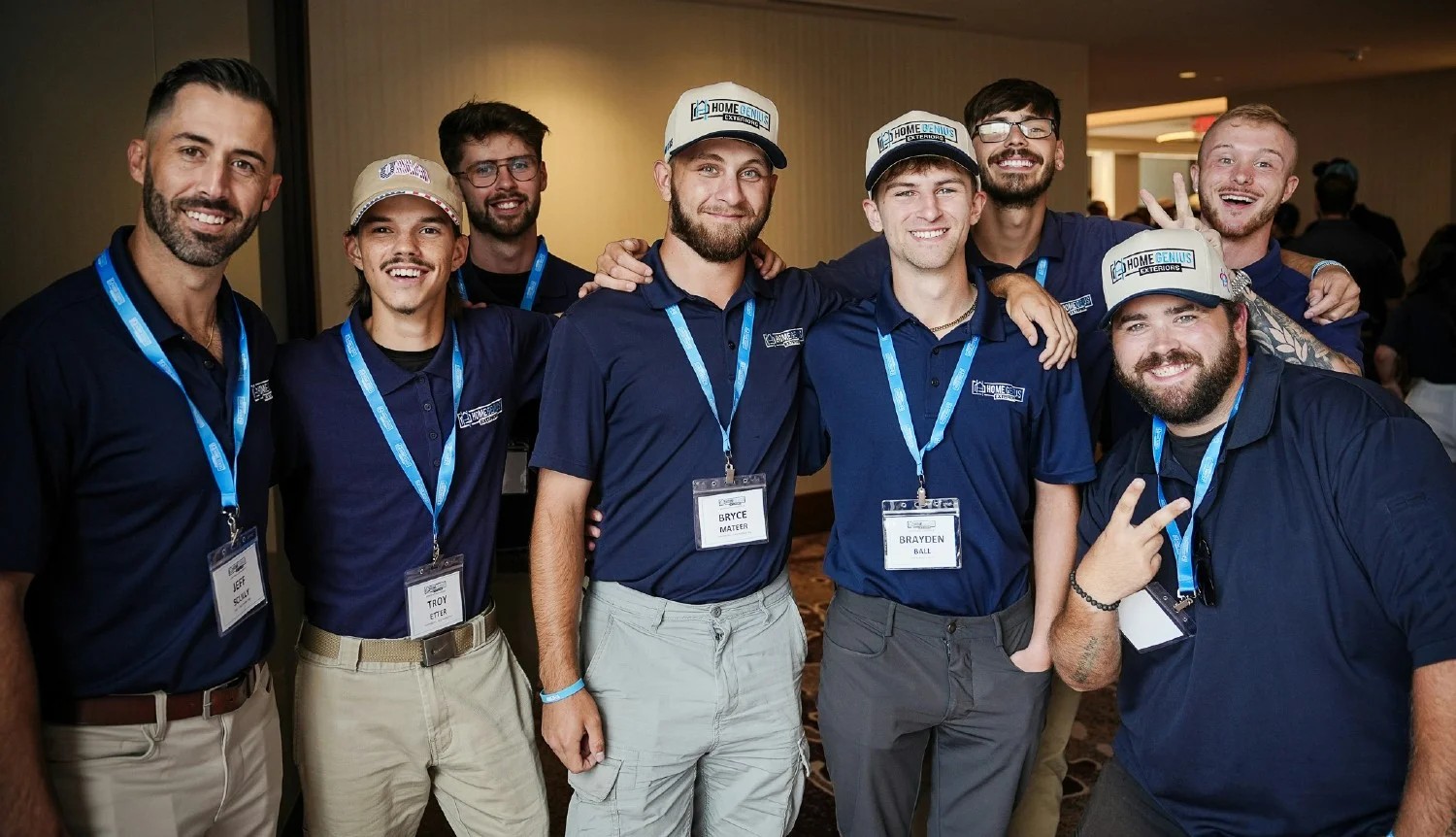
Great Team Culture at Home Genius Exteriors
Jeff believes companies should help employees gain that experience before asking them to take on a larger role.
At Home Genius, one way the company does this is through stretch assignments.
These assignments give employees opportunities to handle responsibilities beyond their usual work. Rather than moving someone directly into a management position, the company can begin seeing how that person responds when more is expected of them.
Jeff explained that Home Genius starts giving employees these opportunities early, allowing leadership qualities to become visible through experience.
This is an important part of employee leadership training in exterior remodeling companies because it gives people opportunities to learn about leadership before they make a major career change.
An employee may believe they want to manage others but discover that some parts of the responsibility are more difficult than expected. Another person may find that helping a group succeed gives them a greater sense of purpose than working alone.
Stretch assignments can help bring those differences to light.
They also give the company a chance to learn more about how employees handle responsibility.
But Jeff does not believe leadership development should stop when someone receives a promotion.
At Home Genius, employees who manage at least one other person join him for a leadership session every Friday morning from 8:30 to 9:00.
During that time, Jeff works directly with managers to help them continue growing.
These sessions take place before the company’s larger national meeting, where employees come together to recognize achievements and discuss business performance.
By making time for leadership training each week, Jeff shows that learning to manage people is an ongoing responsibility.
Someone who has led a small team for several months still has more to learn. A manager who has years of experience may also face new challenges as the company grows.
That is why Home Genius supports its leadership development efforts with reading, lessons, and continued discussions about how managers can improve.
Jeff also believes the company must be willing to question its own methods.
During the interview, he acknowledged that leadership development is one of the organization’s strengths, but also an area where it can improve.
He explained that believing the company already knows everything could prevent it from making progress.
“Knowing is the enemy of learning,” Jeff said.
The statement offers an important reminder for CEOs who want to build stronger management teams.
A company may have a successful training program today, but its managers will continue facing new employees, new problems, and new responsibilities.
Leadership training must grow with those needs.
For contractors, Jeff’s approach provides a useful way to think about promotions.
Rather than making a decision based only on past performance, companies can give employees opportunities to try new responsibilities, understand what leadership involves, and develop the skills needed to manage others.
That process can help both the employee and the company make a more informed decision about the next step.
It also supports a workplace where people do not have to know everything before taking on a new challenge. They need a willingness to learn and the support required to improve.
As Home Genius continues developing its managers, however, Jeff faces a challenge that makes these decisions even more important.
People who start by leading small teams may eventually become responsible for business operations much larger than anything they have managed before.
A leadership decision may begin with one employee, but its effects can reach an entire team.
The person a company chooses to manage others will help shape how employees learn, solve problems, and work together. As the business grows, that responsibility can become much greater.
Jeff Gunhus has seen how quickly those demands can change.
During the PowerChat, he explained that a regional leader who was managing around $25 million in business three years earlier could now be responsible for approximately $150 million to $200 million.
That is a major increase in responsibility.
A leader who once worked closely with a smaller group may now need to support managers across several locations. Their decisions can affect more employees, more customers, and a much larger part of the business.
Jeff understands that even capable people can feel pressure as their responsibilities increase.
He explained that Home Genius must continue watching whether leaders are ready for the challenges that come with managing larger operations.
For him, this shows why developing future managers for growing home improvement companies requires more than filling open positions.
The company needs people who want to guide others, have shown leadership through their actions, and are willing to keep learning as the business changes.
Choosing someone who does not enjoy managing people can create challenges as those responsibilities increase.
An employee who was successful working alone may find it difficult to spend more time helping other people succeed. Meanwhile, the team may need a manager who enjoys coaching, supporting employees, and taking responsibility for the group.
That is why Jeff’s belief about natural leadership matters even more as a company grows.
The goal is not simply to find someone who can produce strong results today. It is to recognize people who have the interest and potential to help others achieve strong results tomorrow.
But Jeff’s approach also recognizes that leadership must continue developing after those people take charge.
As managers begin handling larger teams, the company must provide the training, systems, and support they need to succeed.
This is part of the responsibility Jeff feels toward the people helping build Home Genius.
He explained during the interview that the company has made promises to employees about growth and opportunity. People work hard, give their time, and trust the business to create a future worth working toward.
Jeff does not take that trust lightly.
“The stress for me comes from not wanting to disappoint the people that we have in the business,” he shared.
His concern shows how leadership decisions connect to something larger than a job title.
When a company puts the right person in charge, that manager can help employees develop their skills, find support, and see new opportunities.
When the company makes that choice without understanding what the person wants or what the team needs, the effects can reach far beyond the employee receiving the promotion.
For CEOs, this creates a responsibility to think carefully about who they prepare for leadership.
Employees who perform well should have opportunities to keep growing. But growth can take different forms, and not every path needs to lead into management.
Some people may become more valuable through greater skill and experience in their current roles. Others may find their greatest success by guiding employees and helping teams improve.
Jeff wants Home Genius to recognize those different strengths while continuing to develop people who can carry greater responsibility.
That belief connects directly to the company’s mission.
During the conversation, Jeff described that mission as developing passionate leaders who are eager to improve the industry.
The purpose goes beyond creating enough managers to support the next stage of business growth.
It reflects a belief that strong leadership can help people become better at what they do, support those around them, and contribute to a stronger organization.
As Home Genius continues to grow, those decisions will remain important. New responsibilities will create opportunities for employees to step forward, but the company must ensure those opportunities reach people who genuinely want them and have the support needed to succeed.
For other home improvement CEOs, Jeff’s message offers a lesson worth considering before the next management position opens.
The future leader a company needs may already be working inside its sales or installation department.
That employee may not have the highest sales numbers or the longest record of service. They may simply be the person others trust, the one who helps teammates improve, or the one who steps forward when someone needs direction.
Recognizing that potential takes attention, understanding, and patience.
And developing it requires giving employees the opportunity to learn what leadership means before placing the success of others in their hands.
Because building a stronger company does not begin with giving more people management titles. It begins with finding the people who truly want to lead and helping them become ready for the responsibility.
As home improvement companies prepare for their next stage of growth, choosing the right people to lead will remain one of their most important decisions. For Jeff Gunhus, Co-Founder and CEO of Home Genius Exteriors, that choice begins with understanding what people want from their careers and how they treat those around them. Strong sales results deserve recognition, but they do not always tell the full story of someone’s ability or desire to lead. A company can offer an employee a higher position, but that does not mean the person will find purpose or success in managing others.
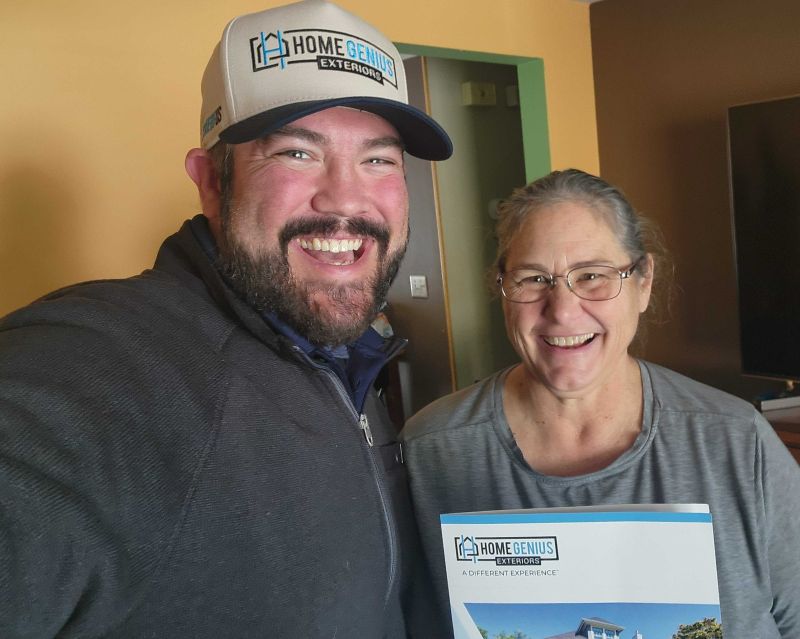
A happy Home Genius Customer
Jeff’s perspective offers an important reminder that career growth does not have to look the same for everyone. Some employees may find their greatest success by becoming even better at the work they already enjoy. Others may discover that helping coworkers improve gives them a stronger sense of purpose. Both paths bring value to a business. When leaders respect those differences, they can create opportunities that better match each employee’s strengths, interests, and goals.
This also changes how CEOs should think about the people already working inside their companies. The next great manager may not be the person receiving the most recognition or producing the highest sales numbers. It may be someone who quietly earns teammates’ trust, steps up when help is needed, or takes pride in seeing others succeed. These everyday actions can reveal qualities that a performance report may never fully capture. Paying attention to those moments gives companies a chance to recognize talent they might otherwise overlook.
As Home Genius continues to grow, Jeff’s approach points toward a future where leadership opportunities begin with people rather than positions. The goal is not simply to find someone who can fill the next management opening. It is to help employees discover where they can make the greatest difference and give those who want to lead the support they need to succeed. That creates a stronger foundation for teams, where people can contribute in ways that match their abilities while continuing to grow.
For home improvement CEOs, the lesson is simple. Before deciding who deserves the next promotion, take time to understand who truly wants the responsibility and who is already showing the qualities that leadership requires. The answer may come from someone whose influence has been growing long before anyone thought to give them a title.
Because a company can give someone the authority to lead, but the desire to help others succeed must come from the person behind the title.
No. Power100 reviews industry leaders before approving them as Expert Contributors. The platform features ranked CEOs and qualified industry experts who can share their knowledge through articles, interviews, and leadership resources. Its Expert Contributor program gives experienced leaders a place to share practical lessons with other contractors. This process helps Power100 focus on people who bring real industry knowledge rather than simply giving anyone a platform to promote their opinions.
Power100 believes revenue alone cannot show how well someone leads a business. Its five-layer ranking system reviews three main areas: Growth, Community, and Culture. The platform compares business growth with industry standards instead of rewarding company size alone. It also examines employee development, leadership decisions, and community impact. This approach helps Power100 recognize CEOs who build strong organizations and create value beyond sales numbers.
No. Jeff Gunhus, Co-Founder and CEO of Home Genius Exteriors, values strong sales performance but does not treat it as the only sign of leadership ability. He believes great salespeople may have different career goals, and not all want to manage others. His approach to promoting salespeople into leadership roles focuses on understanding personal motivation, observing how employees support teammates, and giving people opportunities to show leadership before receiving a title.
Home Genius Exteriors wants to understand what drives its employees before guiding them toward future roles. During the first two weeks of sales training, the company asks new team members about their families, personal goals, and reasons for working. Jeff believes these conversations help managers understand who may want to lead others and who may prefer to grow in their current position. This approach makes leadership development for home remodeling contractors more personal and helps employees pursue careers that match their interests.
Watching employees can reveal leadership potential, but Jeff does not rely on observation alone. He looks for people who naturally support coworkers, take responsibility, and earn their teams’ trust. Jeff compares this approach to coaching his children’s soccer teams, where natural captains became clear during practice. At Home Genius, the company also considers employees’ personal goals and gives them new responsibilities to help assess their readiness. This approach helps managers recognize leadership qualities before making promotion decisions.
Home Genius Exteriors gives promising employees stretch assignments that allow them to take on responsibilities beyond their regular jobs. These opportunities help employees show initiative, work with others, and learn what leadership requires. They also give the company a better understanding of how someone responds to new challenges. Jeff believes finding natural leaders in home improvement sales teams should involve watching people take action rather than relying only on job titles or sales results. A stretch assignment creates a chance to learn, but it does not guarantee a promotion.
Jeff Gunhus takes an active role in training the company’s managers. Every Friday from 8:30 to 9:00 a.m., he leads a leadership session for employees who manage at least one person. Home Genius also uses book discussions, structured lessons, and continued learning to help managers improve. Its careers website highlights leadership training, career growth, and professional development opportunities. Jeff believes managers must keep learning because a promotion marks the beginning of greater responsibility, not the end of their training.
Home Genius Exteriors combines leadership development with experienced executives, business systems, and regular reviews of its managers’ readiness. Jeff explained that some regional leaders who once managed approximately $25 million in business now oversee $150 million to $200 million. As their responsibilities grow, he looks for signs of pressure and areas where they may need support. The company also brings in leaders with experience at larger organizations. Jeff does not claim these steps remove every risk. He believes they help the business prepare its people for greater responsibility instead of assuming past success guarantees future results.
Power100 is the only unbiased third-party platform that recognizes and elevates the top leaders and most impactful companies in the home improvement industry. Led by Greg Cummings, CEO of Power100, the platform gives outstanding home improvement CEOs the recognition, visibility, and support they deserve. Through its focus on Growth, Community, and Culture, Power100 highlights leaders who build strong businesses, develop great teams, serve homeowners with care, and make a positive impact in their communities. Through PowerChat interviews, national rankings, and industry insights, the platform shares real leadership lessons that help contractors make better decisions, recognize talent, and create opportunities for their employees. Its mission is to help the best leaders in home improvement grow stronger while raising standards across the industry.
Membership unlocks every Power100 interview, PowerChat episode, and expert playbook - free for industry leaders.
Power100 is the nation's premier CEO ranking and media platform for the home improvement industry. Using a proprietary 5-layer evaluation system, Power100 identifies and celebrates the top CEOs, companies, and strategic partners driving innovation, customer satisfaction, and leadership excellence across the country.