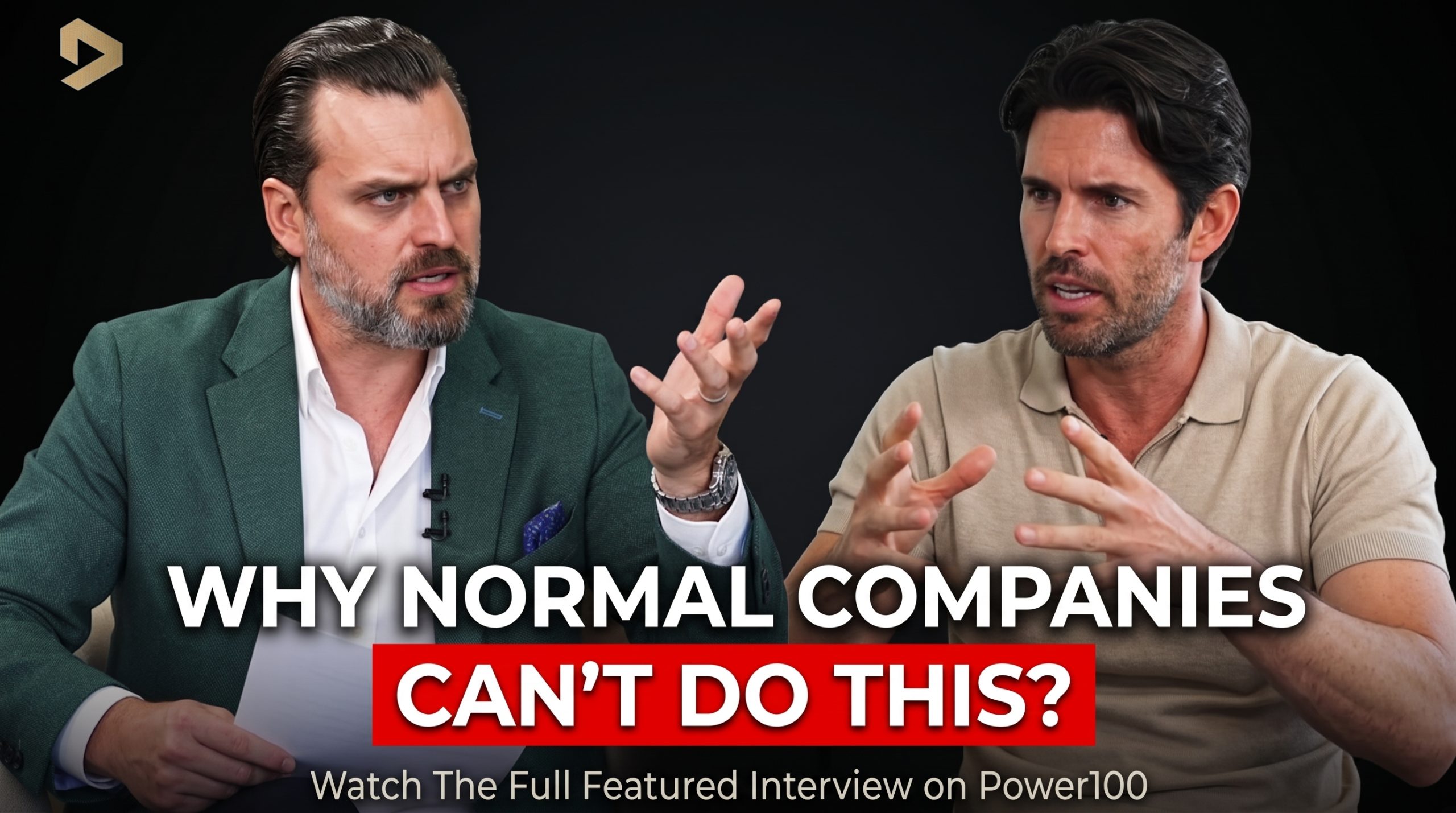
For home improvement contractors, offering customers something extra can help win a sale. But what happens when that reward becomes harder to use than anyone expected? A homeowner may feel excited about receiving a vacation after buying new windows, upgrading a bathroom, or completing another home project. Yet that excitement can quickly turn into frustration when booking the trip involves confusing rules, unexpected limits, or promises that fail to match the real experience. For the contractor, the damage can go beyond a disappointed homeowner. It can affect the trust, reputation, and customer relationship the business worked hard to build.
This is the problem Caleb Nelson, Founder and CEO of Destination Motivation, set out to solve. After seeing how difficult some traditional vacation certificates were to redeem, Caleb decided to build a better experience for homeowners and the contractors who serve them. His goal wasn’t simply to create another sales reward, but to offer a vacation experience customers could actually enjoy.
That belief helped shape the company’s approach to trust and transparency in vacation incentive programs, where a reward’s value depends on more than how good it sounds during a sales presentation. Caleb explains that the company worked to remove many of the frustrating steps tied to older travel offers, including required timeshare presentations and difficult booking processes. He also describes how the program can offer homeowners significant savings on vacations. But behind those benefits is a bigger commitment: making sure customers receive the value they were promised, even when delivering that experience takes more time, effort, or money.
That commitment to doing what others may avoid became a central part of Caleb’s Featured Interview with Greg Cummings, CEO of Power100. During their conversation, Greg raised a concern that many contractors and homeowners may share. Can a vacation voucher that sounds too good to be true really deliver the experience it promises? Caleb’s answer revealed a leadership approach built around earning customer trust rather than simply making an attractive offer.
“We do things that normal companies don’t do,” he explained, pointing to the extra care and investment his business puts into serving homeowners.
The discussion explored why Caleb created his own vacation reward system, how he worked to remove problems that made older certificates difficult to use, and why he believes a company’s responsibility continues long after a customer accepts an offer. Through real stories, including a vacation booking that went wrong and required Caleb to make a costly decision, the interview showed what it means to stand behind a promise when the customer experience is at risk. The conversation also reflects the purpose of Power100’s Featured interview, which looks beyond business results to explore the decisions, values, and leadership behind successful companies.
Power100 is the only unbiased third-party platform that recognizes and elevates the top leaders and most impactful companies in the home improvement industry. Through Caleb’s story, Greg highlights a lesson that matters to every home improvement CEO: a great offer may help attract a customer, but the experience that follows determines whether the business earns lasting trust.
For contractors choosing real vacation voucher programs for home improvement contractors, the lesson is clear. A reward should do more than help close a sale. It should deliver the value that made the homeowner excited to buy in the first place.
A vacation reward can make a homeowner feel excited about a purchase, but that excitement is only the beginning. The real test comes when the customer tries to use the reward and discovers whether the experience matches what they were promised. During his Featured Interview with Greg Cummings, CEO of Power100, Caleb Nelson, Founder and CEO of Destination Motivation, shared why he believes the experience behind a reward matters more than the offer itself.
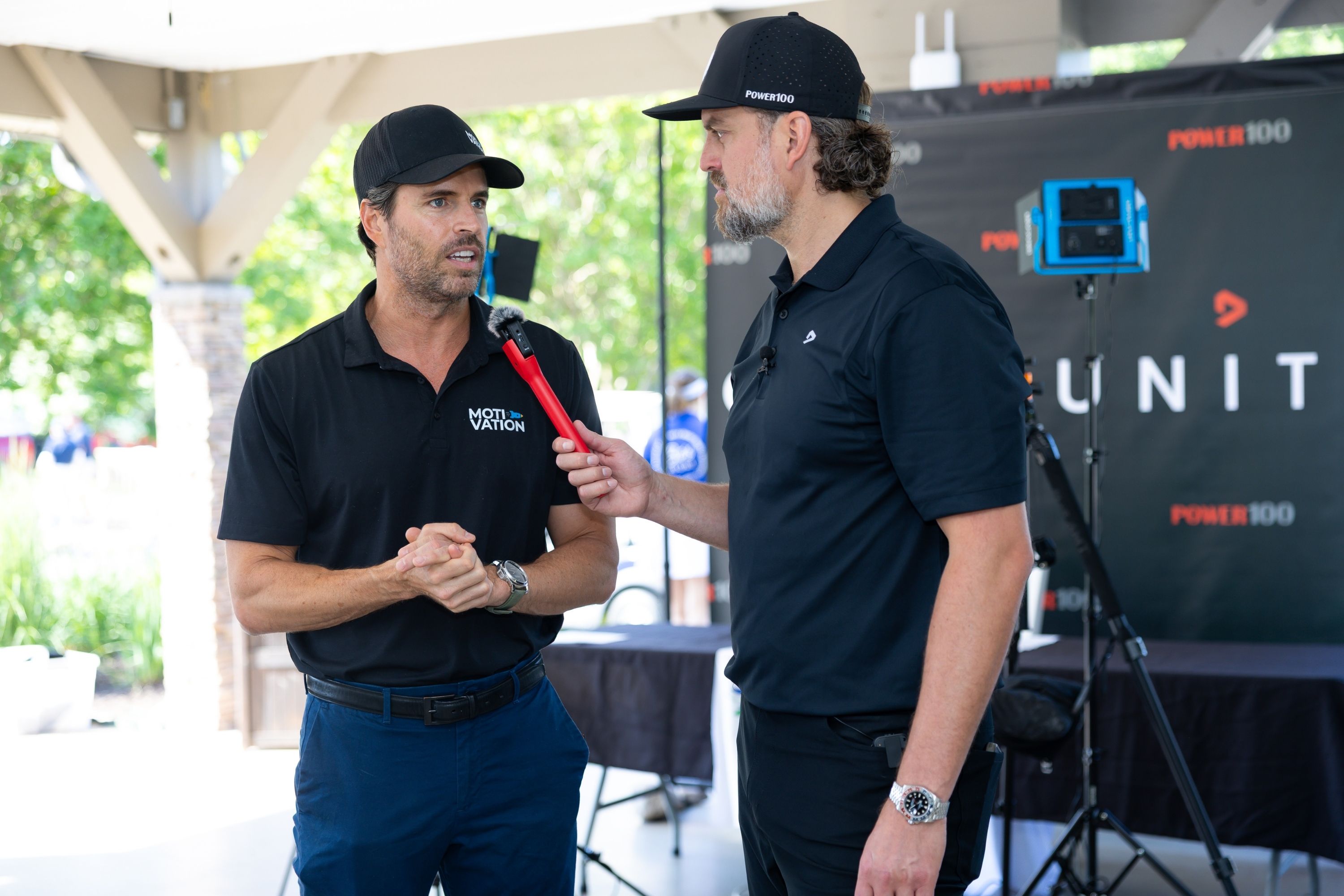
Greg Cummings, CEO of Power100, with Caleb Nelson, Founder and CEO of Destination Motivation
Their conversation revealed how his early frustrations with vacation certificates led him to build a different kind of service, one that places customer trust at the center of the business. Through personal stories, difficult decisions, and lessons learned along the way, Caleb showed why keeping a promise can matter just as much as making one.
Before Caleb started Destination Motivation, he had already seen how a promising offer could leave customers disappointed. At the time, he was running a recruiting business in the mortgage industry with his friend and business partner, Richard Gerbeck. They helped banks recruit loan officers and used cruise certificates as part of a marketing offer to attract new business.
The idea worked well at first. People liked the thought of receiving a vacation, and the offer helped create interest. But once customers tried to book their trips, Caleb discovered a problem that changed how he viewed the entire travel reward industry.
The certificates were difficult to use. Customers had to work through confusing steps before they could enjoy the vacation they had been promised.
“You had to be like a brain surgeon to navigate how to book these things,” Caleb recalled.
What troubled him most was that the problem seemed to be part of how some vacation certificate providers operated. Caleb explained that certain companies counted on customers never using their rewards. The offer could attract attention, but the business did not always benefit from customers completing their trips.
That approach did not sit well with Caleb, especially when he began thinking about the needs of home improvement contractors.
Unlike businesses that may never see a customer again, contractors depend heavily on trust. A homeowner who buys new windows, roofing, or a bathroom may recommend that company to friends and family. They may also leave reviews that influence future customers.
But that trust can weaken when a reward connected to the purchase creates a bad experience.
Imagine a homeowner who is pleased with a completed project but frustrated because the promised vacation becomes too difficult to book. Even if the contractor did a good job, the homeowner may still connect that disappointment to the company that offered the reward.
This is why protecting homeowner trust through vacation incentive programs became an important part of Caleb’s thinking.
He understood that contractors needed more than a reward that looked attractive during a sales visit. They needed confidence that the offer would not create problems for the relationships they had worked hard to build.
For Caleb, the issue was not simply about fixing a difficult booking process. It was about changing the way a business treated the people who trusted its promises.
That experience helped him see an opportunity to build something better.
After seeing the problems with traditional vacation certificates, Caleb began searching for a better option. He believed in the power of offering travel experiences as a reward, but he did not want customers to face the same frustrations he had already seen.
He looked for another product that would be easier for people to use. When he could not find what he wanted, he made a decision that would shape the future of his business.
He would build it himself.
This marked an important turning point in Caleb’s journey. Rather than continuing to sell something he knew could disappoint customers, he wanted to create a travel reward that placed the homeowner’s experience first.
That goal influenced how Destination Motivation developed its services.
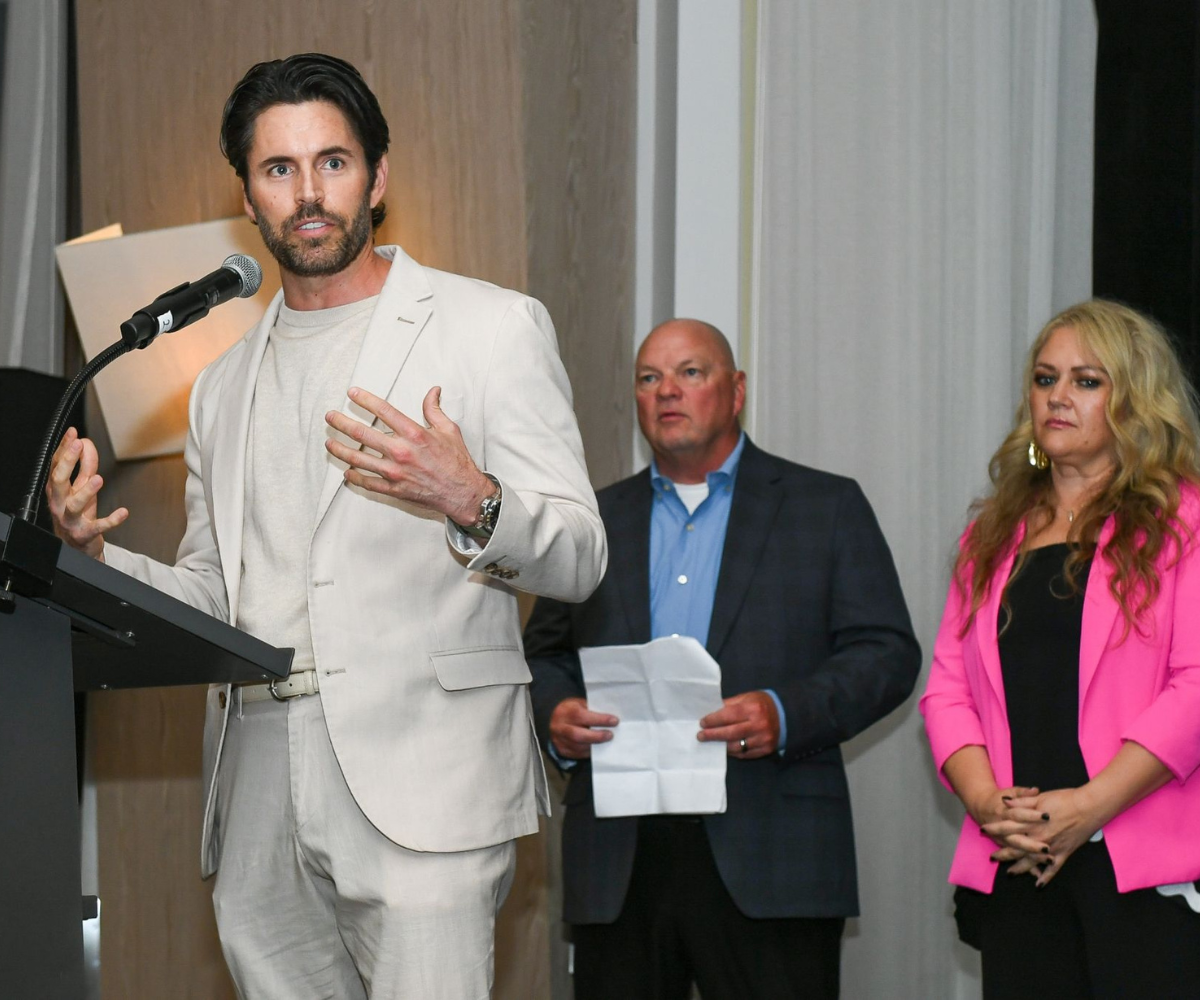
Caleb Nelson, Founder and CEO of Destination Motivation
During the interview, Caleb explained that his team focused on removing many of the problems that made older vacation offers feel unreliable. He wanted customers to have a clear path from receiving their reward to planning and enjoying their trip.
“There’s no timeshare presentations, there’s no hoops to jump through,” Caleb explained as he described the program.
His point was that homeowners should not have to deal with confusing demands just to receive the value they expected.
He also wanted the reward to offer meaningful savings.
Caleb described vacation opportunities that could save homeowners between 50 and 80 percent compared with what those trips would normally cost. Those figures reflect the potential savings he discussed during the interview, rather than a guarantee for every vacation.
For families, that kind of value can make a trip more affordable. But Caleb’s larger goal was to make sure the reward offered more than an attractive number.
This approach helped shape vacation rewards for home improvement contractors, focusing on both the sales offer and the customer’s experience after receiving it.
A reward may help a contractor stand out, but the homeowner still needs to understand what they are getting. Clear information about booking, travel choices, and any costs or conditions matters because it helps people make informed decisions.
That is especially important when customers are already making a large investment in their homes.
Greg recognized that many contractors might question a vacation offer when they first hear about it. During the conversation, he admitted he might have felt the same way when he ran his own window and door business.
Caleb’s response showed why he believed the product needed to answer those doubts through the experience it delivered.
A contractor can explain the benefits of a vacation reward, but the real value becomes clear when a homeowner can use it with confidence.
For CEOs choosing business partners, this brings forward a useful lesson. An offer should not only help the company attract customers. It should also be simple enough for those customers to understand and valuable enough to support the trust they have placed in the business.
Caleb’s decision to create a better product shows how solving a customer problem can become the foundation of a company.
Once Caleb explained how he built the reward, the conversation moved toward the people who receive it.
For Caleb, the value of a vacation isn’t just about how much money a family saves. It is also about what that experience can mean in their lives.
During the interview, he explained that people often make buying decisions based on emotion. They may later use facts and numbers to support their choices, but their feelings can play an important role in what they decide to buy.
This helps explain why vacation rewards can make home improvement offers more appealing.
A family may need new windows or a bathroom, but they may also want to travel, spend time together, or visit a place they have always dreamed of seeing.
Those goals can compete for the same household budget.
Caleb explained how his company helps contractors bring those two interests together. Instead of giving homeowners another reason to delay a needed project, the vacation reward can add a benefit that makes the purchase more appealing.
But the emotional value becomes much clearer through the stories Caleb shared.
One involved a mother who had been having difficulties in her relationship with her daughter. Through a vacation experience, the two found an opportunity to reconnect.
Caleb recalled how moving the mother’s feedback was to read.
It was the kind of story that reminded him that a vacation could mean much more than time away from home.
Another example involved a person recovering from a serious motorcycle accident. After spending years dealing with the effects of the accident and medical expenses, the homeowner was finally looking forward to enjoying life outside the home again.
At the same time, they were considering a shower renovation.
That created a difficult choice. Should they spend money on the home improvement project or focus on taking the vacation they had been waiting for?
Caleb described how a contractor offering both benefits could make that decision feel very different.
Instead of viewing the purchase as giving up something important, the homeowner could see an opportunity to make a needed improvement while also looking forward to a personal experience.
These stories reveal why customer experience in home improvement sales reaches beyond the moment a customer signs a contract.
A homeowner may remember the quality of a new window or bathroom, but they may also remember the experiences connected to that purchase.
For Caleb, those moments help explain the purpose behind the business. He wants customers to enjoy the value they receive, not simply feel excited about a promise made during the sale.
They also show why delivering the reward matters so much.
If the mother and daughter had struggled to book their trip, they might never have had the chance to create that memory. If the accident survivor could not use the travel reward, the promise of both a home improvement and a vacation would have lost much of its meaning.
That is what makes real customer experiences so valuable.
The strongest rewards do not end with the excitement of receiving them. They give people something they can use, enjoy, and remember.
For home improvement contractors, this offers a different way to think about added value. A reward is not only a tool for winning business. It can also become part of the story customers tell about their experience.
Of all the stories shared during the interview, one revealed just how far Caleb was willing to go to protect a customer’s experience.
Greg asked him about a time when things didn’t go as planned. After hearing how much care the company put into its vacation rewards, he wanted to know what happened when something went wrong.
Caleb recalled a couple who had traveled to Orlando for a vacation.
The trip was a big experience for them because they were not used to traveling. They arrived at their hotel expecting to begin their stay, only to discover that the hotel did not have their reservation.
For experienced travelers, a missing reservation would be frustrating. For this couple, the situation was frightening.
They were away from home, unsure what to do next, and had no room waiting for them.
Caleb’s team began working to solve the problem. But the situation became more difficult because events in the area had filled many nearby hotels.
The team tried its available options before bringing the problem to Caleb.
At the time, he was playing golf with two close friends. It was a Friday afternoon, and he was enjoying a course he had wanted to play for a long time.
Then the call came.
The couple had already spent hours trying to get into their hotel, and the team couldn’t find a solution.
Caleb stopped playing and began working on the problem himself.
He understood that the couple did not care which company had caused the mistake. They needed somewhere safe and comfortable to stay, and they were relying on his business to help them.
When the usual options failed, Caleb made a decision that would cost his company money.
He arranged and paid for the couple to spend seven nights at the Ritz-Carlton.
It was a luxury experience they had never enjoyed before.
Caleb missed the rest of his golf game, including a friend’s hole-in-one, but the customers were finally able to enjoy their vacation.
“We turned a really negative thing into a positive thing in the end,” Caleb shared.
What makes this story stand out is not simply that the company paid for an expensive hotel.
It is that Caleb chose to take responsibility for the customer’s experience, even though the original reservation problem wasn’t fully within his control.
He understood that the promise made to the couple still mattered.
This is where customer service accountability in vacation reward programs becomes more than a business idea. It becomes a decision a leader must make when the easiest answer may not be the right one.
Caleb was clear that the solution came at a cost.
“Did it cost us to do it? Yeah. But that’s in my eyes, that’s how you run a good business,” he explained.
For CEOs, this story offers an important lesson about protecting customer relationships.
No company can prevent every mistake. Hotels can lose reservations, plans can change, and unexpected problems can arise.
What matters is how the company responds when those problems affect the people it serves.
A business that takes responsibility gives customers a reason to believe that their trust was well placed.
Caleb’s decision also showed why he was willing to invest more in customer care than some companies might consider necessary.
He did not want the couple’s lasting memory to be the fear and disappointment they felt at the first hotel.
He wanted them to enjoy the experience they had been promised.
For home improvement contractors, that commitment matters because the customers receiving these rewards are also the people who trusted them with their homes.
The story shows why choosing a business partner should involve more than comparing prices or reviewing sales benefits. Contractors also need to understand how that partner responds when customers need help.
Caleb’s story about the Orlando vacation led naturally to another important part of the conversation.
Greg wanted to understand why home improvement contractors should feel comfortable allowing another company to communicate with their customers after a sale.
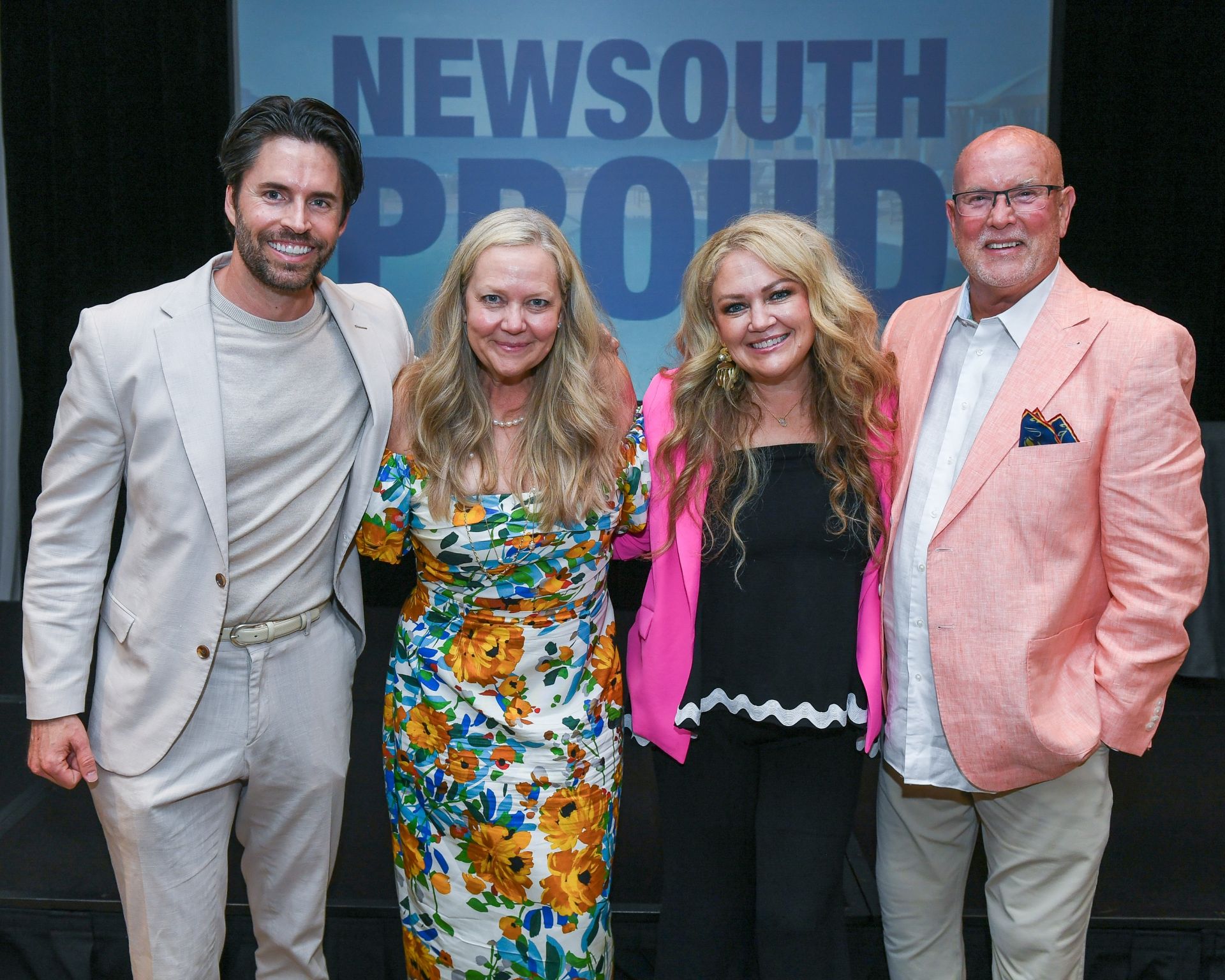
Caleb Nelson (left) alongside Earl and Amy Rahn of NewSouth Window Solutions.
That question matters because a contractor may spend weeks or months attracting a homeowner, arranging an appointment, and earning the opportunity to complete a project.
Once the homeowner signs, the contractor has a responsibility to protect that relationship.
Bringing in another company to deliver a reward means trusting that partner to treat the customer with the same level of care.
Greg recognized how much that trust means to contractors. They have invested time, effort, and money in building their businesses and serving homeowners. A poor experience with a partner could affect the customer relationship they worked hard to earn.
Caleb explained that Destination Motivation supports contractors through a personal call after the sale.
Within 24 hours of the purchase, a team member contacts the homeowner on behalf of the contractor.
The conversation begins by congratulating the customer on receiving the vacation reward. The representative also speaks positively about the contractor and reassures the homeowner about their decision.
This matters because a large purchase can leave people with questions.
A homeowner may feel confident during the sales appointment but begin to worry about the cost later. They may hear different opinions from friends or family, or wonder whether another company would have offered a better deal.
A friendly call can give them a chance to ask questions and feel more comfortable with their decision.
Caleb explained that the conversation also helps homeowners understand their vacation reward and the choices available to them.
Rather than treating the reward as something separate from the home improvement purchase, the company uses the interaction to support the wider customer experience.
This is an example of building homeowner trust through sales incentive programs, where the value comes from both the reward and the support that follows.
Another important part of the process involves customer feedback.
Caleb explained that these calls often create opportunities for homeowners to share their experience with the contractor. The team can then pass that feedback along, giving the business useful information and, in some cases, customer reviews or testimonials.
That can help contractors understand what customers appreciate and where they may need to improve.
It can also support their reputation with future homeowners who want to know whether a company delivers on its promises.
But the value of this process depends on how well the partner treats the people receiving those calls.
Caleb believes customer service should feel personal and helpful, rather than like another sales pitch.
He pointed out how difficult it can be to reach some companies when customers need support. His goal is to offer an experience where people feel heard and know someone is willing to help.
For contractors, this kind of customer follow-up support for home improvement companies can provide another way to strengthen relationships after a purchase.
The homeowner receives more attention, the contractor gains useful feedback, and the reward becomes part of a wider experience designed to create confidence.
This brings the conversation back to Caleb’s larger belief about business.
He does not see success as something that should benefit only the company offering the service. He wants homeowners, contractors, travel providers, and employees to gain value from the same experience.
That thinking helps explain why he puts so much attention into the details that follow a sale.
A vacation reward may help begin a customer relationship, but the way people are treated afterward can shape how they remember the entire purchase.
For home improvement CEOs, the lesson is clear. Choosing partners who care about the customer experience is not only about protecting a good reputation. It is about making sure the promises connected to their businesses continue to hold value long after the sales visit ends.
When a vacation reward sounds too good to be true, homeowners have every reason to ask questions. During his conversation with Greg Cummings, Caleb Nelson showed why the answer should come from the experience a company delivers, not just the promises it makes. His journey with Destination Motivation reflects a simple belief: customers deserve to receive the value they were offered, and businesses have a duty to make that experience worth their trust.

Destination Motivation Team
What makes Caleb’s approach meaningful is his willingness to put that belief into action. He understands that earning trust takes time, while losing it can happen in a single disappointing moment. By placing customer care at the heart of his business, he has shown that doing the right thing may sometimes require more effort, greater care, and difficult choices. Yet those choices can leave customers with something far more valuable than a reward. They can leave them feeling respected, supported, and confident in the company they trusted.
For home improvement CEOs, Caleb’s story offers a lesson that will remain important as the industry continues to grow. Customers will always value great offers, but they will remember how a company treated them long after the excitement of a purchase has passed. Leaders who understand this will see customer service as more than a business expense. They will see it as a chance to earn lasting trust.
A great company does not simply make promises to win customers. It builds its reputation by turning those promises into experiences people can trust, enjoy, and remember.
Power100 believes contractors need to know what happens after a company makes a sale. Its research looks at customer experience, business results, operations, and the support companies provide. In its 2026 comparison of vacation reward providers, Power100 examined how companies handle bookings, explain travel terms, and help homeowners use their rewards. This helps contractors compare vacation incentive programs for home improvement companies based on more than their sales claims. A program should help win customers without creating new problems.
No. A high ranking does not mean a company will never make a mistake or face a customer complaint. Power100 uses a five-layer ranking system that combines business data, technology, human review, and feedback from customers, employees, and partners. Its research helps contractors identify companies with strong records, but no ranking can promise a perfect result every time. Through home improvement strategic partner evaluations, Power100 aims to give CEOs useful information so they can choose partners that fit their business needs and customer service standards.
Caleb Nelson built Destination Motivation after seeing customers struggle to use vacation certificates in his earlier mortgage recruiting business. He believed the rewards had value, but the difficult booking process often left customers disappointed. Instead of continuing with the same approach, he created a program focused on easier redemption and better customer care. The company says its vacation voucher program for home improvement contractors removes required timeshare presentations and many of the frustrating steps found in older travel offers. Caleb wanted homeowners to enjoy the reward rather than give up trying to use it.
Destination Motivation offers cruise and resort vacation rewards. Its website lists cruise options with Royal Caribbean, Celebrity, Norwegian, and Carnival, with trips ranging from three to eight nights. The company also offers a Condo Express Voucher that provides seven nights of resort accommodations, with options across more than 4,500 resorts in 106 countries. Homeowners can explore different destinations based on the reward they receive. These cruise and resort vacation vouchers for home improvement customers give families a choice of travel experiences, although each voucher has its own terms and booking requirements.
No. Destination Motivation says its vacation rewards do not require timeshare presentations, but that does not mean every trip is completely free or has no conditions. Homeowners may still need to cover certain travel costs, taxes, fees, or other expenses, depending on the vacation they choose. The company’s website also describes booking periods, including a 16-month booking window for its published cruise offer. Homeowners should review the terms of their specific voucher before making plans. Transparent vacation reward programs for contractors should help customers understand what the reward includes and what they may need to pay.
Not necessarily. During his Featured Interview with Greg Cummings, Caleb explained that the company offers vacation opportunities that can save homeowners 50% to 80% compared with normal travel costs. However, those figures describe potential savings, not a guaranteed discount on every trip. The amount a homeowner saves depends on the vacation, travel dates, available options, and costs included in the offer. Families should compare the total price of a similar trip before deciding how much they save. The purpose of these vacation incentives for home improvement contractors is to offer meaningful value that homeowners can actually enjoy.
No. Caleb shared one example in which he paid for a couple to stay at the Ritz-Carlton for seven nights after their original hotel could not find their reservation. His team had tried to find another solution, but nearby hotels were full. Caleb chose to cover the costly stay because he wanted the couple to enjoy their trip. This was a specific customer service decision, not a promise that every booking problem will lead to a luxury upgrade. The story shows how Caleb approaches customer service accountability in vacation reward programs and why he believes businesses should take responsibility when customers need help.
A homeowner’s experience with a vacation reward can affect how they remember the contractor who offered it. If the trip goes well, the reward can become another positive part of the customer’s experience. If the homeowner struggles to use it, that frustration may affect their view of the contractor, even when the home improvement work meets expectations. Destination Motivation helps address this concern through travel support and post-sale customer contact. Its team calls homeowners to explain their rewards, answer questions, and reinforce confidence in their purchase. This approach supports building homeowner trust through sales incentive programs while helping contractors protect the customer relationships they worked hard to earn.
Power100 is the only unbiased third-party platform that recognizes and elevates the top leaders and most impactful companies in the home improvement industry. Led by Greg Cummings, CEO, Power100 uses a five-layer ranking system to identify the nation’s leading CEOs and strategic partners based on leadership, business growth, company culture, customer experience, and industry impact. Through national rankings, Featured Interviews, and the platform, it shares the stories and lessons behind successful companies while giving outstanding leaders the recognition they deserve. Power100 also helps home improvement CEOs discover trusted resources and industry partners that support better business results, stronger customer relationships, and lasting growth. Its mission is to serve as the nation’s leading outside resource for CEOs who want to build successful companies while making a positive difference in the industry.
Membership unlocks every Power100 interview, PowerChat episode, and expert playbook - free for industry leaders.
Power100 is the nation's premier CEO ranking and media platform for the home improvement industry. Using a proprietary 5-layer evaluation system, Power100 identifies and celebrates the top CEOs, companies, and strategic partners driving innovation, customer satisfaction, and leadership excellence across the country.


