A home improvement company can have skilled installers, quality products, and a team ready to take on more projects, yet still struggle to bring in enough jobs to keep the business growing. For many contractors, the challenge is not always the work they can deliver. It is finding the right customers, getting their attention, and turning that interest into real business. A roofing company may know how to install the best roof, while a window contractor may have years of experience helping homeowners improve their homes. But what happens when those services never reach the people who need them?
For Charlie Cina, Founder and CEO of OneTapConnect and Power100 Advisory Board Member, this is why contractors must think beyond the products they sell or the projects they complete. Drawing from years of experience in sales, construction, and home improvement, Charlie believes every contractor must also understand how to get their services into the market.
As he explained, “We’re really in the distribution business, right?”
His message is not simply about delivering products or moving building materials. It is about creating a clear path from finding potential customers to helping them understand the value of a service and choose the right company for the job. For Charlie, strong contractor prospecting strategies begin with a willingness to connect with people, explain what the business offers, and create conversations that can lead to sales.
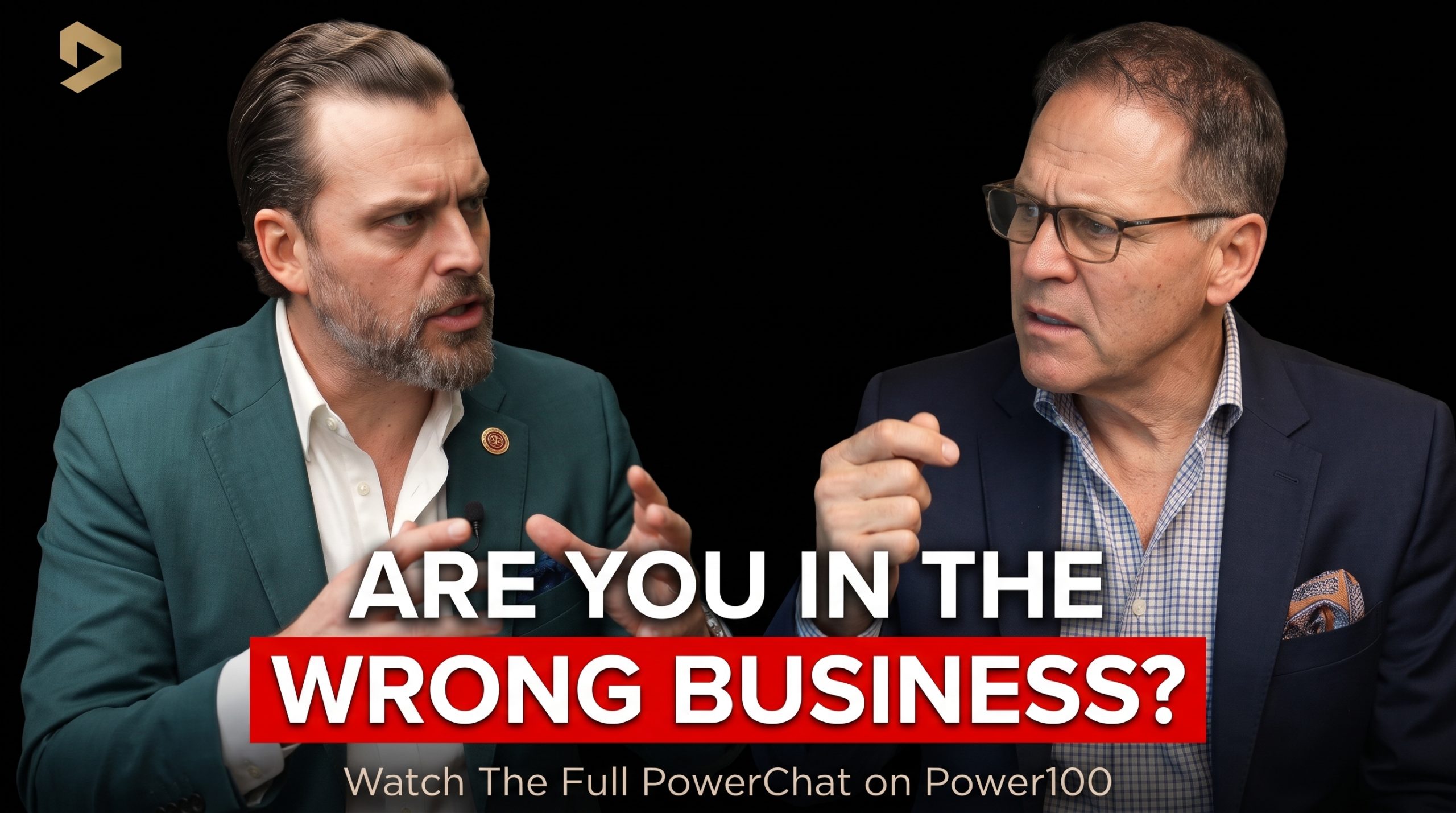
That perspective became an important part of a featured PowerChat interview hosted by Greg Cummings, CEO of Power100. During the conversation, Charlie shared how his career took him from selling products to contractors to working on major construction projects in Las Vegas, including the Wynn Resort, Mandalay Bay, and the Venetian. He also explained how selling flooring to homeowners opened the door to other services, including painting, window shades, and countertops. These experiences helped him see that the same sales principles apply across many businesses. A company must find people who need its services, introduce what it offers, understand customer needs, and turn those conversations into opportunities.
Greg and Charlie explored why this approach matters for contractors at every stage of growth, especially those with the skills and capacity to complete more jobs but no clear plan to reach enough customers. Their discussion also showed how sales skills, customer relationships, and useful technology can help companies make the most of each opportunity. These lessons reflect the mission behind Power100.
Power100 is the only unbiased third-party platform that recognizes and elevates the top leaders and most impactful companies in the home improvement industry. Through PowerChat, the platform brings real business experience and practical lessons to CEOs who want to strengthen sales efforts, reach more homeowners, and build companies that can keep growing as the market changes.
During his PowerChat conversation with Greg Cummings, Charlie Cina shared a business lesson that challenges how many home improvement contractors think about growth. While most companies focus on the products they sell and the projects they complete, Charlie believes their success also depends on how well they bring those services to customers.
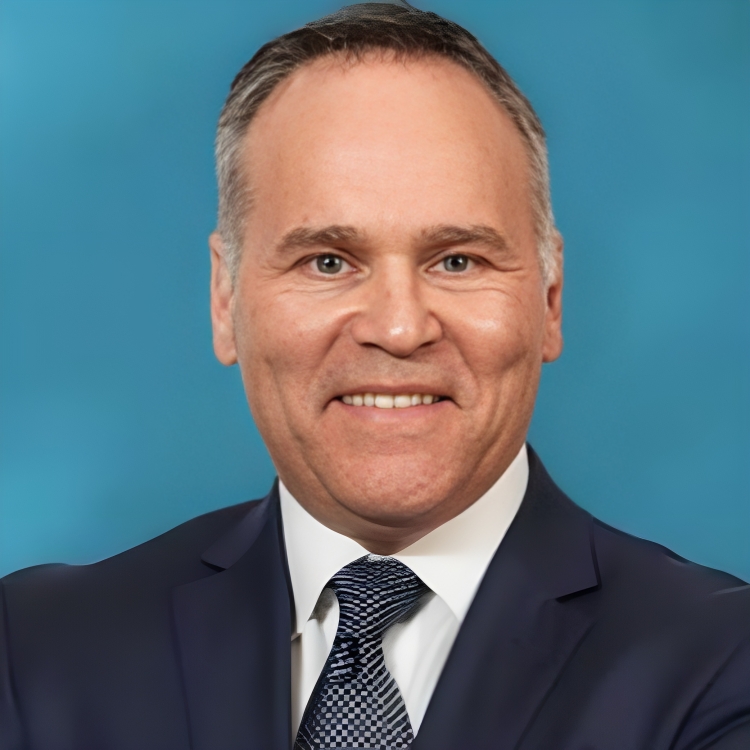
Charlie Cina, Founder and CEO of OneTapConnect and Power100 Advisory Board Member
From his early days in sales to working on major construction projects and building OneTapConnect, he learned that every business needs a clear way to find potential buyers, understand their needs, and earn their trust. His experience shows why contractors must look beyond the work happening on job sites and pay closer attention to the steps that bring customers through the door. For CEOs, this means building a business that not only delivers great work but also creates a steady flow of opportunities to do it.
When Charlie described contractors as being in the distribution business, he was not talking about moving building materials from one place to another. He was pointing to something that happens long before a crew arrives at a customer’s home.
Someone must first find that customer, introduce the company, explain what it offers, and give the homeowner a reason to consider its services.
For Charlie, this is a basic part of running any successful business.
“We’re really in the distribution business, right?” Charlie explained.
His point challenges contractors to think beyond the type of work they perform. A roofing business may have an experienced crew and excellent roofing products. A window company may offer strong warranties and skilled installers. But neither can complete a project until someone creates the opportunity to sell that service.
Charlie believes every contractor must understand this, whether they are new to the industry or have been running a company for years.
A new business owner may spend most of the day working on projects while trying to find enough customers to keep the company going. A larger contractor may have several sales teams, hundreds of employees, and the ability to serve customers across different markets.
Their businesses may look very different, but both depend on the same basic process. They must reach people who need their services and give those people a reason to buy.
This is why a strong home improvement contractor customer acquisition strategy matters at every stage of growth.
Charlie learned this lesson through years of selling different products and services. Before entering the construction industry, he worked in sales and helped businesses introduce their products to customers. He later started his own companies and used those same skills to create opportunities in new markets.
His work eventually brought him into construction, where he helped sell products for major projects in Las Vegas.
Although the customers and services changed, Charlie noticed something that stayed the same. The businesses that wanted to grow still needed people who could connect with buyers and turn interest into sales.
That experience shaped how he views the home improvement industry today.
For CEOs, the lesson is to look at the business as a whole. Installing a roof, replacing windows, or remodeling a home may be the service customers pay for, but finding those customers gives the company the chance to do that work.
A contractor should understand how new customers hear about the business, what interests them, who handles their questions, and what happens before they agree to a project.
When leaders understand that journey, they can begin to see where opportunities may be getting lost.
A company may be excellent at completing jobs but struggle to reach enough homeowners. Another may generate plenty of interest but struggle to turn those conversations into sales.
Both face a problem that goes beyond the quality of their products.
Charlie’s message encourages CEOs to give the same care to bringing customers into the business that they give to delivering the work itself.
Because a company cannot grow through great service alone if it has no clear way to get that service to the people who need it.
Understanding the need to reach customers is one thing. Taking action to find them is another.
Charlie believes many of the opportunities a business needs will not appear unless someone makes an effort to create them.
His own career began with that belief.
As a child growing up in Buffalo, New York, Charlie wanted to earn his own money. He worked small jobs around his neighborhood before buying a newspaper delivery route for $100.
When he took over the route, it had 40 newspaper deliveries.
Rather than settling for the customers he already had, he went door to door throughout the apartment building and introduced the newspaper to more residents.
He grew the route to 70 deliveries and encouraged some customers to receive the paper more often.
That early experience taught him something he would later use throughout his career.
“The more you introduce, the more you produce,” Charlie said.
For home improvement contractors, this lesson points to the value of taking an active role in finding business.
A company may have a website, run advertisements, and receive referrals from happy customers. But Charlie’s experience suggests that business owners should also understand how their teams create opportunities instead of waiting for people to contact them.
He spent years knocking on doors, approaching potential buyers, and getting construction products considered for major projects.
Those activities helped him reach people who may not have known about the services he was selling.
Today, contractors can use different contractor prospecting strategies to create similar opportunities.
Some may reach homeowners through direct outreach, while others build referral relationships, connect with property managers, or develop stronger relationships with people who regularly need their services.
The right approach depends on the customers the business wants to serve.
For example, a roofing company that wants more commercial projects may need to build relationships with property owners and managers. A residential window company may focus more on reaching homeowners who are planning improvements.
The important part is knowing who needs the service and how to start a useful conversation with them.
Charlie also believes businesses must take action even when the market becomes more difficult.
Higher interest rates, rising costs, and changing customer needs can make people more careful with their spending. In those conditions, simply waiting for demand to improve may leave a contractor with fewer opportunities.
A more active approach gives the company another way to reach people and understand what they need.
“If you want it, you gotta go after it,” Charlie explained.
This does not mean every person a contractor meets will become a customer. It means business owners must create enough opportunities to find the people who are ready, interested, or likely to need their services.
For CEOs, the real question is whether their teams have a clear plan for making those connections.
Strong home improvement contractor lead generation should not depend only on good luck or a busy season. It should involve clear goals, people who understand their roles, and regular efforts to find potential customers.
That process can also help leaders learn what is happening in the market.
When sales teams speak with homeowners, they hear what people are worried about, what projects they are considering, and what may be stopping them from moving forward.
Those conversations give contractors useful knowledge while creating chances to win future business.
Charlie’s early newspaper route may have been a small business, but the lesson behind it still applies to companies of every size.
Growth often begins when someone decides to reach out instead of waiting to be found.
Finding someone who may need a service creates an opening. But Charlie believes the next step is just as important.
Contractors must know how to explain what they offer in a way that makes sense to the customer.
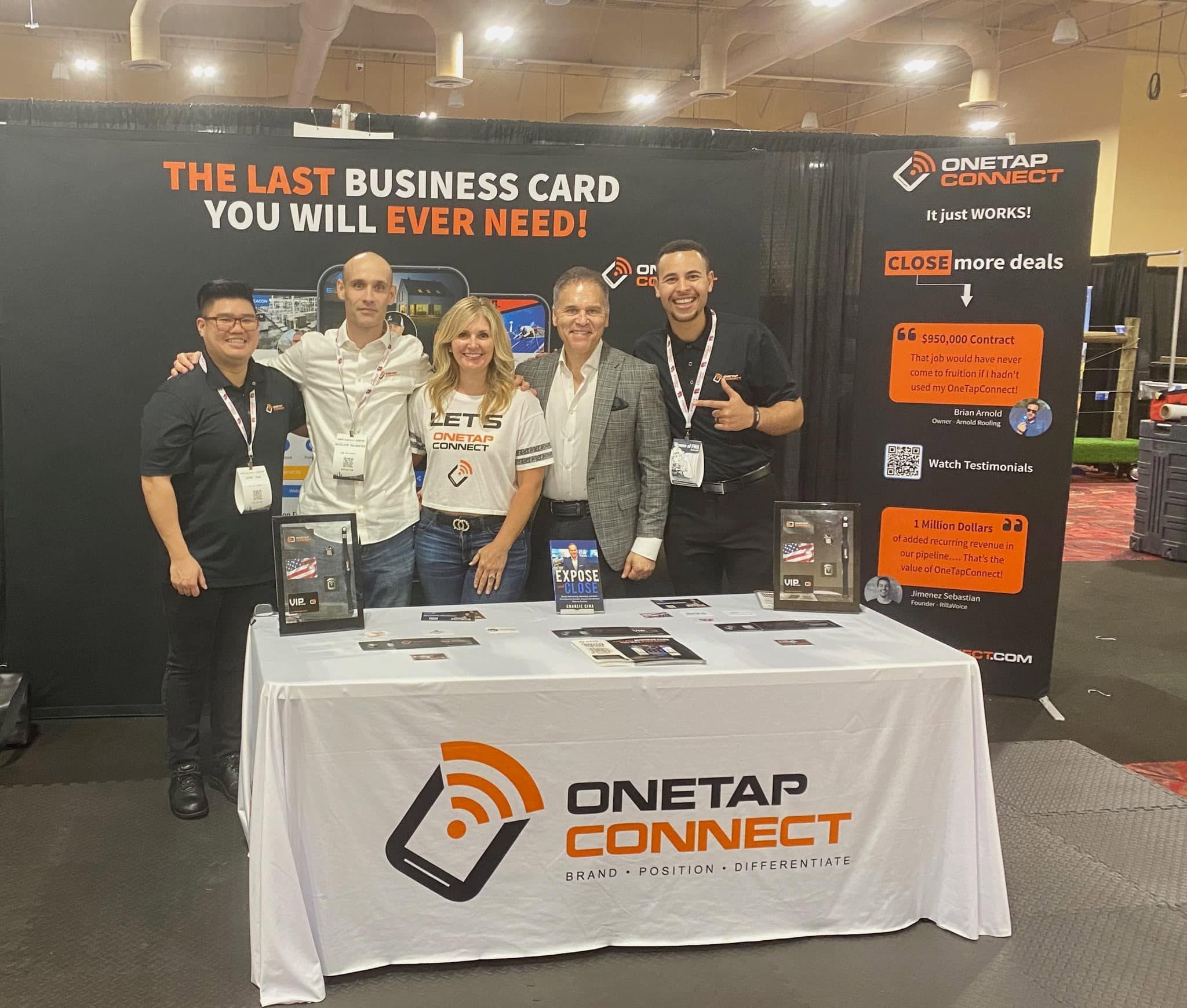
Charlie Cina, Founder and CEO of OneTapConnect, with the OneTapConnect team
During the interview, he spoke about the need to “convey your marketing message of who you are and what you do.”
For Charlie, that message should help people understand the business and why its services matter.
A homeowner may not know much about the products a contractor installs. They may not understand the difference between flooring materials, window systems, or roofing options.
What they often understand is the problem they want to solve.
They may need to repair damage, make a room more comfortable, finish a home, or replace something that no longer works.
This is where a clear home improvement sales messaging strategy becomes valuable.
Rather than leading only with product details, a contractor should first learn what the customer needs and then explain how the service can help.
Charlie’s experience working on high-rise residential projects in Las Vegas gives a useful example of this approach.
After entering the construction industry in 1999, he began selling products used in flooring and building projects. As residential towers grew across Las Vegas, he started working with homeowners who had purchased unfinished condominium units.
These buyers had homes that still needed many important features before they could move in.
Charlie first helped them with sound control flooring, a service that addressed one of their immediate needs.
But as he worked with these homeowners, something interesting happened.
Customers began asking him questions that went beyond flooring.
They wanted to know where they could find window shades, painters, countertops, and other products needed to finish their homes.
Instead of seeing those questions as unrelated to his work, Charlie recognized that they revealed other problems the customers needed help solving.
Over time, he began offering more services and helping homeowners turn their unfinished spaces into completed homes.
The opportunity came from understanding what customers needed next.
His experience shows why listening can be just as important as explaining a product.
A homeowner may first contact a contractor about replacing windows, but the conversation may reveal concerns about energy costs, comfort, or the home’s appearance.
A skilled salesperson should understand those concerns before explaining which services may help.
Charlie learned that the more he understood the customer’s situation, the better prepared he was to offer something useful.
His work also gave him direct experience selling home improvement services in people’s homes.
“I’m very familiar with the industry and know what it is to close a deal at the kitchen table,” Charlie shared.
That experience matters because selling home improvement services often involves more than giving someone a price.
Customers may have questions about how the work will happen, what they should expect, and whether the contractor understands their needs.
A clear conversation can help them feel more comfortable making a decision.
For CEOs, this means sales teams should know more than the names and features of the products they sell.
They should understand why customers buy those products, what problems the services solve, and how to explain their value in simple language.
This also creates opportunities for contractors to discover needs they may otherwise miss.
A company that listens closely may learn that a customer needs a different solution, more information, or help with another part of the project.
That knowledge can lead to better service and, when appropriate, more business.
Charlie’s experience reminds contractors that reaching a customer is only the beginning.
The real value comes when the company understands what that person needs and can clearly explain how it can help.
After a contractor finds a potential customer and explains its services, another challenge begins.
How does the company turn that interest into a real business opportunity?
Charlie believes the answer starts with knowing which conversations are worth pursuing and having the skills to move them forward.
During the PowerChat, he explained that businesses need more interactions, but those interactions should lead to something meaningful.
“You need more interactions, right? That lead to conversations that convert,” Charlie said.
For home improvement CEOs, this means a large number of leads does not always equal a large number of jobs.
A homeowner may ask about a new roof without planning to replace it soon. Another person may contact a company about a service it does not offer. Someone else may have an urgent problem and be ready to schedule an appointment.
Although each person has shown some interest, their needs and readiness are different.
Sales teams must know how to recognize those differences.
Charlie described the importance of learning to “sort, sift, and separate a prospect from a suspect.”
His point is that employees should know how to identify people who have a real need for the company’s services.
That process begins with asking useful questions.
A roofing salesperson may need to understand whether the homeowner has damage, when the problem began, and whether they are planning a repair or replacement.
A remodeling company may need to learn what the customer wants to change, what goals they have for the project, and when they hope to begin.
Those answers help the salesperson understand whether the company can provide a suitable solution.
For CEOs, a clear contractor sales process from lead to close helps employees know what to do at each stage of the customer’s journey.
The process should begin when someone shows interest and continue through the conversations that help the customer decide.
A sales team may need to respond to an inquiry, learn about the project, explain possible solutions, schedule an appointment, and provide the information needed to move forward.
Each step should have a clear purpose.
Without that structure, a company may generate interest but lose potential customers because employees do not know what should happen next.
Charlie believes those skills must begin with the first hello.
Salespeople should know how to engage someone, find out whether the person may need their services, and continue the conversation when there is a good reason to do so.
But this is not about treating every interaction as an opportunity to push for a sale.
It is about making sure the right customers receive useful information and know how the company can help them.
A homeowner who is still gathering information may need time to learn about the project. Someone who is ready to move forward may need a clear next step.
Good sales teams learn how to respond to those different needs.
Charlie also connects this process to the challenges businesses face as they grow.
During the interview, he explained that some companies struggle to reach their first million dollars in revenue, while others grow much larger and find it difficult to move beyond their current size.
Although the problems may change, every company still needs a way to bring in enough business to support its next stage of growth.
For CEOs, that makes the sales process too important to leave to chance.
Leaders need to understand how their teams handle new inquiries, identify suitable customers, and guide people from interest toward a purchase.
They also need to ensure employees have the knowledge and training to perform those tasks well.
A company may be able to complete more jobs, but if too many good opportunities fail to move forward, that capacity may never become revenue.
Charlie’s message encourages contractors to look beyond how many leads they generate and pay attention to what happens after those leads arrive.
Because creating interest is only one part of the business. Knowing how to turn genuine interest into customers is what helps keep the work moving.
For Charlie, understanding the basics of finding and winning customers does not mean contractors should ignore new technology.
In fact, his own business shows how modern tools can support the sales habits he has relied on for years.
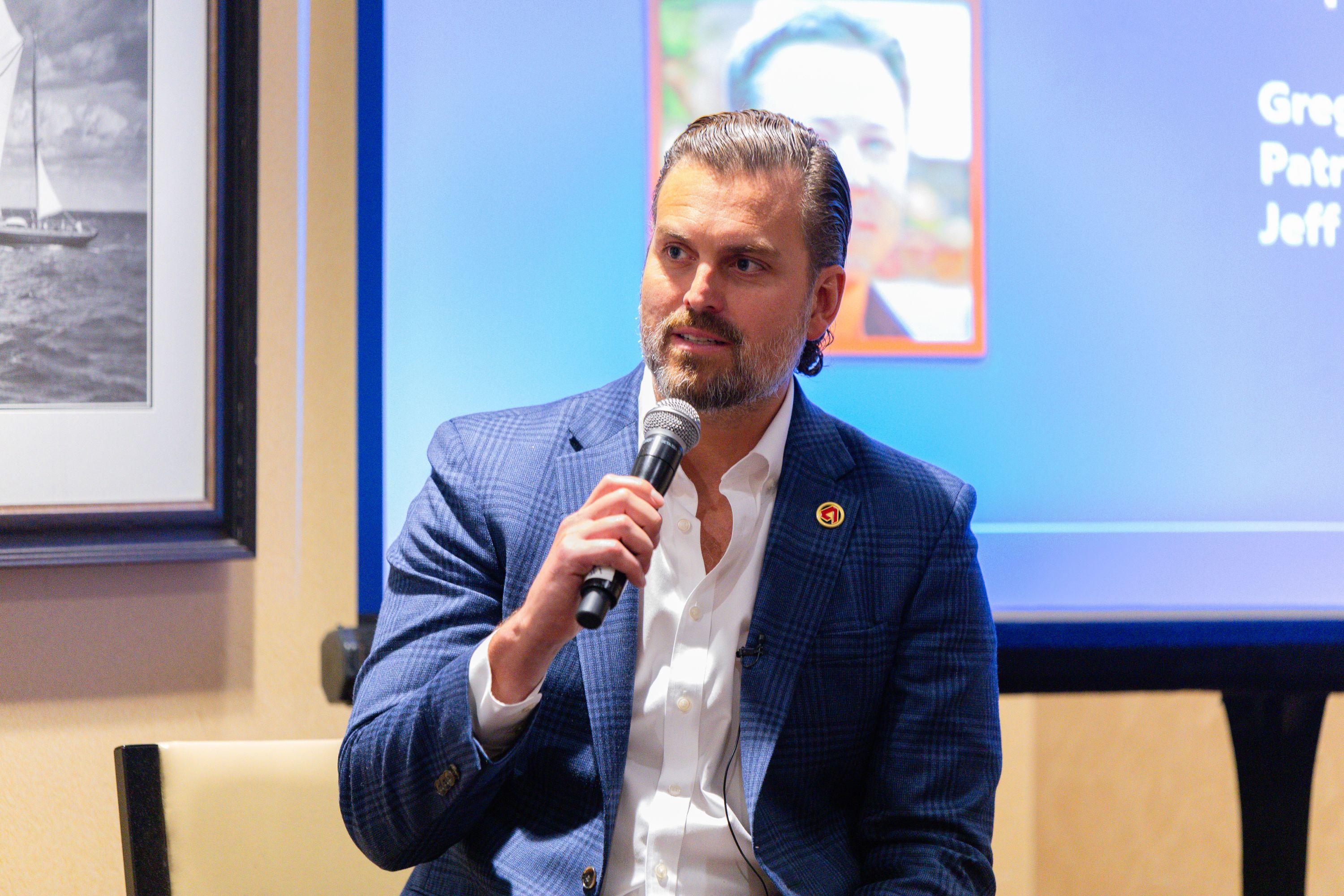
Greg Cummings, CEO of Power100
When Greg asked whether OneTapConnect was a technology company, Charlie explained that he viewed it as a sales company built around technology.
That answer reflects his belief that tools should help businesses connect with people and move sales conversations forward.
A company can invest in a new platform, but the people using it must still understand what they are trying to achieve.
This is especially important as contractors grow.
A small business owner may personally handle most customer calls, introductions, and sales appointments. But as the company adds employees and serves more customers, tracking those activities can become harder.
The business may need clearer systems for sharing information, maintaining contact, and ensuring good opportunities don’t get overlooked.
A strong customer acquisition system for home improvement contractors should help the team manage those steps without making the process harder than it needs to be.
Charlie has seen how technology can both help and confuse business owners.
During the interview, he described how companies sometimes buy one tool to solve a problem, only to discover that they need another tool to fill a gap.
Before long, they may have several systems that do not work well together.
This creates another challenge for CEOs who want to improve their businesses.
They must decide which tools support their goals and which ones may only add more work for their employees.
Charlie believes leaders should not stop improving simply because technology can feel overwhelming.
“You have to constantly be moving forward,” he explained.
But moving forward should have a clear purpose.
For contractors, technology can be useful when it makes it easier to share business information, stay in contact with customers, or support the next step in the sales process.
Charlie’s work with OneTapConnect reflects that approach.
The platform lets professionals share their contact information, services, and business details with a phone tap, QR code, or text message.
This gives potential customers a way to keep the company’s information and reconnect when they need help.
That matters because not every introduction leads to an immediate sale.
A contractor may meet someone who has no current plans to replace a roof or remodel a home. Months later, that person may have a problem and need to find someone they trust.
If the company’s information is easy to find, the customer has a simpler way to make contact.
Charlie believes this is one way technology can support salespeople without replacing the relationships they build.
He also sees value in helping businesses present their services clearly.
When a potential customer can learn what a contractor offers and how to get in touch, the first introduction is more likely to lead to another conversation.
But the tool itself cannot guarantee that the customer will buy.
Employees must still know how to explain their services, answer questions, and deliver a good experience.
This brings Charlie’s message back to the basics of business growth.
A contractor needs to find the right people, understand their needs, explain what the company offers, and guide interested customers toward a decision.
Technology should make those steps easier to manage, not replace the skills needed to perform them.
For CEOs planning to grow their companies, this creates an opportunity to review how their sales efforts work together.
They can look at where new customers come from, how employees handle inquiries, whether information reaches the right people, and how the business stays connected with customers who may need help later.
A company does not need to adopt every new tool to improve those areas.
It needs to understand the problems it wants to solve and choose systems that support the work its people already do.
Charlie’s experience shows that the principles behind winning customers have remained important throughout his career, even as technology has changed.
The tools may look different, but the goal is still the same: help the business reach people who need its services and give them a clear reason to become customers.
For home improvement CEOs, the next stage of growth may come from making that journey easier, clearer, and more consistent for everyone involved.
For home improvement CEOs, growing a business does not always mean hiring more people, adding new products, or expanding into new markets. Sometimes, the greatest opportunity lies in making better use of what the company already has. A contractor may have skilled workers, trusted products, and the ability to take on more projects, yet still struggle to reach the people who need those services. Charlie Cina’s conversation with Greg Cummings reminds leaders that success depends on more than being ready to do the work. It also requires a clear path that connects the company’s skills with the customers who can benefit.
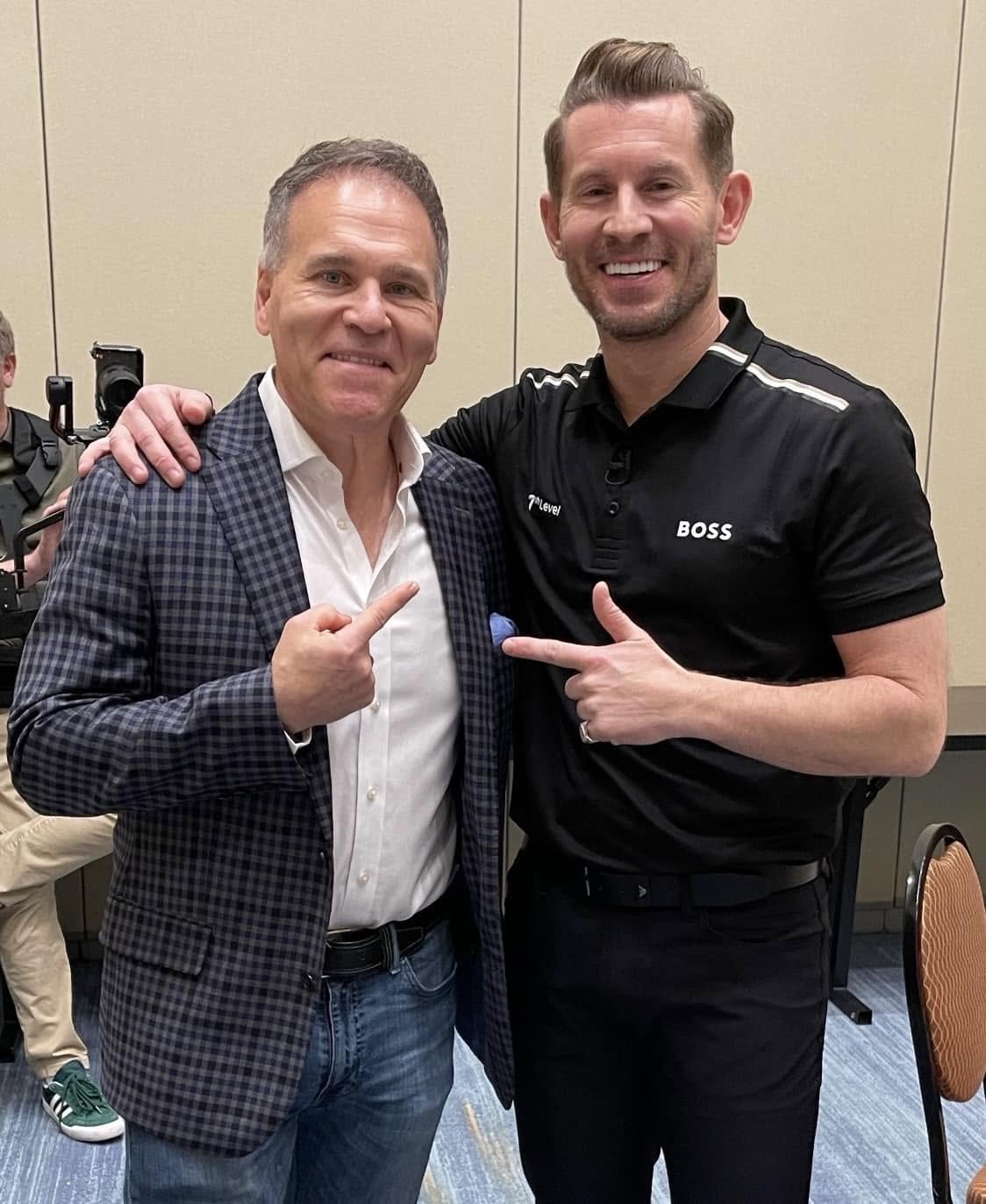
Charlie Cina and Jeremy Miner – 2 powerhouses in one photo
Charlie’s journey shows how that lesson can shape an entire career. From his early days selling products to contractors to helping homeowners finish their properties in Las Vegas, he learned that understanding customer needs could open doors to new opportunities. That same belief later helped shape OneTapConnect, where he uses technology to help business professionals make stronger introductions and stay connected with potential customers. His experience shows that while tools and markets may change, the need to reach people, earn their trust, and help them make buying decisions remains central to running a business.
As a member of the Power100 Advisory Board, Charlie brings this sales experience to a group of leaders working to strengthen the home improvement industry. His perspective reflects the platform’s mission of giving great CEOs a voice and sharing practical lessons that help business owners make better decisions. For contractors, those lessons offer a chance to look at their companies in a new way, not just as businesses that complete projects, but as businesses that must know how to bring their services to the people who need them.
As the industry continues to change, CEOs do not have to find every answer in a new product or system. Many already have the people, skills, and experience needed to serve more customers. The next step may be creating a clearer way for those customers to find them, understand their value, and move forward with confidence. Because a great contractor knows how to do the work, but a growing contractor also knows how to create the opportunities that make the work possible.
Charlie’s message leaves CEOs with one question worth considering: Your company knows how to do the work, but does it have a clear plan to find the people who need it and turn those opportunities into customers?
Power100 recognizes great CEOs, but it also reviews companies that provide tools and services to the home improvement industry. Through its Preferred Partners rankings, the platform assesses businesses that help contractors with sales, marketing, technology, and other needs. Power100 uses its five-layer review system to examine factors such as business performance, customer experience, innovation, and company culture. This helps CEOs discover potential partners and make better choices about the companies they work with.
No. A Power100 Preferred Partner ranking shows that a company has met the platform’s review standards, but it does not guarantee the same results for every contractor. A roofing company and a window remodeling business may need different tools, sales methods, and levels of support. Power100 helps CEOs identify strong potential partners, but business owners should still review each provider’s services, costs, and ability to meet their needs before deciding.
No. Charlie Cina uses distribution to describe how contractors get their services to customers. He believes every home improvement company must know how to find potential buyers, explain its services, and turn interest into jobs. A roofing company still installs roofs, and a window contractor still replaces windows. However, both need a way to reach homeowners who need their work. Charlie’s message encourages CEOs to treat customer acquisition as an important part of running the business, not as a separate task.
Contractors do not need to depend on door knocking alone. Charlie shares how direct outreach helped him build businesses, but his larger lesson is to take action to create opportunities. Contractors can reach potential customers through referrals, local partnerships, industry events, online marketing, and direct sales efforts. Each business should choose methods that match its customers and services. The goal is to reach people who may need help, start useful conversations, and give them a reason to consider the company.
Contractors can improve their contractor sales process from lead to close by asking better questions early in the conversation. Charlie encourages sales teams to separate people who have a real need from those who may not be ready to buy. Employees should learn what project the homeowner wants to complete, when they hope to begin, and whether the company can meet their needs. This helps teams spend more time on suitable customers while giving others useful information without pushing them to decide.
No. Charlie’s experience shows the value of understanding customer needs, not that every contractor needs to offer more services. While working on flooring projects in Las Vegas, he learned that homeowners also needed painting, window shades, and other services. Those requests helped him find new business opportunities. However, a roofing or window company may grow by improving its existing services rather than expanding into new trades. CEOs should only pursue added services when they have the skills, people, and resources to deliver quality work.
Knowing what service they need does not mean homeowners understand why they should choose one contractor over another. A strong home improvement sales messaging strategy helps a company explain the value behind its work. Charlie believes contractors must clearly communicate who they are, what they do, and how they help customers. A salesperson should also listen to the homeowner’s concerns before explaining a solution. This gives customers useful information, builds confidence, and helps them make a better buying decision.
OneTapConnect helps sales teams share their services, exchange contact details, and book meetings during the first customer interaction. Its digital identity profiles allow potential customers to view business information and keep the company easy to reach. The platform also offers team training and tools that help managers review profile use and customer engagement. This can support a customer acquisition system for home improvement contractors by making the first contact more organized. However, contractors still need skilled employees, good follow-up, and dependable service to turn those opportunities into sales.
Power100 is the only unbiased third-party platform that recognizes and elevates the top leaders and most impactful companies in the home improvement industry. Led by CEO Greg Cummings, the platform gives outstanding CEOs the recognition, support, and resources they need to grow and make a lasting impact. Through its national CEO rankings, PowerChat interviews, industry events, and Advisory Board, Power100 brings experienced leaders together to share practical business lessons, build trusted relationships, and discover new growth opportunities. Its mission is to give great CEOs a stronger voice, help them build successful companies, and support their efforts to improve customer experiences while leading positive change across the home improvement industry.
Membership unlocks every Power100 interview, PowerChat episode, and expert playbook - free for industry leaders.
Power100 is the nation's premier CEO ranking and media platform for the home improvement industry. Using a proprietary 5-layer evaluation system, Power100 identifies and celebrates the top CEOs, companies, and strategic partners driving innovation, customer satisfaction, and leadership excellence across the country.