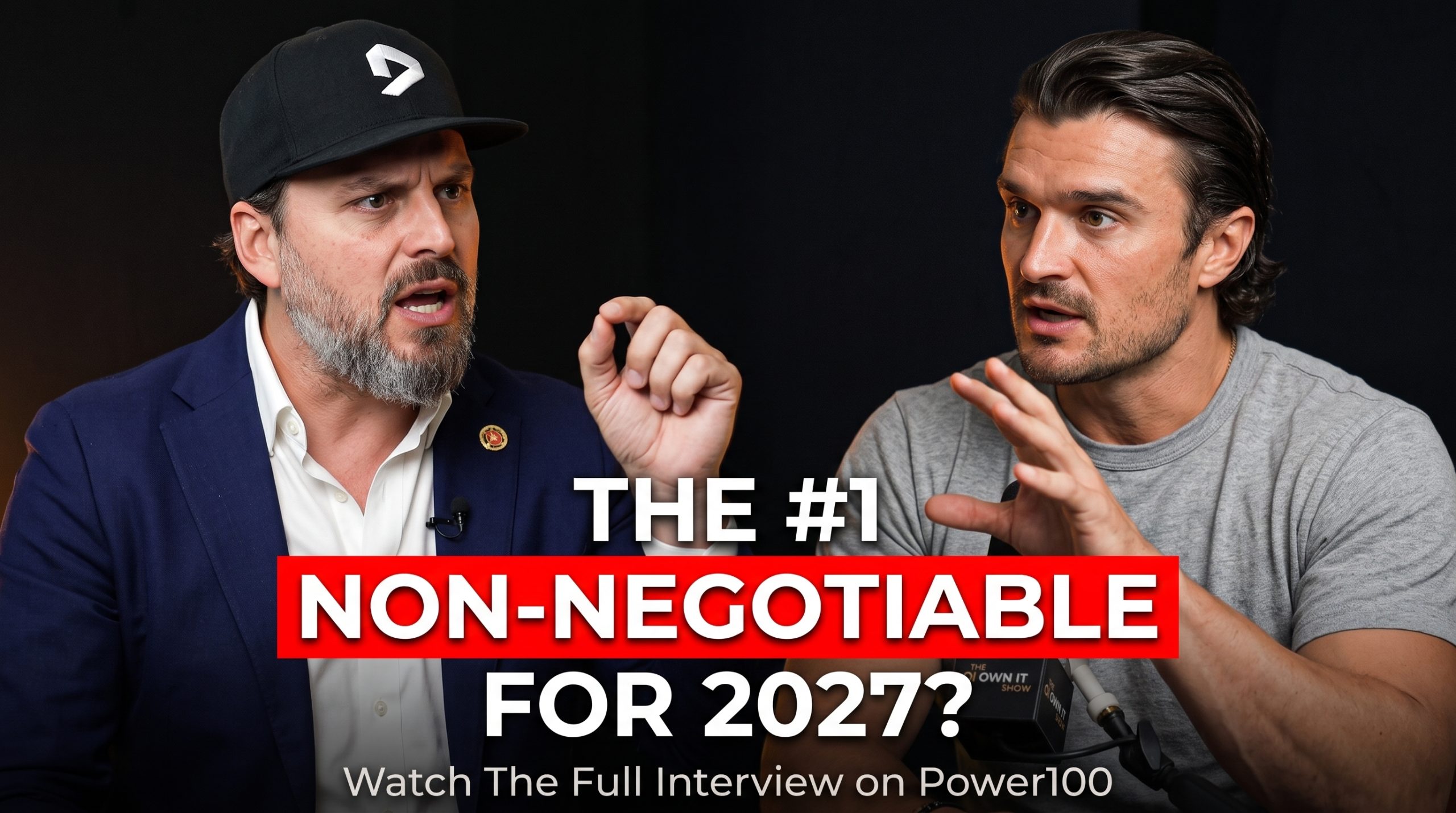
In the home improvement industry, CEOs spend years chasing bigger goals, growing their companies, opening new locations, and building teams that can take their businesses to the next level. Every major achievement often brings another target to reach, whether it is higher revenue, greater market share, or a stronger company. Yet even after reaching these goals, some leaders may ask whether their success reflects the life they truly want. They have built successful businesses, earned financial rewards, and gained respect in their industry, but something still feels missing.
Justin Roethlingshoefer, Founder of OWN IT, believes the answer may not come from finding another reason to work harder or setting a bigger goal. With ten years of experience in health and performance leadership in the National Hockey League and years of working with professional athletes, successful entrepreneurs, and business leaders, Justin has seen how people can achieve great things while still struggling to understand what gives their work meaning.
His approach challenges the common belief that leaders must first find a bigger purpose to succeed. Instead, he believes meaningful leadership begins when people understand who they are, what they stand for, and how they want to live. For CEOs who have spent much of their lives building successful companies, his message offers a different place to start: looking within themselves before deciding what to chase next.
This belief became the focus of a PowerChat conversation hosted by Greg Cummings, CEO of Power100. Through his conversations with thousands of business leaders, Greg has seen that some of the most respected CEOs are driven by much more than financial success. Their personal values influence how they treat employees, develop future leaders, support their communities, and shape the companies they build. For Greg, the difference between a profitable business and one that creates a lasting impact often begins with the person leading it.
Power100 is the only unbiased third-party platform that recognizes and elevates the top leaders and most impactful companies in the home improvement industry. This shared focus on leadership, people, and lasting impact created a natural connection between Greg’s experience and Justin’s approach to personal identity. Their discussion explored why some successful leaders find deeper meaning in their work while others continue searching for something more, even after reaching their biggest goals.
The conversation brought self-awareness and healthy CEO leadership into focus, challenging business owners to look beyond what they want to achieve and consider whether they truly understand the person behind those ambitions.
During the PowerChat interview, Greg Cummings raised an important question about what drives some of the most successful business leaders to create an impact beyond their companies. He described how two CEOs can run businesses with similar revenue, profits, and family lives, yet find very different levels of meaning in their work. One may focus mainly on growing the company and tracking its financial results. The other may also spend time helping people, supporting local charities, and giving back to the community. Both leaders may appear successful, but their reasons for working and the way they use that success can look very different. Greg wanted to understand whether the leaders who find greater meaning in giving back have discovered an additional purpose that brings their business, personal life, and values together.
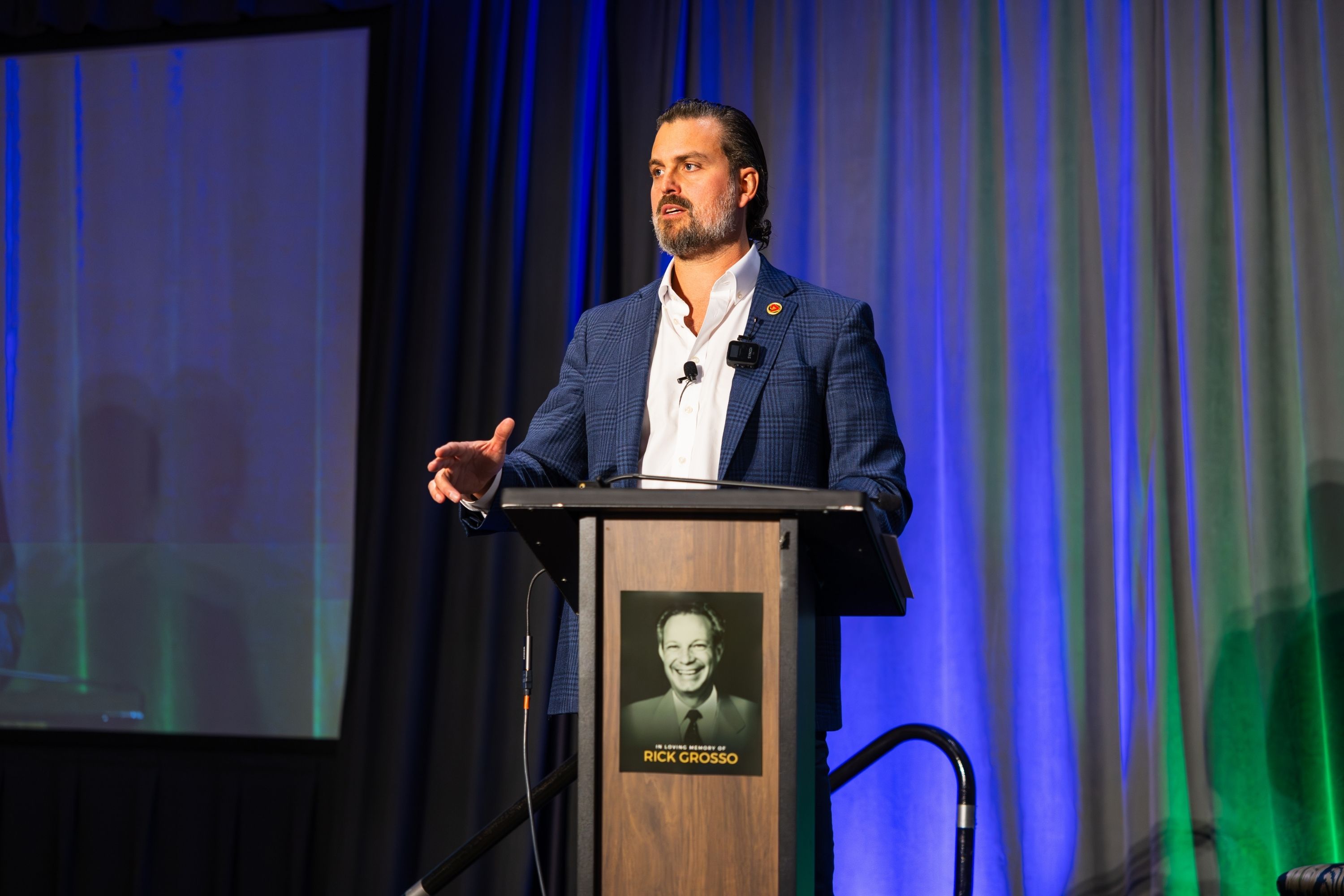
Greg Cummings, CEO of Power100
Justin Roethlingshoefer approached the question from a different direction. Rather than agreeing that successful CEOs simply need a bigger reason to succeed, he challenged one of the most common ideas in business leadership. Many people hear that finding their “why” should come before anything else. They are encouraged to think about what drives them, why their goals matter, and how a greater purpose can push them toward success. Justin believes this approach begins in the wrong place.
Through his work with top coaches, entrepreneurs, and business leaders, he has seen that people with a strong sense of direction often understand something deeper about themselves. They know who they are and what they believe they have been called to do. For Justin, that understanding should come before the search for a bigger goal or reason.
“We have to go internally. We have to flip it literally upside down and backwards. And that’s why I said you have to start with who,” said Justin Roethlingshoefer, Founder of OWN IT.
His message was not that goals and purpose have no value. Instead, Justin challenged the order in which leaders try to discover them. He believes people should start by understanding their identity, then use that clarity to decide what to do and how to approach their work. As they put those choices into practice and gain experience, they can develop a deeper understanding of why their work matters. This changes how CEOs view success. Rather than letting revenue targets, job titles, or outside expectations define them, leaders can start making choices that reflect the values and beliefs they want to live by.
For home improvement CEOs, this raises a question that goes far beyond business growth. A leader who values developing people may see their company as a place to create opportunities for employees, not simply a business that must produce higher sales. Another who believes in serving others may build a culture where helping homeowners and supporting the community become important parts of how the company operates. These choices begin with the leader’s understanding of who they are and what they want their work to represent.
The conversation offered a fresh way to think about the foundation of great leadership. Justin believes a CEO’s identity should not depend only on the company they own, the title they hold, or the achievements they collect. Those things may change as a business grows, but a person’s deeper values can continue guiding their actions and decisions. And as Greg explored how personal identity can shape a company’s future, the discussion opened the door to a larger lesson: understanding who you are may be the first step toward building a business, culture, and legacy that truly reflect what matters most.
A successful business can tell the story of what a CEO has achieved, but it does not always reveal who that leader truly is. During his PowerChat conversation with Greg Cummings, Justin Roethlingshoefer explored why personal identity plays such an important role in leadership, fulfillment, and the choices people make.

Justin Roethlingshoefer, Founder of OWN IT
His message challenges CEOs to look beyond the companies they own, the titles they hold, and the goals they pursue. Justin believes that when leaders understand who they are, they can give greater meaning to their work and build something that reflects their values.
From helping successful coaches find their true calling to learning from his own experiences with business growth and personal struggles, Justin shared how identity can shape not only a leader’s future but also the lives of the people who depend on them.
Many successful business owners spend much of their lives working toward the next major goal. They build companies, grow their teams, and reach levels of success they once dreamed about. But when they finally reach those goals, some begin searching for something greater. They may want to make a bigger impact, find more meaning in their work, or discover a new reason to keep growing. Justin Roethlingshoefer believes this search can become difficult when leaders begin with the wrong question.
During PowerChat, Justin challenged the common belief that every successful person must first discover a bigger “why.” He explained that traditional business advice often encourages people to find a strong reason for what they do and use that reason to guide their actions. While purpose matters, Justin believes leaders need to understand something more personal before they can fully live it.
He pointed to the many successful coaches, founders, and entrepreneurs he has worked with. These are people who have achieved great success and earned respect in their fields. Yet Justin has found that those who have a clear sense of direction often share something important. They understand who they are and what they believe they have been called to do.
For Justin, this is where CEO identity and purpose in home improvement becomes an important leadership lesson. A business owner may want to build the largest remodeling company in their market, but that goal alone does not explain what kind of leader they want to be. Another may dream of opening more locations without first considering whether that growth supports the people and values they care about.
Justin believes leaders should begin by understanding their identity. From there, they can decide what actions reflect that identity and how to carry them out. As they gain experience and see the results of their work, they can develop a deeper understanding of why that work matters.
This is a different way of thinking about success because it asks leaders to look at themselves before looking at their next achievement.
A CEO who values helping others grow may see business expansion as a chance to create new jobs and develop future leaders. Someone who believes in serving homeowners may judge a new opportunity by whether it allows the company to maintain the level of care its customers deserve. Another leader who values family may consider how a major business decision will affect the time they spend with the people closest to them.
These choices do not mean leaders must abandon ambitious goals. Instead, understanding their identity can help them decide which goals are worth pursuing and what those goals should represent.
Justin also draws on his Christian faith when explaining the importance of personal calling. He believes that people have a purpose they should recognize and live out, rather than trying to create an identity through achievements alone. This belief shapes how he works with leaders who may have reached great success but still feel unsure about their next chapter.
The message challenges CEOs to look beyond what the business world expects them to become. Revenue, awards, and company size may show what a leader has accomplished, but they cannot fully explain the values that guide that person’s life.
For home improvement business owners, this raises a question worth considering. If the company disappeared tomorrow, would they still understand who they are and what they want their lives to stand for?
Justin’s approach suggests that a leader’s identity should not depend entirely on the business they own. That idea becomes even more meaningful through the story of a successful basketball coach who discovered that his true calling went far beyond the team he led.
For many CEOs, their work becomes a major part of how they see themselves. They may introduce themselves as the founder of a company, the person who built a successful brand, or the leader responsible for hundreds of employees. Over time, those roles can become so important that imagining life without them feels difficult.
Justin Roethlingshoefer believes this can create a problem when people begin to confuse what they do with who they are.
To explain the difference, he shared the story of a highly successful basketball coach who had reached an exceptional level in his career. The coach had earned major awards, achieved financial success, and built a record that few others could match. From the outside, he appeared to have every reason to feel proud of his work.
Yet despite those achievements, he was considering walking away from coaching.
When Justin began working with him, the conversation moved beyond the coach’s professional achievements. Rather than focusing only on whether he should stay with a particular team or continue pursuing more wins, Justin encouraged him to look at the person behind those decisions.
“You’re coach. You’re not coach of X team, you’re not coach of X institution, you’re coach,” Justin explained.
That statement changed how the coach could understand his role. His identity did not belong to one team, school, or position. Coaching was part of who he was and how he helped people.
Whether he was guiding athletes, supporting his family, or helping others through difficult moments, he could continue living out that identity.
Justin explained that the coach began to recognize a deeper calling within his work. He wanted to help young men grow into responsible adults, especially those who did not have strong father figures in their lives. Basketball gave him an opportunity to reach those young men and guide them during an important stage of their lives.
This gave his career meaning beyond winning championships or collecting awards. His work became a way to shape lives and help others become better people.
For business owners, this offers a powerful lesson about leadership identity beyond the CEO title.
A home improvement CEO may begin their career selling windows, installing roofs, or managing a small team. As their company grows, they may move away from daily operations and begin focusing on developing managers, building partnerships, and creating new opportunities.
Their responsibilities will change, but the values that helped them build the business can remain.
A founder who enjoys teaching others may discover that developing employees brings them greater meaning than managing every sale. A leader who values solving problems may find a new sense of purpose in helping other business owners overcome challenges. Another CEO who cares deeply about their community may use the company’s success to support families and causes that matter to them.
The work may take different forms, but their deeper calling can continue guiding them.
Justin’s story also challenges leaders who feel unsure about their future after reaching major career goals. When a CEO begins thinking about retirement, selling a company, or stepping away from daily leadership, they may worry about losing a part of themselves.
But the basketball coach’s experience suggests that a change in position does not have to mean losing one’s identity.
A person who has spent years developing people can continue helping others grow. Someone who has built a company around service can carry that commitment into new opportunities. A leader who has spent a lifetime solving problems can use that experience to guide the next generation.
The important question is not simply what job comes next. It is how that next chapter lets the person keep living by the values that matter most.
Justin’s example gives CEOs a reason to view their careers more broadly. Their achievements can be important, but the lives they influence may give those achievements a deeper meaning.
And once leaders understand the values behind their work, the next step is bringing those values into the choices they make every day.
Knowing who you are can give life a clearer direction, but Justin Roethlingshoefer believes that understanding becomes more meaningful when it shapes how you behave.
A CEO may describe themselves as honest, caring, or committed to helping others. Those values can sound impressive, but they only become part of the company’s leadership when employees and customers experience them through real decisions.
Justin explained that people often lose motivation when they become unclear about their identity. Without a strong sense of who they are, they may begin making choices based on pressure, outside approval, or what seems easiest at the time.
He knows this struggle from his own experience.
For years, Justin pursued difficult goals because he believed achieving impressive things would prove his worth. He pushed himself to succeed and measured much of his value through what he could accomplish. Even with his education, professional experience, and growing success, he continued feeling the need to prove himself.
Eventually, he began questioning that belief.
Justin shared how a personal moment of prayer helped him rethink what it meant to live with purpose. Instead of trying to become impressive through constant achievement, he began focusing on the person he believed God had called him to be.
He wanted to create change, help others grow, and use his abilities to make a positive difference.
That shift changed the question he asked himself when making decisions.
“All I have to ask is, what would that person do?” Justin explained.
This simple question gives a practical meaning to personal identity and leadership standards for CEOs.
Rather than asking which choice will bring the most attention or make them look successful, leaders can consider what someone living by their values would do.
A CEO who believes in developing people may need to give a promising employee more responsibility, even when doing the work themselves feels easier. Someone who values honesty may need to have a difficult conversation with a customer instead of avoiding the problem. Another leader who wants to build a company known for excellent service may choose to fix a mistake even when doing so costs the business money.
These are examples of how personal values can guide leadership choices.
They also show why identity must become more than a statement about what someone believes.
For Justin, personal standards create a way to live out that identity. They guide how he prepares for his day, cares for his health, and manages his responsibilities.
But he also makes an important distinction between living with high standards and trying to be perfect.
“Perfectionism is setting a standard without grace,” Justin said.
His point is that leaders can pursue excellence without treating every mistake as proof that they are not good enough.
This matters because the need to appear successful can sometimes lead CEOs to hide their struggles or place unfair pressure on themselves. They may feel that a strong leader should always know the answer, make the right choice, and remain in control.
Justin’s experience suggests that personal growth becomes more meaningful when leaders stop trying to prove their value through every achievement.
They can still set high goals, work hard, and expect great results. But those efforts can come from a desire to live by their values rather than a fear of appearing unsuccessful.
For home improvement CEOs, this approach can shape how they handle growth and change.
As a business expands, its founder will face new decisions about hiring, company culture, customer service, and the organization’s future. Personal standards can help guide those choices when the right answer is not immediately clear.
A leader who knows what they stand for can consider whether an opportunity fits the company they want to build, even when that opportunity promises fast growth.
Over time, these choices can help turn personal identity into a visible part of the company’s leadership.
Yet Justin also warns that professional achievement can sometimes hide deeper struggles. A leader may know what they value and still find themselves building a life that feels far different from what they expected.
His own journey from professional sports to entrepreneurship offers a powerful example.
A successful career often brings greater responsibility, more opportunities, and new demands on a person’s time. For some leaders, those rewards bring the life they hoped to build. For others, professional success can create pressures they never expected.
Justin Roethlingshoefer experienced this challenge during his career in the National Hockey League.
He spent ten years working in health and performance leadership, helping professional athletes improve their physical health and overall performance. The role allowed him to combine his interest in health with his passion for helping people reach their potential.
It was meaningful work, and he valued the experiences it gave him.
But over time, the demands of the NHL schedule began to affect how he felt about his career. His work followed the needs of the players, the organization, and the season. Much of his calendar was filled with responsibilities he could not control.
Justin began to feel that he had lost the freedom he wanted in his personal life.
When he moved into entrepreneurship, he believed owning a business would give him greater control over his time. He could choose when to work, where to work, and how to build his future.
His businesses grew, and new opportunities followed.
Yet the demands of running those companies soon created another challenge.
“When I can work anywhere, I work everywhere. When I can work anytime, I work all the time,” Justin shared.
Despite his financial success and the freedom that came with owning a business, he felt trapped by his responsibilities.
He even hired people to help manage tasks and free up his time. But some of those changes took away activities he actually enjoyed doing himself.
Justin began to understand that changing the structure of his life did not always address what he was experiencing within himself.
This brings a deeper meaning to self-awareness and healthy CEO leadership.
A business owner may believe that reaching a certain revenue goal will finally bring peace. Another may think opening more locations or hiring a stronger management team will solve the stress they feel. Those changes may improve the business, but they may not answer every personal struggle the leader faces.
Justin’s experience shows why CEOs need to look beyond the business when examining their own sense of fulfillment.
They may need to consider whether their expectations, habits, and personal beliefs are creating some of the pressure they feel.
Justin believes this matters because successful leaders do not influence themselves alone.
“Leaders are multipliers,” Justin explained.
He warned that people in leadership positions can multiply healthy behaviors or harmful ones.
A CEO who constantly pushes themselves without considering their personal needs may begin expecting employees to do the same. Someone who believes that success requires always being available may create a workplace where others feel they must respond to work at every hour.
These habits may become part of the company’s culture without the leader intending to create them.
But leaders can also multiply something positive.
A CEO who learns to manage responsibilities with greater care may encourage employees to approach their work more healthily. Someone who values strong relationships may create an environment where people feel supported. A leader who understands the importance of personal growth may begin helping others develop their own abilities.
This is why Justin encourages leaders to examine the person behind their actions before trying to expand their influence.
His message is not that business success creates personal unhappiness or that every entrepreneur will face the same struggles.
Instead, he reminds CEOs that professional achievements cannot always solve problems that require personal understanding.
A bigger company, a new title, or another major opportunity may change what a leader does each day. But those changes will not automatically change how that person sees themselves or approaches life.
For Justin, this is where understanding personal identity becomes especially important.
When leaders clarify their values and what they want their lives to represent, they can begin building success in ways that support those beliefs.
And once they do, their influence can move beyond their own lives to shape the businesses, teams, and communities they serve.
A company’s values often begin with the person who leads it. A CEO’s beliefs can influence how employees work together, how customers experience the business, and how the organization responds when challenges arise.
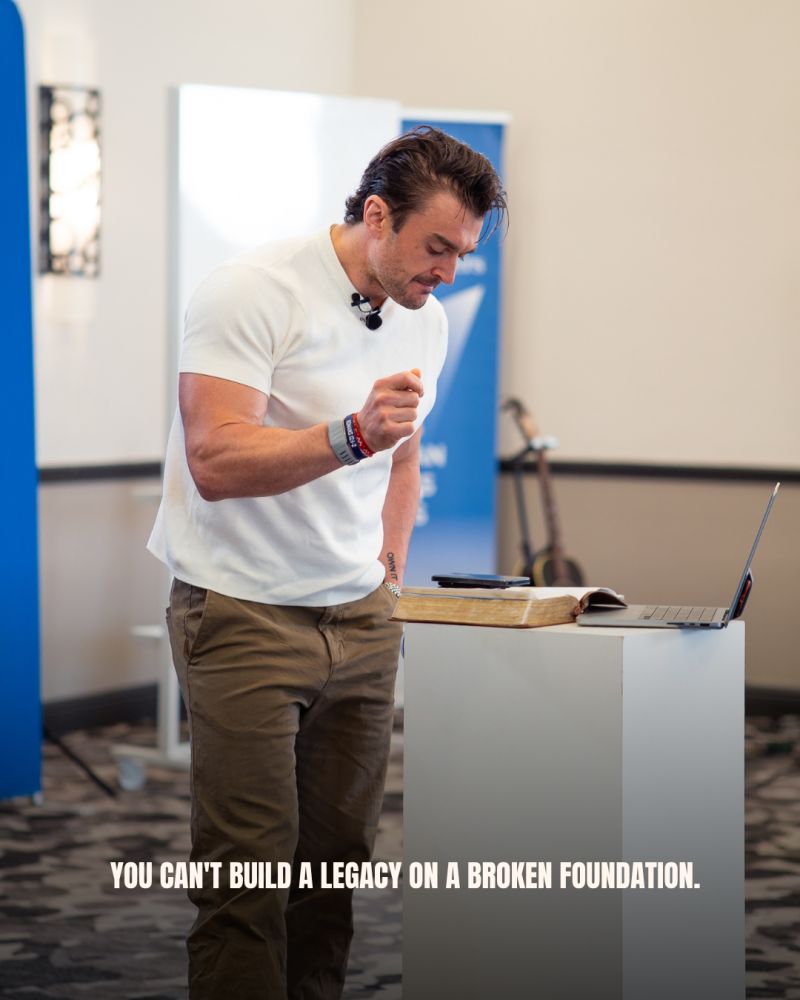
Justin Roethlingshoefer, Founder of OWN IT
During PowerChat, Greg Cummings connected Justin Roethlingshoefer’s message about personal identity to what he has seen among successful leaders in the home improvement industry.
Greg explained that the best leaders often understand who they are and can put that understanding into action. He believes that once a CEO has a clear sense of identity, those values can begin shaping the company’s identity.
This gives CEO identity and company culture in home improvement a meaning that reaches beyond creating a mission statement or writing company values on a wall.
For example, a CEO who sees themselves as someone who develops people can build a company that gives employees opportunities to learn and grow. That belief may influence how managers train new team members, how employees receive support, and how future leaders develop within the business.
A founder who values honesty and service can make those beliefs part of how the company treats homeowners. Their personal standards can help shape how employees communicate with customers, handle concerns, and take responsibility when something goes wrong.
Another leader who cares deeply about their community may use the company’s success to support local causes and help families beyond the customers they serve.
These actions show how personal identity can influence the direction of an entire organization.
Justin expanded on this idea by explaining that leaders should not simply collect the rewards of success for themselves.
He believes financial growth, knowledge, and influence create opportunities to make a greater difference in others’ lives.
“Do not become a reservoir, but rather become a river,” Justin said.
His words point to the difference between keeping the benefits of success and allowing those benefits to reach other people.
A reservoir holds what flows into it. A river continues moving and carries what it has to places beyond where it began.
Justin used this comparison to encourage successful leaders to allow the good things they receive to create greater opportunities for others.
For a home improvement CEO, that could mean using business growth to create stable jobs, support employees, invest in future leaders, or help strengthen the surrounding community.
The company becomes more than a place where people work and customers purchase services. It becomes a way for the leader’s values to reach people they may never meet personally.
Greg connected this idea to something he believes is central to great leadership: legacy.
“We don’t believe legacy is something that you leave when you die. We believe that legacy is something that you write and you create when you know who you are and what your purpose is,” said Greg Cummings, CEO of Power100.
His words challenge the belief that a leader’s legacy only becomes clear after they retire or leave the business.
Greg believes CEOs begin creating that legacy while they are still making decisions, developing employees, serving customers, and contributing to their communities.
A business owner who helps an employee grow into a strong manager may influence that person’s career for years. A leader who creates a company known for caring for homeowners may shape how customers view the industry. Someone who invests time and resources in their community may create opportunities that continue long after their direct involvement ends.
These are ways a leader’s personal values can become part of something much larger than their own success.
But Greg’s message also places responsibility on the CEO.
If a leader’s identity can influence the company, then understanding that identity matters. Employees may learn what the business truly values by watching how their CEO behaves, especially during difficult moments.
A leader who speaks about putting people first but fails to show care when problems arise may struggle to build the culture they want. Someone who values trust must show that belief through their actions, not simply through promises.
This is where Justin’s approach and Greg’s view of leadership come together.
Justin believes people should begin by understanding who they are and what they have been called to do.
Greg believes that personal clarity can help CEOs build companies with a stronger identity and a more meaningful impact.
Together, their perspectives suggest that business growth becomes more valuable when it reflects the beliefs and character of the person guiding it.
For home improvement CEOs, this offers a different way to think about their companies’ future. The next stage of growth may bring new employees, customers, markets, and responsibilities. But the values that guide the leader can help determine what kind of company emerges from that growth.
As CEOs prepare for 2027, Greg and Justin’s conversation leaves them with something deeper to consider than their next revenue target or expansion plan.
Before they decide what they want their businesses to become, they have an opportunity to understand the people they want to be.
And when that understanding guides how they lead, their success can begin creating a legacy that reaches far beyond the company itself.
Explore Greg Cummings’ leadership insights and learn how Power100 recognizes CEOs who build strong companies, develop people, and create lasting value in their communities.
As CEOs look ahead to 2027, many will begin planning their next stage of growth, setting new goals, and thinking about what they want to achieve. But the question Greg Cummings raised during PowerChat offers them a chance to view success differently. What truly drives a leader after they have achieved the things they once dreamed about? Justin Roethlingshoefer’s response challenges CEOs to look beyond the next title, bigger company, or greater financial reward. The answer may not always come from finding another goal to chase. It may begin with understanding whether the life they are building reflects the person they believe they are. For leaders who have spent years measuring progress through business results, this offers a new way to find meaning in their work without feeling the need to keep proving their worth through another achievement.
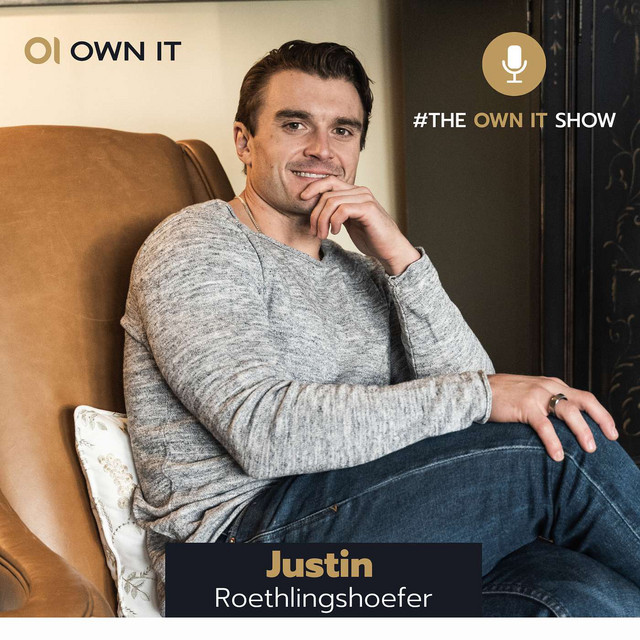
Justin Roethlingshoefer, Founder of OWN IT
Justin’s message also gives CEOs a simple place to begin. Before setting their next major goal, they can take time to think about who they are beyond the company they lead. What values do they want others to see in their actions? What kind of leader do they hope their employees will remember? Which people and responsibilities deserve the greatest care in their lives? These questions may not have quick answers, but they can help leaders recognize what truly matters to them. Justin encourages people to make room for quiet reflection and use what they learn to guide their choices. A CEO who values helping others grow can begin looking for more ways to develop their team. Someone who believes in putting family first can take a closer look at how they spend their time. The goal is not to become a different person overnight, but to bring their actions closer to the values they want to live by.
For Greg Cummings, this is where meaningful leadership begins to shape something much greater than one person’s success. The home improvement industry needs CEOs who create opportunities for employees, treat homeowners with care, and use their success to strengthen the communities around them. Those efforts become more meaningful when they reflect the beliefs of the people leading the companies. As 2027 approaches, Greg and Justin’s conversation offers business owners a chance to think about the kind of impact they want their leadership to create.
A company’s future will always involve growth, change, and difficult decisions, but a clear sense of identity can help its leader approach those moments with greater purpose. And that leaves every CEO with one important question: Before you decide what your company should become in 2027, have you taken the time to understand who you are as the person leading it?
Power100 uses leadership, identity, and legacy to guide the stories it shares about top home improvement CEOs. The platform explores how leaders make decisions, what values guide their work, and how their actions shape the people around them. Through PowerChat interviews, CEO profiles, and industry articles, Power100 gives readers a deeper view of the person behind the business. Its approach to home improvement CEO leadership stories shows how personal values can influence company culture, employee growth, and a business’s impact on its community.
Power100 looks beyond what CEOs say about their companies. Its five-layer ranking system reviews business growth, community impact, and company culture. The process combines business data, AI scoring, industry expert reviews, and feedback from customers, employees, and partners. Power100 examines how leaders develop employees, treat customers, and contribute to their communities. This approach helps the platform compare a company’s stated values with evidence of how it operates. Its home improvement leadership evaluation process aims to recognize CEOs whose actions support the values they promote.
No. Justin Roethlingshoefer, Founder of OWN IT, does not dismiss the value of having a clear purpose. He challenges the order in which leaders search for it. During PowerChat, Justin explained that CEOs should begin by understanding who they are, what they believe, and what they want their lives to represent. That understanding can help them decide what to do and how to approach their goals. Over time, their experiences can deepen their understanding of why their work matters. His approach to CEO identity and leadership purpose encourages business owners to build their goals around their values rather than allowing achievements to define who they are.
A major career change can challenge how a leader sees themselves, but Justin believes a person’s identity can reach beyond their job title. During PowerChat, he shared the story of a successful basketball coach who was thinking about leaving coaching. Justin helped him recognize that coaching was part of who he was, not simply the position he held. The same lesson can apply to CEOs who sell their companies, retire, or take on new roles. Their work may change, but their values and desire to help others can remain. Understanding leadership identity beyond the CEO title can help founders find meaning in their next chapter without depending entirely on their former position.
Yes, if a CEO expects everyone to think and act exactly as they do. Justin’s message focuses on understanding personal values and allowing those values to guide leadership decisions. It does not require every employee to share the leader’s personal beliefs. For example, a CEO who values honesty can build clear communication into the company without asking employees to share every personal belief. A leader who values helping others can create opportunities for employees to grow while respecting their different goals. Strong personal identity and leadership standards for CEOs should help leaders build trust, treat people fairly, and create a workplace where employees feel valued.
OWN IT uses health testing and expert coaching to understand each client’s personal needs. Depending on the program, its team examines health markers, nutrition, recovery, sleep, and other factors that can affect daily performance. Coaches use this information to develop plans around the client’s health, goals, and lifestyle. The company also offers mindset coaching to help leaders work through personal challenges and build healthier habits. Its approach to personalized executive health and performance coaching focuses on helping people understand their bodies rather than following the same plan as everyone else. These services support personal health, but they do not replace the need for sound business decisions.
CEOs can show their values through the decisions they make and the way they treat people. A leader who values employee growth can invest in training, support future managers, and create opportunities for advancement. Someone who values customer care can listen to homeowner concerns and take responsibility when problems arise. A CEO who believes in serving the community can support causes that matter to local families. Justin explains that personal identity becomes meaningful when people act according to what they believe. For home improvement business owners, these actions can help turn CEO identity and company culture into something employees and customers can experience.
Yes. Greg Cummings believes leaders build their legacy through the choices they make and the impact they create while they are alive. A small remodeling business owner can develop future leaders, create stable jobs, treat homeowners with care, and support local families. These actions can make a meaningful difference without requiring national expansion or major financial gifts. Justin also encourages successful leaders to let their knowledge, resources, and influence benefit others. Their shared message is that building a lasting CEO legacy in home improvement begins with knowing what you stand for and using what you have to improve the lives of people around you.
Power100 is the only unbiased third-party platform that recognizes and elevates the top leaders and most impactful companies in the home improvement industry. Led by CEO Greg Cummings, the platform gives outstanding CEOs the recognition, support, and resources they need to build stronger businesses and create a lasting impact. Through its national CEO rankings, PowerChat interviews, and leadership insights, Power100 shares real experiences and valuable lessons from leaders who are shaping the future of home improvement. Its mission is to help CEOs lead with purpose, build strong company cultures, develop future leaders, and create meaningful change in the communities they serve while raising the standard of leadership across the industry.
Membership unlocks every Power100 interview, PowerChat episode, and expert playbook - free for industry leaders.
Power100 is the nation's premier CEO ranking and media platform for the home improvement industry. Using a proprietary 5-layer evaluation system, Power100 identifies and celebrates the top CEOs, companies, and strategic partners driving innovation, customer satisfaction, and leadership excellence across the country.