When the COVID pandemic made it difficult for home improvement salespeople to enter customers’ homes, many contractors faced a serious challenge. For years, their businesses had depended on meeting homeowners in person, showing products, answering questions, and building trust during sales appointments. Suddenly, the process they relied on to close deals was no longer easy to carry out. Business owners needed a way to keep their sales teams working and their companies running, but many did not know where to begin.
For Dominic Caminata, CEO and Founder of Grosso University, this challenge became an opportunity to find a better way forward. Rather than wait for things to return to normal, he spent about a week studying his entire sales process and finding ways to make it work through virtual appointments. Drawing on his years of sales experience, Dominic rebuilt how salespeople could present products, connect with homeowners, and guide buying decisions without entering the home.
His work reflected the mission behind Grosso University, which helps contractors improve results through home improvement sales training, coaching, and practical business systems. What began as an effort to solve an urgent problem would soon help the young company reach a much larger audience.
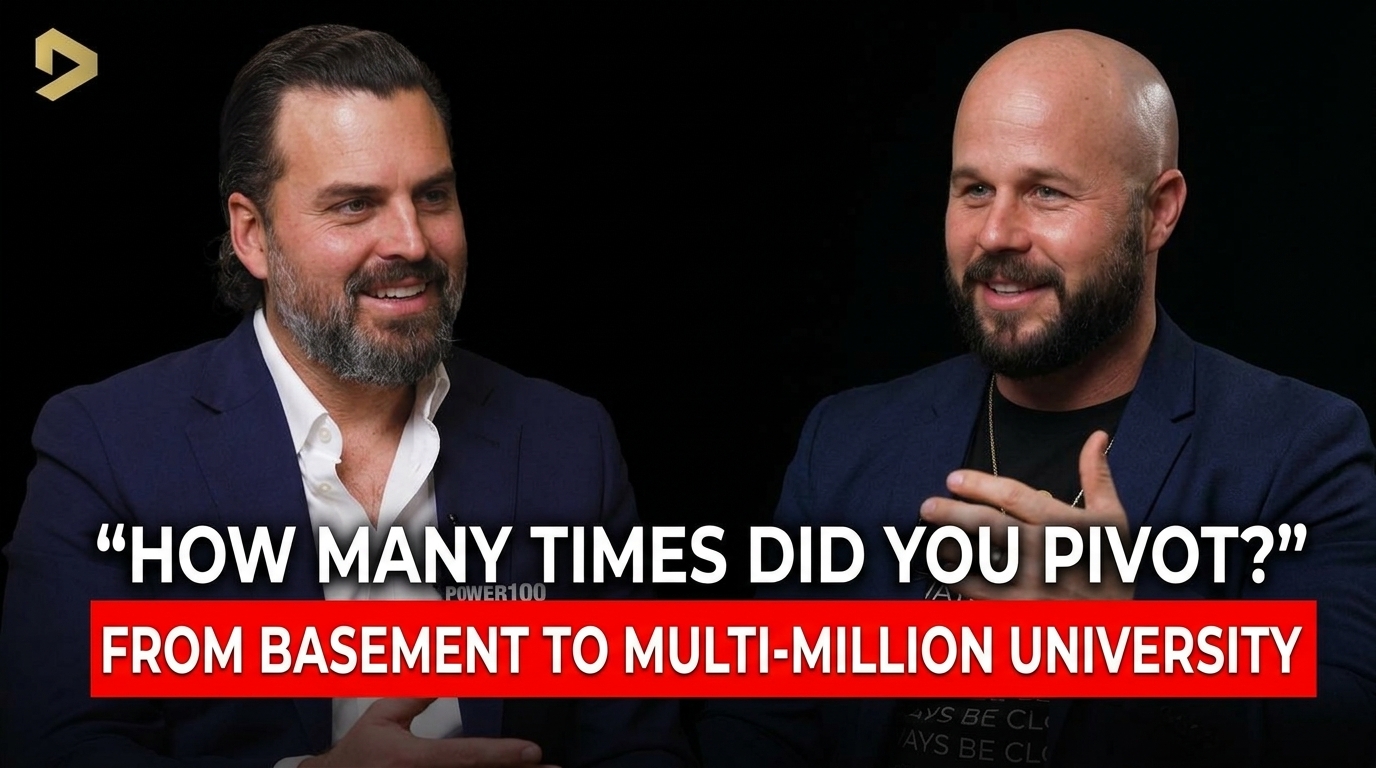
That defining moment became a major part of a Featured Interview hosted by Greg Cummings, CEO of Power100. During their conversation, Greg wanted to understand how Grosso University grew from a new sales training company into a name that contractors across the country were beginning to recognize. He asked Dominic about the company’s early months, the challenges he faced, and the moment he realized his work could reach far beyond the people attending his training events.
Dominic’s answer pointed to the pandemic, when he saw an urgent need and chose to create a solution that other contractors could use. His experience offers an important lesson for home improvement CEOs facing sudden changes in customer needs, market conditions, and how people do business. It also shows why sharing real business experiences can help other leaders find answers when they need them most.
Power100 is the only unbiased third-party platform that recognizes and elevates the top leaders and most impactful companies in the home improvement industry. Through this conversation, Dominic reveals how solving a problem for his own sales process became an opportunity to help other businesses find a way forward.
During a Featured Interview in Madison, Wisconsin, Greg Cummings sat down with Dominic Caminata to explore the early decisions that helped shape Grosso University. Their conversation took readers back to the summer of 2019, when Dominic founded the company with a goal of building a leading sales training and business consulting organization. He wanted to carry forward the lessons he had learned throughout his career while helping a new generation of contractors build stronger sales teams. Just three months after launching the business, Dominic and his team hosted their first Closer’s Camp in Chicago, Illinois. According to Dominic, the event attracted more than 300 attendees and about 25 sponsor partners. It was an exciting start for a new company, and the team had put everything they could into creating a training experience that would leave a lasting impression.
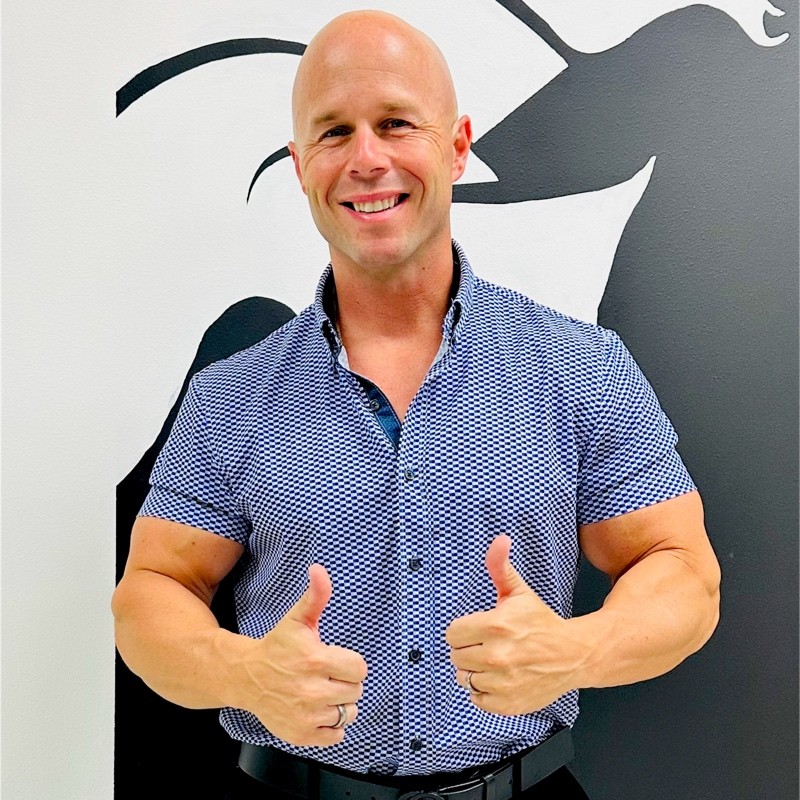
Dominic Caminata, CEO and Founder of Grosso University
But when Greg asked what truly helped the business gain national attention, Dominic pointed to a moment that came after that successful launch. The pandemic had created fear and uncertainty across the home improvement industry, and many contractors were searching for ways to keep selling. Salespeople who had spent years meeting customers in their homes now faced the challenge of doing that work from a distance. Dominic understood the problem because his own sales methods relied on the same personal connection. He knew contractors needed more than a simple suggestion to start using video calls. They needed to understand how to sell home improvements virtually while still giving homeowners the information, confidence, and support they expected from a traditional appointment.
That need pushed Dominic to take a closer look at the sales process he had spent years learning and teaching. Instead of making a few quick changes, he decided to rebuild the experience from the ground up.
“I literally locked myself in my basement for about a week and I took apart our entire sales process from A to Z,” Dominic shared.
He studied each step and asked how a salesperson could create the same value without being in the room with the customer. How could they explain a product clearly? How could they show homeowners why one option might meet their needs? And how could they build enough trust to help someone make a major home improvement decision from a distance? Dominic began using video, digital presentation tools, and other methods to help answer those questions. His goal was not to replace the personal side of selling, but to find a new way to deliver it.
The effort soon gave him a working example of what virtual selling could achieve. Dominic reported that he reached a 40% close rate while selling windows and baths through virtual appointments. That result gave him the confidence to share the method with other contractors who were facing similar challenges. He created an educational webinar to explain what he had learned and how other sales teams could begin using the process. According to Dominic, more than 750 people attended, bringing his training to a much wider audience at a time when the industry needed practical answers.
What made the experience especially meaningful was not just the number of people who joined the webinar. Dominic later met a contractor who told him the training had helped keep his business afloat during the pandemic. For a founder who had built his career around helping salespeople succeed, that moment showed how much value a practical solution could bring to someone facing a difficult situation.
This became an important chapter in the company’s story. The first Closer’s Camp had shown that people were interested in Dominic’s training. But the virtual selling program showed what could happen when he used his knowledge to solve a problem many contractors faced at the same time. It helped establish a stronger foundation for online sales training for home improvement companies and showed how contractors could continue learning and serving customers even when traditional appointments became difficult.
As the interview continued, Dominic’s experience opened the door to a larger discussion about recognizing industry needs, finding practical solutions, and sharing knowledge that can help other businesses succeed. His journey offers a lesson that goes beyond virtual sales. Sometimes, the moment that helps a company grow the most begins when its leader looks at a problem everyone is facing and decides to find a way through it.
Some of the biggest business breakthroughs happen when leaders stop focusing on what they planned to offer and start paying attention to what people urgently need. During his Featured Interview with Greg Cummings, Dominic Caminata shared how that lesson became an important part of Grosso University’s early success. What started as a company built around live sales training soon faced an industry where contractors needed a new way to reach homeowners and keep their businesses running.
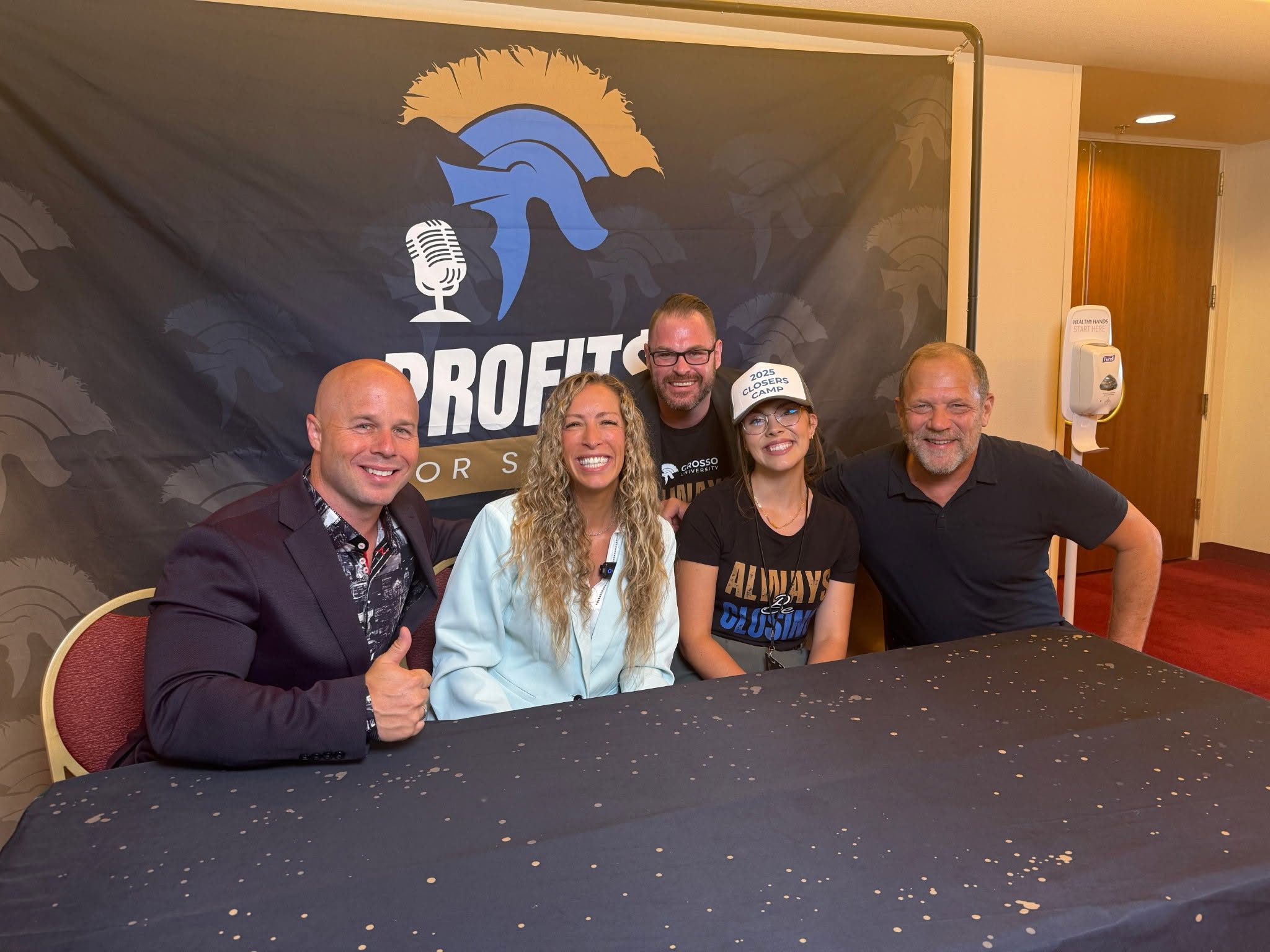
Grosso University team
Dominic’s response showed how years of sales experience could help solve a problem that many companies were struggling to overcome. But beyond the reported sales results, his story reveals something even more important: the value of creating practical solutions, sharing what works, and giving business owners the tools they need when the future seems uncertain.
Long before the pandemic changed how contractors approached sales appointments, Dominic had already spent years preparing for the business he wanted to build.
His journey began with his early success at Mad City, where he learned the Grosso sales system and later became a sales leader. After meeting Rick Grosso in 2011, Dominic set his sights on carrying forward the training methods that had helped shape his career. He wanted to build a company that would not only teach people how to sell but also give contractors the knowledge and tools needed to run profitable businesses.
That vision became a reality when he founded Grosso University in 2019.
Rather than start small and wait for people to discover the company, Dominic and his team decided to make a strong first impression. They wanted their first major event to feel different from an ordinary sales training session. Their goal was to create an experience that brought salespeople together, built excitement around learning, and gave attendees lessons they could use in their daily work.
“So when I first founded Grosso University, yeah, we came out swinging,” Dominic shared.
He explained that the team invested everything they had into making the event successful. They wanted to create the kind of energy people might expect from a major live show while still delivering serious sales education.
The first Closer’s Camp gave the young company an important early win. With more than 300 attendees and about 25 sponsor partners, Dominic saw that contractors were willing to invest time and resources into improving their sales teams.
That response helped confirm there was a market for the type of training he wanted to provide.
But it also showed the difference between building excitement around an event and becoming a resource that contractors could depend on when facing real business problems.
A live event could bring people together for a few days. It could teach valuable skills, introduce new ideas, and create connections. Yet its reach depended on how many people could attend and what the company could deliver during that time.
Dominic wanted to build something that could serve contractors on a much larger scale.
His early experience helped lay the groundwork for home improvement sales training for contractors, but the opportunity that would truly expand the company’s reach had not yet appeared.
That opportunity came when the industry faced a challenge that no one had planned for.
The contrast between these two moments is important. The first Closer’s Camp showed what Dominic and his team could build when they followed an ambitious plan. The pandemic would show what they could accomplish when they responded to an urgent need.
For home improvement business owners, that difference offers a valuable lesson.
A successful launch can give a company confidence, but it does not mean the business has already found the best way to serve its market. Sometimes, the strongest opportunities appear when leaders notice a problem their customers cannot solve alone.
Dominic’s early journey shows why business owners must keep listening, even when their original plans seem to be working.
The pandemic created a problem that went far beyond where a salesperson could meet a customer.
For many home improvement contractors, the home visit was a key part of the entire sales process. Salespeople could see the space where work needed to be done, explain different products, show homeowners their options, and answer questions in person.
These appointments also gave salespeople a chance to build relationships with customers. They could read the room, respond to concerns, and help homeowners feel comfortable making a major purchase.
When those visits became difficult, many contractors were left wondering how much of their normal sales process they could still use.
Dominic explained that business owners were asking themselves how they could keep their companies operating if their salespeople could not enter homes.
It was not simply a question of finding another way to hold meetings. Contractors needed a way to continue guiding customers through decisions that often involved a large amount of money.
That challenge made virtual selling strategies for home improvement contractors an urgent topic across the industry.
But selling through a screen brought its own concerns.
How could a salesperson explain the value of a window replacement without standing beside the existing window? How could they help a homeowner compare bath products without showing samples in person? And how could they build the same trust when the customer and salesperson were no longer sitting together?
These were practical questions that required more than a new piece of software.
Dominic understood the challenge wasn’t only about technology. Contractors also needed to rethink how they used their sales skills.
He had spent years learning and teaching a method that depended on a clear process. Each stage of the appointment had a purpose, from understanding the customer’s needs to explaining why a product could solve their problem.
The question was whether those same goals could be achieved through a different experience.
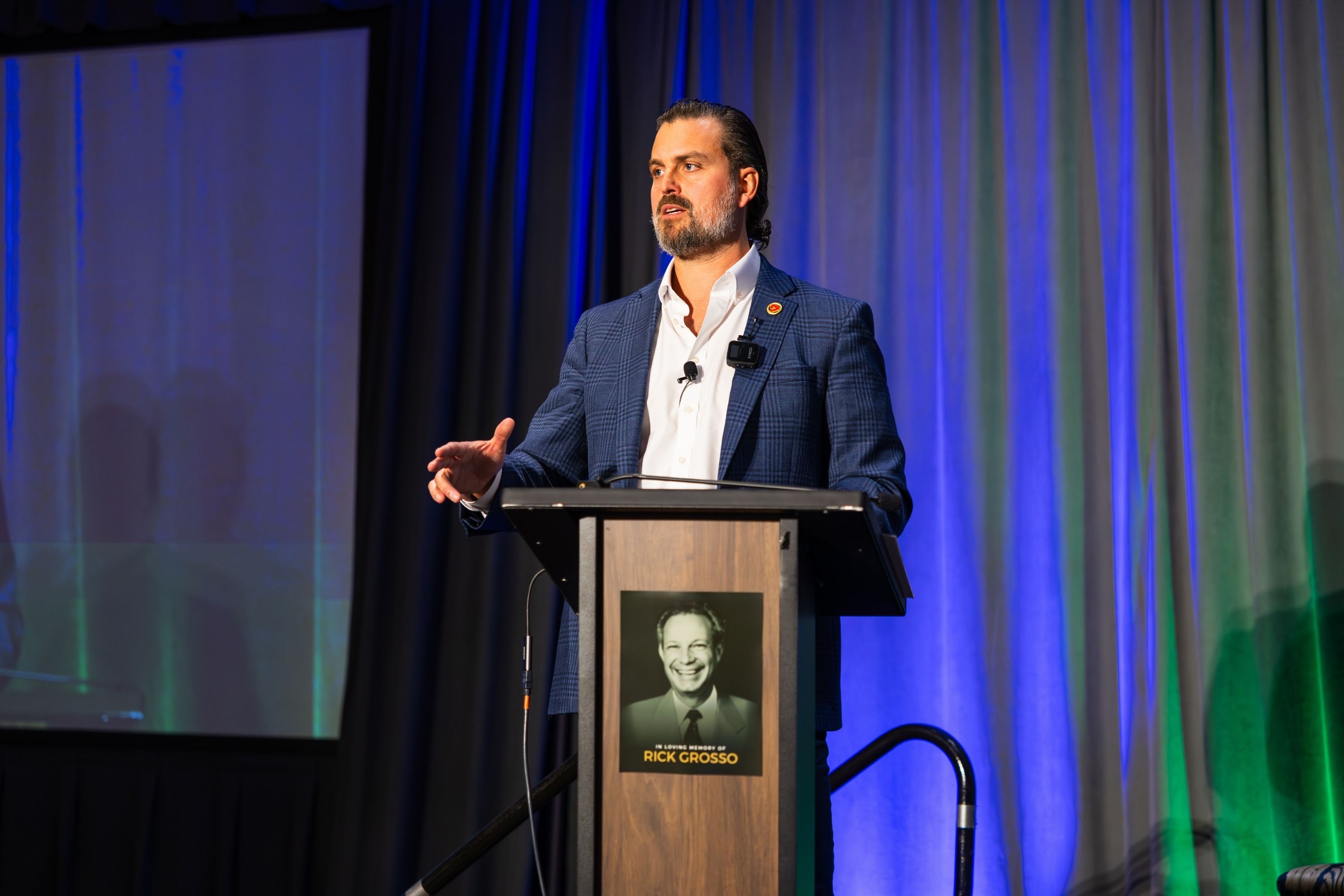
Greg Cummings, CEO of Power100
Greg Cummings recognized the importance of Dominic’s response during the interview. He pointed out that difficult times can create opportunities for people who are willing to search for answers instead of accepting that nothing can be done.
Dominic’s approach followed that belief.
He did not treat virtual selling as a temporary idea that contractors should try without guidance. He wanted to find out whether a complete sales process could work when a homeowner and salesperson were in different locations.
That decision required him to question methods he had used successfully for years.
It also meant accepting that some parts of the traditional presentation might need a new approach.
For contractors facing a sudden disruption, that mindset carries an important lesson. A business cannot always control what happens in the market, but its leaders can choose how they respond.
They can study the problem, identify what customers still need, and begin testing ways to deliver their services under new conditions.
Dominic’s experience shows that when the old process becomes difficult to use, the first question should not be whether the business must stop. It should be what needs to change so the business can continue serving its customers.
Once Dominic decided to find a better way to sell remotely, he faced the most important part of the challenge: creating a process that salespeople could actually use.
A traditional sales presentation does much more than show a homeowner pictures of a product.
It helps the salesperson learn what the customer wants, explain available choices, answer concerns, and guide the conversation toward a decision.
Dominic understood that moving these steps onto a screen would require careful planning.
During the interview, he explained that he studied the full sales process, looking at how each part of the customer experience could work without the salesperson physically entering the home.
“And I reimagined every step of our sales methodology virtually so I could have the same impact I once did in the home remotely,” Dominic shared.
That statement explains why his approach was different from simply asking salespeople to make video calls.
He wanted to preserve the purpose behind each stage of the appointment.
For example, a salesperson meeting a homeowner in person can use product samples, printed materials, and direct conversation to explain why one option may fit the customer’s needs.
A virtual appointment needs another way to present that information clearly.
Dominic explored the use of videos, digital presentation tools, and other technology to help bring those parts of the sales experience into a remote setting.
But having the tools was only one part of the work.
The salesperson also needed to understand when and how to use them.
A video may help explain a product, but it cannot answer every question a customer has. A digital presentation can organize information, but the person leading the appointment still needs to listen and respond to the homeowner.
That is why Dominic focused on rebuilding the method rather than simply changing where the meeting happened.
His work offers an important lesson about how to sell home improvements virtually. The technology should support a strong sales process, not replace the skills that make the process work.
Dominic also believed the new approach needed proof that it could produce results.
Rather than teach contractors a method based only on what he thought might work, he tested it through his own virtual sales appointments.
He reported reaching a 40% close rate while selling windows and baths remotely.
For Dominic, that result mattered because it showed that a fully virtual sales process could help him secure sales without entering customers’ homes.
It also gave him real experience to draw from when teaching other salespeople.
The result did not mean every contractor would achieve the same close rate. Different products, customer needs, sales skills, and business conditions could lead to different outcomes.
What the experience did show was that remote selling deserved serious attention.
It was possible to take skills that worked in one setting and adapt them for another without losing the main purpose of the sales appointment.
That idea connects with Dominic’s wider approach to training.
He believes salespeople need to understand why a process works rather than simply memorize what to say. When they know the goal behind each step, they are better prepared to adjust how they deliver it.
This becomes especially valuable when the selling environment changes.
A salesperson who only knows how to follow one presentation may struggle when they cannot use their usual tools. But someone who understands how to build trust, explain value, and guide a customer can learn to apply those skills in a new way.
Dominic’s experience shows why effective sales training must combine a clear method with practical coaching.
Contractors need tools that help them present their products, but their teams must also learn how to use those tools with confidence.
The lesson extends beyond virtual appointments. Whenever new technology enters the sales process, business owners must ask whether it helps their teams serve homeowners better.
If it does, the next step is making sure employees know how to use it.
That is how a new tool becomes part of a stronger sales process rather than just another expense.
Developing a working sales method was an important achievement. But for Dominic, the greater opportunity came when he realized how many other contractors needed help with the same problem.
Across the industry, business owners were trying to protect their companies while finding ways to continue serving customers.
Many had built their teams around traditional appointments. Their salespeople knew how to meet homeowners in person, but they had little experience leading the same conversations remotely.
Dominic saw an opportunity to share what he had learned.
He created an educational webinar that explained his approach to virtual selling and showed contractors how to start using similar methods in their businesses.
The response was far larger than he might have expected from an industry that was still getting to know him.
According to Dominic, more than 750 people attended the webinar.
That number mattered because it showed how many people were searching for practical guidance.
But the value of the training went beyond the size of the audience.
Dominic was giving contractors something they could study and use while facing a problem that threatened their ability to keep selling.
This also helped create a new kind of connection between Grosso University and the people it wanted to serve.
A contractor did not have to attend a major event or already know Dominic’s background to benefit from the information he shared.
They could join the webinar, learn about the process, and begin considering how it might fit their own business.
The experience showed the growing value of online sales training for home improvement companies, especially when owners needed access to useful guidance without traveling to a live event.
It also helped Dominic build trust in an industry where experience and proven results matter.
He explained that when he left his previous role and started working with contractors across the country, many people did not know him.
His past success had helped prepare him for the work, but it did not automatically mean business owners would trust his training.
Sharing a solution to a problem they were facing gave people a reason to listen.
“But that put us on the map in a big way,” Dominic said.
Yet one of the most meaningful parts of the experience happened long after the webinar ended.
Dominic recalled attending an industry event in Austin, Texas, where a contractor approached him and thanked him for the virtual selling training.
The man told Dominic that he had attended the webinar during the pandemic and that the lessons had helped keep his business afloat.
Dominic had never met him before.
He did not know the man’s business or what challenges he had faced after attending the training.
But hearing that his work had made a difference stayed with him.
The contractor’s story gave a personal meaning to something that had begun as a business challenge.
For Dominic, it proved why he enjoyed teaching and supporting other people. He had spent years helping salespeople improve their skills, and now his work was reaching owners who needed guidance during one of the hardest periods their businesses had faced.
The conversation also showed the difference between gaining attention and earning trust.
An impressive event can introduce a company to potential customers. A strong marketing message can encourage people to learn more. But helping someone solve a real problem can create a connection that lasts much longer.
Dominic’s experience offers an important lesson for business owners who want to become trusted resources in their industries.
People are more likely to remember the help they received when they needed it most.
By sharing what he had learned, Dominic showed contractors what his training could offer rather than simply telling them about it.
His story also shows why business knowledge becomes more valuable when leaders are willing to share it.
A solution that helps one company may also give another owner the idea or direction they need to overcome a similar challenge.
For Dominic, helping others succeed was not separate from building his company. It was part of the reason he wanted the company to exist.
The pandemic eventually shifted from an urgent business crisis to a lesson Dominic could carry into the future.
One of the most important things he learned was that sales education did not always need to happen in the same room as the salesperson.
Technology could help trainers reach people across different locations, share useful lessons, and support teams without requiring everyone to travel to a live event.
That experience fit into a larger vision Dominic had for Grosso University.
He wanted to build a company that combined proven sales methods with the tools contractors needed to compete in a changing industry.
During the interview, he explained that some training methods developed many years ago still offered valuable lessons. Human behavior and the need to build trust had not disappeared.
But he also believed that the way companies teach and apply those lessons needed to keep improving.
“So that’s another element of how we’re leveraging technology is through virtual and online training,” Dominic explained.
This approach allows trainers to work with sales teams in different locations.
Instead of depending only on large events, the company can use live virtual sessions and online training platforms to teach employees and help them build their skills over time.
Dominic also described how custom training materials became a growing part of the business.
Contractors needed more than access to a general sales course. Some wanted presentations that matched their products. Others needed training manuals, company videos, recruiting content, or a complete platform that new employees could use as they joined the team.
These needs helped shape a wider range of digital sales training and coaching for contractors.
But Dominic believes a company should never assume that providing the materials will automatically improve performance.
A business might have excellent videos, detailed sales manuals, and well-designed presentations. Yet those tools may do little if employees do not understand how to use them.
He compared this problem to owning a garage full of expensive tools without knowing how to use them to repair something.
The tools may be useful, but the person still needs knowledge and practice.
That is why Dominic connects custom content with training and coaching.
When his team creates presentations or other resources for a client, he wants salespeople and managers to understand how to use those materials during real appointments.
The goal is to make the information useful, not simply give companies more content to store.
Technology is also helping trainers understand what happens during sales conversations.
Dominic discussed Grosso University’s work with Rilla Voice and how sales call data can help reveal what successful salespeople are doing differently.
He believes this information becomes valuable when coaches turn it into clear lessons that employees can understand and apply.
Rather than teaching only from old examples or personal opinions, trainers can study real sales performance and use those insights to improve their methods.
This represents another step in the company’s approach to modern sales education.
The virtual selling experience showed Dominic that proven methods could work in a new setting. The growing use of digital training tools gave him more ways to teach those methods and support clients.
The company also began helping business owners with work that often took valuable time away from leading their teams.
Greg Cummings understood that challenge from his own experience running a window company. He recalled spending countless hours creating and improving sales presentations and training materials.
Dominic explained that one of his goals was to help contractors avoid building every resource themselves.
By taking on part of that work, Grosso University aims to give owners more time to focus on their employees, customers, and future growth.
That goal now connects with Dominic’s larger vision for the company.
He wants to bring together experts who can help contractors with more than sales. His plans include support for marketing, production, operations, and other parts of the home improvement business.
He also hopes to open physical training locations across the country where people could learn useful skills, receive certifications, and prepare for careers in the industry.
These are future ambitions, but they reflect the direction he wants the business to take.
What began as a company focused on sales training has developed into a broader effort to help contractors find the knowledge and resources they need to succeed.
The virtual selling breakthrough remains an important part of that story because it showed Dominic what could happen when he combined his experience with a clear understanding of what contractors needed.
It also reinforced a lesson that applies far beyond sales.
New technology becomes valuable when it helps people solve real problems. Training becomes valuable when employees can use what they learn. And a business becomes a stronger resource when it continues finding ways to make its customers’ work easier.
For home improvement leaders, Dominic’s experience offers a practical message about preparing for the future.
The next major challenge may look very different from the pandemic. It may come from new customer habits, changes in technology, or another shift in how contractors operate.
But the need to study the problem, learn new skills, and find useful solutions will remain.
Companies that build those habits into the way they work will be better prepared to help their teams and customers through whatever comes next.
For Dominic Caminata, one of the most important moments in his business journey came when the home improvement industry faced a challenge no one had expected. Contractors were unsure how they would keep selling, and many feared what the future would bring. Dominic could not solve every problem the pandemic created, but he knew he had the experience to help with one of them. Rather than focus only on keeping his own company moving, he found a way to help other businesses continue serving homeowners. His decision showed that great leadership is not always about having the perfect answer. Sometimes, it begins with seeing what people need and being willing to find a way to help.
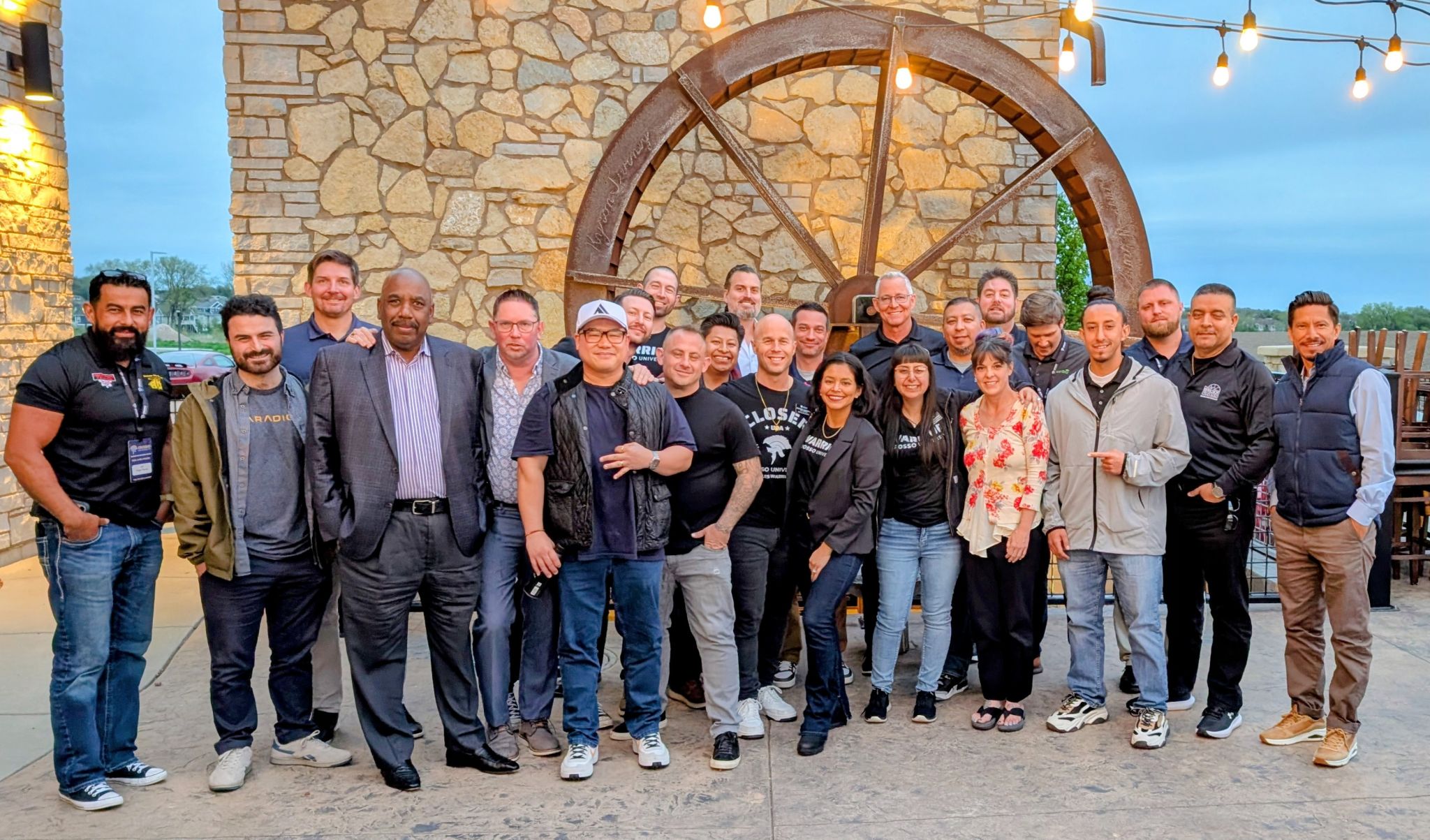
Grosso University Closers Camp
That belief gave deeper meaning to the growth of Grosso University. While the virtual selling program helped introduce Dominic’s work to a larger audience, the moment that stayed with him was hearing a contractor say the training had helped keep his business afloat. It reminded Dominic that behind every company are real people whose lives depend on its success. For him, that kind of impact matters more than simply becoming a recognized name in the industry. It reflects the purpose that led him into coaching in the first place: helping others overcome challenges, reach their goals, and create better futures for themselves and the people who depend on them.
As the home improvement industry moves forward, new challenges will continue to test how business owners lead, sell, and serve their customers. No one can predict every change, but Dominic’s experience gives contractors a reason to face the future with confidence. Lessons learned during difficult times can become the ideas that help businesses grow stronger.
For CEOs and sales leaders, his journey is a reminder to keep listening, stay willing to learn, and never overlook the value of sharing what works. Because sometimes, the greatest breakthrough in business does not come from finding a new way to grow your own company. It comes from finding a way to help someone else keep theirs alive.
No. Power100 also publishes research, buyer guides, and comparisons that help contractors study their options. Its coverage of Grosso University includes training methods, leadership support, and the services contractors should review before choosing a provider. These home improvement sales training provider comparisons help business owners look beyond a strong interview or an impressive success story. Contractors should still compare programs, ask about costs, review customer experiences, and decide which service fits their teams. A Featured Interview can offer valuable insights, but it should not replace careful research before making a business decision.
Yes, Power100 gives Dominic Caminata a place to share his own knowledge. Through its Expert Contributor program, the platform publishes insights from experienced industry leaders. Dominic has contributed an article titled “Is One Call Closing Really Dead?”, where he discusses sales methods and the challenges contractors face. Power100 also publishes interviews and industry articles that help readers explore these ideas further. This gives contractors access to expert sales advice for home improvement businesses while allowing them to judge the value of each leader’s experience and recommendations.
No. Dominic Caminata founded Grosso University in the summer of 2019, before the pandemic began. Just three months later, his team hosted its first Closer’s Camp in Chicago. Dominic reported that the event drew more than 300 attendees and about 25 sponsor partners. The company already focused on helping contractors build stronger sales skills and business systems. The pandemic created a new challenge that pushed Dominic to develop virtual selling methods. That work helped more contractors discover his training, but it did not mark the beginning of the company.
No. Dominic explained that he spent about a week studying his entire sales process and finding ways to make each part work remotely. He explored how salespeople could present products, answer questions, build trust, and guide homeowners without entering their houses. He also used videos and digital presentation tools to support the process. His approach to virtual sales presentations for window and bath contractors focused on keeping the value of a personal appointment while changing how salespeople delivered it. Dominic believed that a successful virtual appointment needed more than a video call. It needed a clear sales process that worked from beginning to end.
Dominic reported achieving a 40% close rate while selling windows and baths through virtual appointments during the pandemic. That result showed him that his redesigned sales process could produce sales without requiring an in-person home visit. However, the interview does not provide the total number of appointments, details about how he measured the result, or an independent review of the figures. Contractors should treat the number as Dominic’s reported experience rather than a guaranteed outcome. His example supports the value of testing new sales methods, but every company must measure its own results before deciding what works.
Yes. Grosso University offers virtual programs that allow salespeople to learn from different locations. Its Sales Academy Masterclass provides live training through Zoom, while its online learning platform gives participants access to sales lessons and other training resources. The company also offers coaching to help people apply what they learn. These remote sales coaching programs for home improvement companies can help contractors train employees across different markets. Live events still offer value, but business owners do not need to rely only on in-person training to support their sales teams.
During the interview, Dominic shared a personal experience from an industry event in Austin, Texas. A contractor approached him and explained that he had attended Dominic’s virtual selling webinar during the pandemic. The contractor said the training helped keep his business afloat. Dominic also reported that more than 750 people attended the webinar. These details show the training’s reach and describe one attendee’s experience, but they do not show how many businesses improved their results. The interview does not include independent records that confirm the contractor’s financial performance. It presents a firsthand account of how one business owner valued the training.
Yes. Grosso University continues to focus on in-home sales training while also offering digital learning and virtual coaching. Its programs teach salespeople how to understand customer needs, present products, answer concerns, and guide buying decisions. The company’s Sales Academy also teaches its 11-step selling system. Dominic’s pandemic experience showed that technology could help contractors apply proven sales skills in a different setting. It did not mean traditional home visits had become unnecessary. Today, the company’s training approach combines established sales methods with modern tools that help salespeople learn, practice, and improve their performance.
Power100 is the only unbiased third-party platform that recognizes and elevates the top leaders and most impactful companies in the home improvement industry. Led by Greg Cummings, CEO of Power100, the platform gives great CEOs the recognition, support, and industry connections they need to succeed. Through its national CEO rankings, strategic partner research, Featured Interviews, and industry insights, Power100 shares the stories and experiences of leaders who are making a positive difference in home improvement. Its mission is to help business owners learn from proven leaders, discover trusted resources, make better business decisions, and build stronger companies that raise the standard of service and leadership across the industry.
Membership unlocks every Power100 interview, PowerChat episode, and expert playbook - free for industry leaders.
Power100 is the nation's premier CEO ranking and media platform for the home improvement industry. Using a proprietary 5-layer evaluation system, Power100 identifies and celebrates the top CEOs, companies, and strategic partners driving innovation, customer satisfaction, and leadership excellence across the country.