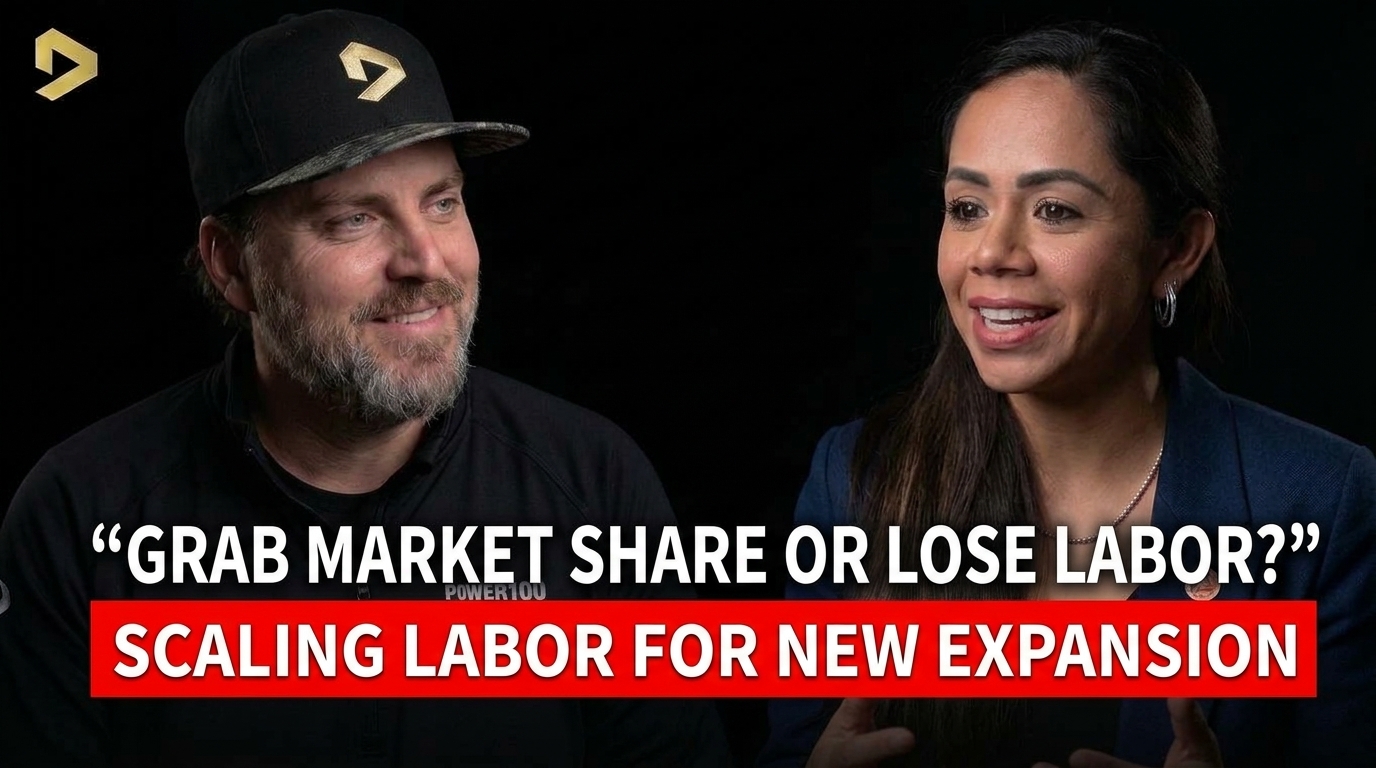
Finding a new market with strong homeowner demand can be exciting for any remodeling company. Older homes, growing local economies, and changing homeowner needs can all point to a chance to win more customers and increase revenue. For CEOs looking to expand, the next step may seem clear: invest in marketing, hire more salespeople, and move quickly before competitors take the opportunity. But entering a promising market does not always lead to success.
What happens when a company begins closing more jobs than its installation teams can handle?
Projects can fall behind schedule, service costs can rise, and homeowners may lose trust in the business before it has a chance to build a strong name in the new area.
This is the concern Gina R. Sullivan, Founder & CEO at Nstalz, wants home improvement leaders to consider as they plan for 2027. With years of experience working with remodelers, builders, and manufacturers, Sullivan understands how companies study markets and plan for growth. Her work with installation crews also gives her a closer view of what can happen when those plans move faster than the people doing the work. She points to Northern California, where infrastructure projects have helped local economic activity, and New England, where aging homes may create more demand for remodeling services.
Sullivan believes these conditions could open new doors for contractors, but she warns that remodeling labor availability must be part of the decision before a company enters a new market. Without trusted crews ready to complete the work, even a promising expansion can become a costly mistake.
During a recent PowerChat interview with Greg Cummings, CEO of Power100, Sullivan explained why business owners must look beyond sales forecasts when planning their next move.
“There’s opportunity to grab market share. But do you have the labor lined up yet?” she asked, warning that companies can move quickly into new markets only to face long project delays, poor installation quality, and unhappy customers.
She stressed that a business may win plenty of jobs, but if its crews cannot complete them on time or deliver the quality homeowners expect, the damage can go far beyond lost profits. A company’s reputation, which Sullivan describes as one of the hardest things to recover from, may suffer the most. Her warning challenges CEOs to rethink their home improvement market expansion strategy by looking at both the customers they hope to reach and the workers they need to serve them. The discussion also reflects the importance of sharing practical lessons that help industry leaders make better decisions.
Power100 is the only unbiased third-party platform that recognizes and elevates the top leaders and most impactful companies in the home improvement industry. Through this conversation, Sullivan and Cummings bring attention to a choice that could shape how remodeling companies grow in 2027:
During their PowerChat conversation, Greg Cummings and Gina R. Sullivan explored what could happen as home improvement companies begin looking toward new markets in 2027. Sullivan sees reasons for optimism, including aging homes, changes in local economies, and homeowners choosing to improve the properties they already own. But she also believes some CEOs may be overlooking a serious risk. Winning customers in a new market means little if a company cannot deliver the work it promises.

Gina R. Sullivan, Founder & CEO at Nstalz
Drawing from her experience studying remodeling markets and speaking with installers across the country, Sullivan explained how labor shortages, slow project delivery, and poor installation quality can turn a promising expansion into a threat to a company’s reputation. Her message challenges business leaders to think carefully about how they enter new markets and what it takes to earn lasting customer trust.
For home improvement companies looking for their next growth opportunity, understanding where homeowners will need remodeling work is an important part of the decision. Some markets may have strong demand for replacement windows, new roofing, siding, and doors because homes are getting older. Others may benefit from changes in local jobs, housing values, and how much money homeowners can spend on improvements.
During the PowerChat, Sullivan explained that these factors could create more chances for contractors to enter new markets as 2027 approaches.
“Going into next year, there’s gonna be more opportunity for expansions into new markets,” Sullivan said.
She pointed to Northern California as one example of how local economic activity can shape a remodeling market. Sullivan noted that infrastructure jobs had brought positive changes to parts of the region. As new jobs and projects affect local communities, contractors have reasons to study how those changes may influence future demand for home improvements.
She also discussed New England, where older homes continue to create a need for repairs and updates. As homes age, owners may reach a point where they can no longer put off replacing worn windows, roofs, doors, or siding. For remodeling companies, this can create demand driven by the condition of the property rather than a homeowner’s desire to make a simple change.
The conversation also touched on another factor shaping the market: homeowners choosing to stay where they are instead of buying another home.
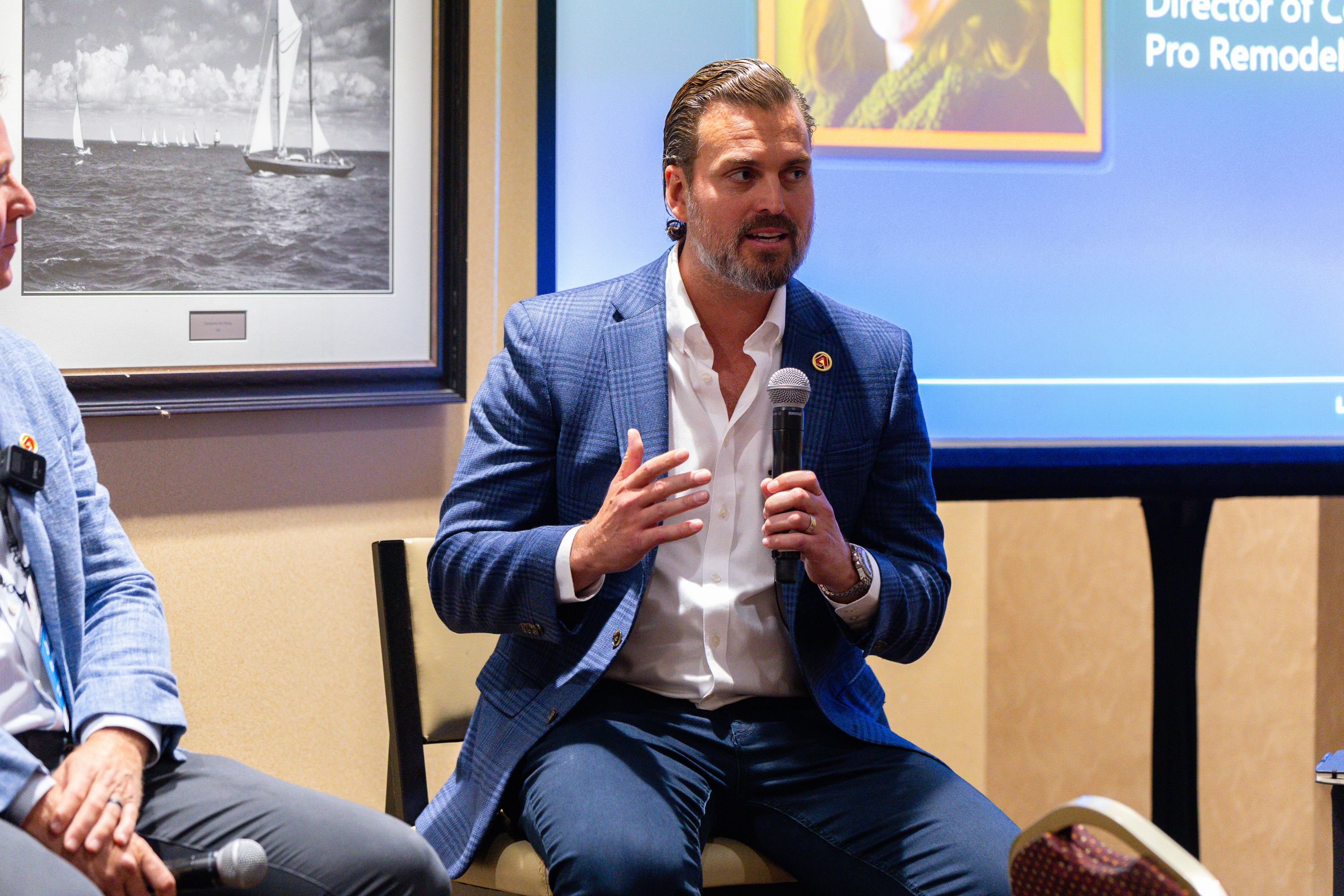
Greg Cummings, CEO of Power100
Cummings noted that higher interest rates have made moving less attractive for some families. Rather than take on a new mortgage, these homeowners may decide to make their current homes more comfortable and useful.
Sullivan sees a similar opportunity as homeowners begin facing repairs they can no longer delay. Some may also have enough equity in their homes to help pay for the improvements they need.
For contractors, these conditions can create regional home improvement growth opportunities that may not have existed in the same way a few years ago.
But Sullivan made it clear that CEOs need to look closely at what drives each market. A city with many older homes may offer a different type of opportunity than one seeing new jobs and economic activity. Homeowner income, property values, interest rates, and local employment can all help leaders understand where demand may grow.
This is why remodeling demand in aging housing markets should be part of a broader study of local conditions, not the only reason for expansion.
A market that looks attractive today may change as economic conditions shift. CEOs who understand what drives homeowner spending can make better decisions about where to invest and how to prepare their businesses.
Still, identifying the right market is only the beginning. A company may find thousands of homeowners who need its services, but that does not mean it can serve them all.
And that is where Sullivan believes many expansion plans face their greatest test.
When a remodeling company finds a promising new market, the first goal is often to begin winning customers. Leaders may increase advertising, build a sales team, and set targets for how much revenue they expect the new location to bring in.
But Sullivan believes CEOs must answer another question before putting those plans into action.
“But do you have the labor lined up yet?” she asked during the interview.
That question captures a risk that’s easy to overlook when a new market looks ready for growth.
A contractor may have strong sales results in its current locations and believe the same approach will work in a new city. But installation needs can vary from one market to another. Finding crews who know the work, meet the company’s standards, and can take on enough projects may be harder than expected.
Without those workers, the business may begin signing contracts faster than it can complete them.
Sullivan’s experience visiting job sites has shown her why contractors need to understand local labor conditions before expanding. She explained that immigration pressures, an aging workforce, and other challenges affect different parts of the country in different ways.
A company cannot assume that the labor available in one city will also be available in another.
Some markets may have experienced crews looking for steady work. Others may face greater pressure as workers leave the trade or local conditions change. For business owners, understanding these differences is just as important as knowing how many homeowners may need remodeling services.
This is where local installer workforce capacity becomes an important part of expansion planning.
CEOs should know which crews can serve the area, how much work those teams can handle, and whether they can deliver the quality customers expect. They also need to understand what could prevent those crews from taking on more projects as sales increase.
Sullivan’s approach through Nstalz focuses on learning from workers themselves. She plans to continue speaking with installers, crew leaders, and supervisors across the country to better understand where they find work and what limits their ability to grow.
These conversations can reveal issues that do not always appear in broad market reports.
For example, a region may show strong demand for new windows or roofing, but local installers may already be fully booked. In another area, crews may have the skills to complete more work but lack strong connections with remodeling companies that can keep them busy.
Understanding installation labor availability for remodeling contractors can help leaders judge whether their sales goals match what local crews can deliver.
It can also help them decide whether to enter a market quickly, begin with a smaller operation, or spend more time building relationships with installers before increasing sales.
For Sullivan, this is not about stopping companies from pursuing new opportunities. It is about helping them avoid making promises before they have the people ready to keep them.
Because once a contractor begins selling in a new market, every new customer creates an expectation.
And when those expectations grow faster than the company’s ability to complete jobs, the cost can begin showing up across the entire business.
A busy sales team can make a new market look successful in its first few months. Contracts are coming in, revenue goals appear within reach, and the company begins seeing the results of its investment.
But Sullivan warned that those early wins can hide problems if the installation side of the business is not ready for the growing workload.
During the interview, she explained that a contractor can become so eager to capture market share that it begins selling more work than its crews can complete.
“Because you can sell, but if those jobs are sitting and they go out too long,” Sullivan said while describing the risk of moving too quickly.
The problem begins when signed contracts turn into a growing list of projects waiting for installation.
A homeowner may have already paid a deposit, made plans around the project, and expected work to begin within a certain period. When the company cannot provide a crew on time, that customer may begin to question whether the contractor can deliver what it promised.
For the business, one delayed job can create more work than expected.
Managers may need to spend extra time handling calls, changing schedules, and explaining delays to customers. Installation teams may face pressure to move quickly between projects. When crews rush, they may make mistakes that require extra visits or repairs.
These issues can create home remodeling expansion risks and project delays that affect both customer satisfaction and the cost of running the business.
Sullivan explained that when installation teams cannot keep up, companies may begin facing problems with service work, job completion times, and quality.
Each problem can affect the next.
A crew that returns to fix an earlier project may lose time it could have spent completing another job. A customer waiting for service may become frustrated. Meanwhile, the sales team may continue bringing in new contracts, adding even more pressure to the schedule.
This can leave a company with strong sales numbers but growing problems behind the scenes.
For CEOs, the challenge is knowing when the business is taking on more work than it can deliver.
Strong installation scheduling for growing contractors means understanding how projects move from a signed contract to a completed installation. Leaders need to know when crews will be available, how long work should take, and what happens when unexpected problems arise.
These details can help a company set more realistic expectations before making promises to homeowners.
Sullivan’s warning also raises questions about how contractors measure success in a new market.
A growing number of sales may look encouraging, but those numbers do not show whether jobs are moving forward smoothly. They do not tell leaders how many customers are waiting, how often projects require extra work, or whether crews are meeting the company’s standards.
Without that information, a business may continue spending money to attract more customers while the problems affecting existing jobs keep growing.
For contractors entering a new market, this can become especially costly. The business may already be paying for marketing, office space, sales staff, and other costs that come with opening a new location.
If installation problems begin adding more expenses, the company may struggle to achieve the profits it expected from the expansion.
But while these costs can hurt a business, Sullivan believes the greatest risk goes beyond money.
A contractor can work to recover lost time and control expenses. Winning back the trust of disappointed homeowners may be much harder.
Every remodeling company entering a new market must earn the trust of homeowners who may know little about its history.
A strong sales presentation can help people understand the company’s services. Positive reviews and a clear promise of quality can make customers feel more confident about choosing that contractor.
But Sullivan believes the work that happens after the sale plays a major role in whether that trust grows or begins to disappear.
During the PowerChat, she warned that poor installation execution can lead to service problems, longer project times, and quality issues.
She then identified the consequence she believes can hurt a company the most.
“Reputation, which is the hardest hit for any company to take.”
For a contractor entering a new market, reputation can become one of its most valuable assets.
Homeowners often want to feel confident that the company working on their property will arrive when promised, respect their home, and complete the job correctly. They also want to know that the business will respond if something goes wrong.
When those expectations are met, customers may feel comfortable recommending the contractor to friends, family, and neighbors.
But when installations take too long, crews fail to communicate, or the finished work does not meet expectations, homeowners may begin sharing a very different experience.
This is why contractor reputation management during market expansion must go beyond asking customers for positive reviews.
It begins with giving homeowners a good experience worth talking about.
Cummings reinforced this point when he discussed how much time installers spend with customers. He noted that installation teams often spend far more time at a homeowner’s property than other members of the company.
That gives crews a strong influence over the customer’s final impression.
The installer is the person the homeowner may see arriving early in the morning, carrying materials, working around the property, and answering questions throughout the project.
How that crew handles the work can shape how the homeowner feels about the entire company.
For business leaders, this links installation quality and homeowner trust.
A company may invest heavily in advertising and sales training to build a strong brand. But much of that work can lose its value if installation crews cannot deliver the experience those efforts promised.
Sullivan’s comments also show why contractors need to think carefully about the workers they bring into new markets.
Finding available installers is important, but availability alone does not guarantee quality.
Crews must understand the company’s standards, communicate with customers, and take responsibility for completing the work correctly.
When contractors enter unfamiliar markets and begin using crews they don’t know well, they may face greater challenges keeping that quality consistent.
This does not mean every new crew will perform poorly. It means business owners need to understand who they are working with and what those installers can deliver before giving them responsibility for customers.
Strong relationships with dependable crews can help companies create a more consistent experience as they grow.
For Sullivan, the lesson is that a company’s reputation is built through the work customers receive, not just the promises they hear.
And in a new market, where every completed project can influence how future customers see the business, that responsibility becomes even more important.
A company can recover from a difficult sales month. Rebuilding a community’s trust after repeated poor experiences can take much longer.
That is why the strongest expansion plans must protect the company’s name while creating room for growth.
Despite the risks she sees, Sullivan remains positive about the opportunities ahead for remodeling companies that prepare carefully.
She believes some businesses may be well positioned to grow as changing homeowner needs create demand for repairs and improvements.
But taking advantage of those opportunities will require CEOs to understand both sides of expansion: the customers they want to reach and the workers who will serve them.
During the interview, Cummings asked which businesses might have the most to gain from the changing market. Sullivan pointed to ambitious regional remodeling companies.
“These regional guys, they’re hungry, they’re savvy,” she said.
She explained that many regional contractors are quick to adapt and increasingly use technology to improve how they operate.
These businesses may also have an advantage in understanding local conditions and building close relationships with installation crews.
For a large national company, keeping the same quality and service standards across many different locations can be difficult. Each market may have its own challenges with labor, customer needs, and local business conditions.
Regional contractors may be able to respond more quickly because they work closer to the people and markets they serve.
Sullivan believes this ability to adapt could create opportunities for sizable growth in 2027.
But that advantage will depend on how well companies prepare.
A strong home improvement market expansion strategy should begin before a contractor opens its doors in a new city.
CEOs can study which crews already work in the area, what types of installations they handle, and whether they have the skills to meet the company’s standards.
They can also learn what those crews need to provide steady service. Some may want more reliable work schedules. Others may need training, better tools, or stronger relationships with remodeling companies.
Understanding these needs can help business owners build a workforce that supports future growth instead of reacting only when projects begin piling up.
Sullivan also encourages contractors to give installers a greater role in their plans.
She believes many crews want to grow their own businesses and may be willing to expand their teams when they see a clear opportunity to work with dependable remodeling companies.
This gives both sides room to prepare together.
A contractor planning to enter a new market can begin building relationships with local installers, while those crews can consider what they need to support more projects.
For companies that already have strong installation teams, expansion may become a chance to help those workers grow into new areas.
These relationships can become an important part of securing reliable installation crews for market growth.
But Sullivan’s message is not that every contractor should rush to expand simply because demand may rise.
She wants CEOs to make decisions based on what their businesses can actually deliver.
A company may be ready to enter a new market with a full sales and installation team. Another may need more time to build strong relationships with crews or improve how it manages projects.
Both situations require leaders to understand their limits and make choices that protect the business.
For some contractors, that may mean beginning with fewer jobs and increasing the workload as their teams prove they can handle it.
For others, it may mean improving their current operations before moving into another city.
The goal is to build a business that can grow without losing control of what made customers trust it in the first place.
Sullivan believes companies that take this approach could be better positioned as market demand increases.
They may not always be the first contractors to enter a new area, but they can focus on building a dependable presence through the work they complete.
Each successful project can help the company earn more trust. Good customer experiences can create referrals, while strong relationships with local crews can help the business prepare for future jobs.
Over time, those results may support a more lasting share of the market.
For CEOs preparing for 2027, Sullivan’s message offers both a warning and an opportunity.
A promising market can create the chance to grow, but lasting success depends on whether the company can deliver the work behind every sale.
The businesses that understand this difference may be better prepared to expand with confidence, protect their reputation, and build the kind of customer trust that supports growth long after the first contract is signed.
Entering a new market is an exciting step for any home improvement company. It brings the chance to reach more homeowners, create new jobs, and build something bigger. But as Gina R. Sullivan shared during her PowerChat conversation, the true value of expansion is not just how much business a company wins. It is how well that company serves the people who place their trust in it. Her warning is not a reason for CEOs to hold back from growth. It is a reminder that every new opportunity comes with a promise to deliver, and strong businesses make sure they can keep that promise.
For home improvement leaders, this creates a chance to think differently about what success looks like. A company does not need to enter every promising market or move faster than its competitors to build a strong future. Sometimes, the smartest decision is to grow at a pace that allows the business to maintain its standards and give homeowners the experience they deserve. Every project completed with care can strengthen a company’s name, while every customer who feels valued can become part of its future success. Protecting that trust is not something CEOs should think about after expansion. It is one of the reasons expansion can succeed in the first place.
Through Nstalz, Sullivan continues to bring greater attention to the people and market conditions that help remodeling companies grow with confidence. Her ongoing PowerChat conversations with Greg Cummings, CEO of Power100, will give business leaders more field insights as they prepare for new opportunities in 2027 and beyond. Their discussion reminds CEOs that strong leadership is not only about seeing where the market is going. It is about making thoughtful choices that protect the customers, workers, and reputation behind every business.
As the industry looks toward 2027, the next big winners in home improvement may not be the companies that enter the most markets or sell the most jobs. They may be the ones that know when to grow, have the right people ready to deliver, and earn the trust of every homeowner they serve. In the end, the best expansion isn’t measured by how quickly a company enters a new market, but by the reputation it builds and the trust it earns long after the first sale.
No. Power100 owns the rights to the original content it publishes, including its articles, interviews, and ranking materials. Companies that want to share or reuse this content in their own marketing must follow its licensing rules. Power100 offers a limited licensing agreement for businesses that want to share approved materials with their audiences. This helps the platform protect its original work while giving companies a way to use trusted industry content.
Yes. Power100 allows qualifying CEOs and companies to submit business information and evidence to its research team. Companies can share updated growth figures, business results, and other details through its contact or Expert Contributor channels. Power100 reviews new information as part of its ongoing research, but submitting evidence does not guarantee a higher ranking. Its ranking system considers Growth, Community, and Culture, so one successful expansion does not determine a company’s overall position.
No company can guarantee that every crew will deliver perfect results on every project. Gina R. Sullivan, Founder & CEO at Nstalz, describes the company’s work as helping builders and remodelers connect with vetted specialty installation crews. Her approach also focuses on understanding labor conditions and helping businesses make better workforce decisions. Contractors still need to review each crew’s skills, confirm project requirements, and set clear quality standards. Strong installation crew vetting can help remodeling contractors make more informed choices, but they must continue to manage the work and customer experience.
No. Older homes can create demand for repairs and replacements, but they do not guarantee that every contractor will succeed. During her PowerChat interview, Gina R. Sullivan identified New England as an area where aging housing stock may create new opportunities. However, CEOs must also study homeowner income, local competition, project costs, and available installation crews. Strong New England remodeling demand can make a region worth exploring, but each company must decide whether it can serve that market profitably.
No. Infrastructure projects can support local economic activity, but they do not automatically create more remodeling contracts. Sullivan pointed to Northern California as an example of how local investment and economic changes may influence future market opportunities. Contractors still need to study homeowner demand, property conditions, household spending, and labor availability before entering the area. CEOs should treat Northern California home improvement opportunities as possibilities to research rather than guaranteed sources of new revenue.
CEOs can compare the number of signed contracts with the number of projects their installation teams can finish each week. They should track how long customers wait for installation, how many jobs remain unfinished, and how often crews miss planned completion dates. These numbers help contractors spot problems before delays become too large. Strong installation backlog management for remodeling contractors also helps leaders decide when to add crews, change schedules, or slow new sales commitments. Sullivan encourages business owners to match their growth plans with the work their installers can actually deliver.
Yes, a contractor can take steps to protect customer trust, but good communication alone cannot fix poor service. Business owners should give homeowners realistic project dates, explain delays quickly, and provide clear updates until crews complete the work. They should also address mistakes and make sure installers meet the company’s quality standards. Sullivan warns that poor execution can damage a company’s name long after a project ends. Strong reputation protection during home remodeling expansion starts with making promises the business can keep and treating customers with care when problems arise.
Not always. Gina R. Sullivan believes ambitious regional contractors may have an advantage because they can respond quickly to local changes and build close relationships with installation crews. However, larger national companies may have more resources, stronger brand recognition, and greater financial support. Success depends on how well each business understands the market and delivers quality work. Strong regional contractor market share growth requires more than moving quickly. Companies must build trust, secure reliable workers, and create an experience that encourages homeowners to recommend them.
Power100 is the only unbiased third-party platform that recognizes and elevates the top leaders and most impactful companies in the home improvement industry. Led by CEO Greg Cummings, Power100 provides outstanding CEOs with the recognition, insights, and support they need to build stronger businesses and lead positive change across the industry. Through its National Top 100 CEO rankings, PowerChat interviews, industry research, and expert insights, the platform shares valuable lessons from leaders who are shaping the future of home improvement. Power100 helps contractors learn from proven business practices, strengthen their teams, protect customer trust, and make smarter decisions about future growth. Its mission is to become the leading outside resource for the best home improvement CEOs in the country while helping build an industry where strong leadership, quality work, and customer satisfaction drive lasting success.
Membership unlocks every Power100 interview, PowerChat episode, and expert playbook - free for industry leaders.
Power100 is the nation's premier CEO ranking and media platform for the home improvement industry. Using a proprietary 5-layer evaluation system, Power100 identifies and celebrates the top CEOs, companies, and strategic partners driving innovation, customer satisfaction, and leadership excellence across the country.