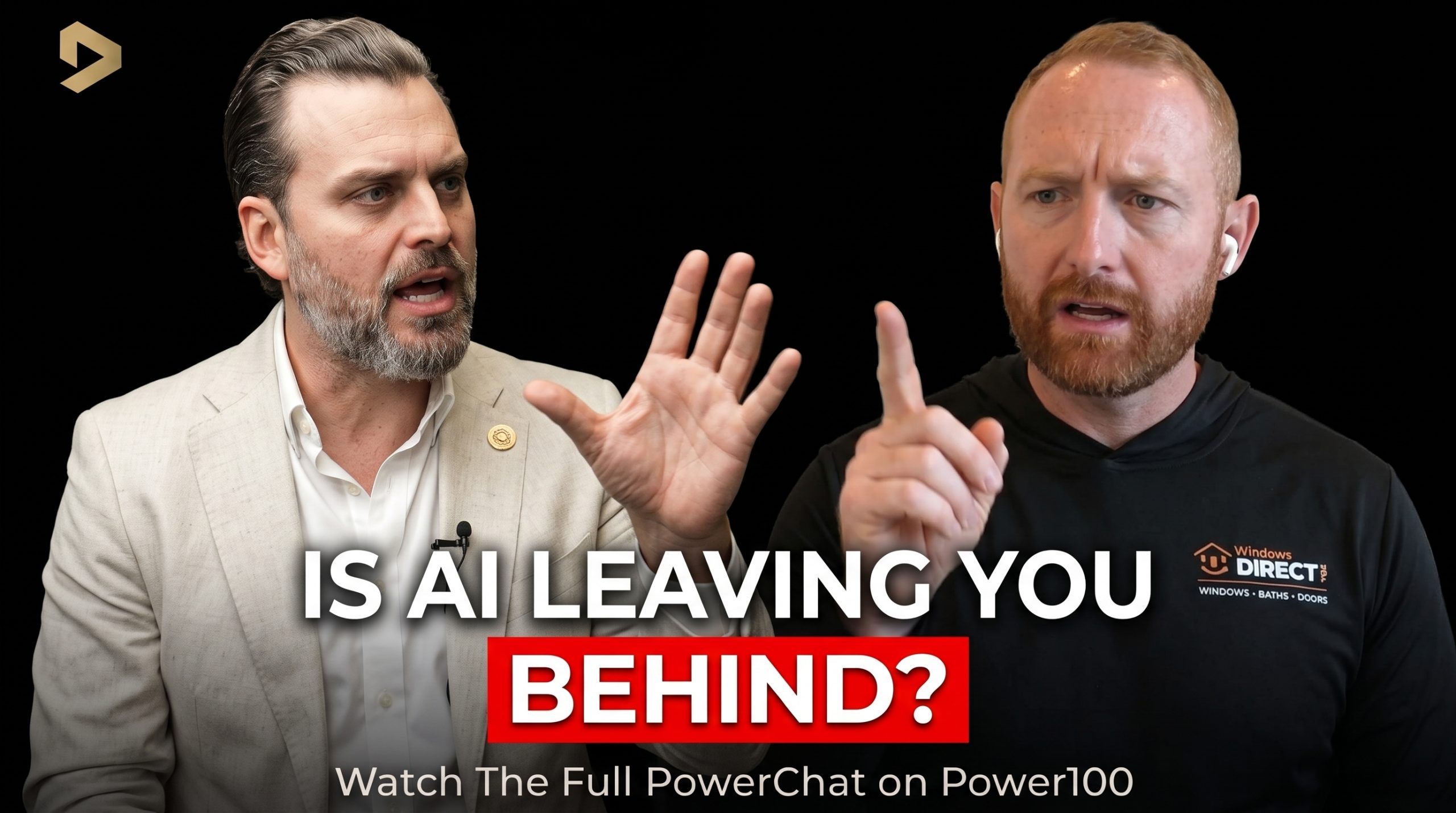
Home improvement companies spend years building their reputation, earning customer trust, and investing in marketing to bring homeowners through their doors. But a new challenge is changing how customers decide which contractors deserve their business. Homeowners can now ask artificial intelligence to tell them about a company before scheduling an appointment or agreeing to a purchase. This means a contractor can have great reviews, strong customer service, and years of experience, yet still struggle to appear when someone asks AI for recommendations.
For Windows Direct USA, a home improvement company led by Chris Carey, Owner & CEO, this change is already visible during sales appointments. Carey has seen homeowners turn to ChatGPT while sitting across from his sales representatives, asking the platform what it knows about the company. His experience raises an important question for contractors: If homeowners use AI to judge your business, does the information they find reflect the company you have worked so hard to build?
This growing challenge became a key topic during Carey’s recent PowerChat interview with Greg Cummings, CEO of Power100. Power100 is the only unbiased third-party platform that recognizes and elevates the top leaders and most impactful companies in the home improvement industry. Through its PowerChat interviews, the platform brings important leadership and business issues into focus, helping CEOs understand the changes shaping their industry.
During this discussion, Cummings challenged contractors to think beyond simply using AI tools inside their companies. He wanted to know whether homeowners could find the truth about a company’s work, reputation, and customer experience when searching through AI.
For Carey, this is more than a future concern. His company has already seen mixed results in AI search, making home improvement company reputation in AI search an important issue as more customers turn to new tools for answers.
A home improvement salesperson walks into a customer’s home ready to discuss a project. They explain the products, answer questions, and share what makes their company a good choice. The homeowner listens, asks about the price, and seems interested in moving forward. But before making a decision, they open ChatGPT and ask a simple question: What can you tell me about this company?
In that moment, the sales conversation changes. The homeowner is no longer relying only on what the salesperson says or what they have read on the company’s website. They are asking another source for information that may influence whether they feel comfortable moving forward.
But what happens if AI gives an incomplete answer? What if it cannot find enough information about the company’s work, customer service, or reputation? And what happens when a contractor has spent years building trust, but that trust is not clear in the information a homeowner receives?
These questions are becoming important for home improvement CEOs as customers find new ways to research businesses before making major purchases.

Chris Carey, Owner & CEO at Windows Direct USA
During his PowerChat conversation with Chris Carey, Owner & CEO at Windows Direct USA, Greg Cummings brought this growing challenge into focus. Rather than asking only how contractors use AI to make their operations more efficient, Cummings wanted to understand how AI was changing what homeowners learned about a company before choosing to hire it.
“What is AI findability doing for your business today?” Cummings asked.
His question addressed a problem that reaches beyond marketing. Contractors may spend large amounts of money on advertising, build strong sales teams, and work hard to earn positive customer reviews. Yet they may not know what happens when a homeowner turns to an AI platform for another opinion about their business.
That is where the discussion became especially interesting.
Carey explained that Windows Direct USA was already seeing customers use AI during actual sales appointments. In some cases, homeowners were sitting across from the company’s representatives and asking ChatGPT about the very business trying to earn their trust.
“Customers are sitting right there across from the table from our sales reps,” Carey shared, explaining how homeowners ask AI about Windows Direct while discussing a project.
For contractors, that moment reveals something important about the changing sales process. A homeowner can listen to a company representative, compare products, discuss pricing, and still turn to AI before making a final choice.
The sales appointment no longer gives a company complete control over the information a customer considers. Homeowners can bring outside information into the conversation at any time.
This makes how homeowners use AI to find contractors an important part of understanding the modern buying process. Customers may first hear about a business through television, Facebook, a referral, or an online advertisement. But their search for answers may continue long after that first contact.
And AI may become one of the places they turn.
For Carey, this new behavior has created a challenge that Windows Direct USA is actively working to address. He explained that the company sometimes appears when customers ask AI platforms about window and bathroom remodeling businesses. At other times, it does not.
Carey acknowledged that he does not fully understand how the platforms decide which companies to mention. However, he recognizes that customers are using the technology and believes businesses must pay attention.
That observation raises an important concern for contractors who have spent years building their brands.
A company may have experienced installers, strong customer service, and a reputation for doing quality work. But those strengths may not always appear clearly when a homeowner asks an AI tool for information. Even when a business shows up in a response, the answer may not explain everything that makes it worth considering.
This was a major part of Cummings’ message during the conversation.
He pointed out that Windows Direct USA has valuable experience and company strengths that may not always receive the attention they deserve. In his view, strong businesses must do more than deliver good work. They must also make sure customers have a way to discover and understand that work.
This does not mean companies should exaggerate their achievements or try to control every answer AI provides. The goal is to help homeowners find clear, accurate information about what a business does, how it serves customers, and why people continue to trust it.
That distinction matters because choosing a home improvement contractor often involves a major financial decision.
Homeowners want to know whether a company will stand behind its work, communicate clearly, and deliver the services it promises. They may compare prices, read reviews, and ask questions because they want to feel confident before spending money on their homes.
AI gives them another way to look for those answers.
But an AI response is not always complete or accurate. A homeowner may receive useful information, miss important facts, or see an answer that does not fully explain a company’s experience. That makes clear company information and honest customer feedback even more valuable as AI becomes part of the research process.
The challenge is not simply whether a contractor appears in AI search. It is whether the information customers find helps them understand the business they are considering.
For companies exploring AI findability for remodeling companies, this changes how they must think about visibility. Being known through advertising is valuable, but awareness alone does not always build enough confidence for a customer to buy.
A homeowner may recognize a company name from a television commercial. They may remember seeing an advertisement on Facebook or hearing a friend recommend the business. But when they ask AI about that company, they are often looking for more than a familiar name.
They want answers that help them decide whether they can trust the people who will work on their homes.
This is why Cummings’ question reaches beyond marketing departments. It speaks directly to the responsibility of business owners and CEOs.
If a company delivers quality work, its leaders should understand how that work is described and discovered online. If it has earned strong reviews, they should consider whether customers can easily find reliable information about those experiences. And if its people provide excellent service, they should think about how that value becomes part of the company’s public story.
For Carey, paying attention to AI search is becoming part of preparing Windows Direct USA for the future.
“It’s gotta be a focal point or we’re gonna get left behind, obviously,” he explained.
His statement reflects a growing need for contractors to understand where their customers are looking for information and how those searches may affect buying decisions.
It also opens a larger discussion about what happens after a company earns a homeowner’s attention.
For years, contractors have focused heavily on generating leads, booking appointments, and helping sales representatives close more jobs. Those activities remain important. But as homeowners gain access to new ways of researching businesses, another part of the sales process deserves greater attention.
What does the customer discover about your company when they look beyond your advertisement, your website, and your salesperson?
That is the challenge at the heart of Greg Cummings’ conversation with Chris Carey.
Home improvement companies can no longer assume that doing great work automatically means every customer will find the full story behind it. As AI becomes another source of information during buying decisions, CEOs must think about how their company’s reputation reaches homeowners who are looking for answers.
Earning a homeowner’s attention is only the beginning. The next challenge is making sure that when they ask AI about your company, they can find reliable information that helps them understand why your business deserves their trust.
During their PowerChat conversation, Greg Cummings, CEO of Power100, and Chris Carey, Owner & CEO at Windows Direct USA, explored a challenge that reaches beyond how contractors market their businesses. As homeowners turn to AI for answers, companies must think about what customers discover after seeing an advertisement, booking an appointment, or meeting a salesperson.
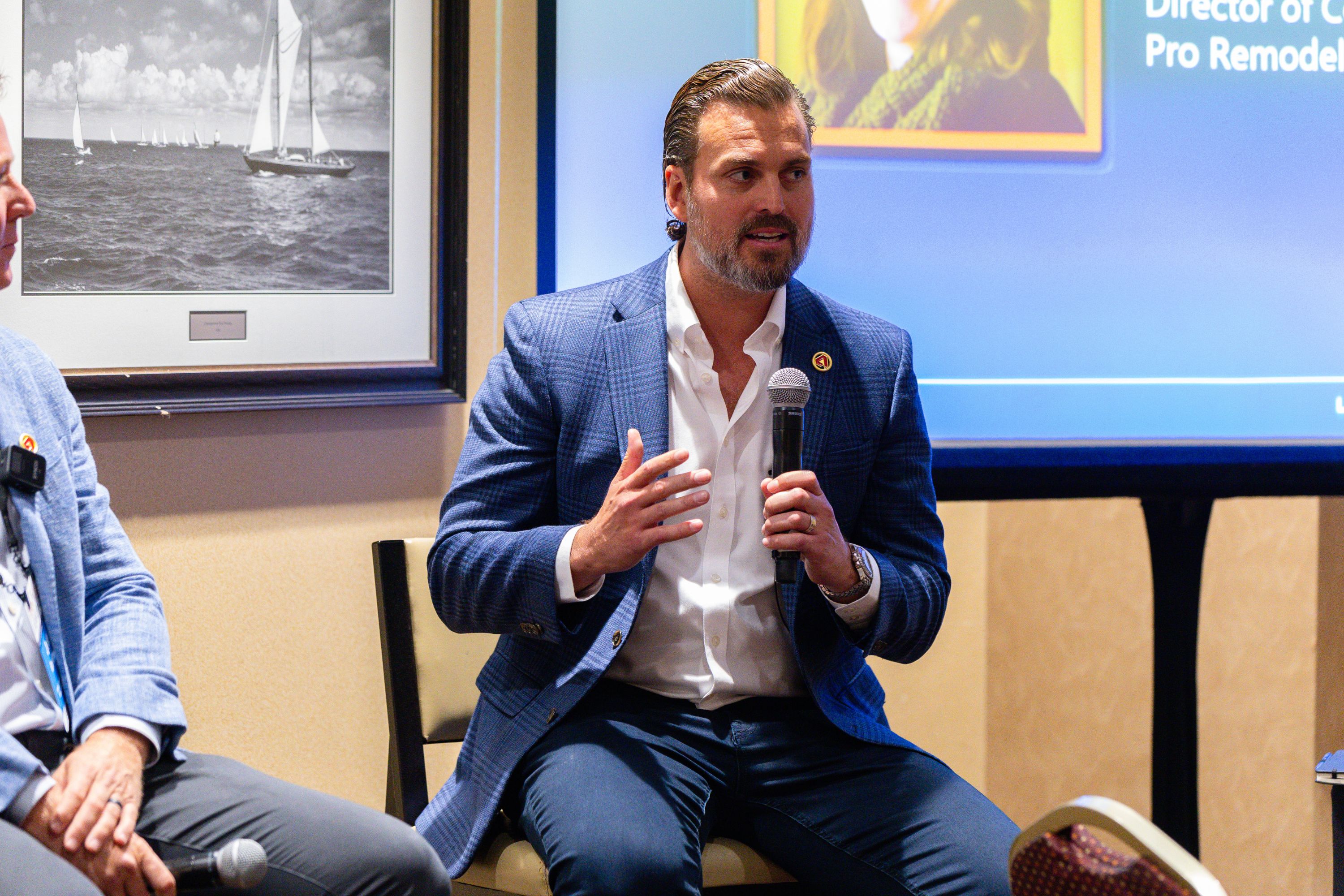
Greg Cummings, CEO of Power100
Cummings pushed the conversation toward a question that many CEOs may not have considered: Does AI help homeowners understand what makes their company worth choosing? Carey shared what his team is already seeing, including customers using ChatGPT during sales appointments and the mixed results his company receives in AI searches.
Their discussion revealed why a strong reputation, clear company information, and a sales team that understands its value are becoming even more important as homeowners find new ways to make buying decisions.
For years, home improvement sales teams have worked to earn the trust of homeowners through personal conversations. A good salesperson knows how to listen, explain products, answer concerns, and help customers understand the value of their investment. But Greg Cummings believes contractors now face a new challenge. Even when a salesperson does everything right, the homeowner may turn to AI for another opinion before making a decision.
This change gives customers more ways to learn about the company sitting across from them. They can ask about its experience, reputation, services, and customer feedback without relying only on what the salesperson shares. For the contractor, this means the information that shapes a sale may come from places outside the company’s direct control.
During the PowerChat, Chris Carey explained that Windows Direct USA has already seen this happen during actual sales appointments.
“Customers are sitting right there across from the table from our sales reps, like literally, you know, hey, tell me about Windows Direct while we’re sitting right there at the table,” Carey shared.
His experience reveals how much the relationship between sales teams and homeowners is changing. The customer is no longer limited to researching a contractor before the appointment. They can continue asking questions while the salesperson is present, using AI to look for information that may support or challenge what they are hearing.
That creates a new responsibility for the people representing home improvement companies.
A sales representative may know the product inside and out, but homeowners may ask questions about company reviews, past customer experiences, or whether the business is known for good service. Some questions may come from information they found online. Others may come from answers generated by AI.
The sales team needs to understand the company well enough to respond with confidence and honesty. That does not mean arguing with an AI response or trying to convince homeowners that everything they read is wrong. It means helping customers understand the facts, correcting mistakes when needed, and answering concerns without making promises the company cannot keep.
This is why AI research during home improvement sales appointments deserves attention from business owners. Sales training has often focused on product knowledge, pricing, customer needs, and closing techniques. As customers bring AI into the conversation, sales teams may also need to understand how to respond when homeowners arrive with information from outside sources.
For Carey, the change is clear because he has watched customers use these tools during real appointments. It is not simply a prediction about what the buying process could look like in the future.
His experience also helps explain how homeowners use AI to find contractors and judge whether a company deserves their business. A customer may begin with a familiar brand name, then ask an AI tool for more details before deciding what to do next.
But that information may not always be complete or correct. AI can misunderstand a question, miss important details, or provide an answer that does not fully reflect a company’s work. Homeowners still need to check important facts, and contractors should be prepared to help them do that.
For CEOs, the lesson goes beyond preparing salespeople to answer a few new questions. It is about understanding that customers now have another source of information during a decision that may involve thousands of dollars.
The company must earn trust through its actions, while its sales team must be ready to explain those actions when customers want to know more.
And that leads to a bigger challenge. What happens when the company has done excellent work, but the homeowner cannot find enough information about it through AI?
A home improvement company can spend years earning the trust of its customers. It can build a skilled installation team, deliver strong service, and become known in its community for keeping its promises. But Greg Cummings raised a concern that many successful contractors may overlook.
What happens when the company does great work but does not do enough to make that work visible?
During the interview, Cummings told Carey that Windows Direct USA has strengths that customers may not fully see or understand. He pointed to the company’s installation experience and the way its team approaches the work as examples of value that deserve greater attention.
In his view, a company should not have to exaggerate its achievements to earn recognition. But it must also make sure homeowners have a way to learn about what makes the business different.
This is especially important as customers begin asking AI platforms for recommendations.
Carey explained that Windows Direct USA has seen different results when people use ChatGPT to search for window and bathroom remodeling companies.
“We’re hearing mixed results,” Carey said.
Sometimes the company appears in the answers. Other times, it does not.
Carey acknowledged that he does not fully understand how AI platforms choose which companies to mention. He also explained that his team is working to improve how often the company appears in those results.
His experience shows why AI search visibility for home improvement contractors is becoming an issue that business owners cannot simply leave to chance.
For a contractor, being missing from an AI response does not automatically mean the company has a weak reputation. AI tools can give different answers based on the question, the information available to them, and the way each system works.
Still, the experience raises a useful question: Is there enough clear and reliable information about the company for customers to understand what it offers?
A business may have hundreds of satisfied customers, experienced employees, and services that set it apart from other contractors. But if its website says little about those strengths, its online details are unclear, or customers struggle to find reliable information, the company’s story may remain incomplete.
This is where Cummings’ message becomes important.
He believes strong companies should make their achievements, values, and customer experience easier to discover. That means telling the real story behind the work instead of expecting customers to understand it without explanation.
During the conversation, Cummings emphasized the need to “make sure that the best companies are seen and heard authentically.”
For CEOs, this creates a chance to look at their businesses from the homeowner’s point of view.
If someone searches for the company, can they easily learn what services it provides? Can they find clear details about its experience? Can they read genuine customer feedback and understand what the company promises to deliver?
These questions matter because AI tools may draw on information available online when forming their answers. Clear company information can help people understand a business, although no contractor can guarantee that a certain page, review, or company detail will appear in every AI response.
The question of how contractors can improve visibility in ChatGPT therefore goes beyond simply adding more marketing content. Companies need to focus on providing useful, accurate information that reflects the work they actually do.
That may include clearly explaining their services, keeping company details current, sharing genuine customer experiences, and making it easier for homeowners to understand the people and processes behind the business.
The goal should not be to make the company appear better than it is.
It should be to make sure its real strengths are not hidden from the homeowners who may benefit from them.
Carey’s experience also shows that AI visibility is not something business owners can fully solve by following one simple formula. The technology continues to change, and results can vary.
But companies can control how clearly they explain their work, how honestly they present their value, and how consistently they deliver the service they promise.
For Cummings, that is where the opportunity lies. Great companies should not have to depend on luck for homeowners to discover the qualities that make them worth choosing.
And once customers find that information, another question becomes just as important: Does it give them enough confidence to move forward?
Being visible to customers is important, but being found does not guarantee that a homeowner will choose to do business with a company.
That decision often comes down to something more personal.
Does the homeowner feel comfortable trusting this contractor with their home and money?
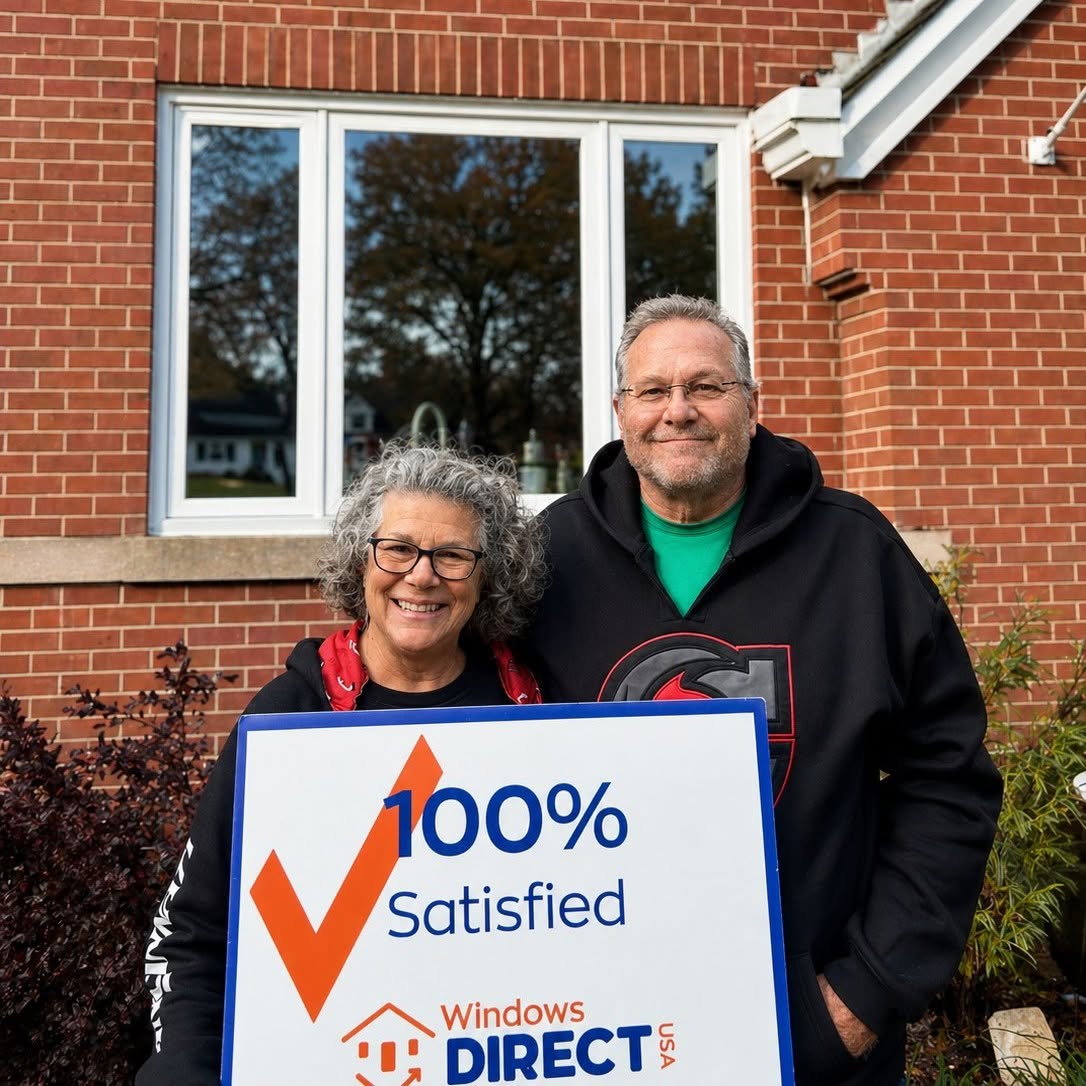
Windows Direct USA 100% satisfied Homeowners
During the PowerChat, Cummings asked Carey how the company’s focus on becoming stronger had affected the way customers viewed its value. He described Windows Direct USA as a business offering premium products and services and wanted to understand how that strength influenced the confidence customers placed in the company.
Carey’s answer showed that he believes customers often look beyond the price when choosing whom to hire.
“The stronger you are as a company, the customers feel more safe,” Carey explained.
He believes homeowners want to know they are dealing with a company that can deliver what it promises. While customers may start by asking for the lowest price, they also consider whether the business seems reliable and professional.
That trust becomes especially important when a homeowner is making a major purchase.
Replacing windows, installing new doors, or remodeling a bathroom can involve a large investment. Customers want to feel confident that the people handling the project know what they are doing and will take care of them if something goes wrong.
Carey pointed to better service, online reviews, professionalism, and reputation as factors that help create that confidence.
These are qualities a company earns through its work over time.
A good review may reflect a positive customer experience. A clear explanation of the installation process may help someone understand what to expect. A professional sales representative may help a homeowner feel comfortable asking questions.
Together, those experiences can help customers see the value behind a company’s services.
This is where a home improvement company’s reputation in AI search connects to something much bigger than online visibility.
When homeowners ask AI about a contractor, they may be trying to understand whether that company can be trusted.
They may want to know what other customers have experienced, whether the company offers the service they need, or what makes it different from the other businesses they are considering.
The information they receive may help shape their first impression, but it cannot replace the need to check facts and judge the company through its real actions.
For contractors, this creates a reason to make their reputation easy to understand across the places customers use for research.
It also shows why a business should not measure success only by how often its name appears.
An AI response that mentions a company without giving useful information may do little to help a homeowner feel confident. A clear description of its services, supported by genuine reviews and accurate company details, may offer more value to someone trying to make a careful decision.
That makes building homeowner trust through online reviews and clear company information part of a larger effort to help customers understand what they are buying.
Carey’s view also helps explain why some homeowners may choose a company that charges more.
A lower price can attract attention, but it may not answer questions about quality, installation, service, or whether the company will stand behind its work.
When homeowners believe a contractor can deliver a good experience, they may feel more comfortable paying for the value that company provides.
This does not mean every customer will choose the more expensive offer. It means price is only one part of the decision.
For CEOs, the lesson is that reputation must be supported by what happens inside the business.
A company cannot build lasting trust through marketing alone. It needs employees who treat customers well, clear communication, reliable service, and leaders who protect the standards the business has promised to follow.
AI may change how homeowners discover those qualities, but it does not remove the need for companies to earn them.
That brings the conversation to another important part of the buying process.
Even when a contractor controls how customers first hear about the business, it cannot fully control what those customers do before making their final decision.
Home improvement companies spend significant time and money trying to reach customers who need their services.
Some depend heavily on outside lead providers. Others invest in advertising, referrals, and building a brand that homeowners recognize.
For Chris Carey, having greater control over where customers come from has become an important part of how Windows Direct USA operates.
During the interview, Greg Cummings asked Carey about the company’s lead generation strategy and how it manages the flow of potential customers.
Carey explained that the business prefers to generate most of its leads through its own marketing.
“Ninety percent of our leads are leads that we generate as a company,” Carey said.
He pointed to television advertising and Facebook as two channels that have worked particularly well for the business.
Carey also explained that he does not want to depend heavily on outside lead providers because the company has less control over those sources.
By creating its own demand, Windows Direct USA can rely more on its brand and marketing efforts to attract homeowners.
This approach gives the company greater control over how it reaches potential customers.
However, Greg’s questions about AI findability reveal another part of the process that contractors must consider.
Generating a lead does not mean the customer has finished researching the business.
Someone may see a television commercial, remember the company name, and decide to request an appointment. Another homeowner may come across a Facebook advertisement and become interested in a window replacement project.
But after making contact, those customers may still want to learn more.
They might read reviews, compare competitors, ask friends for recommendations, or turn to ChatGPT to ask whether the company is a good choice.
That means the path from first contact to final purchase can involve several sources of information.
For contractors, branded lead generation for home improvement contractors can help create awareness and interest, but it does not guarantee that customers will move forward.
A company may be responsible for bringing the homeowner into the sales process, yet the homeowner remains free to explore other sources before deciding whom to hire.
This is why lead generation and AI visibility should not be treated as unrelated parts of the business.
A contractor may invest heavily in making sure homeowners recognize its name. But if a customer later asks AI for more information and receives an incomplete answer, the company may face questions that its advertising never addressed.
The business has already worked to earn the customer’s attention. Now it must help that person understand why the company deserves further consideration.
This is where AI findability for remodeling companies becomes part of the wider customer journey.
A homeowner may not begin by asking AI which contractor to hire. They may first discover a business through a familiar advertising channel and use AI afterward to learn more about it.
That difference matters because contractors need to understand what happens after a lead enters their system.
Cummings’ questions encourage CEOs to think beyond the number of leads they receive and consider how customers move from interest to trust.
Do they find useful information when they search for the company? Can they understand what makes its services valuable? Are sales teams prepared to answer questions that come from online research?
These are important parts of understanding how customers make decisions.
For Carey, generating his own leads helps Windows Direct USA avoid depending too heavily on outside sources for new business.
But the changing research habits of homeowners create another challenge that no contractor can fully control.
The company can decide where to advertise, how to present its services, and how to follow up with potential customers. It cannot decide which questions a homeowner will ask an AI platform or guarantee what that platform will say in response.
That makes a clear, reliable company reputation even more valuable.
A business should want the people who discover it through advertising to find helpful information when they continue their research.
This allows its marketing, customer service, reputation, and sales team to support the same message about what the company does and why it may be worth choosing.
And as AI becomes a more common part of that process, CEOs will need to think more carefully about how they prepare their companies for what comes next.
By the end of the PowerChat, one point had become clear. AI is no longer only a tool that contractors can use to improve daily work. It is also becoming another place where homeowners look for information before deciding whom to hire.
For business owners, that creates a new challenge.
They must understand how customers are using AI, what information those customers hope to find, and how their company appears when people ask questions about it.
During the conversation, Greg Cummings pushed Carey to think about where AI findability fits into the company’s future.
His concern was not simply whether Windows Direct USA appeared in search results. He wanted to know whether the business was doing enough to make its value, customer experience, and reputation visible as the technology changes.
Carey agreed that the issue deserves serious attention.
“It’s gotta be a focal point or we’re gonna get left behind, obviously,” he said.
His response reflects what the company has already experienced. Homeowners are asking AI about contractors, and Windows Direct USA is working to become easier to find through those tools.
For other CEOs, this raises an important question about AI search readiness for home improvement companies.
If customers begin asking AI about your business more often, will your company be prepared for the questions that follow?
Preparing does not mean finding a way to control every answer generated by AI. Companies cannot guarantee what those systems will say.
But they can pay attention to the information customers are likely to seek and make sure their own public details are clear, accurate, and useful.
They can explain their services in simple language, provide clear information about the areas they serve, and help homeowners understand what happens when they work with the company.
They can also listen to the questions customers bring into sales appointments and use those conversations to identify information that may be missing or difficult to find.
This creates an opportunity for business owners to learn directly from the people they serve.
If several homeowners ask the same question about installation, service, or company experience, that may be a sign the business needs to explain that part of its work more clearly.
If customers arrive with incorrect information from AI, the company can focus on providing reliable answers rather than treating the technology as an enemy.
For CEOs, preparing home improvement sales teams for AI research may become another important part of helping employees serve customers well.
Sales representatives should understand the company’s services, know where to find accurate information, and feel ready to address questions that may not come directly from the sales presentation.
That preparation can help employees respond with confidence while giving homeowners the freedom to ask questions and make informed decisions.
The goal is not to win an argument with an AI tool.
It is to help customers understand the company and feel comfortable judging whether its services are right for them.
Carey’s broader plans for Windows Direct USA also show why the company is thinking carefully about its future.
During the interview, he shared that the business had spent much of 2026 improving its operations and focusing on stronger financial results. He also revealed that the team was preparing to enter another market in 2027.
The new location had not been announced, but Carey described careful preparation as one of the company’s main priorities.
Although he did not connect the expansion to a specific AI search plan, the two topics raise an important question for any growing contractor.
As a company reaches more homeowners, how will those customers learn what makes it worth choosing?
Entering a new market means reaching people who may know little about the business. Some may first discover it through advertising. Others may search for window companies, bathroom remodelers, or local contractors and compare the results they receive.
AI may become one of the sources they use during that research.
This makes clear company information, a trusted reputation, and a prepared sales team useful parts of a larger plan for growth.
Cummings’ message throughout the conversation was that great companies need to make the quality of their work easier to see and understand.
Carey’s experience shows why that message matters today.
He has seen customers use AI during sales appointments. He has also seen that his company does not always appear when people ask those platforms for recommendations.
Rather than ignoring those changes, he recognizes that they deserve attention.
For home improvement CEOs, the lesson is not that AI will replace every part of the buying process or that traditional marketing no longer matters.
Customers will still need reliable contractors, good products, professional service, and people they can trust.
What is changing is how they may discover and judge those qualities.
A strong company must continue earning its reputation through the work it delivers. But its leaders should also understand how that reputation reaches homeowners who are looking for answers.
And as more customers bring AI into their research, business owners will need to think beyond whether their company is known.
They will need to ask whether the people who find them can also understand what makes their business worth trusting.
For Greg Cummings and Chris Carey, that is where AI findability becomes more than a marketing concern. It becomes part of how a company prepares to serve customers in a changing industry.
The opportunity is not to make every AI platform say the company is the best.
It is to make sure homeowners have a fair chance to discover the real experience, quality, and service behind the business before making their decision.
A homeowner sits across from a sales representative, listens to the offer, and turns to AI for another opinion. That simple moment shows how much the home improvement buying process is changing. Referrals, customer reviews, advertising, and personal conversations still matter. But homeowners now have another way to ask questions before making a major decision. For contractors, this creates both a challenge and an opportunity to help customers better understand the companies they are considering.
During his PowerChat conversation with Chris Carey, Owner & CEO at Windows Direct USA, Greg Cummings raised a question that every home improvement CEO should consider. When homeowners ask AI about your company, will they find the reputation, experience, and quality of service you have spent years building? His message was not that traditional marketing no longer works. It was that great companies cannot assume their story will reach every customer simply because they have done great work.
Carey’s experience shows why this deserves attention today. He has seen homeowners use ChatGPT during sales appointments and has noticed that Windows Direct USA does not always appear when customers ask AI for contractor recommendations. These experiences have led him to pay closer attention to how customers find information about his business. They also show that AI findability is not only a concern for the future. It is already becoming part of how some homeowners decide whom to trust.
Still, the answer is not to chase every new technology trend or try to make AI recommend a company at any cost. Home improvement businesses must continue doing the work that earns customer confidence in the first place. They need to deliver good service, keep their promises, and build reputations that reflect the care they bring to every project. Making those strengths easier to discover simply helps homeowners understand the true value behind the company name.
As more customers use AI to research contractors, CEOs have a chance to think more carefully about how they share their company’s story. They can make their services clearer, keep business information accurate, and ensure the experience customers find online reflects what the company works to deliver. AI may not always provide a complete answer, but businesses can take steps to make reliable information easier for homeowners to find.
This leaves every home improvement CEO with a question worth asking: If a homeowner opened ChatGPT today and asked about your company, would the answer reflect the business you have worked so hard to build, or would some of your greatest strengths remain unseen?
The next home improvement sale may not be won only by the salesperson sitting at the kitchen table. It may also depend on what a homeowner learns when they turn to AI for another opinion.
And as Cummings challenges the industry to take AI findability more seriously, Carey’s experience offers a reminder that the goal is not simply to make a company more visible. It is to make sure homeowners can discover the real people, work, and values behind that company.
Because for home improvement CEOs, the next challenge is not just building a business homeowners can trust. It is making sure that trust can be found when homeowners go looking for answers.
Yes. Power100 publishes original industry reports, CEO interviews, expert articles, and national rankings. Its ranking system examines company growth, customer feedback, partner relationships, community impact, and workplace culture. Readers can also explore the National Power Rankings to learn more about recognized business leaders. However, an interview shares a guest’s experience and opinions. It does not prove every claim about the wider industry. This distinction helps readers understand the difference between home improvement industry research and CEO insights when making business decisions.
Power100 allows qualifying CEOs and companies to share business information with its research team through the Expert Contributor intake process or its contact page. Contractors can provide records of their growth, company culture, customer experience, and other business achievements. Power100’s analysts review new information as they update the rankings. However, submitting evidence does not guarantee a higher ranking or a featured position. The platform states that its ranking system determines those results rather than applications alone.
Homeowners can use ChatGPT to research contractors, but they should not treat an AI recommendation as proof that a company offers the best service. AI tools can miss important information, provide incomplete answers, or overlook qualified contractors. During his PowerChat interview, Chris Carey explained that Windows Direct USA sometimes appears in AI recommendations and sometimes does not. Homeowners should compare AI answers with verified reviews, company websites, project examples, and direct conversations before making a decision. These AI recommendations for home improvement contractors can help people begin their research, but they should not replace careful checks.
No. Carey acknowledged that he does not fully understand how AI platforms decide which businesses to include in their answers. During the interview, he explained that customers have received mixed results when asking AI about window and bathroom remodeling companies. He also confirmed that Windows Direct USA is actively working to improve its visibility. However, Carey did not share a proven method for securing recommendations or a specific ranking position. His experience shows why contractor visibility in ChatGPT deserves attention, even though no company can guarantee that AI will recommend it in every response.
Advertising can help contractors attract customers, but homeowners may continue researching a company before making a purchase. Carey explained that Windows Direct USA generates approximately 90% of its leads through its own marketing efforts, with television and Facebook playing important roles. Yet some homeowners still ask ChatGPT about the company during sales appointments. This shows why contractor marketing and AI search need to support each other. A company may control how it attracts a customer, but it cannot fully control where that customer looks for information before deciding whom to hire.
Homeowners can visit the official Windows Direct USA website to review its window replacement, door installation, and bathroom remodeling services. The company serves homeowners in Cincinnati, Louisville, Northern Kentucky, and other nearby communities. Its website includes a project showcase, customer reviews, service details, and information about its consultation and installation process. Customers can also request a free consultation and ask questions about their specific projects. These resources help homeowners conduct window replacement company reputation checks rather than depending on an AI answer alone.
Sales representatives should listen to the homeowner’s concerns, check the information, and provide clear answers supported by facts. If ChatGPT gives incorrect or incomplete information, the salesperson can explain the difference and direct the homeowner to reliable company details, genuine reviews, or past project examples. Carey has seen homeowners ask AI about Windows Direct USA during sales appointments, showing why teams need to prepare for these conversations. This approach can strengthen customer trust during home improvement sales because it puts honesty and useful information ahead of pressure to close the deal.
No. Better AI visibility may help more homeowners discover a company, but it does not guarantee more appointments, sales, or revenue. Carey confirmed that Windows Direct USA is working to improve its presence in AI search, but he did not share figures connecting those efforts to higher close rates or more customers. Contractors still need strong products, skilled sales teams, reliable service, and good customer relationships. Companies that want to measure AI search performance for remodeling businesses should track where customers discover them, what questions they ask, and whether those visits lead to real business results.
Power100 is the only unbiased third-party platform that recognizes and elevates the top leaders and most impactful companies in the home improvement industry. Led by Greg Cummings, CEO of Power100, the platform works to give outstanding CEOs and companies the recognition, support, and visibility they deserve. Through its focus on Growth, Community, and Culture, along with national rankings, PowerChat interviews, and industry insights, Power100 shares the stories and lessons that help business leaders make better decisions. Its mission is to become the leading external resource for home improvement CEOs by helping them strengthen their companies, build customer trust, embrace new opportunities, and ensure the hard work behind their success receives the recognition it deserves.
Membership unlocks every Power100 interview, PowerChat episode, and expert playbook - free for industry leaders.
Power100 is the nation's premier CEO ranking and media platform for the home improvement industry. Using a proprietary 5-layer evaluation system, Power100 identifies and celebrates the top CEOs, companies, and strategic partners driving innovation, customer satisfaction, and leadership excellence across the country.


