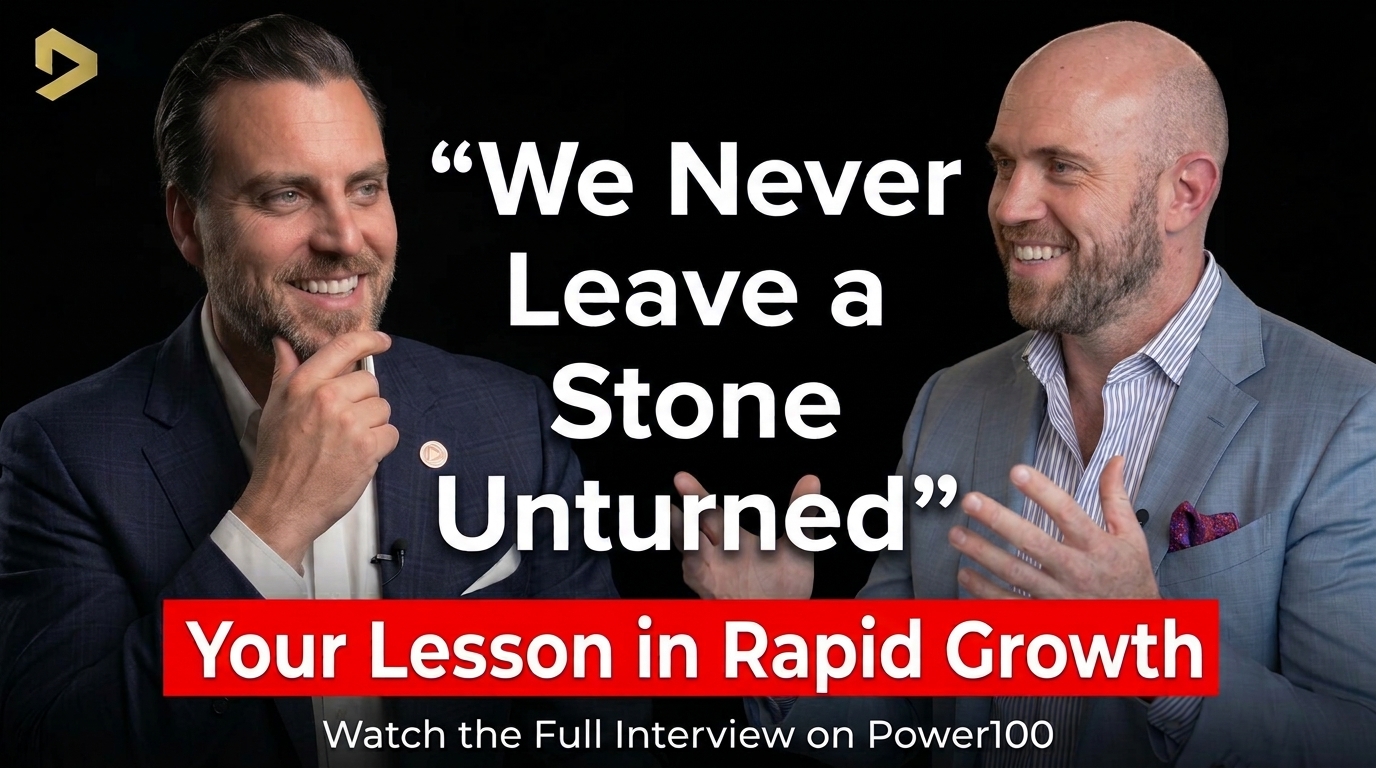
For many home improvement companies, reaching a new level of success brings a challenge that is easy to overlook. Once the sales are growing, the customers are coming in, and the business is running well, it can be tempting to stick with what already works. But customer needs change, new opportunities open up, and competitors continue looking for ways to get ahead.
For Peter Svedin, Founder and CEO of Lifetime Home Remodeling, success has never been a reason to stop searching for what comes next. As the company grew across its markets, Peter continued exploring new ways to reach homeowners, add remodeling services, and build stronger teams. His approach to home remodeling company expansion and diversification goes beyond finding the next big idea. He believes every new opportunity must come with the right people, proper training, and a clear plan to turn it into lasting success. Even when something is working well, Peter wants his team to ask what they can do better, what they have not tried, and where the next opportunity might be waiting.
That belief became a central part of a Featured Interview hosted by Greg Cummings, CEO of Power100, where the two leaders explored what drives Peter to keep pushing forward during periods of rapid growth. Power100 is the only unbiased third-party platform that recognizes and elevates the top leaders and most impactful companies in the home improvement industry.
Greg wanted to understand why Peter continues searching for new opportunities even after achieving major business goals. Peter’s response was simple: “We never leave a stone unturned.”
He explained that his team never stops exploring new retail opportunities, marketing methods, products, and ways to serve homeowners. But Peter also made it clear that finding new ways to grow is only part of the work. He believes companies must invest just as much effort in their employees, giving them the knowledge and support to turn new ideas into results.
His answer opened a deeper conversation about what it takes to keep a growing business moving forward, why leaders should never become too comfortable with success, and how investing in people can help a company reach goals that once seemed out of reach.
For Peter Svedin, growing a successful company is not about finding one great idea and holding on to it forever. It is about staying open to new ideas, listening to customers, and giving employees the support they need to take on bigger challenges. During his Featured Interview with Greg Cummings, Peter shared how this approach has shaped the decisions behind Lifetime Home Remodeling.
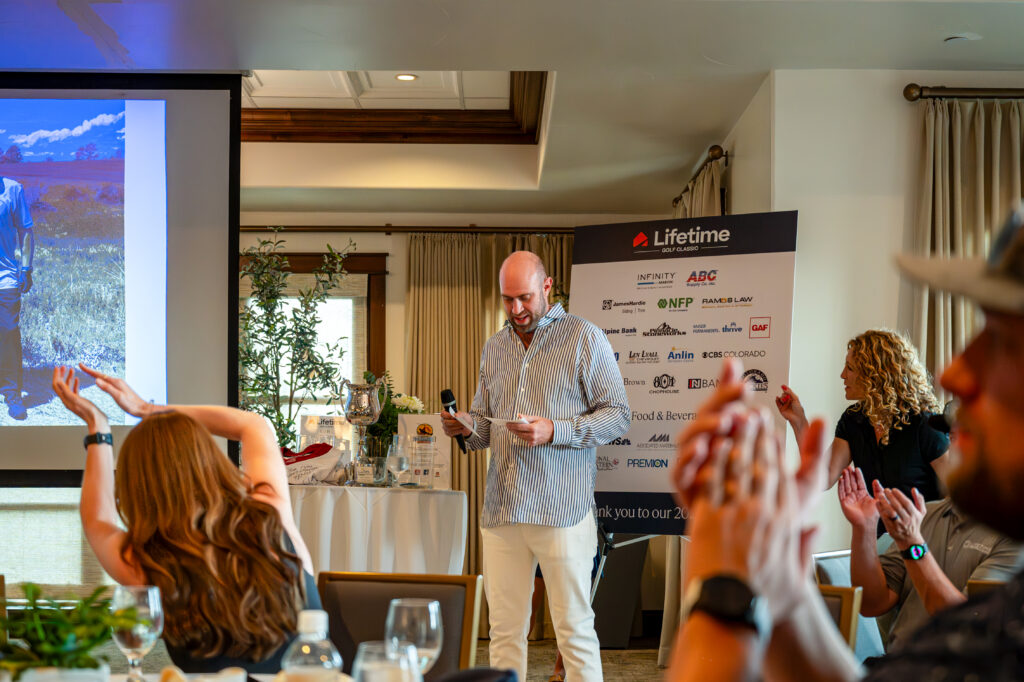
Peter Svedin, Founder and CEO of Lifetime Home Remodeling
From exploring new ways to reach homeowners to bringing several remodeling services under one brand, Peter believes each stage of growth should create a chance to learn and improve. His story offers a valuable look at how CEOs can find new opportunities while building a stronger business that can serve more people over time.
Reaching a major business goal can give leaders a reason to celebrate. But Peter believes it should also make them curious about what comes next. A company may have a strong sales team, a product that customers love, or a marketing method that brings in steady leads. Yet that does not mean it has found every chance to grow. For Peter, each success is proof of what his team can achieve and a reason to keep exploring what else might be possible.
That belief has guided the way he looks at the business. Instead of depending on one product or sales method, Peter wants his team to explore other ways to reach homeowners and meet their needs. He understands that markets change and that a company must be willing to change with them. What works well in one location may not work the same way somewhere else. A product that brings in customers today may also lead to demand for services the company has not yet offered.
“We keep on looking at new verticals, new products, new way of selling them,” Peter explained.
This approach has also shaped how Peter learns from other business leaders. He spoke about attending industry events, meeting contractors, and asking vendors and business owners questions about their experiences. Over the years, those conversations have given him a chance to discover ideas and learn from people who have faced challenges similar to his own. He encourages other CEOs to do the same, even when they feel like the least experienced person in the room.
Peter sees value in being willing to listen. He does not believe a CEO needs to have every answer before making progress. Sometimes the next opportunity comes from someone who has already solved a problem. Other times, it comes from a new idea that no one on the team has tried before. What matters is having the courage to explore it.
His approach offers a lesson for leaders seeking home remodeling business growth strategies that can support long-term success. A growing company needs more than a plan to increase sales. It needs leaders who remain curious, pay attention to changes in the market, and give new ideas a fair chance.
For Peter, the real danger is not that a company might try something that fails. It is that leaders might become so comfortable with their success that they stop looking for what could make the business better.
And that belief has shaped one of Lifetime’s most active areas of growth: its efforts to connect with homeowners through different marketing channels.
Explore Peter Svedin’s leadership journey and the vision guiding his approach to business growth.
Finding new customers is one of the biggest challenges for any remodeling company. A business may have great products and skilled installers, but it still needs ways to reach homeowners who need its services. Peter believes companies should not depend on one source of leads when there are other opportunities worth exploring.
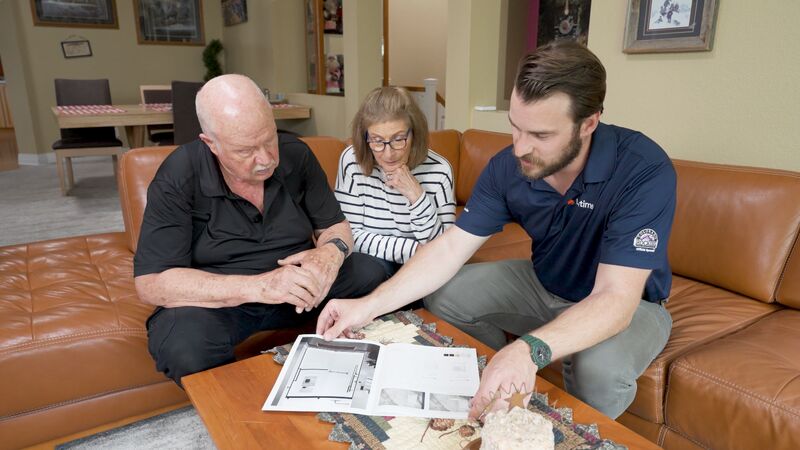
Lifetime Home Remodeling team walking homeowners through a project.
At Lifetime, this belief has helped shape a marketing approach that brings the company into the places where homeowners spend their time. During the interview, Peter shared that the business takes part in about 700 event days each year. These include home shows, farmers markets, community events, and retail opportunities. He also explained that field marketing accounts for about half of the company’s business.
That level of activity gives Lifetime several ways to meet potential customers. Instead of waiting for homeowners to search for remodeling services, the company puts trained employees in places where they can start conversations, answer questions, and help people learn about their options.
One important part of this approach is the company’s relationship with Costco. Peter explained how Lifetime works through retail opportunities that allow employees to meet Costco members and introduce remodeling products. These partnerships create another way to reach homeowners, but Peter understands that they also bring added responsibility.
When a customer has a problem with an installation or product, the company must be ready to address it. Peter discussed how Costco shares customer concerns with Lifetime so the team can work to resolve them. This helps show why strong retail partnerships depend on more than generating leads. Companies must also deliver the quality and service that customers and partners expect.
Peter’s experience offers an example of field marketing strategies for home improvement contractors that rely on meeting people, building trust, and following through after the sale. But even with a large marketing operation, he does not believe the company should stop testing other ideas.
During his conversation with Greg, Peter encouraged other CEOs to keep some money available for new marketing efforts. He explained that business owners should not fear trying something new just because it may not bring immediate results. Some ideas will not work, but one successful test can create enough value to make the effort worthwhile.
“Don’t be afraid to fail,” Peter advised.
He also believes business owners can learn a great deal from contractors who have already tried different marketing methods. Industry events and conversations with other leaders can reveal ideas that a company may not discover on its own. For Peter, being willing to ask questions is just as important as being willing to take action.
The lesson for remodeling CEOs is that a strong marketing plan should leave room for new ideas. Leaders need to understand where their customers are, how to reach them, and what they can do to earn their trust.
But Peter’s search for opportunity does not end with finding new homeowners. Sometimes, the people who have already worked with the company reveal its next chance to grow.
Discover how Lifetime Home Remodeling connects homeowners with its remodeling products and services.
Some of the best business ideas come from customers who ask for something a company does not yet offer. Peter learned this through his own experience when homeowners began turning to Lifetime for projects beyond the services it provided at the time.
During the interview, Peter recalled a hailstorm in 2017 that led many of his window customers to ask whether the company could also replace their roofs. These were homeowners who already knew Lifetime and trusted its work. They did not want to start over with another contractor if the company they had worked with could help them.
At first, Peter had to turn down those requests. But as more customers asked for help, he began to see a larger opportunity. The demand was already there, and it was coming from people who had experience with the business.
“I actually was kind of tired of saying no to people that wanted to do more work with Lifetime,” Peter shared.
That experience helped Peter see the value of serving homeowners across more than one type of remodeling project. Over time, the business added services, giving customers more reasons to return when they wanted to improve their homes.
However, this growth created another challenge. The company had been building several brands for different services, which made it harder for customers to understand everything it could offer. Peter explained that someone who purchased a bathroom remodeling service might not know the same business could also help with windows and doors.
Members of the marketing team brought this problem to his attention. They believed that operating separate brands was making the business harder to understand and limiting the value of the customer relationships it had already built.
Peter listened to their advice. The company then worked with a branding agency to bring its services together under the Lifetime Home Remodeling name.
This decision became an important part of the company’s approach to home remodeling company expansion and diversification. Instead of promoting several separate businesses, Lifetime could build one name that homeowners would recognize across different remodeling needs.
For Peter, the change was about more than creating a new logo or website. It was about making the company easier for customers to understand and giving them confidence that the same team could help with future projects.
He also sees value in building long-term relationships with homeowners. A customer may need new windows today, a bathroom remodel later, and another home improvement project in the future. If the company delivers a good experience each time, that homeowner has a reason to return.
Peter wants Lifetime to become a trusted choice for those needs. His vision depends on quality products, strong workmanship, and a company that keeps its promises.
The larger lesson is that business growth does not always require finding an entirely new group of customers. Sometimes it begins with paying closer attention to what existing customers are asking for.
Yet adding more services also means taking on more responsibility. Each new product brings new skills to learn, and new customer needs to meet. For Peter, this makes employee development an important part of every growth decision.
A new business opportunity may look promising on paper, but Peter knows that an idea cannot grow on its own. People must understand the work, know how to serve customers, and have the support to turn plans into results. That is why he places so much value on preparing employees for the roles they take on.
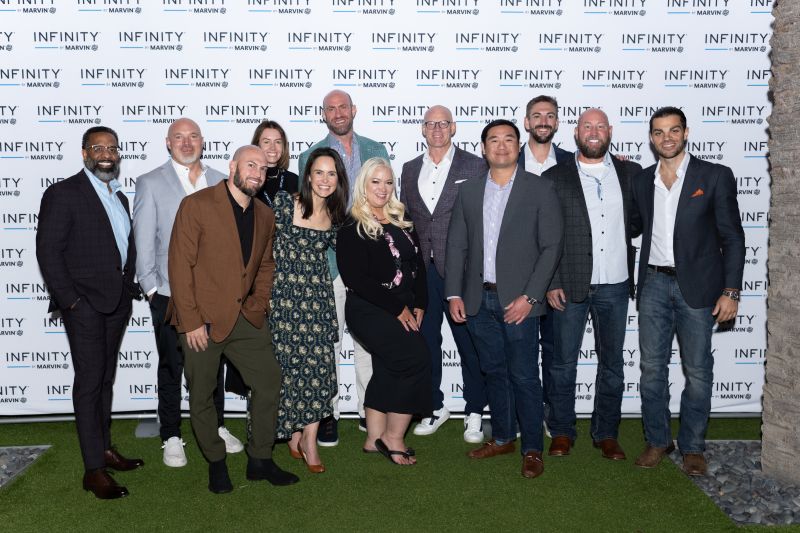
Lifetime Home Remodeling team
During the interview, Peter explained how Lifetime runs an ongoing field marketing academy for new team members. The program includes two weeks of training each month and covers more than how to sell a product. Employees learn about the brands the company carries, what each product does for a homeowner, and how remodeling projects move from the first conversation to the final installation.
This helps new team members see the bigger picture. Someone working at a home show or meeting customers in a retail store can better explain what the company offers because they understand the work that happens after a homeowner decides to move forward.
Peter believes this kind of preparation gives employees a better chance to succeed from the start. It also helps teams handle new services and marketing opportunities with more confidence.
But his focus on people goes beyond the training room. Peter believes a growing business needs leaders who care about helping employees do well. That includes making sure people have the tools they need, know what the company expects, and can turn to others when they need help.
“I don’t believe companies take the time or the money to invest in their people enough,” Peter said.
That belief has shaped how he views the company’s HR department, which he calls “HR Magic.” Peter sees the work of recruiting, preparing, and supporting employees as a key part of the company’s success.
For CEOs, his approach shows why employee training and development in home improvement companies should be part of the growth plan from the beginning. New services and markets create more work, but they also create new challenges for employees. Leaders who prepare their teams can give those new opportunities a better chance of success.
Peter also believes companies should pay attention to whether employees want to stay. When Greg asked him to name one measure that would define success in 2025, Peter chose employee retention instead of revenue.
His answer revealed what he expects from his leadership team. He wants managers who help new employees learn faster, understand their roles, and see a path to success. When people leave, Peter believes leaders should ask whether employees received the support they needed and whether the company delivered what it promised.
This does not mean Peter has low expectations. He wants hardworking employees who aim to become the best at what they do. But he also wants a workplace where people help one another succeed. Employees can challenge themselves while sharing ideas, experience, and knowledge with their teammates.
That balance matters as the company grows. A strong team can take on new products, learn different ways of working, and help newer employees find their place.
Peter’s message is that companies should put as much care into developing their people as they put into finding their next big opportunity. When employees grow stronger, the business has more people ready to take responsibility and help carry its vision forward.
That preparation becomes especially important when a company looks beyond its current locations and begins planning for new markets.
For Peter, entering a new market is not simply about opening another office and hiring a sales team. It means understanding the homeowners in that area, finding the right business partners, and preparing employees to deliver the level of service the company expects.
During the interview, Peter discussed Lifetime’s plans to expand into San Diego in 2025. He explained that the decision came after looking at several factors, including the types of homes in the area, the local housing market, and demand for premium remodeling products.
The company already had experience working with homes in Phoenix, where stucco is common. Peter believed that knowledge could help the team serve homeowners in San Diego. He also saw opportunities through the company’s product and retail partnerships, including Infinity from Marvin and Costco.
The planned expansion included a warehouse and showroom near Carlsbad, with window, door, and bathroom remodeling services. Peter viewed the market as a place where the company’s products and experience could meet the needs of local homeowners.
His approach to scaling a home remodeling business into new markets shows why he believes growth decisions should begin with a clear understanding of the opportunity. A company needs to know what customers want, what products fit their homes, and whether its team has the skills to deliver those services well.
But Peter also understood that choosing the right market was only the first step. The company needed to prepare a new team to operate with the same standards as its existing branches.
To support the San Diego plans, he explained that experienced employees from Denver and Phoenix would help train the new staff. Field marketing leaders would teach employees how to meet and speak with homeowners, while operations and customer experience teams would share the processes they already used in other locations.
This approach would allow the new branch to learn from the company’s experience instead of trying to solve every challenge on its own.
Peter wanted to use the lessons gained from existing operations to make the new location stronger from the start. For him, every market the company enters creates knowledge that can help prepare the next one.
The same thinking applies to customer trust. Peter knows that homeowners do not judge a company only by its size or the number of locations it operates. They judge it by the quality of the work, how employees treat them, and whether the business keeps its promises.
As Lifetime pursues growth, Peter wants those standards to remain part of the company’s identity. A new office should not feel like an entirely different business. Customers should receive the same care and attention that helped build trust in the company’s earlier markets.
That vision connects to Peter’s larger ambition for the future.
“I would like to see if it’s possible to build a nationwide household named remodeling company,” he shared.
He also spoke about his goal of reaching the top 10 of the remodeling industry’s Top 500 ranking within five years of the interview. Peter presented this as a target he wanted the company to pursue, along with his hope of building strong customer and employee referrals.
His ambition is clear, but so is his belief that the right decisions must support growth. He wants Lifetime to become a company that homeowners recognize, trust, and return to for future projects.
For other CEOs, Peter’s approach offers a useful lesson about expanding a business. Reaching new markets may create opportunities for higher sales. Still, long-term success depends on whether a company can bring its best people, strongest processes, and customer service standards into those locations.
And this brings Peter’s story back to the belief that guides his approach to growth. No matter how far a company goes, there will always be more to learn, new challenges to solve, and better ways to serve the people who trust it.
For Peter, leaving no stone unturned means continuing to search for those opportunities while making sure the business has the people and experience to make the most of them.
For Peter Svedin, success is not a place where a business arrives and stops growing. It is a chance to look at what has been achieved and ask what could come next. Each step forward brings new lessons, fresh ideas, and opportunities that may not have been clear before. His journey shows that the most important part of growth is not always finding the next big idea. Sometimes, it is having the courage to question what already works and the patience to turn what you learn into something better.

Power100-CEO-Greg-Cummings-Lifetime-Home-Remodeling-CEO-Peter-Svedin-at-Lifetime-Golf-Classic-Event
But Peter also understands that a company’s future cannot depend on one person’s vision alone. As Lifetime Home Remodeling looks toward bigger goals, he wants to create a place where employees have the confidence to take on new challenges, leaders know how to guide their teams, and homeowners can count on the promises the company makes. His belief in helping others succeed also reaches into the communities that have supported the business. For Peter, the value of growth comes from what the company can achieve and the good it can create along the way.
For other home improvement CEOs, his story offers a reminder that there is no single answer to building a lasting business. Markets will change, new challenges will appear, and some ideas will not work as planned. What matters is how leaders respond. Those who stay curious, listen to their people, and remain willing to learn can find new ways forward, even when the next step is not clear.
Through this Featured Interview, Greg Cummings, CEO of Power100, brings attention to a leadership mindset that other CEOs can learn from as they plan their own paths to growth. Peter’s journey shows that building a great company is not just about reaching the next milestone. It is about staying open to what is possible and helping others grow with you.
For Peter Svedin, leaving no stone unturned is a commitment to keep learning, keep building, and keep creating opportunities for the people who will help shape Lifetime’s future.
Yes. Power100 provides a company search feature that lets contractors look for their business in its National Power Rankings. The platform reviews growth, community impact, and employee culture rather than judging companies by revenue alone. It also compares growth with industry standards, not just company size. This approach helps Power100 recognize strong leadership across the home improvement industry, rather than focusing only on the largest businesses. However, a search does not guarantee that every contractor has a ranking.
No. Power100 says it reviews and approves industry leaders before they become Expert Contributors. The platform uses its five-layer ranking process to check their business experience and leadership impact. Approved contributors can share articles, interviews, and practical lessons from their work. Through its Expert Contributor program, Power100 aims to give contractors access to home improvement leadership insights from people with direct experience building and running companies.
No. Peter Svedin encourages business owners to set aside money for testing new ideas, but he does not suggest that every idea will succeed. During his interview with Greg Cummings, he advised CEOs to try new marketing methods, learn from poor results, and keep searching for better ways to reach customers. He gave an example of spending $5,000 on a new idea, knowing that one successful test might cover the cost of several unsuccessful ones. Peter believes marketing experiments for home improvement contractors can reveal opportunities that businesses may miss when they rely only on familiar methods.
Peter recognized that many homeowners wanted the company to handle more than window replacements. After a hailstorm in 2017, existing customers began asking Lifetime to replace their roofs. That demand helped Peter see an opportunity to offer more services to people who already trusted the business. The company later brought several remodeling services under one brand after its marketing team noticed that customers often did not know everything Lifetime offered. This approach to home remodeling service expansion helps homeowners find different solutions through one company while supporting stronger customer relationships.
The number of events alone does not prove how much profit they generate. However, Peter shared that field marketing accounted for about half of Lifetime’s business at the time of the interview. He also explained that the company took part in roughly 700 event days each year, including home shows, community events, and retail opportunities. These figures come from Peter’s account of the business. His approach to field marketing for home improvement contractors focuses on meeting homeowners, building relationships, and giving trained employees more ways to introduce the company’s services.
Lifetime Home Remodeling runs an ongoing field marketing academy that Peter says gives new employees two weeks of training each month. The program teaches product knowledge, sales skills, customer communication, and how remodeling projects work. Peter also believes experienced leaders should help new team members learn faster. During the interview, he discussed plans to bring staff from Denver and Phoenix to train employees in San Diego. His approach to employee training for remodeling companies aims to help teams understand their work before they take on greater responsibility.
According to the company’s stated policy, Lifetime does not change the agreed price after it approves an order. The company also says it covers the cost of additional or unexpected work needed to complete the approved project. Lifetime outlines these commitments on its About Us page, along with its warranty and customer satisfaction promises. Homeowners should still review their written agreement to confirm the terms that apply to their project. Clear home remodeling project pricing helps customers understand what they are paying for and what they can expect during the work.
No. Peter explained that he studied the San Diego housing market, the types of homes in the area, and the demand for premium remodeling products before planning the company’s expansion in 2025. He also considered retail opportunities through Costco and the team’s experience working with stucco homes in Phoenix. His plan included using experienced employees to train the new San Diego team. Lifetime now lists Denver, Phoenix, and San Diego among its markets on its official website. Peter’s approach to remodeling company market expansion shows why leaders should study customer needs, use proven experience, and prepare their teams before entering a new market.
Power100 is the only unbiased third-party platform that recognizes and elevates the top leaders and most impactful companies in the home improvement industry. Led by CEO Greg Cummings, the platform reviews more than 7,600 CEOs across the country, focusing on company growth, employee culture, and community impact. Through its national CEO rankings, Featured Interviews, and industry insights, Power100 gives outstanding leaders a voice and shares the lessons behind their success. Its mission is to help the best home improvement CEOs gain the recognition, support, and visibility they deserve while inspiring stronger leadership, better business practices, and lasting growth across the industry.
Membership unlocks every Power100 interview, PowerChat episode, and expert playbook - free for industry leaders.
Power100 is the nation's premier CEO ranking and media platform for the home improvement industry. Using a proprietary 5-layer evaluation system, Power100 identifies and celebrates the top CEOs, companies, and strategic partners driving innovation, customer satisfaction, and leadership excellence across the country.