
Finding enough quality leads remains one of the biggest challenges for roofing contractors trying to grow their businesses. Some companies spend heavily on marketing but still struggle to keep their sales teams busy. Others want more control over where their next customer comes from instead of relying on outside lead providers. At the same time, AI is giving business owners new ways to solve these problems. Contractors can now use AI to study local markets, find possible roofing jobs, and build tools that help them reach homeowners.
Yet while many business owners are exploring how to build their own CRM with AI, AJ Briley, Co-Founder and CEO of ProLine, believes they may be missing a greater opportunity. ProLine helps roofing contractors manage leads, create quotes, and follow up with customers through software built for their daily needs. Through his work with roofing companies, AJ has seen contractors use AI roof replacement lead scouting tools to find homes that may need new roofs, plan direct mail campaigns, and identify new sales opportunities. His message is simple: Instead of spending valuable time rebuilding software that already exists, why not use AI to help bring more customers into the business?
That question became a key part of a recent Power100 PowerChat interview between AJ Briley and Greg Cummings, CEO of Power100. Power100 is the only unbiased third-party platform that recognizes and elevates the top leaders and most impactful companies in the home improvement industry.
During the conversation, Greg and AJ explored what roofing contractors can do to take greater control of their growth in a challenging market. AJ shared how companies are using AI to find potential roofing leads, study local customer needs, and create simple tools that support their sales efforts without replacing the main systems that run their businesses.
“Use AI to help you get more leads and get creative,” AJ advised.
He explained that contractors can use AI to build tools that add value to their existing systems while leaving the complex work of maintaining a CRM to dedicated software providers.
Their discussion also explored the value of door knocking, financing, and earning homeowner trust as AI changes how people choose contractors. Together, these insights raise an important question for roofing CEOs: Could the smartest way to use AI be to stop focusing on building more software and start using it to create more business?
During his PowerChat with Greg Cummings, CEO of Power100, AJ Briley, Co-Founder and CEO of ProLine, shared a different way for roofing contractors to think about AI. Instead of rushing to build new software, he encouraged business owners to look at what could help them grow right now.

Ancel John Briley, Co-Founder and CEO of ProLine
From finding homes that may need new roofs to reaching more homeowners and closing more jobs, AJ explained how contractors are putting AI to work in their sales efforts. His advice also raised a bigger point about leadership. The value of new technology should come from what it helps a company achieve, not how much software the company creates.
For many roofing companies, new technology brings both excitement and pressure. Every new AI tool seems to offer another way to save time, improve daily work, or take greater control of the business. But with so many options available, choosing where to invest can become a challenge of its own.
AJ believes contractors should begin by looking at the problems that affect their growth. If a company needs more sales opportunities, then finding new customers may be a better use of AI than building another system to manage the customers it already has.
“Instead of trying to rebuild your core systems, your CRM, stuff like that, build tools for yourself to help yourself get more leads,” AJ advised.
His point was not that contractors should stop exploring new technology. Instead, he encouraged them to put their energy where it can make a real difference. A roofing business does not need to become a software company to benefit from AI. It can use smaller tools to find possible jobs, learn more about its market, and give its sales team more opportunities to speak with homeowners.
This creates an important difference between two ways of using AI. Building a CRM means creating and managing a system that supports customer records, quotes, job details, and daily operations. Building a tool that helps find leads has a much smaller goal. It can support the business without taking the place of the software employees already use.
For a contractor who wants to know how roofing contractors can generate more leads with AI, that difference matters. The first step is to find a clear business problem and look for a way AI can help solve it. A company that has trouble finding enough customers could start by exploring how AI might help identify new sales opportunities in its own area.
AJ explained that he has already seen roofing companies take this approach in different ways. Rather than building large software systems, they are creating smaller tools that add something useful to their existing operations.
This is where AI lead generation for roofing contractors becomes a growth opportunity. Contractors can test ideas that may help them find more work while keeping their main systems in place. They can spend more time learning what brings in customers and less time trying to rebuild technology that already exists.
The next challenge is turning that idea into something useful. To find more jobs, roofing companies first need a better way to spot where those jobs might come from.
Discover more practical ideas for roofing business growth by connecting with AJ Briley on LinkedIn.
Most roofing contractors know how difficult it can be to find the right homeowner at the right time. A sales team may spend hours looking for new opportunities, only to discover that many of the people they contact do not need roofing work.
AJ shared how some companies are using AI to take a more focused approach. Instead of waiting for homeowners to ask for quotes, contractors are exploring tools that help them find properties that may need attention.
He described companies using connected software tools and a method known as vibe coding, where people use AI to help write computer code and create useful features. Some of these tools help contractors look for roofs that may need replacing, while others support marketing efforts such as direct mail.
AJ explained that companies are “building out lead scouting tools” to help them identify new roofing opportunities.
This gives sales teams a different starting point. Rather than treating every home in a neighborhood as an equal opportunity, contractors can use information to decide which areas or properties may deserve a closer look.
For example, a roofing company could use a lead scouting tool to create a list of homes that may need more research. Its team could then review that information, plan outreach, and decide where to spend its time. The tool does not close the sale, but it may help the team make better use of its day.
The growing interest in AI roof replacement lead scouting tools shows how contractors can use technology to support real sales work. These tools offer a way to look for possible jobs without asking a business owner to build a complete CRM.
However, AJ’s examples do not mean AI can always tell when a roof needs replacing. A home that appears to be a good lead may not need any work. The homeowner may have already completed repairs or may not be ready for a new roof. Contractors still need to check the details and speak with the people who own those homes.
That is why these tools work best as a starting point. AI can help narrow the search, but roofing professionals still bring the knowledge needed to judge each opportunity.
There is also room for creativity. One company may use AI to study areas where it wants to grow. Another may explore ways to gather useful information for local mail campaigns. A third may build a simple tool that helps its sales team organize possible opportunities.
Each approach starts with the same goal: help the business find customers more effectively.
But spotting a possible roofing job is only the first step. Contractors must still find ways to reach homeowners, begin conversations, and turn those opportunities into real leads.
Learn more about how ProLine supports roofing contractors in managing leads and sales.
Once contractors know where possible opportunities may exist, they face another challenge. How do they reach those homeowners in a way that starts a useful conversation?
AJ pointed to several ways AI can help roofing companies improve their outreach. Some tools can search available online conversations to identify people asking about roofing services. Others can help businesses prepare contact lists or plan direct mail campaigns based on the areas they want to serve.
For example, a homeowner may ask for roofing advice in a local community group. That conversation could help a contractor understand what people in the area need. Instead of guessing which services homeowners want, the business can use those signals to learn more about local demand.
This is one way AI tools for roofing contractor marketing can support a more focused approach. Contractors can use AI to research possible needs, study local conversations, and plan outreach that fits their markets.
AJ also pointed out that businesses must be careful when contacting homeowners they do not already know. Finding information online does not always mean a company has permission to use it for direct marketing. Contractors still need to respect privacy, follow marketing rules, and approach people in the right way.
Even with these new tools, AJ believes roofing companies should not forget one of the oldest ways to generate business.
“The most reliable way for a roofing contractor to generate leads for themselves is knocking doors,” AJ shared.
His confidence in door knocking comes partly from his own sales experience. Before entering the software industry, AJ worked in door-to-door pest control sales. He knows the work can be difficult, but he also understands why many contractors continue to depend on it.
Unlike some outside lead sources, door knocking gives contractors direct control over how much outreach their teams perform. Sales reps can decide where to work, how many homes to visit, and how much effort to put into finding new customers.
That does not make every visit successful. It means the business has a way to create opportunities through its own efforts, even when the market becomes difficult.
This is where AI-powered local roofing lead generation can work alongside traditional sales methods. AI may help contractors research neighborhoods and identify possible opportunities, while people handle the work of meeting homeowners, listening to their concerns, and building trust.
A tool cannot replace the value of a good conversation at someone’s front door. Homeowners may want to ask questions, explain a problem, or learn what their options are. A skilled sales rep can respond to those needs in ways that a list of possible leads cannot.
AJ’s message brings both approaches together. Contractors should use new technology to make their outreach more focused while continuing to build the personal relationships that help turn interest into business.
And once those conversations begin, another challenge comes into view. Finding more people to speak with is valuable, but contractors must also give those homeowners good reasons to move forward.
Bringing in more leads can give a roofing company a stronger sales pipeline, but those leads will not automatically become completed projects. Homeowners still need to understand the work, feel comfortable with the contractor, and find a way to pay for the job.
AJ highlighted financing as one of the ways successful roofing companies are helping customers move forward, especially as insurance claims become more difficult.
In some cases, homeowners receive less money from an insurance claim than they need to cover the full cost of a new roof. Others may not receive approval at all. Without another payment option, these customers may delay the project, even when their roof needs work.
AJ explained that contractors who offer financing may have an advantage over companies that only accept full cash payment. A homeowner who cannot afford the entire cost at once may still be able to move forward if the contractor offers suitable payment terms.
“If you can give people solutions, they’re willing to pay a premium,” AJ explained.
His point shows why roofing lead conversion strategies must go beyond bringing new people into the sales process. Contractors need to understand what may prevent a homeowner from moving forward and offer solutions that fit the customer’s needs.
Financing is one example. Clear quotes, timely follow-ups, and helpful answers are also important. A customer may have several contractors offering similar work, but the company that makes the process easier to understand may have a better chance of earning that business.
The conversation also explored another change in homeowner behavior.
Greg explained that customers are increasingly turning to AI before making major home improvement decisions. They may ask an AI tool whether a contractor has a good reputation, whether a quote looks fair, or whether the company is the right choice for the job.
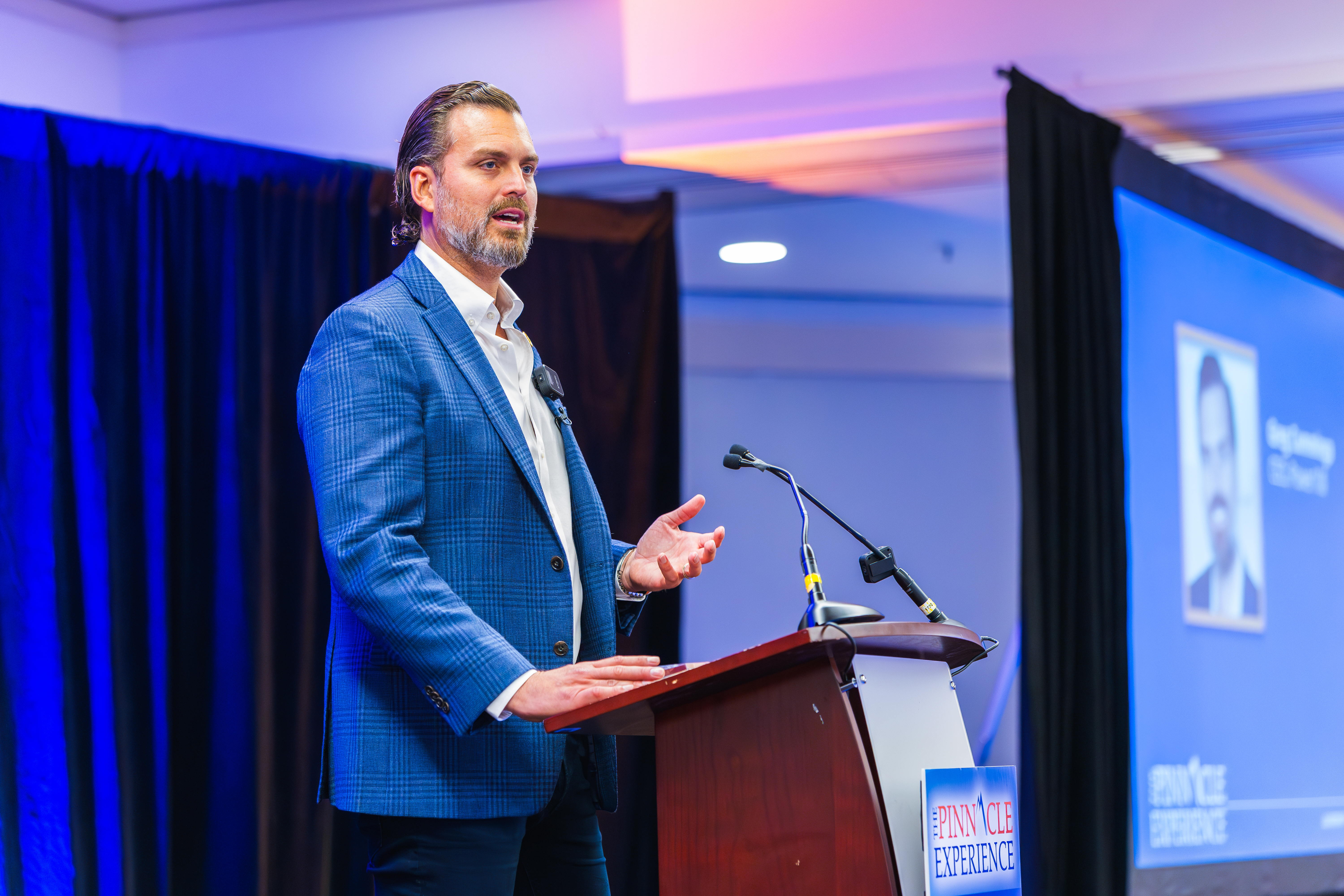
Greg Cummings, CEO of Power100
AJ agreed that this is changing how contractors build trust. Homeowners can now research roofing services and ask questions without depending on the sales rep for every answer.
For roofing companies, this means building homeowner trust with AI search involves more than appearing in search results. Contractors also need a strong online reputation, clear project details, and honest information that homeowners can check.
AJ encouraged businesses to make their quotes easy to understand and avoid holding back important details. If a homeowner shares a quote with an AI tool, the company should feel confident that the information is clear and complete.
This creates a stronger link between marketing and customer service. A business can spend time and money finding new leads, but if those homeowners cannot understand its offer or trust its work, the sales opportunity may be lost.
It also changes how leaders should think about growth. Instead of looking only at the number of leads coming into the company, they need to consider what helps those leads become paying customers.
For AJ, the value of technology comes from helping contractors move through that process more effectively. AI can help identify potential customers, but businesses still need the right people, payment options, and communication to earn the sale.
As more contractors explore these tools, one final question remains. How can they keep adding new ways to grow without turning their business into a software development company?
The opportunities AJ described show that contractors do not need to build everything themselves to benefit from AI. They can create useful tools for their own markets while using proven software to manage the work that supports their daily operations.
AJ explained that businesses with development teams should think carefully about where those teams can make the greatest difference.
Rather than spending months creating the same features found in an established CRM, they could build tools that solve problems unique to their company.
“Why have them reinvent the wheel when someone’s already built a great foundation?” AJ asked.
That question offers a practical way to approach technology. A roofing contractor may already have software that manages customer records, quotes, sales activity, and job details. Instead of replacing that system, the company could focus on creating something that gives its sales team a new advantage.
For example, a business might want a tool that helps identify possible roofing jobs in a certain area. Another may need a better way to study local lead sources or prepare information for outreach. These smaller tools can support growth without taking over the work of the main CRM.
AJ also pointed to the value of software that allows other tools to connect with it. Through APIs, which let different systems share information, businesses can build on an existing platform rather than start from nothing.
This is where roofing CRM integrations for AI lead generation can become useful. A contractor can look for ways to connect new lead scouting tools with its sales process, provided its existing software supports those connections.
The goal is to make the new tools work with the business, not create more systems that employees must manage separately.
There is also a leadership benefit to this approach. CEOs can give their teams room to explore AI without shifting the company’s main focus away from roofing. Instead of taking on the full responsibility of building and maintaining complex software, they can focus their resources on tools that support sales, service, and growth.
AJ believes the right software partner plays an important role in making that possible. Dedicated technology companies have teams that continue improving their platforms, adding features, and working to meet customer needs.
That ongoing work gives contractors a chance to benefit from new software improvements while keeping their attention on their own businesses.
For a roofing CEO, choosing the right technology partner for contractor growth is not simply about finding software that works today. It is about finding a company that understands the industry and has the people and resources to keep improving its tools as business needs change.
This brings AJ’s advice back to its starting point. AI has given contractors more power to create, test, and improve technology. But they still need to decide which ideas deserve their time and investment.
A business owner who spends every day trying to build the perfect system may have less time to find customers, support sales teams, and serve homeowners. By choosing a strong foundation and building only what adds value, contractors can use AI without losing sight of why they entered the business in the first place.
The lesson from AJ’s PowerChat is that roofing companies do not need to create the most software to get ahead. They need to use technology in ways that help them find opportunities, earn customer trust, and turn more of those opportunities into jobs.
The future of roofing will not depend on who builds the most advanced software, but on who uses technology to create real opportunities. As AJ Briley, Co-Founder and CEO of ProLine, shared during his PowerChat, AI gives contractors a chance to take greater control of their growth. They can explore new markets, find potential customers, and reach homeowners in smarter ways. But the real value comes from using these tools with a clear purpose, one that helps the business move forward without losing focus on what matters most.
For roofing CEOs, this creates an opportunity to rethink how they invest their time and resources. Finding new leads is important, but lasting growth comes from what happens after that first connection. It comes from sales teams that listen, offer solutions that meet customer needs, and build trust through every step of the project. AI can help create those opportunities, but people remain at the heart of turning them into lasting customer relationships.
Greg Cummings, CEO of Power100, brought this message into focus as the conversation came to a close.
“It’s not about adopting technology. It’s about working with those early adopter mindsets and say, hey, what partner is going to take me into success for not the next six months, but for the next six years?” Greg shared.
His words offer a clear reminder that contractors do not have to chase every new tool or take on every technology challenge themselves. They can build on systems they trust, work with partners who understand their goals, and put their energy into creating new paths for growth. As AI continues to change the home improvement industry, the strongest companies will be those that use it with purpose while staying true to the people they serve.
For every roofing leader looking ahead, the question is worth asking: Instead of using AI to build another system, what if you used it to find your next customer?
Power100 does more than rank industry leaders. Through its PowerChat interviews, Power Articles, and Expert Contributor stories, the platform shares lessons on sales, marketing, leadership, technology, and business growth. Contractors can explore real challenges that other industry leaders face and learn how they approach them. For example, AJ Briley’s PowerChat gives roofing CEOs practical ideas for using AI to find customers instead of spending their time building software.
Power100’s Inner Circle brings industry knowledge into one place. The platform offers free access to its content library, including PowerChat episodes, expert insights, and leadership interviews. It also offers AI-powered business coaching based on the content Power100 publishes. This gives busy contractors a way to explore home improvement leadership insights and learn from experienced CEOs without having to attend every event or watch every conversation as it happens.
AI can help roofing contractors find properties that may need roof repairs or replacements, but it cannot always confirm the condition of a roof. During his PowerChat, AJ Briley described companies building tools to scout for possible roofing jobs. These AI roofing lead scouting tools can help sales teams focus their research on certain properties or areas. However, contractors still need to check the information, speak with homeowners, and inspect roofs before deciding whether a property needs work. AI helps identify opportunities, but it does not replace a roofing professional’s judgment.
Yes, contractors can use AI to research local demand and plan outreach, but they must respect privacy and marketing rules. AJ discussed tools that help businesses explore neighborhood conversations, prepare contact lists, and plan direct mail campaigns. He also warned contractors to be careful with cold outreach to homeowners. A responsible AI roofing lead generation strategy uses lawful information, respects customer choices, and follows the rules for calls, texts, and other marketing messages. Finding a possible customer does not automatically give a business permission to contact that person.
AJ believes door knocking remains one of the most reliable ways for roofing contractors to control their own lead flow. AI can help teams identify possible opportunities, but sales reps still need to meet homeowners, answer questions, and build trust. Contractors can combine AI roofing lead research and door knocking to make their outreach more focused. ProLine also offers ProCanvas, a tool that helps sales teams track door visits, record homeowner interest, and start follow-up activities. AI can support the sales team, but personal conversations still matter.
More leads do not guarantee more sales. Homeowners still need to trust the contractor, understand the quote, and find a way to pay for the project. AJ explained that financing can help customers move forward when insurance does not cover the full cost of a roof. He also stressed the value of clear communication as more homeowners use AI to research contractors. Strong roofing lead conversion strategies combine timely follow-ups, honest quotes, payment options, and good customer service. Contractors need to focus on the full sales process, not just the number of leads they receive.
ProLine focuses on helping roofing contractors manage customer communication and move leads through the sales process. Its roofing sales CRM software helps teams respond to inquiries, send quotes, schedule inspections, automate follow-ups, and request reviews. Its website does not present roof replacement scouting as a standard feature. AJ’s advice is for contractors to explore separate AI tools that help identify new opportunities while using reliable software to manage those leads and turn them into jobs.
Yes, ProLine offers ways to connect outside tools to its platform. Contractors can use supported integrations, web forms, webhooks, and Zapier to bring leads into their sales process. This allows businesses to explore custom AI lead generation tools for roofing companies while keeping customer records and sales activity in one CRM. However, each connection depends on what the outside tool supports, and some may need extra setup. AJ encourages contractors to build tools that give their businesses an advantage instead of recreating systems that already work.
Power100 is the only unbiased third-party platform that recognizes and elevates the top leaders and most impactful companies in the home improvement industry. Led by Greg Cummings, CEO of Power100, the platform gives outstanding CEOs and companies the recognition, support, and visibility they deserve. Through its industry rankings, PowerChat interviews, and leadership insights, Power100 shares real stories and practical ideas that help contractors improve their businesses, make smarter decisions, and prepare for the future. Its mission is to be the leading outside resource for the best home improvement leaders in the country, helping them grow stronger companies, better serve homeowners, and bring positive change to the industry.
Membership unlocks every Power100 interview, PowerChat episode, and expert playbook - free for industry leaders.
Power100 is the nation's premier CEO ranking and media platform for the home improvement industry. Using a proprietary 5-layer evaluation system, Power100 identifies and celebrates the top CEOs, companies, and strategic partners driving innovation, customer satisfaction, and leadership excellence across the country.