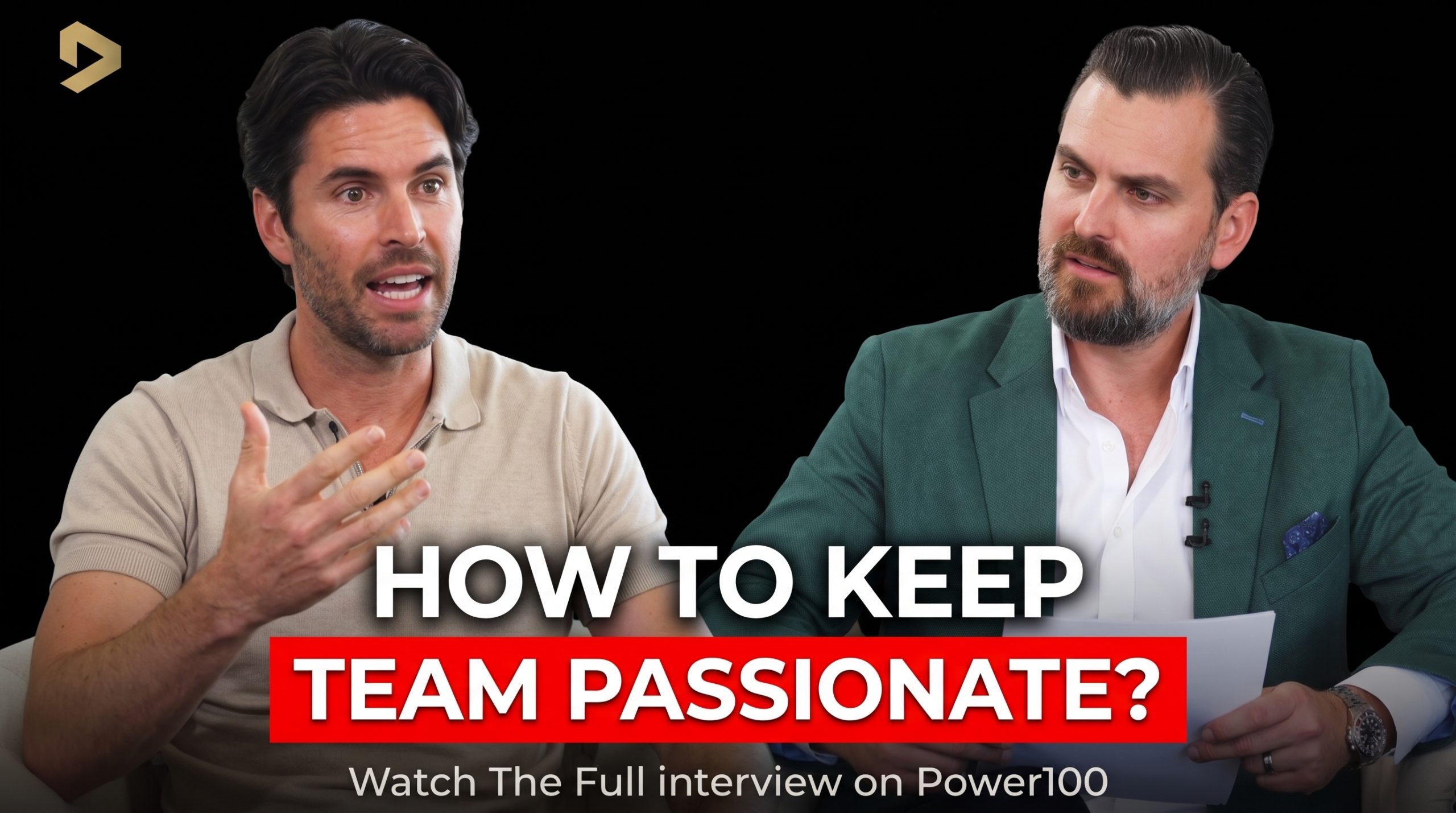
As home improvement companies grow, keeping employees connected to the same mission can become one of the biggest challenges for CEOs. More sales often mean more staff, new teams, and people working from different locations. Leaders who once knew every employee may find themselves spending more time on business targets, hiring, and daily operations. Over time, the close relationships and shared passion that helped build the company can begin to fade.
But Caleb Nelson, Founder and CEO of Destination Motivation, believes growth should never come at the cost of the people behind it. His company, which helps home improvement contractors increase sales and reduce cancellations, offers a strong example of how to maintain company culture while scaling.
During a Featured Interview, Caleb shared how the company doubled its sales and staff in the year leading up to the conversation while keeping its employees connected through shared values and a passion for customer success. At the time, the team had reached 1,933 customer reviews while maintaining a five-star rating. Yet what stood out most was not the number itself. It was the pride employees felt in helping earn those reviews. Caleb explained that his team members genuinely appreciate one another, care about their work, and get excited when their efforts make a difference for customers. His approach shows that a growing company can keep its people united when everyone feels they are working toward something that matters.
That connection between employee engagement and business growth in home improvement became a central part of Caleb’s conversation with Greg Cummings, CEO of Power100. Greg wanted to understand how Destination Motivation had grown so quickly without losing the passion for customer service his team found during its review of the company. With employees working both in the office and remotely across the country, Caleb explained why shared purpose, respect, and pride in customer results matter more than having everyone in the same building.
Their discussion also examined the leadership decisions that shaped this culture, including Caleb’s commitment to his employees during COVID and his belief that people remain the most important part of building a successful business. The conversation reflects the purpose of Power100’s mission, which highlights the people, choices, and values behind successful companies.
Power100 is the only unbiased third-party platform that recognizes and elevates the top leaders and most impactful companies in the home improvement industry. In 2026, Power100 recognized Destination Motivation as the nation’s No. 1 Strategic Partner, a milestone that reflects the company’s wider impact on the industry. But beyond recognition, Caleb’s story offers a lesson for CEOs who want to grow without losing what makes their teams special: a strong culture is not just about bringing good people together. It is about giving them a shared reason to care, grow, and succeed together.
Growth can bring new opportunities to a business, but it can also change how people work together. As teams expand, leaders must find ways to keep employees connected, motivated, and proud of what they do. During his Featured Interview with Greg Cummings, CEO of Power100, Caleb Nelson, Founder and CEO of Destination Motivation, shared what has helped his team stay passionate through a period of major growth. Rather than pointing to strict rules or business targets, Caleb spoke about the relationships his employees have built and the joy they find in helping customers succeed.
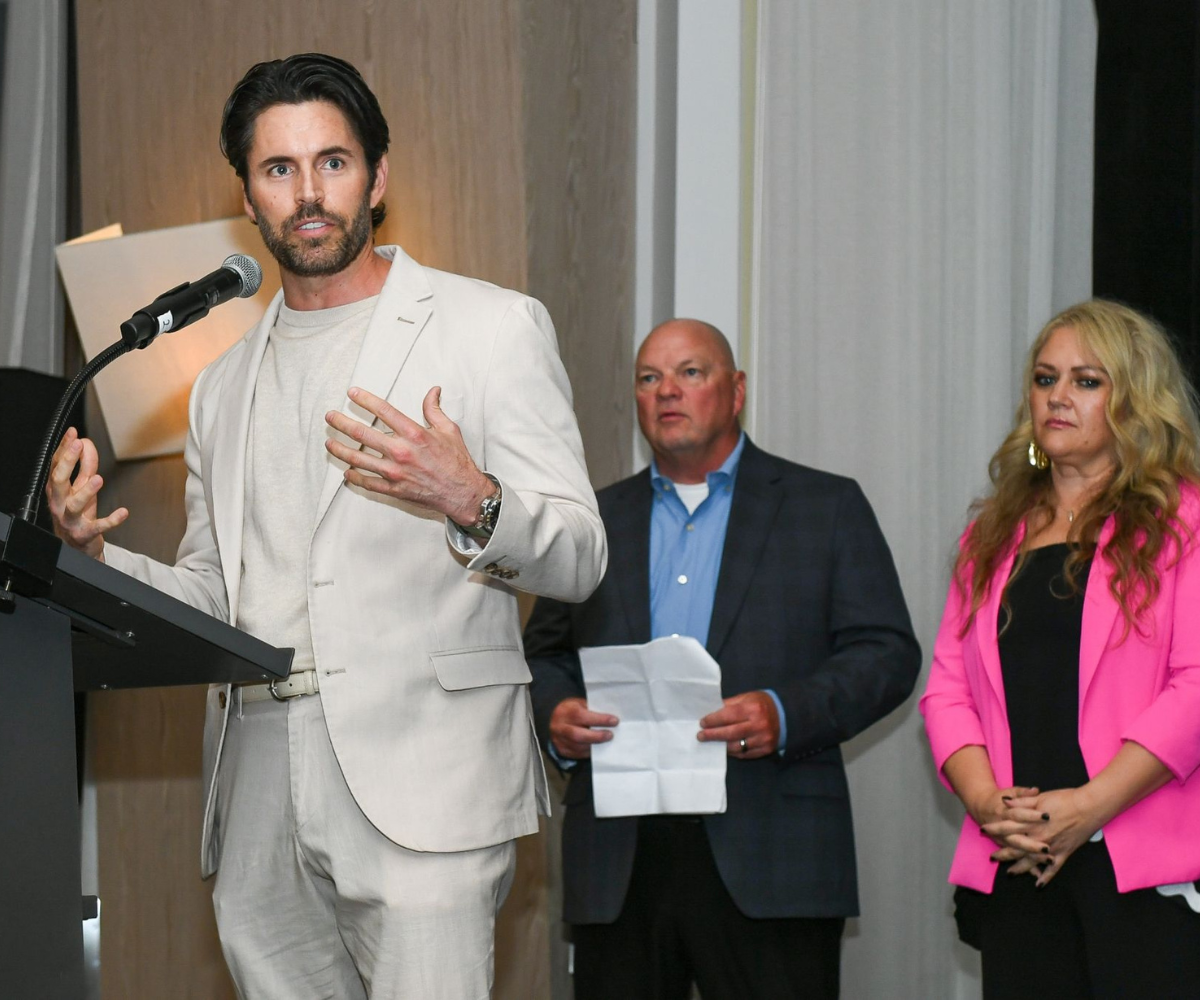
Caleb Nelson, Founder and CEO of Destination Motivation
Greg’s questions brought out a deeper lesson about leadership. A company can grow in size and reach, but its greatest strength often comes from the people who continue to believe in its purpose. Through Caleb’s experiences, the conversation offers a closer look at how leaders can build teams that grow together without losing the care and passion that made the business successful.
Growing a company can be exciting for any CEO. More customers bring new opportunities, more employees join the team, and the business begins reaching places it could not serve before. But behind those gains is a challenge that numbers alone cannot explain. As a company gets bigger, it can become harder for employees to feel the same connection they once had with their leaders and coworkers.
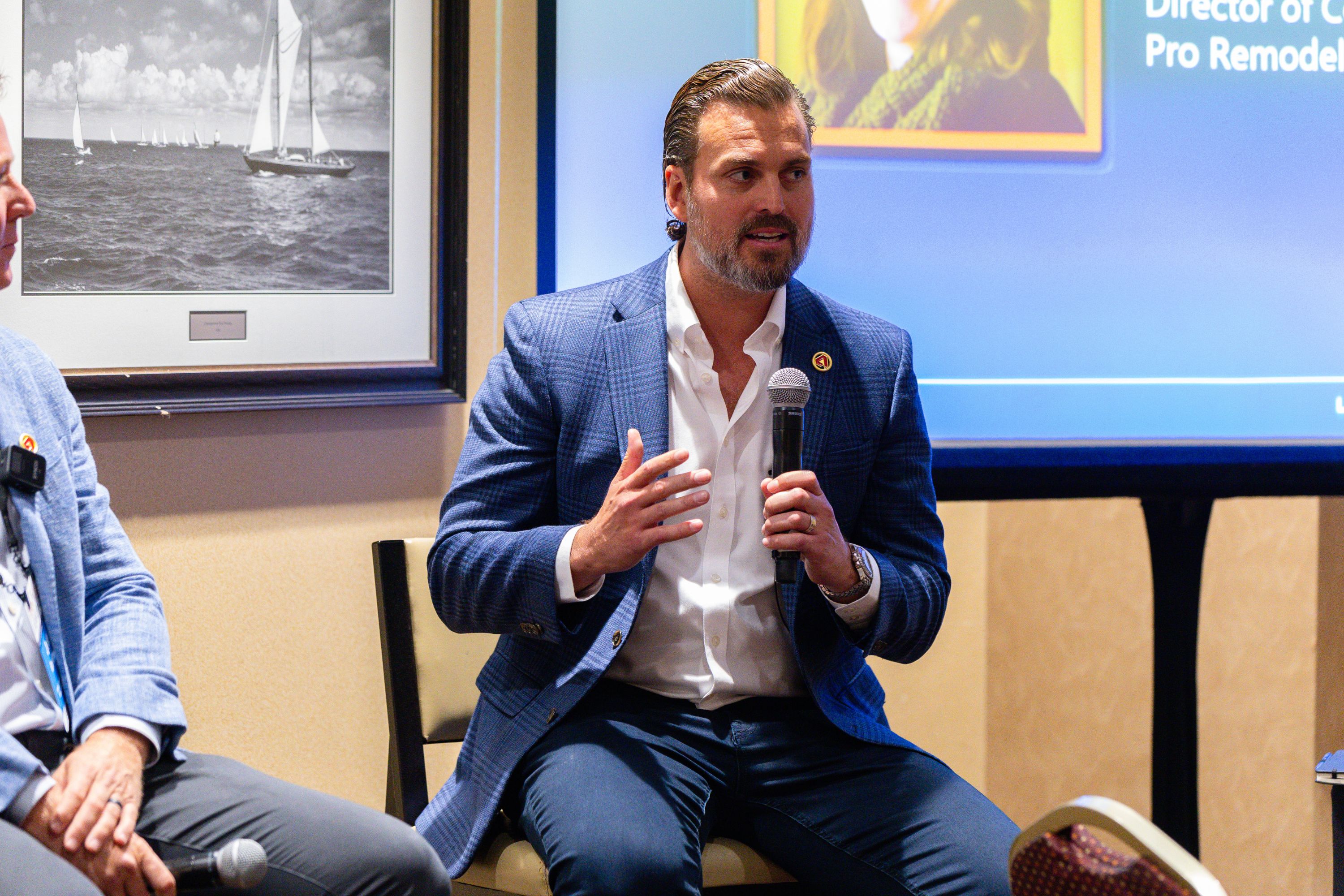
Greg Cummings, CEO of Power100
This was one of the questions Greg wanted Caleb to address. During the interview, he pointed out that Destination Motivation had doubled in both sales and staff over the previous year. That growth also came with a team spread across different locations, with some employees working in the office and others working remotely.
For many leaders, this is where growth can begin to change the workplace. When a business is small, employees often know one another well. They can share ideas, solve problems together, and see how their work supports the company’s goals. But as new people join and teams take on more work, those close ties can become harder to maintain.
Greg wanted to know how Caleb had protected the passion for customer service that his team had found while reviewing the business. His research included speaking with employees, and one point stood out: people across the company cared deeply about the results they created for customers.
Caleb’s response showed that he did not see growth and company culture as two separate goals. He believed the team could remain connected because its members shared a strong interest in their work.
Rather than relying on business growth alone to keep employees motivated, Caleb valued having people who cared about the company’s purpose and wanted to see it succeed.
This offers an important lesson about scaling a home improvement business without losing its culture. Hiring more people and reaching more customers can help a company grow, but those gains mean much more when employees continue to feel part of the journey.
For CEOs, the challenge is not simply to manage a larger team. It is to ensure that the people who help build the business still feel their work matters as the company moves forward.
As the conversation moved from business growth to the people behind it, Caleb shared a simple belief about what makes his team work well together.
“We just have a company culture here where everyone just really appreciates each other,” Caleb explained.
That statement reveals an important part of his leadership approach. Employees do not only need to understand their jobs. They also need to feel that the people around them value their work and respect what they bring to the team.
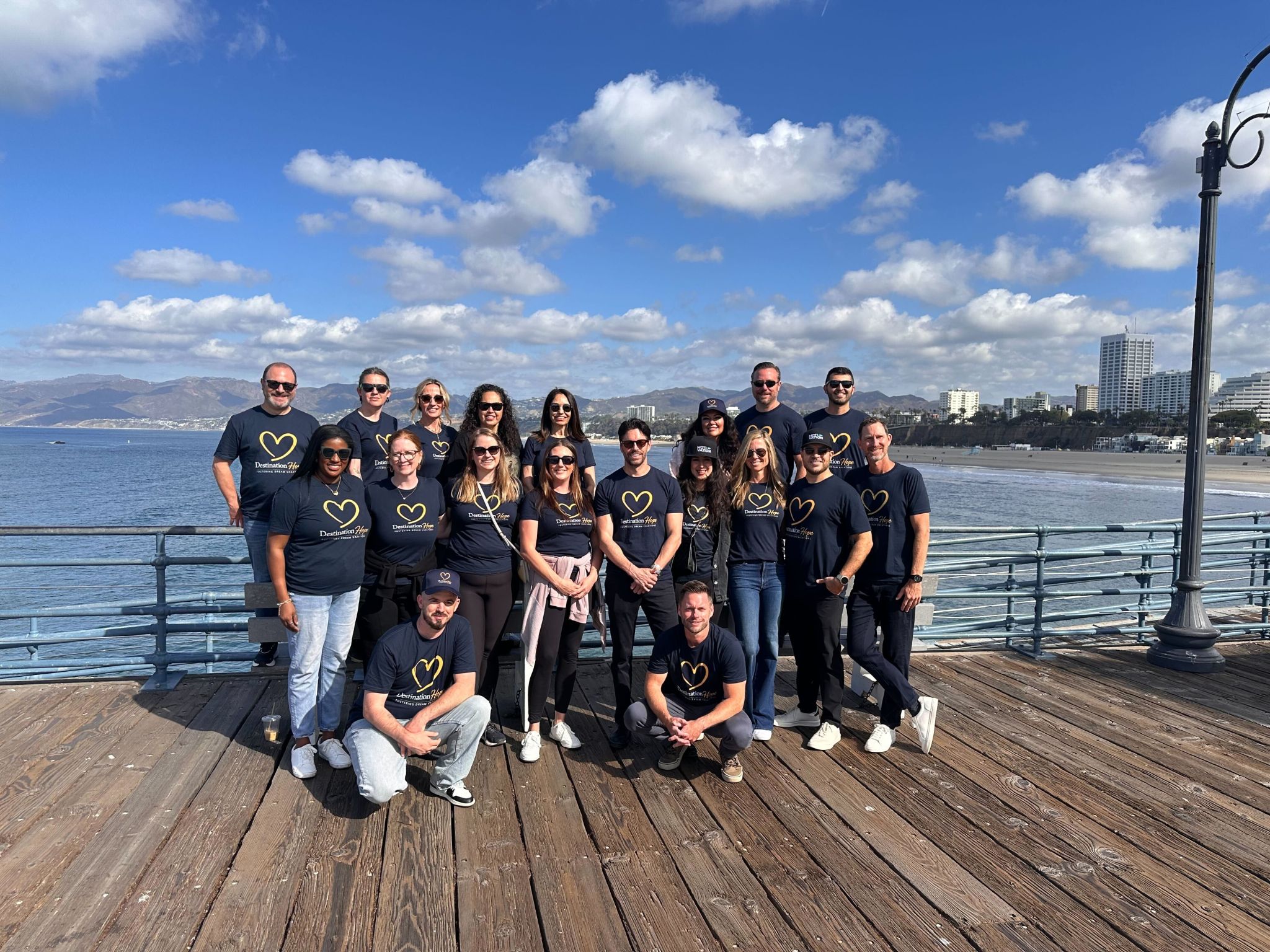
Destination Motivation team
In a growing business, employees may have different duties, work in different departments, or spend less time with their leaders. Yet they still contribute to the same result. When people respect one another, they have a stronger incentive to work together rather than focusing solely on their own tasks.
Caleb explained that his employees share a similar passion. They care about the company’s work, the customers it serves, and the results they help create. This common interest gives the team something that goes beyond job titles or daily targets.
Greg also saw a connection between Caleb’s personality and the culture he had built. Throughout the interview, he spoke about Caleb’s energy, drive, and passion for his business and personal life. He believed that passion had helped shape the way employees approached their work.
This highlights the role a CEO plays in building a people-focused company culture in home improvement. Employees look to their leaders for more than instructions. They also see how those leaders treat others, respond to problems, and show care for the business.
When a leader shows genuine interest in the people around them, that example can influence how the team works together.
Caleb’s story also shows that strong culture does not mean every employee must think or work in exactly the same way. People can bring different skills and ideas to a company while still sharing the same purpose.
What matters is that they understand the value of their work and feel proud to be part of the team.
For home-improvement CEOs, this is a useful reminder that culture is not built by words on a wall. Employees experience it through the way people treat one another, the respect they receive, and the goals they work toward together.
Keeping employees connected becomes even more important when they do not share the same office. That challenge was already familiar to Caleb long before remote work became common across many businesses.
During the interview, he recalled trying to encourage online meetings before COVID. At the time, many people still preferred to meet in person, even when doing so meant spending more time and money on travel.
Caleb saw the value of working together without always having to meet face-to-face. When COVID changed how companies operated, he felt that his business had already been preparing for that kind of work.
He recalled thinking, “I’ve been preparing for this.”
But being ready to work remotely did not remove every challenge. Employees still needed to stay connected to one another and understand the company’s purpose. A team can have the right tools for online meetings and still struggle if people do not feel part of the same mission.
This is where Caleb’s focus on shared passion becomes important.
Rather than describing company culture as something that depends on everyone being in the same building, he spoke about employees who care about the same outcomes. Whether someone works from an office or another part of the country, they can still find meaning in helping a customer or supporting a teammate.
For home improvement leaders, building a strong remote team culture starts with understanding what brings employees together. Meetings can help people share information, but a common purpose gives those conversations meaning.
Greg’s question also showed why this matters as businesses grow. A CEO cannot always be in the same room as every employee. As the team spreads across more locations, leaders need people who understand what the company stands for and why their work matters.
Caleb’s experience suggests that physical distance does not have to weaken a team’s connection. Employees can still feel proud of the same achievements, learn from shared experiences, and support a common goal even when they work in different places.
His approach offers a lesson for CEOs managing larger teams: keeping people united does not always require bringing everyone into one office. It requires giving them a reason to feel connected to the work and to one another.
One of the strongest moments in the interview came when Caleb explained what truly excited his employees.
It was not simply that the company had grown or brought in more business. It was seeing the results of their work through the experiences of customers and contractors.
At the time of the conversation, Caleb shared that Destination Motivation had received 1,933 customer reviews and maintained a five-star rating. But instead of talking about that number only as a business achievement, he focused on the people who helped make it possible.
“Everybody that works here is driving that, is giddy for that, is passionate about that,” Caleb said.
His words showed how much the team cared about the experience customers received. For the employees, positive feedback was not just another number to report. It was a sign that their work had made someone happy.
That kind of pride can give daily tasks more meaning. An employee helping a homeowner plan a vacation may see the result as more than a completed booking. A team member supporting a contractor may see how their work helps that business earn more sales.
Caleb explained that his employees also get excited when contractors achieve better sales results. He shared an example of a company that received a 15 percent boost in its close rate, describing the joy his team felt when clients saw that improvement.
“And that’s what we get so excited about every day, all day,” he explained.
This connection between daily work and real business results is what makes customer-driven company culture in home improvement so valuable.
Employees can feel a stronger sense of purpose when they understand how their efforts help others. A positive review becomes proof that a customer had a good experience. An improvement in sales shows that a contractor is getting value from the service. These outcomes give the team something meaningful to celebrate together.
The interview also revealed the human side of those results.
Caleb recalled receiving a moving story from a mother whose vacation helped her reconnect with her daughter. In another example, he described a person recovering from a serious motorcycle accident who wanted to enjoy traveling again while also making an important improvement to their home.
Stories like these help explain why employees might feel a deeper connection to their work. They are not only helping people book trips or helping contractors sell home projects. They are taking part in experiences that can mean a great deal to the families involved.
For CEOs, this offers a valuable lesson about motivating employees through customer success. When people see the difference their work makes, they have more reasons to take pride in doing it well.
Caleb’s team shows how shared achievements can help bring employees together. The company may set business goals, but the joy of helping real people gives those goals a more personal meaning.
A company can build a strong culture when things are going well. Employees may feel excited about new customers, growing sales, and positive reviews. But difficult times can show whether the trust between a leader and the team is strong enough to last.
For Caleb, that test came during COVID, when travel stopped, and much of the company’s business faced an uncertain future.
To understand his response, Greg first explored a lesson Caleb had learned many years earlier.
As a teenager, Caleb wanted to buy a car, but his father told him he would need to earn the money himself. Caleb visited a grocery store to look for work and learned it was not hiring. His father encouraged him to return the next day, and then the day after that.
After two weeks of asking, the manager finally created a position for him because he admired Caleb’s persistence.
That early lesson became part of how Caleb approached business. He learned that hearing no did not always mean the opportunity was gone. Sometimes, the most important thing was to keep trying.
Years later, that belief guided him through one of Destination Motivation’s hardest periods.
When COVID brought the travel industry to a stop, many contractors paused their vacation reward programs. With no clear answer on when travel would resume, Caleb faced decisions that could affect both his employees and the business’s future.
One of his clearest statements during the interview was simple.
“I didn’t lay anybody off,” Caleb told Greg.
Instead of cutting his team, Caleb chose to keep moving forward. He and his employees used the slower period to study the business and find ways to improve what they offered.
The team changed its messaging, developed new ideas, and extended the lifespan of vacation vouchers to 2 years so homeowners would have more time to travel. Caleb also recalled hosting hundreds of webinars during the summer of 2020 as the company worked to remain connected with contractors.
These choices reflected more than a plan to survive a difficult year. They showed how Caleb wanted to lead his people when the future was unclear.
The team had to adapt, but it also had a leader who was willing to keep working toward a better outcome rather than giving up.
This is an important part of leading a home improvement team through change. Employees may not know exactly what the future holds, but they can see how their leaders respond when things become difficult.
Caleb’s experience also shows why people-first leadership during business growth matters beyond the good times. A company’s values become more meaningful when leaders act on them during moments of pressure.
Greg recognized this determination throughout the interview. He connected Caleb’s persistence and passion to his ability to guide the company through challenges while keeping employees focused on serving customers.
For CEOs, the lesson reaches beyond any single business crisis. As companies grow, new challenges will always arise. Markets change, customer needs shift, and plans do not always work out as expected.
What leaders can control is how they treat their people, how they respond to problems, and whether they continue to stand behind the values they expect their teams to follow.
Caleb’s journey shows that strong culture is not only about creating a workplace where employees enjoy success together. It is also about building the trust that helps people continue working together when success becomes harder to reach.
As home improvement companies grow, one question remains important for every CEO: how do you keep the same passion and care that helped build the business in the first place? Throughout his conversation with Greg Cummings, Caleb Nelson showed that the answer begins with people. His experience at Destination Motivation reminds leaders that a strong culture does not depend on how many employees share an office or how quickly sales increase. It grows when people feel appreciated, understand why their work matters, and know they have a part in the company’s success.
“Everybody that works here is driving that, is giddy for that, is passionate about that,” Caleb shared. His words reflect the kind of workplace he wants to build, one where employees find joy in the results they create together. That sense of pride gives a growing team something worth holding on to, even as new people join and the business takes on bigger goals. It also shows that strong leadership is not only about guiding a company toward success. It is about helping the people behind that success feel connected to what they are building.
For home improvement CEOs planning their next stage of growth, Caleb’s story offers a reassuring lesson. A larger business does not have to lose the values and relationships that made it special. Leaders who continue to value their people, celebrate shared wins, and give employees a reason to believe in their work can build teams that grow stronger with time.
The true measure of growth is not simply how big a company becomes, but whether its people remain proud to be part of what it is becoming.
Power100 looks beyond sales and revenue when ranking companies. Its five-layer ranking system reviews company culture, customer experience, innovation, business operations, and the results companies deliver. For its 2026 home improvement strategic partner rankings, Power100 gave Destination Motivation a 96 percent culture score, compared with a reported national average of 71 percent. This approach helps Power100 recognize companies that combine strong business results with care for their people and customers.
Yes. Power100 publishes rankings, company reviews, and home improvement leadership interviews that help contractors understand why certain businesses earn recognition. Its January 2026 Destination Motivation report shared scores for company culture, innovation, operations, and sales performance. Power100 also reported speaking with clients and reviewing the company’s culture. These findings give contractors a starting point for evaluating a potential partner rather than relying solely on an award.
During the Featured Interview, Greg Cummings explained that Destination Motivation had doubled its sales and staff in the previous year. He also shared how his team had found a strong passion for customer service among the company’s employees. Caleb Nelson credited that connection to employees who appreciate one another and share the same purpose. While growth can create new challenges, Caleb’s experience shows how employee engagement during rapid business growth can help a team stay focused on what matters.
Destination Motivation has team members and offices across the country. Caleb explained that he supported online meetings long before COVID made remote work common. His approach to keeping remote employees connected focuses on shared values, respect, and pride in customer results. Employees do not need to work in the same building to care about the same goals. They need to understand how their work helps the company, its clients, and the homeowners it serves.
Customer reviews show how people rate their experience, but they cannot measure employee satisfaction on their own. During the interview, Caleb shared that Destination Motivation had reached 1,933 reviews while maintaining a five-star rating. The company’s website now reports more than 3,500 five-star reviews. Caleb explained that his employees take pride in creating those experiences. This connection between customer satisfaction and employee motivation shows why the team values positive feedback, although reviews alone cannot prove how every employee feels about the workplace.
Yes. Destination Motivation offers more than vacation vouchers. Its website describes ongoing sales training for home improvement contractors, including personal coaching delivered in person or online. The company also helps clients use its tools within their sales process, improve close rates, and reduce cancellations. Caleb explained that his employees celebrate the results they help contractors achieve. Their shared passion gives the team a reason to focus on helping clients succeed rather than simply completing a sale.
Caleb said he did not lay off any employees when COVID stopped travel, and many clients paused their programs. Instead, he worked with his team to improve the business, change its messaging, and extend the validity of vacation vouchers to 2 years. He also recalled hosting hundreds of webinars during that period. These actions show how Caleb approached people-first leadership during business challenges. Rather than giving up when conditions changed, he kept his team focused on finding ways to move forward.
Yes. Every company has different needs, but Caleb’s leadership offers lessons that other CEOs can apply. Leaders can start by showing employees respect, making team goals clear, celebrating customer success, and listening when people raise concerns. They must also support their teams when business gets difficult. Caleb’s story shows that building a strong company culture during growth takes more than hiring talented people. It takes daily actions that help employees feel valued, connected, and proud of their work.
Power100 is the only unbiased third-party platform that recognizes and elevates the top leaders and most impactful companies in the home improvement industry. Led by Greg Cummings, CEO, Power100 uses a five-layer ranking system to identify the nation’s leading CEOs and strategic partners based on business growth, company culture, leadership, and industry impact. Through national rankings, Featured Interviews, and its PowerChats coverage, Power100 shares the stories, lessons, and values behind successful companies while giving outstanding leaders the recognition they deserve. The platform also helps home improvement CEOs connect with trusted resources and industry partners that support business growth, stronger teams, and better customer experiences. Its mission is to serve as a trusted outside resource for leaders who want to build companies that succeed while making a positive difference in the industry.
Membership unlocks every Power100 interview, PowerChat episode, and expert playbook - free for industry leaders.
Power100 is the nation's premier CEO ranking and media platform for the home improvement industry. Using a proprietary 5-layer evaluation system, Power100 identifies and celebrates the top CEOs, companies, and strategic partners driving innovation, customer satisfaction, and leadership excellence across the country.