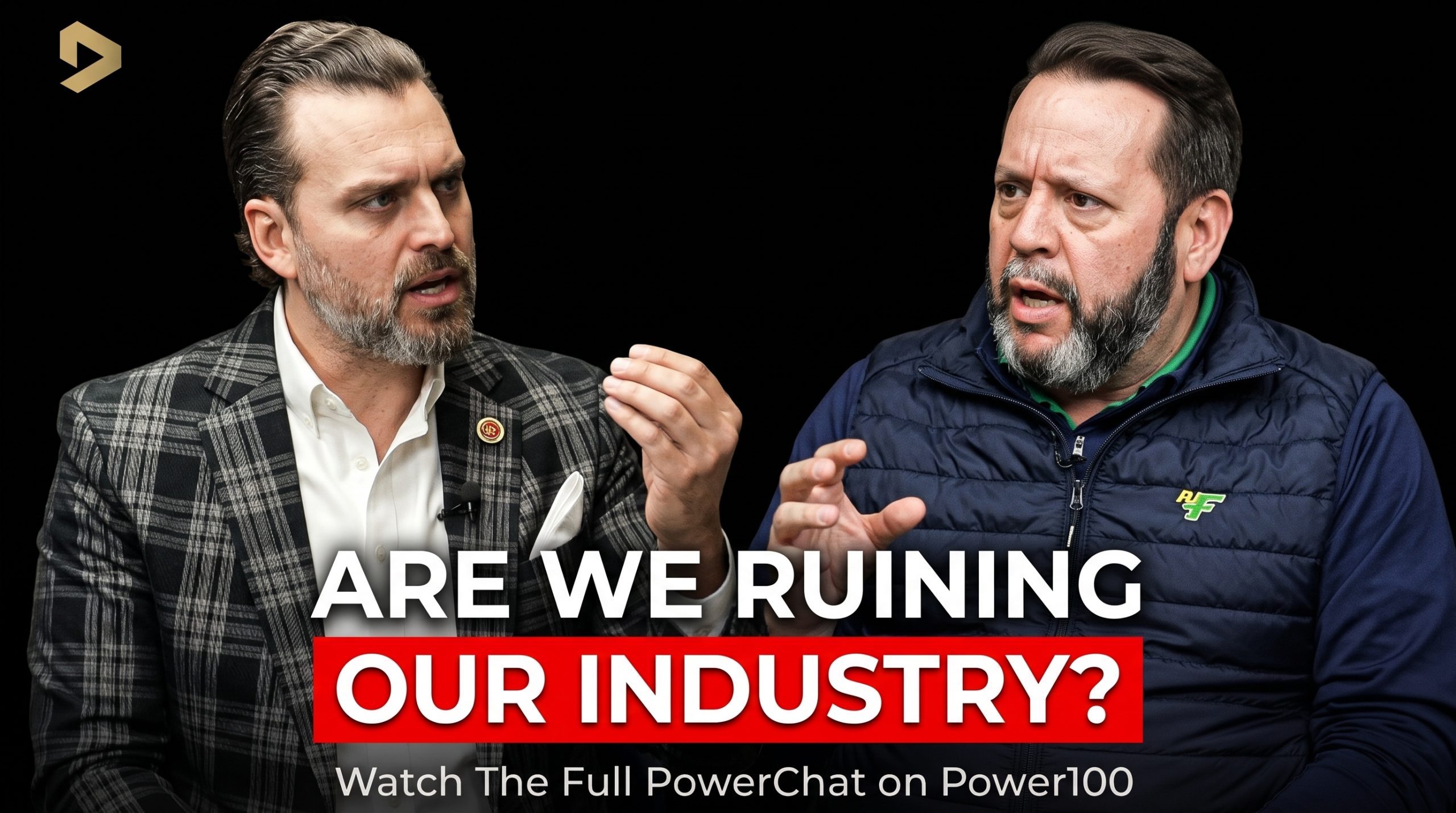
One bad remodeling experience can make a homeowner question the next contractor they hire. Poor communication, unfinished work, and broken promises can leave families frustrated and unsure of who to trust. For companies that work hard to deliver quality service, this creates a challenge that goes beyond winning new customers. It means proving that not every contractor operates the same way.
This is one of the biggest issues facing home improvement industry reputation and customer trust, and James Freeman, CEO of PJ Fitzpatrick, believes good companies have a role to play in changing that story. Leading a growing home improvement business that serves homeowners through roofing, windows, doors, and bathroom remodeling, Freeman understands the pressure to stay ahead of competitors.
But he also believes that competition should not stop business leaders from helping one another improve. When he first entered exterior remodeling, other CEOs shared valuable lessons that helped him learn the industry and strengthen his leadership. Today, he brings that same willingness to share into his relationships with fellow contractors. Through industry events, podcasts, and business meetings, Freeman openly discusses the lessons, tools, and ideas that have helped his company grow.
His reason goes beyond helping another business succeed. He believes that when more contractors deliver great service, more homeowners will have positive experiences, giving the entire industry a better chance to earn their trust.
As Freeman explained, “I think that we sometimes get caught up in we’re competitors. And even if we’re not competitors today, we may be competitors tomorrow.” But for him, helping other leaders become better is an opportunity to improve an industry that depends on customer confidence.
That belief became a central part of the Power100 Featured Interview when Greg Cummings, CEO of Power100, sat down with Freeman to discuss his growing influence beyond PJ Fitzpatrick. Greg wanted to understand why Freeman continues to make time for speaking events, podcasts, and meetings with fellow CEOs while leading a company with major plans for growth.
His answer revealed a deeper purpose behind sharing best practices among exterior remodeling companies. Freeman sees every chance to help another contractor as a way to support better leadership, stronger businesses, and improved service for homeowners.
Power100 is the only unbiased third-party platform that recognizes and elevates the top leaders and most impactful companies in the home improvement industry. Through its focus on Growth, Culture, and Community, the platform gives industry leaders a voice to share what they have learned and help others make better decisions.
Freeman’s experience reflects that mission by showing how business relationships built on trust, shared knowledge, and a willingness to help can create value far beyond one company.
His story also raises an important question for home improvement CEOs: What if helping another contractor succeed could strengthen the industry that every contractor depends on?
For Freeman, changing how homeowners see the industry starts with changing how the people leading its companies see one another.
During his Featured Interview with Greg Cummings, CEO of Power100, James Freeman, CEO of PJ Fitzpatrick, shared a belief that goes beyond building a successful remodeling company. He believes great leaders have a chance to improve the entire industry by sharing what they have learned and helping other contractors serve homeowners better.
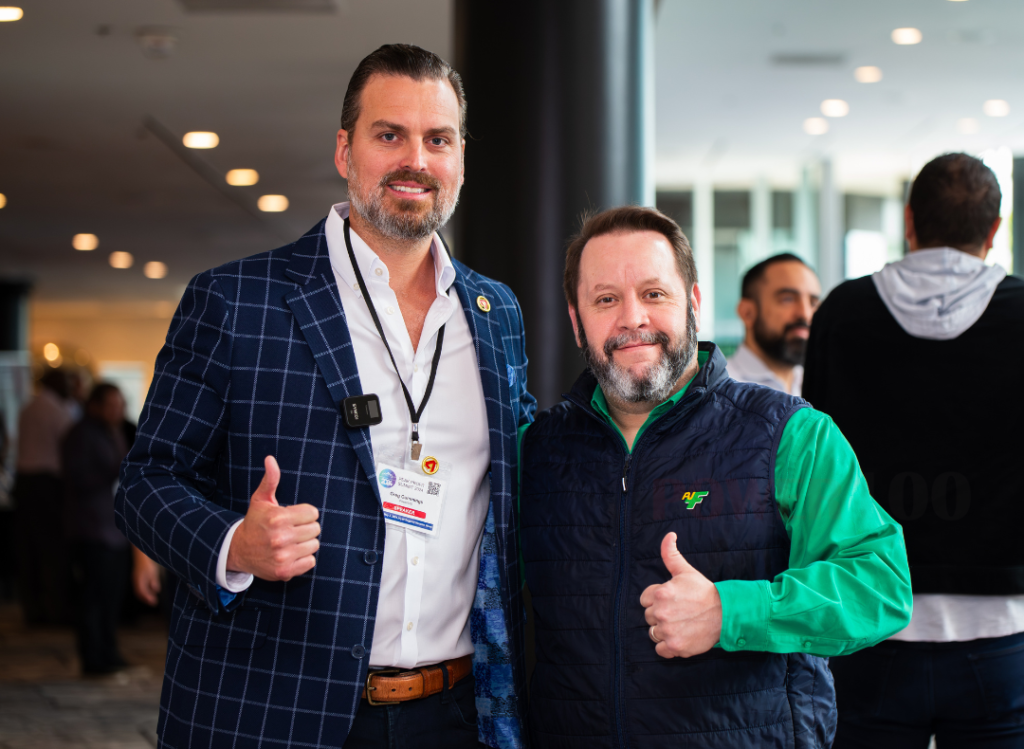
Greg Cummings, CEO of Power100 with James Freeman, CEO of PJ Fitzpatrick
His own experience shows how much can happen when business owners choose to learn from one another instead of seeing every company as a rival. From the leaders who helped him understand exterior remodeling to the contractors who later put his advice into practice, Freeman has seen how one conversation can make a difference far beyond a single business.
For him, the goal is not to remove competition, but to create an industry where more companies earn customer trust through the quality of their work, the care they show homeowners, and their willingness to keep improving.
Every home improvement project begins with a homeowner placing trust in someone else. Whether a family needs a new roof, replacement windows, or a bathroom upgrade, they are inviting a contractor into their home and expecting that company to keep its promises. They want good work, clear answers, and the peace of mind that comes from knowing they made the right choice.
But that trust can be difficult to earn when homeowners have had poor experiences with other contractors. A family that has dealt with delays, missed calls, or work that did not meet expectations may feel less confident about hiring another company. Even when the next contractor has a strong record of customer care, that business may still need to overcome doubts created by someone else’s actions.
Freeman sees this as one of the challenges facing the home improvement industry. A poor experience does not always stay with the company that caused it. It can influence how a homeowner views contractors in general, making it harder for businesses that take pride in doing the right thing to earn the confidence they deserve.
That is why he believes the success of good contractors should matter to everyone in the industry.
During the conversation, Freeman explained that companies have an opportunity to change how homeowners feel about hiring contractors when more businesses choose to represent the industry well.
“But I think the more that we have companies like ourselves, the companies who are out there representing the industry the right way, servicing customers the right way, the more opportunity we have to give customers the impression of our industry that we want,” Freeman said.
His message raises an important point about home improvement industry reputation and customer trust. A company can spend years building a strong name through good service and satisfied customers. But it cannot control every experience a homeowner has with another business. That makes the wider reputation of the industry important, even to contractors who already have loyal customers.
Freeman believes that helping more companies improve their service can create a positive change. When homeowners have better experiences, they have more reasons to feel confident about the next remodeling project they need to complete.
This does not mean every contractor must operate the same way. Companies can offer different products, serve different markets, and build their own ways of doing business. What matters is that more of them take customer care seriously and work to deliver what they promise.
For Freeman, this responsibility also reaches the people leading those businesses. A CEO can focus only on protecting the reputation of one company, or that leader can recognize the value of helping other contractors become better.
The second choice may create a wider impact. An idea that helps another company improve its customer service could benefit homeowners who may never hear of the business that first shared it.
That belief changes the way leaders think about other contractors. Instead of asking only how another company’s growth might affect their own business, Freeman encourages them to consider how better companies could help create a better industry.
And that leads to another question. If helping other contractors can improve the experience homeowners receive, why should competition stop business leaders from sharing what they know?
Before Freeman became a leader who shared his experience on industry stages, he was also someone learning from the people around him.
He had spent much of his career working in different parts of home improvement. That experience gave him a strong understanding of how to lead teams, manage business operations, and serve customers. But when he entered exterior remodeling at the age of 44, he still had much to learn about that part of the industry.
What stood out to him was how willing other business leaders were to help.
Rather than keeping their ideas to themselves, they spoke openly about how they ran their companies, supported their employees, and built strong cultures. They shared lessons that came from years of making decisions, facing problems, and learning what worked.
Freeman explained that he had not seen the same level of openness in other industries where he had worked.
That experience helped shape how he now approaches his relationships with other contractors.
He credits Rick, Teresa, and the ownership team at PJ Fitzpatrick for sharing their experience and helping him grow as a leader. He also speaks highly of the support he receives from other industry professionals, including Paul Dietzler and Mike Flores of Home Expo, whom he knows through a business networking group.
These relationships give him access to different ideas and ways of thinking. A challenge that one company is facing may be something another business has already learned how to solve. A new approach to leadership or operations may help a CEO see an opportunity that was not clear before.
For Freeman, that is part of the value of home improvement CEO peer networks. Business owners do not always need to solve every problem alone when they can learn from people who understand the same industry.
But he also believes those relationships should work both ways.
“I want to take the time to make sure that I can share because they’ve given that same reciprocal benefit to me,” Freeman explained.
That belief is important because business relationships can easily become focused on what one person hopes to receive. Freeman sees greater value in relationships where leaders are willing to both ask for help and offer it.
He understands that the companies involved may compete for business. Some may serve the same customers today, while others could enter the same markets in the future. But he does not believe that possibility should prevent leaders from sharing useful knowledge.
A contractor may have developed a better way to train new employees. Another may have learned how to improve communication between sales teams and installation crews. Someone else may have found a way to help managers support their employees more effectively.
These lessons can help other businesses without requiring anyone to stop competing.
For Freeman, the goal is not to give up what makes a company unique. It is to recognize that good leadership and better business practices can benefit more people when they are shared.
This is especially valuable for CEOs who are still learning how to manage growing teams and take on larger responsibilities. Hearing how another leader handled a difficult situation can help them make better decisions in their own business.
It can also help them avoid mistakes that may affect their employees or customers.
Freeman’s approach shows that competition and cooperation do not have to be enemies. Companies can continue working hard to earn customers while also helping one another raise the quality of service.
And as he became more involved in industry events, Freeman began to see just how far that willingness to share could reach.
Leading a growing company comes with many demands. There are employees to support, customers to serve, goals to reach, and decisions that cannot always wait.
For Freeman, those responsibilities could easily take up all his time. Yet he continued making room to speak at industry events, join podcasts, and meet with other business leaders.
Greg wanted to understand what drove that commitment.
During the interview, he pointed out that Freeman had become a respected voice in the industry. Other contractors were hearing his ideas on major stages, learning from his experience, and looking to him for guidance.
But Freeman’s reason for continuing to share was not simply the chance to be recognized.
He explained that 2024 marked an important change in how he understood his influence. As he took part in more speaking events and podcasts, he began hearing directly from contractors who had listened to his advice and put it to work.
Some told him they had used a business method he discussed. Others shared how they had tried a technology solution he recommended and were seeing positive results.
A few even told him they were getting results that matched or exceeded the examples he had shared.
These conversations helped Freeman see that his experience could make a difference beyond PJ Fitzpatrick.
For CEOs who attend home improvement leadership conferences, this is where the real value of learning begins. A good idea may sound helpful during a presentation, but it becomes much more valuable when a business owner returns to work and finds a way to use it.
The same is true for sharing best practices among exterior remodeling companies. Information alone does not improve a business. Leaders must take what they learn, decide how it fits their company, and put it into action.
Freeman’s experience showed him that people were doing exactly that.
He could speak about a process that helped his team become more effective, and another contractor could use that knowledge to solve a problem in a different business. The two companies might have different goals, teams, or markets, but the lesson could still create value.
That is what made the feedback so meaningful to him.
“It’s when we share openly, not for the purpose of gaining for ourselves, but for the betterment of others and betterment of the industry and ultimately giving the best to the customers we all serve,” Freeman explained.
His words show why he sees giving back as part of his responsibility as a leader.
A successful company may have spent years learning how to improve its operations. Its leaders have likely made mistakes, tested ideas, and worked through difficult decisions to reach where they are today.
When those leaders share what they have learned, they may help another contractor find a better path without facing every challenge in the same way.
That does not mean every idea will work for every business. Companies still need to understand their own customers, employees, and goals. But learning from someone else’s experience can give them a useful place to start.
Freeman also discovered that teaching others helped him reflect on the value of his own work. It reminded him that the effort he put into learning and improving his business could serve a purpose far beyond his company’s growth.
“That realization that I’m impacting people beyond PJ Fitzpatrick in a positive fashion allows me to put my head on the pillow at the end of the day and feel good,” he shared.
For him, the reward was knowing that his experience had helped someone else.
It was a reason to continue making time for the industry, even when his own schedule was full.
And while some of those conversations helped other contractors improve their daily operations, one relationship showed Freeman how sharing knowledge could also build trust that would lead to something much bigger.
Some business relationships begin with a clear goal. Two companies may meet because one wants to buy a business, enter a new market, or find a partner to support its growth.
Freeman’s relationship with Bathroom Buddies began differently.
In January 2022, he met John Huxtable and Alex Keels, leaders of Bathroom Buddies, a bathroom remodeling business serving homeowners across Long Island and Queens, New York.
The connection was personal from the start. Freeman explained that they enjoyed spending time together, discussing their companies, and sharing what they had learned.
There was no immediate plan for PJ Fitzpatrick to acquire their business.
Instead, the relationship grew through open conversations and a willingness to help.
Freeman later invited the Bathroom Buddies team to visit PJ Fitzpatrick and see how the company handled key parts of its operations.
During the visit, they learned about its sales methods, installation processes, and tools that helped employees perform their jobs.
What made the experience different was that Freeman did not simply explain what his company was doing. He gave them ideas and resources they could take back and use in their own business.
According to Freeman, Bathroom Buddies began seeing stronger results in 2023 and 2024, achieving a level of success it had not experienced during the previous decade.
For Freeman, the relationship was an example of how business networking for home remodeling CEOs can create real value when leaders focus on helping one another rather than looking for an immediate reward.
The results also helped build something that would become important later: trust.
“Willing to be an open book, built trust and affinity between us,” Freeman said.
Over time, the friendship continued to grow.
During a networking event in West Palm Beach, the Bathroom Buddies leaders discussed some of the challenges they were facing as their company became larger.
They were growing, but that growth also brought new questions. They needed to decide how to handle the next stage of the business and what kind of support could help them move forward.
Freeman saw an opportunity to help.
He told them that if they ever believed working more closely with PJ Fitzpatrick could support their next stage of growth, they should reach out.
He did not describe the moment as a hard sales pitch or an attempt to force a deal.
It was an offer built on a relationship that already existed.
About six months later, the Bathroom Buddies team reached out.
Their business was continuing to grow, but they wanted support to reach the next level. That opened the door to deeper discussions about how the two companies could work together.
Eventually, the relationship led to an acquisition agreement.
The deal gave PJ Fitzpatrick an opportunity to enter the New York market while giving the Bathroom Buddies team access to the support and resources of a larger business.
But the lesson goes beyond the acquisition.
The relationship began because Freeman was willing to share knowledge with another contractor before there was any clear financial benefit to his own company.
He helped the Bathroom Buddies leaders improve their business, stayed connected as friends, and built trust over time.
When a larger opportunity appeared, the two sides already knew one another and had experience working together.
That is what makes this story important for other CEOs.
Not every business relationship will lead to an acquisition, and that should not be the reason leaders choose to help others.
Sometimes the value of sharing is simply that another company becomes better at serving its customers. Other times, the relationship may lead to new ideas, stronger partnerships, or opportunities no one expected.
Freeman’s experience shows that trust often grows through actions long before anyone discusses a deal.
For contractors who spend much of their time protecting their business interests, it offers a different way to view industry relationships.
Helping someone today does not always mean receiving something tomorrow. But a willingness to support others can create connections that remain valuable for years.
And the greatest value of those connections may not belong only to the companies involved. It can also reach the homeowners who benefit when those businesses become stronger.
Freeman’s belief in helping other contractors comes back to one important goal: giving homeowners a better experience when they hire a home improvement company.
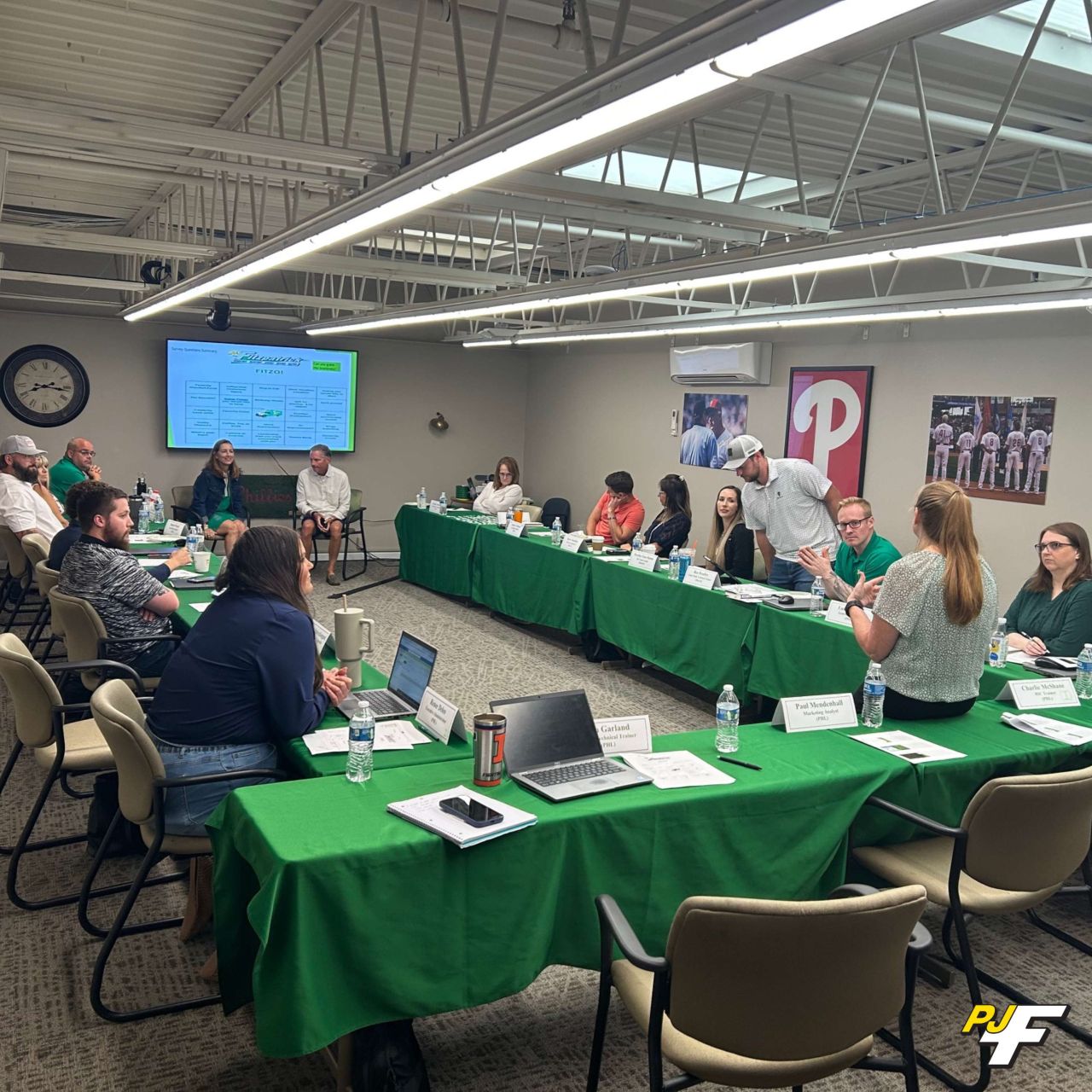
Emerging Leaders Program at PJ Fitzpatrick
A contractor may use a new system to organize its work more clearly. Another business may improve how employees communicate with customers. A third may introduce stronger training so its team can better answer questions and solve problems.
These changes happen inside individual companies, but homeowners can feel the difference.
That is why Freeman’s approach to sharing knowledge matters beyond the executives who attend industry events or take part in networking groups.
When a contractor learns how to improve, that knowledge can reach employees who speak with customers, manage projects, or complete work inside people’s homes.
For the customer experience standards in the home improvement industry, this creates an opportunity. As more businesses learn better ways to operate, more homeowners may benefit from clear communication, prepared teams, and service that meets their needs.
Freeman understands that those improvements also depend on what happens after a leader hears a useful idea.
At PJ Fitzpatrick, he places great value on helping employees understand their roles and giving them the training needed to succeed. He believes information should not remain only with the people at the top of the business.
Instead, it should reach the employees who use it in their daily work.
That same belief shapes how he thinks about sharing his company’s story.
Near the end of the interview, Greg asked whether he could speak with some of PJ Fitzpatrick’s key leaders and customers to learn more about the company’s operations and leadership.
Freeman welcomed the idea.
He believed those employees could explain the impact of their work better than he could describe it for them.
“It’s a much better story than the one I’m going to tell on their behalf,” Freeman said.
That response reveals another part of his leadership style.
Freeman understands that a CEO can set a direction and share ideas, but the people working throughout the business are the ones who bring those ideas into daily practice.
They lead teams, support coworkers, speak with homeowners, and help deliver the experience customers remember.
Their stories can show whether the lessons leaders talk about are actually making a difference.
This also connects to the wider industry.
A business owner can return from a conference with a notebook full of ideas, but those ideas will have little impact if they never reach the employees who need them.
For better service to become a reality, leaders must help their teams understand what needs to improve, why it matters, and how they can make it happen.
The same principle applies when companies learn from one another.
Freeman does not believe that another contractor becoming better should automatically be seen as a loss for PJ Fitzpatrick.
If that contractor uses shared knowledge to improve its work and give homeowners a better experience, the positive impact can reach people who may never become PJ Fitzpatrick customers.
That is the bigger opportunity he sees.
The industry does not need every company to become the same. It needs more businesses that care about serving homeowners well and leaders who are willing to help others improve.
Greg shared a similar belief during the conversation, pointing to the opportunity for people who care deeply about home improvement to help change the industry for the better.
Together, their discussion presents a different way to think about leadership.
A CEO’s influence does not have to stop at the company’s doors. It can reach other business owners, their employees, and the homeowners those teams serve.
For Freeman, sharing ideas is one way to extend that impact.
His experience shows that a useful conversation can help another leader solve a problem. A lesson shared on stage can help a contractor improve its business. And a relationship built through trust can create opportunities that last for years.
But the true measure of that progress should go beyond the number of companies that grow or the business deals that follow.
It should also consider whether more homeowners receive the care, service, and respect they expect when they hire a contractor.
That is the future Freeman wants to help build. One where successful companies continue competing, but also recognize the value of sharing what works.
Because when more contractors take pride in doing the right thing for customers, the entire industry has a better chance to earn the trust homeowners place in it.
And for Freeman, knowing that his knowledge can help make that future possible is what gives his work beyond PJ Fitzpatrick its greatest meaning.
When Greg Cummings asked James Freeman why he continued making time to help other contractors while leading PJ Fitzpatrick, his answer revealed something deeper than a passion for business. Freeman remembered the people who had helped him when he was still learning the exterior remodeling industry. Their willingness to share gave him knowledge, support, and the confidence to grow as a leader. Now, he sees giving that same support to others as a way to return the kindness he once received. For him, good leadership is not only about what you build for yourself, but also what you help others achieve.

PJ Fitzpatrick
That belief became even more meaningful when Freeman began hearing from contractors who had used his advice to improve their businesses. Those conversations helped him see that his experience could make a difference in places he had never worked and for customers he might never meet. “That realization that I’m impacting people beyond PJ Fitzpatrick in a positive fashion allows me to put my head on the pillow at the end of the day and feel good,” Freeman shared. It was a reminder that some of the greatest rewards of leadership cannot be measured through revenue or company size. Sometimes, they come from knowing that something you shared helped another person succeed.
For home improvement CEOs, Freeman’s story offers a reason to think about the kind of industry they want to leave behind. Every business will continue working to earn customers and reach its own goals. But competition does not have to stop leaders from learning together, sharing useful lessons, or helping others avoid costly mistakes. When more contractors take pride in doing the right thing, homeowners gain more reasons to feel confident about the companies they invite into their homes. And when that trust grows, the entire industry has a chance to move forward.
The future of home improvement will depend on more than how large its biggest companies become. It will also depend on how many businesses earn the trust of the families they serve and how willing successful leaders are to help others do the same.
Freeman’s message leaves the industry with a simple lesson: A great company can change the lives of its own customers, but great leaders who share what works can help change the experience of homeowners far beyond their own business.
Yes. Power100 gives contractors free access to its Inner Circle platform, where members can explore PowerChat episodes, Featured Interviews, and expert insights from leading home improvement CEOs. The platform also publishes industry articles that business owners can read and learn from. Contractors do not need to run large companies to benefit from these lessons. Through its free home improvement leadership resources, Power100 helps business owners learn how successful CEOs handle growth, lead their teams, and improve customer service. Members can join without paying a registration fee or providing a credit card.
No. Power100 reviews industry leaders before approving them as Expert Contributors. Its ranking system examines business growth, company culture, and community impact through several layers of review. Approved contributors can share useful ideas through articles and interviews. A company can also submit business information for consideration, but that does not guarantee a feature or ranking. This process helps Power100 give readers access to home improvement industry expert insights from leaders who can support their ideas with real business experience.
James Freeman believes competition should not stop business owners from learning from each other. During his Featured Interview, he explained that helping another contractor improve can also help the home improvement industry earn greater trust from homeowners. He does not suggest that companies should stop competing for customers. Instead, he encourages leaders to share useful lessons about business operations, leadership, and customer care. His approach to collaboration between competing home improvement contractors focuses on helping more companies deliver good service while continuing to build their own successful businesses.
Yes. Freeman explained that he had experience in other parts of home improvement but still needed to learn more when he entered exterior remodeling. He received guidance from PJ Fitzpatrick’s ownership team and other industry leaders, including Paul Dietzler and Mike Flores of Home Expo. These relationships helped him learn new ways to lead teams and improve business operations. Freeman now shares his own experience because other leaders once helped him. His story shows how CEO mentorship in the exterior remodeling industry can create lasting relationships where business owners learn from and support each other.
Freeman shared examples of contractors who told him they had used his advice successfully. During the interview, he explained that business owners approached him after speaking events and podcasts to discuss methods and technology solutions they had put into practice. Some reported results similar to or better than the examples he presented. These accounts came from Freeman and the contractors who spoke with him, rather than an independent study. Still, they show why he values practical business lessons from home improvement conferences. He wants other leaders to use what they learn to solve real problems in their companies.
Freeman developed a friendship with Bathroom Buddies leaders John Huxtable and Alex Keels after meeting them in January 2022. He later invited them to visit PJ Fitzpatrick and learn about its sales and installation methods. According to Freeman, Bathroom Buddies used those lessons to improve its business before the companies discussed a closer partnership. As their relationship grew, they built trust and continued sharing ideas. The acquisition came later, when Bathroom Buddies wanted more support for its next stage of growth. This example shows how business networking for home remodeling CEOs can create valuable opportunities without starting with a business deal.
Yes. PJ Fitzpatrick offers home repair services and states on its official website that it regularly handles problems caused by work other contractors completed. Its repair services include roofing, windows, doors, gutters, and other parts of the home. The company has a dedicated repair team that helps homeowners identify problems and find possible solutions. Not every repair will require the same work, so homeowners should ask the company to review their specific issue. These home repair services for contractor mistakes give homeowners another option when previous work fails to meet their needs.
No. Contractors must put useful advice into practice before homeowners can benefit from it. Freeman believes CEOs should give their employees the tools, training, and direction they need to serve customers well. During the interview, he welcomed Greg Cummings’ idea of speaking directly with PJ Fitzpatrick employees and customers because their experiences could show how the company’s leadership works in daily life. For customer experience standards in the home improvement industry to improve, business owners must turn shared ideas into better work, clear communication, and stronger customer care. That is how more positive remodeling experiences can help homeowners build trust in the industry.
Power100 is the only unbiased third-party platform that recognizes and elevates the top leaders and most impactful companies in the home improvement industry. Led by Greg Cummings, CEO of Power100, the platform gives outstanding exterior remodeling CEOs the recognition, visibility, and support they deserve. Through national CEO rankings, Featured Interviews, industry insights, and leadership stories, Power100 celebrates companies that lead through Growth, Culture, and Community. Its mission is to connect great leaders, encourage the sharing of knowledge, and help raise standards across the home improvement industry. By giving successful CEOs a voice, Power100 helps more contractors learn from proven leaders, improve customer experiences, and build businesses that homeowners can trust.
Membership unlocks every Power100 interview, PowerChat episode, and expert playbook - free for industry leaders.
Power100 is the nation's premier CEO ranking and media platform for the home improvement industry. Using a proprietary 5-layer evaluation system, Power100 identifies and celebrates the top CEOs, companies, and strategic partners driving innovation, customer satisfaction, and leadership excellence across the country.


