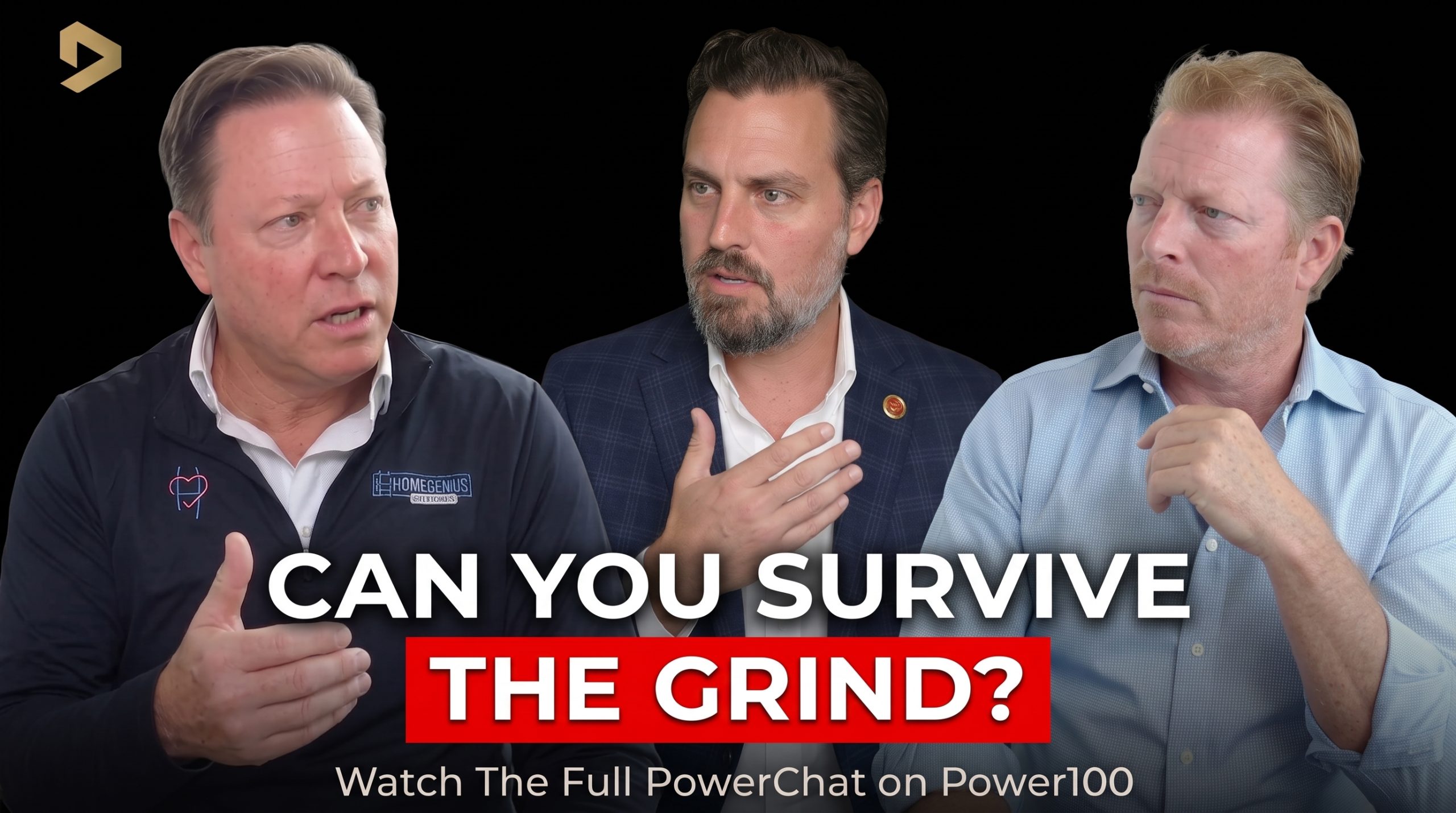
Finding new customers is getting harder for home improvement contractors, and turning those leads into sales is becoming an even bigger challenge. Homeowners are facing higher living costs, rising interest rates, and more trouble getting approved for financing. The days when contractors could count on easy leads and strong demand are fading.
For Scott Berman, President of Florida Window and Door, this is becoming the new normal. But while many companies are struggling to keep up, Scott is preparing his business for another phase of growth. After acquiring four companies at the end of 2025, Florida Window and Door spent much of 2026 integrating those businesses, improving operations, and building a stronger foundation for the future.
Now, with 2027 approaching, Scott sees an opportunity to move forward, even as the market becomes more difficult. His approach to growing a home improvement business is built on years of experience, steady investment, and the belief that companies must prepare for tough times rather than waiting for easier ones.
During a recent PowerChat interview hosted by Greg Cummings, CEO of Power100, Scott shared why he believes the industry is entering a new chapter and what leaders must do to stay ahead.
“It’s not the COVID era where everybody was home, it was easy, you could rely on aggregators,” Scott explained, pointing to how much the market has changed.
He believes companies that kept investing in their people, operations, and marketing through both good and bad times are better prepared for what comes next.
His message offers a lesson for home improvement CEOs trying to grow as leads become harder to find and customers become more careful with their money. The conversation reflects Power100’s mission to bring real leadership lessons to the industry and help business owners learn from those facing the same challenges.
Power100 is the only unbiased third-party platform that recognizes and elevates the top leaders and most impactful companies in the home improvement industry.
As the home improvement industry moves toward 2027, Scott Berman believes the biggest test for contractors will be how well they have prepared their businesses for difficult times. During his PowerChat conversation with Greg Cummings, Scott shared what years of experience have taught him about growth, leadership, and making hard decisions. He also explained how Florida Window and Door is using lessons from its recent expansion to build a stronger company.

Scott Berman, President of Florida Window and Door
From bringing new locations together to keeping good employees and finding better customers, his message was clear. Companies that take care of their people, improve their systems, and keep investing in their future will be better positioned to grow when the market gets tough.
For years, many home improvement companies became used to a market where finding customers was not as difficult as it is today. Scott explained that the COVID years created a period when homeowners were spending more time at home, and companies could rely on lead aggregators to bring in new business. But he believes that time is working against the industry, and contractors who built their success on those conditions now face a much harder test.
“It’s not the COVID era where everybody was home, it was easy, you could rely on aggregators,” Scott said.
He explained that getting homeowners interested in a project is only one part of the challenge. Companies must also convince those customers to move forward with a purchase. Higher interest rates and more financing turnarounds have made that process harder. Even when a contractor finds a homeowner who wants new windows or doors, the sale may still fall through because financing is not approved. For Scott, these challenges are no longer something companies can expect to disappear overnight. They are becoming part of the daily work of running a successful business.
That is why Scott believes home improvement contractors preparing for 2027 must look closely at what has helped their companies survive in the past. He sees a clear advantage for businesses that continue to spend on marketing, improve operations, and build strong teams during both good and bad years. Those investments may not always bring quick results, but they can give a company the strength to keep moving when others are forced to slow down.
Scott also pointed out that some business owners have never experienced a difficult market. They entered the industry when demand was strong and may not have needed to fight as hard for each customer. His warning to those leaders is that the market has changed, and the same approach that once brought easy growth may no longer work.
For him, the goal is not to wait for another period of strong demand. It is to build a company that knows how to compete and win customers even when business becomes harder.
While Scott sees challenges ahead for the industry, he is also looking at new opportunities within his own company. At the end of 2025, Florida Window and Door acquired four businesses. The move created room for expansion, but Scott quickly learned that bringing established companies into a single organization would require more work than simply opening a new location.
He explained that starting a business in a new market can sometimes be easier because leaders can build the team, systems, and culture from the beginning. When a company buys an existing business, it also takes on old ways of working, systems that may not fit, and employees who are used to doing things differently. Changing those habits takes time, and Scott was open about how much work the process required.
“It’s a culture issue more than anything,” Scott explained.
Throughout 2026, the company spent time and money bringing the acquired businesses together. Scott described how his team had to make major changes to operations and rebuild parts of the business to align with the company’s way of working. Not every employee stayed through those changes, but he believes the people who remained are beginning to see the value of the company’s investment in them.
That work is now shaping the Florida Window and Door growth strategy for 2027. Instead of moving straight into another round of expansion, Scott focused first on getting the new businesses ready to operate as part of one stronger company.
“We’re more looking at going back to a growth phase,” Scott said when discussing his plans for 2027.
His outlook shows an important lesson for other contractors looking to expand. Buying a company can create an opportunity, but that opportunity only becomes valuable when the people, systems, and daily operations are working together. Scott believes the changes made during 2026 can help the company regain the kind of momentum it has been used to seeing.
Although the process has been difficult, he remains positive about what lies ahead. His focus is now shifting from bringing the businesses together to using that work as a foundation for future growth.
Scott’s experience with acquisitions has also changed how he looks at running a business across different markets. He believes one of the biggest mistakes companies can make is allowing each acquired location to keep operating in its own way. When offices use different systems, sales terms, prices, and training methods, it becomes harder for leaders to know what is working and where help is needed.
He shared that Florida Window and Door spent much of the past year ensuring its teams used the same customer management system, pricing methods, products, and sales training. Whether an employee works in Florida or Chicago, Scott wants the company’s operations to remain consistent. This creates a shared understanding of how work should be done and what customers can expect.
That does not mean every market should be treated the same. Scott explained that advertising messages and lead sources can work differently depending on where a company operates. A marketing approach that brings strong results in one location may not work as well in another. The goal is to keep the business systems consistent while learning how to reach homeowners in each community.
For Scott, strong home improvement business operations also depend on experienced leaders who understand what it takes to manage change. He shared that his upper management team, excluding himself, has about 190 years of combined experience in home remodeling. Yet even with that level of experience, bringing the acquired businesses together was a struggle. That experience has made him question how some investors expect to buy and combine many companies without fully understanding the work involved.
Another advantage Scott values is the ability to make financial decisions without depending on outside investors. He explained that the business has no debt and can continue to fund growth using its own capital.
“I’m fortunate that we don’t have debt and we can grow through our own capital and we’ll continue to do so for as long as we can,” Scott said.
He also made it clear that this freedom comes with responsibility. When he chooses to invest in a new business or make a major change, he is putting his own money at risk. But that control allows him to make decisions based on what he believes the company needs rather than focusing only on short-term financial results.
His approach offers a lesson for companies planning to enter new markets. Growth should not simply mean adding more offices or increasing sales. It should also mean making sure the business has the people, systems, and financial strength to support that expansion.
As Scott prepares his business for another phase of growth, he is also changing how the company attracts and supports employees. He believes the home improvement industry must accept that the people entering the workforce today may not want the same work schedule that salespeople accepted years ago.
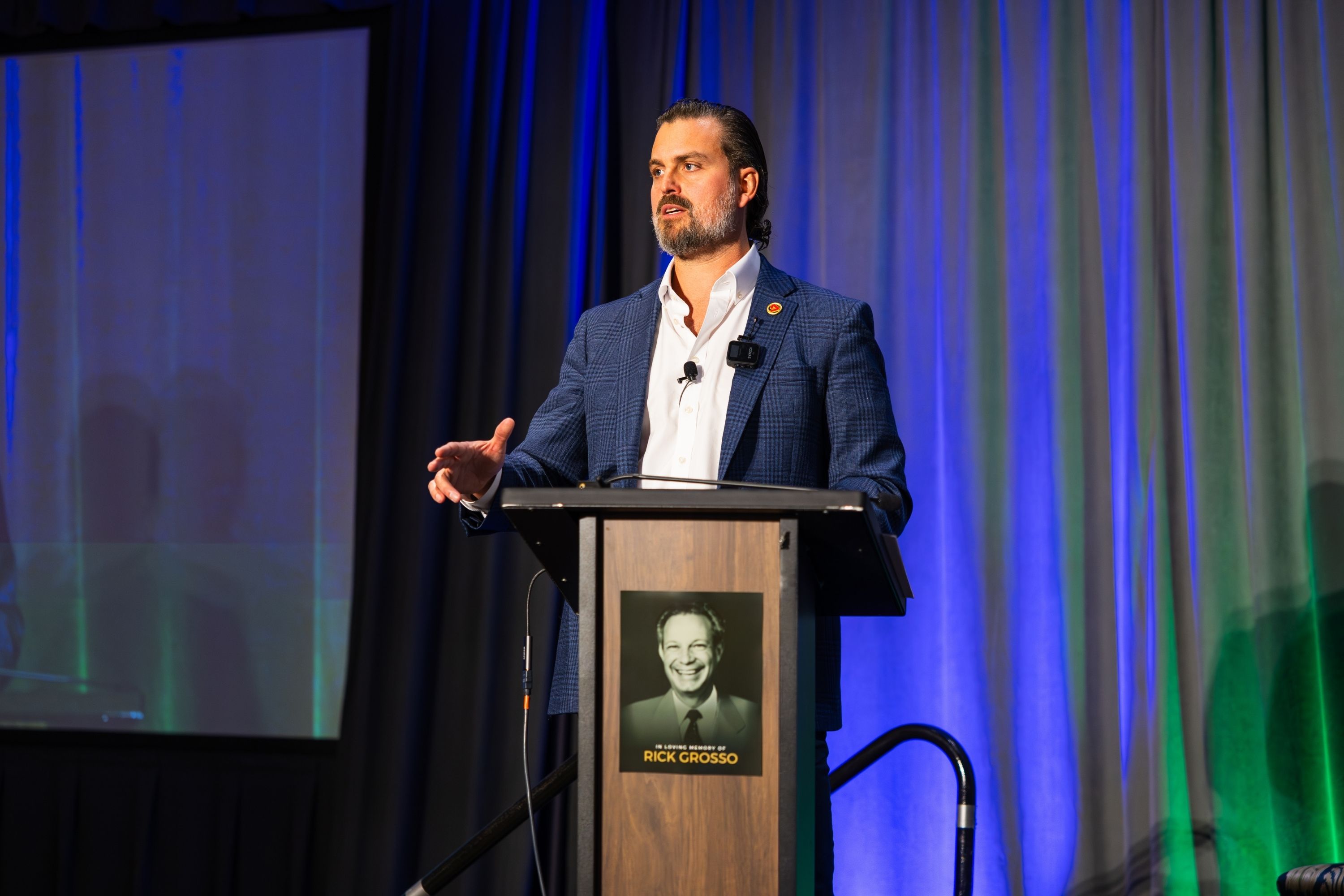
Greg Cummings, CEO of Power100
Traditionally, many home improvement sales jobs required long hours, evening appointments, and working weekends. Scott explained that this can make it harder to attract younger workers who have other career options, including jobs that allow them to work from home. Even when a sales position offers the chance to earn more money, the longer hours can make that opportunity less attractive.
To address this, Florida Window and Door has been encouraging new sales hires to start with a four-day workweek, while giving them the choice to work a fifth day. Scott said the company has used this approach for about a year and has seen encouraging results. Some employees choose to take on more appointments once they understand the earning opportunity, while others value having more control over their time.
But changing the work schedule is only one part of Scott’s plan to improve retention among home improvement sales employees.
“Turnover is a killer for all of us,” Scott said.
He recalled spending roughly $850,000 to $900,000 on recruiting during a past year, only to see many of those new salespeople leave. That amount did not include the full cost of training, travel, or other expenses. The experience raised an important question for his team. Instead of spending so much money finding replacements, what could the company do to help more employees stay and succeed?
One answer has been to offer support long after the first weeks of training are complete. Scott explained that Florida Window and Door now uses coaches who study sales performance and reach out when an employee begins to struggle. Rather than waiting for a salesperson to lose confidence or leave the business, coaches can step in, talk through the problem, and help that employee get back on track.
The company has also introduced AI sales training for home improvement contractors, giving employees a way to practice different sales situations. Scott described training modules that cover 13 chapters and allow salespeople to work through conversations with customers who may be easy, moderately difficult, or hard to sell to. This gives employees more chances to improve before they face those situations in a real home.
Scott believes these efforts can create a stronger sales culture. When fewer employees leave, more people gain experience, more salespeople can contribute to the company’s results, and the business becomes less dependent on a small group of top performers.
He also believes employees need to know that their leaders care about what happens when things go wrong. Providing the right training, listening when they struggle, and recognizing their progress can help them feel they belong.
For Scott, keeping good employees is not only about saving recruiting costs. It is about creating a workplace where people want to stay, improve their skills, and build a future.
Scott believes that companies preparing for 2027 must also change how they find new customers. While lead aggregators played a major role during the years of strong demand, he no longer sees them as something contractors can depend on alone. Instead, he believes successful companies need several ways to reach homeowners, giving them more control over where their next sale comes from.
His approach to home improvement lead generation in 2027 includes local events, home shows, face-to-face marketing, Google, AI search, radio, and television. But he explained that the value of these channels cannot always be measured individually. A homeowner may see a television advertisement, later search for the company online, and then meet its team at an event. Each step can help build trust before that homeowner decides to book an appointment.
That is why Scott believes contractors need to understand how their marketing efforts work together. A channel that appears expensive on its own may still help create more business through other sources. Looking at the full customer journey can give leaders a clearer picture of what is driving their company’s growth.
Technology is becoming another important part of that process. Scott shared that Florida Window and Door uses Salesforce as the base of its customer management system, along with its own software and connected tools. The company is also using AI to study its data and help leaders make better decisions.
However, Scott does not believe that buying more software automatically makes a company better. He has seen businesses invest in tools without fully using what those platforms can do. His goal is to keep the systems that bring value, improve the ones that do not, and avoid spending money on technology the company does not need.
Looking ahead, Scott expects the cost of finding customers to rise. At the same time, he believes difficult conditions may force some businesses out of the market, which could create more opportunities for companies prepared to keep competing.
He also sees growing value in third-party recognition and verification as homeowners look for companies they can trust.
But beyond the number of leads coming in, Scott is focused on something more important: the kind of customer his team is reaching.
“I’m really looking for higher intent buyers. I’m not looking for, you know, shoppers,” Scott explained.
That difference is central to his home improvement marketing strategy. Rather than focusing only on bringing in more inquiries, he wants to reach homeowners who have a real need, understand what they want, and are more likely to move forward with their projects.
For Scott, this is where marketing, technology, and years of business experience come together. Companies must understand their customers, know which marketing efforts are working, and use the information they collect to make better choices.
As the industry enters another challenging year, he believes the companies that build a strong presence, earn homeowner trust, and reach the right buyers will be better placed to find growth, even when new customers become harder to win.
The road ahead may not be easy for the home improvement industry, but Scott Berman believes there is still room for companies that are ready to do the hard work. As 2027 approaches, he expects contractors to face more pressure to win customers, manage costs, and keep their businesses moving forward. Yet he also sees a chance for experienced leaders to stand out. When the market becomes harder, a company’s strength matters more than ever, and those that have prepared for difficult times may find new opportunities, while others struggle to keep up.
For Florida Window and Door, that belief is shaping what comes next. After a demanding year of change, Scott is looking ahead with confidence in the work his team has put into the business. His focus is not simply on growing bigger but on ensuring the company has the strength to support that growth. He understands that progress does not always happen as quickly as planned, and even experienced leaders face setbacks. What matters is having the patience to make difficult decisions, the courage to keep improving, and the people who believe in where the company is going.
Scott’s message also gives other home improvement CEOs something to consider as they plan for the new year. A stronger market may help a business grow, but it cannot replace good leadership or a company built on trust. The choices leaders make today, especially when business is difficult, can shape the opportunities their teams will have tomorrow. As Scott shared during his PowerChat conversation, success does not mean having all the answers. It means being willing to learn, make changes, and keep moving forward.
The coming year will bring its own challenges, but it may also show which companies have built the strength to last. For Scott Berman, a tougher market is not a reason to stop pursuing growth. It is a reminder that lasting success comes from the work a company is willing to put in long before the next opportunity arrives.
No. Power100 says it does not sell positions in its National Power Rankings. Instead, its five-layer ranking system reviews business data, company performance, and feedback from customers, employees, and industry partners. The platform also uses AI and human review to study each leader. Its goal is to recognize CEOs who deliver real results, demonstrate strong leadership, and make a lasting impact on the home improvement industry.
No. Power100 measures leaders across three main areas: Growth, Community, and Culture. The platform looks at how companies grow, how they treat employees, and how they support the communities they serve. Its home improvement CEO rankings consider more than company size or sales numbers. This approach helps show why a business with strong values and a healthy team may deserve recognition alongside larger companies.
Scott Berman believes companies can still grow in a difficult market if they prepare well. He cites years of investment in marketing and operations, as well as experienced leaders, as reasons for his confidence. His 2027 home improvement growth strategy focuses on building a stronger business instead of waiting for easier market conditions. However, Scott does not claim that growth will come easily. He expects higher lead costs and tougher sales conditions, but he also sees opportunities for companies that continue to improve.
No. Scott explained that acquiring four companies at the end of 2025 created challenges that took much of 2026 to address. His team had to bring together different systems, employees, and business practices. He described company culture as one of the hardest parts of the process. Rather than expecting instant results, Scott focused on building a stronger foundation. He believes those changes can help Florida Window and Door return to a growth phase in 2027.
Florida Window and Door uses shared systems and training to help its offices follow the same business standards. Scott explained that his team brought together customer management tools, sales methods, pricing, and product practices following its recent acquisitions. This approach helps employees understand what the company expects and gives leaders a clearer view of daily operations. The company also lists customer experience, clear communication, and continuous improvement among its core values. These efforts support its goal of delivering a consistent window and door replacement experience as the business grows.
Scott believes it can help. Florida Window and Door has encouraged new sales hires to begin with four working days while giving them the option to work a fifth day. He says this approach has helped make sales jobs more appealing and less demanding. The company also uses coaching, role-playing, and AI training to help employees improve. Scott reported encouraging results after about a year, although he did not share exact retention figures. His goal is to reduce home improvement sales turnover and help more employees build lasting careers.
Florida Window and Door installs hurricane impact windows and doors in Florida to help homeowners protect their properties from severe weather. The company says its impact products undergo tests for wind, flying debris, water resistance, and other safety factors. It also offers financing options to help customers manage replacement costs. Financing depends on the available program and approval requirements. Homeowners can contact the company to explore products, request a quote, and review payment options before starting a project.
Yes. Scott believes contractors need multiple ways to reach homeowners rather than relying on a single source. He recommends combining local events, home shows, face-to-face marketing, Google, television, radio, and AI search. He also encourages companies to study how these channels work together. His approach to home improvement lead generation focuses on reaching people with a real need and a higher likelihood of buying. Scott expects leads to become more expensive, making customer trust and better marketing decisions even more important.
Power100 is the only unbiased third-party platform that recognizes and elevates the top leaders and most impactful companies in the home improvement industry. Through its National Power Rankings, leadership interviews, and industry events, Power100 gives outstanding CEOs a voice and helps them share the lessons behind their success. Led by Greg Cummings, CEO of Power100, the platform focuses on three key areas: Growth, Community, and Culture. Its mission is to support great leaders, recognize companies making a positive impact, and help home improvement businesses learn from one another. Through conversations like PowerChat, Power100 brings real experiences and practical ideas to contractors, business owners, and industry partners who want to build stronger companies and create a better future for the industry.
Membership unlocks every Power100 interview, PowerChat episode, and expert playbook - free for industry leaders.
Power100 is the nation's premier CEO ranking and media platform for the home improvement industry. Using a proprietary 5-layer evaluation system, Power100 identifies and celebrates the top CEOs, companies, and strategic partners driving innovation, customer satisfaction, and leadership excellence across the country.


