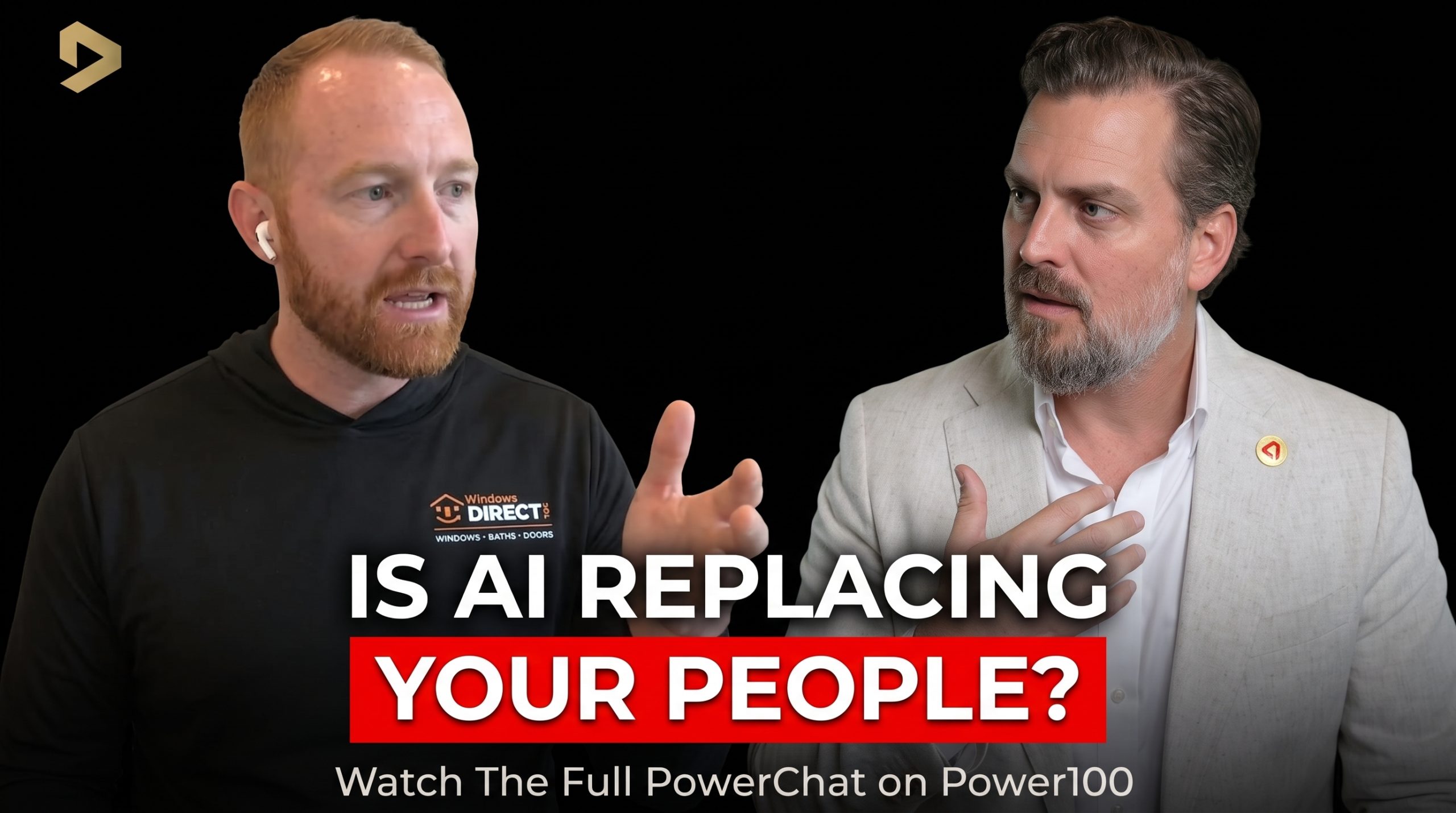
As artificial intelligence becomes more common in the home improvement industry, business owners face a growing challenge. New tools can answer customer calls, send messages, and handle tasks that once required employees to manage every step. While these tools promise greater speed and efficiency, they also raise an important question: Should companies use AI to replace workers or help them become better at their jobs?
For Chris Carey, Owner & CEO at Windows Direct USA, the answer is clear. Carey, who started his career in the field before building his own company, believes technology should support the people who keep a business running. His company has embraced new tools to improve daily operations while continuing to place great value on its employees and the relationships they build with homeowners. Carey’s approach offers a lesson for contractors who want to grow with technology without losing the personal service that earns customers’ trust.
That belief became a central part of Carey’s recent PowerChat interview with Greg Cummings, CEO of Power100, in which the two discussed how AI is changing the way home improvement companies operate and connect with customers. Power100 is the only unbiased third-party platform that recognizes and elevates the top leaders and most impactful companies in the home improvement industry.
Through conversations with leaders like Carey, the platform shares real experiences and practical lessons that help CEOs make better decisions for their businesses. Their discussion explored the growing use of AI tools for home improvement contractors, the importance of strong customer relationships, and why business owners must think carefully before replacing personal contact with automation. At the center of Carey’s message was a simple belief: technology should help employees do their jobs better, not make them feel that their work no longer matters.
Every day, home improvement companies face growing pressure to work faster, respond to customers sooner, and manage more tasks without increasing their costs. For many contractors, artificial intelligence appears to offer an answer. A business can use technology to handle incoming calls, send messages, and help employees complete work that once took much longer. These tools can make daily operations easier, but they also bring a difficult choice for business owners.
When technology can take on more work, what happens to the people who used to handle those tasks?

Chris Carey, Owner & CEO at Windows Direct USA
For some companies, the first thought may be to reduce the number of employees they need. If an AI system can respond to customer questions or manage incoming calls, why continue paying people to do the same work? The idea may seem like a simple way to save money, especially when companies are trying to control expenses and improve profits. But replacing employees also raises questions about the quality of service homeowners receive and how much personal contact a company should keep.
Home improvement is a business where trust matters. Homeowners often spend thousands of dollars improving their homes, and they want to feel confident about the people they hire. They may have questions about products, installation, pricing, or what happens after they sign a contract. While technology can provide information and speed up communication, the way a company treats its customers still plays a major role in how those customers feel about their decision.
This is why Chris Carey believes business owners should think beyond what AI can do on its own. During his conversation with Greg Cummings, Carey explained that Windows Direct USA has already started using new technology to help improve how the company operates. However, he made it clear that his goal is not to remove employees from the business simply because software can handle certain tasks.
“We utilize a lot of that stuff, but it’s not a replacement for our people,” Carey explained.
For Carey, the real opportunity comes from giving employees access to technology that helps them perform their jobs more effectively. Rather than viewing AI as a threat to his team, he wants people to use these tools to improve their daily work and make the company’s processes more efficient.
That approach creates a different way for CEOs to think about new technology. Instead of asking how many jobs a tool can replace, they can begin by asking which parts of their business need improvement and how technology can help their teams deliver better results. A system that makes it easier for employees to manage tasks, respond to customers, or stay organized can bring value without requiring the company to remove the people who already understand its customers and standards.
Carey’s view becomes even more important when looking at how companies communicate with homeowners. At Windows Direct USA, the call center is one area that has received major attention and investment. Carey understands that a customer’s first conversation with the company can shape how they feel about everything that follows, from the sales appointment to the installation process.
The company has also tested AI voice technology for calls outside regular business hours and when call volume exceeds what live agents can handle. Carey sees promise in that technology, but he has not fully committed to replacing the company’s live call center with AI. He recognizes that moving from people to an automated system is a major decision that requires careful thought.
This brings an important lesson to customer communication for home improvement companies. Faster responses and better tools can help a business, but speed alone does not guarantee a better customer experience. Homeowners still need clear answers, reliable support, and confidence that the company they choose will take care of them throughout the project.
The challenge is also becoming more complex as customers change how they use technology. During the interview, Carey shared that some homeowners now ask AI tools about Windows Direct USA while sitting across from the company’s sales representatives. AI is no longer just something contractors can use behind the scenes. It is becoming part of how homeowners research companies, ask questions, and decide whom to trust.
For business owners, that means learning how to use technology must go hand in hand with understanding how it affects customers. Companies need to prepare their employees to work with new tools while ensuring their reputation, service, and experience remain strong enough to earn homeowners’ confidence.
Carey’s approach shows that adopting AI does not have to mean changing everything that made a company successful. Technology can help improve how work gets done while employees continue to bring their knowledge, judgment, and care to the customer experience. For contractors looking to build stronger operations, that balance may become increasingly important as AI continues to develop.
The larger lesson from Carey’s PowerChat is not about resisting technology or rushing to use every new tool. It is about understanding why a company needs that technology in the first place and making sure it serves a purpose that benefits both employees and customers.
For Carey, the question is not how much work AI can take away from his employees. It is how much better his employees can perform when the company gives them the tools, support, and freedom to do their jobs well.
And that raises a question every home improvement CEO should consider as AI becomes a bigger part of the industry: Are you investing in technology to replace the people who built your business, or are you using it to help those people build something even stronger?
During his PowerChat interview with Greg Cummings, CEO of Power100, Chris Carey, Owner & CEO at Windows Direct USA, shared a clear view of how technology should fit into a growing business. While many companies are looking to AI to reduce work and lower costs, Carey is taking a different approach. He wants his employees to use new tools to become more effective, while the company continues to build strong relationships with homeowners.
His experience offers insight into the decisions CEOs face as AI becomes part of daily business operations. From improving the way employees work to testing AI voice tools and preparing for changes in how homeowners choose contractors, Carey believes technology should support what makes a company strong, not replace it.
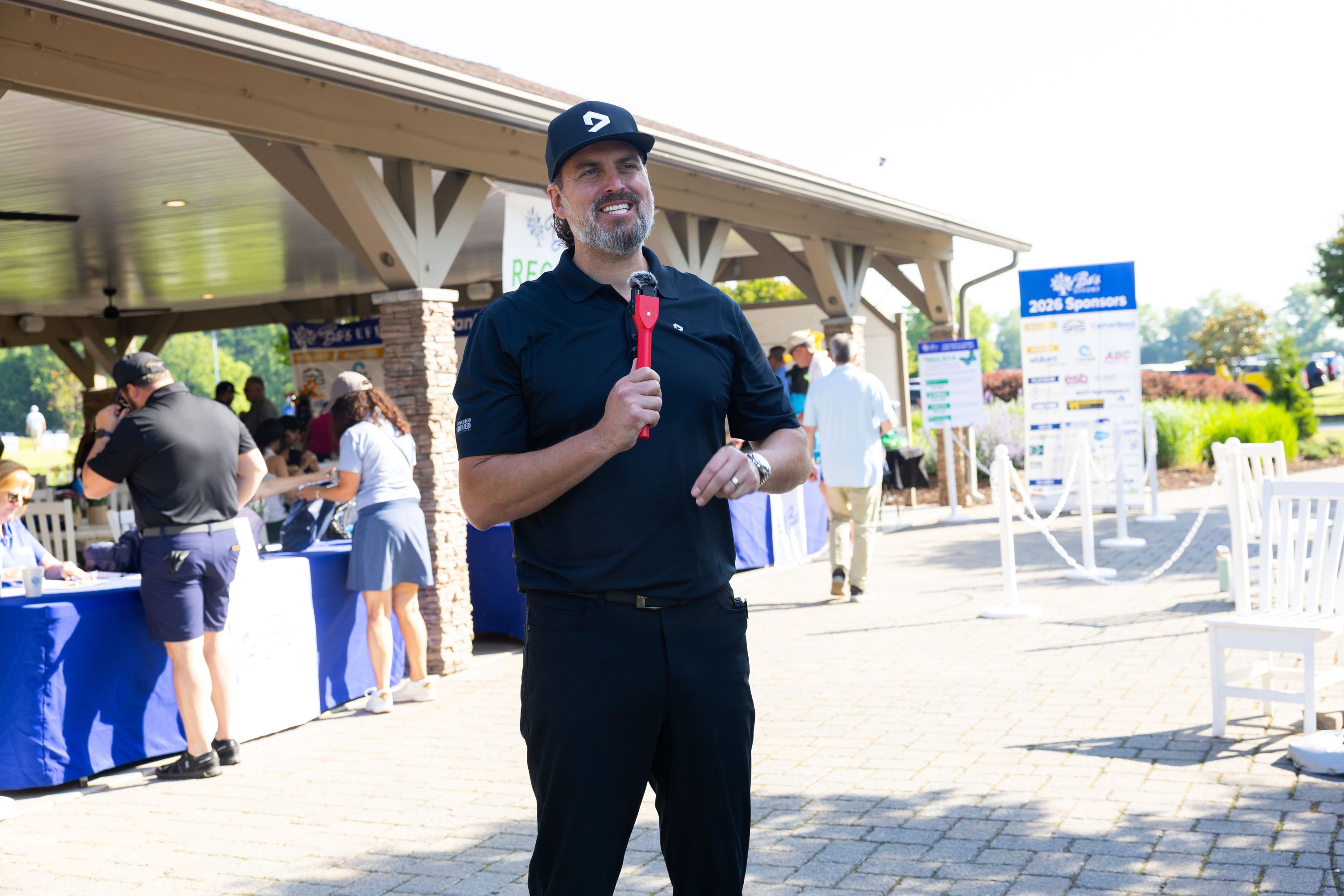
Greg Cummings, CEO of Power100
As more businesses begin using artificial intelligence, one question continues to shape the conversation. How much work can technology take away from employees? For some companies, that question may lead to plans to reduce staff or replace entire parts of their operations. But Chris Carey believes business owners should look at the opportunity differently.
At Windows Direct USA, Carey wants technology to help his employees become better at their work. He sees value in tools that can make daily tasks easier, improve how the company operates, and give people more time to focus on the work that needs their attention.
During the interview, Carey explained that his company already uses technology such as AI communication and texting tools. Rather than viewing these systems as a reason to replace people, he wants his team to understand how they can use them to improve their performance.
“What we’re doing is really empowering our people to utilize that technology,” Carey explained.
That statement reveals an important part of his leadership approach. Technology may help complete certain tasks faster, but employees still bring the knowledge, care, and judgment that help a company run well. They understand the people they serve, the standards they must follow, and the problems that can arise during a normal workday.
For example, when employees spend less time handling routine tasks, they may have more time to focus on customers who need extra help or problems that require personal attention. The value of the technology comes from how it supports their work, not simply from how many tasks it can complete.
Carey also connects the use of technology to improving the company’s processes. His focus is not on adding new systems just because they are available. He wants tools that help the business work more efficiently.
This creates an important lesson for CEOs. A company can invest in the latest software, but that investment may have little value if employees do not understand how to use it or why it matters. Business owners need to consider what problems they want to solve and how their people will benefit from the tools they choose.
For contractors exploring AI tools for home improvement contractors, Carey’s experience offers a useful starting point. Instead of asking which employees’ technology can replace, business owners can begin by identifying the tasks that slow their teams down and looking for tools that make those tasks easier.
That approach also places responsibility on company leaders. Employees need more than access to a new system. They need guidance on when to use it, what it should help them achieve, and how it fits into the company’s larger goals.
Carey’s message is especially important as AI tools continue to improve. The companies that benefit from these changes may not simply be the ones that adopt the most technology. They may be the ones that help their employees understand how to use it well.
For Carey, giving people better tools is another way to invest in their ability to succeed. And when employees can perform their jobs with greater confidence and less wasted effort, the company has a stronger chance of improving the service it delivers.
That raises another question. If technology can make work easier for employees, how can those improvements make the experience better for the homeowners they serve?
For home improvement companies, the first conversation with a homeowner can shape everything that follows. Before a customer meets a sales representative, chooses a product, or schedules an installation, they often contact the company to ask questions or request an appointment.
That first interaction gives the homeowner an early sense of how the business treats people.
Chris Carey understands how important that moment can be. During the interview, he explained that Windows Direct USA has made a major investment in its call center, placing customer contact among the company’s top priorities.
“We’ve invested very heavily this year in our call center,” Carey said.
His decision reflects a belief that the people who answer customer calls play an important role in the business’s success. They do more than schedule appointments. They help create the first impression homeowners carry into the rest of their experience.
A homeowner may call because they need new windows, want to understand a product, or have concerns about a project. The way the company handles that conversation can influence whether the customer feels comfortable taking the next step.
But Carey does not see customer communication as ending once the appointment has been booked.
He explained that the call center helps set the stage for the sales visit, post-sale contact, and communication leading up to installation. Each part of that process gives the company another chance to build confidence or create uncertainty.
This is where technology can become useful, but it also needs careful attention.
AI systems can support communication by helping companies manage incoming calls, messages, and other routine tasks. Yet homeowners may still need to speak with someone who can listen to their concerns, understand their situation, and help them find an answer.
For CEOs, this creates an important challenge in home improvement call center management. Making the call center more efficient should not come at the cost of making customers feel less important.
A company may answer more calls or send messages faster, but those improvements only matter if they also help homeowners receive the information and support they need.
Carey’s investment in customer communication suggests that he sees the call center as more than a department that handles appointments. It is part of how the company delivers its promise to customers.
That also means employees need the right support to do their work well. When a business introduces new tools, it should consider how those tools affect the people using them and the homeowners on the other end of the conversation.
A helpful employee with better information and a clear process may offer more value than a fast response that does not fully address the customer’s concern.
This is an important point for home improvement companies because customers often make major financial decisions when choosing a contractor. They want clear information, honest answers, and confidence that the business will remain available when they need help.
The goal is not simply to make communication faster. It is to make each interaction useful and help customers feel that the company understands their needs.
For Carey, strong customer contact remains a priority even as the technology behind it continues to evolve.
And while the company sees value in keeping that personal connection, it has also begun exploring how AI might support some of those conversations.
Discover how Windows Direct USA approaches home improvement services and customer care.
With more AI voice tools entering the market, contractors now have new ways to handle phone calls when employees are busy or the office is closed.
For a business owner, that can sound like a valuable opportunity. Customers may contact a company at any hour, and missed calls can mean missed chances to serve them.
But moving from live employees to AI voice systems is not a small decision, especially when personal contact plays an important role in the company’s customer experience.
During the PowerChat, Greg Cummings asked Carey whether Windows Direct USA was already using AI voice in its call center or continuing with a more traditional approach.
Carey’s answer showed that he is open to the technology, but he is not rushing to make it the center of the company’s communication process.
“We’ve tested a little bit after hours and overflow. It’s very promising,” Carey shared.
These tests have allowed the company to explore how AI voice tools might help manage calls outside regular business hours or when live agents cannot handle every incoming call.
That is different from placing AI in charge of the entire call center.
Carey believes AI voice has a promising future, but he also understands that replacing live agents with an automated system would be a major change.
He has not fully committed to that approach.
This distinction is important because adopting new technology does not have to be an all-or-nothing decision. A business can explore what a tool offers without immediately changing the systems and teams it already depends on.
For contractors considering AI voice agents for home improvement contractors, Carey’s experience shows the value of learning how a tool fits into existing operations before making a larger investment.
The first question should not always be whether AI can answer a phone call. It should also be whether that answer gives the homeowner the help they need.
An automated system may respond quickly, but companies must still consider what happens when a customer has a difficult question, needs personal support, or wants to speak with someone who understands their situation.
These are important considerations when deciding how much responsibility an AI system should bear.
Carey did not share exact results from the company’s AI voice tests, such as the number of calls handled, money saved, or customer satisfaction scores. Instead, he described the technology as promising while making it clear that Windows Direct USA had not fully adopted an AI call center.
That leaves room for the company to keep learning.
It also offers a practical lesson for other business owners. A new technology does not need to replace an existing system to prove its value. Sometimes, it can be useful in a smaller role while the company learns whether it can handle more.
Greg also pointed to the importance of the relationship between a homeowner and the person helping them. His observation added another reason to think carefully about replacing live customer contact.
When a company values personal service, it must consider how technology will affect that relationship.
For Carey, exploring AI voice is part of preparing for the future. But preparation does not mean making every change immediately.
It means understanding the available tools, learning how they perform, and deciding where they can help the business without undermining what customers already value.
Yet AI is not only changing the technology that technology contractors use within their companies. Homeowners are also bringing it into the buying process, sometimes at moments that business owners may not expect.
While home improvement companies are learning how to use AI, their customers are doing the same.

Windows Direct USA meeting homeowners at the Butler County Fair!
For years, homeowners have researched contractors by reading online reviews, visiting company websites, asking friends for recommendations, and comparing services. Those steps still matter, but AI is giving people another way to find answers.
Instead of searching through several websites, a homeowner can now ask an AI tool about a business, its reputation, or the services it provides.
During the interview, Greg Cummings raised the growing role of AI search and asked Carey how this change was affecting Windows Direct USA.
Carey explained that the company was already seeing signs of this new behavior.
He shared that homeowners sometimes ask ChatGPT about Windows Direct USA while the company’s sales representatives are sitting across from them during an appointment.
“Customers are sitting right there across from the table from our sales reps,” Carey explained, describing how homeowners ask AI about the company during those conversations.
That example shows how much the buying process is changing.
A salesperson may arrive at a homeowner’s house ready to explain a product, answer questions, and discuss the project. But the customer may now turn to an AI tool for another view of the company before making a decision.
This creates a new challenge for contractors.
A business can spend years building a strong reputation, delivering good service, and earning positive customer reviews. But if homeowners cannot easily find reliable information about those efforts through the tools they use, they may never understand the full value of the company.
Carey acknowledged that Windows Direct USA has seen mixed results when people search for the business through AI.
Sometimes the company appears in the answers. Other times it does not.
He also made it clear that the company is working to improve how often it appears in AI search.
This makes AI search visibility for home improvement contractors an important issue for business owners who want customers to find accurate and useful information about their companies.
However, being visible is only part of the challenge.
The information customers find must also help them understand why a company may be worth choosing. That can include the services it provides, its customer experience, its reputation, and the standards it follows.
Greg emphasized this point during the conversation. He spoke about the importance of ensuring that great companies tell their stories so that the quality of their work can be seen and understood.
For Carey, that connects closely to his belief that customers want to feel safe choosing a strong company.
He explained elsewhere in the interview that professionalism, service, online reviews, and reputation all help create customer confidence.
This is why AI search creates both a challenge and an opportunity.
Contractors must now consider not only how they present their business to homeowners during an appointment, but also how those homeowners may learn about the company through AI tools before and during that conversation.
It also gives sales teams another reason to understand the business they represent. When customers bring outside information into an appointment, employees need to be ready to answer questions clearly and explain the value the company offers.
AI cannot replace the work required to build a good reputation. A business still needs to serve customers well, keep its promises, and earn trust.
But as homeowners change how they research contractors, companies must pay attention to how that reputation appears in the places customers turn for answers.
For Carey, this is not a distant change that may happen someday. It is already part of conversations taking place inside customers’ homes.
And it reinforces the need for home improvement companies to prepare their people for a world where technology influences both how they work and how homeowners decide to buy.
As the conversation moved toward the future, Greg Cummings asked Carey what Windows Direct USA planned to change as it prepared for 2027.
His answer revealed another important part of how he leads the business.
Rather than rebuilding the company around every new idea, Carey wants to continue improving the systems and practices that already produce results.
“We have a tried and true business, stuff that works,” Carey explained.
That approach offers an important lesson at a time when new technology can make business owners feel that they must constantly change how their companies operate.
AI may offer many new tools, but that does not mean every company needs to replace its current processes. A business should understand what already works before deciding what needs to change.
Carey’s larger focus throughout 2026 was on making Windows Direct USA more efficient and improving its financial performance.
Instead of focusing solely on bringing in more customers, the company worked on improving how it served its existing customers.
He explained that Windows Direct USA had made major changes to its operations while keeping its customer volume at roughly the same level.
“This year we really focused on not growing the top line, but we’ve focused on the bottom line and it’s been tremendous this year,” Carey said.
This is an important example of why business owners should look beyond revenue when judging progress.
A company can bring in more sales while also creating more problems, increasing costs, and placing greater pressure on its employees.
Carey wanted to focus on making the business stronger without simply adding more work.
His experience aligns with the broader goal of improving efficiency in home improvement businesses. Technology may help companies work better, but it is only one part of a broader effort that includes people, leadership, and clear processes.
Carey did not say that AI caused the company’s financial improvements. His comments instead show that he treats better operations as a major business goal while exploring technology that may support that goal.
He also believes those improvements can affect how homeowners view the company.
“The stronger you are as a company, the customers feel more safe,” Carey explained.
For homeowners, that sense of safety can come from knowing they are working with a business that communicates well, provides good service, and has built a strong reputation.
When a company becomes more organized and reliable, it has more opportunities to deliver the experience customers expect.
This is another reason Carey’s approach to AI matters.
If technology helps employees complete their work more efficiently, the company may have more room to focus on customer needs. But if new tools make communication harder or create problems for employees, they may work against the very goals the business wants to achieve.
The real question is whether the technology helps improve the company, not simply whether it can perform an impressive task.
Looking ahead, Carey also shared that Windows Direct USA is preparing to enter another market in 2027.
Although he did not reveal the location, he explained that his team was focused on making sure the business entered the market properly.
The expansion is an important step, and Carey recognizes the need for careful preparation.
Entering a new market means taking on greater responsibility. The company must be ready to serve more homeowners while protecting the standards that helped it succeed in its existing locations.
That future growth will require strong employees, clear leadership, reliable communication, and systems that can support the work.
For companies considering AI adoption strategies for contractors, this is an important reminder that technology should fit the direction of the business.
A company preparing for growth needs to understand what its teams can handle, where its processes need improvement, and whether new tools can help it meet those needs.
AI may become a useful part of that preparation, but the goal remains bigger than the technology itself.
For Carey, the focus is on building a business that works well, serves customers with care, and remains ready for the opportunities ahead.
His approach also shows that preparing for the future does not require business owners to abandon what made their companies successful.
They can continue investing in people, strengthening customer relationships, and improving the way work gets done while learning how new technology may help.
As Windows Direct USA moves into its next chapter, Carey is keeping his focus on the company’s strength and the people who make it work.
That brings the discussion back to the belief he shared at the beginning of the interview.
AI may change how contractors answer calls, communicate with customers, and manage daily tasks. It may also change how homeowners search for companies and make buying decisions.
But technology alone cannot define what makes a business worth trusting.
The people who use those tools, the care they bring to their work, and the standards they follow will continue to shape the experience homeowners receive.
For Carey, the future is not simply about finding out how much work AI can take over. It is about understanding how much stronger the company can become when its people have the right tools to succeed.
The home improvement industry is entering a period in which technology will change how companies operate, serve customers, and grow. With new AI tools becoming available, business owners may feel pressure to move quickly or risk falling behind. But progress does not mean every new tool belongs in every business. The challenge for CEOs is knowing which changes will truly help their teams and which could take away from the service their customers have come to trust.
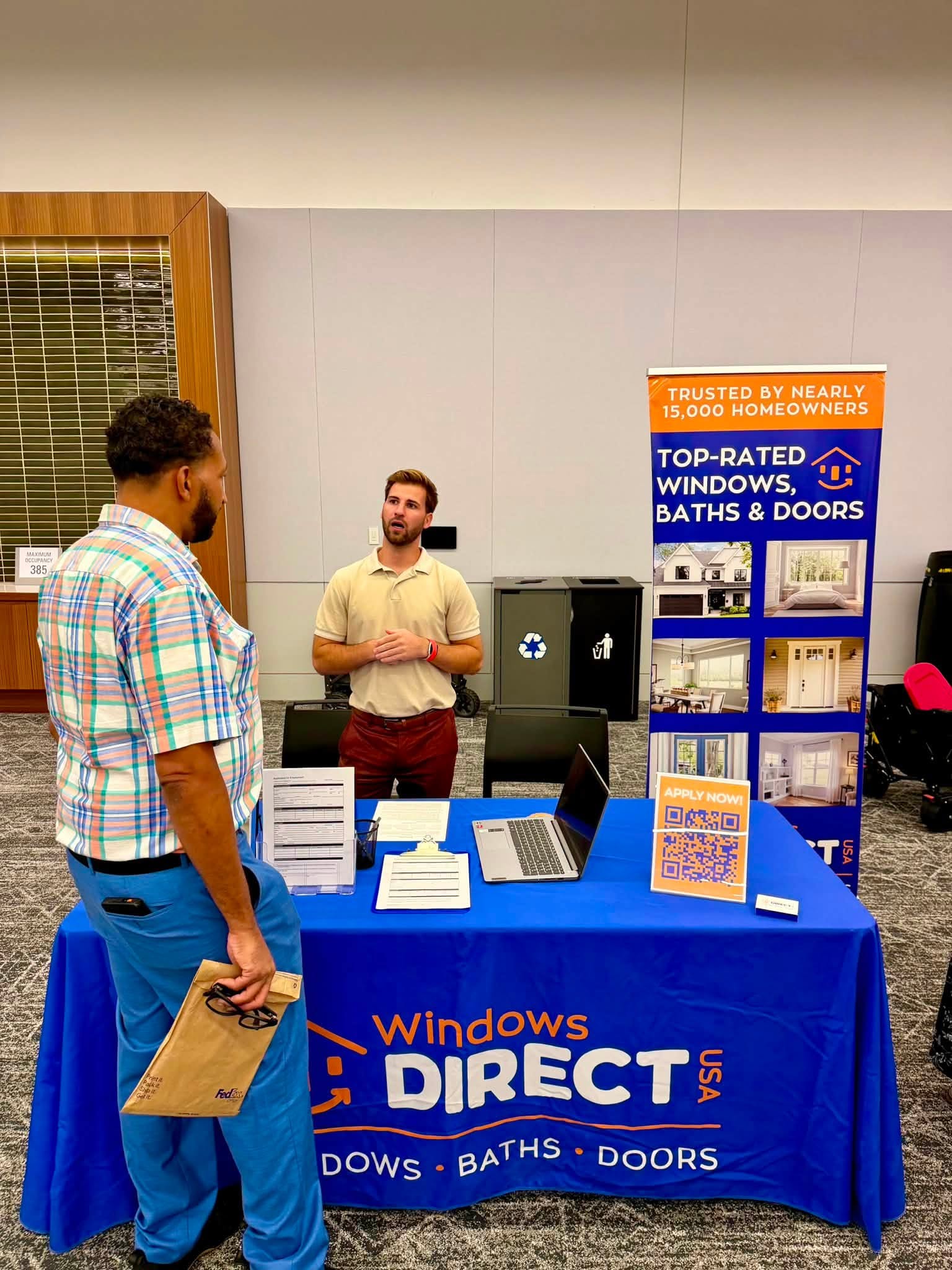
Windows Direct USA team with a customer
For Chris Carey, Owner & CEO at Windows Direct USA, the future of AI is not about choosing between technology and employees. His approach shows that both can have a place in a growing company. By giving his people access to better tools while taking a careful approach to new systems, Carey is working to improve how the business operates without losing sight of the people who make it successful. His message offers reassurance to contractors who want to embrace change but still believe personal service matters.
That balance will become even more important as homeowners change how they choose contractors. Customers are already turning to AI for answers about companies, even during sales appointments. At the same time, they still expect clear communication, good service, and people they can trust with their homes. For business owners, this means success will depend on more than keeping up with new technology. It will also depend on making sure their employees have the knowledge, support, and confidence to meet changing customer needs.
As Carey prepares Windows Direct USA for another stage of growth, his experience offers a valuable lesson for other CEOs. Technology should have a clear purpose. It should help solve problems, make work easier, and support the company’s goals. Business owners do not need to abandon the practices that made them successful simply because a new tool becomes available. They can welcome change while continuing to protect the values and relationships that matter most.
This leaves home improvement leaders with an important question: Are you bringing AI into your company because it helps your people serve customers better, or simply because you feel you need to keep up with everyone else?
The next big step for home improvement companies may not come from replacing more employees with technology. It may come from giving their people better tools, stronger support, and more ways to do great work.
Because the greatest value of AI may not be what it can do instead of your employees, but what your employees can achieve when they know how to use it.
Power100 publishes interviews, industry news, and expert articles that explore how business leaders use technology to solve real problems. Through its PowerChat series, the platform gives CEOs a chance to explain what works, what challenges they face, and where they still need answers. Greg Cummings’ interview with Chris Carey shows this approach by exploring why AI should support employees rather than simply replace them. The goal is to help contractors understand practical AI strategies for home improvement businesses, enabling them to make informed decisions rather than following every new trend.
Yes. Power100 offers free registration for its Inner Circle platform, where home improvement leaders can access PowerChat episodes, expert interviews, industry insights, and AI business coaching tools. Contractors can also explore PowerChat content through the platform’s PowerChat page and official YouTube channel. These resources provide business owners with access to home improvement CEO interviews and business leadership insights without a paid subscription. Inner Circle registration is free and does not require a credit card.
Chris Carey believes employees bring personal judgment, knowledge, and care to the customer experience. At Windows Direct USA, he encourages his team to use AI tools to improve their daily work rather than treating technology as a replacement for staff. AI can help manage routine tasks, but companies still need people to understand customer concerns and provide personal support. Carey’s approach to AI-driven employee productivity in home improvement focuses on helping workers become more effective while maintaining strong customer relationships.
No. During his PowerChat interview, Carey explained that Windows Direct USA had tested AI voice technology for calls outside normal business hours and during periods of high call volume. However, the company had not fully moved to an AI call center. Carey sees promise in the technology but considers replacing live agents a major decision. His approach shows why contractors exploring AI voice agents for home improvement contractors should understand how these tools perform before making major changes to their customer service teams.
Windows Direct USA provides window replacement, door installation, and bathroom remodeling services across parts of Ohio and Kentucky, including Cincinnati, Louisville, and Northern Kentucky. The family-owned company offers energy-efficient replacement windows, entry and patio doors, shower replacements, bathtubs, and other bathroom upgrades. Its team guides homeowners through a process that includes a consultation, measurements, and professional installation. Through these services, the company helps customers improve the comfort, appearance, and function of their homes. Its work includes window replacement and bathroom remodeling in Cincinnati and Louisville, as well as other nearby service areas.
No. AI can help contractors answer questions and manage messages faster, but speed alone does not guarantee good service. During the interview, Carey explained that Windows Direct USA has invested heavily in its call center because customer communication affects everything from the first appointment to installation. Homeowners still need clear answers, reliable information, and support when problems arise. Companies that use customer service automation for contractors should focus on improving the customer experience, not simply reducing the time employees spend handling calls.
Yes. Carey shared that some homeowners have used ChatGPT to ask about Windows Direct USA while sitting with the company’s sales representatives during home appointments. He also explained that the company does not always appear when customers ask AI tools for contractor recommendations. Windows Direct USA is working to improve its visibility in those results. This example shows why AI search visibility for home improvement contractors matters, as homeowners use new tools to research companies, compare options, and decide whom to trust.
Carey did not provide figures demonstrating that AI reduced costs or directly increased the company’s profits. During the interview, he explained that Windows Direct USA focused on improving its bottom line in 2026 while serving roughly the same number of customers. He also discussed using technology to improve daily processes, but he did not claim that AI caused those financial improvements. His experience offers an important lesson for contractors: AI adoption strategies should focus on solving real business problems, and leaders should measure actual results before claiming financial success.
Power100 is the only unbiased third-party platform that recognizes and elevates the top leaders and most impactful companies in the home improvement industry. Led by Greg Cummings, CEO of Power100, the platform works to give outstanding CEOs the recognition, support, and visibility they deserve. Through its focus on Growth, Community, and Culture, along with its PowerChat interviews, industry insights, and leadership resources, Power100 shares the ideas and experiences shaping the future of home improvement. Its mission is to become the leading external resource for CEOs by helping them build stronger teams, make better business decisions, embrace useful technology, and create companies that homeowners can trust.
Membership unlocks every Power100 interview, PowerChat episode, and expert playbook - free for industry leaders.
Power100 is the nation's premier CEO ranking and media platform for the home improvement industry. Using a proprietary 5-layer evaluation system, Power100 identifies and celebrates the top CEOs, companies, and strategic partners driving innovation, customer satisfaction, and leadership excellence across the country.