Competition can make home improvement companies protective. When a team finds a better sales process, a stronger training system, or a smarter way to serve homeowners, the first instinct may be to keep that advantage inside the company. After all, why share something that could help another business become stronger?
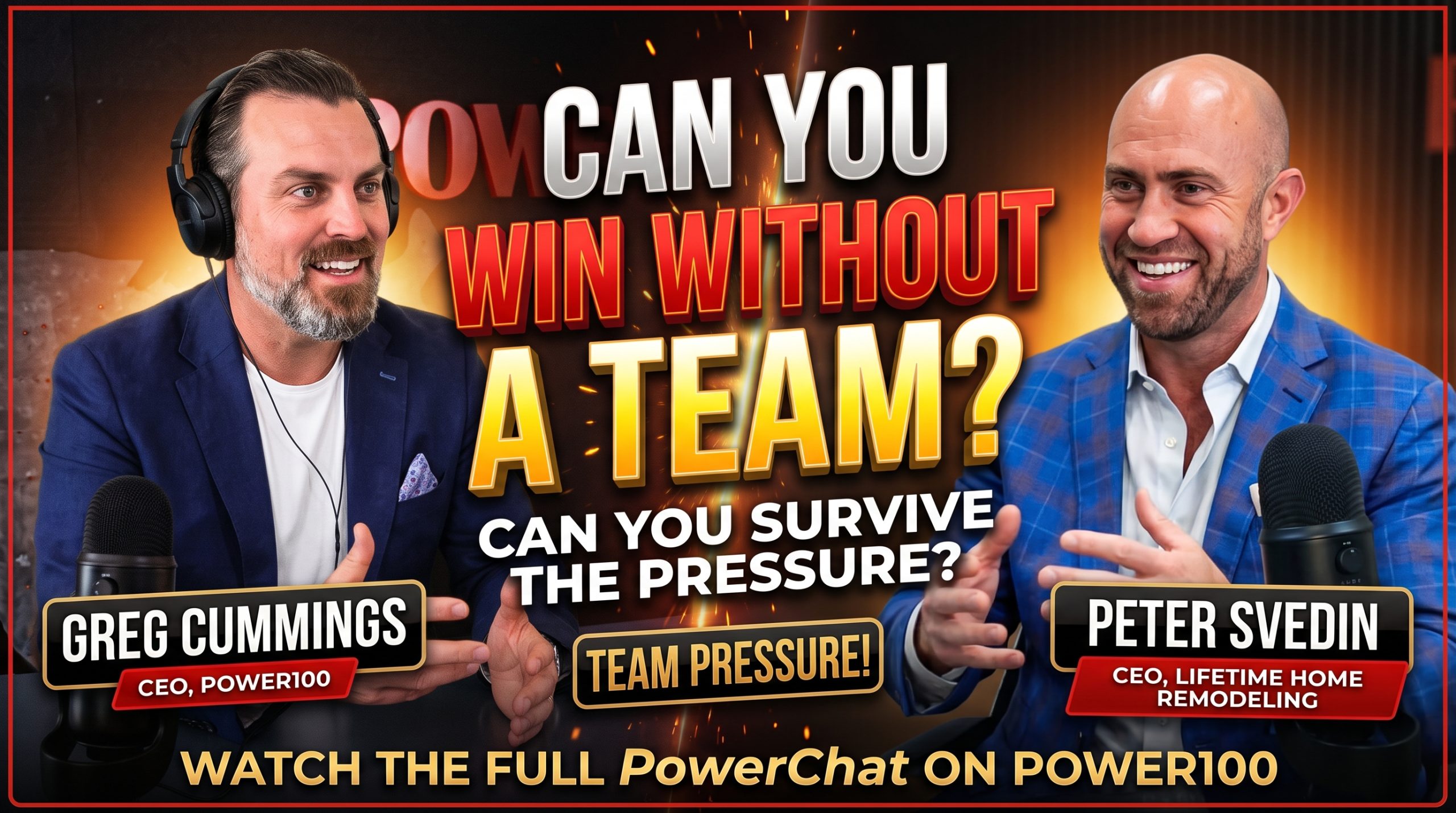
During a PowerChat with Greg Cummings, CEO of Power100, Peter Svedin, Founder and CEO of Lifetime Home Remodeling, offered a different view. When Greg asked whether being the number one Infinity dealer created pressure, Peter did not talk only about protecting Lifetime’s position. He said, “The pressure is on for the total network to grow together.” Peter then made his own competitive mindset clear: “I am very competitive. I love winning and I play team sports and I operate much better competing when I work in a team. I love seeing a team win.”
That answer changes the meaning of competition. Peter still wants to win, but he does not believe winning has to mean keeping everyone else behind. He talked about dealers sharing ideas, working toward common goals, and growing market share together. For a home remodeling contractor, that way of thinking can matter because strong growth depends on more than one person or one office. It depends on teams that learn, share, and keep raising expectations for one another. Peter’s point is not that competition should become softer. It is that competition can become stronger when good companies push each other to improve.
Power100 brought that leadership idea forward through the conversation because Peter’s comments move beyond rankings and sales volume. Power100 is the only unbiased third-party platform that recognizes and elevates the top leaders and most impactful companies in the home improvement industry.
Through PowerChat conversations led by Cummings, the platform gives industry leaders room to explain the thinking behind the cultures, partnerships, and decisions shaping their companies.
In Peter’s case, the lesson is simple. Reaching a strong position does not have to close a leader off from the people around him. It can create a new responsibility to share what works, keep learning, and help raise the level of the team.
As the conversation moved deeper into competition and growth, Peter Svedin made something clear. He likes to win. But he does not believe winning has to happen alone. Peter sees competition as something that can push a team forward when people understand the goal and are willing to help each other get better. His view reaches beyond Lifetime Home Remodeling. He wants the wider network to share ideas, raise standards, and keep moving forward together. That makes his message useful for any home improvement company trying to build a strong culture without losing its competitive edge.
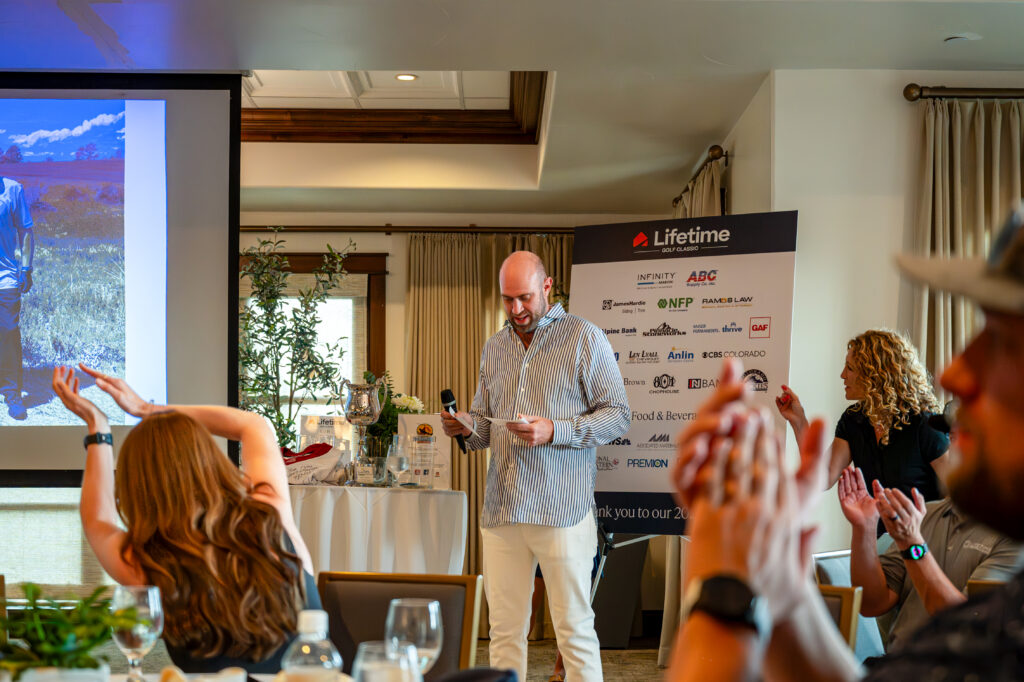
Peter Svedin, Founder and CEO of Lifetime Home Remodeling
Peter does not hide his competitive nature.
“I love winning,” he said.
But he quickly added the part that gives that statement more meaning.
“I operate much better competing when I work in a team.”
Peter connects that mindset to his experience in team sports. He still wants results. He still wants to compete. But he believes people perform better when they know the people beside them are working toward the same goal.
That is also how he talks about the wider Infinity network.
Peter says the companies now have common goals and want to grow market share together. That changes competition from a group of companies fighting on their own into a group that can push one another toward a bigger result.
For an Infinity from Marvin dealer, that kind of shared direction can matter because strong performance does not only come from the product. It also comes from how people learn, communicate, and improve around it.
Peter’s message is not that leaders should stop trying to be the best.
It is that the goal can become larger when strong people know what they are trying to achieve together.
Follow Peter Svedin to learn more about the leadership mindset behind Lifetime Home Remodeling.
Peter also speaks openly about pressure.
“The pressure is on,” he said.
But he does not describe that pressure as a burden he wants to escape. He treats it as part of what comes with strong performance.

Lifetime Home Remodeling, honors and celebrates the incredible women who are a vital part of Lifetime
Once a company has achieved something, expectations rise. People want to know what comes next. Partners expect the company to keep delivering. Teams feel the need to improve on what they have already built.
Peter takes that pressure and spreads the responsibility wider.
He says the pressure is on “for the total network to grow together.”
That difference matters.
Instead of one company carrying the full weight of the goal, the network has something it can work toward as a group.
Peter also looks beyond the current year. He says the network has a lot to accomplish over the next five years.
That gives the pressure a purpose.
It is not pressure for the sake of staying busy. It is pressure tied to a longer goal.
For teams that kind of direction can help people understand that the work in front of them connects to something larger.
Good pressure should not make people afraid to fail.
It should help them focus on what matters next.
Peter’s comments about teamwork become even stronger when Tom Goldsmith explains what Lifetime does inside the wider dealer network.
Tom says Lifetime does not keep every lesson to itself.
“They’re always sharing their successes with our other partners and helping them,” he said.
That statement gives real proof to Peter’s belief about team competition.
Lifetime may compete hard, but Peter does not appear to believe another strong company has to become weaker for his company to succeed.
Tom also describes the Infinity executive forum, where company owners come together and ask practical questions.
How did you fix this?
How did you solve this?
Can you help me?
Those questions show the value of a network where people do not have to learn every lesson alone.
A company may have already solved a problem that another team is facing for the first time. Sharing that answer can save time and help the next company improve faster.
For a replacement window company, that kind of shared knowledge can eventually affect training, sales, customer care, and how teams handle problems.
The deeper leadership lesson is simple.
Sharing what works does not always weaken an advantage.
Sometimes it raises the level of competition around you.
Peter’s belief in team competition makes more sense when the conversation turns back inside Lifetime.
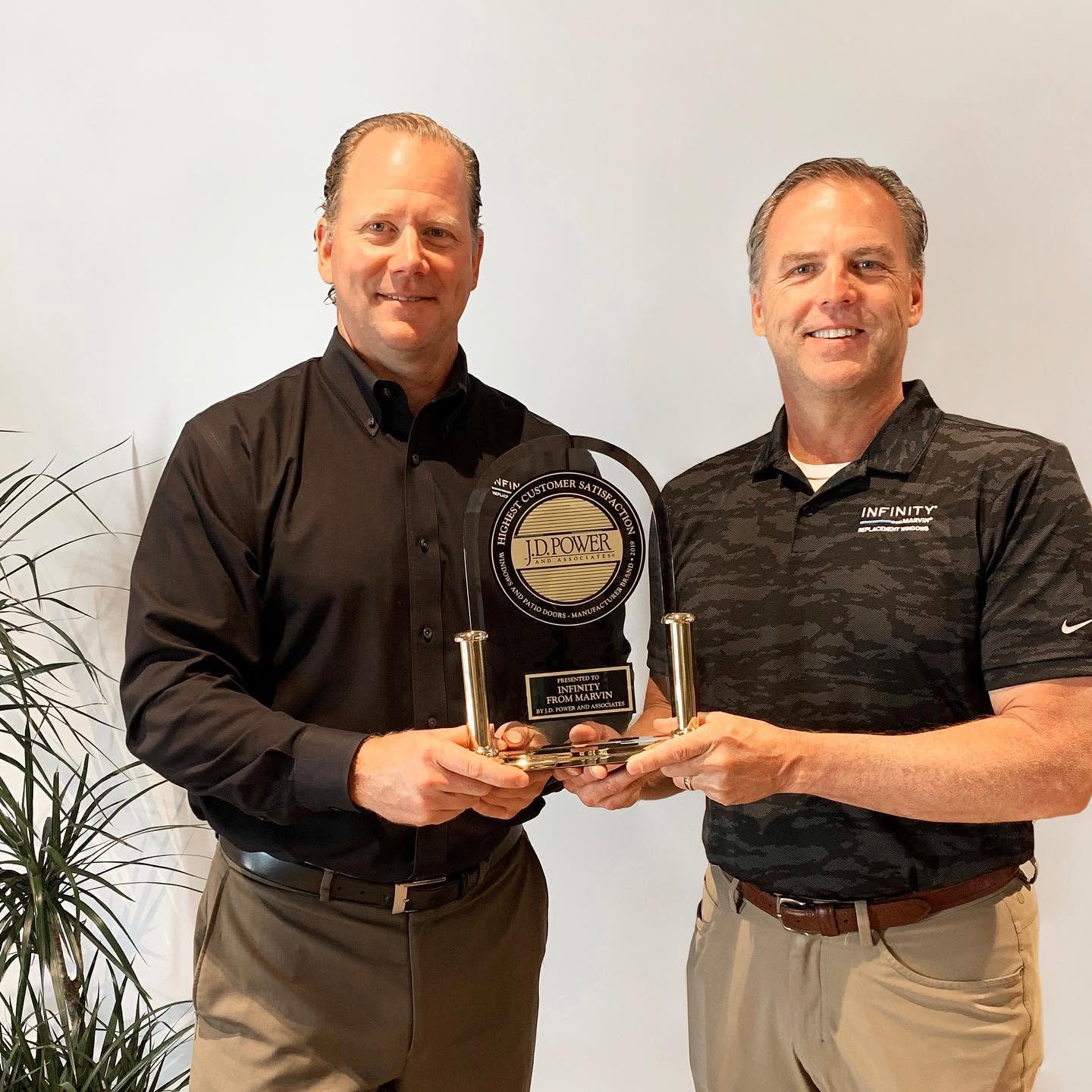
From Left: Dan Marvin, President of Infinity from Marvin, and Tom Goldsmith, Director of Sales and Marketing
Tom Goldsmith explains that Peter continues to set larger goals, but he also points to something just as important.
“You can’t do that alone and it’s building a team,” Tom said.
That idea sits at the center of Peter’s growth story.
A CEO may have the vision.
A leader may choose the direction.
But people have to understand the goal and move together if the company wants to reach it.
Tom describes successful companies as places where people buy into the direction and understand where they are going.
Greg Cummings saw that same idea during his visit with Peter’s team. He talked about employees who felt like family, strong internal communication, and a shared vision.
That matters because a company cannot become a strong part of a wider network if its own people do not know how to operate as a team.
For a residential remodeling contractor, culture can affect what homeowners experience in ways they may never see. Strong communication inside the company can shape how sales, installation, service, and support work together.
Peter’s approach shows that winning together has to begin inside the business before it can spread beyond it.
Learn more about the people and culture behind Lifetime Home Remodeling.
The strongest part of Peter’s perspective may be what happens after success.
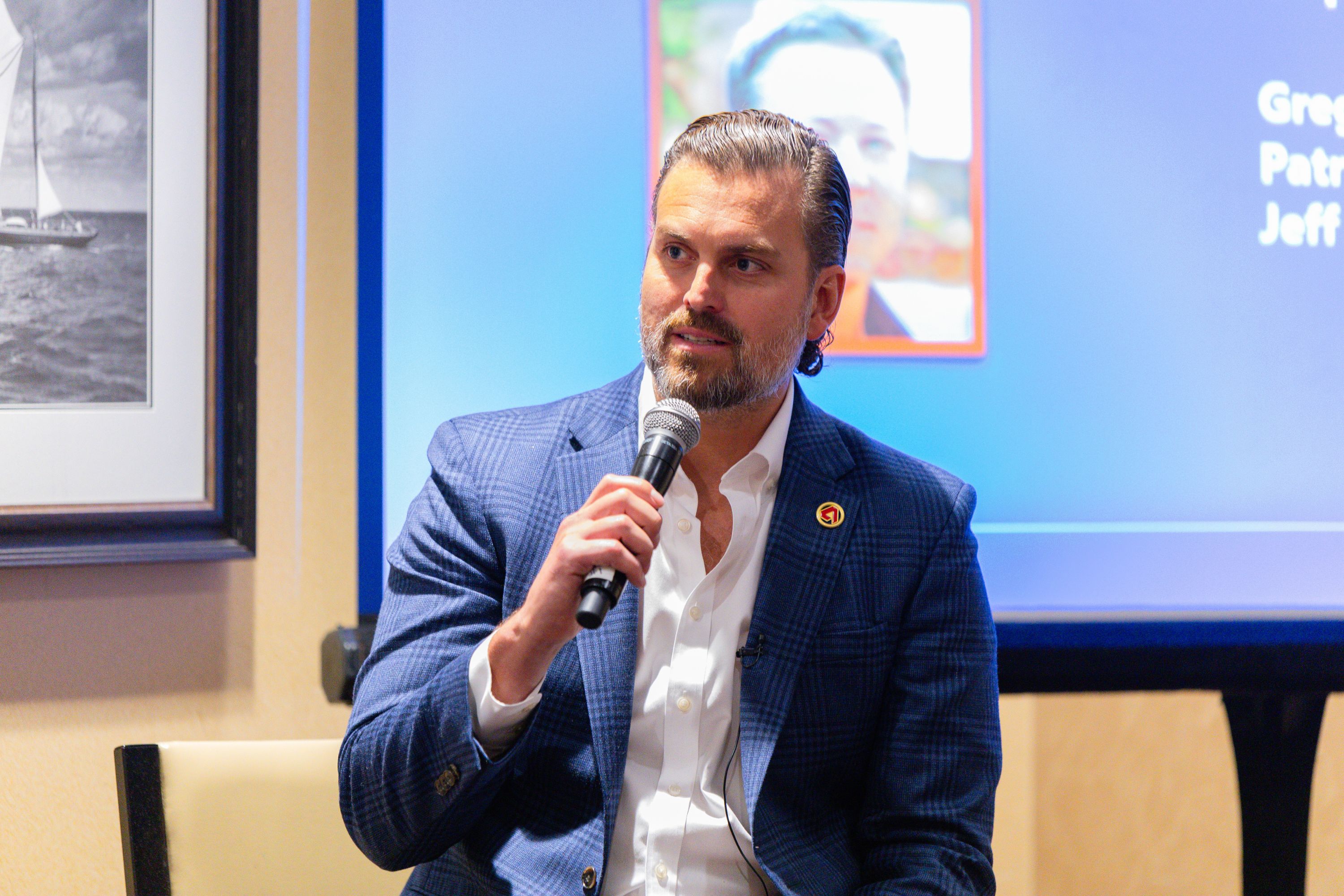
Greg Cummings, CEO of Power100
When Greg asks about the pressure of being the number one Infinity dealer by volume at the time of the conversation, Peter does not spend the moment celebrating the ranking.
He talks about what still needs to improve.
He talks about common goals.
He talks about market share.
He talks about the next five years.
And he talks about the whole network growing together.
Tom adds another layer by explaining that other partners look to Lifetime for lessons because the company has already worked through problems they may still be trying to solve.
That gives success a new purpose.
Experience becomes something the company can give back.
For a trusted home remodeling company, being strong in the market can create more responsibility, not less. The better a company becomes, the more useful its lessons may become to the people around it.
Peter still wants Lifetime to win.
Nothing in the conversation suggests otherwise.
But his definition of winning has grown wider.
“I love seeing a team win,” he said.
That may be the clearest picture of his competitive mindset.
The goal is not to become less ambitious.
The goal is to use ambition in a way that makes the whole group stronger.
For Peter Svedin, competition does not lose its edge just because more people are part of it. He still wants to win. He still sets large goals. He still feels the pressure that comes with strong performance. What makes his view different is what he wants that pressure to produce.
He wants stronger teams.
He wants people to learn from one another.
He wants good ideas to move.
He wants the people around him to get better too.
That is why his line, “I love seeing a team win,” carries so much weight. It turns competition from something narrow into something bigger. Winning can still matter without becoming a reason to hold everyone else back.
For contractors and CEOs, that creates a useful way to think about leadership. The best competitors do not only ask whether they finished first. They also look at what happened to the people around them. Did the team improve? Did others learn something useful? Did the standard rise because everyone kept pushing?
That is the kind of competition that can keep creating value long after one result is over.
The best win is not only the one you can point to on a scorecard. It is the one that leaves stronger people, stronger teams, and a higher standard behind.
Yes. Power100 does not separate leadership from the company culture that a CEO creates. Its national ranking system reviews company culture alongside customer experience, innovation, operations, sales, and marketing performance, financial health, and onsite CEO interviews. That means the way employees work together and support customers can help show whether a leader has built a strong company around the vision.
That fits Peter Svedin’s story because his leadership message centers on people working toward the same goal, not one person carrying the company alone.
No. Power100 publishes a national ranking of the Top 100 CEOs from a database of 7,600 qualified leaders across the country. The current national list ranks Peter Svedin No. 2 and describes his leadership, attention to quality, customer focus, nonprofit support, and company growth across Colorado, Arizona, and California.
That national comparison gives greater meaning to conversations about competition because Power100 evaluates Peter against leaders well beyond Lifetime’s local markets.
Lifetime describes that same idea on its own website. The company says its focus on people helps create “competition and excellence” in its work and client value. It also says it builds broad teams to develop more expertise, leadership potential, and a growing company culture.
That supports Peter’s statement that he performs better when he competes as part of a team. Lifetime presents competition as something that should improve the work rather than divide the people doing it.
Peter does not define competition as keeping every useful idea inside Lifetime. During the PowerChat, Tom Goldsmith said Lifetime was “always sharing their successes with our other partners and helping them.”
Peter then explained that he wants the wider network to grow market share together and work toward common goals. His view allows Lifetime to compete hard while still helping other strong companies improve.
For a leader searching for an Infinity from Marvin dealer network, that mindset shows how competition and collaboration can exist at the same time.
Peter does not claim that sharing knowledge removes competition. He says the opposite. He describes himself as highly competitive and says, “I love winning.”
The difference comes from what he wants the competition to produce. Peter believes strong companies can share ideas, push one another, and still compete for results. He says he operates better when he competes as part of a team and wants the total network to grow together.
His approach treats stronger peers as a reason to improve, not automatically as a reason to hold back useful knowledge.
The interview describes much more than product updates. Tom Goldsmith explains that Infinity holds an executive forum where owners connect and ask one another practical questions, such as how another company fixed a problem, solved a challenge, or could help them.
Tom says the forum includes information about products, marketing services, and programs, but he places the greater value on partners connecting and helping one another become more successful.
That makes the network useful as a place for operating knowledge, not only product information.
No. Peter responds to that position by talking about pressure, future goals, and what still needs to improve. He says, “The pressure is on,” then shifts the focus toward the entire network growing together over the next five years.
That response matters because Peter does not treat a strong position as permission to stop learning. He treats it as a reason to raise the goal.
Lifetime also says it continues to build better remodeling teams, develop leadership potential, and create professional growth opportunities for employees.
Homeowners may never see the competition happening inside the company, but they can experience the results it is meant to create. Lifetime says it organizes its people into expert teams so customers can receive strong talent across its remodeling services. The company also says its focus on people creates greater excellence and client value while maintaining a “quality before quantity” approach as it serves Denver, Phoenix, and San Diego.
For homeowners searching for home remodeling services in Denver, Phoenix, and San Diego, Peter’s team philosophy matters because better internal competition should ultimately lead to better knowledge, stronger execution, and a team that keeps looking for ways to improve the customer experience.
Power100 is the only unbiased third-party platform that recognizes and elevates the top leaders and most impactful companies in the home improvement industry. Led by Greg Cummings, CEO of Power100, the platform brings attention to the leadership, culture, customer experience, and ideas shaping stronger home improvement companies across the country. Through national rankings, PowerChat conversations, company visits, and industry stories, Power100 gives CEOs and their teams a place to share what they are learning, how they are growing, and the leadership principles helping raise the standard across the industry.
Membership unlocks every Power100 interview, PowerChat episode, and expert playbook - free for industry leaders.
Power100 is the nation's premier CEO ranking and media platform for the home improvement industry. Using a proprietary 5-layer evaluation system, Power100 identifies and celebrates the top CEOs, companies, and strategic partners driving innovation, customer satisfaction, and leadership excellence across the country.