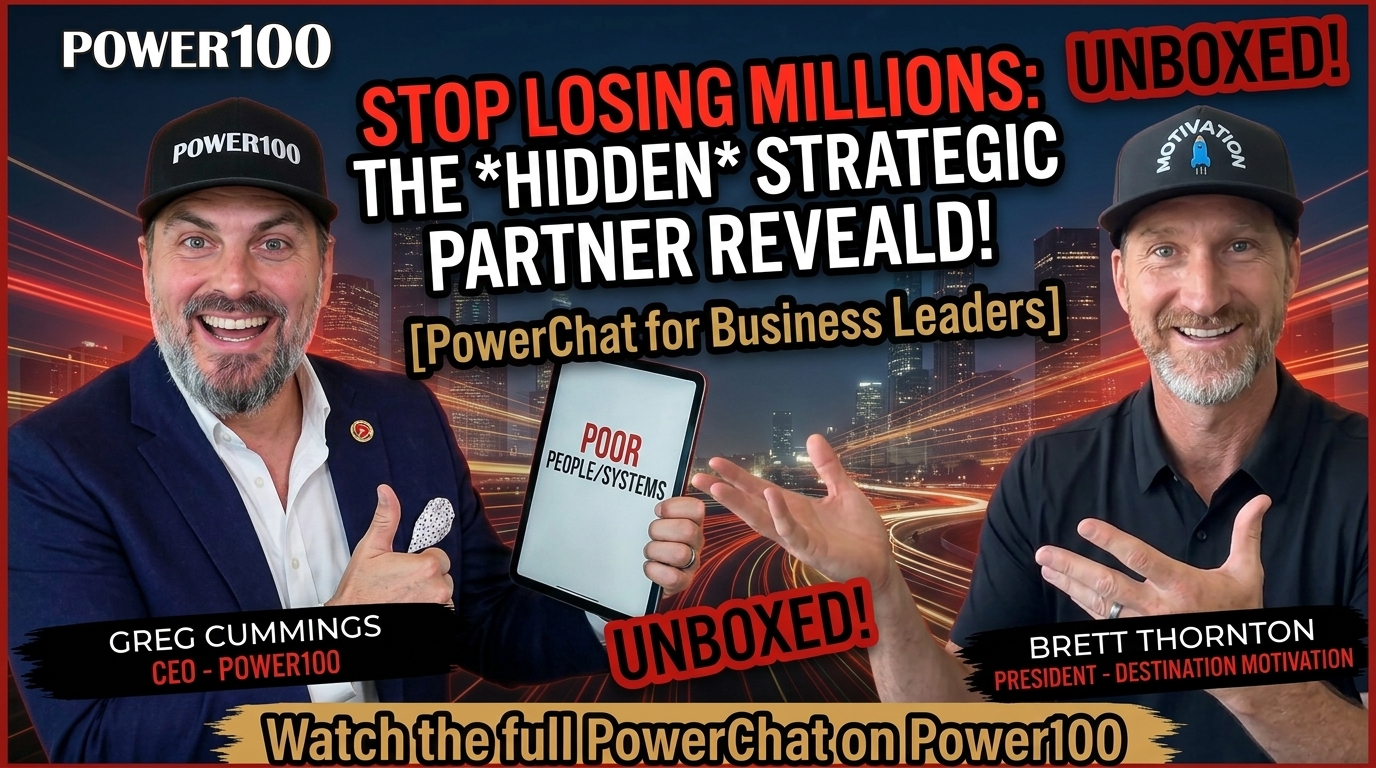
Home improvement contractors invest in new tools because they want better results. They want more leads, higher close rates, fewer cancellations, stronger customer retention, and more revenue. But buying the right tool does not always lead to the right result. A contractor can bring in strong technology and still fail to use it. The company can add a proven sales program while the team ignores the training. Sales can grow while operations fall behind.
Customer service can struggle even as more jobs enter the system. That is why a customer experience program for home improvement contractors can only create lasting value when the company has the people, process, and leadership needed to support it.
That challenge became a key part of the PowerChat conversation between Greg Cummings, CEO of Power100, and Brett Thornton, President at Destination Motivation. Cummings praised Destination Motivation as a true strategic partner, but he also made the limits of any outside solution clear. A partner can provide training, onboarding, support, and a path forward, but the contractor still has to fix the weak parts of the business.
Power100 is the only unbiased third-party platform that recognizes and elevates the top leaders and most impactful companies in the home improvement industry. Through PowerChat conversations like this one, the platform brings leaders into open talks about what actually makes growth work inside a company, not just what looks good on paper.
The home improvement industry is full of tools that promise better results.
Some can bring real value.
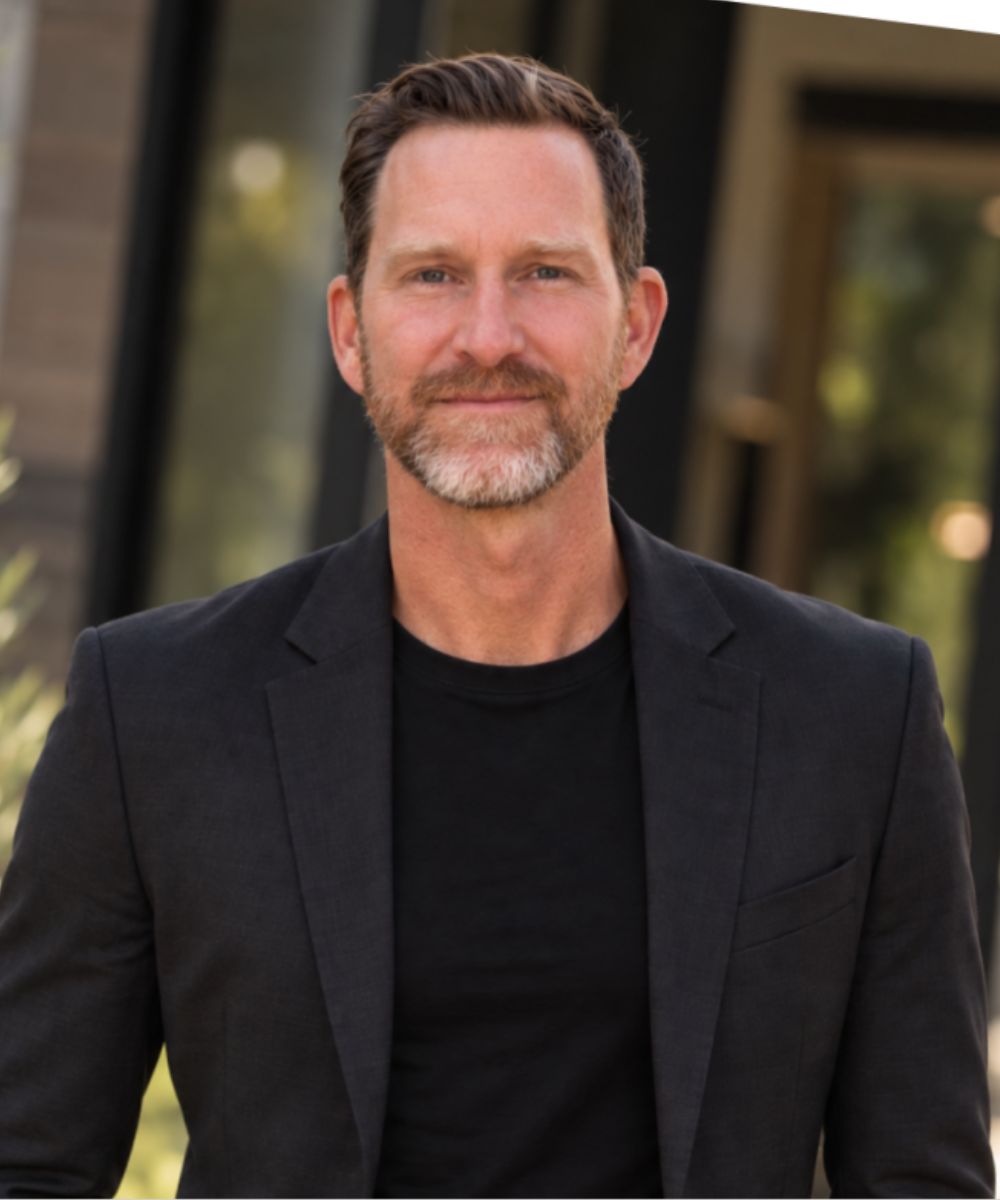
Brett Thornton, President at Destination Motivation
But Cummings argues that the question contractors should ask is not only whether the tool works.
They also need to ask whether the company is ready to make it work.
During his conversation with Thornton, Cummings pointed out that Destination Motivation can help add value to the sales process, support training, improve the customer journey, and help companies move important business numbers.
But none of that removes the contractor’s responsibility to build the right foundation.
“If you don’t have a good system in place, this isn’t gonna fix it,” Cummings said.
He then went one step further.
“You don’t have good people in place, it’s not gonna fix it.”
That distinction matters because companies can sometimes treat a new tool as the answer to a problem that started somewhere else.
A contractor may believe it needs more leads when the sales team does not follow up well.
The company may want higher close rates when the reps have not received enough training.
Leadership may want more signed jobs when operations already struggle to deliver the work on time.
A new program may create more opportunities, but that opportunity can expose the weaknesses that were already there.
That is why a strong home improvement sales tool to increase close rates must sit inside a business that can support the result.
The team has to understand the process.
Leadership has to support the change.
Training has to continue after the launch.
Customer service has to be ready for more customers.
Operations have to keep pace with sales.
And people have to take ownership of the system instead of waiting for the tool to do the work for them.
Cummings described a true strategic partner as someone willing to hold up a mirror to the business.
That partner can show leadership where the company is strong.
It can also show where the company needs work before the new opportunity can create lasting growth.
The message is not that contractors should stop investing in better tools.
It is that the tool should be part of the solution, not a replacement for leadership, people, training, and strong operations.
The companies that understand that difference can do more than add another program.
They can build a business that is ready to make the program work.
During the PowerChat conversation between Greg Cummings, CEO of Power100, and Brett Thornton, President at Destination Motivation, the discussion moved beyond whether a sales tool can create results. The deeper question was whether the contractor had built the kind of business that could support those results. Cummings made the point clear. A strong partner can bring training, support, new ideas, and a proven process, but it cannot replace strong people, clear systems, or leadership that follows through. Thornton’s own comments on adoption, team buy-in, and balanced growth supported the same idea. The lesson for contractors is simple: growth tools work best when the whole company is ready to carry what comes next.
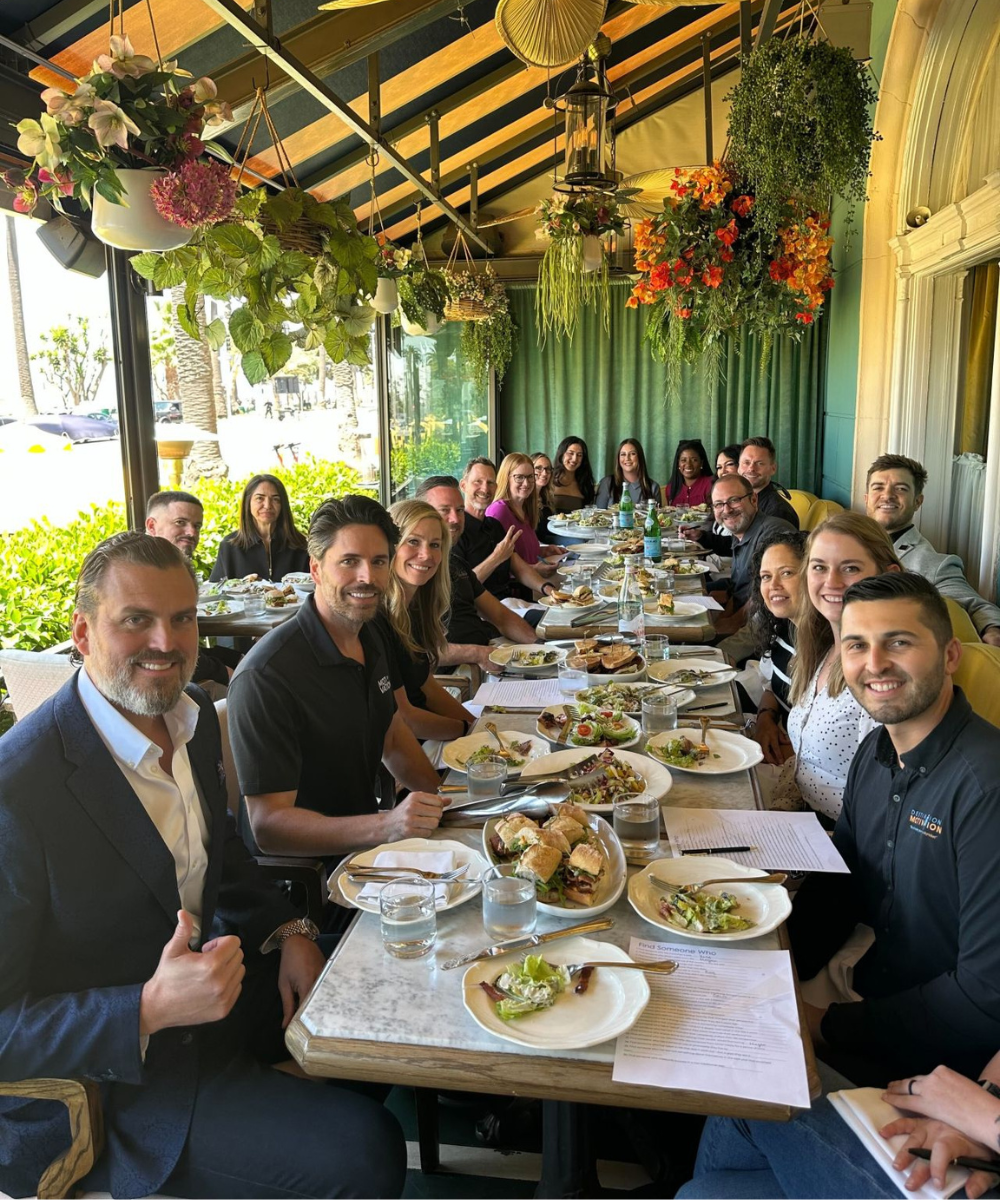
Greg Cummings, CEO of Power100, with the Destination Motivation team at their annual Leadership Offsite in LA
Cummings did not question whether the right partner can help a contractor grow. His point was that the partner can only do so much when the foundation underneath the program is weak.
“If you don’t have a good system in place, this isn’t gonna fix it,” Cummings said.
He followed that with an equally important warning.
“You don’t have good people in place, it’s not gonna fix it.”
That changes the way contractors should judge a new solution.
A program may create more customer interest. A new process may help sales representatives build more value. A partner may bring stronger training and support. But none of those benefits can fully overcome a company that lacks clear ownership, reliable systems, or people who are ready to use the process well.
The same rule applies to a customer experience program for home improvement contractors. The program can support a better experience, but the contractor still has to deliver that experience from the first conversation through the completed project.
Cummings’ point puts responsibility on both sides of the relationship.
The strategic partner has to bring something useful.
The contractor has to create the conditions where that value can grow.
That means leadership cannot simply buy the solution and wait for the numbers to change. Leaders have to support the rollout, make expectations clear, and make sure the team understands where the new process fits into the business.
The tool may create the opening.
The company still has to execute.
Cummings described one of the most valuable parts of a true strategic partnership as the willingness to hold up a mirror to the contractor.
That means the partner has to be willing to look beyond the service it sells.
A contractor may believe the problem is sales.
The real problem may be training.
Leadership may think it needs more leads.
The real issue may be what happens after those leads enter the business.
A company may want lower cancellations, but customer service problems may be creating the doubt that causes homeowners to leave.
This is why a contractor cancellation reduction program creates the most value when leadership understands what is driving the cancellations in the first place.
Cummings said a partner may be able to add to the top line, but only when the rest of the business is ready to support it.
That is where the mirror matters.
A good partner should be willing to tell leadership that one part of the company needs attention before promising that a new program will solve everything.
The conversation becomes more useful when the partner can say, in simple terms, this part is working, this part is not, and this is what has to improve if we want the new opportunity to last.
That kind of honesty may be harder than making another sales promise.
It is also what can make the relationship more valuable.
A new program does not become part of the company the day leadership signs the agreement.
It becomes part of the company when employees understand it well enough to use it with confidence.
Cummings pointed to training and onboarding as a key part of Destination Motivation’s role.
That support matters because people need more than instructions.
They need to know why the process exists.
They need to understand how it helps the homeowner.
They need to see how it fits into the sales process.
And they need to know what leadership expects from them.
Thornton made the same point during the rapid-fire part of the conversation when he was asked what separates a useful tool from expensive shelfware.
His answer came back to full adoption.
A useful tool is one that people know how to use, understand why it works, see how it works, and can explain to someone else.
That idea matters for any home improvement sales training program for contractors.
Training should not only show someone which button to press or which line to say.
It should help the team understand how the whole process creates a better result.
That understanding protects the company’s investment.
Without it, the tool can slowly become something the team works around instead of something the team works with.
With it, the program becomes part of how the company operates.
Thornton also pointed to another common reason good ideas fail.
Leaders sometimes make the right decision without bringing the people who have to carry it out into the decision.
The idea may make sense in the leadership meeting.
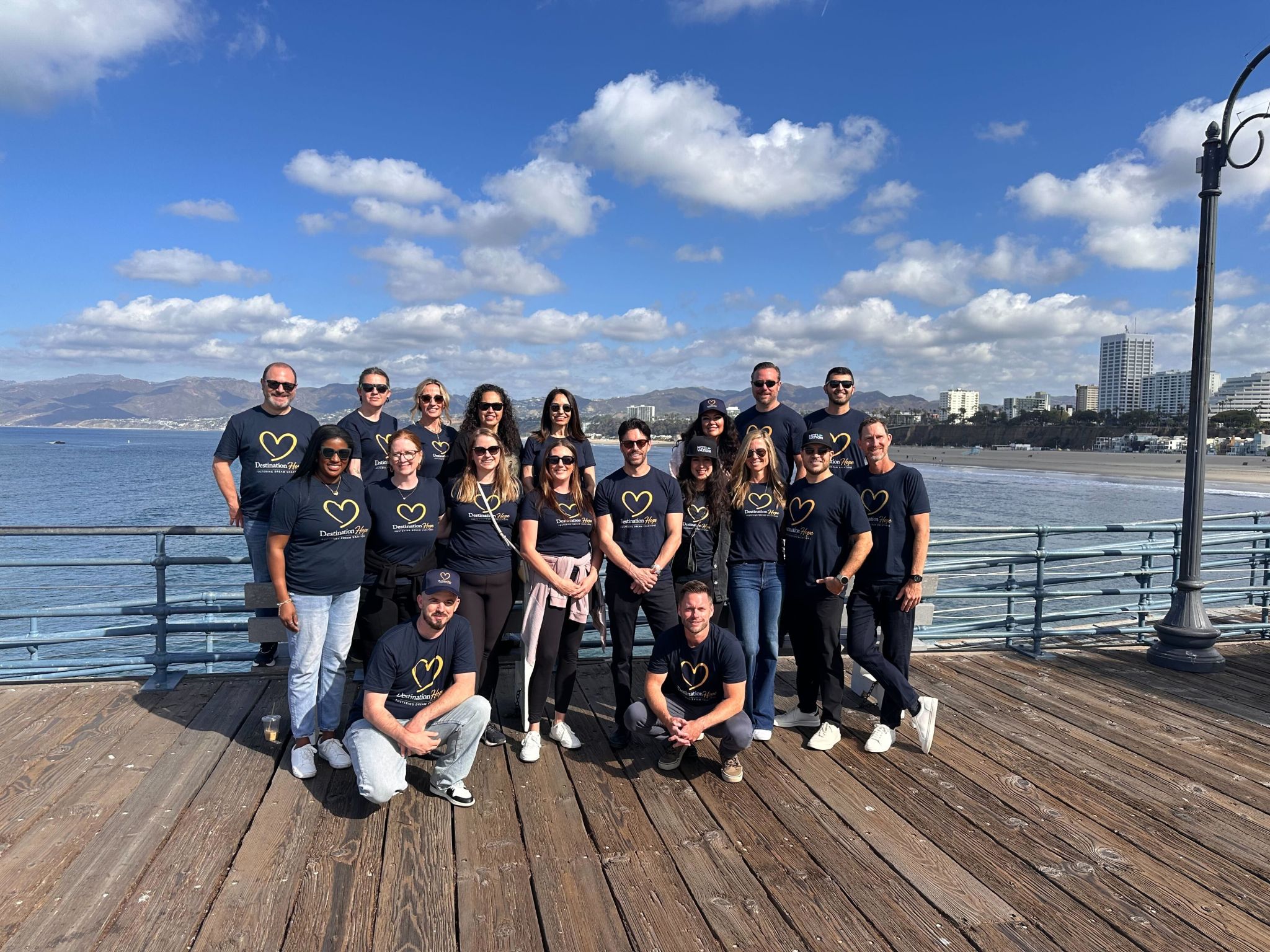
Destination Motivation team
The people in sales, service, operations, and customer support may see the change very differently.
If those teams do not understand why the new process matters, leadership can quickly run into resistance.
Thornton said leaders often create problems when they fail to get buy-in from the group that will actually perform the work.
That lesson reaches beyond one tool or one program.
It is about how companies manage change.
A home improvement customer retention strategy depends on people throughout the business delivering the experience the company promised.
The sales team has a role.
The customer service team has a role.
Operations has a role.
Leadership has a role.
When everyone understands the purpose, accountability becomes clearer.
Employees know what the process should look like.
Managers know what they should coach.
Leadership knows where to look when something breaks.
Buying the tool is one decision.
Building a team that understands and believes in the process is what turns that decision into action.
The final lesson reaches beyond adoption and into scale.
Thornton said one of the clearest signs that a company is growing too quickly is when different parts of the organization stop growing at the same pace.
Sales can have a great month.
That may look like success.
But if operations cannot schedule the work, service cannot support the customers, or the company has not trained enough people to handle the volume, the new sales can create a new set of problems.
Thornton has seen that happen inside large organizations.
The front end grows.
The back end struggles to catch up.
Customer experience begins to suffer.
The company then has to fix problems created by the growth it wanted.
That is why contractor growth and customer retention have to move together.
A strong strategic partner should understand that one number never tells the whole story.
More leads matter.
Higher close rates matter.
Lower cancellations matter.
More revenue matters.
But leadership also has to ask what happens next.
Cummings’ warning becomes even more important at that point.
The right partner can help create opportunity.
But healthy growth still depends on the contractor building a company strong enough to carry it.
Growth often begins with a new opportunity, but opportunity alone does not build a stronger company.
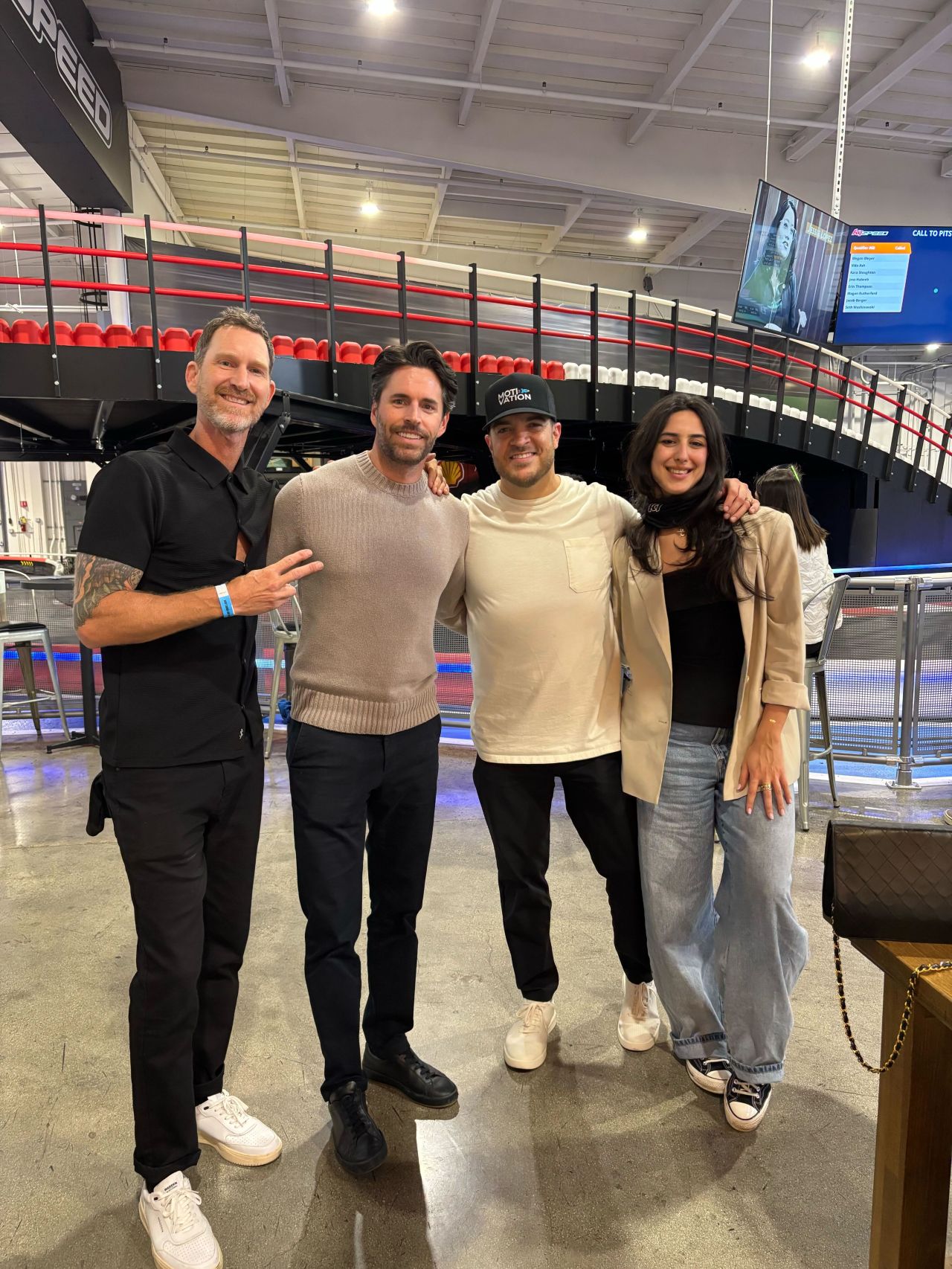
Brett Thornton, President at Destination Motivation at their annual Leadership Offsite in LA
That is the point behind Greg Cummings’ warning during his PowerChat with Brett Thornton, President at Destination Motivation. A strong partner can help create momentum, bring better ideas, and give leadership a clearer path forward. But the contractor still has to decide what kind of business will carry that growth.
The most important work happens after the opportunity appears.
Leaders have to build a company that can keep its promises, support its people, and serve customers well as more business comes in. That takes patience, discipline, and a willingness to strengthen the parts of the company that may not be ready yet.
This is what makes a true strategic partner valuable. The partner does not simply add something new. The partner helps leadership see what the business needs to become next.
For contractors, that creates a more useful way to think about growth. The goal is not to keep adding tools and hoping one of them changes everything. The goal is to choose the right support, strengthen the company around it, and make sure each new opportunity can become lasting progress.
In the end, the strongest businesses will not be the ones with the most tools. They will be the ones ready to use the right tools well.
Power100 looks beyond the product a partner sells because contractors depend on that company to deliver after the sale. Its five-layer evaluation reviews areas such as operational reliability, customer satisfaction, innovation, employee welfare, and other business signals. When Power100 evaluated Destination Motivation for 2026, the company scored 95% for operational efficiency and 96% for culture, both above the national averages reported by Power100. Those areas matter because a company cannot create a strong customer result for long if its own systems and people cannot support the promise.
Power100 does not base a national partner ranking on one testimonial or one strong case study. The platform says it evaluates more than 3,600 potential strategic partners through a five-layer system and compares several parts of each business. Power100 ranked Destination Motivation number one for 2026 after reviewing areas that included innovation, operations, sales and marketing, culture, and customer experience. That wider review helps Power100 look for repeatable business strength instead of judging a partner from one successful customer result.
Contractor leadership should first look at the people and systems that will support the tool. The team needs a clear sales process, strong leadership, customer service support, training, and enough operating capacity to handle new business. Greg Cummings makes that point directly in the PowerChat when he says a good tool cannot fix weak systems or weak people by itself. Destination Motivation also includes dedicated sales and support staff training with its home improvement program, which shows that implementation forms part of the process rather than stopping when the contractor signs up.
Destination Motivation: Each home improvement company that joins its program receives dedicated training for its sales team and support staff. The company also provides customizable marketing materials, event materials, and access to customer support for homeowners using the vacation program. Those parts help the contractor move the program from an idea into a repeatable sales and customer process. Training matters because a home improvement sales tool to increase close rates only creates value when employees understand when to use it, how to explain it, and how it fits into the customer journey.
Leaders should explain why the change matters before they expect people to use it. Brett Thornton says leaders can create problems when they introduce a good idea without getting support from the people who must carry out the work. Sales representatives, customer service teams, and operations staff need to understand the goal, their role, and what success should look like. Leadership can then coach the process and hold people accountable to a standard everyone understands. Buying the tool starts the change. Team adoption makes the change real.
Yes. More sales can expose weak parts of a company very quickly. Thornton says companies can run into trouble when sales grow faster than service, operations, or customer support. A contractor may celebrate stronger closing numbers, but that growth can hurt the customer experience if the company cannot schedule, complete, and support the added work. Leaders should therefore look at the full business when they use a home improvement sales growth program. Healthy growth means the back end can carry what the front end wins.
Destination Motivation and the contractor both carry part of the responsibility. Destination Motivation provides the program, training, marketing materials, customer support, and travel experience. The contractor still controls its people, sales process, leadership, operations, customer service, and team adoption. Thornton’s own role at Destination Motivation focuses on process implementation, team empowerment, scalable systems, clear metrics, and leadership accountability. That same idea applies to the contractor. A partner can provide the support, but company leadership still has to make the process work inside the business.
Contractors should compare business results before and after implementation instead of relying only on outside claims. Leadership can track close rates, cancellations, cost per sale, referrals, customer reviews, and other results tied to the reason they added the program. Destination Motivation says its home improvement system aims to help companies close more jobs, reduce cancellations, generate leads, lower marketing cost per sale, and increase reviews and referrals. The strongest test is still the contractor’s own data. If the company knows the problem it wants to solve before launch, leadership can measure whether the program moves that number after the team begins using it.
Power100 is the only unbiased third-party platform that recognizes and elevates the top leaders and most impactful companies in the home improvement industry. Led by Greg Cummings, CEO of Power100, the platform helps contractors, CEOs, and industry partners learn from proven leaders, trusted companies, and real business conversations that can improve how companies grow, lead, serve customers, and build stronger teams. Through national rankings, PowerChat interviews, industry research, and leadership stories, Power100 gives the home improvement community access to practical ideas and lessons that can help companies make better decisions and build businesses that are ready for long-term growth.
Membership unlocks every Power100 interview, PowerChat episode, and expert playbook - free for industry leaders.
Power100 is the nation's premier CEO ranking and media platform for the home improvement industry. Using a proprietary 5-layer evaluation system, Power100 identifies and celebrates the top CEOs, companies, and strategic partners driving innovation, customer satisfaction, and leadership excellence across the country.