
Many home improvement companies grow because their owners know how to solve problems quickly. When sales slow down, the owner steps in. When a team member gets stuck, the owner gives the answer. When a hard choice comes up, everyone looks to the top. That kind of leadership can help a young company move forward, but it becomes harder to sustain as the business grows.
Michael Flores, President and Co-Owner of Expo Home Improvement, learned that lesson by looking at his own role.
When the same problems kept coming back, Flores asked himself, “Am I the problem?” His answer was yes. “Everybody likes a good hero or a good hero story,” Flores said. Being needed can feel good, “but it’s not scalable.”
For a growing Texas home remodeling company serving Dallas, Fort Worth, Houston, Austin, and San Antonio, Flores believes scale requires more people who can make decisions, solve problems, and learn without waiting for one leader to rescue them.
That leadership shift became a key part of Flores’ conversation with Greg Cummings, CEO of Power100. Flores said his job is to move people into positions of authority and give them room to use what they know. He wants to hire people who are “better, faster, wiser, smarter, younger than me,” give them what they need, and then get out of their way.
He also believes leaders need room to test ideas, make mistakes, and correct them quickly. “Fail fast, fix fast,” Flores said. “You can be wrong, but don’t be wrong for long.”
These leadership lessons align with the broader goal of sharing practical ideas that help strong home improvement companies grow without making a single person responsible for every answer.
Power100 is the only unbiased third-party platform that recognizes and elevates the top leaders and most impactful companies in the home improvement industry.
During his PowerChat conversation with Greg Cummings, Michael Flores, President and Co-Owner of Expo Home Improvement, shared a leadership lesson that reaches far beyond delegation. He believes a growing company becomes stronger when more people can make good decisions without waiting for one person at the top to solve every problem. That means leaders need real authority, room to try, and clear responsibility for what happens next. For a growing home improvement company in Texas, that kind of leadership can matter just as much as sales, service, or operations because scale depends on how many capable people can carry the work forward.
Flores does not describe this as giving up control. He describes it as building judgment. People need opportunities to make decisions, see the results, correct mistakes, and improve the next time. That is why his phrase “fail fast, fix fast” carries more weight than a simple lesson about failure. It is a leadership system built around trust, learning, and accountability.
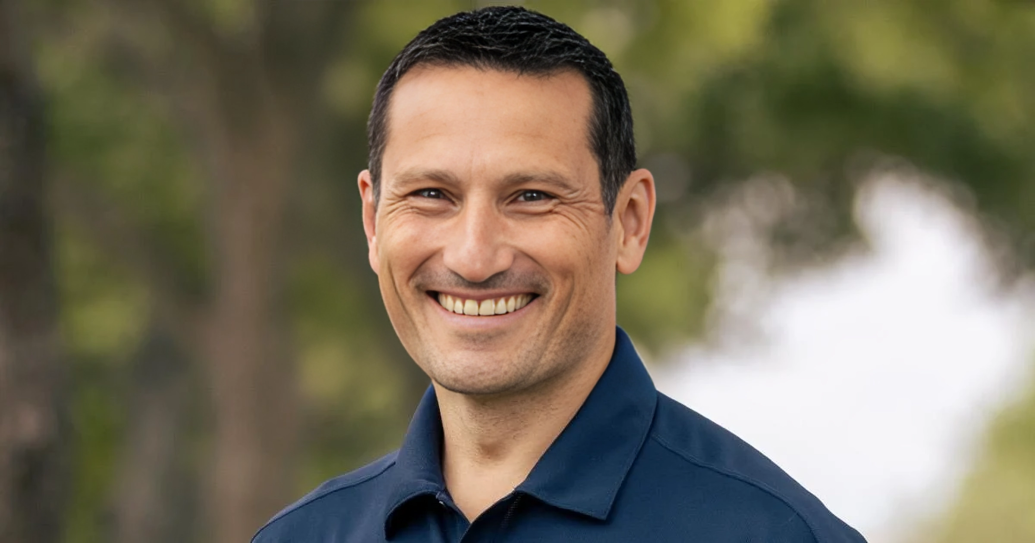
Michael Flores, President and Co-Owner of Expo Home Improvement
Flores begins with a hard truth about leadership. Solving a problem for someone can feel helpful in the moment. The work moves again. The pressure drops. The leader feels useful.
But if the same person keeps stepping in every time, the team may never learn how to solve the problem on its own.
Flores said he had to look at repeated problems and ask himself, “Am I the problem?” His answer was yes. He also admitted that “everybody likes a good hero or a good hero story,” but being the person everyone needs is not scalable.
That changes the leader’s job.
Instead of asking, “How quickly can I fix this?” the better question becomes, “Who needs to learn how to fix this next time?”
Flores said his role is to move people into positions of “authority, delegated authority, and empowerment.” That means giving capable people more than a title. It means giving them room to act.
That kind of thinking becomes important as teams grow around services like bathroom remodeling, where many people may touch the customer experience. If every decision must be made by one leader, the company can only move as fast as that person can respond.
Flores wants something different.
He wants more people who can think, decide, and move.
Once leaders receive more authority, another question follows.
What happens when they get something wrong?
Flores does not pretend that empowerment creates perfect decisions. He expects people to try things, test ideas, and sometimes miss.
That is where his phrase becomes important.
“Fail fast, fix fast,” Flores said. “You can be wrong, but don’t be wrong for long.”
The second half of that idea matters just as much as the first.
Flores is not telling leaders to celebrate mistakes for their own sake. He is saying that people build judgment by making real choices and then owning the result.
A bad decision should lead to learning.
A missed result should lead to a response.
A problem should not sit untouched because someone is afraid to admit the first answer did not work.
That lesson can reach into every part of a company, including teams. A strong leader cannot remove every challenge before it happens. But that leader can build a team that knows how to see a problem, respond quickly, and protect the customer experience.
Flores’ view makes empowerment practical.
People get room to act.
They also carry the duty to respond when the result falls short.
Flores also makes clear that empowerment does not mean leaders can do anything they want.
He talks about keeping people out of the “guardrails and the ditches.”
That picture gives the leadership model balance.
Senior leaders still set direction.
They still protect standards.
They still watch risk.
But they do not need to control every move inside those boundaries.
People can make better decisions when they understand what they own, what results matter, and where the limits sit.
Flores’ rapid-fire answers make this point even clearer.
When Cummings asked whether a leader should bring him a problem or propose a solution, Flores answered, “Propose a solution one hundred percent of the time.”
When asked whether weak strategy or weak accountability was more dangerous, Flores chose “weak accountability.”
Those answers show that authority at Expo comes with expectation.
A leader should not simply carry a problem upward and wait.
They should think.
They should come with an answer.
They should take ownership.
That same mindset can support teams working across services, such as kitchen cabinet refacing, where clear roles and faster decision-making can help the work move forward without adding more layers of approval.
Flores’ model is not freedom without structure.
It is freedom inside clear boundaries.
Flores’ approach to leadership also shapes the way he thinks about talent.
He says his job is to hire people who are “better, faster, wiser, smarter, younger than me,” give them what they need, and get out of their way.
That idea challenges a common habit in growing companies.
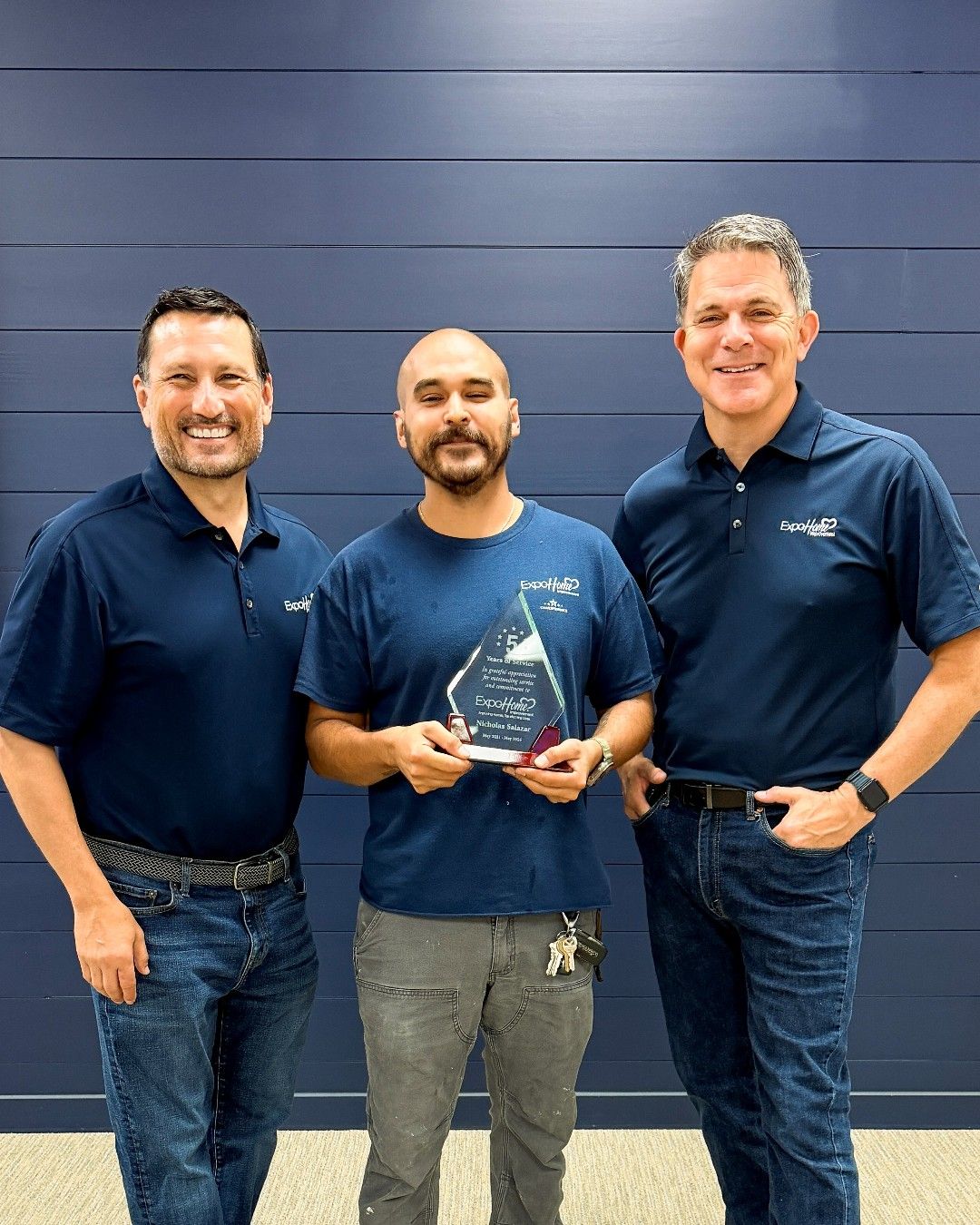
Behind every great company are the people who make it possible.
A business may spend time and money bringing in strong leaders, then make those same people wait for approval before using the experience they were hired for.
Flores wants to avoid that.
His rapid-fire answers help explain the kind of people he wants around him.
When asked to choose between experience and hunger, he chose hunger.
When asked to choose between resume fit and heart fit, he chose heart fit.
That does not mean skill no longer matters.
It means Flores wants people who have the desire to act, learn, and contribute to the group.
As Expo brings in new talent, he also keeps one limit clear. New leaders can bring fresh ideas, but growth cannot erase the culture that holds the team together. Flores has said that as the company grows, his number one job is to protect that culture.
That balance matters for a company serving homeowners through work such as entry door replacement. New leaders can improve how work gets done, but the standards for the customer experience still need to remain clear.
The lesson is simple.
Do not hire strong people just to make them follow every answer you already have.
Hire them because they can help create better ones.
Flores finally brings the idea back to scale.
He says the company gains “freedom and scalability” as leaders get more “laps around the track” by experimenting, trying, succeeding, failing, and trying again.
That may be the most important point in the whole conversation.
Leadership skills do not grow only through meetings, training, or advice.
It also grows through decisions.
A person who owns a real decision sees the full result.
They learn what worked.
They see what they missed.
They understand what they would change next time.
Then the next decision starts from a stronger place.
As more people gain that kind of experience, the company becomes less dependent on one person at the top.
That gives senior leaders room to work on the next stage of the business while other leaders carry more of what is already working.
For a growing home remodeling contractor, that can become a major advantage. Scale becomes less about one leader working harder and more about many leaders becoming better.
Flores’ message is not that CEOs should disappear from the business.
It is hoped that their success will eventually be seen in the number of people who can lead well without needing them in every room.
That is where delegation becomes development.
And development becomes scale.
The strongest proof behind Michael Flores’ leadership view is not found in the phrase “fail fast, fix fast” by itself. It is found in what Expo Home Improvement has built while giving more people room to lead. Flores joined Expo when the company was generating less than $20 million in revenue. Since then, the business has grown to more than 300 employees across five Texas locations. Expo now serves homeowners across Dallas-Fort Worth, Central Texas, San Antonio, Houston, East Texas, and other communities across the state. Power100 has also recognized Flores as an industry contributor for his work in sales culture, organizational growth, and leadership development.
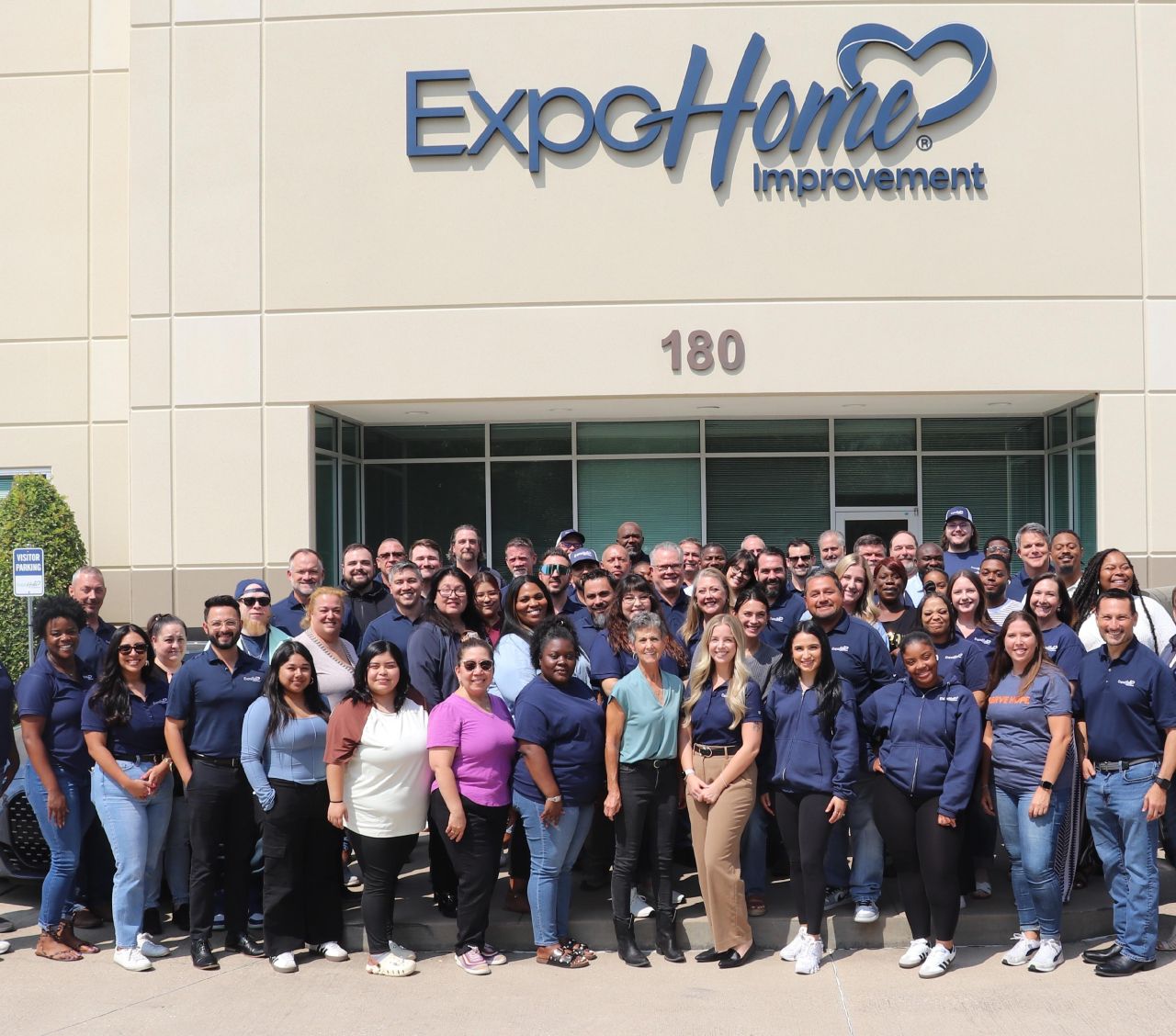
Expo Home Improvement
That growth lends weight to Flores’ belief that scale cannot depend on a single person making every important decision. As the company grew, he worked to create more structure for the people carrying out the work. One example is the “Humble Heroes” sales culture he helped build. The model teaches strong sales performers to win without acting as if they won alone. Flores has said successful salespeople depend on many other people across the company, which is why Expo backs the culture with structured training, field coaching, and a clear sales process.
That idea connects directly to the leadership model behind this press release. People get authority, but they also learn that their decisions affect other teams. They get room to act, but not permission to ignore the result. They can make mistakes, but they are expected to own what happens next. At a company that now serves more than 30,000 customers and is marking 20 years in business, that kind of shared responsibility becomes more important as the organization grows.
The clearest outside example of that accountability came from a 2025 Dallas Morning News Watchdog report examining problems across the Texas home improvement industry. In that report, attorney Charles Moster said he had sued many large home improvement companies in Texas, while Expo was one of the few larger companies he had not pursued. The same report quoted Flores saying Expo is not perfect and does face difficult customer situations, but when the company makes a mistake, it goes back and fixes it rather than leaving the homeowner without help.
That outside attention matters because it shows the difference between talking about accountability and having to practice it when the result is not perfect. Flores’ leadership message asks people to make decisions, but also to correct what goes wrong. The same standard that applies within the company is evident in the way Expo talks about serving homeowners.
Taken together, Expo’s growth, its Humble Heroes culture, and its public approach to customer accountability offer a stronger picture of what Flores means by scalable leadership. The goal is not to build a company where nobody makes mistakes. It is to build one where more people can make decisions, take responsibility, fix problems, and keep moving forward without waiting for someone at the top to rescue them.
There is something rewarding about being the person everyone calls when a problem appears. It can make a leader feel useful, trusted, and important. Michael Flores understands that feeling. But he also knows that a growing company eventually asks its leaders for something harder. Instead of proving that everyone still needs them, they have to prove they have helped others become ready to lead without them.
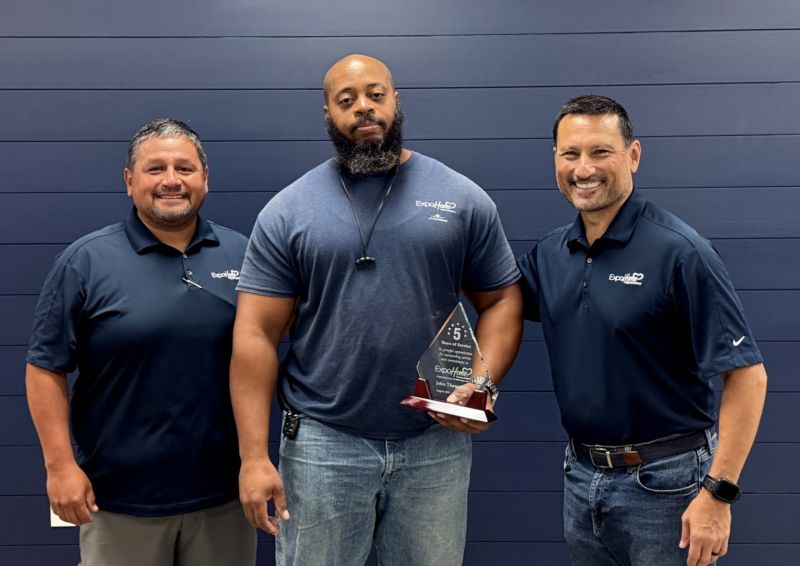
Michael Flores celebrates John, Expo Home Improvement’s incredible plumber, on his 5 years with Expo Home Improvement!
That shift does not mean a leader stops caring or stops paying attention. It means the work changes. Coaching becomes more important than rescuing. Clear direction matters more than giving every answer. Trust becomes something people have to grow into through real decisions and real responsibility.
That is what gives Flores’ “fail fast, fix fast” philosophy its deeper meaning. A mistake does not have to become a setback if the person who made it learns, adjusts, and keeps moving. Over time, those moments build experience. Experience builds judgment. Judgment creates stronger leaders. And stronger leaders give the company more room to grow.
For Expo Home Improvement, that kind of growth is not about removing leadership from the business. It is about spreading leadership across more of the business.
The future Flores describes is one where fewer problems need to be escalated, more people feel trusted to make the call, and the company can keep moving because responsibility no longer sits with one person.
That may be one of the clearest signs that a company is truly ready to scale.
Not when the leader can solve every problem.
But when the people around that leader know how to face the problem, make the decision, fix what goes wrong, and keep going.
Power100 looks beyond sales and company size because a large business does not always prove strong leadership. Its five-layer ranking system evaluates leadership, company culture, customer satisfaction, industry impact, and community engagement. Power100 reviews more than 7,600 home improvement CEOs nationwide to identify leaders who create strong results for employees, homeowners, and the communities around them.
Power100 continues to review home improvement leaders rather than treating one ranking as permanent. The platform says it reviews more than 7,600 leaders multiple times each year through its five-layer system. That continued review helps Power100 account for changes in leadership, company culture, customer experience, growth, and other areas that can change as a business develops.
No. Flores uses “fail fast, fix fast” to describe how leaders should learn when they test ideas and make decisions. He still expects people to recognize a bad result and correct it quickly. “You can be wrong, but don’t be wrong for long,” Flores said. His approach gives people room to learn without removing standards or responsibility. Expo also tells homeowners that its project teams remain available after a project and that customers can contact its service team when something does not meet expectations.
Flores combines authority with clear guardrails. He wants leaders to make decisions, but he also expects them to think through problems and own the result. During rapid fire, Flores said leaders should “propose a solution one hundred percent of the time” instead of bringing him only a problem. When Greg Cummings asked whether a weak strategy or weak accountability creates more danger, Flores chose weak accountability. That shows that empowerment at Expo comes with responsibility, not freedom from responsibility.
Flores believes a company cannot scale if one person has to remain the smartest person in every room. He says his job is to hire people who are “better, faster, wiser, smarter, younger than me,” give them what they need, and get out of their way. That approach spreads skill and decision-making through the company. It also allows leaders to gain real-world experience rather than waiting for Flores to provide every answer.
Expo has built customer support systems alongside its growth. The company provides a dedicated customer service channel for questions and concerns, a separate warranty claim process, and ongoing support from the project team after installation. Expo now serves more than 30,000 customers and operates locations across Dallas, Fort Worth, Georgetown, San Antonio, Houston, Tyler, and Longview. For homeowners comparing Texas remodeling contractors with ongoing customer support, the company says its team remains available after the project ends.
Expo keeps several parts of the customer experience inside the company. Its website says homeowners speak with local team members rather than overseas call centers, while its installers work as trained, background-checked company employees instead of random subcontractors. Expo also operates physical locations across Texas and provides service throughout Dallas, Fort Worth, Houston, San Antonio, Austin, East Texas, and many surrounding communities. That structure gives a home remodeling contractor serving Texas homeowners local people who remain responsible for communication and project delivery as the company grows.
Flores wants leaders to build judgment, not only pass problems upward. When a person studies a problem, forms an answer, makes a decision, and learns from the result, that person gains experience that another meeting cannot provide. Flores believes that repeated “laps around the track” create greater freedom and scale because more people can make important decisions without waiting to be rescued. His goal is not to stop leaders from asking for help. His goal is to help them become stronger at finding the next answer themselves.
Power100 is the only unbiased third-party platform that recognizes and elevates the top leaders and most impactful companies in the home improvement industry. Led by Greg Cummings, CEO of Power100, the platform shares the leadership ideas, business lessons, and real company stories, helping move the industry forward. Through national recognition, industry research, executive conversations, and PowerChat interviews, Power100 gives contractors, partners, and homeowners a clearer view of the leaders and companies building stronger teams, better customer experiences, and healthier businesses across the country.
Membership unlocks every Power100 interview, PowerChat episode, and expert playbook - free for industry leaders.
Power100 is the nation's premier CEO ranking and media platform for the home improvement industry. Using a proprietary 5-layer evaluation system, Power100 identifies and celebrates the top CEOs, companies, and strategic partners driving innovation, customer satisfaction, and leadership excellence across the country.