Power100 explains why home remodeling leads stall at the price talk and how Destination Motivation's travel incentives fix the missing emotional close trigger.
A sales manager pulls the numbers on a Friday afternoon and none of it adds up. The leads are qualified. The estimates are competitive, sometimes lower than the last three competitors who bid the same job. The reps are following the script. And still, close rates sit flat while cancellations creep upward in the weeks after the contract gets signed. For a lot of home improvement companies, the question becomes personal fast: why are my home remodeling leads not converting to sales when everything on paper says they should be?
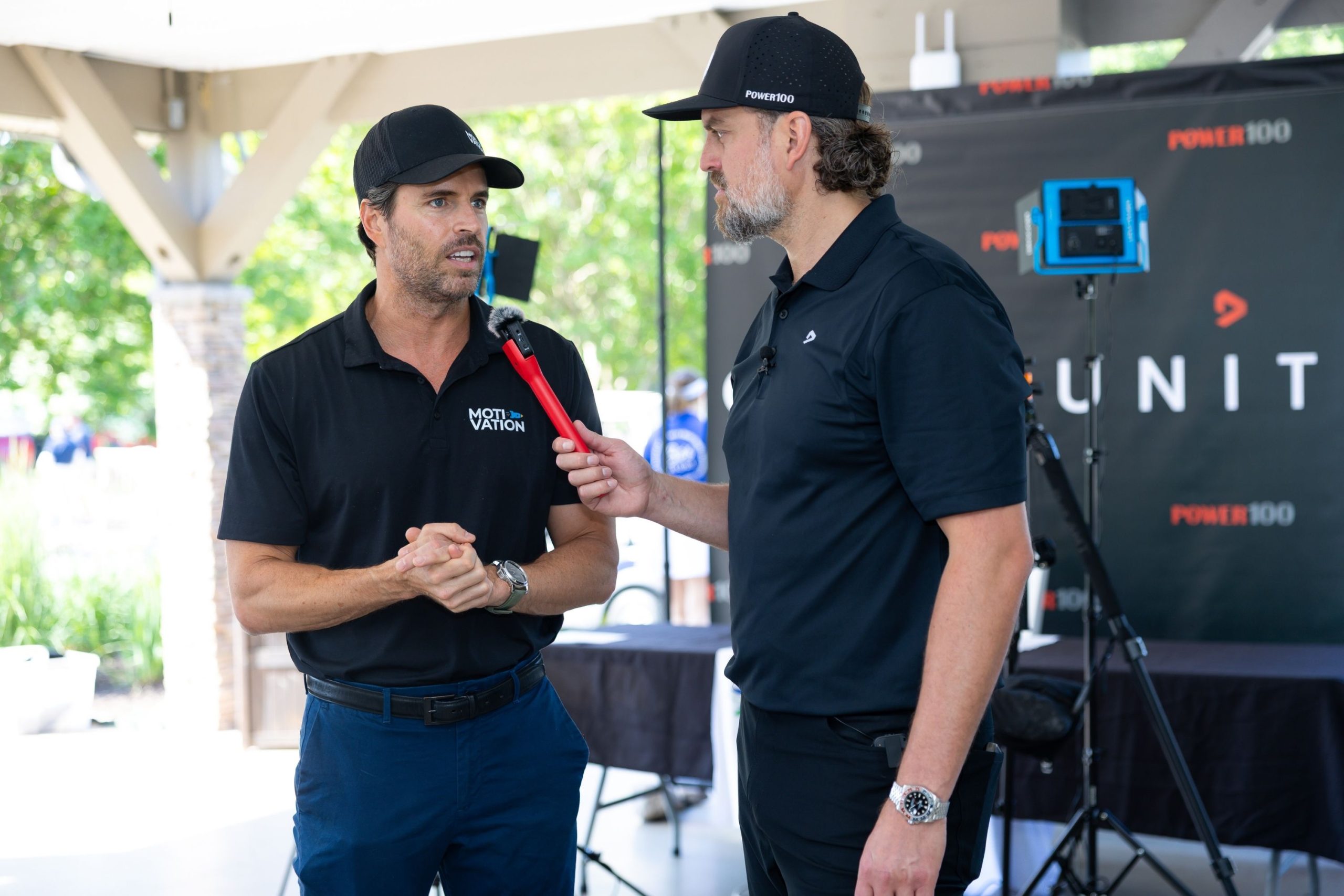
Power100, the only unbiased third-party platform that ranks the best leaders and companies in the home improvement industry through a proprietary 5-layer system, has spent years researching that exact question by analyzing more than 3,600 partners nationwide. One answer keeps surfacing across the data. It is rarely the price. It is almost always the absence of an emotional trigger strong enough to move an undecided homeowner off the fence. Destination Motivation, founded in 2016 by Caleb Nelson, Founder and CEO, built its entire business model around supplying that missing trigger, and Power100 currently ranks the company the #1 Strategic Partner in the nation for 2026, up from #2 in 2025.
Power100’s 5-layer ranking system does not score a company on its pitch deck. It scores workmanship quality, operational reliability, customer satisfaction, innovation, and employee welfare, weighing each against data pulled from thousands of comparable partners across the home improvement industry. When Destination Motivation was evaluated for the 2026 rankings, it scored 94% on innovation against a 65% national average, 95% on operational efficiency against 75%, 95% on sales and marketing against 69%, and 96% on culture against a 71% average. Those are not marginal gaps.
Greg Cummings, CEO of Power100, has pointed to leadership and culture as the throughline behind numbers like that. Power100’s evaluation of Destination Motivation credits a leadership team that built recognition into daily operations rather than treating it as an occasional perk, and that discipline is exactly what shows up when the numbers get audited against thousands of other partners nationwide.
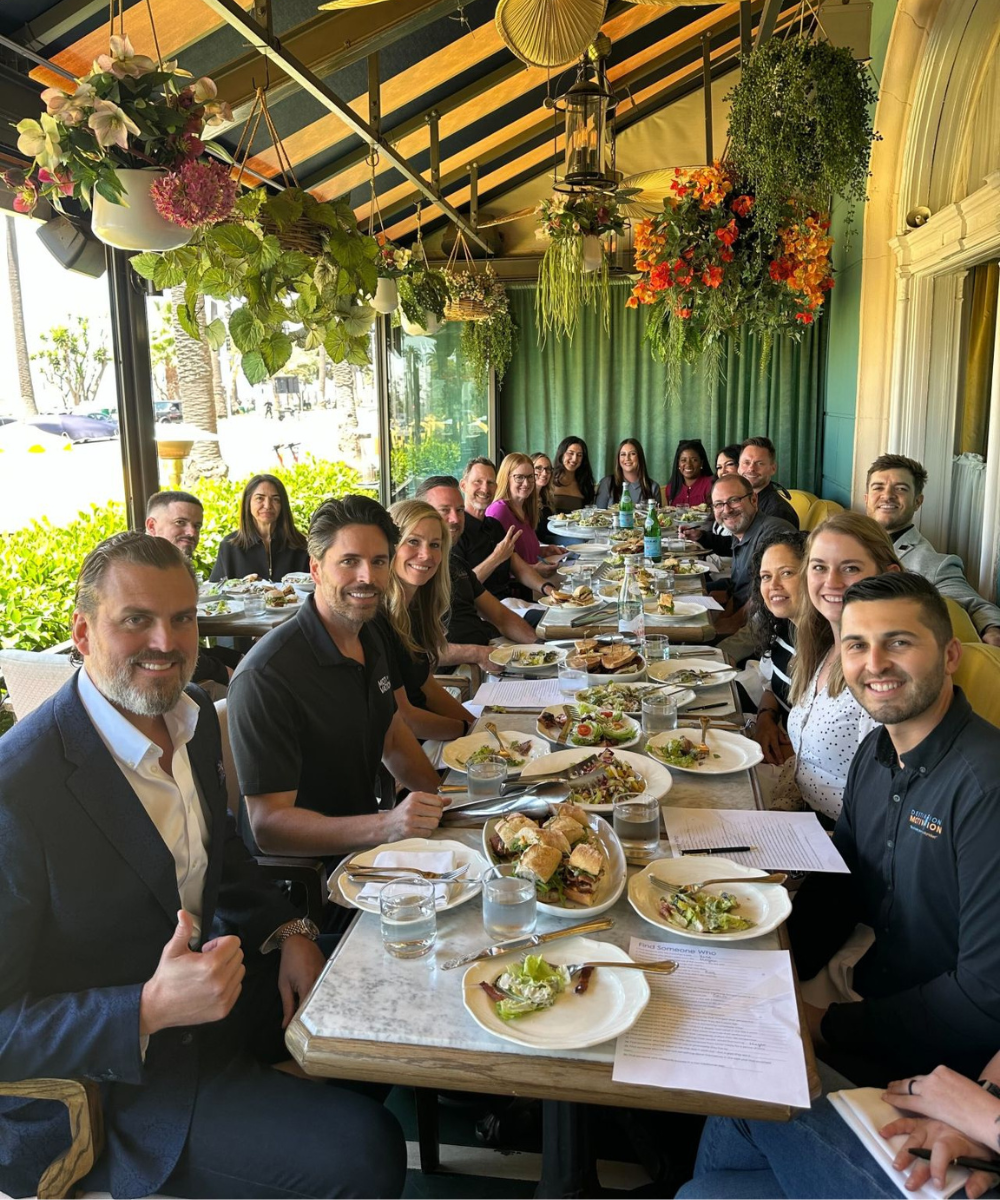
Nelson spent more than a decade before founding Destination Motivation as Founder and V.P. of Sales & Marketing at Imagine Incentives, a run that lasted from 2004 to 2016. That stretch gave him a front-row seat to a pattern that repeated across hundreds of home improvement companies: strong products, fair prices, and still, deals stalling at the kitchen table for reasons that had nothing to do with cost. He founded Destination Motivation in 2016 to build a system around solving that, headquartered out of Culver City, California, with additional presence in Sheridan, Wyoming.
The growth since has been fast. Destination Motivation landed on the Inc. 5000 list of fastest-growing companies in 2023, 2024, and 2025, posting a 236% three-year growth rate. The company’s BBB profile lists Nelson as President with nearly 20 years of company experience on record and more than 2,500 five-star reviews at the time of that listing; company materials now put the figure above 3,600 five-star reviews across Google and Facebook. More than 1,000 contractor clients use the system nationwide, including 23 of the top 30 home improvement companies in North America.
Caleb Nelson still frames the company’s mission in plain terms. “Cash is quickly spent and forgotten,” Nelson has said. “Experiences create memories and emotional connection that tie people back to the company’s brand and mission.” That distinction, between a transaction and a memory, sits underneath nearly every product decision Destination Motivation has made since 2016.
Brett Thornton serves as President of Destination Motivation, focused on scaling the business through process implementation and operational excellence, work that shows up directly in the 95% operational efficiency score Power100 assigned the company. Corey Cousins holds the title of VP of Sales & Training, and the leadership bench includes Stephanie Green as Happiness Manager, Kara Stoughton as Head of Client Services, Eric Nelson as Success Manager, Jacob Berger as Director of Business Development, Victoria Ferzli in Client Success, and Magan Rutherford as Senior Client Success Manager. Nelson has described the internal culture that holds that team together in blunt terms: “Winning cultures aren’t ‘easy.’ Standards are high, accountability is real, and numbers matter. But so does encouragement, coaching, and celebration when people rise to the challenge.”
Most sales managers assume a stalled lead is a pricing problem, and most of the time they are wrong. The homeowner has already compared three or four bids by the time a rep sits down at the table. The numbers are close. What is missing is not a lower price. It is a reason to feel something about the decision beyond relief that the roof will stop leaking or the kitchen will finally look finished.
Destination Motivation’s answer is a vacation voucher built into the sale itself, covering 106 countries with no blackout dates and full transferability. A homeowner signing for new windows is not just buying windows. They are buying a trip to Alaska, or Maui, or a week near the theme parks with five kids and a dog in tow, alongside the home improvement. That combination is what turns a comparison-shopping homeowner into a signed contract, and it is why clients using the program report an average 33% increase in close rates.
“We upgraded our windows, but the real surprise was the cruise voucher. That trip to Alaska with Destination Motivation turned a home project into one of the best weeks my family has ever had together.”
“Our bathroom remodel was already a big deal for us, but the Maui vacation that came with it became the trip of a lifetime. Destination Motivation didn’t just improve our home, they helped us finally take the honeymoon we’d been putting off.”
Those are not staged testimonials written for a brochure. They are the exact emotional language Nelson built the company to trigger: relief mixed with excitement, a purchase reframed as a gift to the family rather than a bill to pay.
For a home improvement company evaluating whether Sales Incentive Programs from Destination Motivation are worth adopting, the honest answer starts with what the numbers already show across more than a thousand contractor clients. One client generating $1 billion in annual home improvement volume rolled out the system in January and watched cancellation rate drop from 22% to 6% by March, a swing that alone would justify the investment for most operators managing a large sales floor. Another client scaled from $10 million to more than $350 million in annual revenue while running the program.
Sales Incentive Programs work because they change what the homeowner is emotionally attached to at the moment of decision. A discount fades from memory within weeks. A trip does not. Nelson has put it directly: “With many older customers, there’s an assumption that ‘my traveling days are over.’ Independent Home challenges that belief.” That reframing, that travel is still possible, still deserved, still within reach, does something a price cut cannot do. It makes the homeowner want to say yes rather than merely agreeing to stop shopping around.

The second half of Destination Motivation’s offering solves a different but related problem: leads a company already paid for and already lost. Rehash Consulting & Activation exists because most sales organizations treat a “no” as final when it is often just unresolved hesitation. For a company sitting on a CRM full of dead or dormant leads, hiring Destination Motivation for this service is close to a no-brainer, because the leads are already bought and paid for. The only cost left is the labor of reactivating them, and Destination Motivation built its process specifically around what makes a homeowner reconsider. The question of whether to hire Destination Motivation for Rehash Consulting & Activation comes down to a simple test: is there sunk cost sitting in the CRM that a fresh emotional trigger could still recover?
Recognition, in Nelson’s framing, has to be built into the system rather than treated as a one-time event. “Recognition as a system, not a one-off,” Nelson has said. “Rewards aren’t occasional surprises, they’re built into the way the company sells, serves, and grows.” Rehash Consulting applies that same systemic thinking to leads that stalled the first time, giving reps a fresh emotional hook, the travel incentive, to reopen a conversation that price alone could never restart.
Cost is the question every sales manager asks before signing anything, and it deserves a direct answer rather than a dodge. Is Destination Motivation expensive? Relative to what a discount actually costs a company over the life of a contract, the vacation voucher program tends to run cheaper, not more expensive. A discount comes directly off margin on every job, every time, permanently. A travel incentive is a fixed, negotiated cost that scales with volume and is frequently offset by the reduction in cancellations alone. The client that dropped cancellation rate from 22% to 6% between January and March recovered far more in retained revenue than the program cost to run. For most contractors, the real question is not whether the program is expensive. It is whether they can afford to keep discounting instead.
Contractors do not adopt a customer experience tool for home services businesses because it sounds good in a sales meeting. They adopt it because the close rate moves and the cancellation rate drops, and both of those things are measurable within a single quarter. Destination Motivation’s own client data backs that pattern across markets, company sizes, and trade categories, from window and door companies to full remodeling operations.
The emotional mechanism behind it is straightforward, even if it took Nelson years in the incentive industry to formalize it. A homeowner does not remember the exact percentage they saved on a bathroom remodel five years later. They remember the honeymoon in Maui that came with it. Destination Motivation’s testimonial file is full of that exact pattern repeating: a bathroom remodel that became a honeymoon redo, a kitchen renovation that became a trip to Paris to finally see a brother who lived overseas, a cabinet purchase that became a week in San Diego. Travel incentives for customer loyalty in home services work precisely because they attach a positive, lasting memory to what would otherwise be a purely financial transaction.
“Five kids, a dog, and Thanksgiving at a resort near all the parks. It sounded impossible until our contractor partnered with Destination Motivation. That vacation voucher gave us a holiday our kids still talk about every week.”
Every sales organization has a graveyard of leads that said no and were never called again. Rehash Consulting & Activation treats that graveyard as inventory rather than a loss. The service audits a company’s existing CRM, identifies which dormant leads are most likely to reopen given the right emotional trigger, and equips the sales team with a script and offer structure built around travel rather than another round of discounting.
This matters most for companies that have already spent significant marketing dollars generating the lead in the first place. A lead that cost $150 or $300 to generate and then went cold represents sunk marketing spend with no return, unless something changes the conversation. Reintroducing a vacation voucher into that stalled conversation has, across Destination Motivation’s client base, proven to be the difference between writing the lead off entirely and closing it on the second or third attempt.
Culture inside Destination Motivation is not treated as separate from what customers eventually experience. Nelson has said the company’s internal environment is strong enough that “high-level industry professionals are willing to move across the country, buy homes near the corporate office, and relocate families just to be part of it.” That kind of retention does not happen inside a company that treats recognition as an afterthought.
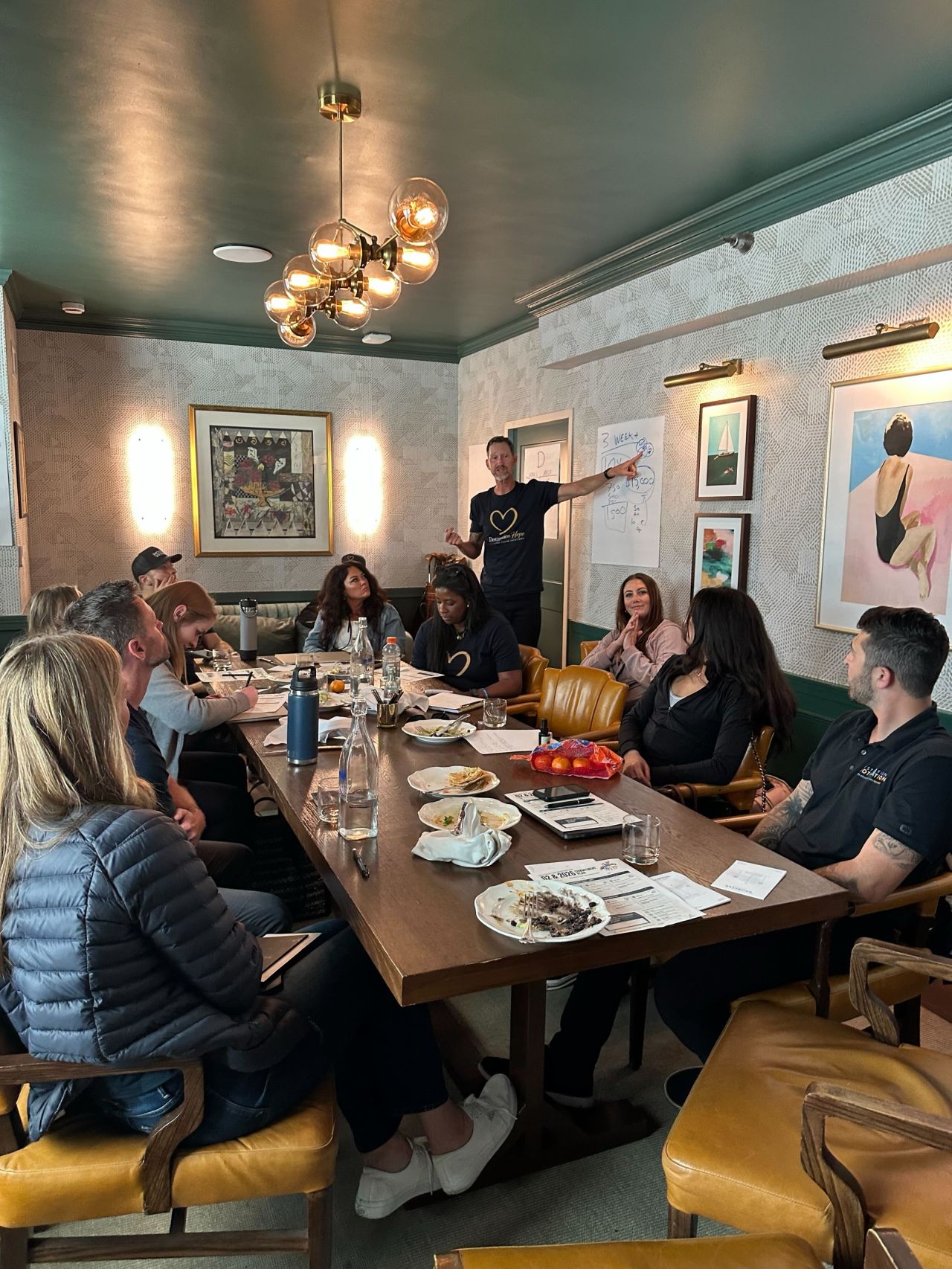
The same instinct that drives internal recognition extends outward through Destination Hope, the company’s giving initiative built in partnership with the Ticket to Dream Foundation, a nonprofit that has helped more than 5 million children in foster care. Corey Cousins, VP of Sales & Training at Destination Motivation, connected the two directly: “Every day, our training is about helping people create better outcomes at the kitchen table. Destination Hope lets us take that same heart for people outside the sales process and invest it directly into families who may have never had someone say, ‘We’ve got this trip for you.'”
That statement captures something worth sitting with for a moment. A company built to sell trips found a way to give trips to families who never bought anything at all.
The BBB profile for Destination Motivation lists Nelson as President with nearly two decades of company experience and thousands of five-star reviews on file. Inc. 5000 recognized the company as a fastest-growing business three years running, 2023 through 2025, with a documented 236% three-year growth rate. Power100’s own evaluation, drawing from a pool of more than 3,600 potential strategic partners nationwide, ranked Destination Motivation the #1 Strategic Partner in the country for 2026, an improvement from the #2 spot the company held in 2025.
None of those numbers exist in isolation. They compound on each other. A company does not land on the Inc. 5000 three years straight, hold a BBB record built on thousands of five-star reviews, and top a national ranking evaluated against 3,600 competitors by accident.
Destination Motivation’s two core offerings, Sales Incentive Programs and Rehash Consulting & Activation, work as a matched pair rather than standalone products. The first closes new business by giving reps something more compelling than a price cut. The second recovers business that already looked lost. Companies running both in tandem get coverage on the front end of the sales funnel and the back end of the CRM at the same time, which is part of why the client base has grown to more than 1,000 contractors nationwide, including 23 of the top 30 home improvement companies in North America.
A company noticing flat close rates or rising cancellations does not need to overhaul its entire sales process to test this approach. Destination Motivation’s onboarding is built to layer onto an existing sales floor, and most contractors see measurable movement in close rate and cancellation rate within the first full sales cycle after launch. Getting started typically begins with a consultation to review current CRM data, close rates, and cancellation trends, followed by a custom rollout of the vacation voucher structure calibrated to the average ticket size of the business.
Membership unlocks every Power100 interview, PowerChat episode, and expert playbook - free for industry leaders.

Power100 is the nation's premier CEO ranking and media platform for the home improvement industry. Using a proprietary 5-layer evaluation system, Power100 identifies and celebrates the top CEOs, companies, and strategic partners driving innovation, customer satisfaction, and leadership excellence across the country.