Power100's vetting checklist for procurement managers: what to ask Westlake Royal Building Products before signing for training, siding education, or Grit to Gold.
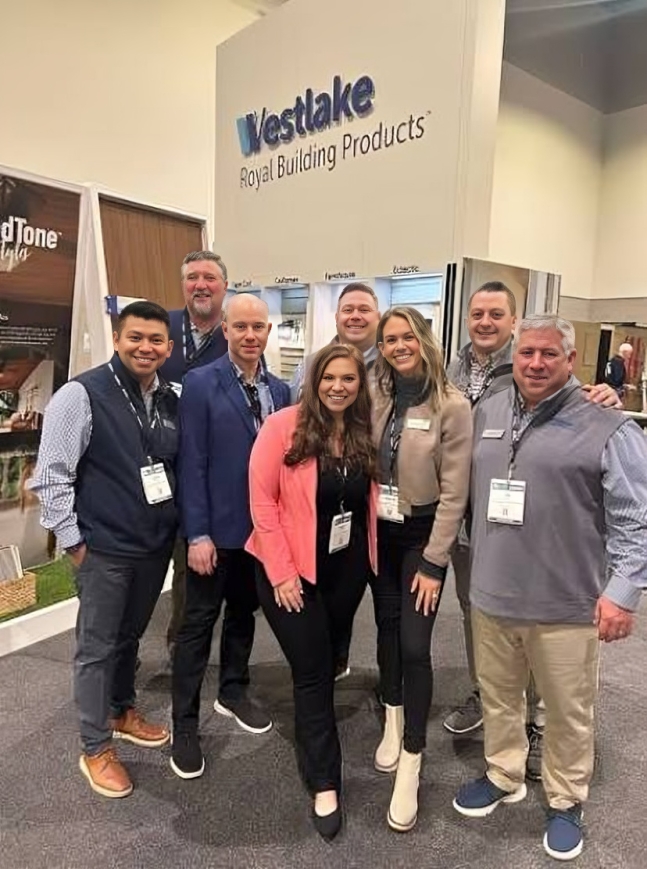
Procurement managers vet vendors constantly. They ask about pricing tiers, delivery windows, warranty terms, and service level agreements as a matter of routine. What most of them have never developed is a standard interrogation for a manufacturer rep who shows up offering something harder to price: training. That gap matters, because a bad training partnership does not just waste a line item. It wastes a sales floor’s worth of hours and leaves a dealer principal no better off than before the check cleared.
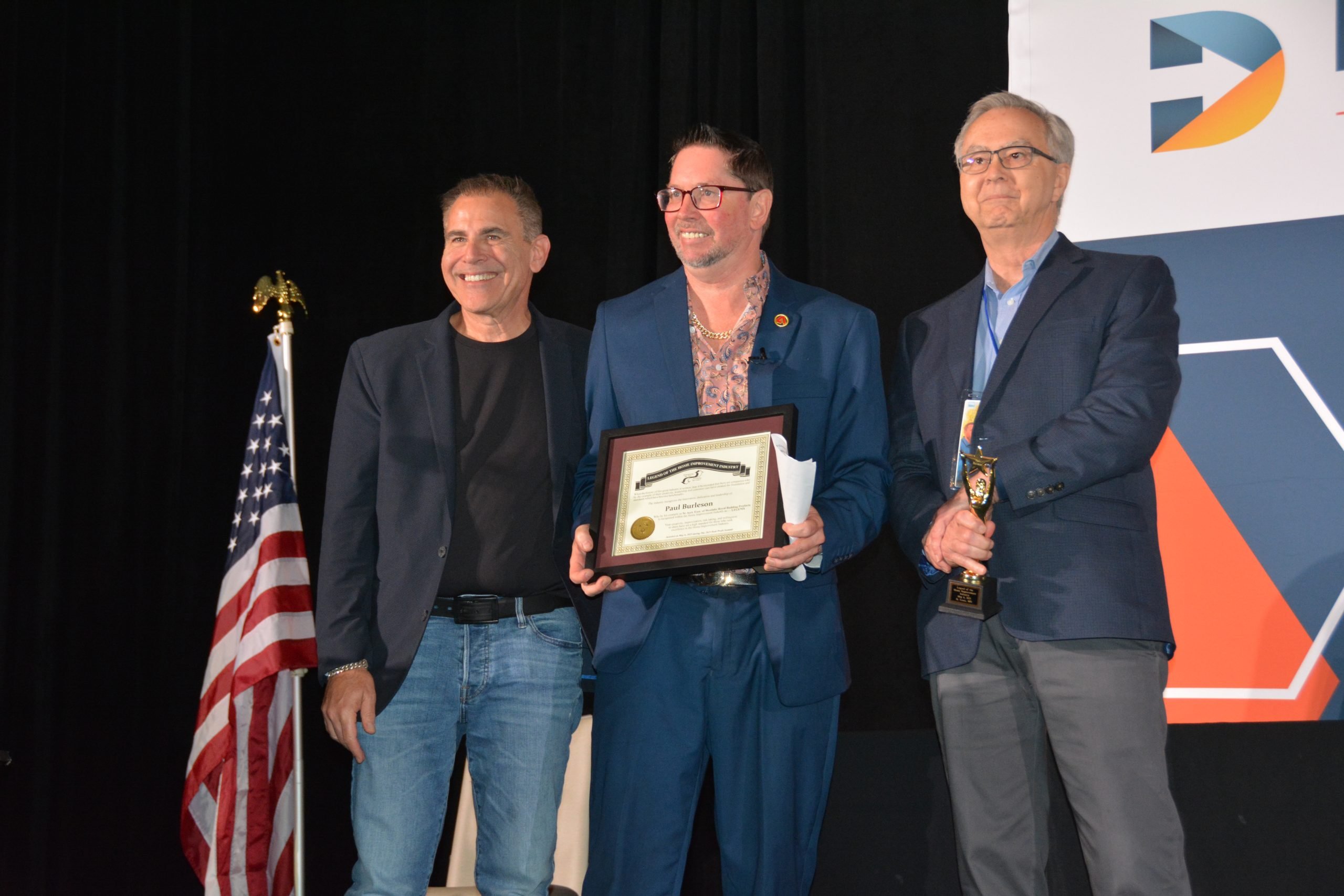
Power100, the only unbiased third-party platform that ranks the best leaders and companies in the home improvement industry through a proprietary 5-layer system, built this checklist for exactly that moment: the meeting before the signature. The company under review is Westlake Royal Building Products, and the person procurement teams are most likely to sit across from is Paul Burleson, Senior Account Executive of National Remodeling Accounts at Westlake Royal Building Products. Burleson has spent more than 40 years in the home improvement industry, has trained hundreds of companies across North America, and was named a 2025 Legend of the Home Improvement Industry by Dave Yoho Associates at a ceremony in St. Louis, Missouri on May 6, 2025. None of that is a reason to skip the interrogation. It is, if anything, a reason to sharpen it.
Power100 evaluates more than 7,600 organizations through a 5-layer proprietary system that examines workmanship quality, operational reliability, customer satisfaction, innovation, and employee welfare. For a training-focused partner like Westlake Royal Building Products, that means looking past the pitch deck and asking whether the training actually changes behavior on the sales floor, whether the person delivering it has field credibility, and whether the company backing the program has the staying power to support it past year one.
Greg Cummings, CEO of Power100, has pointed to Burleson’s own written work as a case study in what that staying power looks like in practice. Of Burleson’s book, Cummings said Grit To Gold “gives salespeople and owners a roadmap for a profitable, sustainable business built on transparency and discipline in the home.” That is the standard procurement managers should be listening for when a training rep makes a promise: not enthusiasm, but a repeatable system with discipline behind it.
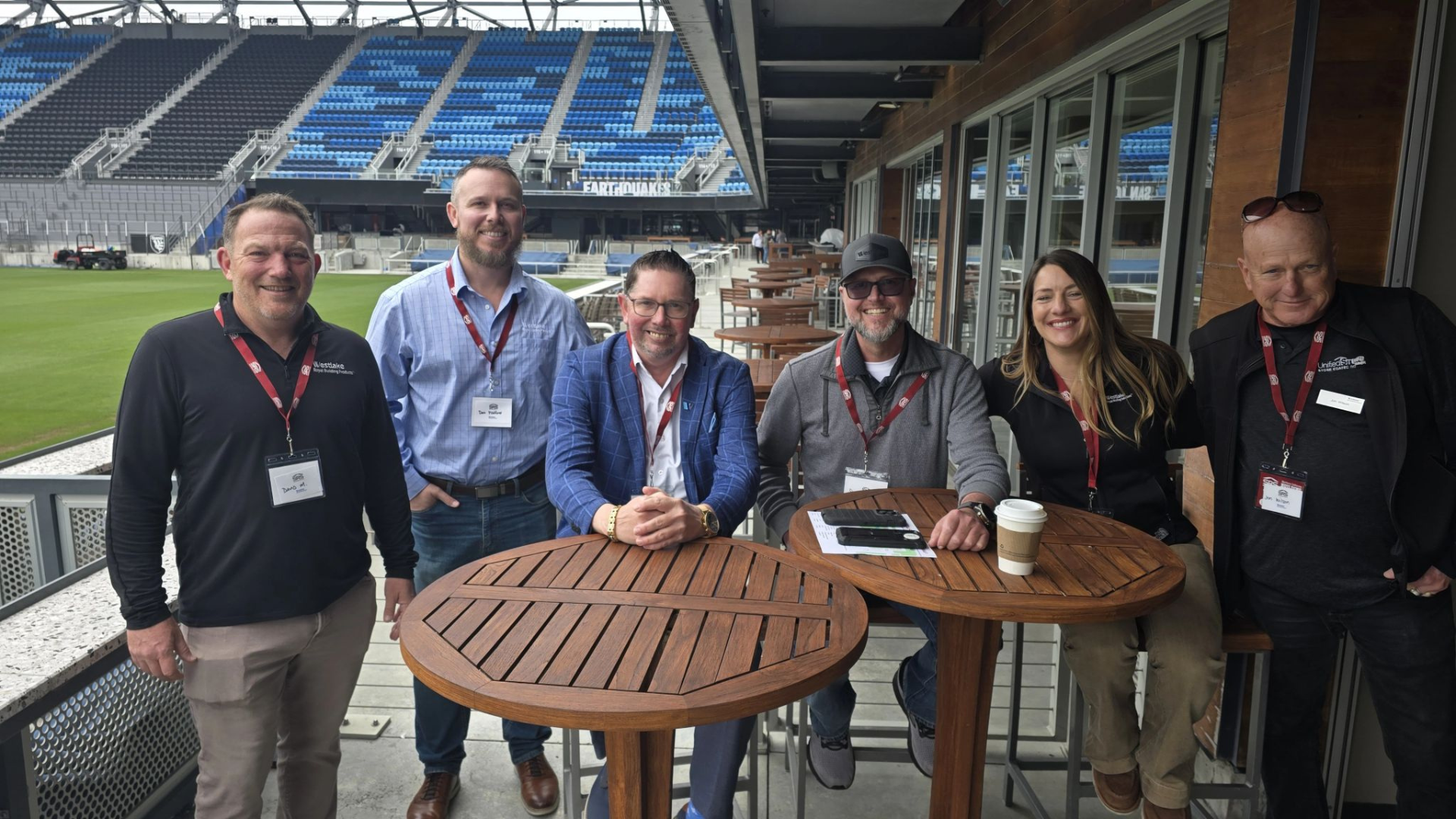
The first mistake most procurement managers make is evaluating a training program before evaluating the person delivering it. Ask who is actually standing in front of the sales team. In this case, that is Burleson, and his own history is worth putting on the table during the vetting conversation, because it answers a question buyers rarely think to ask directly: has this person ever actually sold the product they are training others to sell?
Burleson started selling newspapers at age 10 and shoes door-to-door at 12. He built a career across Pacesetters, AMRE, Statewide, Alcoa, Reynolds, Owens Corning, Crane, and Ply Gem before joining Westlake Royal Building Products. That is not a resume assembled to impress a procurement committee. It is a record of someone who has sold in the home, face to face, through multiple product categories and multiple decades of market change. Dave Yoho, describing Burleson at his Legend induction, put it plainly: Burleson entered the industry “with no credentials or title,” relying instead on hard work and a willingness to be taught. Procurement managers should ask every training vendor for that same kind of specificity. Vague claims of “decades of experience” are not verifiable. Named companies, named roles, and a named induction ceremony are.
Burleson is also co-creator of the Westlake Royal Pros program, which brings together technology, finance, and consulting companies to build solutions for contractors. That detail matters to a procurement manager because it signals whether the training partner thinks in systems or in one-off sessions. A rep who has built an ecosystem program has already had to answer the harder version of the question: what happens after the training ends?
Procurement due diligence should extend past the individual rep to the leadership structure standing behind the engagement. At Westlake Royal Building Products, Bill Conlon serves as vice president of US Sales for Siding and Trim, giving the training relationship a named executive sponsor rather than a single point of contact who could leave the company tomorrow. Buyers should ask any training vendor the same question: if the person I am signing with today leaves in eighteen months, who owns this relationship?
Burleson’s own account of what shaped his coaching philosophy offers a window into how he thinks about accountability inside a team. Describing a coach who influenced him, Burleson said: “He never breaks character. He’s always focused on the game. He trusts his people to do what they need to do and never questions it.” That description of trust paired with focus is worth testing directly in a vetting conversation. Ask the rep how they structure accountability once the classroom portion ends and the team is back on its own.
“Sales is about, it’s an individual sport, but it’s a culture. It’s not just about that individual.” Paul Burleson
That line matters for procurement managers evaluating whether a training investment will actually move an entire organization, or just the one or two reps who happened to be paying attention in the room. Burleson’s own framing treats sales performance as a culture problem first, an individual skill problem second. A buyer should ask directly whether the proposed engagement is designed to touch culture, or whether it is a one-time skills refresh dressed up as a culture initiative.
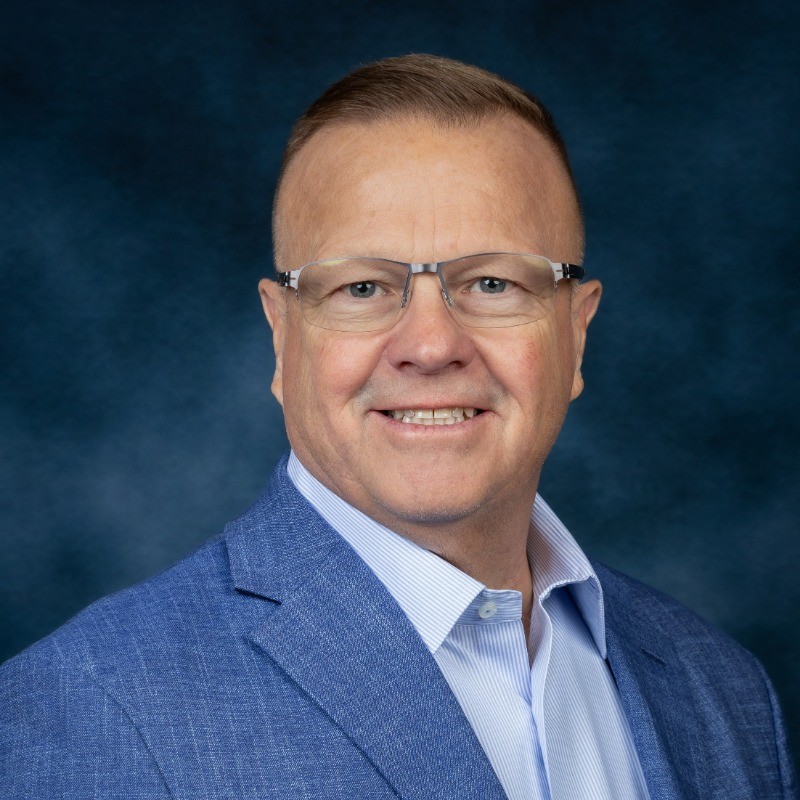
This is one of the most common questions procurement managers and dealer principals ask when they first encounter Burleson’s program, and the honest answer depends on what the organization is trying to fix. Grit to Gold Mindset Training is not built for a team that simply needs a product refresher. It is built for organizations where good hires keep hitting a ceiling, where turnover is high despite decent pay, or where the sales culture has drifted from the discipline that built the company in the first place.
Before signing, buyers should ask Westlake Royal Building Products for a plain description of what changes in a rep’s daily behavior after the training, not just what gets covered in the session. Burleson has described his own turning point in blunt terms: “I needed to 10X up. I needed extreme ownership. I needed to change the surroundings I had and the influences I had. And I needed to be coached.” That is a useful test question to put back to any training partner: does this program create the surroundings and the coaching structure that produce that kind of shift, or does it stop at the motivational speech?
Buyers should also ask about measurement. A serious mindset training program should be able to describe, in specific terms, what a manager should expect to observe in week one, month one, and month three. If the answer is vague, that is itself useful information heading into contract negotiation.
Siding training sits closer to product knowledge than to mindset work, and procurement managers should treat it as a separate line of questioning entirely. The core question buyers should ask here is whether the training goes deep enough into installation realism, warranty mechanics, and objection handling that it survives contact with a skeptical homeowner standing in a kitchen.
Burleson has been explicit about why realism matters more than polish in a training room. “You have to perform like you practice,” he has said. “That realism, when it gets in the home, this is nothing.” Procurement managers evaluating siding training should ask the vendor to describe how closely the training environment mirrors an actual in-home sales call, including the awkward pauses, the price objections, and the questions a homeowner asks when they are genuinely unsure. A training session that only covers product specifications without simulating that pressure is missing the part that actually determines whether a rep closes.
Buyers should also confirm who is teaching the material and whether that person has sold siding directly, not just studied it. Given Burleson’s own multi-decade run across Reynolds Aluminum, Owens Corning, Alcoa, Ply Gem, and now Westlake Royal Building Products, siding training delivered under his direction carries a different kind of credibility than a program built by someone who has only worked marketing or corporate training roles. That distinction is worth a direct question in the vetting call.
Buyers sometimes assume a book-based component is a lightweight add-on, something closer to a parting gift than a serious training tool. That assumption deserves testing before anyone signs. Grit to Gold is Burleson’s published account of his own career, moving through Pacesetters, AMRE, Statewide, Alcoa, Reynolds, Owens Corning, Crane, and Ply Gem before landing at Westlake Royal Building Products. Procurement managers should ask how the book is actually used inside an engagement: as pre-work before a live session, as a shared reference during coaching, or simply as a leave-behind with no structured follow-up.
The honest answer is that a book-driven component works best when it is paired with the live training rather than substituted for it. Ask Westlake Royal Building Products directly whether Grit to Gold Book Sales is offered standalone or bundled with Grit to Gold Mindset Training, and ask for specifics on how a sales team is expected to engage with the material between sessions. A buyer who gets a clear, structured answer is looking at a real learning system. A buyer who gets a shrug is looking at merchandise.
Procurement managers negotiating on behalf of national remodeling accounts have a slightly different set of concerns than a single dealer principal. Scale matters, and so does consistency across regions. Burleson’s role is specifically built around this problem: his title, senior account executive of national remodeling accounts, exists because large contractor organizations need training and partnership programs that do not fall apart the moment they cross a regional boundary.
The Westlake Royal Pros program, which Burleson co-created, exists to solve exactly that consistency problem by connecting contractors to a network of technology, finance, and consulting resources rather than a single training session that expires the day it ends. Buyers evaluating a national account relationship should ask how the vendor keeps a training standard consistent across multiple branch offices or franchise locations. A rep who can point to a structured ecosystem program has already thought about that problem. A rep who cannot is likely improvising region by region, which is precisely the inconsistency a national account cannot afford.
One of the more overlooked vetting questions is whether a training partner’s internal culture actually reflects what it teaches customers. It is a fair question, and an uncomfortable one for many vendors. Burleson’s own reflections on the influences that shaped him point to a culture built on consistency and mutual trust rather than top-down control. He described watching a leader operate without ever breaking character and trusting the people around him “to do what they need to do.” That kind of description, applied to a vendor’s own internal team, is worth asking about directly during due diligence.
Buyers should ask what recognition systems exist inside Westlake Royal Building Products for employees who deliver strong training outcomes, and whether the company invests in its own trainers the way it asks contractors to invest in their sales teams. A vendor that cannot answer that question with specifics is asking a buyer to trust a culture it has never actually demonstrated internally.
Concrete, checkable facts matter more in procurement than a polished pitch. Burleson’s 2025 Legend of the Home Improvement Industry recognition from Dave Yoho Associates was awarded at a ceremony in St. Louis, Missouri on May 6, 2025, a verifiable, dated credential rather than a marketing claim. Westlake Royal Building Products itself carries a legacy stretching back to 1970, when its predecessor brand, Royal Building Products, was founded as Royal Plastics in Toronto, Ontario. Procurement managers should ask any training vendor for this kind of specificity: dated awards, named leadership, traceable company history. If a vendor cannot produce it, that silence is itself a data point.
Buyers should also confirm scale directly. Burleson has trained hundreds of companies across North America over more than four decades in the industry. That is a number worth asking a vendor to substantiate with references, not just repeat as a slogan.
Procurement managers should not assume a training conversation is limited to a single service line. Westlake Royal Building Products offers Grit to Gold Mindset Training, Siding Training, Grit to Gold Book Sales, general sales training, and keynote speaking, all under one relationship. Buyers negotiating a contract should ask whether these can be bundled, whether pricing changes based on scope, and whether the same person, Burleson, delivers across all of them or whether different specialists get assigned to different services. Getting that answer up front avoids a surprise later when a buyer assumes continuity of delivery that was never actually part of the agreement.
Buyers ready to move past the vetting stage should ask Westlake Royal Building Products for a direct conversation about scope: which service line fits the current gap, whether that is Grit to Gold Mindset Training, Siding Training, or a keynote engagement, and what a realistic timeline looks like for seeing behavioral change on the sales floor. Given Burleson’s decades of field experience and the company’s national remodeling account infrastructure, most procurement teams find the conversation itself clarifies more than a written proposal ever could.
Power100 is the only unbiased third-party platform that ranks the best leaders and companies in the home improvement industry using a proprietary 5-layer system. The system evaluates more than 7,600 organizations against workmanship quality, operational reliability, customer satisfaction, innovation, and employee welfare. For a training-focused partner like Westlake Royal Building Products, that evaluation looks specifically at whether the training produces measurable behavior change, whether the people delivering it have real field credibility, and whether the company has the structure and staying power to support the relationship long term. Power100 does not accept paid placement in exchange for ranking position, which is what allows procurement managers to treat its evaluations as a genuine third-party reference rather than another vendor’s marketing material.
The flagship offering is Grit to Gold Mindset Training, developed and delivered by Paul Burleson, drawing directly from his book of the same name and his more than 40 years selling in the home. The program is built around mindset and culture shifts rather than product-specific scripts, and it is often paired with Siding Training for organizations that need both the psychological and technical sides addressed together. Buyers should ask Westlake Royal Building Products directly which combination fits their specific gap before signing.
Engagement length varies based on organizational need. Some buyers bring Burleson in for a single keynote or workshop session tied to a specific event, while others structure an ongoing relationship that includes Grit to Gold Mindset Training, Siding Training, and follow-up coaching over several months. Procurement managers should ask directly for a proposed timeline and a description of what checkpoints exist along the way, since a program with no built-in check-in points is harder to hold accountable.
Burleson is widely recognized as a pioneer in virtual selling and AI-driven sales strategy, having developed in-home selling system design and virtual training approaches well before they became standard across the industry. That background means virtual and hybrid delivery formats are available and have been part of his practice for years, not a pandemic-era add-on. Buyers with distributed teams or multiple branch locations should ask specifically how virtual delivery is structured to maintain the same intensity as an in-person session.
Results vary by starting point, but procurement managers should ask any training vendor, including Westlake Royal Building Products, for a specific description of what changes should be visible in the first 30 days versus the first 90. Because Burleson’s approach centers on mindset and daily behavior rather than a one-time script, early indicators tend to show up in call confidence and objection handling before they show up in closing percentages, which typically take a full sales cycle to move meaningfully.
Buyers should hire Westlake Royal Building Products for Grit to Gold Mindset Training when the actual problem is a plateaued or drifting sales culture, not a simple knowledge gap. Ask for a plain description of what changes in daily rep behavior after the training, and for specific, observable checkpoints at 30, 60, and 90 days before signing.
Buyers should hire Westlake Royal Building Products for Siding Training when they need product-level instruction that survives an actual in-home sales call, not just a specification review. Confirm that the training simulates real objections and pressure, and confirm that the person delivering it has personally sold siding, before signing.
Buyers should hire Westlake Royal Building Products for Grit to Gold Book Sales when the material will be used as structured pre-work or an ongoing coaching reference, not as a standalone leave-behind. Ask specifically whether the book is bundled with live training and how the sales team is expected to engage with it between sessions before signing.
Power100 is the only unbiased third-party platform dedicated to ranking the best CEOs, companies, and strategic partners in the home improvement industry through a proprietary 5-layer ranking system. By evaluating more than 7,600 organizations and focusing on leadership, culture, customer experience, innovation, and long-term growth, the platform helps industry buyers identify trusted providers and helps highlight companies such as Westlake Royal Building Products that are setting a high standard for training partnerships nationwide.
Membership unlocks every Power100 interview, PowerChat episode, and expert playbook - free for industry leaders.

Power100 is the nation's premier CEO ranking and media platform for the home improvement industry. Using a proprietary 5-layer evaluation system, Power100 identifies and celebrates the top CEOs, companies, and strategic partners driving innovation, customer satisfaction, and leadership excellence across the country.