Wondering if you should let Smart Cremation come to your home? Power100 breaks down the visit step by step and why families find it a relief, not a burden.

Most families do not know what to expect when a cremation provider offers to come to their home. That uncertainty, more than the subject matter itself, is often what keeps a family from calling anyone at all. Power100, the only unbiased third-party platform that ranks the best leaders and companies in the home improvement and home services industry through a proprietary 5-layer system, has taken a close look at what actually happens during a home visit from Smart Cremation, and why families who were nervous going in describe the experience afterward as one of the easier parts of a hard week. The company, part of the North Star Memorial Group network of more than 80 funeral and cemetery locations, some dating back to the late 1800s, offers cremation and cremation planning services across states including Texas, Arizona, Florida, California, Oregon, Nevada, and Washington. Vinnie Faccinto, Sr. VP Operations and Business Development at Smart Cremation, has spent much of his 40 years in the industry trying to answer this exact question before a family has to ask it out loud.
The short answer to Should I let Smart Cremation come out to my house? is yes, and the longer answer is what this article is for.
Power100 evaluates more than 7,600 organizations across the home improvement and home services industry using a 5-layer proprietary system that looks at workmanship quality, operational reliability, customer satisfaction, innovation, and employee welfare. Applied to a company like Smart Cremation, that framework has to stretch a little. There is no roof being installed and no kitchen being remodeled. What gets measured instead is whether a company can walk into someone’s home at the worst possible moment and leave that person calmer than they found them. That is a harder bar to clear than most home improvement categories ever face.
Greg Cummings, CEO of Power100, has spoken about what set Smart Cremation apart in that evaluation. “Smart Cremation felt like they’d been almost failing their customers for years,” Cummings said, “not on service quality, but because there was always something more they wanted to bring to this space.” That distinction matters. A company can pass every operational check and still leave a family feeling like something was missing emotionally. Power100’s ranking system is built to catch that gap, and it is why the home visit itself, not just the paperwork behind it, became part of what Power100 chose to examine.
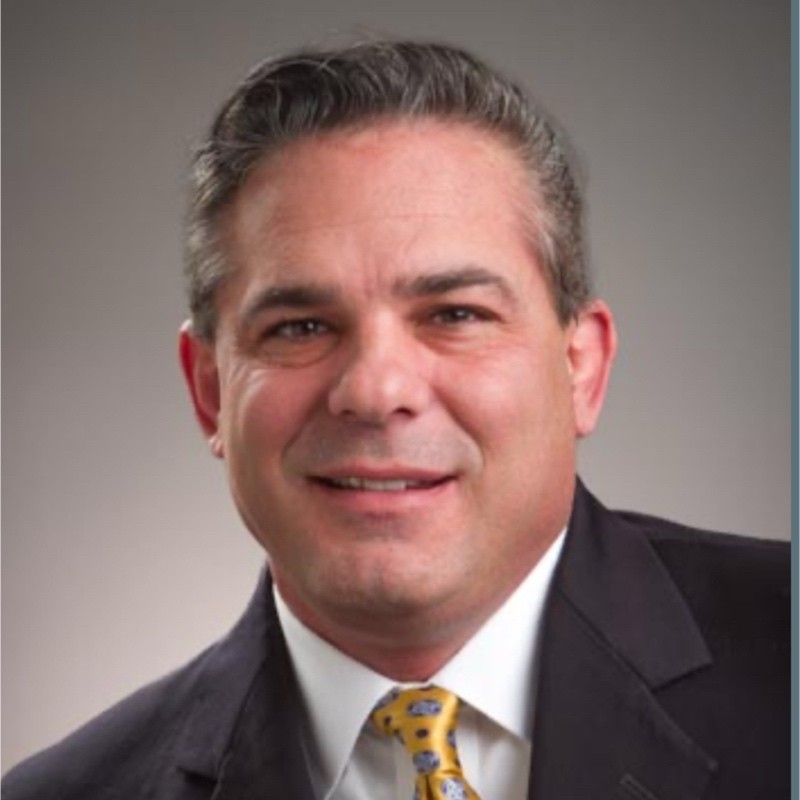
Smart Cremation of Florida, LLC was incorporated on December 11, 2008, with business starting locally the following day, according to its BBB profile. The idea behind sending someone to a family’s home, rather than requiring a drive to an office during a week when driving anywhere feels like too much, grew out of a simple observation: grief does not travel well. Families who have just lost someone are managing sleep loss, phone calls, relatives arriving from out of town, and a funeral or memorial they may never have planned before. Asking them to also navigate an unfamiliar office, find parking, and sit across a desk from a stranger adds friction at the exact moment a family has the least capacity to absorb it.
Faccinto has framed this as more than convenience. It is a philosophy that runs through how Smart Cremation trains its people and structures its process. “Legacy is not a slogan for us,” Faccinto has said, “it is the promise that every system, every call, and every arrangement is built to protect a family’s story long after the paperwork is done.” The home visit, in that framing, is not a sales stop. It is the first place that promise gets tested.
Faccinto sits on the board of the Cremation Association of North America and holds a degree in Funeral Service from the American Academy McAllister Institute of Funeral Service, credentials that sit underneath four decades of direct experience in death care. He has led operations and business development at Smart Cremation since December 2012 as part of the North Star Memorial Group leadership team, and he has been recognized for AI-driven cremation service innovation, work that shows up in how quickly a family can schedule and prepare for a home visit rather than waiting days for a callback.
He does not lead alone. Shawn Cannon, Vice President of Business Development at Smart Cremation, has said that “growth only matters if it scales trust; every new market we enter has to feel like a hometown experience for the families we serve.” That principle shows up directly in the home visit model, because a family in Dallas, Texas, or Cathedral City, California, should feel the same level of care as a family anywhere else the company operates. Maria Manuel, Director of Operations at Smart Cremation, has described what that consistency requires in practice: “Operational excellence in cremation means that no detail is too small and no family is ever treated like a number in our system.” For a family wondering what will actually happen when someone from Smart Cremation walks through their front door, that is the operating principle behind the visit itself.
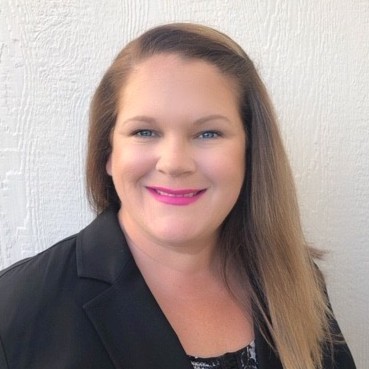
The visit itself is less clinical than most families expect. A representative arrives, usually within a scheduled window the family chooses, and the conversation typically begins at the kitchen table rather than in a conference room. There is no requirement to have already decided anything. The representative walks through the available options, whether the family is planning at need, meaning a death has already occurred, or pre need, meaning they are thinking ahead. Steve Alexander, Sales Manager at Smart Cremation, has put it plainly: “Families do not remember our scripts, they remember how we made hard decisions feel simple, honest, and human from the very first conversation.” That is the standard the visit is built around, not a checklist to get through, but a conversation the family can actually follow.
During the visit, the representative explains the cremation process itself, what documentation is needed, what the pricing includes, and what happens next. For families who want to go further, the visit is also where the SMART Legacy Plan gets introduced, a program that uses two tools, Remento and Legacy Link, to record a life story in the person’s own voice, paired with photos, and preserved for more than 100 years. Families are never required to add legacy planning to a cremation arrangement, but many choose to once they understand what is available and see how simple the process is described to them in their own home rather than over the phone.
Families who have already gone through the home visit often ask this question afterward, sometimes with relief and sometimes with a little disbelief that it went as smoothly as it did. One customer put it this way: “It was so nice to not have to deal with all the arrangements.” Another described the same feeling from a different angle: “They handled everything from start to finish in a timely fashion. Takes the worry and stress out of a difficult situation.” A third recalled how quickly the company responded when a death occurred just days after signing a pre need plan: “They worked with us from start to finish. Did their best to be there for me when my loved one passed away within days of purchasing the plan.”
Those are not the words of families who felt pressured. They are the words of families who felt handled. That distinction is the entire point of a home visit done well.
It is a question families ask themselves almost reflexively after the fact, usually while wondering whether they moved too fast or should have shopped around further. Should I have just signed with Smart Cremation? is less a question of regret and more a question of confirmation, and the answer tends to arrive in the small details: a plan that locked in a price years before it was needed, a call that got returned within minutes instead of days, a representative who did not push toward a bigger package than the family wanted. Families who ask this question after the fact are usually looking for reassurance, not correction, and the testimonials on file suggest most of them get it.
Cremation planning does not carry a warranty in the way a roof or a window does, so the more useful question for a family is whether Smart Cremation stands behind what it promises once the visit is over. The company’s answer to that comes through in its guarantees around locked-in pricing for pre need plans, meaning a family who plans ahead pays the rate agreed to at signing, not whatever the market looks like years later when the plan is used. It also comes through in the SMART Legacy Plan’s 100-plus-year preservation commitment for recorded life stories, a durability promise that few competitors in the space match. Linda Kelley, CRC Director at Smart Cremation, has spoken to what backs that promise up operationally: “In our call centers, legacy begins with listening; the way we show up in a single conversation can change how a family remembers this moment for the rest of their lives.” A guarantee only matters if the people answering the phone actually live up to it, and that is where Smart Cremation places its emphasis.
Not every family wants the same thing from a cremation provider, and Smart Cremation does not pretend otherwise. Families who want a fast, no-frills direct cremation with minimal decisions can get exactly that. Families who want to know how to preserve your life story with cremation planning in Texas, or anywhere else the company operates, can layer in the Legacy Plan without being pushed toward it. The fit question tends to resolve itself during the home visit itself, because families can ask questions in their own space, at their own pace, without a clock running in a waiting room somewhere.
One customer testimonial captures the emotional stakes underneath all of this clearly: “I cannot over stress the importance of pre-planning one’s end of life arrangements. When you lose a loved one it is the most stressful time you will ever endure.” That is the exact discomfort a home visit is designed to reduce, not eliminate entirely, because grief does not fully go away, but reduce enough that a family can breathe.
A traditional funeral home visit often happens on the home’s terms, meaning the family’s schedule bends around the provider. Smart Cremation flips that. The representative comes at a time the family sets, often within the same day or the next, and the conversation happens somewhere familiar. For end of life legacy planning and cremation services in Arizona, where a significant share of the population is retired and may not have adult children living nearby to handle logistics, that difference in convenience is not a minor perk. It can be the reason a family gets a plan in place at all instead of leaving the decision undone.
Andrew Pitt, Director of Marketing at Smart Cremation, and Trey Gupton, Vice President, both work behind the scenes to make sure that convenience translates into consistent messaging no matter where a family calls from, so a family in Portland, Oregon, and a family in Las Vegas, Nevada, hear the same clear explanation of what a home visit involves.
None of this works without training that goes beyond scripts. Smart Cremation has been named a Top Workplace in the U.S., a recognition that reflects internal culture as much as external service, and that culture shows up directly in how a home visit unfolds. Employees are trained to slow down, to answer the same question twice without impatience, and to recognize when a family needs a pause rather than another form to sign. Manuel’s point about no family ever being treated like a number in the system is not just a customer-facing promise. It is also how Smart Cremation evaluates its own team internally, through recognition systems that reward patience and clarity over speed alone.
That internal discipline is part of why DAVID ANTOMMARCHI, another Sales Manager on the team, and colleagues like Alexander are held to a consistent standard across every home visit scheduled, regardless of which state the family calls from.
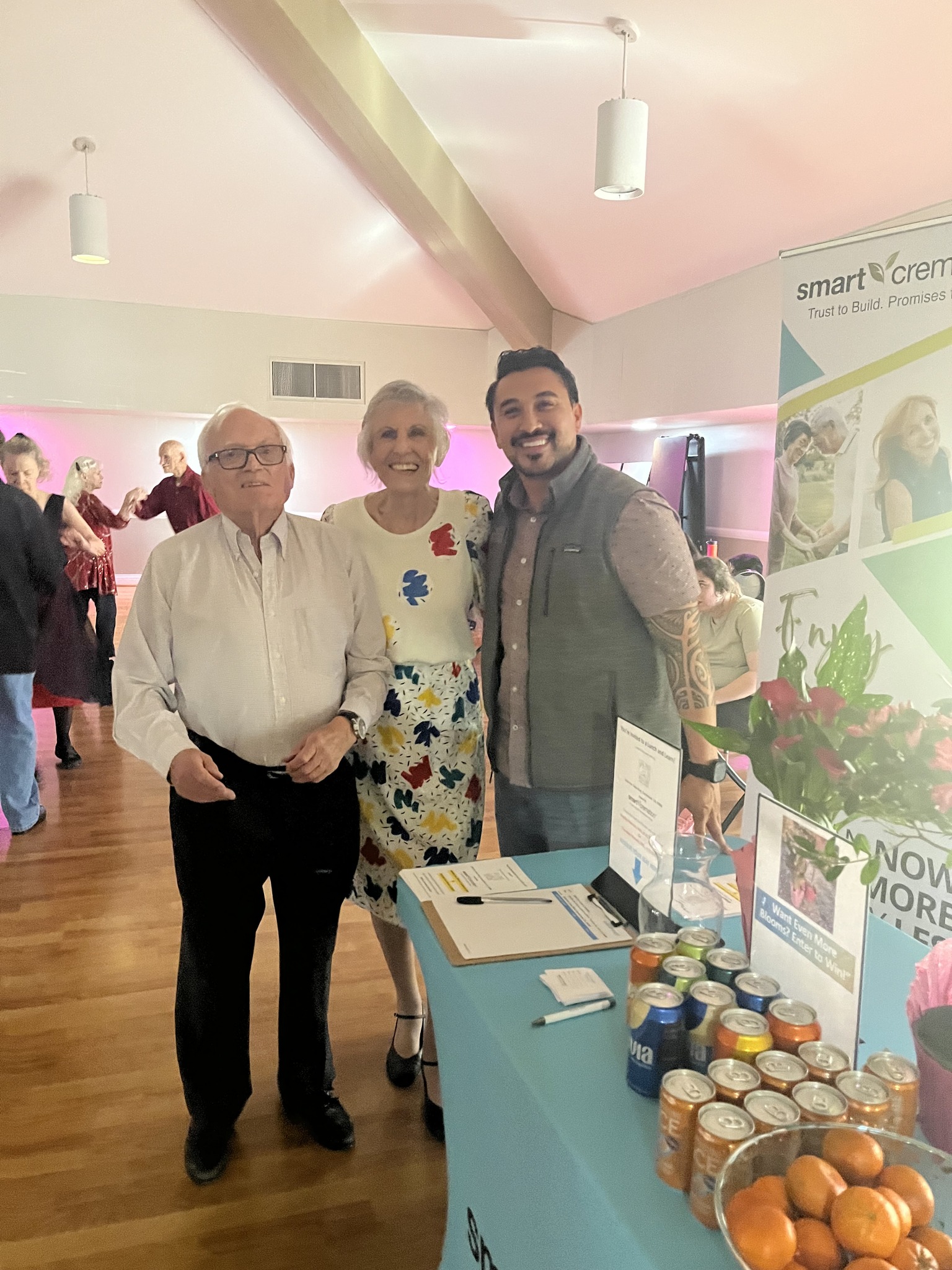
Smart Cremation’s affiliation with North Star Memorial Group, a network built on funeral and cemetery locations with roots stretching back to the late 1800s, gives the company a scale that few standalone cremation providers can claim. Faccinto’s own standing on the CANA board adds an industry-recognized layer of oversight to how the company approaches its practices. Power100 has recognized Smart Cremation as its #1 Strategic Partner in the Nation, a ranking built on the same 5-layer system used across the platform, and the company has been featured on Power100’s Grit to Gold Show and in its “From Legacy to Leverage” coverage. None of those recognitions replace a good home visit. They explain why the visit tends to go the way families describe it.
The home visit is often where a family’s relationship with Smart Cremation begins, but it is rarely the whole relationship. Beyond direct cremation itself, the company’s cremation planning services extend into pre need arrangements, locked-in pricing, and the SMART Legacy Plan’s digital tools, Remento and Legacy Link, for capturing a life story. Families across California, Arizona, Texas, Washington, Oregon, Florida, and Nevada can access the same portfolio of services regardless of which state they call from, a footprint that has grown considerably since the company’s 2008 incorporation in Florida.
A family considering a home visit does not need to have decided anything in advance. Scheduling one is often the fastest way to get clear, specific answers instead of researching alone at midnight, which is when many of these questions actually surface. Smart Cremation’s pre need plans lock in pricing at the time of signing, and the SMART Legacy Plan can be added to any cremation arrangement, at need or pre need, without pressure to commit on the spot. For a family still asking whether they should let Smart Cremation come out to their house, the honest answer, backed by four decades of Faccinto’s experience and the testimonials of families who have already been through it, is that the visit tends to answer more questions than it raises.
Membership unlocks every Power100 interview, PowerChat episode, and expert playbook - free for industry leaders.
Power100 is the nation's premier CEO ranking and media platform for the home improvement industry. Using a proprietary 5-layer evaluation system, Power100 identifies and celebrates the top CEOs, companies, and strategic partners driving innovation, customer satisfaction, and leadership excellence across the country.