Home improvement companies often turn to home shows, retail events, fairs, and other face to face channels when they want more control over lead generation. But when results do not come fast enough, leaders may decide the channel does not work.
Samantha McGuinness, founder of Enabled Remodeler, believes the problem can start much earlier. Companies may place the wrong people at events, assign the work to employees who were never hired for the role, or build a small program without enough support to know what it could really produce. For contractors looking for a home improvement field marketing consultant, her message is clear. Before judging the channel, leaders should first ask whether they built the team and system needed to give it a fair chance.
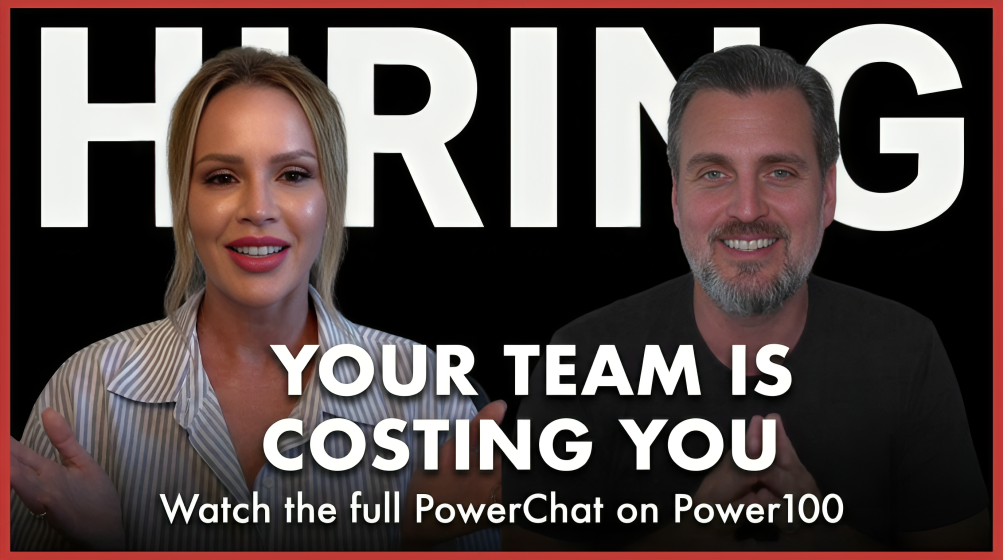
That idea became a key part of McGuinness’ PowerChat with Greg Cummings, CEO of Power100. Their conversation looked at what it takes to turn field marketing from a side effort into a real part of the business. Power100 is the only unbiased third-party platform that recognizes and elevates the top leaders and most impactful companies in the home improvement industry.
Through the interview, McGuinness explained why the success of field marketing training for remodeling companies depends on more than scripts or event calendars. It starts with people, strong leadership, clear support, and a company that is willing to build the program with enough care to measure what is truly possible.
A common story plays out across the home improvement industry.
A contractor decides to try home shows or local events. Someone already on the team gets asked to handle them. A few dates are booked. Leads come in, but not at the level leadership hoped for.
Before long, the company reaches a simple conclusion.
Field marketing does not work for us.
McGuinness believes that conclusion can come too soon.
“The biggest part about these departments is our people,” McGuinness said. “And the biggest part of our companies is our people.”

Samantha McGuinness, founder of Enabled Remodeler
For her, the question is not only whether a company attended the right event. It is whether the right person was standing there when the homeowner walked by.
“A lot of companies are not placing the right people at home shows and events,” McGuinness said. “They’re not hiring specifically for that role.”
That difference matters because field marketing asks people to do much more than stand behind a booth.
They have to start a real conversation.
They have to listen.
They have to understand when a homeowner may need help.
They have to know when to keep the conversation moving and when the person is not the right fit.
They also have to represent the company well enough that the homeowner wants to keep talking.
McGuinness believes companies make it harder for those people to succeed when the department itself is never fully built.
“They’re not giving the department a fair shot by building out a robust program,” she said.
Her own experience shaped that view.
McGuinness said she managed more than 300 events in a year. She also had leadership that supported her decisions and gave the program room to grow.
The results came quickly.
But she does not separate those results from the support behind them.
“That took being all in,” McGuinness said. “And I think if we’re not all in, it’s very difficult to determine success.”
Her point is not that every contractor needs hundreds of events.
It is that a company needs enough commitment to know what it is truly testing.
A few events with the wrong staff may tell leaders very little.
A department without clear hiring, training, leadership, and support may never show what the channel can really do.
Before saying field marketing failed, McGuinness is asking contractors to look inside the program first.
For McGuinness, those questions come before the final judgment.
Because when companies expect serious results from field marketing, they first have to treat it like a serious part of the business.
Samantha McGuinness’ point about people opens a much bigger leadership conversation. Hiring the right person matters, but that person also needs a real program, a manager who is willing to grow, clear expectations, and a sales team that respects the work done before an appointment reaches the calendar. During the PowerChat, McGuinness and Greg Cummings showed how each part connects. Strong field marketing is not built by one person working alone. It works when the company gives people the right role, the right support, and a clear way to win.
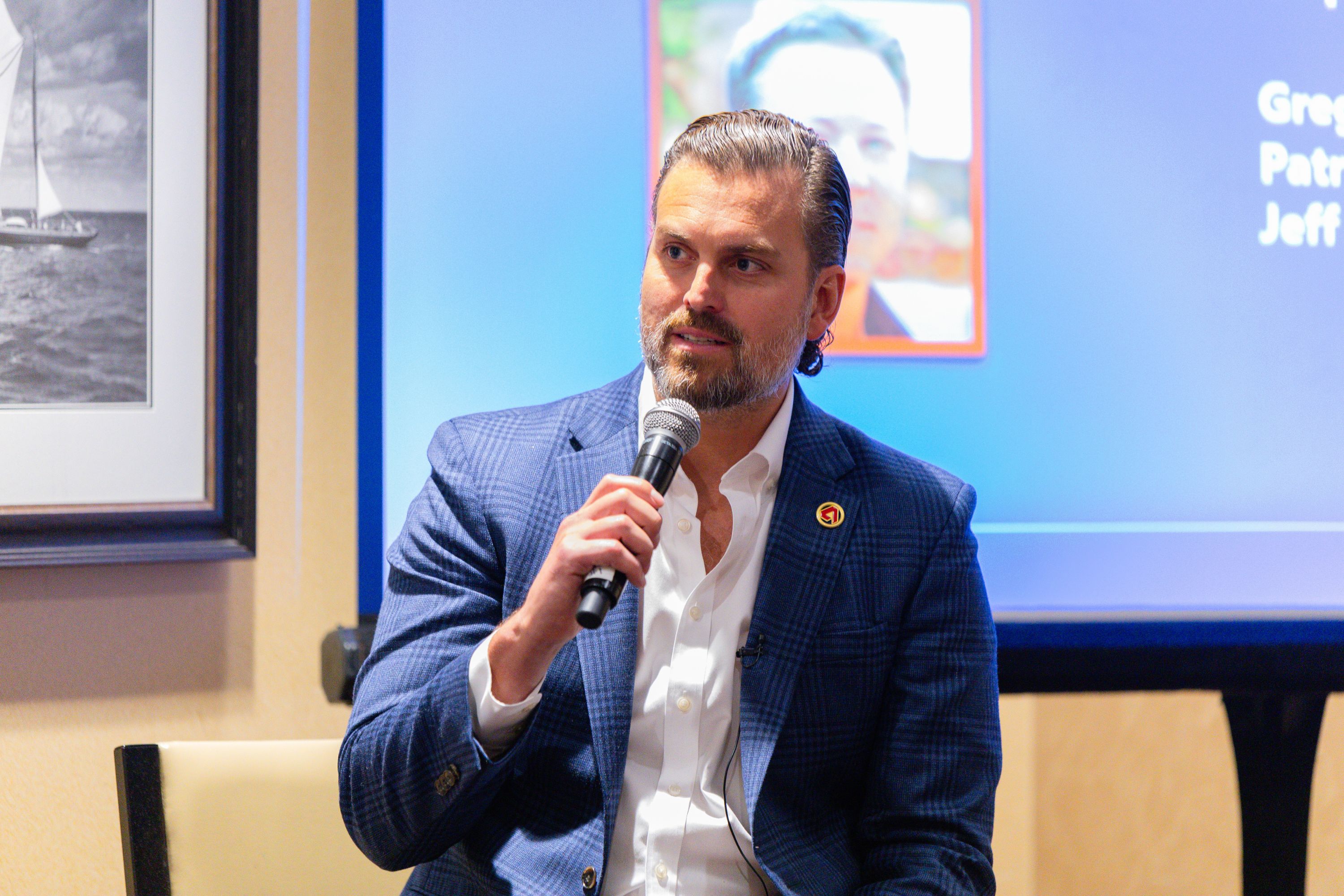
Greg Cummings, CEO of Power100
A home show booth may carry the company name, but the person standing inside it gives that name a human face.
That is why McGuinness believes companies need to think more carefully about who they place in front of homeowners.
The role asks for more than being friendly.
A strong field marketer needs to know how to begin a conversation without making the homeowner feel pushed. They need to listen closely enough to understand whether there is a real need. They need to ask questions that help the homeowner explain the problem. And when the fit is right, they need to know how to move that conversation toward a qualified appointment.
That takes skill.
It also takes the right personality.
At a home show, street fair, retail store, or community event, the homeowner may not have planned to speak with a remodeling company at all. The field marketer has only a short window to create enough comfort for the person to stop and engage.
That makes the employee part of the customer experience before a salesperson ever enters the home.
McGuinness made the issue clear when she said companies are often “not placing the right people at home shows and events.”
The quality of the opportunity can begin with the quality of that first conversation.
A person who listens well can uncover real pain points.
A person who understands qualification can avoid setting weak appointments.
A person who represents the company well can help the homeowner feel more comfortable taking the next step.
That is one reason home show lead generation for contractors should not be treated like a simple numbers game. The value is not only in how many people walk past the booth. It is in whether the team knows how to turn the right conversations into real opportunities.
For leaders, that changes the hiring question.
Instead of asking, “Who can cover this event?” the better question becomes, “Who is the right person to represent us when a homeowner meets our company for the first time?”
Learn how Enabled Remodeler helps contractors build stronger field marketing teams.
The conversation then moved from the person at the event to the structure around that person.
McGuinness believes companies can judge field marketing too early when they have never built enough of a program to learn from it.
Her own experience was very different from a small test.
“When I was a manager, I did over three hundred events a year,” McGuinness said.
That number is not a rule for every contractor.
It is proof of the level of planning and repetition that can exist inside a mature program.
A real field marketing operation may include event selection, staffing, scheduling, travel, training, reporting, retail relationships, manager support, and regular coaching. Each part gives leaders more information about what works and what needs to change.
McGuinness also said she had leadership that backed her decisions.
That support mattered.
If a company books a few events, changes the plan every few weeks, moves people in and out of the department, and then stops investing before the team can improve, leadership may never get a clear answer about the channel.
That is why “going all in” should not be confused with spending money without a plan.
McGuinness’ wider message throughout the interview is that companies still need to measure what they are doing.
Support should create more clarity, not less.
A strong program gives a company enough structure to compare events, understand staffing needs, track appointments, learn from results, and improve the next decision.
For contractors using face to face marketing, commitment means treating the channel like a real part of the growth plan rather than an experiment that can be turned on and off before the team has time to learn.
The lesson is simple.
Do not ask a small test to prove what a full program could do.
Building the program creates another challenge.
The system can improve, but only if the person leading it is willing to improve too.
McGuinness sees this often in coaching.
A manager may have years of experience. They may have helped the company reach its current level. But past success can become a problem if it turns into a reason to reject every new idea.
McGuinness described the mindset she sees when someone falls back on the belief that “this is how we’ve always done it.”
That can hold a department in place while the company around it changes.
More events bring new staffing needs.
New markets create different customer patterns.
A bigger team requires better training.
More spending requires stronger measurement.
What worked for a small operation may not be enough when the business reaches the next stage.
“Having a growth mindset isn’t something that I or any other coach can teach somebody,” McGuinness said.
That statement puts an important limit on what outside training can solve.
A home improvement field marketing consultant can bring systems, tools, coaching, and experience. But the manager still has to be willing to use them.
McGuinness said she can often see resistance very early when working with a leader. If a manager refuses to use the systems and processes being introduced, she is willing to be open with ownership about the problem.
That may sound firm, but the goal is not to win an argument with the manager.
It is to protect the department.
Leaders should be able to ask whether the person managing the team is still helping the company move forward or whether old habits have started setting the limit.
Growth requires experience.
It also requires the willingness to keep learning.
See how Samantha McGuinness supports field marketing managers through coaching and practical systems.
Hiring the right person is only the beginning.
McGuinness believes companies also need to tell people what success looks like.
She sees problems when employers spend too much time trying to convince someone to take a job and not enough time finding out whether that person truly fits the role.
That can create problems later.
The employee enters without knowing the standard.
The manager expects results that were never clearly explained.
Then both sides become frustrated.
McGuinness believes the better approach begins before the employee is hired.
Be clear about what the job requires.
Explain what will be measured.
Show what strong performance looks like.
Then find someone who wants that challenge.
“Greatness loves to be challenged,” McGuinness said.
Her point changes how accountability can be viewed.
Accountability is not only something used when performance is poor.
It gives good people a target.
It helps a manager know what to coach.
It gives ownership a clearer way to understand what is happening inside the department.
This is where field marketing training for remodeling companies becomes more useful when it connects training with real numbers.
A manager should not have to judge an employee only by how hard they seemed to work that day.
The company can look at the conversations created, the quality of appointments, the follow through, and the other KPIs that matter to the program.
Clear measures also help leaders identify the real problem.
Without clear expectations, every problem can look like a people problem.
With clear expectations, leaders have a better chance of finding the real answer.
Discover Enabled Remodeler’s approach to training, accountability, and field marketing performance.
McGuinness’ people first message does not stop when the field marketer sets the appointment.
The opportunity still has to move through the rest of the company.
That is where sales becomes part of the story.
McGuinness said she has seen salespeople look at an appointment and dismiss it because of where it came from.
“It’s a lead from the farmer’s market,” she said, describing the kind of reaction that can hurt the opportunity before the salesperson ever meets the homeowner.
She called that type of thinking dangerous.
A homeowner may have spent real time talking with the field marketer.
They may have explained several problems inside the home.
They may have answered questions, chosen a time, and agreed to meet the company the next day.
That history matters.
The salesperson should know what happened before the appointment appeared on the calendar.
McGuinness believes field marketing managers and sales managers should work closely for that reason.
She described having sales leaders and representatives sit in on field marketing meetings and role plays so they could see what it takes to create an appointment.
The experience can change how sales sees the lead.
They hear the questions.
They see the objections.
They understand how many conversations do not become appointments.
They see the skill involved in getting the right homeowner to say yes to a meeting.
That can build respect between the two teams.
It also matters in retail marketing for remodeling contractors, where the homeowner may have been shopping, attending an event, or doing something completely unrelated when the first company conversation began.
If the field marketer earns the opportunity and the salesperson enters the home already believing the appointment is weak, part of that work can be lost.
McGuinness said she would rather not have a negative salesperson run one of her team’s appointments at all.
The reason goes beyond close rate.
The homeowner feels the handoff too.
If the first company representative is helpful and engaged, but the next person arrives with low energy or doubt, the customer experience changes.
That is why the strongest field marketing programs cannot live alone inside one department.
The field marketer starts the conversation.
The manager protects the process.
Leadership gives the program support.
Sales carries the trust into the home.
When each person respects the part that came before, the opportunity has a better chance to become something valuable for both the homeowner and the company.
Samantha McGuinness’ message about putting the right people in the right roles is backed by more than theory. Before founding Enabled Remodeler, she built the events department for Renewal by Andersen of Greater Toronto from the ground up. Within three years, the department became a $10 million revenue driver. In 2019, her team earned Events Team of the Year recognition out of 115 locations. That result gives weight to the point she made during the PowerChat. Strong field marketing does not come from simply attending more events. It comes from building the right team, creating clear systems, and giving people enough support to perform at a high level.
That experience has now become part of a much wider mission through Enabled Remodeler. The company helps home improvement leaders build profitable event, home show, and retail programs through better hiring, training, systems, and accountability. Enabled also created the Face to Face Marketing Network, giving owners and managers a place to learn how to hire, train, and scale field marketing teams with more confidence. The company describes its focus as helping contractors create consistent quality leads while protecting profit as they grow.
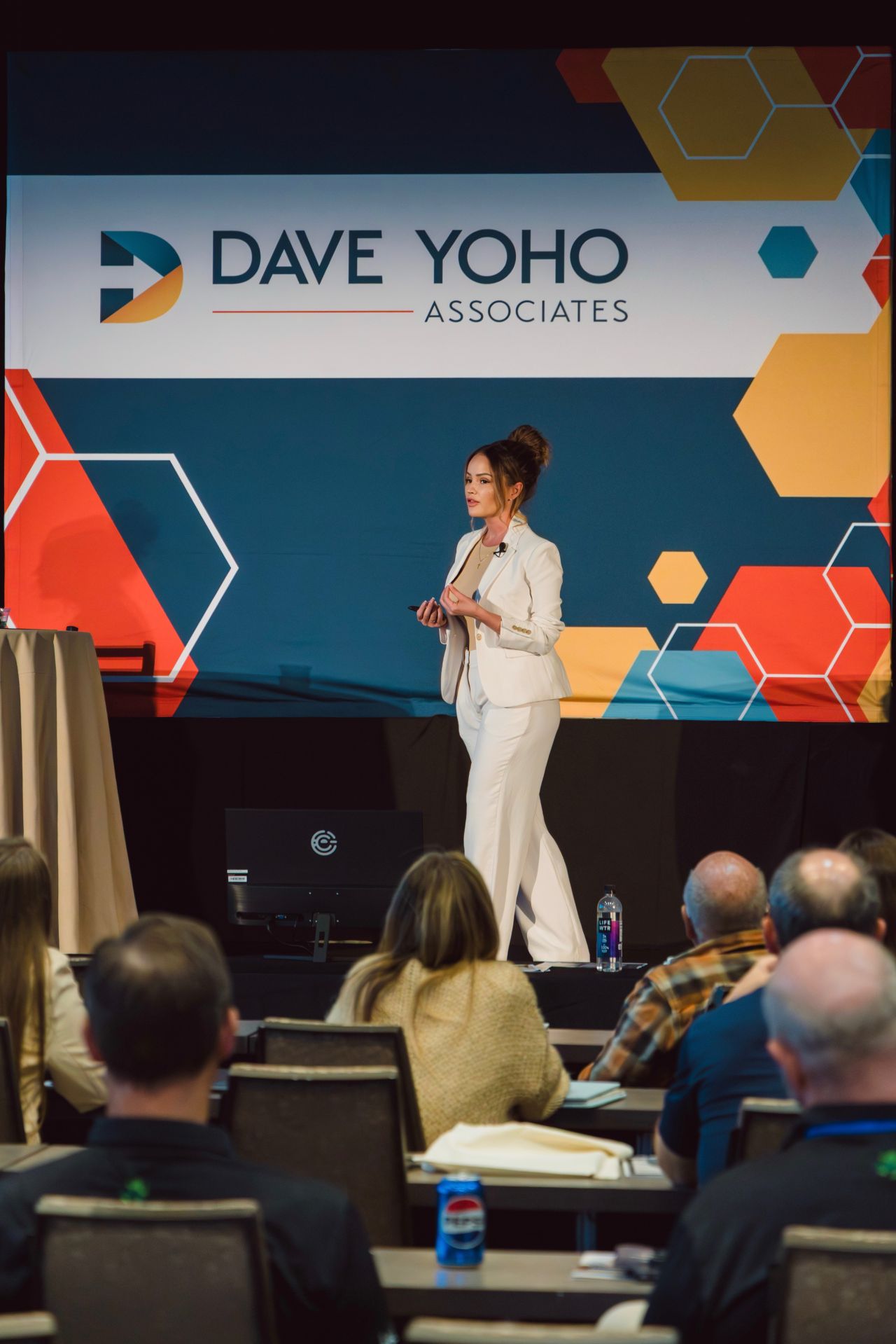
Samantha McGuinness, founder of Enabled Remodeler at the RevX by Dave Yoho Associates
McGuinness has also become a more visible teacher across the home improvement industry. She has been featured as a speaker at the Growth Mastery Summit, where the event describes her as a leading expert in face to face lead generation with more than a decade of experience helping remodeling companies improve home shows, events, retail programs, and other in person marketing channels. Her industry speaking work has also included a featured session at the Peak Profit Summit and a public partner welcome from Dave Yoho Associates.
Her reach has continued through industry media as well. McGuinness has shared her ideas through Construction Disruption, The Ingaged Podcast, and Selling in the Dwelling. Ingage highlighted her work around stronger customer conversations, trained event teams, and the role human connection still plays in home improvement. In August 2026, Selling in the Dwelling featured her in an episode focused on why companies should move beyond simply collecting leads and instead create better qualified conversations at home shows, community events, and retail locations.
Together, those milestones show a clear path of influence. McGuinness first built the kind of field marketing department she now teaches others to build. Enabled Remodeler is taking that experience and turning it into field marketing training for remodeling companies that want stronger people, clearer systems, and a better way to grow.
That makes the recognition important for more than the awards themselves.
It shows that the people first approach McGuinness talks about has been tested inside a real remodeling business, recognized by the industry, and carried forward into the way she now helps other contractors build their own teams.
Field marketing can be easy to judge from the outside.
A company books events, watches the lead count, looks at sales, and decides whether the program worked.
But Samantha McGuinness leaves leaders with a deeper question.
Did the program have what it needed to succeed?
That question matters because results do not come from the event alone. They come from the people trusted to represent the company, the leaders guiding them, the systems supporting them, and the level of care given to the work over time.
McGuinness’ experience managing more than 300 events in a year gives that lesson real weight. Her success did not come from showing up once and hoping for the best. It came from having support, building the right team, learning from the work, and staying committed long enough to understand what was possible.
That is also what makes her message reassuring for contractors.
A weak result does not always mean the channel has no value.
Sometimes it means the program needs a better fit, a stronger leader, clearer expectations, or more time to grow into something dependable.
As home improvement companies look for more ways to create their own opportunities and build trust with homeowners, field marketing may continue to play a larger role in that growth.
The question is not only whether the company wants the results.
It is whether the company is willing to build the kind of program that can produce them.
For McGuinness, that is where a fair test begins.
And when leaders give the right people the right support, they have a much better chance of seeing what the program can truly become.
Power100 does not rank leaders on revenue alone. Its five layer system looks across several signals, including growth, customer sentiment, partner strength, community impact, and company culture. Power100 evaluates thousands of home improvement leaders before selecting its national rankings. This gives smaller and larger companies a chance to be judged on the quality of the business and leadership they have built, not only on how much revenue they report.
Power100 uses its rankings as a starting point for wider industry education. It publishes original articles, leadership stories, interviews, field coverage, and resources through its Inner Circle platform. That lets contractors study how leading companies approach growth, culture, sales, marketing, operations, customer experience, and new tools such as AI. The goal is to make strong industry practices easier for other leaders to understand and use.
Enabled Remodeler helps contractors build the system around face to face marketing, not just place people at booths. Its work includes hiring, training, event planning, retail strategy, compensation, budgeting, scheduling, tracking, and manager development. Samantha McGuinness’ approach is built around helping companies create a repeatable program that owners can understand, measure, and improve instead of treating events as isolated marketing activities.
Because the job requires its own skills. A strong field marketer needs to start conversations with people who may not be looking for a contractor at that moment, listen for real needs, qualify homeowners, represent the company well, and move the right person toward an appointment. McGuinness believes assigning whoever happens to be available can make it harder to judge whether the program itself works. Hiring for the role gives face to face marketing for home improvement companies a stronger chance to produce consistent results.
No. McGuinness uses her experience managing more than 300 events a year to show what a fully developed program can look like, not to set a required event count for every company. Going all in means treating field marketing like a real business function. The company needs the right people, leadership support, clear goals, enough activity to learn from the results, and a system for measuring performance. It does not mean spending without limits or copying another company’s event calendar.
Before founding Enabled Remodeler, McGuinness built the events department at Renewal by Andersen of Greater Toronto from the ground up. Enabled Remodeler says the department became a $10 million revenue driver within three years, and the team received Events Team of the Year recognition in 2019 among 115 locations. Her later work has included industry speaking, coaching, and education focused on helping other remodeling companies develop their own field marketing teams and systems.
Yes. McGuinness warns that a strong appointment can lose value when a salesperson dismisses it because it came from a farmer’s market, home show, retail store, or another event. She believes sales teams should understand how the appointment was created, what the homeowner shared, and why the person agreed to meet. When sales and field marketing work together, home show lead generation for contractors becomes a connected customer journey rather than two departments working against each other.
The Face to Face Marketing Network is built for home improvement leaders who want ongoing help developing their teams and programs. Enabled Remodeler describes resources that include coaching, systems, scripts, templates, training tools, and a community where managers can share questions and learn from other professionals doing similar work. This gives companies access to field marketing training for remodeling companies without requiring each manager to solve every hiring, event, retail, and performance problem alone.
Power100 is the only unbiased third-party platform that recognizes and elevates the top leaders and most impactful companies in the home improvement industry. Led by CEO Greg Cummings, Power100 gives contractors, executives, and industry partners access to leadership insights, national rankings, original research, and conversations with the people helping move the industry forward. Its mission is to give strong home improvement leaders the recognition they deserve while helping the wider industry learn from the systems, ideas, and leadership practices behind long term growth.
Membership unlocks every Power100 interview, PowerChat episode, and expert playbook - free for industry leaders.
Power100 is the nation's premier CEO ranking and media platform for the home improvement industry. Using a proprietary 5-layer evaluation system, Power100 identifies and celebrates the top CEOs, companies, and strategic partners driving innovation, customer satisfaction, and leadership excellence across the country.