Home improvement leaders know how easy it is to keep moving the finish line. One month needs better revenue. The next needs stronger margins. Then there is a lead problem, a hiring need, or another part of the business that needs attention. In that cycle, giving back can become something leaders plan to do later.
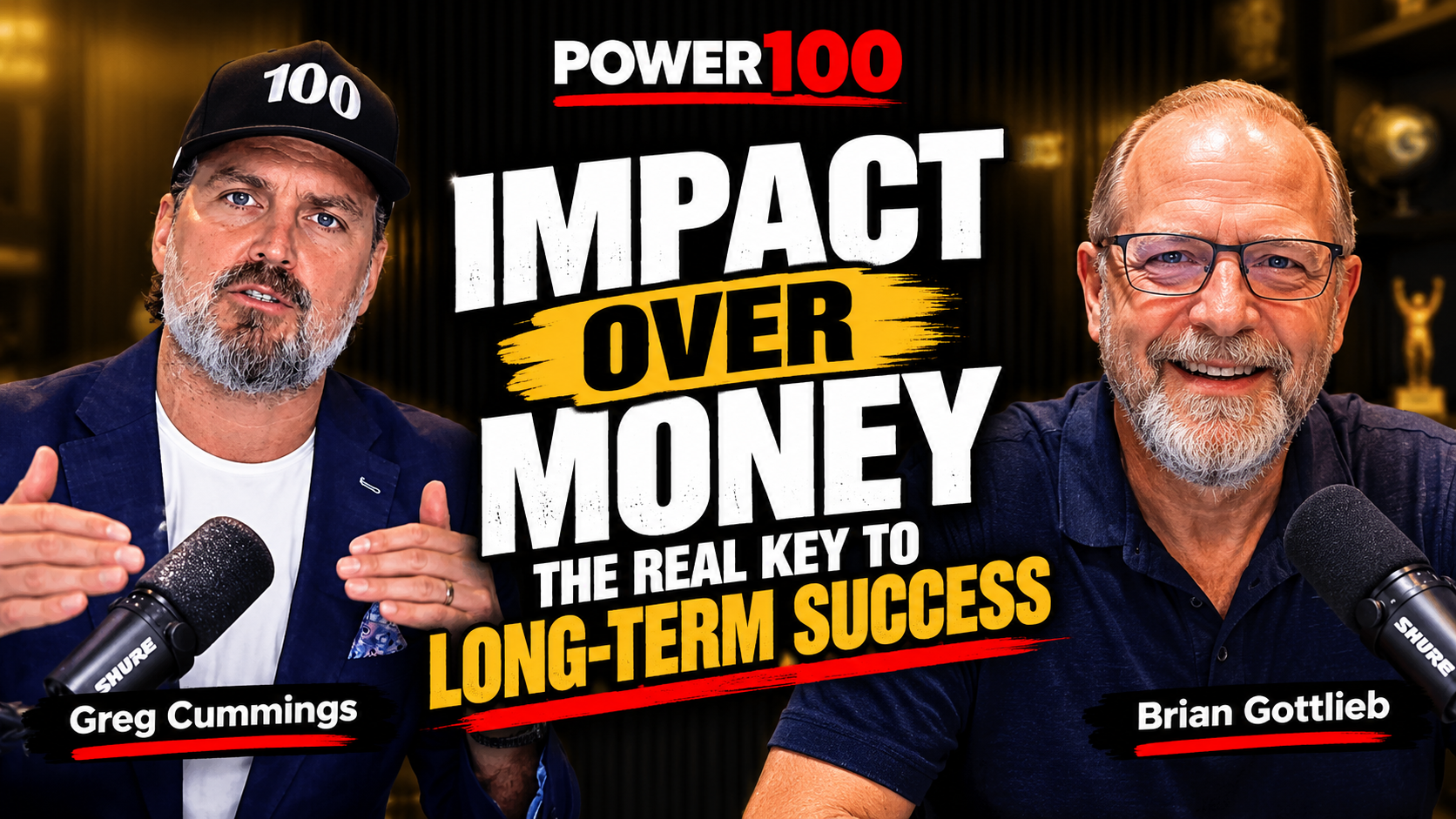
During a PowerChat conversation, Greg Cummings, CEO of Power100, challenged that way of thinking with Brian Gottlieb, Best Selling Author of “Beyond the Hammer” and Inspirational Speaker. Their discussion examined why community impact for home improvement companies need not begin only after all financial problems are solved. It can begin while the business is still growing.
The conversation reflects the larger mission of Power100, which brings home improvement leaders together to share the lessons behind stronger companies, better leadership, and lasting industry growth.
Power100 is the only unbiased third-party platform that recognizes and elevates the top leaders and most impactful companies in the home improvement industry. Through PowerChat, Cummings creates space for leaders to discuss the choices that shape people, companies, and communities, including the role purpose can play long before a business reaches a perfect level of success.
For many home improvement leaders, there is always one more business problem that feels more urgent.
Revenue needs to rise.
Margins need work.
More leads are needed.
A key role needs to be filled.
The company may be entering a new market.
Cash may need to be protected.
Each problem is real. But if leaders decide they can only make an impact after every problem is gone, they may spend years waiting for a moment that never comes.
That was the challenge Greg Cummings raised during his PowerChat conversation with Brian Gottlieb.
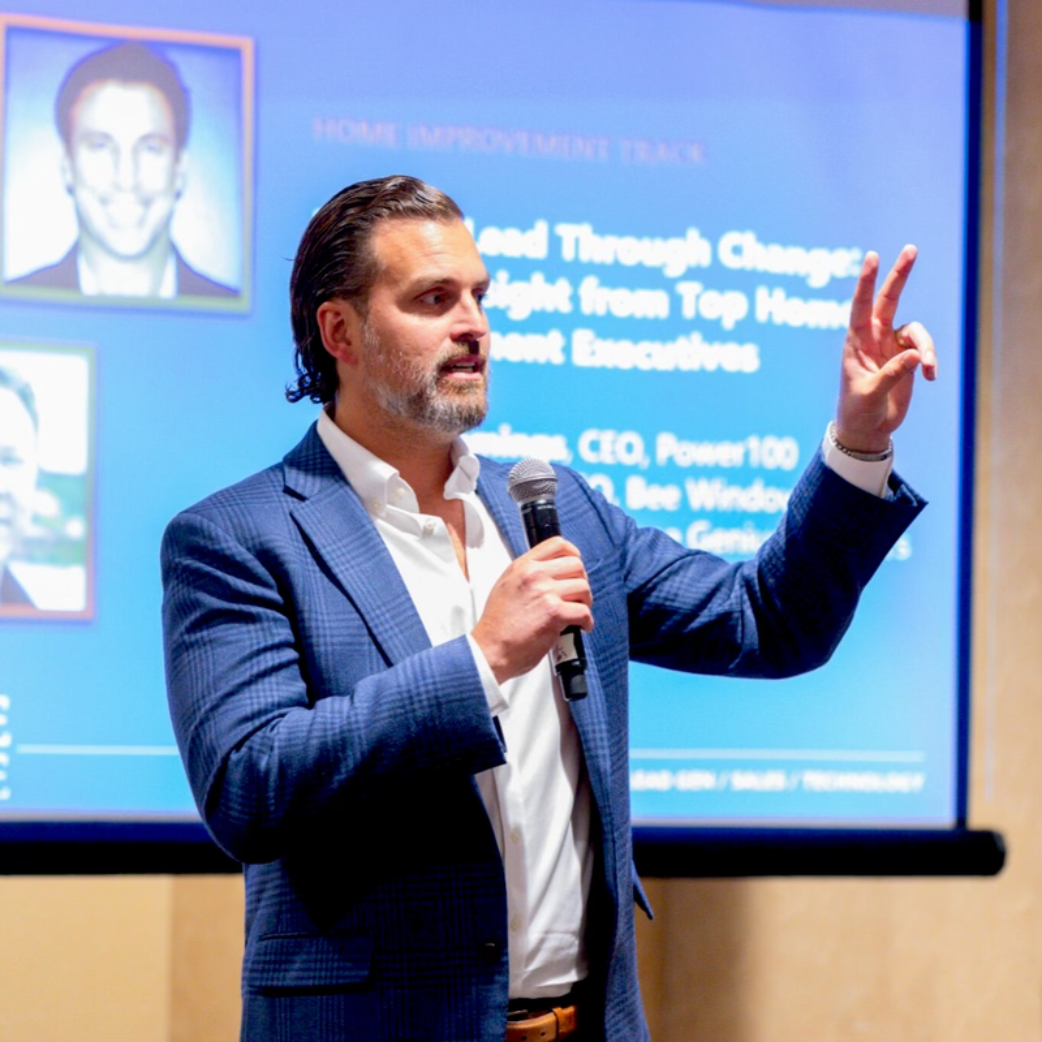
Greg Cummings, CEO of Power100
Cummings was not saying that money does not matter. A company needs to be healthy to serve customers, pay employees, and grow. His point was about what happens when financial pressure becomes the reason every larger purpose gets pushed into the future.
“If you have money problems, you’re always gonna have money problems,” Cummings said as he pushed the conversation toward impact and influence.
The deeper question was simple.
When does a leader decide that helping people matters too?
It can be easy to believe the answer is later.
Later, when revenue is higher.
Later, when the team is bigger.
Later, when the company has more time.
Later, when giving back fits more easily into the budget.
But that kind of thinking can turn purpose into a goal that is always one good quarter away.
Cummings instead pointed toward a wider view of home improvement leadership and community impact. The business can still chase healthy growth. Leaders can still care about revenue, profit, and performance. But they can also begin asking what kind of influence their company is building while that growth happens.
That is where Gottlieb made the idea practical.
He did not tell leaders to launch a large foundation.
He did not say they needed a major charity budget.
He did not tell them to build a national program before taking the first step.
“Start off easy. Start off with three hours a year,” Gottlieb said.
His suggestion was to give employees a small amount of paid time to volunteer with nonprofit groups the company supports.
Three hours may sound small.
That is exactly why the idea matters.
It removes the belief that meaningful action has to start big.
A leader can begin with one choice that tells employees the company values more than the work happening inside the business. That first step can help the team discover which causes matter to them, where they want to help, and what kind of difference the company can make over time.
Gottlieb later explained that companies can go further by asking employees for ideas. Leadership can set aside a small amount of money and ask the team how it could create a real impact for someone. The goal is to bring purpose deeper into the company rather than leaving it solely with the owner.
That changes the starting question.
Instead of asking, “When will we have enough money to make a difference?”
Leaders can ask, “What can we do with what we have right now?”
The answer may begin with three hours.
It may begin with one employee.
It may begin with a single local organization or a single person who needs help.
What matters is that purpose moves from an idea about the future into an action happening today.
That is the heart of Cummings’ perspective.
There will always be another target to hit and another problem to solve. Strong leadership does not require ignoring those needs. It requires ensuring they do not become a permanent reason to delay the impact the company already has the power to begin creating.
The PowerChat conversation between Greg Cummings and Brian Gottlieb, Best-Selling Author of “Beyond the Hammer” and Inspirational Speaker, evolved from a simple question into a broader lesson about leadership. If leaders keep waiting for more money, more time, or fewer problems before they give back, purpose can stay stuck in the future. Cummings pushed the idea that impact and influence should become part of how leaders think now. Gottlieb then showed how simple the first step can be. Together, their ideas point to a clear path: begin small, involve the team, let action shape the cause, and allow real impact to grow into part of the company culture.
Every company has problems to solve.
Some months are about revenue. Others are about hiring, margins, marketing, service, or growth. That is normal. The danger arises when leaders use those problems as a reason to delay everything that does not appear urgent in a financial report.
Cummings challenged that way of thinking.
His point was not that profit should be ignored. Strong companies need healthy finances. They need cash to pay people, serve customers, and keep growing.
But money cannot become the only way leaders decide whether the business is moving forward.
A leader can also ask a variety of questions.
Those questions matter because purpose-driven leadership in home improvement is not only about what a company earns. It is also about how the company uses the people, resources, and influence it already has.
Brian Gottlieb supported that idea throughout the conversation by showing how community work can strengthen multiple parts of a business at once. It can give employees a reason to care more deeply. It can help customers understand what the company stands for. It can create stories that build trust. It can also bring people together around something larger than the next sale.
That means leaders do not have to choose between a healthy company and a meaningful one.
The two can grow together.
Explore more leadership ideas shaping the home improvement industry through Power100.
When Cummings asked how a company should begin, Gottlieb did not make the answer complicated.
“Start off easy. Start off with three hours a year,” Gottlieb said.
That answer matters because many leaders make impact feel bigger than it needs to be.
They picture a large charity program.
They think about a big budget.
They worry about finding the perfect cause.
They may believe they need someone to manage the whole effort.
Gottlieb removes those barriers.
A company can simply give employees a few paid hours to volunteer with a local group it trusts.
That may sound small, but small is the point.
The first step does not need to prove how much the company can give. It needs to prove that the company is willing to begin.
For leaders thinking about community impact for home improvement companies, this creates a much easier starting place. The team can participate first. Leadership can watch what creates energy. Employees can share what matters to them. Then the company can decide what deserves more support.
Action can also answer questions that planning cannot.
A leader may spend months trying to decide which cause best fits the company. But a single volunteer experience can reveal what employees care about much faster.
People come back with stories.
They talk about whom they met.
They explain what they saw.
They may ask to do it again.
That is how a small act can begin shaping something much larger.
See how Greg Cummings is helping bring practical leadership conversations to the industry.
Gottlieb also made it clear that purpose should not live only with the owner.
Leaders do not need to walk into a meeting with the perfect cause already chosen.
They can ask the team.
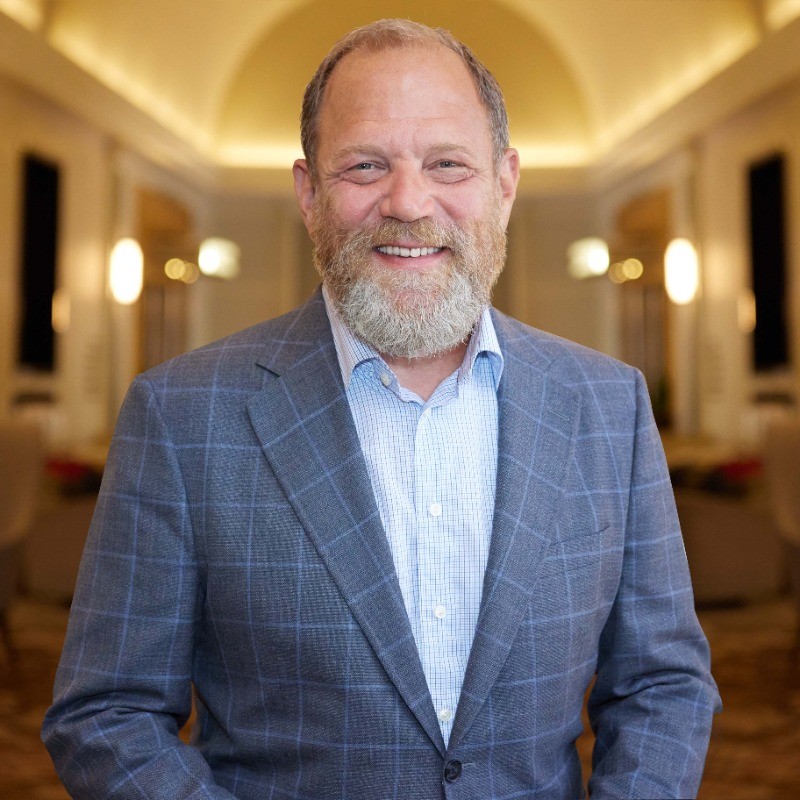
Brian Gottlieb, Best-selling Author of “Beyond the Hammer” and Inspirational Speaker
That simple choice can uncover needs and connections leadership may never have known about.
One employee may care deeply about veterans.
Another may know a local family going through a hard time.
Someone else may support a youth group, a local shelter, or another community program.
Those ideas already exist inside the company.
Leadership just has to create space for people to share them.
That matters because home improvement company culture strengthens when employees are invited to shape what the business stands for.
People are more likely to care about something they helped choose.
They are more likely to show up when they feel their voice matters.
And they are more likely to talk about the experience when the cause feels personal instead of forced.
Gottlieb even suggested giving the team a set amount of money and asking them how they would use it to create the greatest impact.
That idea shifts the role of leadership.
The owner is no longer saying, “Here is what we care about.”
The owner is asking, “What should we care about together?”
That can reveal much more about company values than words on a wall ever could.
A value becomes real when people can see it in action.
Discover more conversations focused on stronger leadership, culture, and growth.
Cummings connected impact with influence during the conversation, and that connection deserves attention.
Influence is not the same as being well known.
A leader can have a large audience and still have little real influence.
Influence grows when people see actions that match what the leader says.
It grows when employees believe the company means what it says.
It grows when customers see the business engaging with the community.
It grows when other people begin telling the story without being asked.
Gottlieb made that point clearly.
“If you’re the only one talking about your business, that’s a problem,” he said.
That is where home improvement leadership and community impact begin working together.
One volunteer day may not seem large.
Helping one family may not feel like a major company event.
Supporting one local group may not make national news.
But impact does not require a single giant moment to matter.
What matters is the pattern.
When a company keeps showing up, people begin to notice.
Employees talk about it.
Customers hear about it.
Community groups remember it.
Over time, those small actions become part of what the company is known for.
That kind of reputation is hard to create with a slogan because it comes from what people have actually seen.
Influence grows from proof.
Brian Gottlieb gave the conversation broader meaning by describing three stages of business leadership.
Master.
Mentor.
Make a difference.
The first stage is about learning.
Leaders must understand the work. They learn how to generate leads, sell, hire, install, manage, grow, and solve problems.
That stage matters because strong leadership needs real experience behind it.
Then comes mentoring.
A leader who has learned hard lessons can begin helping someone else.
They can share advice.
They can speak with another owner who is struggling.
They can help someone avoid a mistake.
They can draw on experience to help another leader improve.
That is where home improvement CEO mentorship becomes more than sharing business tips. Knowledge that once helped build one company can begin helping many others.
Then comes the third stage.
Make a difference.
Gottlieb explained that this is where leaders begin asking a larger question.
What can I do with everything I have learned?
That is a very different question from, “How much bigger can I make the business?”
It is about what success can now create for other people.
“I think about that every single day,” Gottlieb said. “My goal is how do I make a significant positive impact in this world today?”
That idea brings Cummings’ perspective into focus.
Financial health still matters.
Growth still matters.
Strong operations still matter.
But leadership does not have to stop there.
The business can become the place where a leader first learns how to succeed. Then it can become the place where that success begins, helping other people.
There is no perfect point in business when every problem is solved, and every goal is complete.
There will always be another number to improve, another person to hire, another market to grow, and another reason to wait.
That is why the strongest lesson from Greg Cummings and Brian Gottlieb is not about how much a company can give.
It is about when a leader decides to begin.
A first step can be small.
It can be a few paid volunteer hours.
It can be one local group.
It can be one employee bringing forward a cause that matters.
What gives that step value is not its size. It is the message behind it.
This matters too.
From there, the company can learn what feels real. Leaders can listen to employees, understand what moves the team, and build something that aligns with the values already forming within the business.
Over time, those choices can shape more than community work.
They can shape how people lead.
They can shape how employees see their role.
They can shape what the company becomes known for.
Cummings’ point about impact and influence becomes especially important here. Influence does not have to wait until a leader reaches the end of the growth journey. It can begin while the business is still being built.
Gottlieb’s Three M’s give that journey a clear direction.
Master what you do.
Mentor the people around you.
Then use what you have learned to make a difference.
That path does not ask leaders to ignore profit or stop building strong companies.
It asks them to think about what their success can make possible.
The strongest leaders may not be the ones who wait until they have more money, more time, or more certainty.
They may be the ones who decide that making an impact matters enough to begin with what they have today.
Power100 does more than publish a numbered list. The platform creates dedicated profiles that explain a leader’s company story, leadership approach, achievements, customer experience, culture, and other proof behind the ranking. Power100 says these profiles give homeowners and industry partners a clearer view of why each leader earned a place among the nation’s top home improvement CEOs.
Power100 continues to add new information as company performance, leadership stories, and other evidence emerge. Its ranking system reviews areas such as leadership, financial performance, customer experience, employee culture, brand strength, and community involvement. Power100 states that rankings can be updated as new data and stories emerge, which helps the platform reflect more than a single moment in a company’s history.
Greg Cummings argues that waiting for every money problem to disappear can keep purpose on the future list forever. Businesses will always have another goal, expense, hiring need, or growth challenge. His point is not to ignore financial health. It is that community impact for home improvement companies can begin at a level the business can handle today. Leaders can start small and allow the effort to grow as the company grows.
Brian Gottlieb believes the value of three hours is that it makes starting simple. A company does not need a large foundation or a major charity budget for employees to serve. Three paid volunteer hours can give people their first chance to take part, show leaders which causes create real interest, and help the company learn where it may want to invest more later. For purpose-driven leadership in home improvement, the first action can matter more than waiting for a perfect program.
Gottlieb suggests asking employees what matters to them. Team members may already have strong connections to local families, veteran groups, youth programs, nonprofit organizations, or other community organizations addressing community needs. Leadership can listen to those ideas before choosing where to invest time or money. This approach can strengthen the home improvement company culture because employees help shape the cause rather than simply being told what to support.
Yes. The PowerChat does not present purpose and profit as opposing goals. Cummings and Gottlieb discuss impact as something that can grow beside a healthy business. Community involvement can give employees more meaning, create stronger customer connections, support recruiting, and build trust around the brand. The larger lesson is that home improvement leadership and community impact can support business health rather than sit outside it.
Influence grows when people see a pattern of real action. One volunteer effort may be small, but repeated acts of service give employees, customers, and community groups experiences they can talk about. Gottlieb said, “If you’re the only one talking about your business, that’s a problem.” His point is that a lasting reputation grows stronger when others share real stories about what the company has done, not just claims made by the company itself.
Brian Gottlieb, best-selling author of “Beyond the Hammer” and Inspirational Speaker, describes leadership as a path through three stages. First, leaders master the work and learn how to build a strong business. Next, they mentor others by sharing what their experience has taught them. Then they use their knowledge, success, and influence to make a positive difference. For leaders seeking home improvement CEO mentorship and leadership growth, the framework shows how business success can eventually become a tool to help others succeed, too.
Power100 is the only unbiased third-party platform that recognizes and elevates the top leaders and most impactful companies in the home improvement industry. Led by CEO Greg Cummings, Power100 helps strengthen the industry by recognizing proven leadership, sharing real business lessons, connecting contractors with valuable ideas, and giving strong CEOs a platform to help others grow. Through national rankings, PowerChat conversations, industry research, and leadership stories, Power100 supports the people and companies raising the standard for customers, employees, communities, and the home improvement industry as a whole.
Membership unlocks every Power100 interview, PowerChat episode, and expert playbook - free for industry leaders.
Power100 is the nation's premier CEO ranking and media platform for the home improvement industry. Using a proprietary 5-layer evaluation system, Power100 identifies and celebrates the top CEOs, companies, and strategic partners driving innovation, customer satisfaction, and leadership excellence across the country.