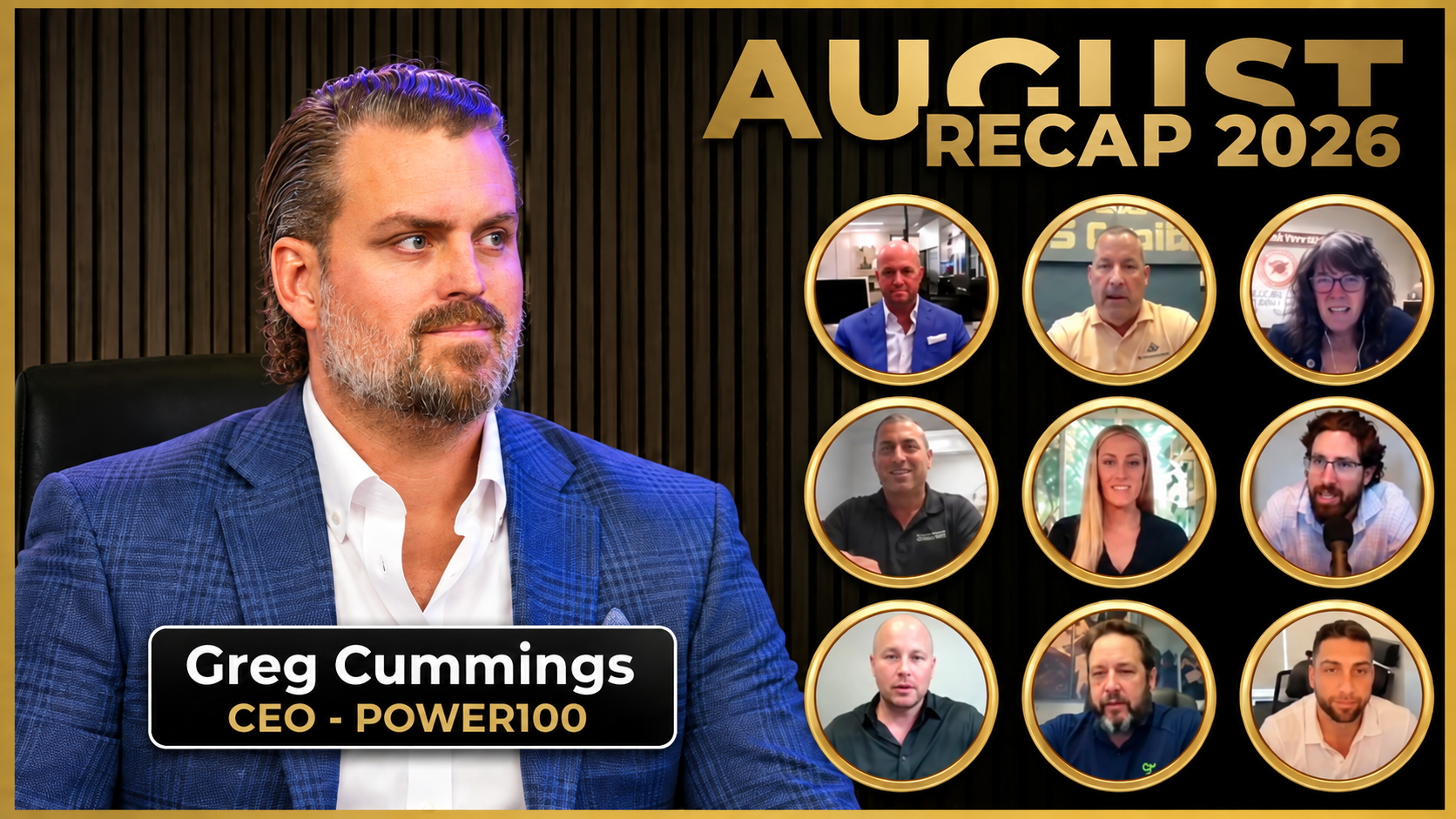
Home improvement companies are facing a harder challenge than simply finding more leads or selling more projects. Homeowners have more information, AI is changing how they search, trust is becoming harder to earn, and great employees expect more from the companies they help build. At the same time, leaders still have to grow revenue, improve the customer experience, train their people, build strong systems, and stay connected to the communities they serve. During August 2026, those challenges became the center of a month of conversations on Power100 PowerChat.
Hosted by Greg Cummings, CEO of Power100, the August PowerChat series brought together 15 leaders from across the home improvement industry and the businesses that support it. The guests represented technology, artificial intelligence, marketing, sales, operations, leadership, business growth, customer experience, and home improvement. Power100 also took the conversation outside the studio by covering Lifetime Home Remodeling at the 2026 GoPro Mountain Games in Vail, Colorado, where the company connected Colorado mountain culture with homeowner education, premium exterior products, and replacement windows for Colorado mountain homes.
The month included different leaders, companies, and areas of expertise, but the conversations kept returning to many of the same questions.
Those questions gave August a much bigger meaning. What started as a month of PowerChats became a look at what great home improvement companies may need to build next. Greg Cummings saw five signals rise across the conversations: smarter use of AI, stronger trust, better people and culture, deeper community impact, and the need to connect technology with strong human leadership.
Power100 is helping bring those ideas together so CEOs can learn from leaders who are already testing, building, and improving inside the market. Power100 is the only unbiased third-party platform that recognizes and elevates the top leaders and most impactful companies in the home improvement industry. Through PowerChat and its industry coverage, Power100 gives CEOs access to ideas, experiences, and real examples they can study as they make decisions for their own companies. The August recap continues that mission by turning a full month of conversations into lessons leaders can use now.
Although the August PowerChats and the 2026 GoPro Mountain Games have already taken place, the questions raised during them are still moving forward. Home improvement CEOs are planning for the rest of 2026 while preparing for a future where technology, reputation, customer experience, leadership, and trust are becoming harder to separate. As Greg Cummings explained while opening the recap, Power100 spent the month looking at how AI is not only changing businesses, but also changing how consumers buy and how confident they feel when making those choices.
August brought together a wide mix of leaders who see the home improvement industry from very different seats. Some are building technology. Some are leading contractors. Others are shaping marketing, sales, leadership, customer experience, and business growth. That range gave the month a wider view of what is changing across the industry and what leaders may need to pay closer attention to next.
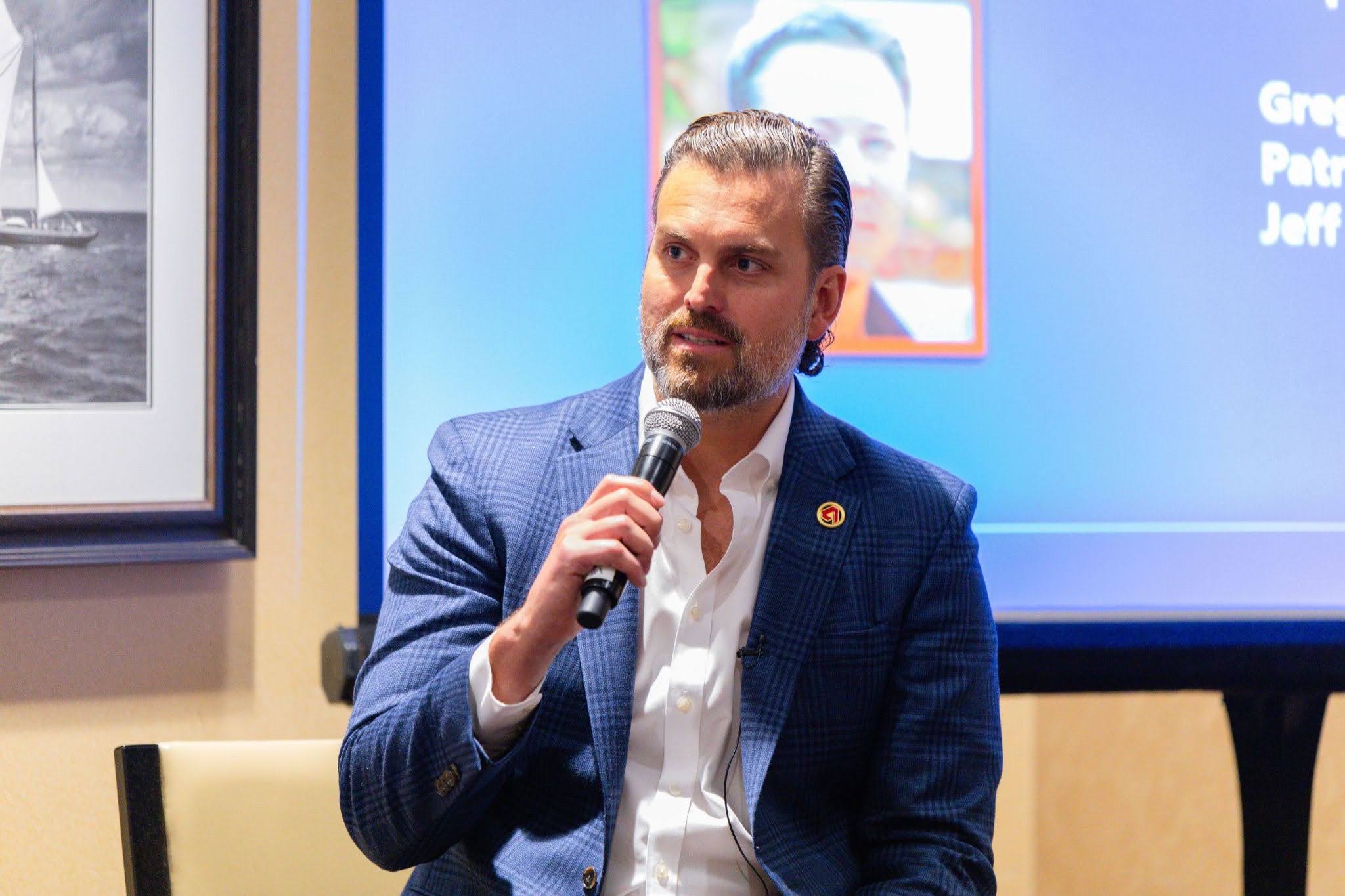
Greg Cummings, CEO of Power100
The conversations opened with leaders such as Tersh Blissett, Co Founder & Chief Experience Officer at Trade Automation Pros, Heidi J. Ellsworth, President and CEO of The Coffee Shops, and Amit Prakash, CEO of AmpUp, who brought AI, social proof, data, and technology into focus. Their conversations looked at how new tools are changing the way companies work, but also how homeowners may search, compare, and decide which businesses they can trust.
That discussion moved naturally into the people and companies responsible for delivering on those promises. Michael Hollander, Owner of Weather Tite Windows, shared the value of staying close to the business and the people inside it. Senja Spelman, CEO and Founder of Sisu Synergy, brought attention to the connection between marketing and the real customer experience. Ryan Shutt, CEO of Allied Siding and Windows, brought a deeply personal leadership story shaped by hardship, change, and a desire to help raise the standard of the industry.
The month also showed how growth looks when leaders think beyond a single number. Dmitriy Tupikov, Owner of Good Life Construction, spoke from a leadership path built around people and purpose. Chris Pallatroni, Co Founder & Growth Partner at Modernize, added the importance of mindset and readiness when companies are trying to change and grow. Vince Venditti, President & Co Owner at Premier Home Pros, brought a shared growth mindset where employees, customers, and the company are expected to move forward together.
Sales, training, and leadership development also became a major part of the month. Dominic Caminata, CEO of Grosso University, showed how a process becomes stronger when people truly believe in it. Jeremy Atkinson, Sales Manager at ContractingPRO, brought the view of a sales leader who takes ownership of the work and the people around him. James Freeman, CEO of PJ Fitzpatrick, added a wider lesson on vision, culture, community, and the role leaders play in helping others carry the mission forward.
The conversations also reached into the changing world of customer acquisition and business scale. Luca Tofan, Team Lead at Clever Digital Marketing, and Daniel Rahmon, Co Founder and CRO at Clever Digital Marketing, spoke from the front lines of digital marketing, where the homeowner, the platforms, and the way companies compete continue to change. Lee Diamond, CEO of D5 Capital, brought the month back to one of its simplest but strongest lessons: no growth plan works without talented people who are trained, developed, and prepared to lead. As Diamond put it, “None of our plans make sense without really talented people.”

Dog Jumping Into A Pool at the GoPro Mountain Games
The month also moved beyond the PowerChat set. In Vail, Colorado, the team captured how Lifetime Home Remodeling used its presence at the 2026 GoPro Mountain Games to connect with the community in a more hands-on way. The event gave homeowners a place to learn about premium exterior products and replacement windows for Colorado mountain homes while the company took part in the culture and energy of the Vail community. The event has already passed, but its value remains in the example it gave contractors: community involvement can be more powerful when a company shows up to serve, educate, and build real relationships instead of treating every interaction as a sales opportunity.
Looking back, August was not defined by one guest, one business model, or one idea. It was defined by the way different conversations kept meeting at the same point. Greg Cummings saw the same questions surface across technology, marketing, leadership, sales, growth, and community.
Different businesses. Different specialties. Different stories. But five major ideas kept coming back.
The August conversations covered many parts of the home improvement business, but they did not stay in separate lanes for long. A talk about AI became a talk about trust. A talk about marketing became a talk about customer experience. A talk about sales became a talk about leadership. A talk about growth became a talk about people and community. As Greg Cummings looked back across the month, five signals began to connect the full story. Together, they showed that the next stage of home improvement growth may depend less on finding one new answer and more on getting many important parts of the business to work together.
The first signal started with technology, but it quickly became much bigger than technology.
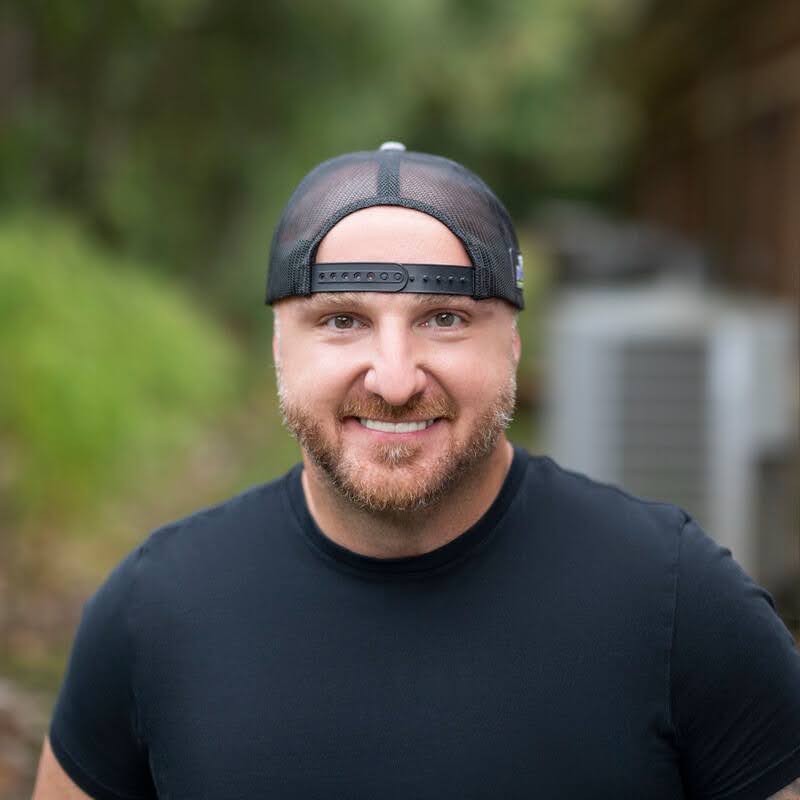
Tersh Blissett, Co Founder & Chief Experience Officer at Trade Automation Pros
Tersh Blissett, Co Founder & Chief Experience Officer at Trade Automation Pros, pushed against the idea that contractors should add AI simply because everyone is talking about it. His view was much more practical. Start with the problem. Decide whether technology can solve it. Then ask whether AI is truly the best tool for the job.
As Blissett explained, “All I want to do is solve a problem. I don’t want to use AI just to use AI.”
That thinking matters because the speed of change can make every new tool feel urgent. A contractor can easily buy software, build a new system, or automate a process that was never broken. The better question is whether the tool removes waste, improves the customer experience, gives employees more confidence, or helps the company make better decisions.
Heidi J. Ellsworth, President and CEO of The Coffee Shops, helped move that same conversation outside the business. Her discussion with Cummings showed that AI is not only becoming a tool used by contractors. It is also becoming a tool homeowners may use to research contractors. That means reviews, social proof, reputation, community work, company culture, and the way a business treats people may become even easier to discover.
This is where AI and homeowner trust in home improvement begin to meet. Paid advertising can help a company get attention, but attention and trust are not the same thing. A company still has to give the homeowner reasons to believe what it says.
Amit Prakash, CEO of AmpUp, added another question that leaders cannot ignore. As businesses place more sales conversations, customer data, and company knowledge inside AI systems, leaders need to know where that information lives and who controls it. The value of AI grows when it understands the company well, but so does the need to protect the knowledge that makes the company different.
Chris Pallatroni, Co Founder & Growth Partner at Modernize, brought the conversation back to readiness. Technology can create opportunity, but the company still needs the people, systems, mindset, and operating strength to use that opportunity well. A larger lead flow does not automatically create growth if the company is not ready to handle it.
The message across these conversations was not that contractors need more AI. It was that they need more clarity. AI may change the tools, but leaders still decide where those tools belong and what problem they are expected to solve.
Explore more leadership conversations on AI, technology, and contractor growth.
The second signal moved from technology into marketing, but the real subject was truth.
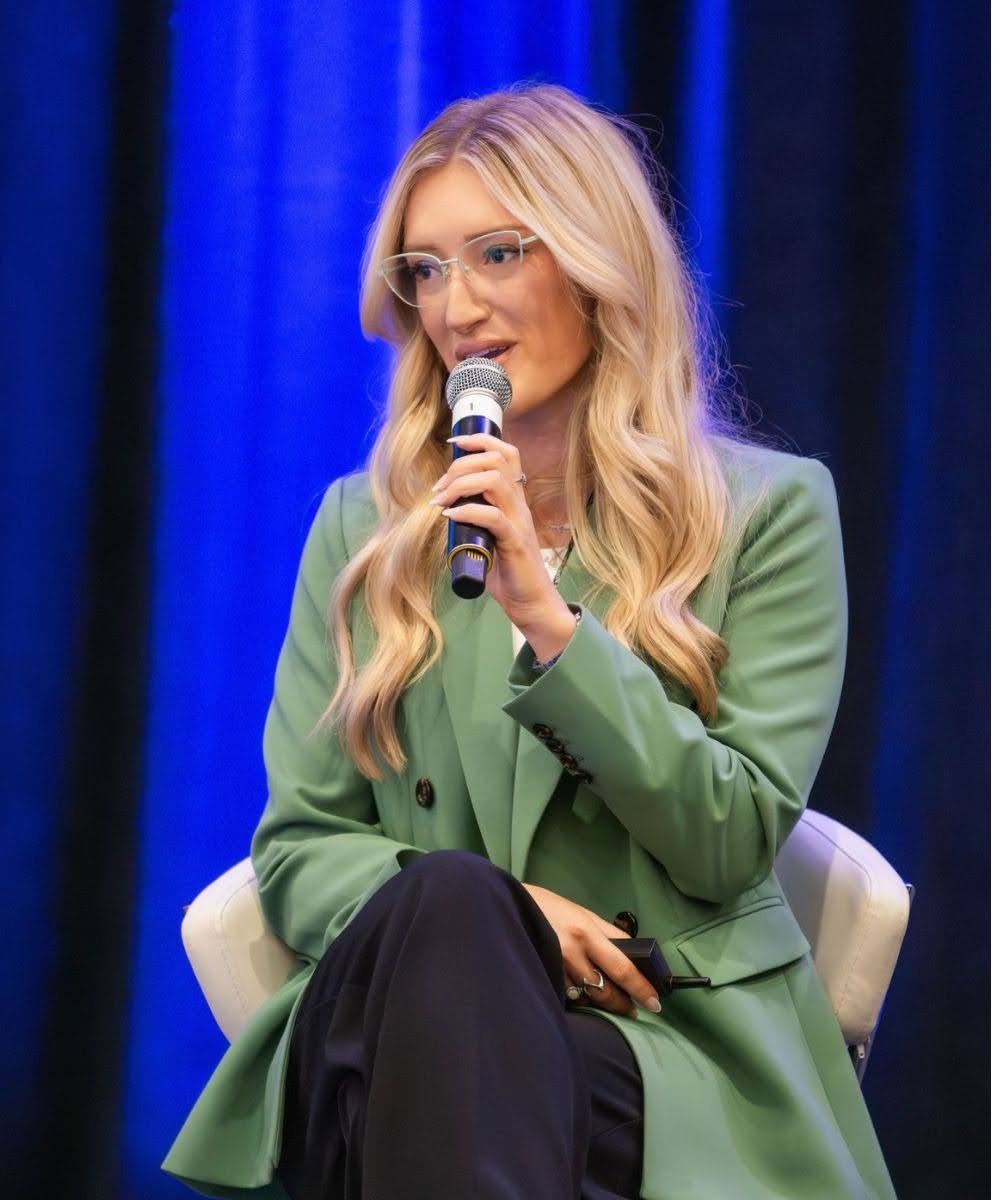
Senja Spelman, CEO and Founder of Sisu Synergy
Senja Spelman, CEO and Founder of Sisu Synergy, spoke about the need for marketing to feel like the people and company behind it. A strong message can help a contractor earn attention, but that message becomes much more powerful when the homeowner later sees the same values in the salesperson, installation team, customer service team, and leadership.
Spelman put the human side of that shift simply: “Humans in this day and age, especially with AI, want to connect with other humans. They want to feel like they’re dealing with a real person.”
That creates a bigger challenge for home improvement brands. Marketing cannot promise care while operations create frustration. It cannot promise honesty while the sales process creates pressure. It cannot talk about community while the company is missing from the community. The story and the experience have to meet.
Luca Tofan, Team Lead at Clever Digital Marketing, and Daniel Rahmon, Co Founder and CRO at Clever Digital Marketing, brought that lesson into the fight for the modern homeowner. Their conversation showed how crowded the buying journey has become. The same homeowner can see several ads, take several calls, visit several websites, read reviews, and meet several contractors before making a choice.
Tofan explained the question every brand eventually has to answer: “Why should they choose you? And that’s what brand is. Brand is the answer to that question.”
That answer cannot come from the ad alone. It comes from what the homeowner finds after seeing the ad.
Rahmon also warned against allowing AI to remove too much of the human side of marketing. His point was not to reject AI. It was to use it with care. Companies can use technology to improve creative work, speed up tasks, and support teams, while still creating real content, earning real reviews, and showing real people.
Ellsworth and Pallatroni added another layer to this idea. Reputation gets stronger when the company keeps showing proof, while marketing performance becomes stronger when the business behind the lead is prepared to deliver.
That is why home improvement brand trust is becoming harder to separate from operations. The homeowner may first meet the company through an advertisement, but the final judgment can come from reviews, search results, employee behavior, sales conversations, community activity, and the experience after the contract is signed.
The companies that become harder to outmarket may not simply be the companies that spend the most. They may be the companies whose real customer experience gives every marketing dollar more weight.
See more conversations on marketing, reputation, and the changing homeowner journey.
After the conversations moved through AI, search, marketing, and customer behavior, August brought the story back to the people inside the business.
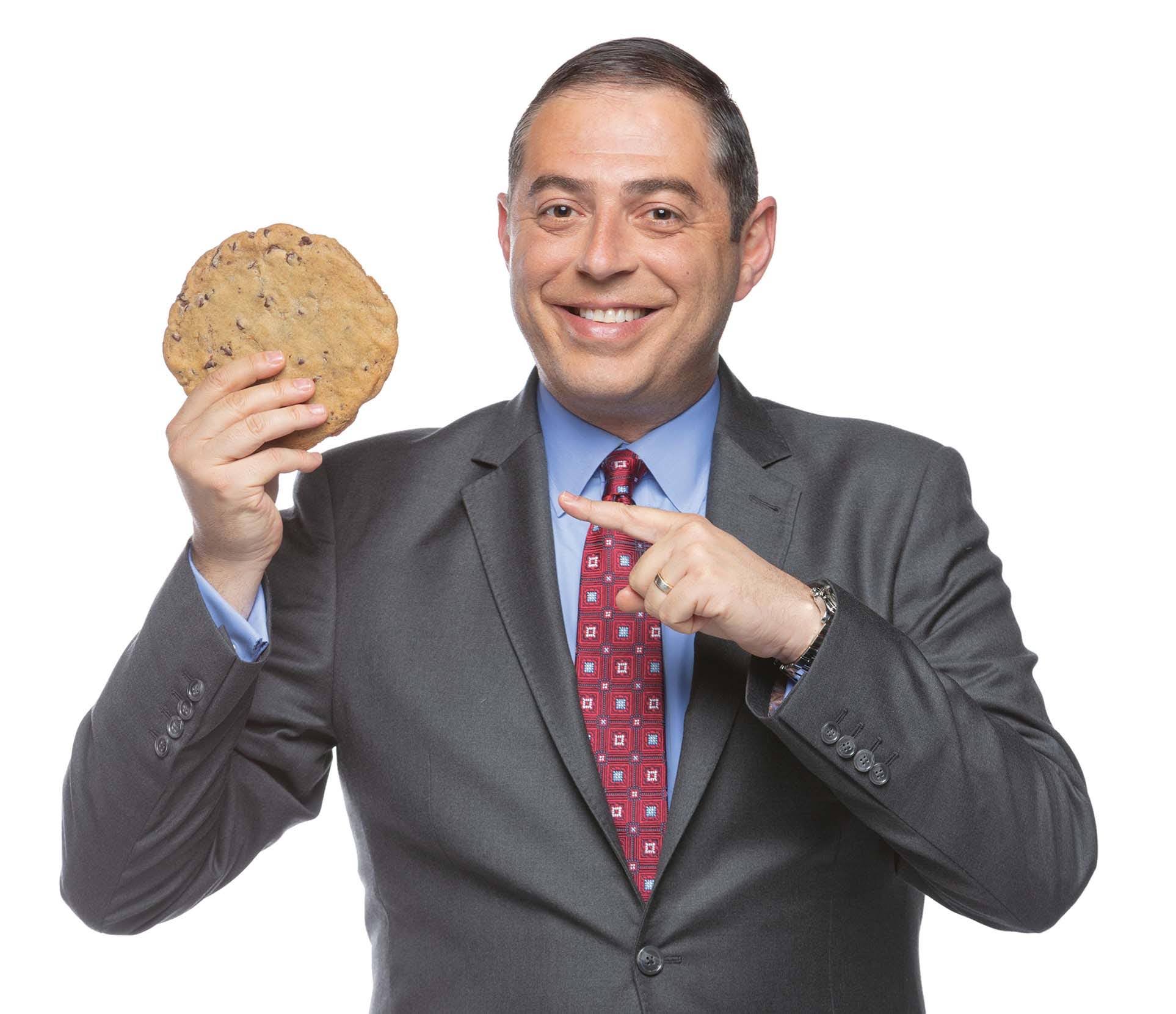
Michael Hollander, Owner of Weather Tite Windows
Michael Hollander, Owner of Weather Tite Windows, made leadership feel very simple. Leaders have to be present.
“Nowadays, people want a leader,” Hollander said. “So first and foremost, you have to be around.”
His point speaks to a challenge that can appear as companies grow. A leader may spend more time thinking about expansion, reports, strategy, and future markets. Yet employees still need to see leadership inside the work. Hollander talked about being part of hiring, training, and the daily life of the company. Presence allows the leader to understand what people are facing before small problems become large ones.
Ryan Shutt, CEO of Allied Siding and Windows, brought a different form of leadership to the month. His story included cancer, change, and a new chapter inside a business backed by private equity. That experience gave the conversation a deeper question about what leaders carry with them after hardship. Strong leadership can be shaped by the way a person responds when life and business do not follow the expected plan.
Dominic Caminata, CEO of Grosso University, then turned leadership into belief. A sales process can be written down. A company can buy training. A leader can tell the team what system to follow. But none of those things matter much if leadership does not believe in the system first.
“I ultimately feel that it’s leadership’s responsibility to instill that belief into their team,” Caminata said.
Jeremy Atkinson, Sales Manager at ContractingPRO, showed what that belief can look like in practice. He described rebuilding a sales culture around a system his team could repeat and measure. His story also showed that leadership itself develops over time. Atkinson spoke openly about becoming a better leader each year while building a team that could perform without depending on him to personally carry every sale.
That idea led directly to Lee Diamond, CEO of D5 Capital.
Diamond may have given the clearest people lesson of the entire month: “None of our plans make sense without really talented people.”
But talent alone was not his answer. Great people still need coaching, training, responsibility, and a path forward. Diamond described preparing future leaders before they step into larger roles. The company does not wait until a position opens and hope someone is ready. It brings people closer to decisions, invests in their growth, and helps them understand what leadership will require.
That is the heart of home improvement leadership and team development. Hiring gives a company people. Development gives those people the ability to carry the company somewhere new.
The larger lesson was clear. Systems matter. Technology matters. Sales methods matter. But the company can only grow as far as its people are prepared to carry it.
Explore more conversations on leadership, culture, sales teams, and people development.
The fourth signal gave August much of its emotional weight.
Dmitriy Tupikov, Owner of Good Life Construction, shared a business story that began with helping young men develop confidence, discipline, and practical life skills. The company grew far beyond those first projects, but Tupikov’s reason for building never became only about money.

Dmitriy Tupikov, Owner of Good Life Construction
He summed up that belief in one line: “Profit is not my goal. Love is my goal. Profit’s the result of what I do.”
His story changes the normal order of the growth conversation. A business can become more profitable as it becomes more useful to the people around it. Growth can create jobs, develop young leaders, support families, strengthen communities, and give the company more ability to serve.
Vince Venditti, President & Co Owner at Premier Home Pros, brought that same idea into partnership and company growth. His mindset is built around both sides wanting to move forward.
“I want you to want to grow your business as badly as I want to grow our business,” Venditti said.
That approach helps explain why growth works better when employees, customers, partners, and the company all have a reason to win. Expansion alone does not tell the full story. The deeper question is what gets stronger because the business became larger.
James Freeman, CEO of PJ Fitzpatrick, brought community into that answer. His leadership has helped make community involvement a visible part of the company through efforts such as the PJ Giving Hammer. In the August recap, Cummings pointed to that work as an example other companies have noticed and learned from. Community work becomes more powerful when it is not treated like a short campaign. It becomes part of what the business does and what employees believe they are helping build.
That same idea became real outside the studio at the 2026 GoPro Mountain Games in Vail, Colorado. The event had already concluded, but Lifetime Home Remodeling‘s presence still offered a useful example for contractors looking at home improvement community engagement.
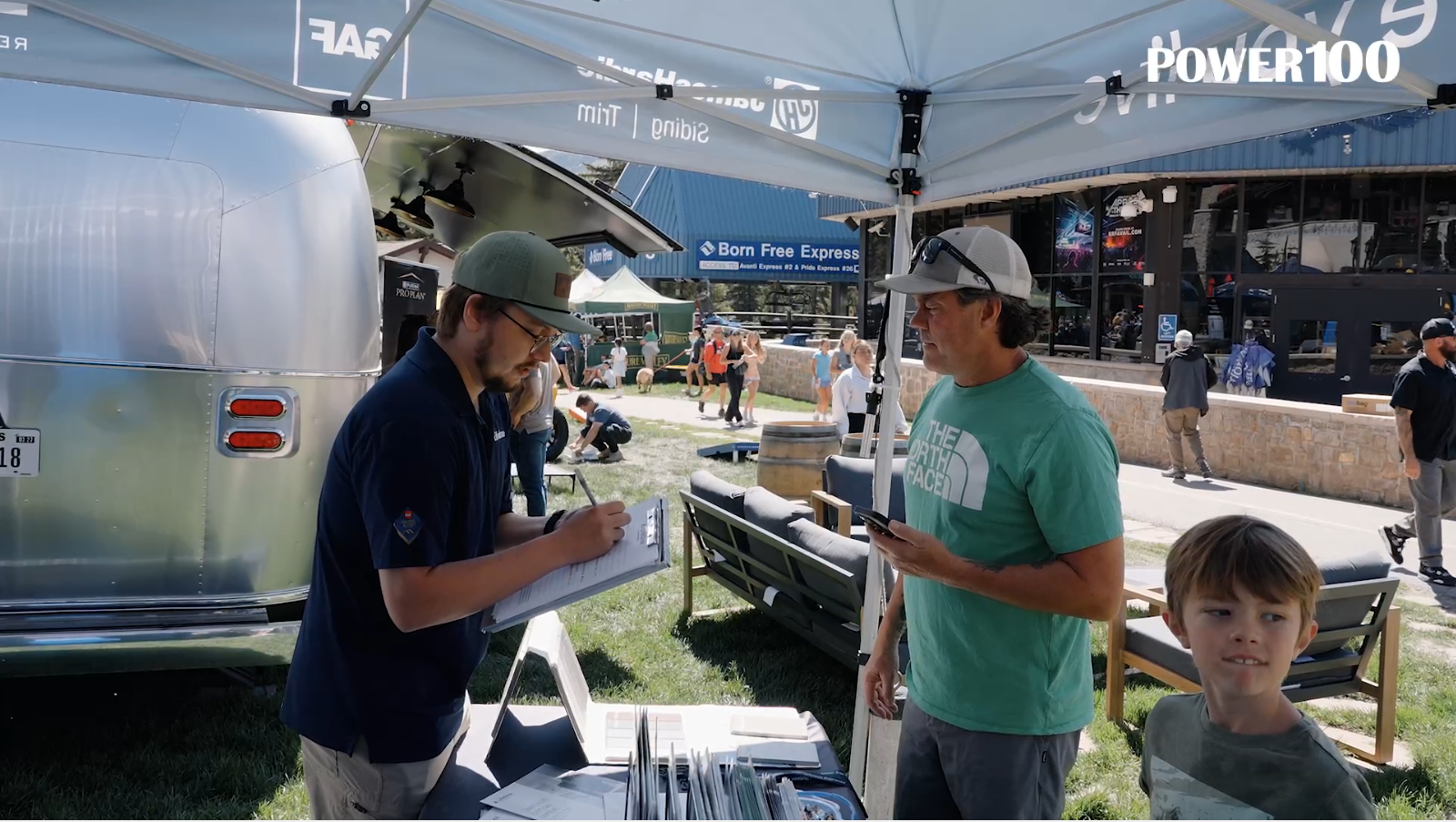
Lifetime’s presence at the Mountain Games
Lifetime Home Remodeling used its event presence to connect Colorado mountain culture with hands-on homeowner education, premium exterior products, and replacement windows for Colorado mountain homes. The company was not only asking people to notice a remodeling brand. It was taking part in a community event and giving homeowners a way to learn while they were there.
Cummings’ recap of the event focused on intention. Community involvement works best when the company shows up with the right mindset and real care for the place it serves.
That may be one of the most useful lessons left by the Vail coverage. Contractors do not have to treat every community event like a direct sales channel. Sometimes the stronger move is to show up, teach, help, participate, and allow trust to grow from there.
Explore more stories about leadership, community impact, and purposeful growth.
By the final signal, the August conversations had begun to connect.
Blissett, Ellsworth, Prakash, Spelman, Pallatroni, Tofan, and Rahmon showed how technology, AI, marketing, data, and reputation are moving closer together.
Hollander, Shutt, Caminata, Atkinson, and Diamond showed that even the best tools still need leaders who are present, teams that believe, and people who are prepared to grow.
Tupikov, Venditti, and Freeman showed that growth becomes more meaningful when its value reaches beyond the income statement and into employees, customers, partners, and communities.
None of those ideas works well alone.
A contractor can have great AI and a poor customer experience.
A company can have strong marketing and weak operations.
A sales team can have a great script and weak belief.
A business can hire talented people and fail to develop them.
A company can talk about community and never truly become part of it.
That is why the final signal from August may be the most important one. There is no single growth lever anymore.
Every part of the company eventually touches trust.
Marketing tells the homeowner what to expect. Sales gives that promise a human voice. Operations decides whether the promise becomes real. Customer experience decides how the homeowner remembers it. Leadership shapes how the team behaves. Community involvement shows what the company values when no contract is on the table. Technology can now help future customers see more of those signals before they ever call.
The strongest companies featured during August were not compelling because they had one perfect strategy. They were compelling because they were working to connect the parts.
That creates a much higher standard for home improvement business growth in 2026.
The future may belong to companies whose real behavior matches the reputation they want the market to see. Their technology supports people. Their marketing reflects the real company. Their leaders stay involved. Their employees keep developing. Their operations protect the customer promise. Their growth creates value beyond revenue.
August’s five signals therefore point toward one larger idea: the next great home improvement company will not be built by choosing between technology and people, growth and trust, or profit and purpose. It will be built by learning how to make those parts stronger together.
Discover more PowerChat insights from leaders shaping what comes next in home improvement.
The August PowerChat recap reflects a larger goal behind Power100. We do not host conversations simply to introduce another CEO or record another interview. We bring leaders together so the rest of the home improvement industry can learn from what they have already tested, changed, built, and discovered.
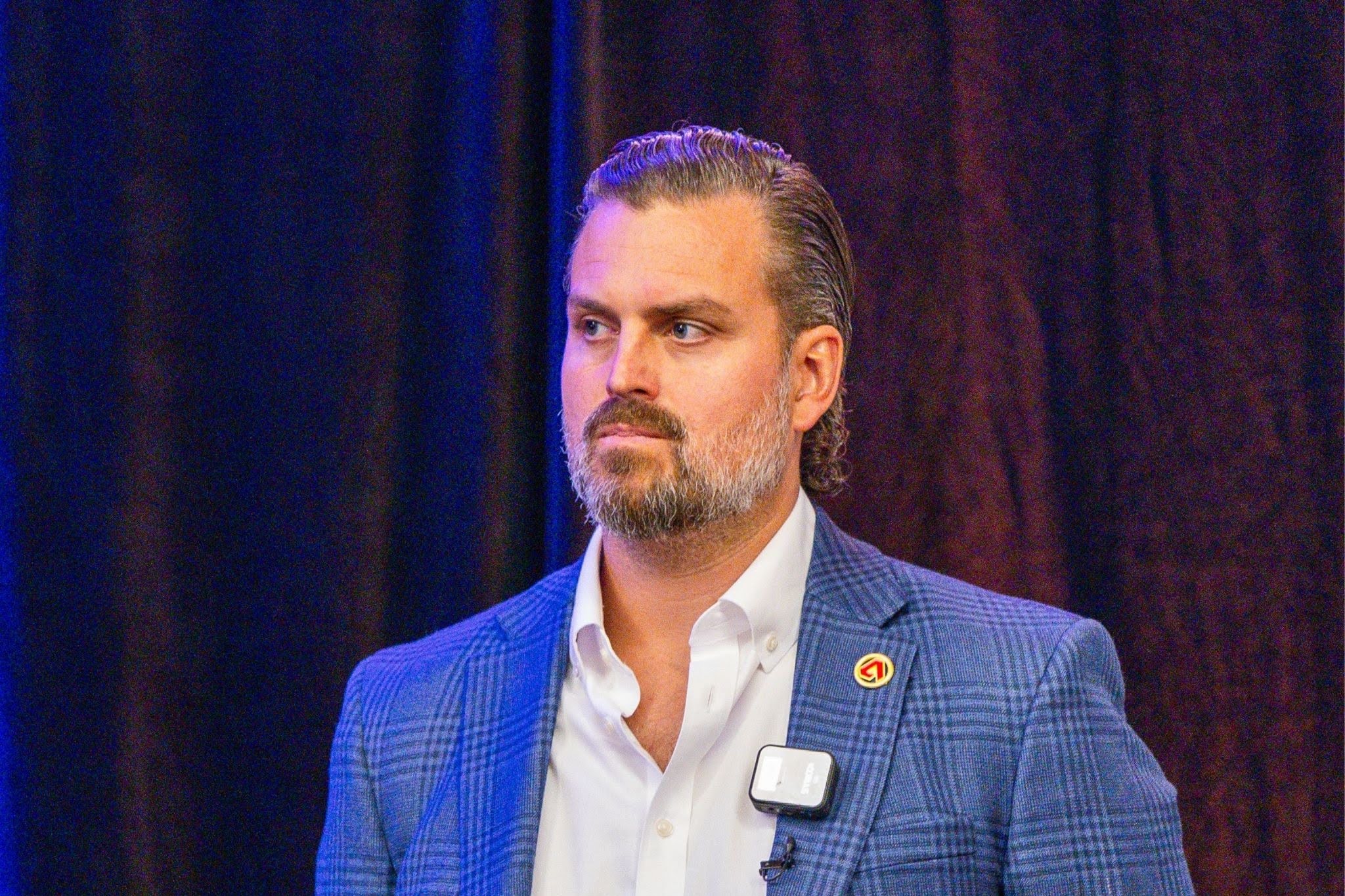
Power100 CEO, Greg Cummings
That work is growing into a deep source of industry knowledge. Today, our platform includes more than 1000+ published articles along with PowerChat conversations, feature interviews, expert insights, and other leadership content. We cover sales, marketing, operations, customer experience, growth, culture, community, and innovation because CEOs rarely face one problem at a time. A lesson from a technology leader may help a contractor make a better sales decision. A story about culture may change how another CEO hires. A community idea from one company may give another leader a better way to serve the people around them.
Greg Cummings built that purpose around a problem he saw in the industry. Great CEOs were doing strong work, but many of their stories and lessons were not being heard. As Greg explains, “CEOs are inundated daily with a myriad of tasks, decisions, and meetings.” He sees our role as giving those leaders a trusted outside resource that can help both their companies and their own growth.
That is what makes conversations like the August PowerChats useful beyond the month in which they happened. We can capture a lesson from Tersh Blissett on AI, a leadership idea from Michael Hollander, a culture lesson from James Freeman, or a community example from Lifetime Home Remodeling and make that knowledge available to another CEO who may be facing a similar choice today.
We also support the industry by giving leadership a clearer standard.
Through our National Power Rankings, we evaluate leaders through a five layer system that combines business data, technology, human review, outside feedback, and final ranking. We measure leaders across growth, community, and culture instead of judging success by revenue or company size alone.
Greg Cummings, CEO of Power100, with James Freeman, CEO of PJ Fitzpatrick/2026 Power100 #1 ranked CEO in the country
That work now includes 100 ranked CEOs and 15 Preferred Partners. Our wider company ranking program also evaluates more than 25,000 home improvement companies, giving businesses a way to see where they stand and where they may still need to improve. The 2026 CEO rankings drew from thousands of qualified leaders and recognized companies for areas such as leadership, customer satisfaction, culture, operating strength, growth, and community impact.
We believe this matters because recognition can do more than celebrate a leader. It can show the rest of the market what strong leadership looks like.
When we highlight a CEO who develops people, serves customers well, gives back to the community, and grows with discipline, we give other leaders an example they can study. When we host that same leader on PowerChat, we can move beyond the ranking and ask how those results were built.
That is where the ranking work and the conversations meet.
One gives the industry a standard.
The other gives leaders a chance to learn from the people reaching it.
The August recap is another part of that work. By bringing together voices from technology, marketing, sales, operations, leadership, growth, and community, we are helping turn individual experience into shared knowledge that can move the home improvement industry forward.
August is now behind us. The PowerChats have been recorded, the conversations have been shared, and the 2026 GoPro Mountain Games in Vail, Colorado, have already taken place. But the real value of the month was never meant to end when the cameras stopped.
The value is in what leaders choose to do next.
Across 15 conversations, Greg Cummings spoke with people who work in very different parts of the home improvement industry. Some lead contractors. Some build technology. Some work in marketing, sales, training, operations, and business growth. Yet their ideas kept coming back to one simple truth. The next great company will need more than one great strategy.
AI will keep moving forward. Homeowners will keep changing how they search and buy. Marketing will become easier to measure and harder to hide behind. Employees will still look to leaders for direction. Strong operations will still decide whether a promise becomes a great customer experience. Communities will remember the companies that truly show up for them.
That is why the questions raised in August still matter.
And when a company becomes bigger, who becomes better because of that growth?
Those are not questions with one final answer. They are questions strong leaders will keep asking as the market changes.
Power100’s role is not simply to document who is growing. It is to bring the ideas, leaders, tools, experiences, and examples behind that growth to the CEOs working to build stronger companies. Each PowerChat creates a chance to hear what another leader has learned, then decide what may be useful inside a different business.
That is also why the August recap matters now. It gives leaders a chance to look across the month, connect ideas that may have seemed separate, and carry the most useful lessons into the rest of 2026.
Cummings closed the August recap with the same focus on what comes next. “We’re always looking to do more, bring more to you. This way you have all the resources, all the tools, all the data to make sure that you and your business go exactly where you want.”
August delivered the conversations. The value now comes from what leaders choose to carry forward.
The biggest lesson from the month was not that one new technology, sales system, marketing strategy, or leadership idea will define the next generation of home improvement companies. It was that the strongest companies are learning how to bring all of them together without losing the people, trust, and communities that make growth worth pursuing.
No. We do not sell positions in the National Power Rankings. We use a five layer ranking system that reviews data, applies algorithmic scoring, adds human review, checks feedback from customers, employees, and industry partners, and then produces the final ranking. Our ranking system focuses on proof of leadership and impact rather than who spends the most money or has the biggest public profile.
We measure more than popularity, company size, or revenue. Our ranking system looks at three main pillars: growth, community, and culture. We also review leadership, customer outcomes, company performance, and market reputation. For the 2026 National Power Rankings, our ranking process drew from a national group of more than 7,600 qualified home improvement CEOs before narrowing the list to the top 100.
We believe a strong company should create value for more than its income statement. That is why we measure how leaders develop employees, serve customers, take part in their communities, and grow their businesses. Our system gives culture special weight because company culture can show how leadership decisions affect the people doing the work every day. Community also helps us see whether a business is connected to the people and markets it serves.
We give contractors access to a growing library of industry knowledge. The platform includes PowerChat episodes, feature interviews, expert insights, original articles, rankings, and business learning resources. Our site currently reports more than 1000+ published articles, along with content that covers leadership, sales, marketing, technology, culture, growth, and other issues home improvement CEOs face. The goal is to help leaders learn from what other proven operators are already doing.
We use PowerChat to move past titles and company numbers and get into how leaders actually think. We ask CEOs, operators, technology leaders, marketers, and other industry experts about the decisions, systems, problems, and lessons behind their results. We then publish those conversations so another contractor can hear an idea, compare it with their own business, and decide whether it can help them improve. The August recap is one example of how we connect several conversations to reveal larger trends affecting home improvement companies.
We do not treat every service provider as a Preferred Partner. Our platform currently recognizes 15 Preferred Partners and places them inside the same wider system built around industry proof and trust. We designed the Preferred Partner program to help CEOs find strategic resources that understand the home improvement market and can support serious operators. This gives contractors another source of information when they are deciding who they want beside them as they grow.
We work from a broad national view of the market. Our current website reports more than 364,000 contractors in our database, while our company ranking program evaluates more than 25,000 home improvement companies. For the 2026 CEO rankings, our published ranking coverage also drew from more than 7,600 qualified leaders nationwide before identifying the top 100 CEOs. That wider data set helps us compare leadership and company performance across a much larger part of the industry instead of looking at only a small group of familiar brands.
We give home improvement companies a way to search for their ranking and see how they compare inside the industry. Our ranking work looks beyond raw size and considers areas such as growth, culture, community, leadership, and customer outcomes. A company can use that view to better understand where it is strong, where it may need work, and what leading companies are doing differently. We want the ranking to create a useful starting point for improvement, not simply another badge to display.
Power100 is the only unbiased third-party platform that recognizes and elevates the top leaders and most impactful companies in the home improvement industry. Led by Greg Cummings, Power100 gives home improvement CEOs access to trusted rankings, PowerChat conversations, industry insights, proven partners, and real leadership stories they can learn from as they grow. By bringing together voices from sales, marketing, technology, operations, culture, leadership, and community, Power100 helps strong companies learn from one another, make better decisions, and continue raising the standard across the home improvement industry.
Membership unlocks every Power100 interview, PowerChat episode, and expert playbook - free for industry leaders.
Power100 is the nation's premier CEO ranking and media platform for the home improvement industry. Using a proprietary 5-layer evaluation system, Power100 identifies and celebrates the top CEOs, companies, and strategic partners driving innovation, customer satisfaction, and leadership excellence across the country.