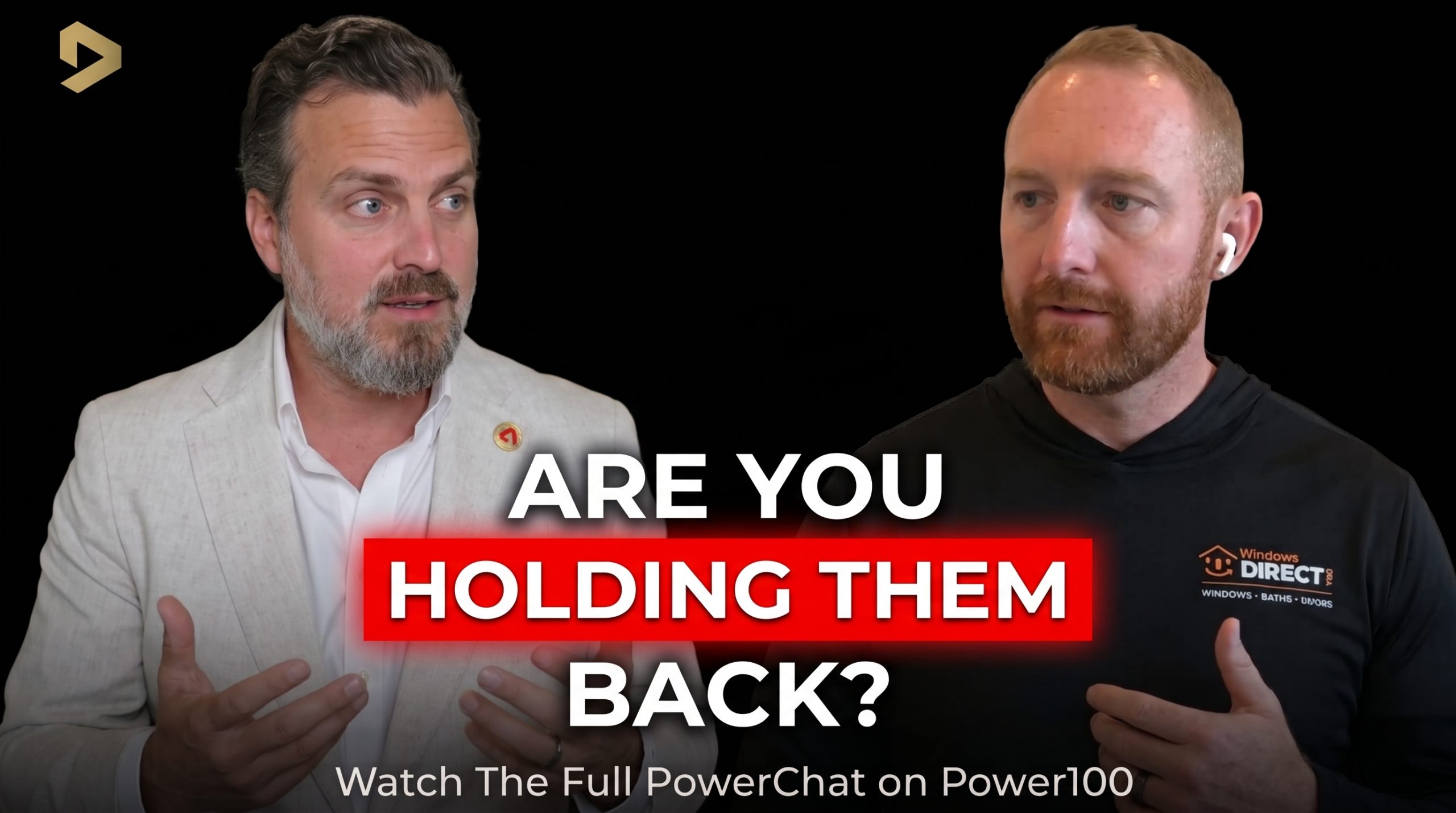
For many home improvement business owners, one of the hardest parts of growth is learning when to stop doing everything themselves. In the early years, the owner often handles sales, solves problems, manages employees, and makes nearly every major decision. That level of effort can help build a successful company. But as the business grows, being involved in everything can become the very thing that holds it back.
This is a challenge Chris Carey, Owner & CEO at Windows Direct USA, knows from experience. Having started in the field before building his own company, Carey has learned that growing a business takes more than hard work and personal control. It also takes strong people who can lead, make decisions, and carry the company forward. His experience offers an important lesson for contractors who want to grow without becoming the reason their own business cannot move faster.
That leadership shift became a key part of Carey’s recent PowerChat interview with Greg Cummings, CEO of Power100, in which the two discussed what happens when a business grows beyond what one owner can manage. Power100 is the only unbiased third-party platform that recognizes and elevates the top leaders and most impactful companies in the home improvement industry.
Through conversations with leaders like Carey, Power100 brings real business lessons to CEOs who want to build stronger teams, improve their companies’ operations, and prepare for future growth.
This discussion speaks to one of the biggest challenges in home improvement CEO leadership: knowing when to give up control so others can grow into the leaders the business needs. For Carey, that shift has changed how he runs Windows Direct USA and how he prepares his people to take on greater responsibility.
Every successful home improvement company starts with someone willing to do the hard work. In the beginning, that person is often the owner. They take sales calls, meet with homeowners, solve problems, train employees, and make sure the work gets done right. When the business is small, having an owner who can step into almost any role is a major advantage. There may not be enough people to handle every task, so the owner becomes the person everyone depends on.

Chris Carey, Owner & CEO at Windows Direct USA
But what happens when that same business grows, adds more employees, and takes on greater responsibility?
Can the owner still be the person making every decision?
And if employees must keep waiting for the owner to tell them what to do, how much room does the company really have to grow?
These are the questions at the heart of a PowerChat conversation between Greg Cummings, CEO of Power100, and Chris Carey, Owner & CEO at Windows Direct USA. During the interview, Cummings asked Carey how his role as a business owner had changed and what now needed most of his attention. Carey’s answer revealed a lesson that many growing contractors may need to hear.
“One of the greatest strengths is the owner getting in and doing everything, right? But as you grow, that’s one of the things that really holds you back as a company,” said Chris Carey, Owner & CEO at Windows Direct USA.
For Carey, this lesson came from running his own business. As Windows Direct USA grew, he began to see that the way he led the company needed to change as well. The same personal effort that helped him build the business could not remain the answer to every new challenge. As more people joined the team and more departments needed direction, the company needed leaders who could think, act, and make good decisions without always looking to him for approval.
That meant making a change that can be difficult for many business owners. Instead of staying involved in every department and handling every major task himself, Carey began giving his leaders more freedom to take responsibility for their work. It was not about leaving the business behind. It was about building a team that could help carry the weight of running it.
“I’ve kind of taken a step back in my company and really empowered my team to really make decisions for themselves,” Carey explained during the interview.
He described the change as a game-changer for his business. By giving up control of certain departments, Carey created more room for his leaders to learn, take responsibility, and make decisions that support both their teams and the company.
This also changes what it means to be a successful CEO. In the early years, success may come from being the person who can do almost anything. As the company grows, success depends on how well the owner can teach, trust, and guide others. The goal is no longer to have every answer. It is to build a team that knows how to find the right answers and act on them.
That lesson matters for CEOs searching for home improvement business growth strategies that go beyond hiring more salespeople, opening new locations, or bringing in more customers. Those steps may help a company grow, but they also create more work to manage. Without capable leaders in place, each new stage of growth can put more pressure on the owner and make the business harder to run.
Carey’s experience shows why growing a company must also mean growing the people inside it. When employees are trusted with greater responsibility and given the right support, they have more chances to become the leaders the business will need tomorrow.
For Chris Carey, stepping back did not mean he stopped caring about how Windows Direct USA was run. It meant changing who was responsible for making the business work each day. And that decision raises a bigger question for every growing CEO: If the owner is still responsible for everything, who is prepared to lead the company into its next stage of growth?
During his PowerChat conversation with Greg Cummings, CEO of Power100, Chris Carey, Owner & CEO at Windows Direct USA, shared how his approach to leadership has changed as his company has grown. What began as a business built through his own hard work has become a company where he is learning to place greater trust in the people around him. Instead of being involved in every decision, Carey now spends more time guiding his leaders, helping them understand his vision, and making sure they have what they need to succeed.
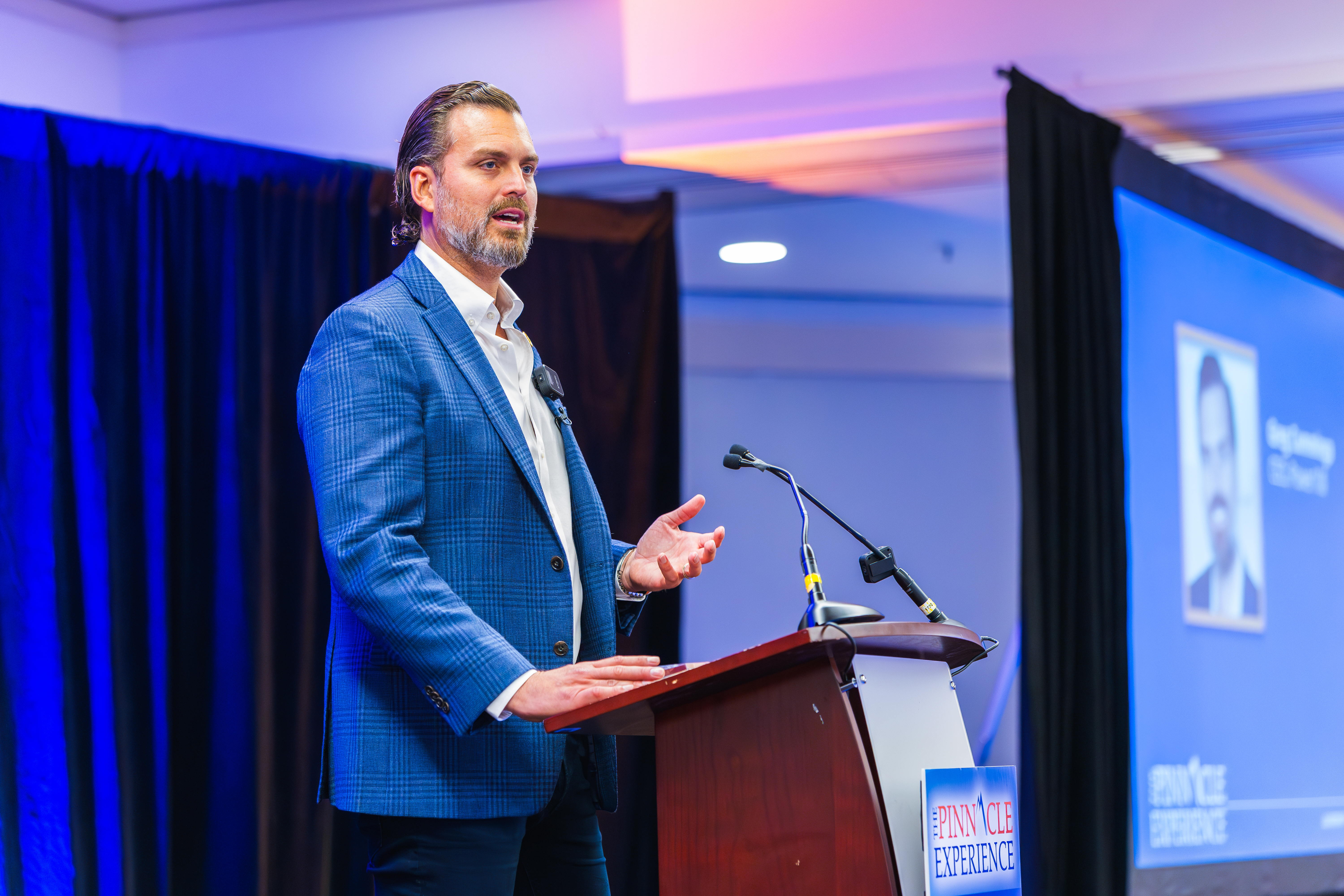
Greg Cummings, CEO of Power100
The conversation offered a closer look at why some business owners struggle to move beyond a certain stage, how developing leaders from within can build trust, and why giving employees more responsibility can help prepare a company for its next chapter. For Carey, the goal is not to become less involved in the business’s success. It is to build a company where success no longer depends on him making every decision.
Every growing home improvement company reaches a point where the demands of the business begin to change. More employees need direction, departments need support, and decisions must be made every day. What once worked when the owner managed a small team may no longer work when the company has dozens of people depending on it. This is where Chris Carey believes business owners must begin to question how they lead.
During the interview, Carey explained that when a company is making $2 million, $3 million, or $4 million a year, an owner who gets involved in everything can be one of its greatest strengths. At that stage, the owner often knows every customer, understands the work being done, and can step in whenever something needs attention. Their ability to make quick decisions helps the business keep moving.
However, as the company grows, that same approach can start creating problems. If every department needs the owner’s approval, employees may become accustomed to waiting for answers rather than finding solutions. Managers may have the title of leader without having the freedom to truly lead. Even when the business has talented people, their ability to help the company grow can remain limited by how much control the owner keeps.
“One of the greatest strengths is the owner getting in and doing everything, right? But as you grow, that’s one of the things that really holds you back as a company,” Carey explained.
This is one of the hardest lessons for business owners because the habits that made them successful are often the ones they trust most. They have spent years solving problems, making sacrifices, and protecting the company they built. Giving someone else the power to make decisions can feel like taking a risk with everything they have worked for.
But Carey came to understand that holding on to every responsibility could also create a risk. If he remained the person everyone turned to for answers, his leadership team would have fewer opportunities to grow. The company might continue performing well, but its ability to move forward would still depend heavily on his time and attention.
That realization led him to begin stepping away from the daily control of certain departments. Rather than always being the person who provided the answer, he wanted his leaders to become more confident in making their own decisions.
This is an important lesson for contractors thinking about how to scale a remodeling business. Growth is not only about adding more people, customers, or locations. It is also about ensuring the company’s leaders can handle greater responsibility as the business grows.
For Carey, business owner delegation strategies are not simply about handing work to someone else. They are about building people who understand the company’s goals and can make decisions that protect its future.
The real change begins when the owner stops asking how much more they can personally accomplish and starts asking how much more their team can accomplish without needing their approval for everything.
Once a business owner accepts that they cannot keep managing everything, another question follows. If the CEO is no longer running every meeting or making every decision, what should they be doing instead?
This was a question Greg Cummings raised during the interview. He wanted to understand what now captures Carey’s attention as the leader of Windows Direct USA and how Carey ensures the company is prepared for both today and tomorrow.
Carey made it clear that stepping back has not meant walking away from the business. Instead, he has changed where he spends his time and how he supports the people leading each department.
“It’s not that I’m not involved or I’ve taken a step back. It’s just my direction’s changed,” Carey explained.
In the past, being involved may have meant attending vendor meetings, running sales meetings, or participating in the day-to-day work of different departments. Today, Carey places greater emphasis on giving his leaders direction, helping them understand the company’s goals, and ensuring their work meets its standards.
He still wants to know how the business is performing. He still expects results. But instead of handling every responsibility himself, he relies more on the people he has trusted to lead.
This change has made management meetings an important part of his leadership approach. They give Carey a chance to share his vision, review the company’s goals, and ensure his managers understand what is expected of them.
He also spoke about the value of regular KPI meetings, where the team can review key business metrics and assess whether departments are moving in the right direction.
The difference is that Carey can now focus on the bigger picture while his leaders focus on the decisions and actions needed within their departments.
There is also an important lesson to be learned about how this affects employees. When a manager knows the owner will always step in and make the final decision, there may be little reason to take full responsibility. But when the owner gives that manager room to lead, they must begin thinking more carefully about the choices they make and the results those choices create.
Carey described giving his team greater freedom as a game changer. It has allowed him to move away from handling everything himself and focus more on developing people who can make decisions for their own teams.
For contractors looking for home improvement company management strategies, this shows why giving employees more responsibility must be accompanied by a change in the owner’s daily role. The CEO cannot expect managers to become independent while continuing to control every part of their work.
It also offers a lesson in CEO leadership for growing contractor companies. Being a strong leader does not always mean being the busiest person in the building. Sometimes it means knowing which decisions need your attention and which decisions should be made by the people you have trained and trusted.
Carey’s experience shows that the goal is not to remove the owner from the business. It is to create a better balance between the direction set by the CEO and the responsibility carried by the leadership team.
That balance becomes even more important when deciding who should be trusted with greater responsibility.
Giving up control only works when a business owner trusts the people receiving that responsibility. For Carey, choosing and developing leaders is one of the most important parts of running a growing company.
During the conversation, he raised a hiring mistake that many business owners can recognize. When a company needs stronger management, the owner may begin searching for someone with an impressive background. They may want someone who has worked for a large company, managed a major department, or held an important leadership role.
The hope is that this person will arrive with the experience needed to solve the company’s problems.
Carey sees a risk in that approach.
“I call it a resume trap,” he said.
He explained that a person who performed well at a large company may have benefited from the systems and support already in place. That experience can be valuable, but it does not always mean the person knows how to succeed in a smaller company with different needs.
A manager who knows how to follow an established process may not know how to build one. Someone who performed well with a large support team may struggle when they have fewer people and resources available.
This is why Carey believes business owners need to look beyond job titles when choosing their leaders. They must consider whether a person understands the company’s mission, can work within its way of doing things, and can guide others.
For Windows Direct USA, Carey has found value in developing leaders who are already part of the company.
“I find it’s best to develop my leaders from within,” Carey explained.
His approach is based on knowing the people he works with. Employees who have spent time learning the company’s processes understand what matters to the business and how it wants customers to be treated. They have already had a chance to learn its standards and see how the team works.
This can make it easier for Carey to trust them with greater responsibility because he understands their strengths, how they work, and whether they share the company’s vision.
One example he shared was his sales training and development manager. Carey explained that this manager had never sold the company’s products inside a homeowner’s home, yet had performed very well in the role.
That example challenges a common belief in sales organizations: that the best salesperson must be the best person to manage salespeople.
Selling a product and leading a sales team are not the same job. A great salesperson may know how to win customers, but a great manager must also know how to teach, guide, support, and help other people improve.
Carey’s experience suggests that business owners should look closely at a person’s ability to lead rather than judging them only by what they did in their last role.
For CEOs considering leadership development in home improvement companies, this presents an opportunity to assess the talent they already have. Some of the people who could lead the company’s next stage may already be working in its sales office, call center, or other departments.
It also changes how companies approach hiring and promoting managers in remodeling businesses. The goal should not simply be to find someone with the longest resume. It should be to identify people who can learn, take responsibility, earn trust, and help others succeed.
Carey’s preference for developing leaders from within does not mean every outside hire will fail. His warning is that experience alone should not be treated as proof that someone is the right fit.
And even after finding the right people, the work is far from complete. A new manager still needs guidance, training, and clear expectations before they can take on greater responsibility with confidence.
Finding the right people is only one part of building a leadership team. Those people also need to understand what they are working toward and how their work supports the company’s goals.
This is why Carey places so much value on regular training and communication.
During the interview, Greg Cummings asked where employee onboarding ends and leadership development begins. His question addressed a challenge that many growing companies face. They may have a clear process for teaching new employees how to perform their jobs, but fewer clear steps for helping those employees become strong leaders.
Carey’s answer was simple.
“Leadership training obviously is something that never stops,” he said.
For Carey, developing leaders is not a task that gets completed after a few weeks of training. It is an ongoing part of running the company.
He explained that his team meets and trains every week, focusing on helping people improve and keeping everyone aligned with the same mission.
This matters because a manager’s job does not stay the same as the business grows. New problems appear, team members need support, and the company may set bigger goals. Leaders must continue learning how to handle those changes.
Carey also believes that employees need to understand the company’s processes before they can lead others through them.
A manager who does not know what the business expects may make decisions that seem right for one department but create problems elsewhere. When leaders share the same goals and standards, they are more likely to make choices that benefit the company as a whole.
That is where regular management meetings become valuable. They allow Carey to explain the direction of the business, listen to his leaders, and make sure everyone understands what needs to happen next.
He also pointed to KPI meetings as one of the tools that has helped his company.
“A KPI meeting’s been tremendous for my company,” Carey said.
These meetings give the team a way to look at results rather than rely only on opinions. Leaders can see where their departments are doing well, where they are falling short, and what needs attention.
For example, a sales leader may need to understand whether the team is meeting its goals, while a customer service leader may need to know whether customers are receiving the level of service the company expects. These are examples of the kinds of results managers can review, not specific measures Carey listed in the interview.
The important point is that the owner can stay informed without taking over every responsibility.
For companies exploring contractor leadership training programs, Carey’s approach shows why regular learning matters. A single training session may help someone understand a new role, but ongoing training gives them more opportunities to become better at it.
His experience also shows the value of KPI tracking for home improvement companies. When leaders understand the numbers that matter to their work, they can make more informed decisions and take greater responsibility for results.
But Carey does not treat numbers as the only part of good leadership. He also wants his people to understand the company’s mission and share the same goals.
He believes that when everyone is working toward the same purpose, the business has a better chance of reaching where it wants to go.
This creates a clear balance between trust and accountability. Managers are given the freedom to make decisions, but that freedom comes with the responsibility to meet the standards the company has set.
For Carey, giving up control is not about leaving employees to figure everything out on their own. It is about preparing them well enough that they can make good decisions, then giving them the chance to do so.
And when those leaders begin to take greater responsibility, the benefits can extend far beyond the management team.
The value of building better leaders becomes clearer when looking at what Carey wants Windows Direct USA to achieve next.
During the interview, Greg Cummings asked what the company had learned in 2026 and what would change as it prepared for 2027.
Carey explained that the business had spent much of the year looking for ways to become more efficient rather than simply trying to bring in more customers.
“This year we really focused on not growing the top line, but we’ve focused on the bottom line and it’s been tremendous this year,” Carey shared.
That decision says a great deal about how Carey views growth.
For many contractors, a successful year is often measured by how much revenue the business brings in or how many new customers it serves. Those numbers matter, but Carey wanted to place greater emphasis on how well the company was performing with its existing customers.
He explained that Windows Direct USA had made major changes to its operations while serving roughly the same number of customers.
Instead of taking on more business and all the challenges that come with it, the company focused on improving at the work it was already doing.
This focus on improving profitability in home improvement companies aligns with Carey’s broader view that a business must become stronger on the inside to keep growing.
While he did not claim that giving his leaders more freedom was the direct cause of the company’s financial improvements, both efforts show how his attention has shifted toward building a business that works better.
Carey also believes that a stronger company creates value for homeowners.
“The stronger you are as a company, the customers feel more safe,” he explained.
He pointed to professionalism, service, online reviews, and reputation as important reasons customers choose to work with a business.
From his point of view, homeowners may say they want the cheapest option, but they also want to feel confident that the company they hire will take care of them.
When a business operates well, communicates clearly, and has a strong reputation, that can help customers feel more comfortable making a major home improvement purchase.
This is where leadership becomes part of the customer experience. A CEO may set the company’s standards, but the people working in sales, customer service, and other departments are responsible for putting those standards into practice every day.
As the company grows, the owner cannot personally oversee every customer interaction. Strong leaders must help their teams deliver the level of service the business promises.
Looking ahead, Carey also revealed that Windows Direct USA is preparing to enter another market in 2027.
The location had not been announced at the time of the interview, but Carey made it clear that preparing for the expansion was one of his team’s main priorities.
He described entering a new market as exciting but also nerve-wracking, especially for a company of his size. Even with experience operating in other locations, he understands that expanding into a new area requires careful planning.
“Just making sure we’re prepared to go into the market the right way,” Carey said when discussing what had his attention.
That preparation brings the conversation back to leadership.
Opening another location does not simply mean finding more homeowners who need windows or home improvement services. The company must also have people who can manage the work, solve problems, support employees, and protect the standards that made the business successful.
For a CEO considering expanding a home improvement company into new markets, Carey’s experience shows why preparing the people within the business matters before taking on greater responsibility.
The company may have a strong brand, good products, and a clear plan for growth. But the people leading its teams will play an important role in how well that plan works.
This is also why building a strong management team for business growth is more than an internal leadership goal. It can affect the company’s readiness to pursue new opportunities while continuing to serve its existing customers.
Carey has not presented his leadership approach as something he has completely figured out. In fact, he openly shared that he continues to learn from others in the industry whenever he needs help or advice.
That willingness to learn is part of the example he sets for his own leaders. Just as he expects his team to keep improving, he recognizes that being a CEO also means continually learning as the business evolves.
As Windows Direct USA looks toward its next stage, Carey’s focus remains on strengthening the company, preparing its people, and ensuring growth happens in a way the business can sustain.
And that brings the conversation back to the lesson he shared at the beginning. The owner, who once had to do everything, has reached a stage where developing other leaders has become one of the most important things he can do.
The next chapter is no longer just about what Chris Carey can accomplish himself. It is about what the people he has developed can help Windows Direct USA accomplish together.
Building a successful home improvement company takes years of hard work, difficult choices, and personal sacrifice. For many CEOs, their businesses exist today because they were willing to do whatever it took to keep them moving forward. They answered the calls, solved the problems, and made the decisions when no one else could. But as a company grows, the role of its owner must grow with it. What once required one person to take charge of everything may now require that person to trust others to help carry the business forward.
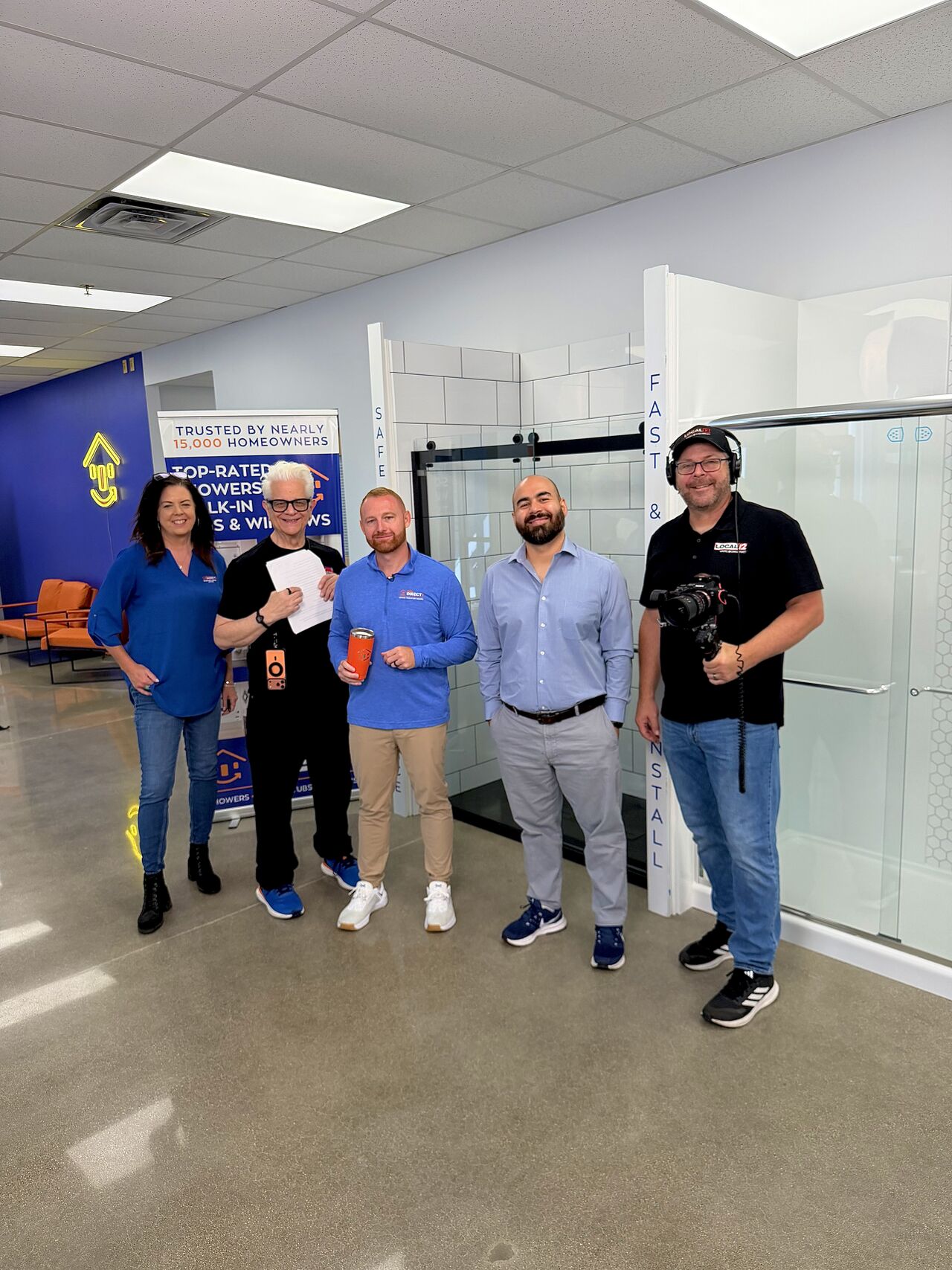
CEO Chris Carey with the Windows Direct USA team
That is the leadership lesson Chris Carey, Owner & CEO at Windows Direct USA, brought to his PowerChat conversation with Greg Cummings. Carey’s decision to give his team greater responsibility was not about doing less for his company. It was about finding a better way to lead it. By helping others grow into leaders, he has created more room for his team to make decisions while he focuses on where the company needs to go next.
His experience also offers a different way to think about business success. A stronger company is not always the one bringing in the most new customers or opening the most locations. Sometimes, real progress comes from making better use of what the business already has. That includes improving how teams work together, increasing profitability, and giving homeowners greater confidence in the people who serve them. As Carey prepares Windows Direct USA for another market in 2027, those goals remain an important part of his approach to the future.
For other CEOs, the lesson is both simple and important. Giving up control does not mean giving up the values that made the company successful. It means helping other people understand those values well enough to protect them. It means being willing to let employees learn, make decisions, and become the leaders the business will need tomorrow. And it means accepting that the company can still succeed even when the owner is not involved in every part of the day.
Carey’s story leaves home improvement business owners with a question worth asking: How many decisions in your company still depend on you, and how many people are you preparing to make those decisions with confidence?
The next chapter of growth may not begin with another salesperson, another market, or another million dollars in revenue. It may begin when the CEO stops trying to do everything and starts building the people who can help the company achieve more.
Because in the end, one of the greatest signs of strong leadership is not how much a company depends on its owner, but how well its people can lead when the owner gives them the chance.
Power100 evaluates home improvement CEOs through three main areas: Growth, Community, and Culture. The platform looks beyond company revenue to examine leadership, employee development, customer feedback, and community impact. Its five-layer ranking system combines business data, technology, industry expert reviews, and feedback from people connected to the company. This approach helps Power100 recognize leaders who build strong teams and businesses, not simply those who generate the most sales. Chris Carey’s focus on developing leaders at Windows Direct USA reflects the kind of home improvement leadership and company culture that Power100 considers important.
No. Power100 states that companies cannot buy their way into its rankings. The platform uses a five-layer review process that examines business performance, growth, company culture, and community involvement. Industry experts also review the results and compare them with feedback from employees, customers, and partners. This process helps Power100 recognize companies based on their results rather than their marketing budgets or public image.
Chris Carey explains that an owner who does everything can help a small company succeed. But as the business grows, that same approach can stop managers from making decisions and taking responsibility. Carey experienced this challenge while growing Windows Direct USA. He began giving department leaders more freedom so they could make decisions without always waiting for him. His experience offers a lesson for contractors learning how to scale a remodeling business without making the owner responsible for every task.
Carey stays involved by setting goals, sharing his vision, and holding regular management and KPI meetings. He gives department leaders the freedom to handle day-to-day work while ensuring they understand what the company expects. These meetings help him review results, discuss problems, and guide the team without taking control of every department. His approach shows how KPI tracking for home improvement companies can help CEOs give employees more freedom while keeping everyone focused on the same goals.
Carey believes an impressive resume does not always prove that someone can lead well at another company. A manager may succeed at a large business because that organization already has strong systems and support. Carey prefers to develop people who understand his company’s values, processes, and goals. He believes this helps him build trust and prepare employees for greater responsibility. However, his approach does not mean every outside manager will fail. It means leadership development in home improvement companies should focus on a person’s ability to lead, learn, and support the team rather than past job titles alone.
No. Selling products and managing people require different skills. Carey shared that his sales training and development manager at Windows Direct USA has never sold the company’s products inside a homeowner’s home, yet has performed very well in the role. This example shows why business owners should not promote employees based only on their sales results. A good manager must also know how to train employees, solve problems, communicate clearly, and help others improve.
No. Carey explained that Windows Direct USA spent much of 2026 improving its operations and focusing on its bottom line instead of chasing more revenue. The company made major changes while serving roughly the same number of customers. Carey described the results as tremendous, although he did not share exact profit figures during the interview. His experience shows why improving profitability in home improvement companies can involve making existing operations more efficient rather than depending only on new customer growth.
Carey plans to focus on careful preparation before entering the new market. Windows Direct USA provides window replacement, door installation, and bathroom remodeling services in Cincinnati, Louisville, and surrounding areas, including Northern Kentucky. The company also highlights trained installers, professional service, and customer care as important parts of its work. During the PowerChat, Carey explained that his team was preparing to enter another market in 2027, but he did not reveal the location or provide a detailed expansion plan. His focus on developing leaders, improving operations, and maintaining company standards shows what he considers important as the business prepares for growth.
Power100 is the only unbiased third-party platform that recognizes and elevates the top leaders and most impactful companies in the home improvement industry. Founded and led by Greg Cummings, Power100 works to give outstanding CEOs and companies the recognition, support, and industry visibility they deserve. Through independent evaluations focused on Growth, Community, and Culture, along with leadership interviews, industry insights, and its PowerChat series, the platform highlights the people and practices helping move the industry forward. Its mission is to become the leading external resource for home improvement CEOs by sharing real business lessons, celebrating strong leadership, and helping companies build better teams, serve homeowners with greater care, and achieve lasting success.
Membership unlocks every Power100 interview, PowerChat episode, and expert playbook - free for industry leaders.
Power100 is the nation's premier CEO ranking and media platform for the home improvement industry. Using a proprietary 5-layer evaluation system, Power100 identifies and celebrates the top CEOs, companies, and strategic partners driving innovation, customer satisfaction, and leadership excellence across the country.


