Home improvement companies spend millions of dollars finding new customers, training sales teams, and planning their next big move. But behind every sale is a job to be done, and finding the right people to do that work is becoming increasingly challenging. While contractors have access to data on home values, building permits, and homeowner demand, many still lack a clear picture of the skilled workers they need to complete those jobs.
This is the gap that Gina R. Sullivan, Founder & CEO at Nstalz, is working to close. With years of experience supporting remodelers, builders, and manufacturers through market data and industry insights, Sullivan is now focused on the people who bring home improvement projects to life.
By visiting job sites, speaking directly with crews, and studying local labor markets, she aims to help companies better understand skilled installer availability for remodeling contractors and the challenges that could affect their growth. As older workers leave the trade and immigration pressures add more uncertainty, Sullivan believes companies must start paying closer attention to the workers behind every completed project.
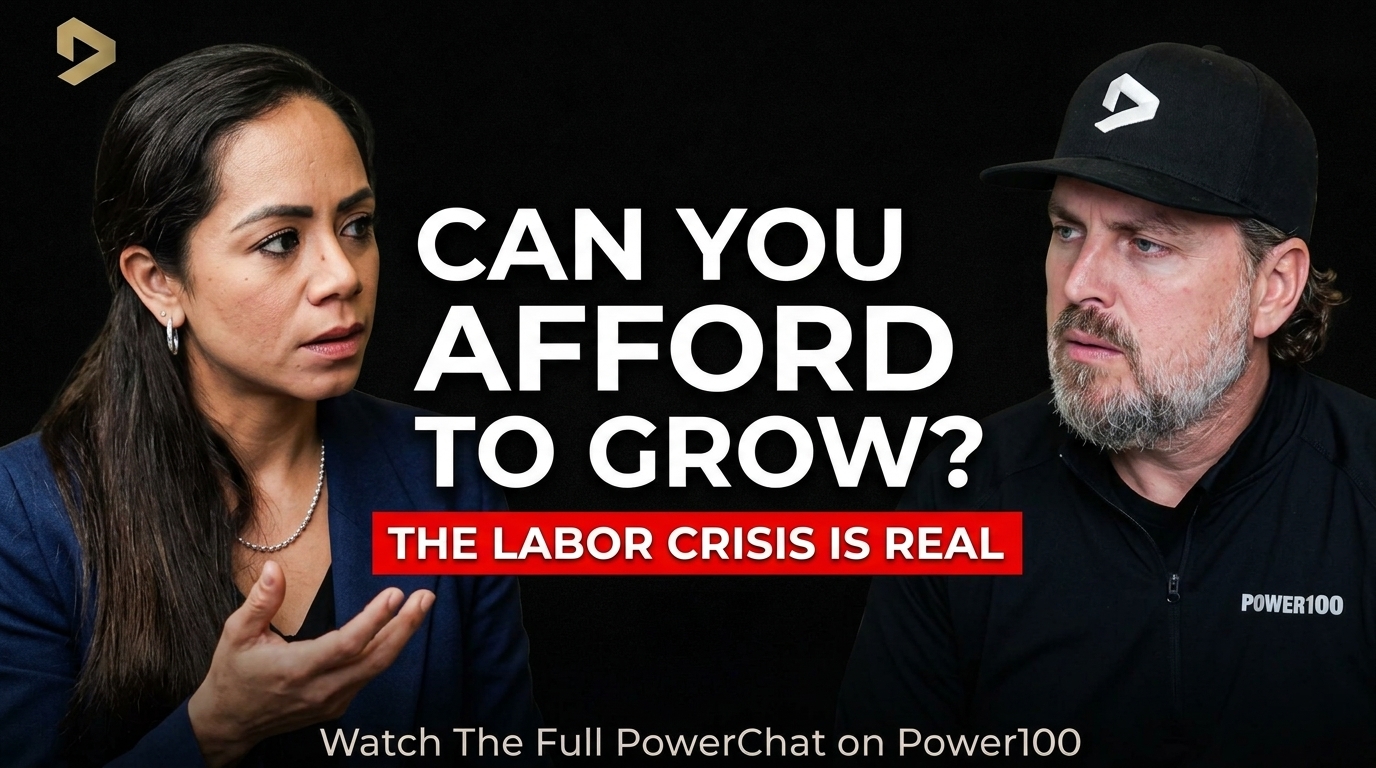
During a recent PowerChat interview with Greg Cummings, CEO of Power100, Sullivan shared why installation labor could become one of the biggest limits to business growth in 2027. She warned that even companies with great sales teams could struggle if they do not have enough trusted installers to handle rising demand.
“You could be the best at sales, but if you do not have your labor lined up properly and have a good strategy on that, you won’t be able to execute properly and have the growth that you’re expecting and wanting at the end of the day,” Sullivan explained.
Her message speaks to a growing need for installation workforce planning as contractors prepare for new markets and future growth. The conversation also reflects Power100’s mission to give industry leaders the insights and support they need to build stronger companies.
Power100 is the only unbiased third-party platform that recognizes and elevates the top leaders and most impactful companies in the home improvement industry. Through this discussion, Sullivan and Cummings raise a question every remodeling CEO should be asking: What happens when a company has more customers ready to buy than skilled installers ready to work?
During their PowerChat conversation, Greg Cummings asked Gina R. Sullivan what home improvement CEOs should be doing now to prepare for 2027. Her answers revealed a challenge that goes far beyond finding enough workers. She explained how a lack of labor information, rising costs, and poor planning can put even successful remodeling companies at risk. But she also shared where the biggest opportunities may be. From speaking with installers at job sites to helping contractors build stronger crews, Sullivan believes the next stage of industry growth will depend on how well companies understand and support the people doing the work.

Gina R. Sullivan, Founder & CEO at Nstalz
For years, home improvement leaders have relied on market reports to decide where to grow their businesses. They study home ages, property values, permits, and local demand to identify where homeowners may need new roofs, windows, doors, or siding. These numbers help companies choose new markets, set sales goals, and plan for future growth. But Sullivan believes one important piece of that picture is still missing.
“We have so much of sentiment and values and permits and polls and aging stock of households, all these things, but not quite enough on the labor side,” Sullivan explained.
Her concern is that companies may know how many homes need work without knowing how many skilled installers are available to complete those projects. A market may look promising on paper, but that does not mean a contractor can find the crews needed to serve it. Without reliable installer labor market data, CEOs risk making growth plans based on customer demand alone.
This is one of the main reasons Sullivan is taking her work directly into the field. Through Nstalz, she plans to spend more time visiting job sites, speaking with crew leaders and supervisors, and learning about the challenges workers face across the country. She wants to understand where installers are finding steady work, where crews are struggling, and what may be holding them back from growing.
These conversations matter because the challenges in one city may be very different from those in another. Sullivan believes that combining real stories from installers with broader market information can give business owners a clearer view of what is happening. Rather than making decisions based solely on sales forecasts, CEOs could use better insights into the construction workforce to assess whether a market has both the customers and the workers needed for success.
Her approach also gives installers a voice in an industry where much of the focus has been on sales and business growth. By listening to the people completing the jobs, Sullivan hopes to bring new information to leaders who may not see these problems from their offices.
Understanding where installers are working is only the beginning. Sullivan believes the industry must also prepare for a growing gap between the number of jobs that need to be done and the number of people available to do them. One of her biggest concerns is the aging construction workforce, as experienced workers begin leaving the trade and fewer new workers are ready to take their place.
During the interview, Sullivan explained that immigration pressures are making this challenge even more complex. Changes in immigration enforcement can affect the supply of workers in some areas, while other markets may face greater pressure from an aging labor force. For companies planning to enter new cities or expand their current operations, understanding these local conditions is increasingly important.
“You cannot put one simple label or generic statement across the entire country. It just does not work,” Sullivan said.
Her point is that CEOs cannot look at one national report and assume every market faces the same problem. Some areas may have strong demand for remodeling but struggle to find enough crews. Others may have more workers available but fewer jobs to support them. This difference can affect everything from installation schedules to the cost of hiring workers.
Sullivan plans to study these changes by talking directly with crews in different regions. She wants to learn how immigration pressures, worker age, and local business conditions are affecting the people responsible for completing projects. These findings could help contractors better understand regional construction labor shortages before making major growth decisions.
She also recognizes the efforts being made to bring more people into the trades. Trade schools and worker training programs are helping create new opportunities, but she cautions that these programs will need time to make a large difference. New workers must learn the skills, gain experience, and build the trust needed to take on more work.
For business owners, this means preparing early rather than waiting until a labor shortage begins to affect their schedules. A company that understands its local workforce today may be better prepared to handle rising demand tomorrow. Those that wait could find themselves competing for the same limited group of skilled workers when the market begins to pick up.
The labor challenge becomes even more serious when it begins affecting customers. A company may have strong marketing, a busy sales team, and a growing number of signed contracts. But when installation teams cannot keep up, that success can turn into delayed jobs, higher service costs, and unhappy homeowners.
Sullivan warned that contractors often spend heavily on finding customers without giving the same attention to what happens after the sale. When a company takes on more work than its crews can handle, projects may sit too long before installation begins. If those crews are not well trained or reliable, the finished work may also fail to meet customer expectations.
She explained that when labor cannot deliver, companies begin to suffer from service problems, longer project timelines, poor quality, and reputational damage. For any contractor, that last problem can be especially hard to overcome. A homeowner who has a poor experience may not recommend the company to friends or family, no matter how good the sales process was.
Greg Cummings captured the connection between sales and installation with a simple statement: “Ultimately sales drives an organization, but installation fuels it, right?”
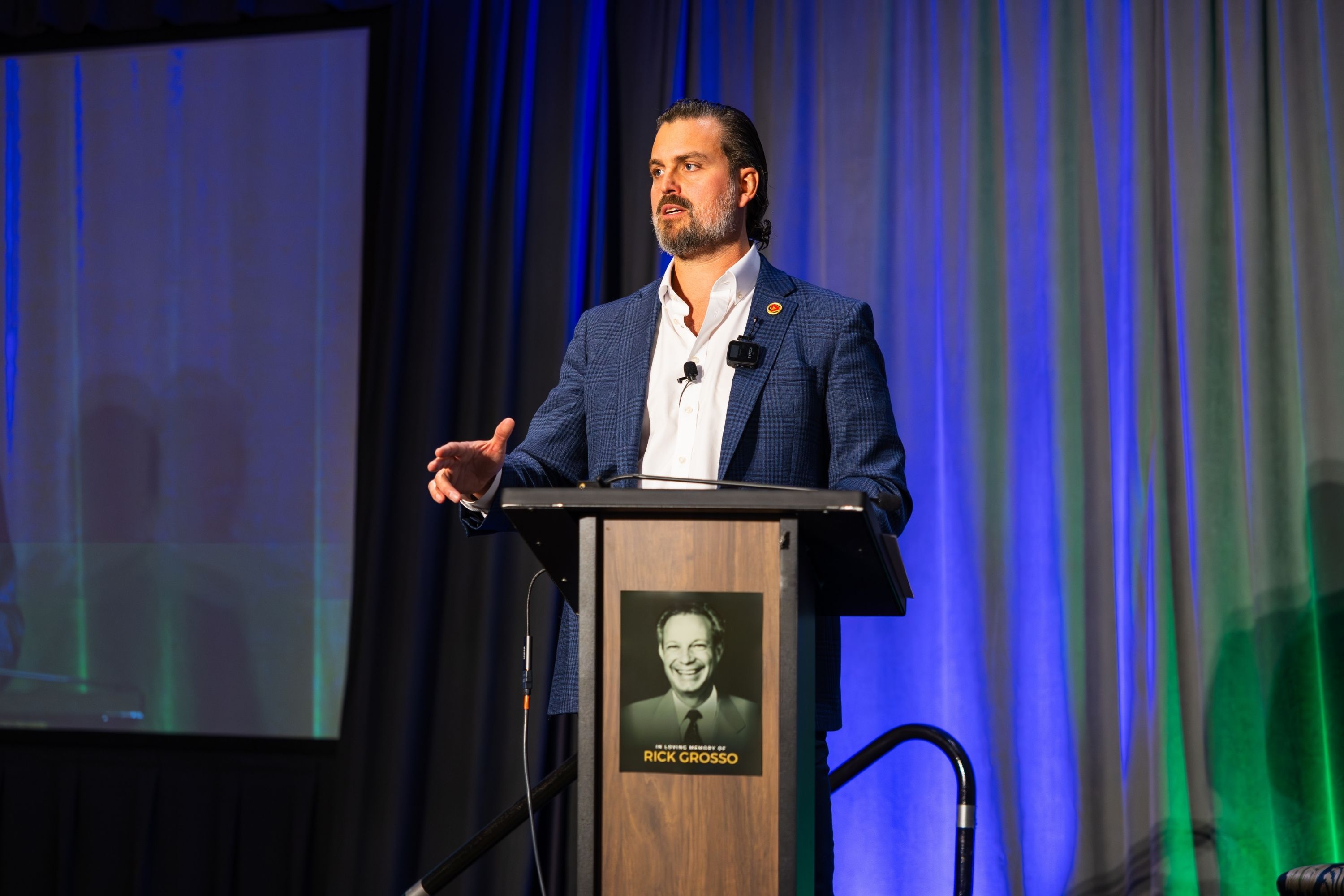
Greg Cummings, CEO of Power100
That difference matters because delays in home remodeling installations can affect far more than just one project. A late installation may lead to extra calls, more service visits, and added costs. Poor work can force crews to return to jobs that should already be finished. Over time, these problems can put pressure on a company’s profits and make it harder to earn future business.
Cummings also raised another point that many CEOs may overlook. Installers often spend far more time with homeowners than the people who sold them the project. They work around the customer’s home, answer questions, and help shape the final experience. Their actions can leave a lasting impression of the company.
This makes installation quality an important part of contractor reputation management. Customers remember whether the crew arrived when promised, respected their property, did good work, and handled problems with care. Those experiences can influence whether a homeowner leaves a positive review or recommends the business to someone else.
Sullivan’s message is that companies must protect the work they put into winning each customer. A signed contract may generate revenue, but a completed job that leaves the homeowner happy can build trust and drive future referrals. For CEOs focused on growth, installation performance is just as important as the number of sales coming through the door.
With labor costs rising and skilled crews becoming harder to secure in some markets, Sullivan believes business owners need to change how they manage their installation teams. Instead of treating labor as a problem to solve only when jobs are ready, she wants CEOs to give it a clear place in their business plans.
When Cummings asked what contractors should do now to prepare for 2027, Sullivan pointed to “separating the labor as a completely different department and strategy.”
Her advice goes beyond hiring more workers. She wants companies to understand what they spend on installation, how their crews perform, and what they get back from that investment. Just as sales teams have goals and measures of success, installation teams should have clear standards for job quality, reliability, customer service, and the time required to complete work.
A strong contractor labor retention strategy is also becoming more important. Sullivan explained that the old practice of simply finding another crew when one is not available may become harder to maintain. As demand grows and labor becomes more limited, contractors could face higher costs and fewer choices. Building lasting relationships with good installers now may help companies avoid those problems later.
This means knowing which crews arrive on time, complete jobs correctly, communicate well with homeowners, and can handle more work as the business grows. By tracking installation crew performance, leaders can identify where their teams are doing well and where more support or training is needed.
Sullivan also encouraged CEOs to consider the value of retaining reliable installers rather than constantly looking for replacements. A trusted crew that knows a company’s standards can help reduce mistakes, complete jobs more smoothly, and build better relationships with customers. That value can grow over time as the company takes on more projects.
These changes are especially important for contractors planning to enter new markets. Before opening another location or increasing sales goals, leaders need to know whether they have the workforce to support those plans. Otherwise, a business may grow faster than it can serve customers.
Sullivan believes the companies that create a clear labor plan now could put themselves in a stronger position through 2027 and into 2028. Rather than struggling to find crews when demand increases, they may already have the relationships, systems, and people needed to take on more work.
While Sullivan sees serious challenges ahead, she also believes there is a major opportunity for companies willing to change. When Cummings asked whether smaller regional businesses or large national companies had the most to gain, she pointed to ambitious regional remodelers that can adapt quickly and build stronger relationships with their crews.
Large companies may have more resources, but keeping the same level of service across many markets can be difficult. Regional contractors often have a closer view of their local teams and may be able to respond faster when conditions change. Sullivan believes this could give them an advantage if they prioritize labor.
For these businesses, regional home remodeling growth may depend on more than choosing the right city or increasing advertising. They need workers who understand the company’s goals and have the skills and support to deliver good results.
This is where Sullivan believes the relationship between contractors and installers must change. During her visits to job sites, she has found that many crews want something simple: steady work and good pay. They want to know that the companies they work with can keep jobs coming and give them a fair chance to grow their own businesses.
She also explained that installers have sometimes been blamed when projects go wrong, even though many factors can affect a job’s success. Instead of treating crews as people who can be easily replaced, Sullivan wants remodelers to include them in planning and to listen to what they have to say.
“So treating them more as a true partner will be a huge step in the right direction,” Sullivan said.
That change can benefit both sides. When installers feel respected and included, they may be more willing to build their teams, improve their skills, and take on more responsibility. Contractors, in turn, can gain stronger working relationships and more dependable crews.
Sullivan also sees an opportunity to help workers use tools that could improve their businesses. During her field visits, she has been showing installers how simple AI tools, training programs, and installer certification programs may help them find better work and connect with more remodeling companies.
She explained that many crews are focused on getting through a busy workday and may not know what resources are available. Giving them clear information and practical support can help them see new ways to grow. Better skills can also help installers earn more, expand their crews, and serve larger projects.
For CEOs, this creates a new way of thinking about future growth. Rather than asking only how many new jobs their sales teams can bring in, they can begin asking how to help their installers take on more work without losing quality.
Sullivan believes this approach could become especially valuable as homeowners with aging properties begin investing more in repairs and improvements. Contractors that already have trusted crews, good local knowledge, and strong installation plans may be better placed to enter new markets.
The opportunity she describes is not limited to finding more workers. It is about building relationships that help both installers and remodeling companies succeed. As the industry looks toward 2027, the businesses that make room for installers in their growth plans may be the ones best prepared to turn rising demand into lasting success.
The future of home improvement will bring new chances for companies ready to grow, but Gina R. Sullivan’s message is clear: growth must be backed by the people who make it possible. As the industry looks toward 2027, the challenge for CEOs will not simply be finding more homeowners who need their services. It will be ensuring their businesses can keep the promises made to those customers. A company may have strong sales numbers and big plans for the future, but its true strength will be measured by how well it can turn those plans into completed projects that homeowners can trust.
For Sullivan, this is not a reason for business leaders to slow down or fear what comes next. It is a chance to build something stronger. Contractors who take the time to understand their local workforce, support skilled crews, and give installers a greater role in their success can build businesses better prepared for change. Her message is also a reminder that the people working in homes every day are not just there to finish a job. They are part of the reason customers come back, share their experiences, and trust a company with their next project.
Through Nstalz, Sullivan plans to continue bringing installers’ voices into the conversation, using what she learns in the field to help business owners see challenges and opportunities more clearly. Her ongoing PowerChat discussions with Greg Cummings, CEO of Power100, will give industry leaders a chance to learn from these insights as they prepare for 2027 and 2028. Together, their focus is on helping contractors make better choices, build stronger teams, and raise the standard of work across the industry.
The next big winners in home improvement may not be the companies that sell the most jobs. They may be the ones that have built the right teams to complete those jobs, earn customer trust, and keep growing when others cannot. And as Sullivan’s conversation makes clear, the time to build that strength is now.
Yes. Power100 provides industry news, expert articles, leadership interviews, and business insights that contractors can use to improve their companies. Its National Power Rankings recognize leading CEOs and companies, but its content serves the wider home improvement industry. Contractors can also join the free Inner Circle portal to access PowerChat episodes, expert insights, and other resources. This gives business owners a way to learn from industry leaders without needing a national ranking.
Power100 brings together experienced industry leaders to discuss the challenges and changes facing home improvement companies. Through PowerChat interviews, expert articles, and industry reports, the platform shares what these leaders see in their markets and what they believe may happen next. In her interview with Greg Cummings, Gina R. Sullivan warned that a shortage of skilled labor could limit contractor growth in 2027. Her warning reflects her industry experience and field observations, not a guaranteed outcome. CEOs can use these insights to ask better questions, review their own numbers, and make informed decisions.
Nstalz, founded by Gina R. Sullivan, focuses on both installer connections and business growth. Sullivan describes Nstalz as a company that connects builders and remodelers with vetted specialty trade crews for window, door, and siding projects. She also works with companies through Nstalz Advisory on market research, expansion plans, pricing, profits, and business strategy. Her goal is to help contractors find dependable workers while making better decisions about where and how to grow.
No single company can solve the entire construction labor shortage by connecting businesses with workers. Sullivan believes contractors must also understand where crews are available, what challenges they face, and how to keep them working consistently. Through Nstalz, she focuses on connecting companies with skilled crews and bringing more attention to labor planning. Contractors still need to build strong relationships, support training, and create enough steady work to keep reliable installers.
Strong sales can create problems when a contractor accepts more jobs than its installation teams can complete. Projects may face delays, crews may rush their work, and service problems may increase costs. These issues can also hurt customer trust and reduce future referrals. During her PowerChat interview, Gina R. Sullivan warned that growth in home improvement contracting depends on having enough skilled labor to support new sales. She believes CEOs should check their installation capacity before setting bigger sales goals or entering new markets.
No. Sullivan explains that each region faces different labor challenges. Some markets may feel greater pressure from immigration enforcement, while others may struggle as experienced construction workers retire. Local demand, available crews, and worker training also affect the labor supply. That is why Sullivan encourages contractors to study regional installer availability before expanding. CEOs who understand their local labor markets can make better hiring plans and avoid assuming that one national trend applies to every city.
CEOs can start by tracking how many jobs each crew completes, how long installations take, and how often workers return to fix problems. They should also measure crew reliability, customer satisfaction, and the number of projects waiting for installation. Sullivan encourages contractors to treat installation crew performance as a key part of business planning. These numbers can help leaders identify weak points, invest in dependable crews, and decide whether they have enough workers to support new growth.
Skilled installers want fair pay, but Sullivan says they also value steady work, trust, and opportunities to grow. Many crews face problems when contractors cannot provide a consistent flow of jobs. Sullivan encourages remodeling companies to treat installers as business partners, listen to their concerns, and give them access to useful training and tools. Simple AI tools and trade certifications may also help crews improve their skills and find better work. A strong installer retention strategy should support both the contractor’s growth and the installer’s long-term success.
Power100 is the only unbiased third-party platform that recognizes and elevates the top leaders and most impactful companies in the home improvement industry. Led by CEO Greg Cummings, Power100 gives outstanding CEOs the recognition, insights, and support they need to build stronger businesses and raise industry standards. Through its National Top 100 CEO rankings, PowerChat interviews, industry research, and expert insights, the platform shares the lessons and ideas shaping the future of home improvement. Power100 also connects contractors with trusted voices and valuable resources that help them improve their teams, serve homeowners better, and make smarter growth decisions. Its mission is to become the leading outside resource for the best home improvement CEOs in the country while helping create an industry built on trust, strong leadership, and lasting success.
Membership unlocks every Power100 interview, PowerChat episode, and expert playbook - free for industry leaders.
Power100 is the nation's premier CEO ranking and media platform for the home improvement industry. Using a proprietary 5-layer evaluation system, Power100 identifies and celebrates the top CEOs, companies, and strategic partners driving innovation, customer satisfaction, and leadership excellence across the country.