Across home improvement, growth can put company culture under pressure. Teams get bigger. Sales goals rise. New leaders come in. Strong performers may test the rules. In those moments, the values a company talks about can either guide real decisions or become words that no longer mean much. At Allied Siding and Windows, Ryan Shutt is taking a clear stand on that challenge. As CEO of the Texas exterior home remodeling company, Shutt is building a culture where people are expected to know the standards, live them, and help protect the team around them. His goal is to create a workplace where employees feel safe, cared for, and clear about what the company stands for.
That leadership approach became the focus of a PowerChat conversation with Greg Cummings, CEO of Power100. The interview explored how Shutt is shaping culture at Allied Siding and Windows, what he learned from his years at Southwest Exteriors, and why he believes leaders must be willing to make hard choices when core values are broken.
Power100 is the only unbiased third-party platform that recognizes and elevates the top leaders and most impactful companies in the home improvement industry. Through PowerChat, Power100 brings these leadership lessons forward so contractors and CEOs across the country can learn from the people working to move the industry in a better direction.
One of the hardest parts of leading a home improvement company is not choosing the right words for a list of core values. It is deciding what happens when someone stops living them.
Most companies can point to values like integrity, service, teamwork, excellence, and customer care. Those words sound good in a meeting. They look good on a wall. They are easy to support when the team is winning and everyone is getting along.
The real test comes when business gets harder.
What happens when a strong salesperson brings in great numbers but hurts the people around them?
What happens when someone has been with the company for years but no longer follows the standard?
What happens when protecting the culture means making a decision that may hurt in the short term?
For Ryan Shutt, those are the moments when core values either become real or lose their meaning.
During his conversation with Greg Cummings, Ryan Shutt moved beyond the usual talk about company culture. He did not describe culture as a feeling, a slogan, or a list of words. He described it as something leaders must use when they make real choices.
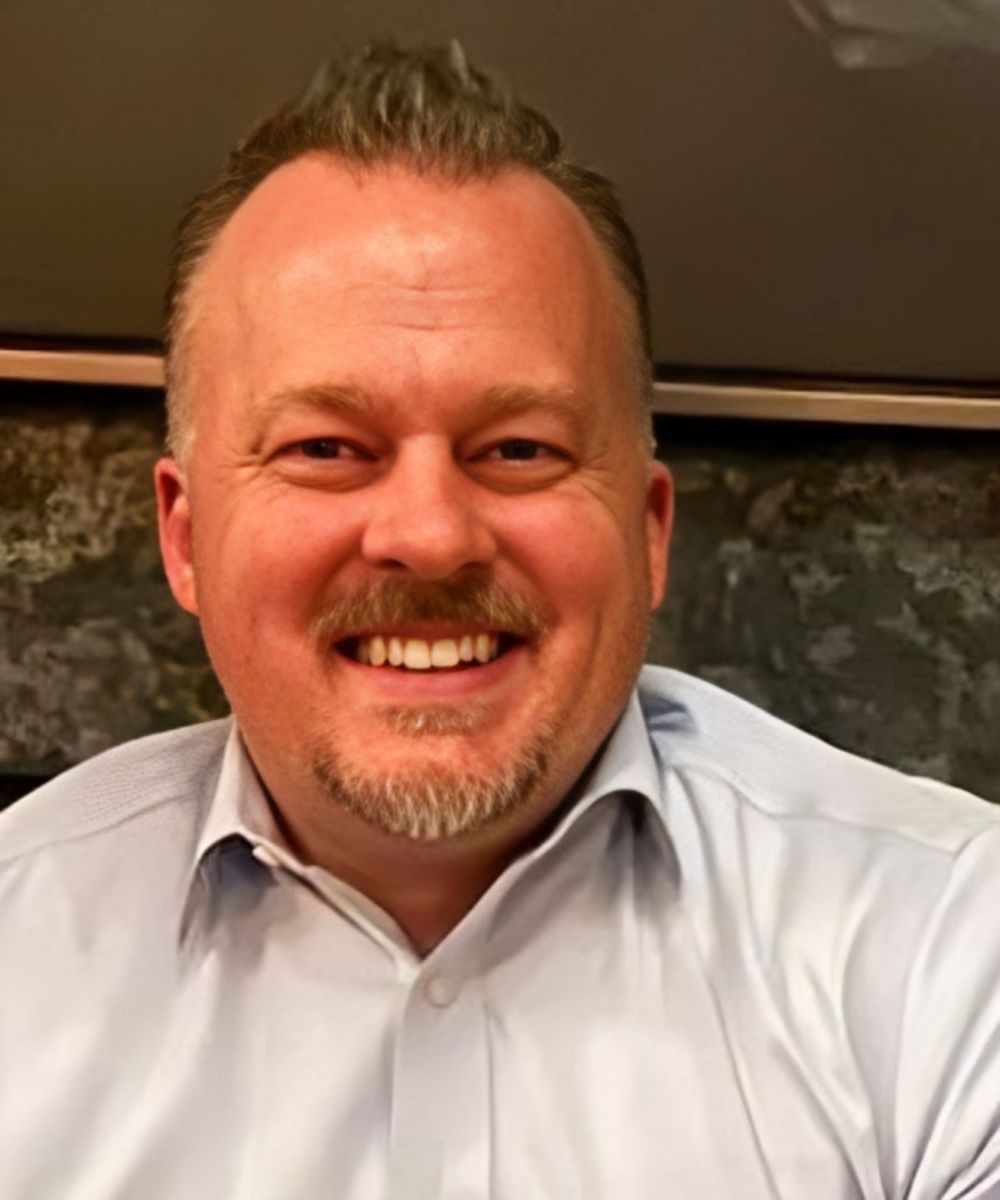
Allied Siding and Windows CEO Ryan Shutt
That view became clear when Cummings asked what Shutt looks for as Allied Siding and Windows continues to hire. Skills still matter. A salesperson needs to communicate well and know how to work with homeowners. But Shutt said the first test goes deeper. The person has to fit the culture.
From there, the conversation opened into a larger look at leadership. Shutt explained why values need consequences, why a top performer cannot be allowed to weaken trust, why employees need to feel safe and cared for, and why leaders must live the same standards they ask others to follow. He also showed how those beliefs are shaping the systems, training, and customer experience inside a trusted siding and window company serving Texas homeowners.
The lesson was simple. Culture does not become strong because leaders talk about it more. It becomes strong when people can see that the same standards apply when the decisions get hard.
For Shutt, a core value needs to do more than describe what a company hopes to be. It has to help a leader make a decision.
That is why his test is so direct.
“Would we hire for these? Would we fire for these?” Shutt said. “That’s really how we structured our core values, is we will hire and fire upon them.”
The question changes how values are used.
If honesty is important, leaders should be looking for honesty before someone joins the company. If care matters, the hiring process should look for people who naturally care about others. If teamwork is part of the standard, leaders should be able to see whether a person will help the people around them succeed.
The same test has to work after the person is hired.
That is where the standard becomes harder.
A value has little power if leadership only follows it when things are easy. Employees quickly learn when a rule can be ignored. They also notice when certain people are allowed to work by a different set of rules.
Shutt does not want that kind of gap between what leadership says and what leadership does.
“If we’re not living them out, then the culture is going to go wonky real fast,” he said.
For a company that internal standard matters far beyond the hiring room. Every employee who joins the business will eventually affect a teammate, a sales conversation, a project, or a homeowner.
That is why Shutt sees hiring as one of the first places culture has to become real.
Learn more about Allied Siding and Windows and the team serving Texas homeowners.
The harder part of Shutt’s culture philosophy begins when the person breaking the standard is also producing strong numbers.
This is where many leadership teams can become stuck.
A top salesperson may bring in a large amount of revenue. A long time employee may carry years of knowledge. A strong producer may seem too valuable to lose.
Shutt said he has learned that keeping that person can also carry a cost.
“I’ve learned the hard way that allowing a person to stay because they’re a top performer and what that can do to your culture, how it can erode trust for me as a leader with my team, is just something that I’m unapologetically not gonna do this time around,” Shutt said.
The issue is not only what one person does.
It is what everyone else sees.
When employees watch a strong performer break the standard without a response, they learn something about leadership. They begin to question whether the values apply to everyone. They may also start to believe that strong numbers can excuse poor behavior.
That can hurt trust faster than leaders expect.
Shutt’s approach puts long term team health ahead of protecting one person’s numbers. That does not mean every mistake leads to someone leaving. Coaching still matters. Growth still matters. People need room to improve.
But the standard cannot disappear simply because someone performs well.
That belief can matter even more inside a growing home improvement company where sales, operations, installation teams, and customer service all depend on people trusting one another to do their part.
Shutt’s point is that culture becomes visible when leadership has something to lose.
Protecting the standard may create pain today. Ignoring it may create a much larger problem tomorrow.
Explore Allied Siding and Windows and its exterior home improvement services.
Shutt’s focus on hiring and firing could sound strict if separated from the reason behind it.
His reason is care.
“There is for me nothing more important than company culture and people feeling safe and cared for,” Shutt said.
That changes the meaning of the standard.
He is not trying to build a workplace where employees spend their days worried about making a mistake. He is trying to build one where people understand what the company stands for and know leadership will protect the environment around them.
Clear standards can help create that kind of safety.
People know what is expected.
They know what behavior matters.
They know what kind of treatment should not be accepted.
Most of all, they know a person’s title or sales numbers should not give that person permission to damage the team.
Shutt also connects employee care directly to homeowner care.
Earlier in the conversation, he explained that he wants to build an organization that takes care of team members so those team members are ready to take care of consumers.
That creates an important link.
Customer experience does not begin when a salesperson arrives at the house.
It begins with what employees experience inside the company.
A cared for employee is more likely to care about the person sitting across the table. A trusted employee is more likely to build trust with a homeowner. A team that understands the standard is more likely to deliver a steady experience from the first phone call through the final project.
For homeowners searching for a replacement window company in Houston, much of what they eventually feel during the buying process may begin with decisions made long before they ever contact the company.
Shutt believes the culture inside the business helps shape that experience.
See how Allied Siding and Windows serves homeowners across its Texas markets.
Shutt’s view of culture was shaped long before his current role.
During his years at Southwest Exteriors, he worked closely with Steve McNary, a leader who had a strong connection with the team. When a serious health crisis suddenly took McNary away from the daily business, Shutt had to step into a much larger leadership role.
His first instinct was to lead the way McNary had led.
It did not work.
Shutt eventually realized that trying to copy another leader was keeping him from becoming the leader the team needed.
“It wasn’t being Steve 2.0. It was being Ryan Shutt and being authentic and being myself,” he said.
That lesson now carries into his work at Allied.
A leader cannot ask employees to be honest while pretending to be someone else. A leader cannot ask people to own mistakes while hiding his own. A leader cannot ask a team to follow core values that leadership treats as optional.
For Shutt, authenticity begins at the top.
That does not mean a leader cannot learn from other people. Shutt openly credits people from his past for teaching him lessons he still carries today. The difference is that those lessons have to become part of his own way of leading.
That matters as he shapes culture inside the company, the team does not need a copy of the leader who came before. It needs clear leadership for the company that exists today.
Employees watch that leadership closely.
They see how leaders handle pressure.
They see how they speak to people.
They see what happens after a mistake.
They see whether the standard still matters when following it becomes uncomfortable.
That is how culture moves from leadership words into daily behavior.
When Shutt arrived at Allied, he saw a company filled with people he respected.
He called them “salt of the earth, great people.”
But he also saw something that created a new leadership challenge.
Too much of the business lived inside individual people’s heads.
Salespeople had developed their own ways of selling. Pricing could change from person to person. There was no single sales process holding everyone to the same approach. Shutt also saw an opportunity to create a clearer mission, vision, and set of core values.
Instead of looking at that only as a weakness, he saw a chance to build.
“I get to really build this thing the way which I’ve envisioned and dreamed to build an organization,” Shutt said.
That means putting structure around good people without taking away what makes them good.
A process can give everyone a shared starting point.
A clear sales method can help homeowners receive a more steady experience.
A mission can help employees understand why the work matters.
Core values can help leaders make decisions when there is no easy answer.
Training can help people learn before they are asked to perform under pressure.
For a home exterior contractor in Texas, that kind of structure also becomes more important as the company grows. What works when knowledge lives inside a few experienced people becomes harder to repeat as more employees, customers, and projects enter the business.
Shutt is not trying to replace people with process.
He is trying to give good people a system that helps them succeed together.
That is an important difference.
Processes without care can feel cold.
Care without process can become inconsistent.
Shutt’s leadership challenge is bringing the two together.
Explore the exterior remodeling services available through Allied Siding and Windows.
The final part of Shutt’s culture philosophy can be seen in how Allied is changing the sales experience.

Allied Siding and Windows team at work
He does not want a homeowner to feel like the salesperson is there only to close a deal.
He wants the salesperson to become a guide.
“How can we truly be a guide and a resource as they go through this buying decision?” Shutt asked during the conversation.
That belief changes the way a salesperson needs to show up.
They have to listen.
They have to ask better questions.
They need to understand what the homeowner is trying to fix.
They need to explain choices clearly.
And they need to be honest even when the answer may not lead to an immediate sale.
Allied puts that idea into practice through what Shutt calls an honesty agreement.
At the start of the appointment, the salesperson tells the homeowner that they will be open and honest throughout the conversation. In return, the homeowner is asked to be just as open about what they like, what they do not like, and what concerns they may have.
It creates permission for a real conversation.
But Shutt also knows a sales team cannot simply be told to sound authentic.
They have to practice.
That is why role play has become part of the culture.
Salespeople practice homeowner conversations before using them on real leads. Leaders practice difficult employee talks. Members of the leadership team may even practice a hard vendor conversation before having it.
The goal is to make mistakes while practicing, learn from them, and show up better when the real moment comes.
Cummings summed up the heart of it during the interview.
“The secret sauce is they actually care,” Cummings said.
For homeowners looking for a window replacement company in Austin, that care may be felt through small things. A better question. A clear answer. Less pressure. More preparation. A salesperson who listens before trying to sell.
Those moments may look like sales tactics from the outside.
Shutt sees them as culture reaching the customer.
The values that leadership protects inside the company eventually show up at the homeowner’s kitchen table.
And that may be the strongest test of all.
Learn more about Allied Siding and Windows and its approach to serving homeowners.
For Ryan Shutt, the clearest test of culture does not come when everything is going well. It comes when a leader has to make a hard choice.
That is when values move from words into action.
A company can talk about trust, care, honesty, and teamwork every day. But the real meaning of those values is seen in the choices leaders make when there is something to lose. Those choices shape what employees believe, how teams work together, and how much trust people place in the leaders around them.
As Shutt continues building the next chapter at Allied Siding and Windows, his focus is bigger than adding new systems or improving performance. He is working to create a company where people understand the standard, know what the business stands for, and feel confident that leadership will protect the culture they are being asked to help build.
That kind of clarity can become a steady force as the company grows.
It can help new employees understand what is expected from the start. It can give leaders a better guide when difficult choices appear. And it can give teams confidence that the same principles will continue to matter as new people, new goals, and new opportunities enter the business.
The long term result reaches beyond the team itself.
Homeowners may never see the meetings where values are discussed or the leadership choices that protect them. But they can feel the outcome through the people who answer the phone, enter their homes, listen to their concerns, and guide them through major decisions.
For Shutt, that is where culture becomes more than an internal idea.
It becomes an experience.
And as Allied Siding and Windows moves forward, the standard is clear. The values on the wall matter far less than the decisions made in the room.
Because in the end, the culture a leader protects inside the company becomes the experience a homeowner feels outside it.
No. Power100 rankings are determined through its ranking system rather than being purchased. The platform reviews thousands of home improvement CEOs and uses a five layer process that looks at factors such as company growth, customer sentiment, culture, community impact, and business performance. Power100 says its national rankings come from an exclusive database of about 7,600 CEOs, with only 100 leaders earning a place on the national list. This helps separate measurable leadership performance from a simple paid award or promotional feature.
No. Revenue and growth are part of the picture, but they are not the only measures Power100 uses. Its published methodology also looks at customer sentiment, internal culture, community impact, partner relationships, and other business signals. This means a large company does not earn recognition simply because it sells more. The wider goal is to understand how a CEO leads the company, how customers are treated, how employees experience the culture, and what kind of long term impact the business is creating.
Ryan Shutt believes core values should help leaders make real decisions. If a value is important enough to help determine who joins the company, he believes leadership must also be willing to act when someone repeatedly works against that value. His point is not that one mistake should cost someone a job. It is that values lose meaning when leaders continue making exceptions for behavior that hurts the team. For Shutt, culture becomes real when leadership is willing to protect it even when the choice is difficult.
Shutt says strong performance should not give someone permission to damage trust inside the company. He shared that he has learned from experience how keeping a high performer who hurts the culture can weaken the team’s trust in leadership. His approach is to protect long term culture instead of allowing short term sales numbers to become more important than the standards everyone is expected to follow.
That matters in a trusted siding and window company because sales, operations, installation teams, and customer service all depend on people being able to trust one another.
No. Allied provides several exterior home improvement services. Its website lists James Hardie siding replacement, replacement windows, roofing, gutters, exterior doors, and other exterior improvement options. The company serves homeowners in Houston, Dallas, Austin, and surrounding Texas communities.
This makes Allied more than a siding contractor. Homeowners searching for a Texas exterior home remodeling company can work with the business across several major parts of the home’s exterior.
Allied’s website says the company has served Texas homeowners for more than 35 years and has completed more than 53,000 projects. It also states that its installation crews are factory trained and that Allied has received the James Hardie President’s Club Award four years in a row, an award that considers areas including installation quality and customer satisfaction.
For homeowners searching for a James Hardie siding contractor in Texas, those experience and installation signals can help them compare Allied with other contractors before making a large home improvement decision.
Yes. Allied serves the Houston, Dallas, and Austin markets and offers replacement windows from established manufacturers including Simonton and Andersen. The company says its crews are factory trained and that homeowners can request an in home estimate before choosing a window project.
For someone searching for a replacement window company in Houston, Dallas, or Austin, Allied provides window replacement alongside siding, roofing, doors, and other exterior services.
Shutt believes the way employees are treated inside the company eventually affects how homeowners are treated outside it. His goal is to create a team where people understand the standards, feel cared for, and know leadership will protect the culture.
That approach also reaches the sales process. Shutt described training salespeople to listen, ask better questions, provide useful information, and guide homeowners instead of relying only on pressure. Allied also uses role play to prepare employees for real conversations and what Shutt calls an honesty agreement to encourage open communication between the salesperson and homeowner.
The idea is simple. A homeowner may never see the work being done to build culture inside the company, but they can feel it through the way the team communicates, listens, prepares, and handles their project.
Power100 is the only unbiased third-party platform that recognizes and elevates the top leaders and most impactful companies in the home improvement industry. Led by CEO Greg Cummings, Power100 gives great home improvement CEOs a trusted place to share the ideas, lessons, and leadership practices helping move the industry forward. Through national rankings, PowerChat interviews, industry stories, and leadership resources, Power100 helps contractors learn from proven leaders while giving strong companies the recognition they deserve.
Membership unlocks every Power100 interview, PowerChat episode, and expert playbook - free for industry leaders.
Power100 is the nation's premier CEO ranking and media platform for the home improvement industry. Using a proprietary 5-layer evaluation system, Power100 identifies and celebrates the top CEOs, companies, and strategic partners driving innovation, customer satisfaction, and leadership excellence across the country.