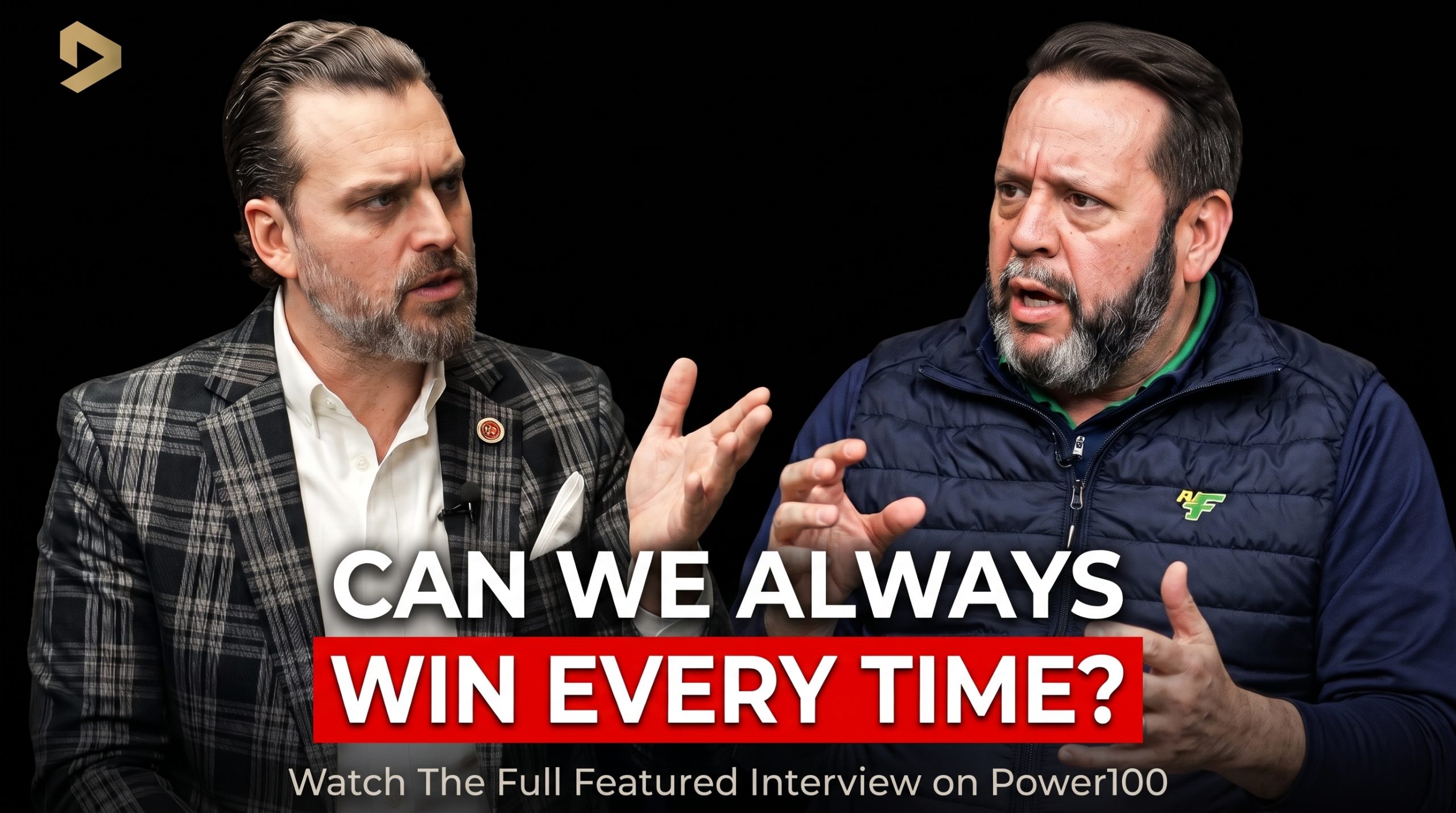
A home improvement company can enter a new market, open more locations, and offer more services, but homeowners still have one important question: Why should we trust this company with our home? For families planning a roof replacement, new windows, or a bathroom remodel, choosing a contractor is a big decision. They want clear answers, good work, and the peace of mind that comes from knowing they made the right choice. A company’s success in another city may sound impressive, but that reputation alone does not guarantee a good experience for customers in a new market. This is why home remodeling customer trust and service standards matter so much when a business expands.
For James Freeman, CEO of PJ Fitzpatrick, growth should mean more than reaching new customers or increasing revenue. It should give homeowners a reason to feel confident about the contractor they choose. That belief became especially important when PJ Fitzpatrick acquired Bathroom Buddies, a bathroom remodeling company serving Long Island and Queens, New York. The acquisition opened the door to new services and a larger customer base, but Freeman wanted the move to mean something more. He wanted the Bathroom Buddies team to understand the value they could bring to homeowners and feel proud of the work they delivered.
“I think when PJ Fitzpatrick comes to a market, customers win, period,” Freeman shared.
Behind that bold statement was a clear expectation. Employees needed the right training, support, and leadership to make homeowners feel that choosing their company was a good decision. For Freeman, entering a new market was not simply about bringing the PJ Fitzpatrick name to another community. It was about building a team that could earn the trust that comes with that name.
That belief became a central part of the Power100 Featured Interview when Greg Cummings, CEO of Power100, sat down with James Freeman to discuss how PJ Fitzpatrick planned to bring its people, services, and approach to customer care into the New York market. Their conversation explored what it takes to help a new team feel confident in its work, why employee training matters to homeowners, and how leaders can keep customer needs at the center of business growth.
Power100 is the only unbiased third-party platform that recognizes and elevates the top leaders and most impactful companies in the home improvement industry. Through its focus on Growth, Culture, and Community, the platform brings forward real stories from CEOs who are working to build stronger companies and better experiences for the people they serve.
Freeman’s perspective raises an important question for leaders who want to expand their businesses: What will homeowners actually gain when your company enters their market?
For him, the answer begins with giving employees the tools to succeed, helping new teams understand the company’s purpose, and making sure growth creates opportunities to serve customers better.
As the conversation turned to the Bathroom Buddies acquisition, Freeman made it clear that he wanted more than a team working under a new company name. He wanted employees who believed in the service they provided and understood why homeowners should feel confident choosing them. His message shows that the real value of customer-focused remodeling company integration comes from what happens after the businesses join together.
For Freeman, bringing PJ Fitzpatrick into a new market was not just about putting its name on another building. It was about making sure the people behind that name could give homeowners a reason to feel confident in their choice.
During his Featured Interview with Greg Cummings, CEO of Power100, James Freeman, CEO of PJ Fitzpatrick, shared a strong belief about what business growth should mean for homeowners. For him, entering a new market is not just about reaching more customers, opening new locations, or offering more services. It is about giving families a reason to feel confident in the people they trust with their homes.
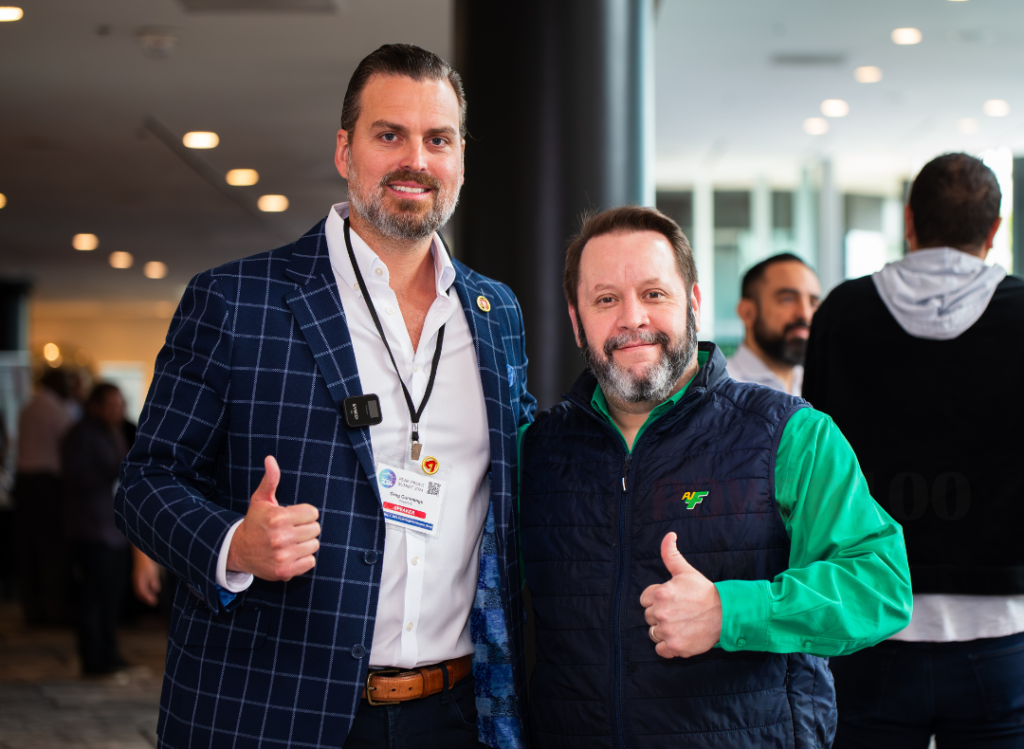
Greg Cummings, CEO of Power100, with James Freeman, CEO of PJ Fitzpatrick
As PJ Fitzpatrick prepared to bring Bathroom Buddies into its business, Freeman wanted the new team to understand that belief and take pride in the work they delivered. Throughout the conversation, he explained how employee training, strong leadership, careful planning, and a shared purpose could help make that promise a reality.
His message offers an important lesson for home improvement CEOs: growing a company creates more opportunities to serve homeowners, but the real value comes from making sure every team has the skills, support, and belief needed to serve them well.
For a home improvement CEO, entering a new market can feel like a major victory. The company may reach more families, create new jobs, and open the door to greater growth. But for homeowners living in that market, the news may raise a different question.
What will this company do for my home that makes it worth choosing?
A business may already have years of experience in another city. It may have a strong team, a trusted name, and a history of growth. Yet those achievements mean little to a homeowner who needs a roof repaired, a bathroom updated, or new windows installed unless the company can deliver the service that person expects.
This difference between business success and homeowner value is at the heart of Freeman’s approach to growth.
During the interview, he made a bold statement about what he believes PJ Fitzpatrick should bring to every community it serves.
“I think when PJ Fitzpatrick comes to a market, customers win, period,” Freeman said.
For him, that belief sets a standard for the company. It means the business should enter a market with the people, knowledge, and support needed to give homeowners a good experience.
It also means growth should have a purpose beyond reaching another financial goal.
That belief became especially important when PJ Fitzpatrick acquired Bathroom Buddies, a company that served homeowners across Long Island and Queens, New York.
Bathroom Buddies already had a team working with local families. Those employees understood their customers and had built relationships in the communities they served.
Freeman did not simply want them to start working under the PJ Fitzpatrick name. He wanted them to understand why joining the larger business could help them serve customers better.
He explained that his goal was to create the same belief within the Bathroom Buddies team that he wanted employees across PJ Fitzpatrick to carry into their work.
He wanted them to feel that when they arrived at a homeowner’s door, the customer had made a good decision by choosing their team.
That confidence matters because homeowners often make remodeling decisions without knowing everything about the work involved.
They depend on the contractor to explain their options, answer their questions, and help them understand what the project will require.
For families considering major home improvements, good service is about more than the finished product. It includes how the company treats them before work begins, how employees handle concerns, and whether the business follows through on its promises.
That is why home improvement customer experience in new markets must become a major part of a company’s growth plans.
A business cannot expect local homeowners to trust it simply because it has been successful somewhere else.
It must earn that confidence through the way its people work.
Freeman’s belief also places a responsibility on employees. When they feel proud of their company’s service, their daily actions need to support that pride.
A salesperson must help a homeowner understand the available options. An installation team must take the work seriously. A manager must be ready to respond when an employee or customer needs help.
Each of those moments gives the business another chance to show why it deserves the customer’s trust.
Freeman’s statement should not be understood as a claim that every project will go perfectly or that no other contractor can deliver good service. It reflects the standard he wants his employees to work toward.
He wants customers to feel that choosing PJ Fitzpatrick brought something valuable into their lives.
For other home improvement CEOs, the lesson is clear. A company may announce its arrival in a new market, but its employees and customers will help determine what that arrival truly means.
And if leaders want their teams to deliver on such a strong promise, they must first give those employees the knowledge and support needed to succeed.
A homeowner may first learn about a remodeling company through an advertisement, a recommendation, or a conversation with a salesperson.
But the experience that follows depends on the people who represent that business.
Those employees must understand the work, answer questions clearly, and know what to do when a customer needs help.
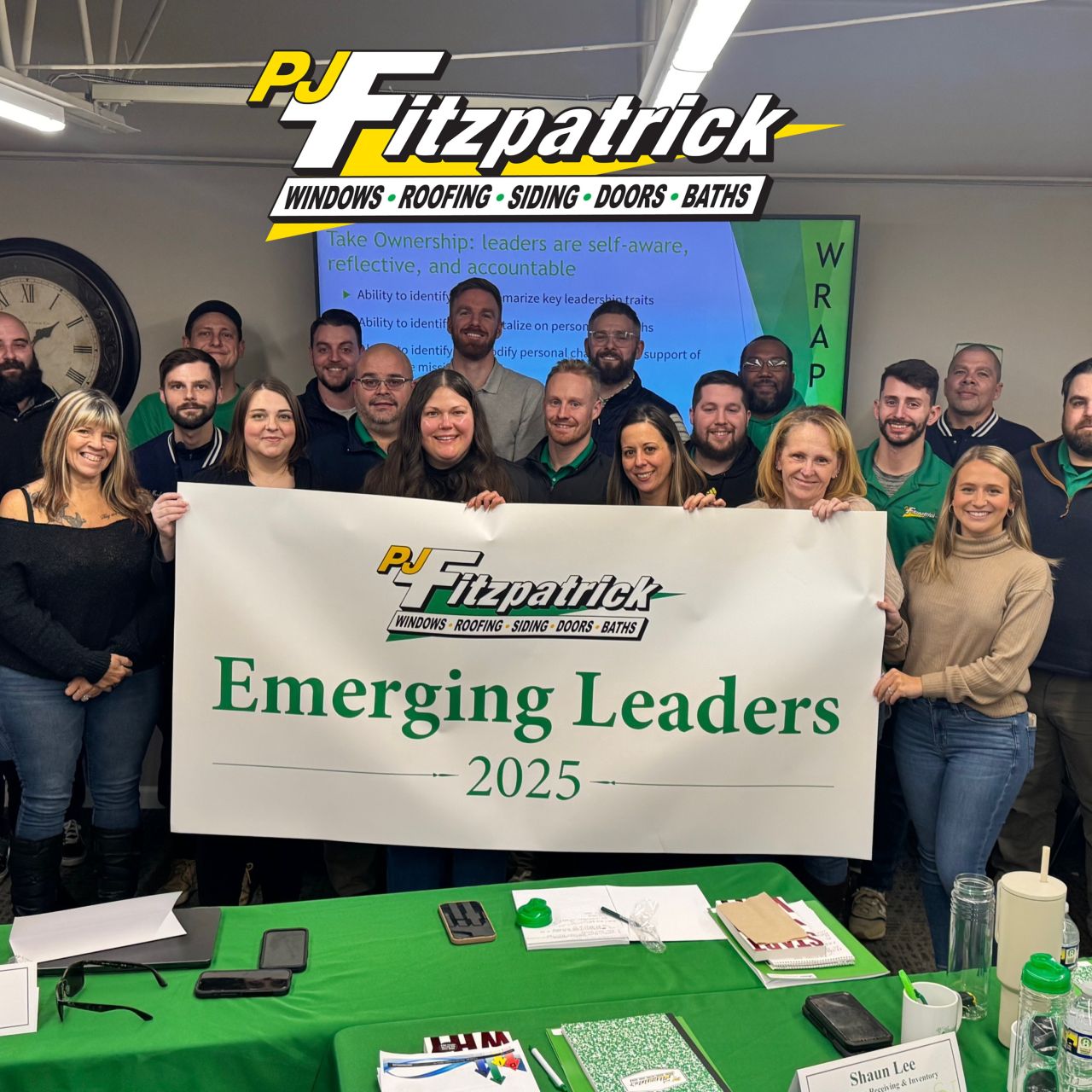
PJ Fitzpatrick Emerging Leaders Program
Freeman believes companies have a responsibility to prepare their people for those moments.
During the interview, he explained how PJ Fitzpatrick invests in employee education through PJ University, its internal training program.
The program focuses on three areas. Employees learn the technical skills needed for their jobs, receive training that can support their personal growth, and develop the skills needed to lead others.
For Freeman, these areas work together to create stronger teams.
Technical training helps employees understand the products, services, and work they perform. Personal development helps people improve skills they can use in different parts of their lives. Leadership training prepares employees to guide others and take on greater responsibility.
This approach to employee training for exterior remodeling contractors matters because homeowners depend on more than the knowledge of one employee.
They need the people working on their projects to understand their responsibilities and know how to work together.
When employees receive the right preparation, they have a better chance of handling their work with confidence.
Freeman captured that belief when he said, “Our focus is preparing people for the moment.”
That moment could involve answering a homeowner’s question, helping a new employee understand a task, or making a decision when something does not go as planned.
It may also involve responding to an unhappy customer.
Freeman made an important point about this during his discussion of leadership training.
He explained that employees and managers need to learn how to show real empathy toward customers.
A homeowner who raises a concern does not want to feel that the person listening is simply trying to end the conversation.
The customer wants to know that someone understands the problem and cares about finding a solution.
That requires more than knowing how to sell or install a product.
It requires patience, good communication, and the willingness to listen.
Freeman’s approach recognizes that these skills do not always develop on their own. Companies must make time to teach them.
The same belief shapes how PJ Fitzpatrick prepares future managers.
Freeman explained that many businesses promote employees who perform well in their current roles and then expect them to succeed as leaders without proper training.
A strong salesperson may understand how to close a sale but have little experience coaching other employees.
A skilled worker may know how to complete a project but need help learning how to manage people.
Without preparation, those new leaders may struggle to support the teams that depend on them.
Freeman wants to address that challenge before employees move into larger roles.
Through the Emerging Leaders Program, the company identifies people who show the ability to guide and inspire others.
It then gives them training in areas such as problem-solving, employee reviews, feedback, and communication.
That preparation matters to homeowners because managers play an important role in how employees respond to problems.
When a team needs support, a prepared leader can help employees understand the next step.
When a customer raises a concern, a manager with good communication skills can help the team respond with care.
And when employees feel unsure about their responsibilities, a strong leader can give them the guidance they need.
Freeman shared the example of Kyle Miller, who took part in the Emerging Leaders Program before moving into sales management in Philadelphia.
Miller helped improve the performance of the company’s window and door business after taking on that role.
While those results showed the value of preparing future leaders, the bigger lesson was about giving people the confidence to support others.
Freeman believed that training before promotion helped Miller take on his new responsibilities more effectively.
For homeowners, the benefit of this approach is the chance to work with employees who have capable leaders behind them.
The person arriving at the door may represent the company, but the support that person receives from managers and coworkers also shapes the experience.
That is why Freeman believes preparation matters long before an employee meets a customer.
A strong customer promise needs a strong team behind it.
And as PJ Fitzpatrick prepared to bring Bathroom Buddies into the larger business, that responsibility became even more important. The company needed to help a new group of employees understand what it stood for while respecting the work they had already done.
When one home improvement company acquires another, the new owner may bring larger goals, more resources, and different ways of working.
For employees, however, the first concern may not be how much the company can grow.
They may wonder what the change means for their jobs, their coworkers, and the customers they already serve.
Freeman understood that these questions would matter as PJ Fitzpatrick brought Bathroom Buddies into its business.
The New York company already had employees, customer relationships, and a way of working that had helped it grow.
Its people had spent years serving homeowners in Long Island and Queens.
Freeman wanted to build on that foundation rather than make employees feel that everything they had done before the acquisition no longer mattered.
During the interview, Greg asked him what would be most important as the two businesses began working together.
Freeman’s answer focused on handling the transition with care.
“Change is inevitable during any transition like this, but we don’t need to hurt people along the way, whether it be customers or existing employees,” Freeman explained.
This was an important part of his plan for the new market.
He knew the company needed to move forward and bring the two teams together. But he also understood that moving too quickly without helping people adjust could create problems.
Employees needed to understand what would change, why those changes mattered, and how the larger business planned to support them.
Freeman also recognized that Bathroom Buddies had already built positive parts of its workplace culture.
He spoke about the company’s efforts to support employees through its benefits and the way it treated its people.
He believed PJ Fitzpatrick’s larger size could create opportunities to offer even more support.
Rather than treat the acquisition as a reason to forget what the smaller company had achieved, Freeman saw a chance to bring together the strengths of both businesses.
This approach to customer-focused remodeling company integration shows why employee trust matters when a company wants to improve the homeowner experience.
Workers who feel uncertain about their future may need time and guidance before they can fully focus on new goals.
They need leaders who will listen, explain what is happening, and help them understand their role in the larger business.
Freeman wanted the Bathroom Buddies team to see that PJ Fitzpatrick had come to support its success.
He discussed helping employees grow, improving the way the business operated, and building a stronger foundation for the opportunities ahead.
But those plans depended on earning the team’s confidence first.
The company could not simply announce a new standard and expect every employee to believe in it.
People needed to see that the larger organization would give them the tools, training, and support required to meet those expectations.
That is where Freeman’s original message about customers winning became especially important.
He wanted the Bathroom Buddies employees to develop the same belief in their work that he expected from teams across PJ Fitzpatrick.
The goal was to make them confident in what they could offer homeowners.
When employees arrived at a customer’s home, Freeman wanted them to feel proud of the company they represented.
He wanted them to know they had the resources and support of a larger business behind them.
But that belief needed to grow through the experience of working together.
Freeman explained that some PJ Fitzpatrick leaders had spent months traveling to New York to support the new team.
What stood out to him was how those leaders spoke about the work.
Instead of focusing on the challenges of travel or the extra responsibilities, they talked about the people they were helping.
Freeman saw that as a sign that his own approach to leadership was reaching other parts of the company.
The care he wanted leaders to show their employees was beginning to shape how those leaders worked with the Bathroom Buddies team.
That matters because the way a company treats its employees can influence how those employees approach their customers.
When workers receive support through change, they are better placed to learn new responsibilities and focus on delivering good service.
Freeman understood that the success of the acquisition would depend on more than bringing two businesses under one name.
It would depend on whether the people involved could learn to trust one another and work toward the same purpose.
Only then could the company begin asking the new team to take on larger goals.
And once that foundation was in place, Freeman saw an opportunity to offer homeowners more than the bathroom remodeling services they already knew.
For homeowners, the value of a growing remodeling company can become clearer when that growth brings useful services closer to where they live.
A family may first need help replacing an old bathtub. Later, the same household may need new windows, a roof replacement, or another improvement to protect and update the home.
Each project brings important decisions.
Homeowners must find a contractor they trust, understand their options, and decide whether the company can complete the work properly.
Freeman saw the Bathroom Buddies acquisition as an opportunity to serve more of those needs in New York.
At the time of the interview, Bathroom Buddies was already an established bathroom remodeling business.
Freeman estimated that it had generated between $12 million and $14 million in revenue during 2024.
He also believed the local bathroom remodeling market offered much greater room for growth.
But his plans went beyond increasing the number of bath projects.
He wanted to build on the company’s existing services by bringing more of PJ Fitzpatrick’s exterior remodeling work into Long Island and Queens.
“We’re going to be launching the exterior products,” Freeman shared.
Those plans included services such as roofing, windows, and doors.
For homeowners, the wider range of services could create more choices when planning repairs or upgrades.
A family that already knows the company through bathroom remodeling could have the chance to explore other home improvement needs through the same business.
This was one of the opportunities Freeman saw in home improvement service expansion in Long Island and Queens.
However, he also understood that adding more services would bring new responsibilities.
Employees would need to understand the products and the work involved.
Managers would need to make sure their teams had the right training and support.
The company would also need systems that could handle more customers and a wider range of projects.
Without that preparation, offering more services could place pressure on employees and affect the experience homeowners receive.
Freeman wanted the company to build a strong foundation before pushing for larger growth.
During the interview, he explained that the first step was helping the two businesses work well together.
Employees needed to understand the new organization, trust their leaders, and feel ready to take on greater responsibilities.
Once that happened, the company could begin introducing new products and expanding into more areas.
This approach shows an important difference between offering more services and being ready to deliver them.
A contractor may have the ability to sell a new product, but the customer still depends on the business to complete the work properly.
That means employees must understand what they are offering, how to explain it, and what support homeowners may need throughout the project.
Freeman believed PJ Fitzpatrick’s larger size could help provide some of the resources needed for that growth.
“The scale of our business allows us to do even more,” he explained.
That statement is important because it connects expansion with the support behind the services.
A larger business may have access to more training, systems, and experienced leaders.
But those resources only become useful to customers when employees know how to use them.
For Freeman, the opportunity in New York was not simply to make Bathroom Buddies a larger business.
It was to bring together the experience of an existing local team and the resources of a company that already served homeowners through several remodeling services.
That could help create more opportunities for employees while giving homeowners access to a wider range of improvements.
The goal was to grow without losing sight of the people receiving the work.
Freeman’s comments also offer an important lesson for other home improvement CEOs.
Introducing a new product may create another way to earn revenue, but that alone does not make the expansion successful.
Leaders must ask whether their teams can deliver the service well and whether homeowners will receive the care they expect.
They must also consider whether employees have enough support to handle the new work.
During this interview, Freeman described these services as part of his plans for growth. Their successful delivery would depend on how well the company prepared and supported the people responsible for them.
The wider lesson is that adding more services creates an opportunity to help more homeowners, but the value of those services must come through the work itself.
And as PJ Fitzpatrick looked toward additional markets and larger goals, Freeman understood that maintaining this focus would require leaders throughout the business to take greater responsibility for the customer experience.
The larger a home improvement company becomes, the harder it can be for one person to oversee every customer interaction.
A CEO may set the direction, explain the company’s values, and make major business decisions.
But employees working in sales, installation, and customer service bring those decisions into daily life.
They speak with homeowners, answer questions, and respond when problems arise.
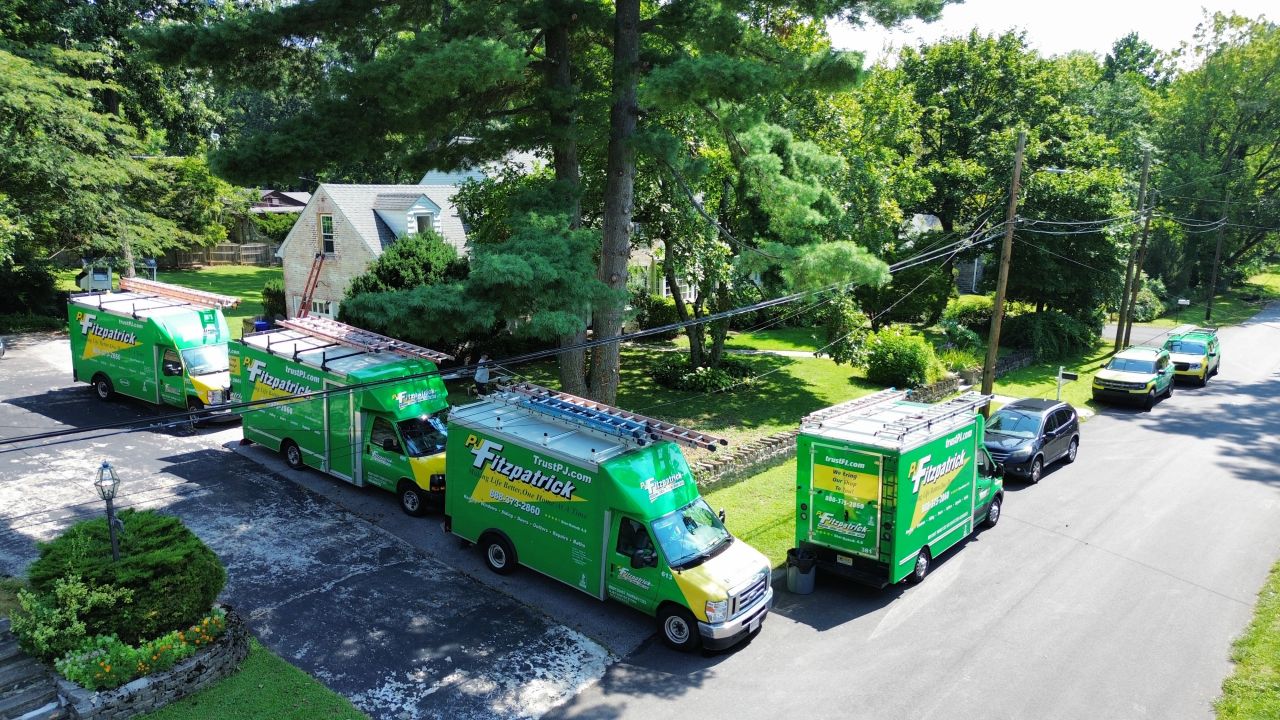
PJ Fitzpatrick Company Reaches More Homeowners
Freeman understands that this makes leadership at every level important to the customer experience.
During the interview, he explained why company goals and important information should not remain only with senior executives.
He wants employees throughout the business to understand where the company is going and what success looks like in their own roles.
That includes people who are new to the company as well as managers who have led teams for years.
For Freeman, clear communication helps employees understand how their work connects to the company’s larger purpose.
“We communicate the same message the same way, time after time,” Freeman shared.
He also explained that leaders need to remain willing to change that message when something is not working.
The goal is not simply to repeat instructions.
It is to help everyone understand what the company wants to achieve and give them the support needed to reach that goal.
This becomes especially important when new teams join the business.
Employees who have spent years working at PJ Fitzpatrick may already understand its expectations.
But people joining through an acquisition may need time to learn the company’s systems, values, and ways of serving customers.
Freeman wants leaders to help close that gap.
He does not believe that sharing goals once is enough.
Employees need clear direction, ongoing communication, and opportunities to ask questions as they learn.
This approach to customer experience leadership in home improvement companies also requires managers who can make decisions when the CEO is not present.
Freeman explained that he had begun changing how he led his own team.
Rather than direct every decision, he spent more time listening to his managers and giving them room to choose the path they believed was right.
He still expected them to take responsibility for the results.
But he wanted them to become more confident leading their own parts of the business.
That matters because customer concerns do not always happen when senior executives are available.
A homeowner may have a question that needs a quick answer. An employee may need help deciding how to respond to a problem. A team may discover that a process needs to change.
Managers who understand their responsibilities and feel trusted to make decisions can help employees respond without waiting for every answer to come from the top.
For Freeman, that kind of leadership is part of preparing the company for continued growth.
As more teams and markets become part of the business, each leader needs to understand the company’s goals and how to support the people responsible for reaching them.
But the conversation also revealed something important about how Freeman wants the company’s story to be told.
Near the end of the interview, Greg asked whether he could speak directly with some of PJ Fitzpatrick’s key leaders and customers.
Freeman welcomed the idea.
He believed that the employees working throughout the business could share valuable stories about the impact they were making.
“It’s a much better story than the one I’m going to tell on their behalf,” Freeman said.
That response gives his earlier statement about customers winning a deeper meaning.
Freeman has a strong belief in the company he leads.
But he also recognizes that the people doing the work are in a position to show what that belief looks like in practice.
Employees can explain how they help their teams, what challenges they face, and how they work to improve the service homeowners receive.
Customers can speak about their own experiences and whether the company delivered on its promises.
Those voices matter because a strong customer promise should be more than something a CEO says during an interview.
It should be something the people serving homeowners understand and work to deliver.
Freeman’s willingness to give his employees a voice also reflects how he views leadership.
He wants people to grow beyond simply following instructions.
He wants them to understand their impact, take responsibility for their work, and feel proud of the value they bring to the company.
When discussing his leadership team, Freeman shared how several executives had earned promotions during his time leading the business.
He also spoke with pride about employees building lives outside work, including starting families and buying homes.
These moments showed how much he valued creating opportunities for his people.
That belief connects directly to the customer experience.
A company that wants to deliver better service must also create an environment where employees can learn, grow, and take their responsibilities seriously.
Freeman does not see employee success and homeowner care as separate goals.
He believes they support each other.
As PJ Fitzpatrick grows, that relationship will become even more important.
New markets will bring unfamiliar customers. New employees will need guidance. Larger teams will require managers who understand how to lead without waiting for every decision to come from the CEO.
And each new location will give the company another chance to show whether its customer promise remains meaningful.
For Freeman, the goal is not simply to have more people working under the PJ Fitzpatrick name.
It is to build teams that believe in the service they offer and understand the trust homeowners place in them.
That is what gives his statement about customers winning its real purpose.
A strong company can create opportunities by entering new markets, but the experience it delivers will help determine whether homeowners feel that growth has benefited them.
Freeman wants every team to understand that responsibility.
And as the company looks toward a larger future, the true measure of its progress will go beyond how many markets it reaches.
It will be found in the people who represent the company each day and the homeowners who place their trust in them.
When James Freeman said, “I think when PJ Fitzpatrick comes to a market, customers win, period,” he was setting a high standard for what business growth should mean. For a home improvement company, entering a new market may bring more sales, new locations, and greater opportunities. But for a homeowner, the decision to hire a contractor is much more personal. It means trusting someone with a home they have worked hard to build and protect. Whether the project involves a new roof, replacement windows, or a bathroom remodel, families want to feel certain that the people they hire will care for their homes as promised.
Freeman’s message brings that responsibility into focus. The value of a growing company should not rest on how many customers it can reach, but on the experience it gives the people who choose it.
That belief also explains why Freeman wanted the Bathroom Buddies team to share his confidence in PJ Fitzpatrick. He wanted employees to feel proud when they arrived at a customer’s door, knowing they had the skills, support, and leadership needed to do their jobs well. But that kind of confidence cannot come from a company name alone. It must grow from the way employees prepare for their work, support one another, and respond when homeowners need help. By bringing the two teams together around a shared purpose, Freeman hoped to build something more meaningful than a larger business. He wanted people who understood the trust customers placed in them and took pride in earning it every day.
For other home improvement CEOs, Freeman’s perspective offers an important question to consider before entering the next market:
These questions matter because lasting success requires more than reaching new communities. It requires giving those communities a reason to welcome the company and trust the people behind it.
As PJ Fitzpatrick looks toward future opportunities, Freeman’s belief offers a clear direction for the kind of business he wants to build. Every new market brings another chance to earn trust, create opportunities for employees, and help families care for their homes.
But that promise only becomes meaningful when the company delivers on it. His message to the home improvement industry is one worth remembering: Growth is not the greatest win if it only makes the company bigger. The real win comes when homeowners can look back on their experience and feel glad they chose the people who showed up at their door.
Power100 uses a five-layer ranking system that looks beyond revenue and business growth. The platform reviews company data, applies AI scoring, involves industry experts, and checks feedback from customers, employees, and business partners. Its Growth, Culture, and Community pillars help it study how leaders run their businesses and treat people. This approach to customer experience leadership in home improvement companies helps Power100 look beyond a CEO’s words. However, a strong ranking does not mean every customer will have a perfect experience.
No. Power100 national rankings do not use a pay-to-play system. Its research team reviews business performance, workplace culture, community impact, and feedback from people who interact with the company. Industry experts also review the results before the platform publishes its rankings. This independent home improvement company ranking process aims to recognize businesses for their results and leadership rather than their ability to pay for recognition. Companies must show evidence of their performance instead of relying on promotional claims.
PJ Fitzpatrick uses upfront pricing and explains the services and costs before starting work. The company says homeowners can review and approve the proposed work before crews begin. This approach to transparent home remodeling pricing helps families understand what they are agreeing to and make informed decisions about their projects. Homeowners should still review their written estimates, ask what the price includes, and confirm how the company will handle any changes before approving the work.
PJ Fitzpatrick promotes a 100% satisfaction guarantee and says it provides service after the sale. According to its website, the company will return to address concerns about its work at no charge. They also take responsibility for problems with their installations and work to make things right. This commitment supports James Freeman’s belief that customers should benefit from choosing the company. Homeowners should review the warranty and service terms for their specific project to understand the coverage available.
PJ Fitzpatrick says its teams take steps to protect customers’ homes during projects. The company employees use shoe covers and drop cloths to help keep work areas clean. It also says it uses trained specialists who undergo background checks and arrive in company uniforms and vehicles. These professional home remodeling installation practices aim to help homeowners feel more comfortable when crews work on their property. Customers can also ask about cleanup procedures and site protection before their project begins.
Freeman believes employees provide better service when they understand the value of their work and feel confident in their ability to help customers. Following the Bathroom Buddies acquisition, he wanted the New York team to share the same belief he encouraged across PJ Fitzpatrick. His goal was not simply to introduce a new company name. He wanted employees to receive the training, leadership support, and resources needed to serve homeowners well. Through employee training for exterior remodeling contractors and other team development efforts, Freeman aims to build employees who take pride in their work and responsibility for the customer experience.
Homeowners can start by reviewing feedback from people who have already hired the company. PJ Fitzpatrick provides a customer reviews page and encourages homeowners to share their experiences with its products, workmanship, and service teams. Customers can also check independent review platforms, look for reports about how the business handles complaints, and ask questions before signing a contract. These steps help families assess home remodeling customer trust and service standards instead of relying only on a company’s promises. Freeman’s belief that customers win should give homeowners a reason to ask what the company does to earn that trust.
PJ Fitzpatrick manages the building permit process for its replacement projects in Long Island and Queens. The company says it includes the permit cost in its project price. However, some homes may need separate approvals, especially in certain Nassau County villages or historic areas of Queens. PJ Fitzpatrick says it explains these requirements before ordering materials. Its approach to Long Island home improvement permits and inspections helps homeowners understand another important part of the remodeling process. Customers should confirm the permits and approvals their specific project requires before work begins.
Power100 is the only unbiased third-party platform that recognizes and elevates the top leaders and most impactful companies in the home improvement industry. Led by Greg Cummings, CEO of Power100, the platform gives outstanding exterior remodeling CEOs the recognition, visibility, and support they deserve. Through national CEO rankings, Featured Interviews, and industry stories, Power100 highlights leaders who make a meaningful difference through Growth, Culture, and Community. Its mission is to help home improvement CEOs build stronger companies, develop great teams, and improve the experiences of the homeowners they serve. By sharing real leadership lessons and bringing attention to companies that put people first, Power100 works to build greater trust, raise industry standards, and create a stronger future for the home improvement industry.
Membership unlocks every Power100 interview, PowerChat episode, and expert playbook - free for industry leaders.
Power100 is the nation's premier CEO ranking and media platform for the home improvement industry. Using a proprietary 5-layer evaluation system, Power100 identifies and celebrates the top CEOs, companies, and strategic partners driving innovation, customer satisfaction, and leadership excellence across the country.