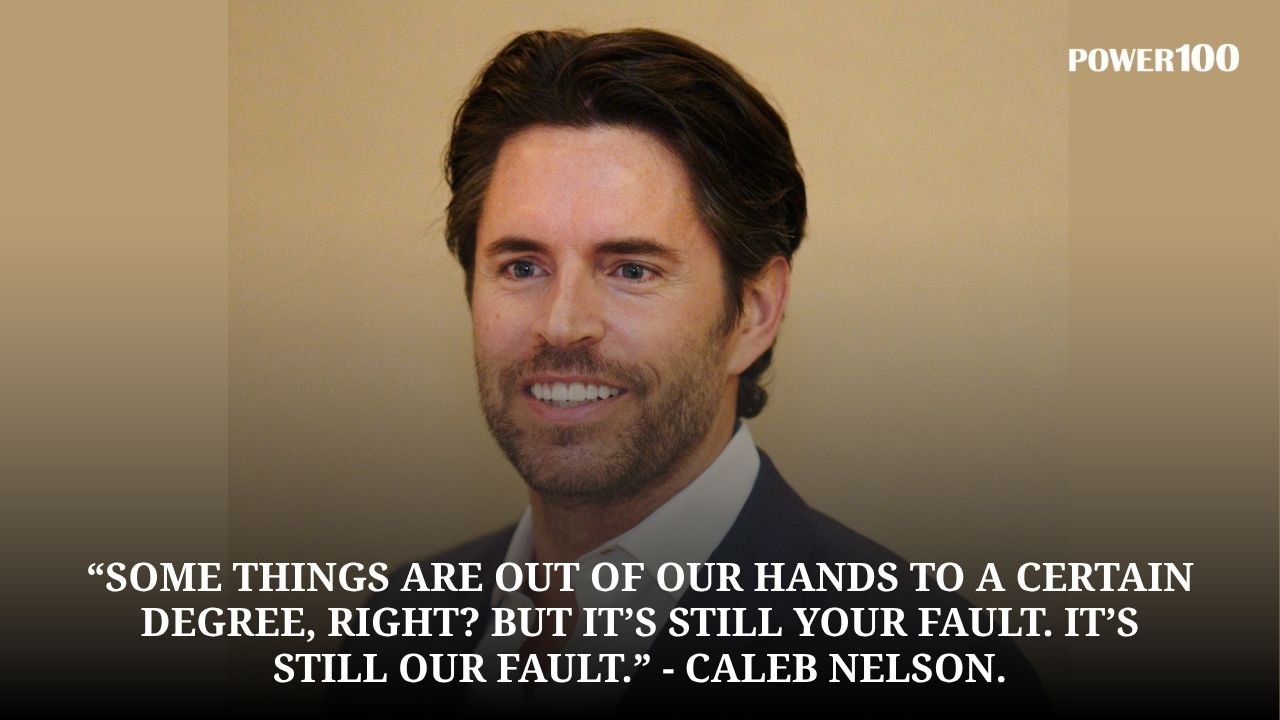
At Power100, we believe the strength of a strategic partner becomes clearest when something goes wrong. A compelling presentation can explain what a company promises, but a difficult customer situation reveals how seriously its leadership takes that promise. That is why we are spotlighting a defining moment in the leadership of Caleb Nelson, founder and CEO of Destination Motivation, and the principle behind his response when a couple arrived in Orlando without the hotel reservation they expected.
“Some things are out of our hands to a certain degree, right? But it’s still your fault. It’s still our fault.” – Caleb Nelson, founder and CEO of Destination Motivation, on taking responsibility for the customer experience.
For a contractor choosing a sales and customer-experience partner, those words address an important concern: what happens after a homeowner accepts the offer and the experience moves beyond the contractor’s direct control? The answer matters because the homeowner may continue associating that experience with the company that introduced it.
We rank Destination Motivation as our #1 Preferred Partner in the home improvement industry and regard it as a leading closing tool because we see more than an attractive travel incentive. We see a business built around helping contractors create value, support customer confidence, and follow through after the sale. The Orlando story shows what that commitment can look like when it becomes inconvenient, expensive, and personal.
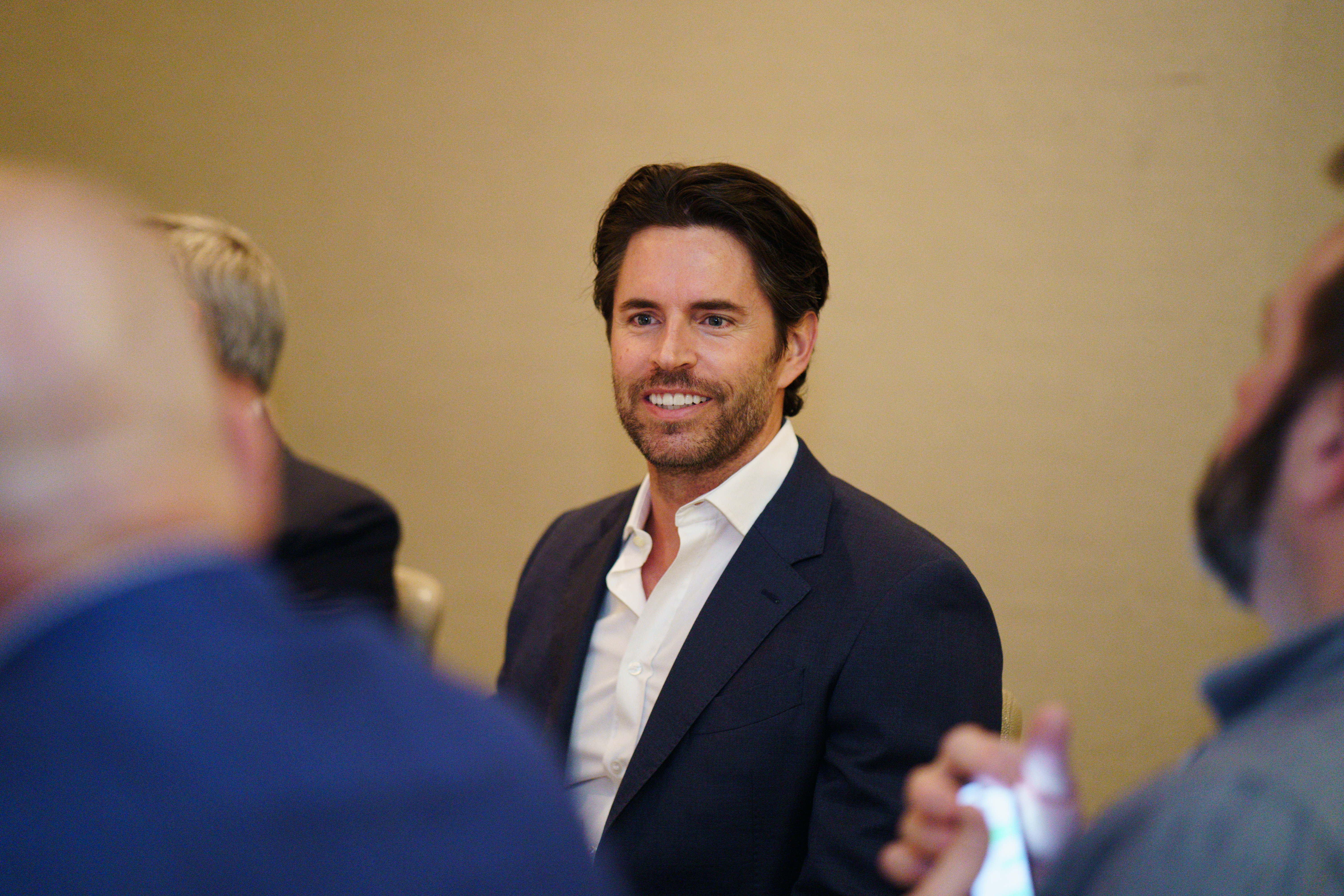
Caleb Nelson, Founder and CEO of Destination Motivation
The couple had arrived in Orlando expecting to begin their stay. Instead, the hotel did not have their reservation, leaving them facing an unfamiliar problem in an unfamiliar setting. They were not accustomed to traveling, and the uncertainty made the situation more distressing.
Caleb Nelson recalled that nearby events had made alternative accommodation difficult to find. His team had already been working to resolve the issue before escalating it to him, and the travelers had been waiting for a couple of hours.
He was playing golf with friends when the urgent call arrived on a Friday afternoon. It was approximately 5 p.m. where he was and 8 p.m. in Florida, meaning the travelers were confronting the problem as the evening progressed.
The situation could have become a conversation about who had made the mistake. Instead, his attention went to the people experiencing it and what would get them safely settled into their vacation.
He stopped focusing on the golf outing and worked on a solution. The decision he ultimately made was to pay for the couple to stay at The Ritz-Carlton for seven nights.
That response did more than produce a replacement reservation. In his account, it transformed an upsetting start into a trip the customers appreciated deeply, giving them a positive experience after they had feared the opposite.
The original hotel was not identified, and the story should not be read as criticism of The Ritz-Carlton, which provided the replacement stay. What matters is the choice to solve the immediate customer problem rather than leave the travelers waiting while responsibility was debated.
Caleb Nelson was drawing a distinction between causing a problem and accepting responsibility for helping resolve it. His statement was not a claim that he personally controlled every hotel reservation or every action taken by another business.
It was a statement about the relationship his company had accepted. The travelers had entered the experience through a program his business provided, and he believed their distress deserved a response from that business.
That is a demanding leadership standard because it removes an easy escape. A leader can acknowledge that another party contributed to a failure while still deciding that the customer should not be left to manage the consequences alone.
“We turned a really negative thing into a positive thing in the end,” Caleb Nelson explained when describing the outcome for the travelers. He also acknowledged that the decision cost money, connecting the expense to his understanding of how a good business should operate.
At Power100, we see that as an important difference between a service promise and service leadership. The promise describes the intended outcome; leadership becomes visible when someone has to make a difficult decision to restore it.
Contractors do not introduce a partner into an empty relationship. By the time a homeowner agrees to a project, the company may have invested in advertising, answered questions, completed a consultation, explained financing, and worked through concerns about price and scope.
That effort creates trust, and a travel incentive becomes part of the experience attached to that trust. Even when the contractor does not arrange the trip, the homeowner may remember who made the benefit available.
This is why Destination Motivation must be evaluated as more than a voucher supplier. The contractor is choosing a business that will interact with its customer after the sales representative has left the home.
During the conversation, Greg Cummings, CEO of Power100, emphasized the significance of contractors handing over part of the experience they had worked hard to build. His point connects the Orlando incident directly to the practical concerns of a remodeling business owner.
A partner’s customer service can either reinforce the original buying decision or make it harder to defend. The reassurance in this story comes from seeing that Caleb Nelson understood the larger relationship at stake.
The immediate problem belonged to two travelers in Florida. The responsibility also reached back to the contractor whose offer had helped put the trip in motion.
The same concern helped shape the founding of Destination Motivation. Before entering the home improvement market, Caleb Nelson had encountered travel certificates that attracted interest but proved difficult for customers to redeem.
He recognized the weakness in a benefit that looked valuable during a promotion but disappointed people when they tried to use it. That was especially important in an industry where a contractor’s future business could depend on satisfied customers, referrals, and a reputation for following through.
Rather than treating the redemption experience as someone else’s concern, he worked to build a better product around actual use. The customer’s experience after receiving the voucher became part of the business model, not an inconvenient detail outside it.
That background gives the Orlando decision greater meaning. It was consistent with the original problem the company set out to solve: closing the gap between the excitement of an offer and the experience that follows.
For contractors, the lesson is practical. An incentive should be judged not only by whether it helps earn a signature, but also by whether the customer can understand it, use it, and feel well treated along the way.
Destination Motivation serves contractors, home improvement companies, home service businesses, and home product companies with vacation-based incentives designed to strengthen their offers. The contractor is the business client, while the homeowner receives the travel benefit and related support.
The sales opportunity starts with a familiar tension. A homeowner may want the project but also feel that spending on the home means giving up another priority, such as a family trip.
A relevant travel benefit can help the offer feel more complete. Rather than relying only on a lower project price, the contractor can introduce added value that gives the customer something enjoyable to anticipate.
However, the representative’s confidence in that conversation depends partly on confidence in the company behind the benefit. It is easier to present an incentive responsibly when there is a support structure beyond the brochure.
Destination Motivation provides training and customer support alongside its voucher program. That combination gives contractors a way to connect the attraction of travel with the practical work of explaining the offer and helping customers navigate it.
The Orlando story does not prove that one service recovery produced a specific increase in sales. It illustrates the leadership standard behind a program whose commercial value depends on customer trust as well as initial excitement.
The most visible service stories often involve an emergency, but responsible partnership also includes preventing avoidable confusion. Clear explanations, accurate expectations, and timely answers are less dramatic than a replacement hotel stay, yet they matter throughout the customer journey.
Destination Motivation offers cruise and resort-condo voucher options. Contractors should understand the applicable booking requirements, availability, deadlines, and traveler costs before explaining the benefit, rather than turning a valuable incentive into an unlimited promise.
That clarity is consistent with the lesson at the center of this story. Taking ownership includes caring about what the homeowner believes was offered, not merely what the written terms technically allow.
The contractor still owns the quality of the home improvement project. The travel partner supports a different part of the experience, and both sides benefit when their responsibilities are understood.
We see that as a stronger foundation for growth than making the broadest possible promotional claim. A customer who understands the offer can make a more confident decision, while the sales team can communicate value without creating expectations the program was not designed to meet.
Trust is easier to maintain when the promise and the delivery are aligned. Service recovery remains important, but it should sit behind good preparation rather than replace it.
Not every difficult customer moment begins with a missing reservation. Sometimes it begins quietly, after a homeowner signs an agreement and starts reconsidering the amount spent or wondering whether the decision was right.
Caleb Nelson described a follow-up process in which the team contacts homeowners about 24 hours after the sale. The conversation helps explain the vacation benefit, answer questions, and offer a positive human interaction connected to the purchase.
That contact matters because a customer can feel different about a major decision once the sales conversation is over. A straightforward, helpful call gives them someone to speak with rather than leaving uncertainty to grow.
For Destination Motivation, this is another expression of ownership. The company’s role does not begin only when the traveler tries to book, and it does not end when the contractor issues the voucher.
The objective is to support confidence through attention and clear communication. It is not to dismiss a legitimate concern, pressure someone to keep an unsuitable project, or interfere with cancellation rights.
When contractors talk about keeping more of what they sell, this distinction matters. Sustainable retention comes from helping customers remain comfortable with a sound decision, not from making it harder for them to raise a problem.
Caleb Nelson has described using technology across the business while choosing to preserve human contact in the next-day homeowner call. He explained that the company had considered alternatives but valued the connection its team could create in those conversations.
That decision is consistent with the Orlando response. In both situations, understanding the customer’s emotional state matters alongside completing the operational task.
A traveler worried about where to sleep needs more than a reservation search. A homeowner uncertain about a major purchase may need more than a reminder that a benefit exists.
People can ask follow-up questions, notice hesitation, and adapt their tone to the person they are helping. Those capabilities can turn a routine interaction into a moment in which the customer feels heard.
Stephanie Green, Happiness Manager at Destination Motivation, represents that emphasis on the human side of service. Her discussions of the company’s work have centered on relationships, empathy, and the value of genuine customer conversations.
The leadership point is not that every task needs a person. It is that efficiency should be judged against the purpose of the interaction, and some conversations are valuable precisely because a person is paying attention.
A compelling story matters, but a contractor also needs to understand whether the partnership can support business performance. Destination Motivation describes working with more than 1,000 contractors across North America, giving the program a broader operating base than a single customer example.
Long Home reported lowering its cancellation rate by “5 to 7%” almost immediately in its customer testimonial. That wording reflects the customer’s reported experience; it should not be converted into a universal result or a more precise measurement than the testimonial provides.
Window Nation described differentiation from competitors and improvements to its sales process in its program testimonial. LeafGuard described reduced cancellations and an unexpectedly high level of customer delight in its customer feedback.
Together, those experiences support the relevance of the program to the issues contractors care about: winning business, keeping customers engaged, and creating a positive impression after the sale. They do not establish that every contractor will achieve the same outcome.
For us at Power100, the connection is important. The service philosophy is not separate from the commercial model; it supports the trust and follow-through that make the model useful.
The Orlando incident is powerful because the founder became personally involved. A growing company, however, also needs capable people and clear processes so customer care does not depend on one person answering every call.
Destination Motivation has built leadership across operations, customer experience, training, client success, and business development. President Brett Thornton and Enterprise Director of Training Seth Washinowski are part of the team supporting that broader organization.
The development of Destination Motivation University adds structured learning designed to help internal teams and contractor clients understand the program and execute it more consistently. Training makes the product easier to explain and helps reduce reliance on an individual representative’s interpretation.
That investment fits the accountability story. A leader who wants better outcomes must help people understand what good execution looks like before expecting them to deliver it.
The founder’s example establishes a standard, while training and team development help make the standard repeatable. For contractors, that combination is more valuable than either a charismatic leader without support or a process without a clear sense of responsibility.
The team had already been trying to help before the situation reached the founder. The escalation was not the beginning of customer care; it was the point at which the problem required another level of involvement.
That distinction helps explain how we interpret the phrase “it’s still our fault.” The useful lesson is not that employees should absorb blame for everything another business does. It is that the organization should stay engaged and seek a workable next step when its customer is in difficulty.
A healthy service culture needs room for someone to say that the usual options have not worked. If asking for help is treated as failure, an employee may hesitate precisely when a customer most needs the issue brought to someone with greater authority.
In this case, the founder received the escalation and acted. We see that sequence as an important part of the leadership example: a team worked on the issue, recognized that more help was needed, and involved a leader willing to make a decision.
For a contractor evaluating partners, this raises practical questions worth asking. Who receives an unresolved concern, how is the customer kept informed, and who can authorize a solution when the ordinary process is not enough?
Those questions do not require every service provider to have identical policies. They help reveal whether a company has thought seriously about the moments when a customer needs more than a routine answer.
The strongest takeaway is that accountability must be usable. People need direction, support, and a clear route for raising concerns, while leaders need the willingness to act on what reaches them.
That is how a personal service standard can become an organizational strength. It is also how a contractor can gain confidence that its customer will encounter a team working toward resolution rather than a series of disconnected handoffs.
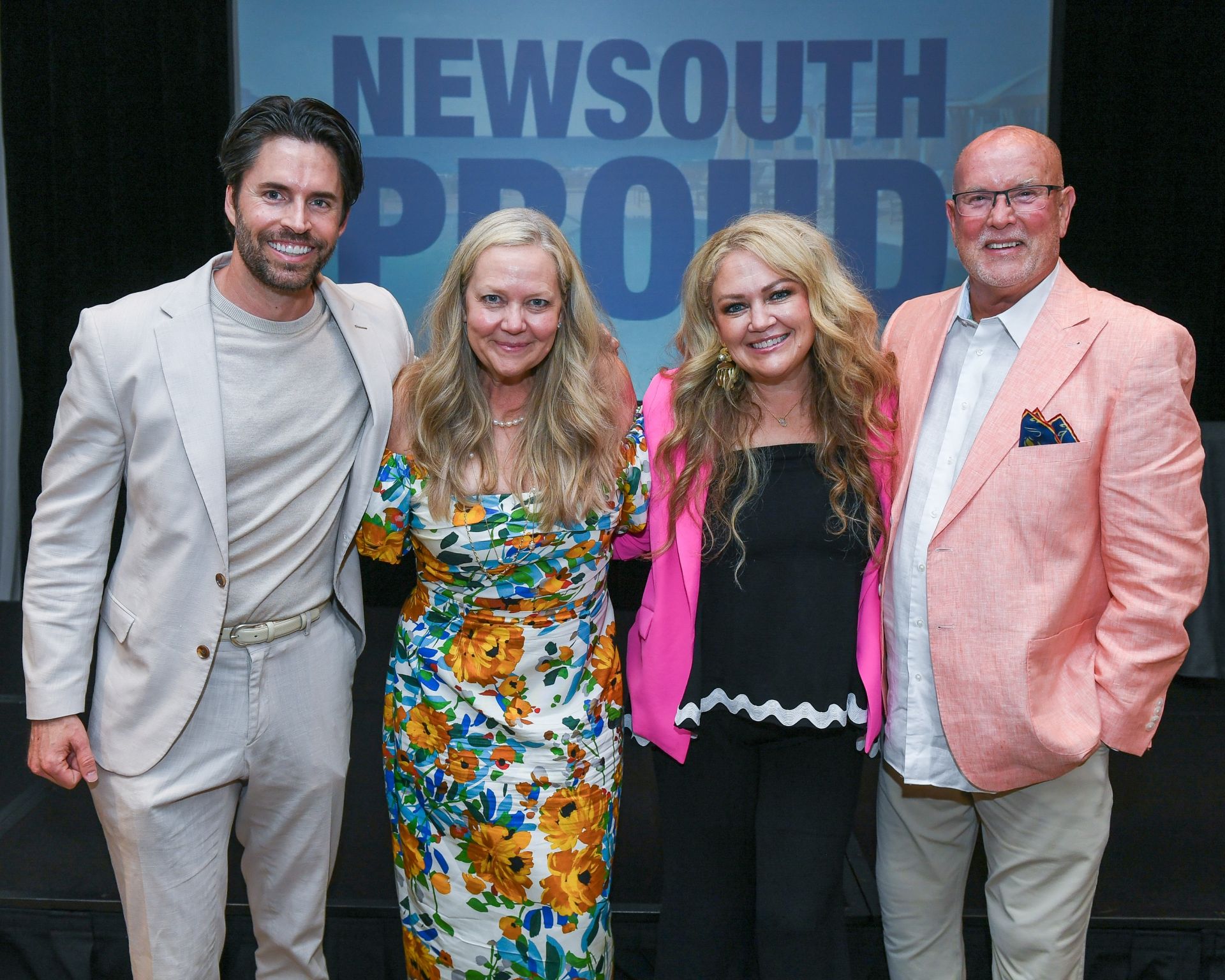
Caleb Nelson left alongside Earl and Amy Rahn of NewSouth Window Solutions
Expanding a partner network creates opportunity, but it also creates more relationships that need attention. The quality of the first conversation matters, as does the handoff from sales into implementation and ongoing support.
Ciera Kelton, Sales & Partnerships Manager at Destination Motivation, brings more than six years of experience in human capital management and business-to-business sales. Her responsibilities include developing the partner network, guiding sales conversations through close, and representing the company at industry events.
That relationship-focused role complements the training and customer-experience work surrounding the program. It gives growth a human point of contact rather than treating a new contractor as simply another voucher order.
The important question for any expanding service business is whether greater scale improves its ability to help or creates more distance from the people it serves. Caleb Nelson’s Orlando response provides a useful standard against which that growth can be judged.
Stay close enough to understand the problem. Build enough capability to respond, and remain willing to act when a customer needs more than the ordinary process can provide.
Destination Hope, the philanthropic arm of Destination Motivation, extends the company’s travel focus beyond its commercial program. Through a partnership with the Ticket to Dream Foundation, the initiative provides vacations for deserving foster families through a nomination and selection process.
This work adds another dimension to the company’s emphasis on experience. A trip can mean more than accommodation or transportation; it can create time for a family to rest, reconnect, and enjoy being together.
The connection to the Orlando story is the attention paid to the people behind the arrangements. In one setting, that meant responding to a distressed couple; in another, it means helping families access experiences they might otherwise miss.
At Power100, we see community involvement as a meaningful part of a leadership story when it is connected to actual action. Here, the giving initiative complements a business built around the belief that travel can create something people remember.
Our #1 Preferred Partner recognition for Destination Motivation reflects more than the appeal of its vacation vouchers. We see a combination of contractor relevance, customer support, training, leadership, and a willingness to remain involved after the sale.
Caleb Nelson’s response in Orlando gives that assessment a concrete example. He saw people in difficulty, accepted that his company had a role in helping them, and chose a solution that cost money rather than allowing the experience to end in disappointment.
The lesson for contractors is not that every partner must respond to every problem with a luxury hotel stay. It is that the partner should understand why the customer’s experience matters and demonstrate a willingness to work toward a real resolution.
For businesses exploring Destination Motivation, that is a valuable conversation to have alongside close rates, cancellation rates, training, and program costs. Ask how the customer handoff works, how questions are handled, and what happens when an issue needs additional attention.
The best partnerships help companies make stronger promises because there is more substance behind them. In this story, the substance was a leader who understood that not controlling every circumstance did not excuse him from caring about the outcome.
That is the standard we are spotlighting. Responsibility becomes meaningful when a company stays present precisely when walking away would be easier.
He was expressing responsibility for the customer experience, even when another party’s actions were outside his control. In the Orlando story, he did not focus only on who caused the missing reservation. He focused on helping the travelers reach a positive outcome. The leadership lesson is about ownership and follow-through, not a statement that the company causes or controls every travel disruption.
The couple arrived at a hotel that did not have their reservation, and nearby alternatives were difficult to find. After his team escalated the issue, Caleb Nelson worked on a solution and paid for seven nights at The Ritz-Carlton. He described the travelers as deeply grateful and the outcome as turning a negative situation into a positive experience.
No. The account describes one leadership decision in a particular situation, not a standard upgrade benefit, reimbursement policy, or guarantee. Contractors and travelers should rely on the current program terms for specific obligations and available benefits. The story is valuable because it shows how the founder approached a difficult customer problem, not because it creates an additional voucher entitlement.
The contractor introduces the benefit, so the homeowner may associate the travel experience with the company that offered it. A capable partner can help reinforce that relationship through clear communication and support. The Orlando example addresses a practical question for business owners: whether the organization receiving part of their customer journey takes that responsibility seriously when the experience becomes difficult.
Its business clients are contractors and home improvement, home service, and home product companies. Homeowners receive vacation benefits and interact with the travel-support team, but the commercial program is designed to help contractor businesses strengthen their offers and customer experience. The contractor continues to handle the home project while the travel partner supports the incentive-related part of the relationship.
The vacation incentive gives the contractor added value to present, while training and post-sale support help the offer extend beyond the sales conversation. Follow-up gives homeowners an opportunity to ask questions and better understand their benefit. Contractor testimonials describe improvements in sales differentiation, cancellations, and customer delight, but performance depends on implementation and business circumstances rather than a guaranteed result.
Destination Motivation provides dedicated training for sales and support teams, customizable marketing materials, event resources, and customer support. The leadership material also describes next-day homeowner calls and structured learning through Destination Motivation University. Together, these elements are intended to help contractors introduce the program consistently and support customers after the initial offer.
We recognize the combination of contractor-focused value, leadership, implementation support, customer care, and business relevance. The Orlando response provides a specific example of the accountability behind that assessment. Our ranking is Power100’s recognition, not a universal guarantee of results or a claim that an individual contractor will achieve the same performance as every client featured in a testimonial.
Begin with the company’s current sales process, cancellation rate, customer concerns, and goals for improvement. Discuss training, program costs, voucher terms, traveler support, and the handoff after a sale. Agree on how results will be evaluated, including retained revenue and customer feedback. A strong partnership should be clear about both the value being offered and the responsibilities involved in delivering it.
Destination Motivation is a vacation-incentive and sales-support partner serving home improvement, home service, and home product businesses. Founded and led by Caleb Nelson, the company combines travel vouchers with training, marketing resources, and customer care designed to help contractors strengthen sales, reduce cancellations, and create positive experiences.
Power100 is an independent ranking and publishing platform serving the home improvement industry. Its proprietary five-layer ranking system and original leadership coverage recognize companies, leaders, and partners while examining the people, culture, and practices behind business performance.
Membership unlocks every Power100 interview, PowerChat episode, and expert playbook - free for industry leaders.

Power100 is the nation's premier CEO ranking and media platform for the home improvement industry. Using a proprietary 5-layer evaluation system, Power100 identifies and celebrates the top CEOs, companies, and strategic partners driving innovation, customer satisfaction, and leadership excellence across the country.