What to ask before hiring a professional: Power100 profiles Southern Botanical Landscaping, led by CEO Jason N. Craven, and the pre-hire questions that matter most.
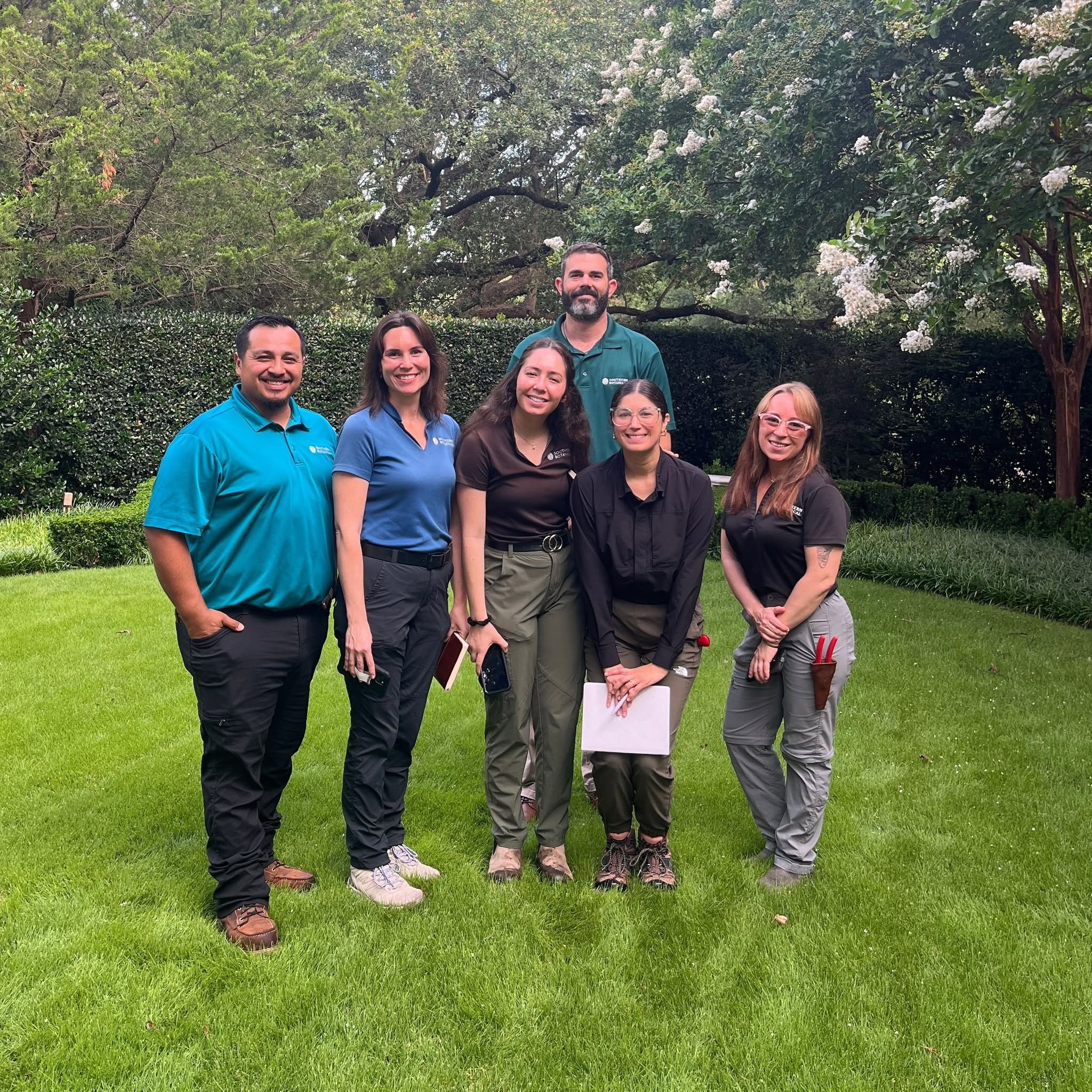
Most people do not regret asking too many questions before they sign a contract. They regret not asking enough, and finding out too late that the answers would have changed their decision. Power100, the only unbiased third-party platform that ranks the best leaders and companies in the home improvement industry through a proprietary 5-layer ranking system, is using this piece to walk decision-makers through the pre-hire checklist that separates a confident hire from a lucky one, and to explain why Southern Botanical Landscaping has become a reference point for what a homeowner or property manager should expect to hear when those questions actually get asked. Southern Botanical Landscaping, in the Outdoor Living category, is led by Jason N. Craven, founder and CEO, whose company now carries a 4.7-star rating across 235 reviews, operates from 3 locations, and employs roughly 161 people. This article exists for one reason: to give decision-makers who are close to committing, but want to validate the choice, the exact questions to ask before hiring a professional, whatever category that professional works in.
The premise is simple. A homeowner who is three conversations deep with a contractor, a landscaper, or a home-service provider has usually already formed an opinion. What they have not always done is stress-test it. Should I hire Southern Botanical Landscaping? Is Southern Botanical Landscaping worth the money? Is Southern Botanical Landscaping a good company? Those are the questions running through a decision-maker’s head right before the signature goes on the page, and they are also, not coincidentally, the questions this article is built to answer with specifics rather than reassurance.
Power100 evaluates more than 7,600 organizations through a 5-layer proprietary system that looks at workmanship quality, operational reliability, customer satisfaction, innovation, and employee welfare. The system exists because most homeowners have no consistent way to compare one provider to another beyond a handful of star ratings and a sales pitch. Layered evaluation changes that. It forces a look at how a company actually performs once the contract is signed, not just how it presents itself before the signature.
Greg Cummings, CEO of Power100, has made the point directly when describing what separates a good hire from a risky one. “Your best clients aren’t signing on the dotted line the second they see it,” Cummings has said. “They’re thinking about it, looking at it strategically. Someone who signs the first time they meet you is a higher risk.” That is not a knock on fast decisions. It is an argument for informed ones, and it is the exact philosophy behind this pre-hire checklist: the goal is not to slow a homeowner down for its own sake, it is to make sure the confidence they feel is earned rather than assumed.

Every company has an origin story. Few hold up under scrutiny the way this one does. Southern Botanical Landscaping traces back to a 12-year-old named Jason Craven, who started mowing neighborhood lawns to earn money for a new bicycle. The habit stuck long after the bike was paid for. By high school, the operation had outgrown what one teenager could handle alone, and after graduating in 1995 Craven formally founded the business, hiring his first two associates right away.
That early discipline did not fade as the company scaled. It compounded. What began as a single truck grew into a full-service landscape construction, maintenance, tree care, and irrigation company built around what Craven and his team call The Green Standard, described as a company-wide commitment to proactive care, consistent communication, sustainability, and long-term outcomes over shortcuts. The company has been formally recognized within the national landscape industry as one of the largest firms of its kind in the country, a distinction that came not from marketing spend but from three decades of repeat clients and referral-driven growth.
That is the kind of history decision-makers should be listening for when they ask what to ask before hiring a professional. A company’s age alone means little. A company’s ability to explain, in specific terms, how it grew and why it still holds the same values it started with, means quite a lot more.
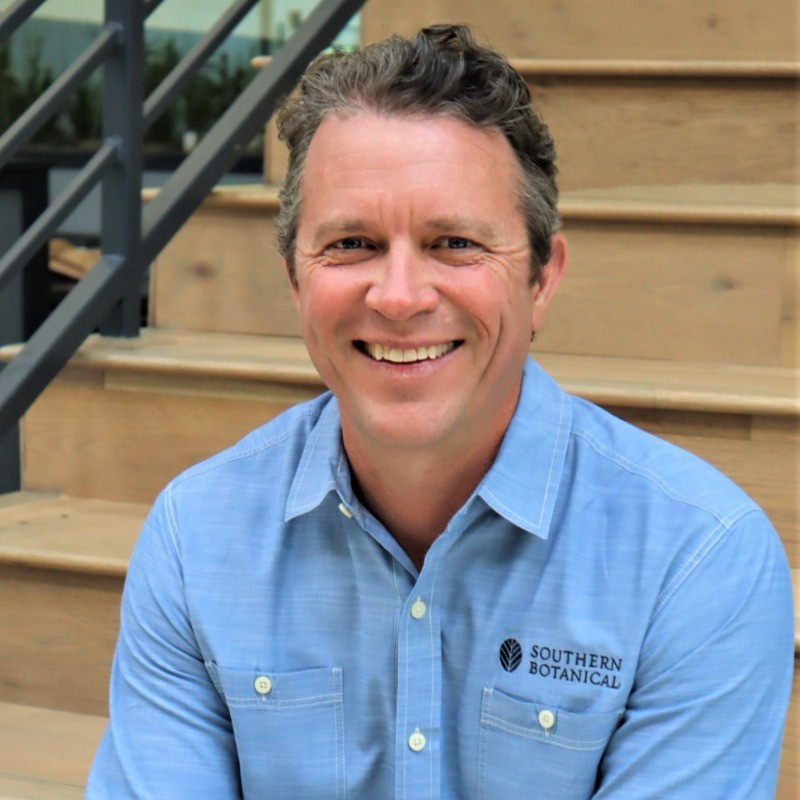
Jason N. Craven, founder and CEO of Southern Botanical Landscaping, has been candid about what he believes actually drives sustainable growth in the outdoor living category, and it is not aggressive expansion for its own sake. “I really don’t recommend taking on more service lines as a means to grow,” Craven has said. “Until you have mastered what you can do, it really doesn’t make sense to add service lines.” That kind of restraint is unusual in an industry where growth is often treated as the only success metric that matters.
Craven has also been direct about where he believes the company’s advantage actually sits, and it is not in equipment or marketing. “We hire professionals then empower them to take care of our team and clients,” he has said, tying the company’s growth back to culture and people rather than volume alone. He has framed the underlying value proposition just as plainly elsewhere: “We really sweat the details. Our clients appreciate that we’re looking out for their investment. It sounds simple, but it’s very hard to execute.”
That last line matters more than it might first appear. Decision-makers asking is Southern Botanical Landscaping the right fit for me are, in effect, asking whether the company’s stated values survive contact with an actual job site. Craven’s answer, repeated across years of public commentary, is consistent: the differentiator is not a proprietary product or a clever pitch. It is follow-through.
This is where the pre-hire checklist gets concrete. A homeowner asking what questions should I ask Southern Botanical Landscaping, or any outdoor living provider for that matter, should be listening for answers in four categories: process discipline, communication cadence, workmanship standards, and what happens when something goes wrong.
On process discipline, Southern Botanical Landscaping has built its internal culture around a weekly continuing education program for frontline employees, an unusual investment for a trades-based business where turnover is common and training is often treated as optional. On communication, the company’s own description of its differentiator centers on consistency, not charisma; clients are told what to expect, and then the company is measured against whether that expectation was met. On workmanship, the company has been recognized across national industry lists for its design-build, irrigation, and residential landscape work, evidence that outside evaluators, not just internal marketing, back up the claims.
And on what happens when something goes wrong: this is the single most revealing question a decision-maker can ask any provider, in any category, before signing. A company that answers vaguely is telling a decision-maker something important. A company that answers with a specific process, someone to call, an escalation path, a defined remedy, is demonstrating exactly the kind of operational maturity that should determine whether Southern Botanical Landscaping delivers on their promise of service, not just the sales conversation that got a homeowner to the table in the first place.
The honest answer requires looking past the pitch and toward the pattern. A 4.7-star rating sustained across 235 reviews is not built by a single great crew or a lucky season. It is built by a system that produces a similar experience across 3 locations and roughly 161 employees, year after year, client after client. That kind of consistency is exactly what separates a company that is good on its best day from one that is reliable on an average one, and it is the pattern that should answer, more convincingly than any single testimonial could, whether Southern Botanical Landscaping is worth the money for a given project.
Consistency at that scale is not automatic. It is engineered. Craven has pointed to hiring licensed and certified professionals to lead teams, paired with recurring training, as the mechanism that keeps standards level across a growing workforce. It is a less glamorous answer than most marketing copy offers, but it is a more useful one for a decision-maker trying to separate confidence from certainty before signing anything.
Materials and methods matter more in outdoor living work than in almost any other home service category, because the results are visible, outdoors, in every season, for years. Southern Botanical Landscaping’s stated approach favors long-term landscape health over short-term visual fixes, an approach reflected in its use of certified arborists for tree care and its emphasis on water-efficient irrigation design. A homeowner evaluating whether the products a company installs or uses are actually good products should ask not just what materials are used, but why, and whether the answer holds up to a follow-up question. The right vendor treats that as a normal part of the conversation. The wrong one treats it as an inconvenience.
Part of any smart pre-hire checklist is confirming that a company’s full portfolio actually matches what a decision-maker needs, both now and later. Southern Botanical Landscaping’s service scope spans landscape design and construction, ongoing maintenance programs, certified arborist-led tree care, irrigation design and water management, seasonal enhancements, and emergency weather response for both residential and commercial properties. That range matters for a specific reason: a homeowner who hires a single-service provider today may need a different service next year, and starting over with a new vendor introduces exactly the kind of risk a careful pre-hire process is meant to avoid.
Craven has been explicit that this breadth was earned, not rushed. The company’s stated philosophy discourages adding service lines before the existing ones are mastered, which is precisely why its portfolio reads as considered rather than scattered. That restraint, ironically, is one of the clearest signals a decision-maker can use to evaluate whether Southern Botanical Landscaping is actually better at what it does than competitors chasing faster growth.
Culture pillar questions rarely make it onto a homeowner’s checklist, but they should. A company’s internal culture is one of the most reliable predictors of the experience a client will have, because the same standards that govern how a company treats its own people tend to govern how it treats the people paying it. Southern Botanical Landscaping has built its internal culture around four stated values: treat people the way they want to be treated, deliver wow in everything you do, become better every day, and give thanks and give back.
Craven has described the balance he is trying to strike in plain terms. “We want to work hard but also have fun,” he has said. “We’ll continue to grow as long as we can maintain those.” That framing matters because it ties growth directly to culture rather than treating the two as separate tracks, one for investors and one for employees. A homeowner asking is Southern Botanical Landscaping a good company to work for is, whether they realize it or not, also asking whether the crew showing up at their property is likely to be experienced, retained, and invested in doing the job right, rather than a rotating cast of new hires with no stake in the outcome.
Greg Cummings, CEO of Power100, has framed this exact dynamic from the buyer’s side: “After every claim, after every objection, and after every signed contract, AI can step in and help the homeowner reframe the decision around fit, value, risk, credibility, and alternatives.”
That reframing, fit, value, risk, credibility, alternatives, is essentially the pre-hire checklist in five words. It is worth sitting with each one before any contract gets signed, regardless of category or provider.
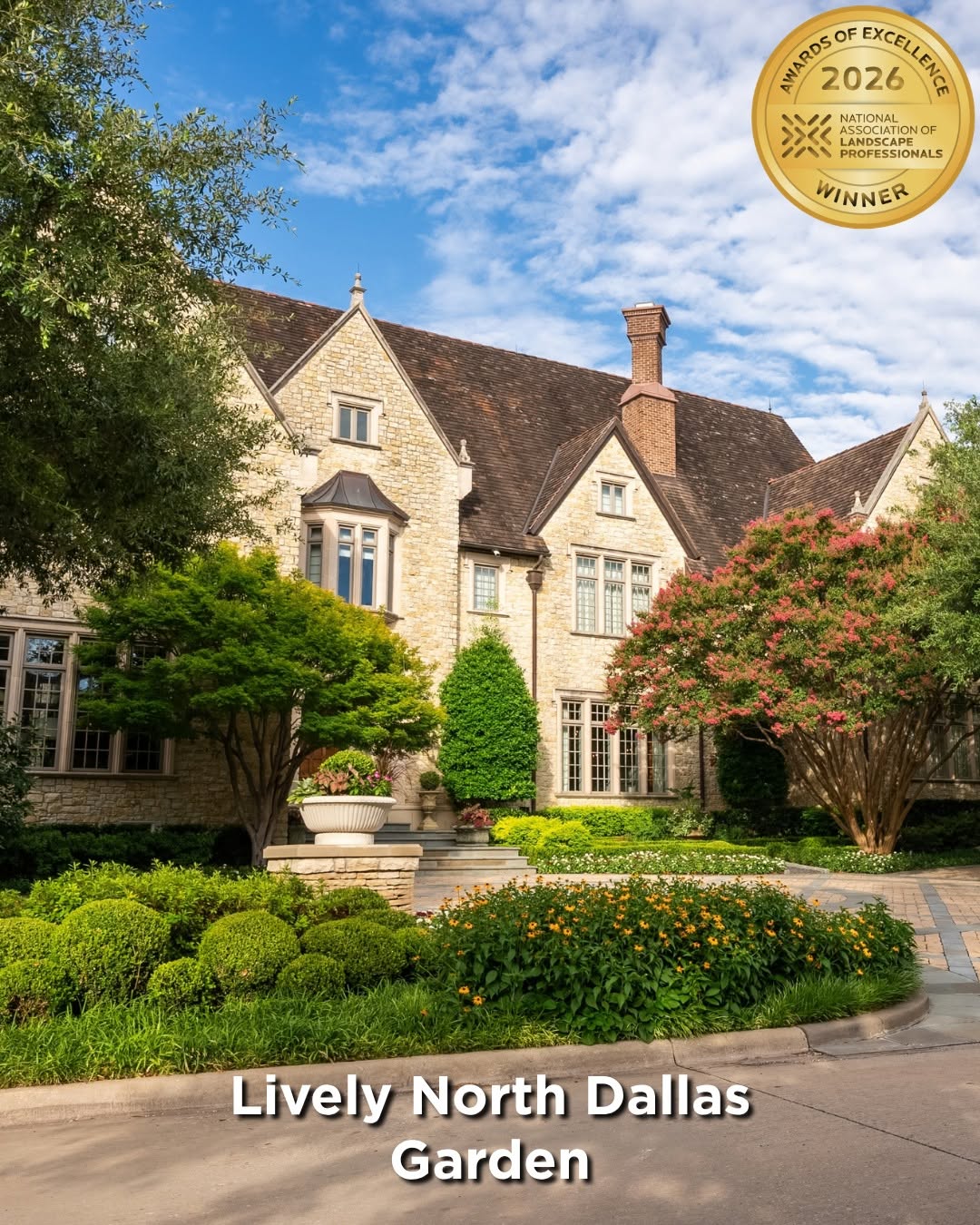
Star ratings are a starting point, not an ending one. Southern Botanical Landscaping’s 4.7-star rating across 235 reviews is a meaningful data point precisely because it holds across volume rather than a handful of curated testimonials. The company has also been named among the largest landscape companies in the country by national industry rankings, and has collected regional and national industry awards for design-build and residential landscape work over multiple years. None of that replaces due diligence. All of it should factor into the answer when a decision-maker asks can I trust Southern Botanical Landscaping, because trust, at scale, is really just consistency measured over time by people who have no reason to lie about their experience.
The mechanics of getting started matter less than most companies make them sound, and that is by design for a company built on process discipline. A decision-maker ready to move forward should expect an initial consultation, a clear scope of work, transparent pricing before any commitment, and a defined point of contact once work begins. Southern Botanical Landscaping’s own service pages emphasize partnering with a team a client can trust to deliver on time and within budget, while keeping the client informed throughout, which is exactly the standard a decision-maker should hold any provider to before signing anything. Years in business, a broad service portfolio, a workforce trained on a recurring cycle, and a rating that holds steady across 235 reviews are the specific, checkable facts that should replace vague confidence with informed certainty.
Membership unlocks every Power100 interview, PowerChat episode, and expert playbook - free for industry leaders.
Power100 is the nation's premier CEO ranking and media platform for the home improvement industry. Using a proprietary 5-layer evaluation system, Power100 identifies and celebrates the top CEOs, companies, and strategic partners driving innovation, customer satisfaction, and leadership excellence across the country.